
 English
 русский


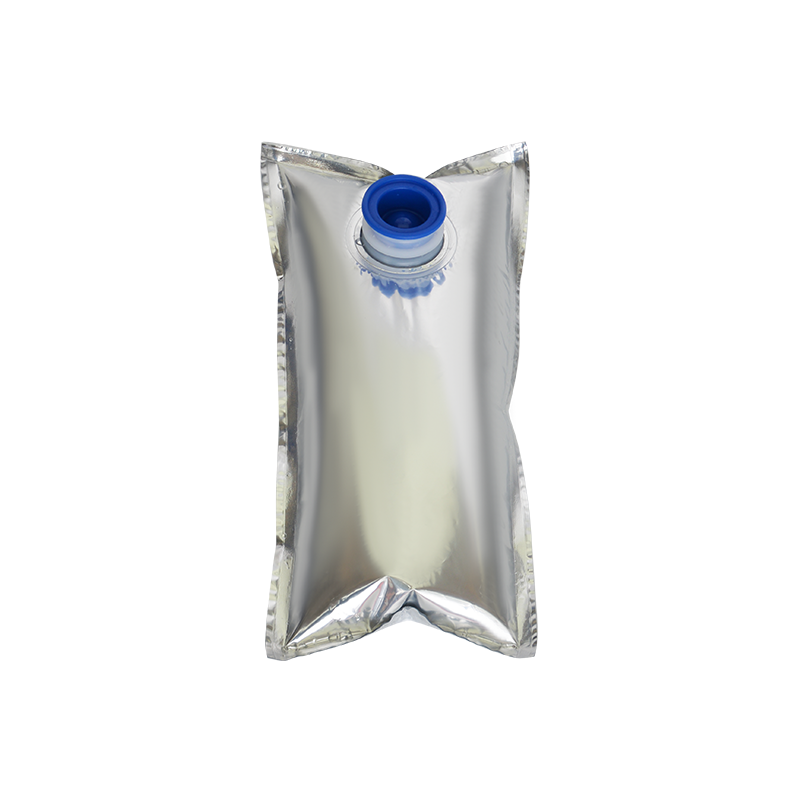

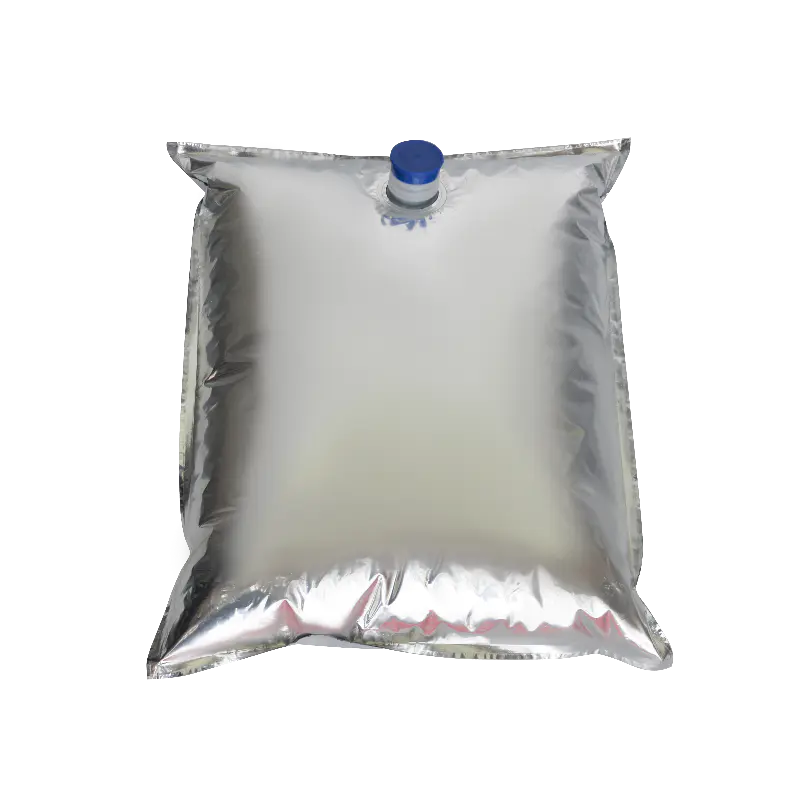

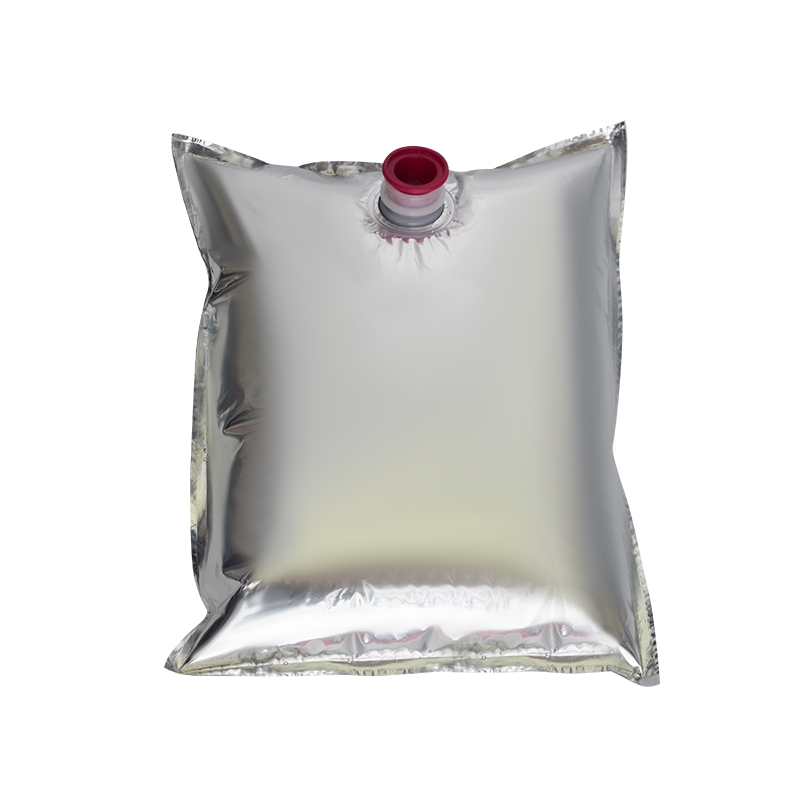

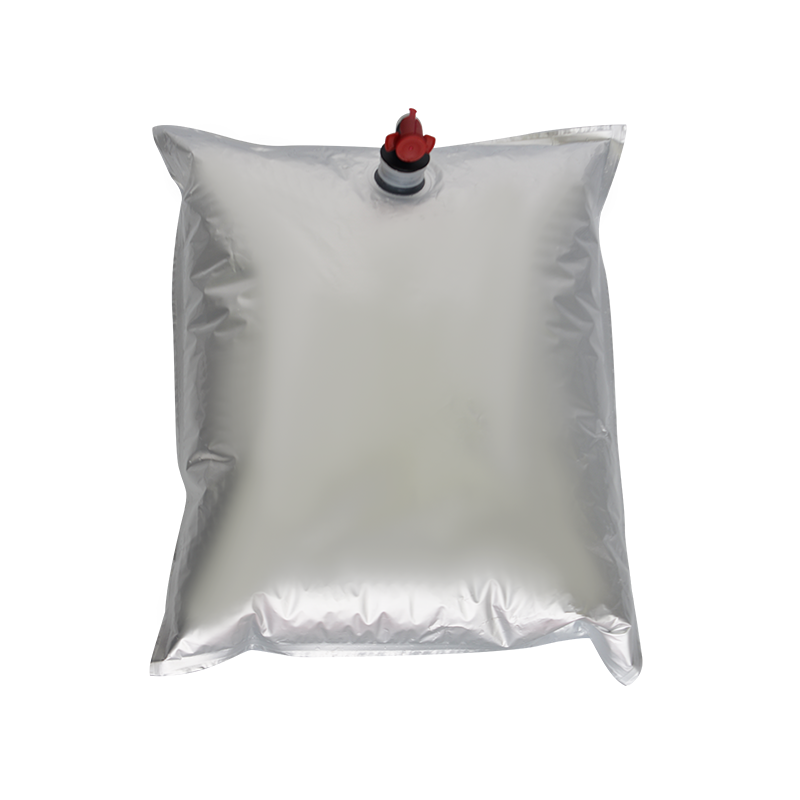

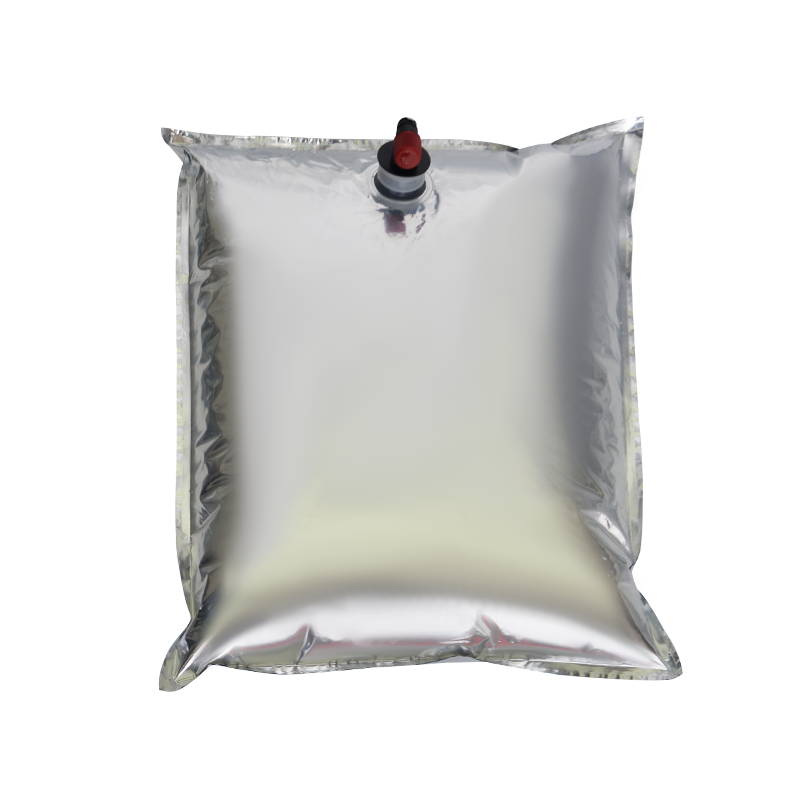






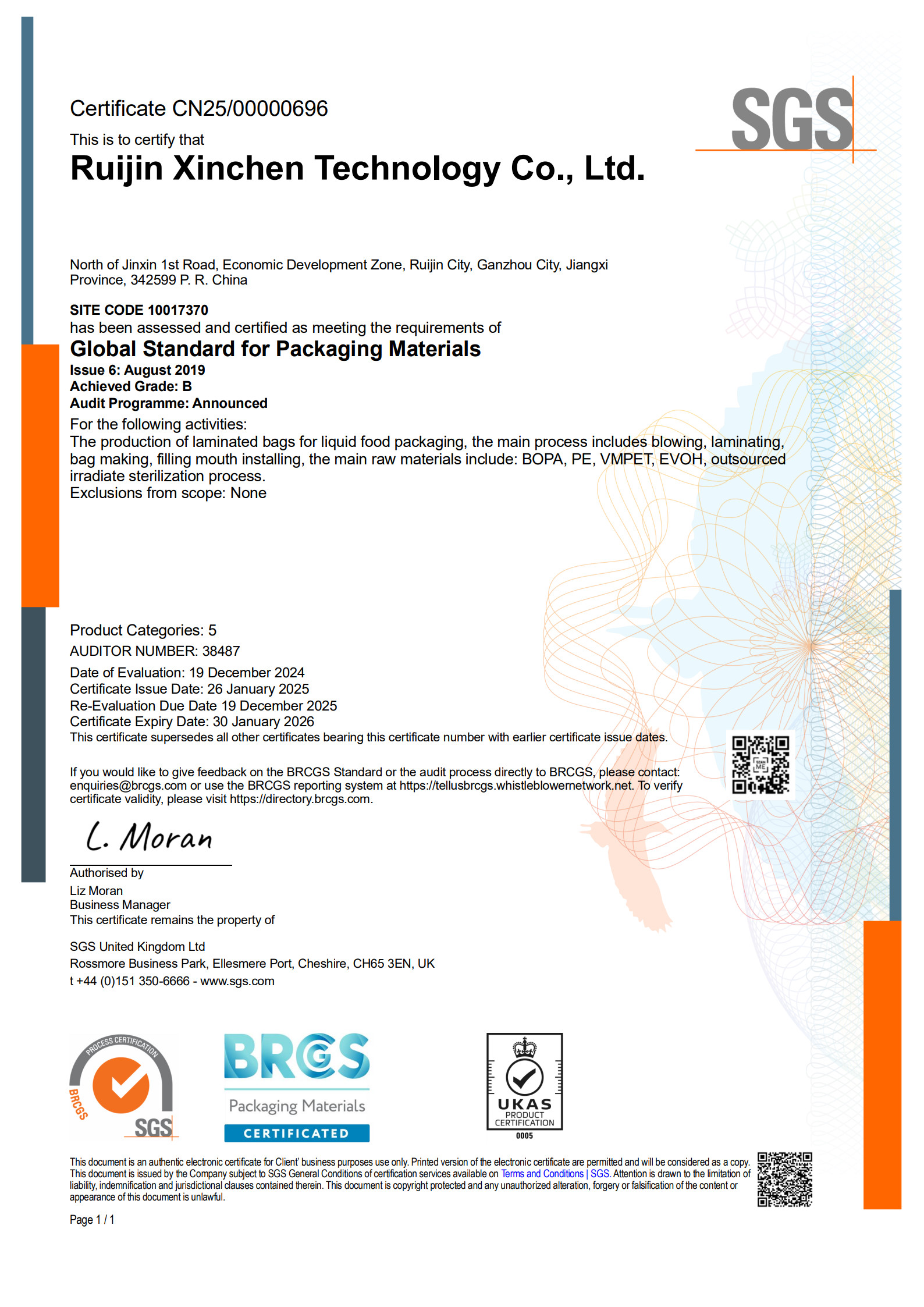

The Core Value and Industrial Significance of Aseptic Bags
Aseptic Bags, with their stable and clean packaging environment, provide a high barrier to entry for materials during filling, storage, and transportation. Their key significance lies in protecting products from microbial contamination, thereby maintaining consistent quality performance at every stage of the supply chain. The value of aseptic packaging goes far beyond improving hygiene levels; it lies in effectively reducing the potential impact of the production environment on materials, enabling products to achieve sustainable circulation with lower energy consumption and fewer steps.
In an environment of increasingly strained and demanding global supply chains, aseptic bags are strengthening enterprises' capabilities for cross-regional production and long-cycle storage. Its superior sealing, pressure resistance, and cleanliness make it a crucial support for the stable operation of industries such as high-end manufacturing, functional foods, and precision chemicals.
Technical Composition and Safety Mechanisms of Aseptic Bags
Materials and Multi-layer Structure
The core technology of Aseptic Bags revolves around multi-layered composite materials, sealing processes, and sterilization systems. The material structure typically possesses excellent barrier properties, ensuring the stability of the contents' physicochemical properties throughout the process. The inner layer material ensures high inertness after contact with materials, thus avoiding migration and penetration risks. The outer structure also provides stress resistance, ensuring the packaging maintains a reliable shape during transportation and handling.
Sealing Systems and Process Control
Establishing and maintaining a sterile environment is crucial during manufacturing and use. The sealing system of Aseptic Bags uses heat sealing, valve protection, and strictly controlled processing temperatures to resist external contamination. Sterilization technology generally employs multiple safeguards, using systematic pretreatment processes and precision equipment to maintain a high level of cleanliness before filling. The entire system operates by ensuring that every contact point is within a controllable range, ultimately forming a complete and unified aseptic chain.
The Driving Role of Aseptic Bags in the Food and Biotechnology Industries
High-value-added foods, bio-ingredients, and sensitive nutrients are driving increasing market demand, leading to higher requirements for aseptic packaging. Aseptic bags allow products to maintain their activity and flavor without relying on strict cold chains, giving manufacturers more flexible supply strategies. From fermented materials to functional ingredients, aseptic bags are enhancing R&D freedom in the food industry, enabling more innovative products to be mass-produced.

In the biotechnology industry, Aseptic Bags help companies build efficient and safe material handling processes, reducing the time spent on traditional equipment cleaning and sterilization, and streamlining R&D and production. Their high cleanliness significantly reduces the probability of contamination incidents, thereby improving the controllability of the entire system. For the expanding biomanufacturing sector, this advantage is continuously amplifying its production value.
The Upgrading Role of Aseptic Bags in Manufacturing and the Global Supply Chain
Flexibility and Resource Efficiency
As manufacturing systems become more flexible and green, Aseptic Bags are becoming an important path for companies to reduce resource consumption. Its lightweight structure reduces transportation stress, and its flexibility lowers storage space requirements, making overall operations more resilient. More and more multinational corporations are viewing aseptic bags as a key component in building distributed production capacity, enabling rapid global deployment through this packaging format.
Traceability and Digital Integration
As supply chains evolve, traceability and visibility become increasingly important. The material and production coding mechanisms of Aseptic Bags allow for integration with digital systems, improving transparency from filling to delivery. This visibility not only enhances customer trust but also provides companies with a basis for continuous production optimization, enabling them to maintain a competitive edge in an ever-changing market.
Future Trends and Technological Directions of Aseptic Bags
Sustainability and Material Innovation
With rising regulatory standards and growing market demand, Aseptic Bag technology is moving towards greater intelligence and sustainability. High-performance materials, lightweight structures, and higher barrier properties are becoming key areas of industry R&D focus. Future development will place greater emphasis on environmentally friendly attributes, promoting aseptic packaging into a green circular system by optimizing composite materials and improving recyclability.
Intelligentization and Information Integration
Intelligentization is another important direction. In digital production environments, Aseptic Bags can be integrated with visual labels, intelligent inspection points, and collaborative mechanisms with automated equipment, transforming packaging from a simple container into an information node. By connecting with factory management systems, Aseptic Bags will help companies achieve higher-level quality monitoring and production scheduling, making aseptic packaging a crucial foundation for driving smart manufacturing.

