
 English
 русский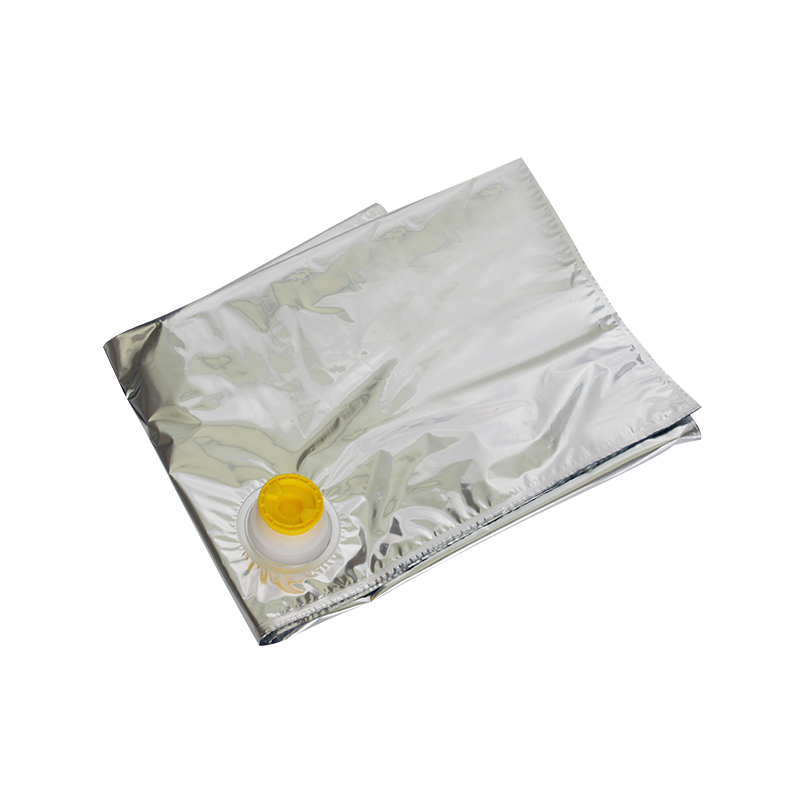




Introduction
In today's packaging industry, with consumers' ever-increasing demands for product quality and environmental protection, various innovative packaging solutions have emerged. Bag-in-Box packaging technology, with its unique advantages and diverse applications, has gradually become the preferred packaging method for more and more industries. As an efficient, convenient, and environmentally friendly packaging form, Bag-in-Box not only reduces production costs but also effectively enhances the market competitiveness of products.
What is Bag-in-Box Packaging?
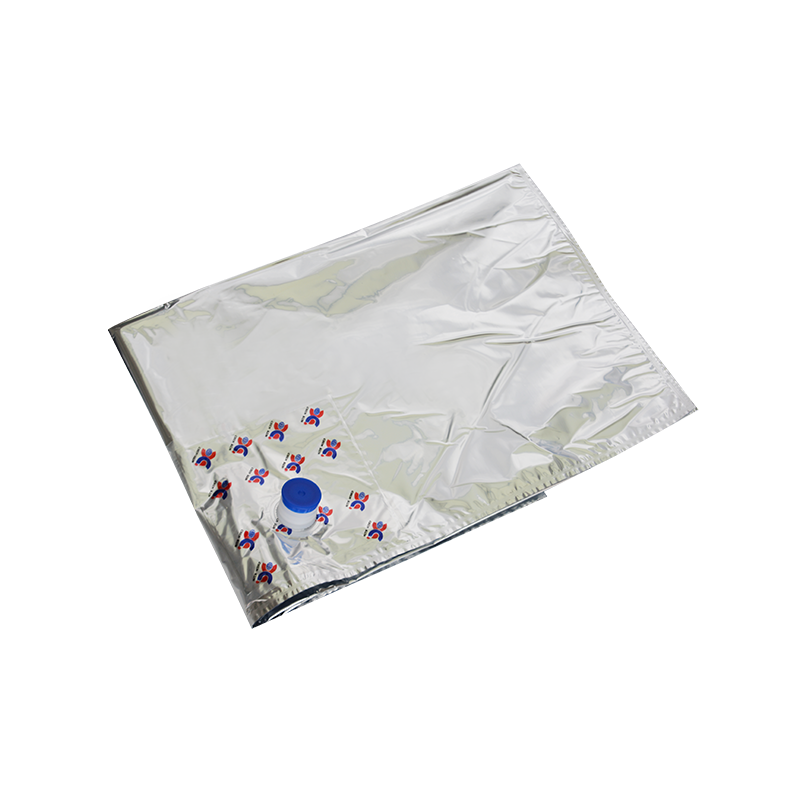
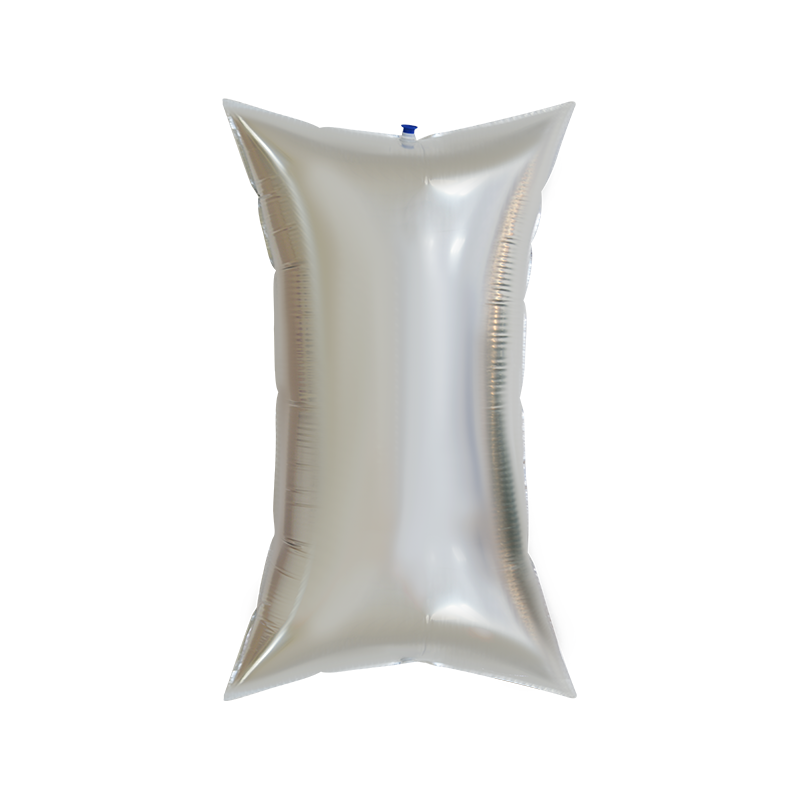
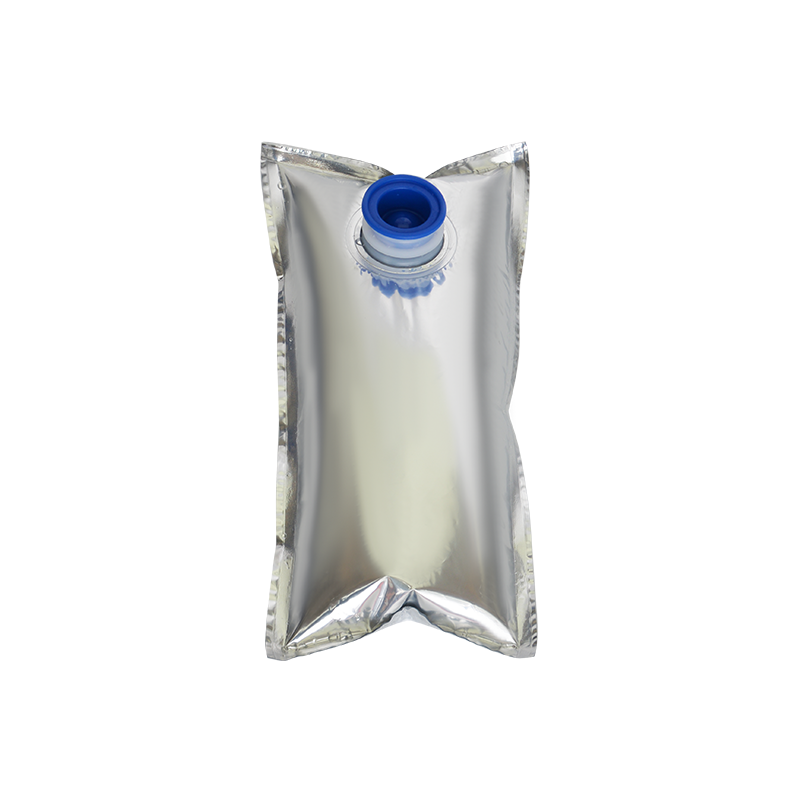
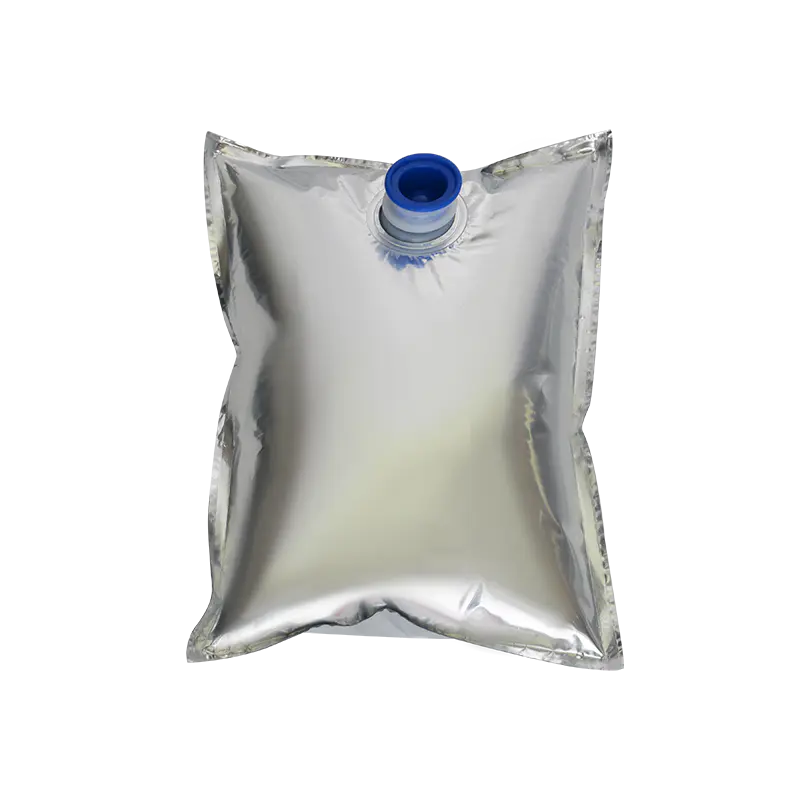
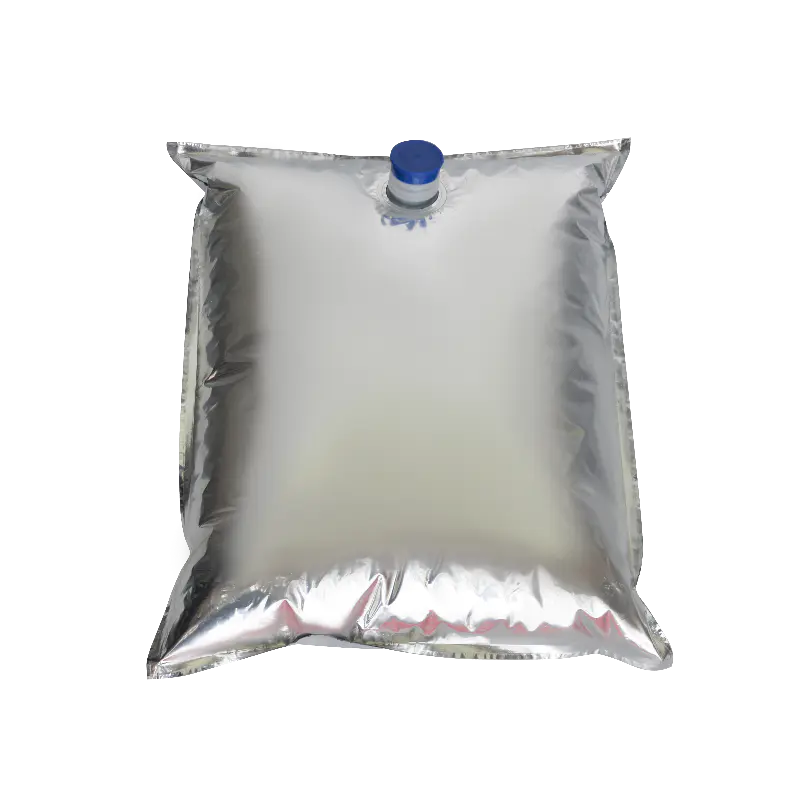
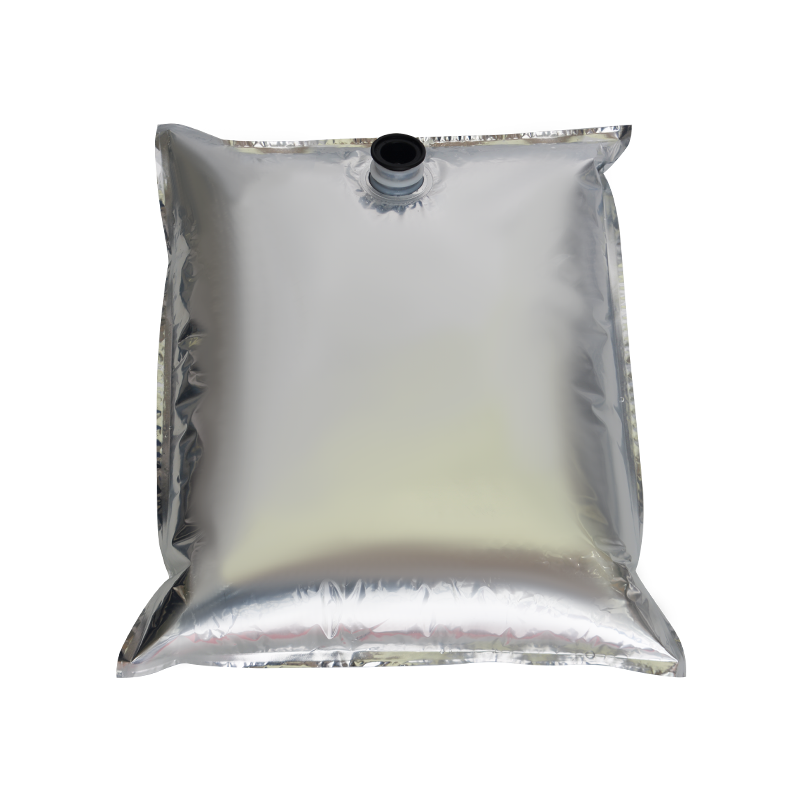
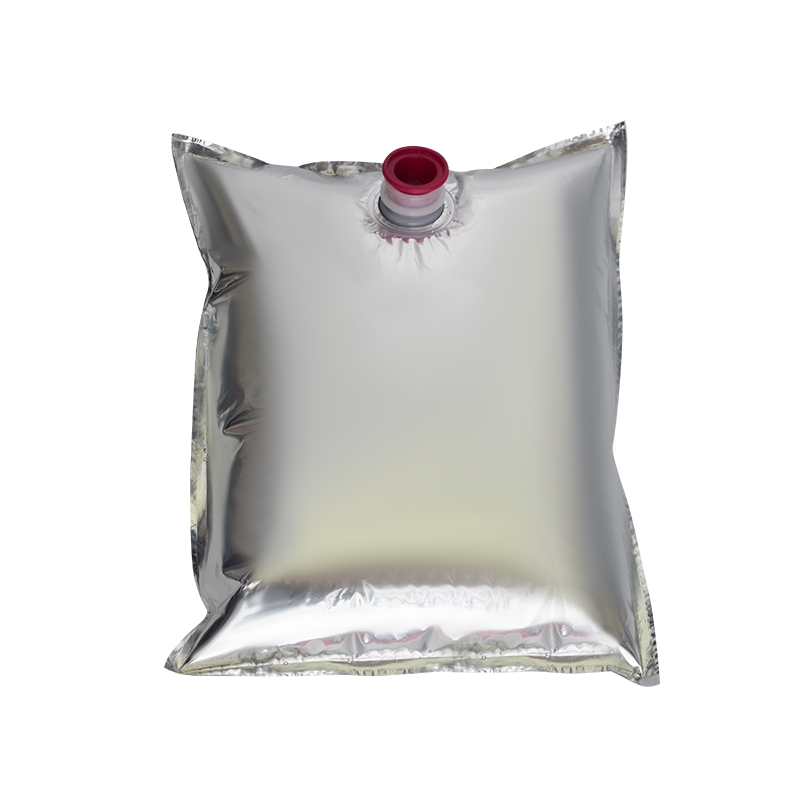
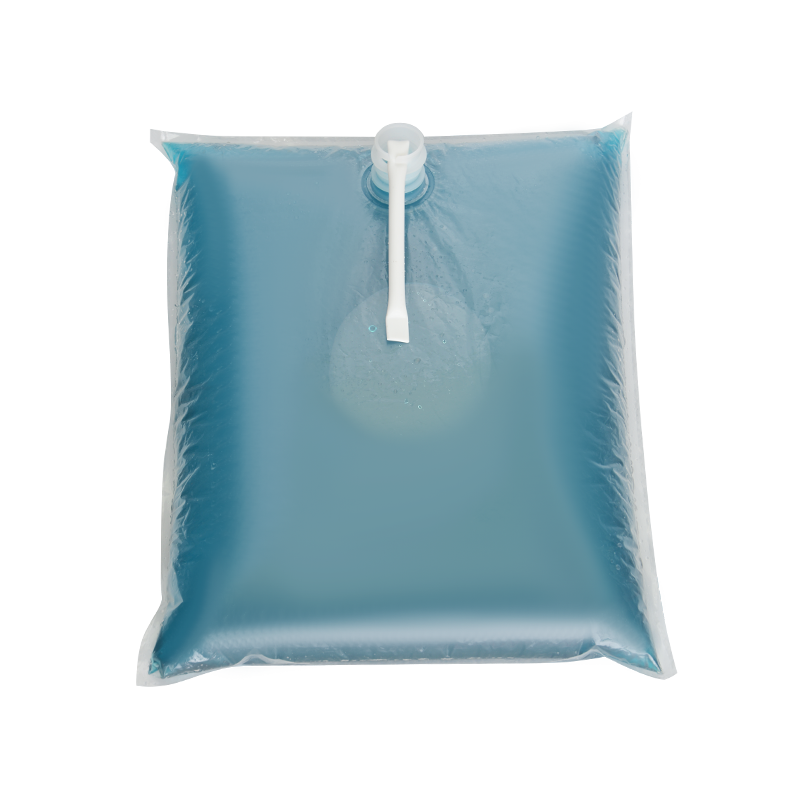
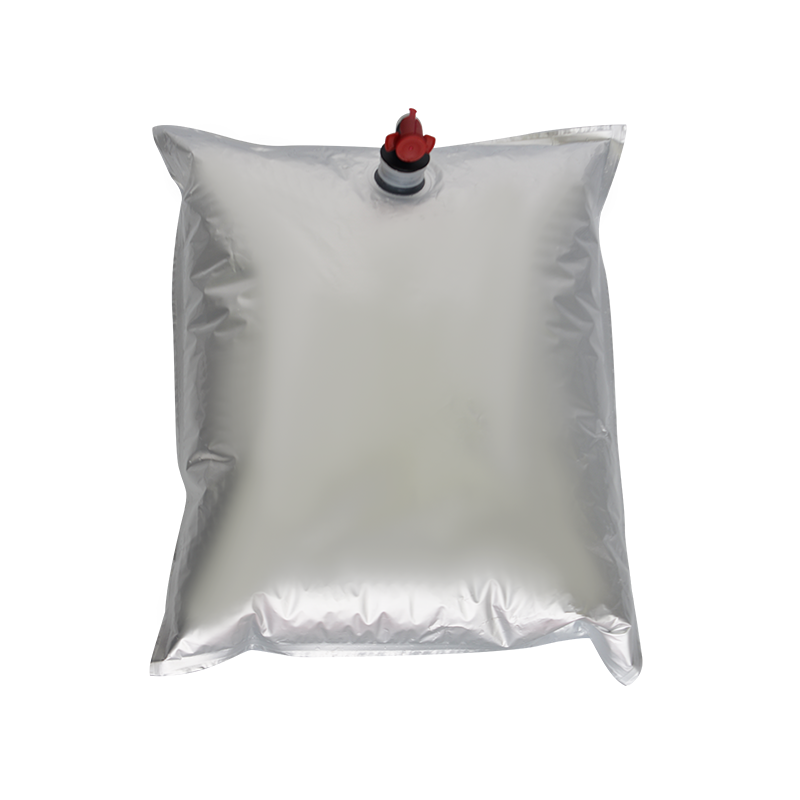
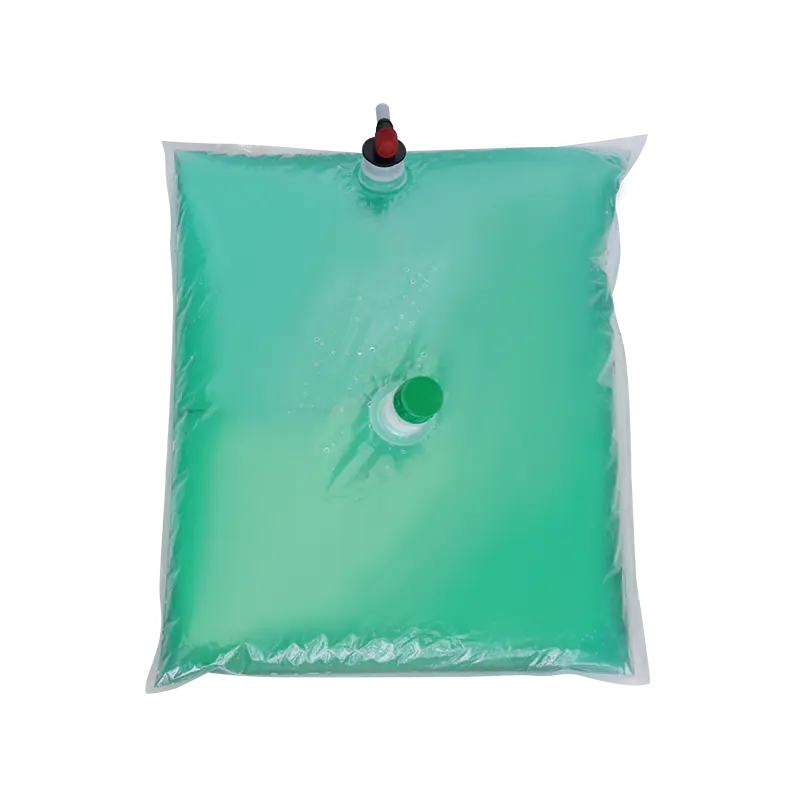
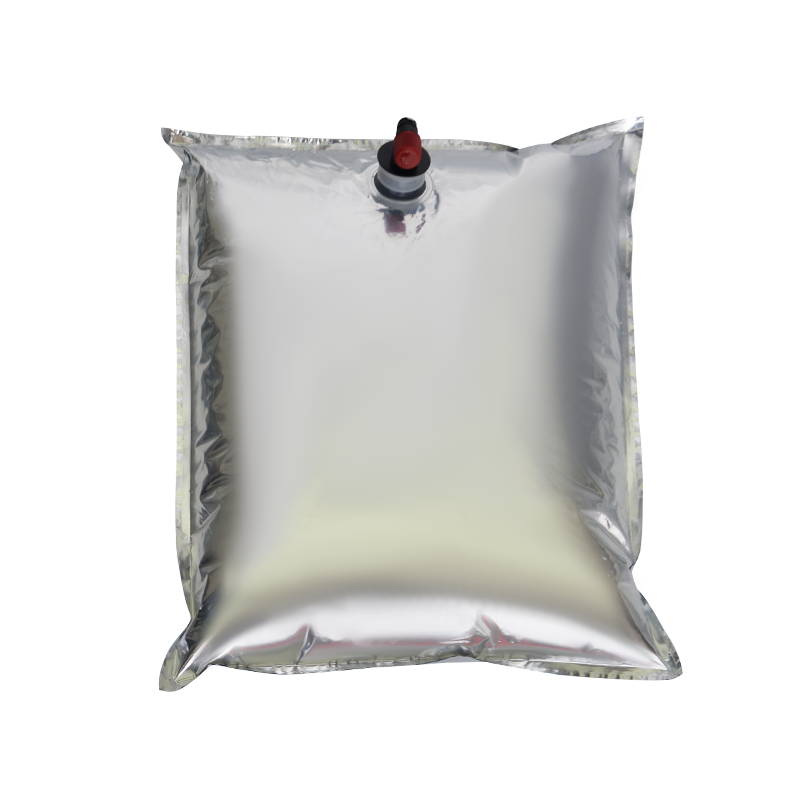
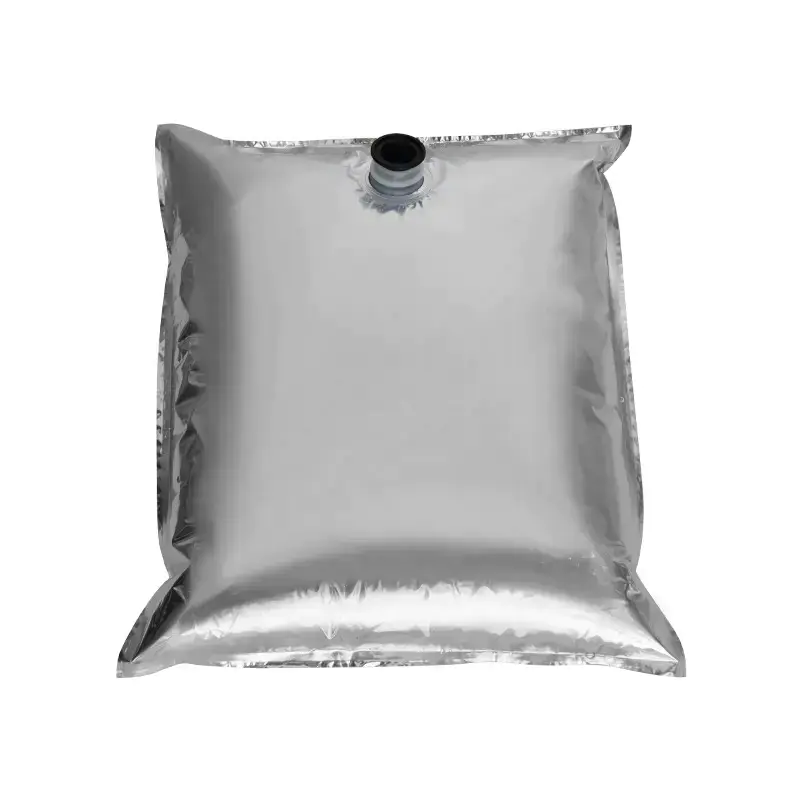
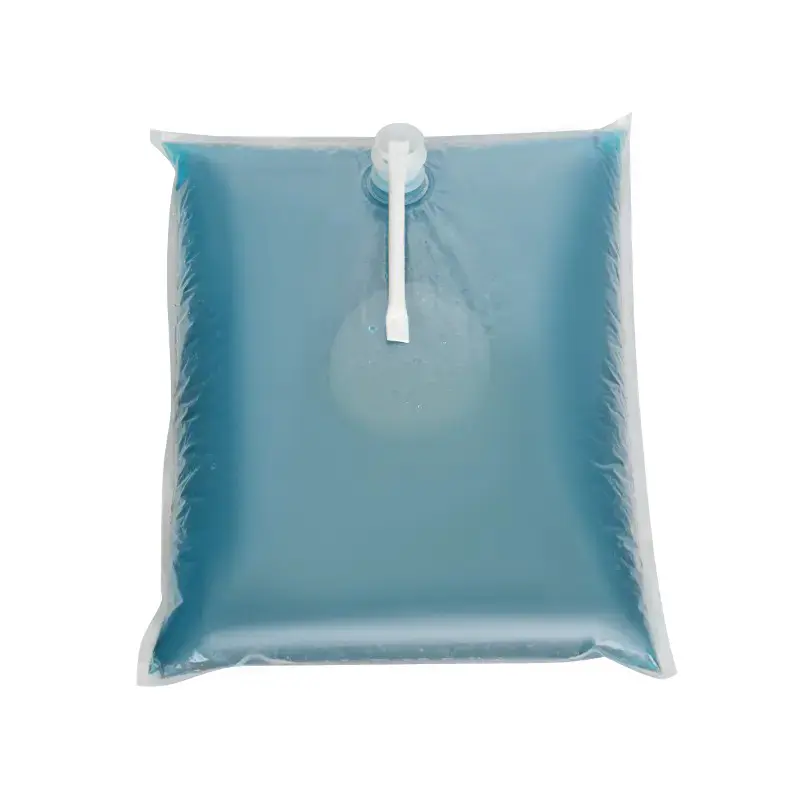
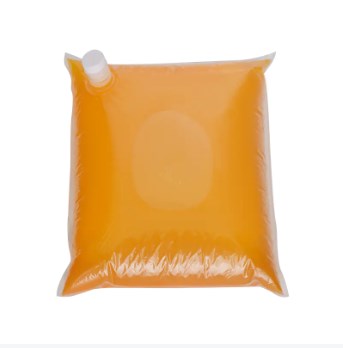
Bag-in-Box is a packaging technology that encloses liquid or some semi-solid products in a durable plastic bag. This plastic bag is placed inside a rigid cardboard box or other outer casing to ensure its integrity and safety during transportation, storage, and sales. The liquid product inside the bag is dispensed through a valve at the opening of the bag, while the outer cardboard box provides support, protection, and convenient handling.
Core Advantage of Bag-in-Box Packaging
The core advantage of this packaging method is that the product inside the bag does not come into contact with outside air in a sealed state, thus reducing the risk of product spoilage due to oxidation or contamination. In addition, the rigid outer packaging effectively protects the product inside from external pressure, tearing, and other accidental damage.
Unique Advantages of Bag-in-Box
Space Saving and Reduced Transportation Costs
Bag-in-Box packaging offers significant advantages in saving space and reducing transportation costs. Compared to traditional glass or plastic bottle packaging, Bag-in-Box uses flexible packaging and a lightweight design, allowing for more efficient transportation of the same volume of product. Due to the flexible nature of the bagged product, it can adapt flexibly to different transportation conditions, minimizing transportation costs caused by excessive space occupation.
Extended Shelf Life and Improved Product Quality
Bag-in-Box packaging effectively extends the shelf life of liquid products, mainly due to its sealed design. By isolating the product from air, it reduces the risk of oxidation and spoilage, especially suitable for liquid foods or beverages such as fruit juices, wines, and sauces. Especially for products that need to be stored for a long time, Bag-in-Box can maintain a longer shelf life.
Environmental Advantages and Recyclability
With the continuous upgrading of environmental regulations, consumers are increasingly opting for environmentally friendly and sustainable packaging methods. The materials used in Bag-in-Box are usually highly recyclable, and the packaging design is simple and uses fewer resources, conforming to the trend of green environmental protection. Compared to traditional bottled and canned packaging, the production process of Bag-in-Box is more environmentally friendly and effectively reduces the generation of plastic waste.
Easy to Operate and Convenient to Dispense
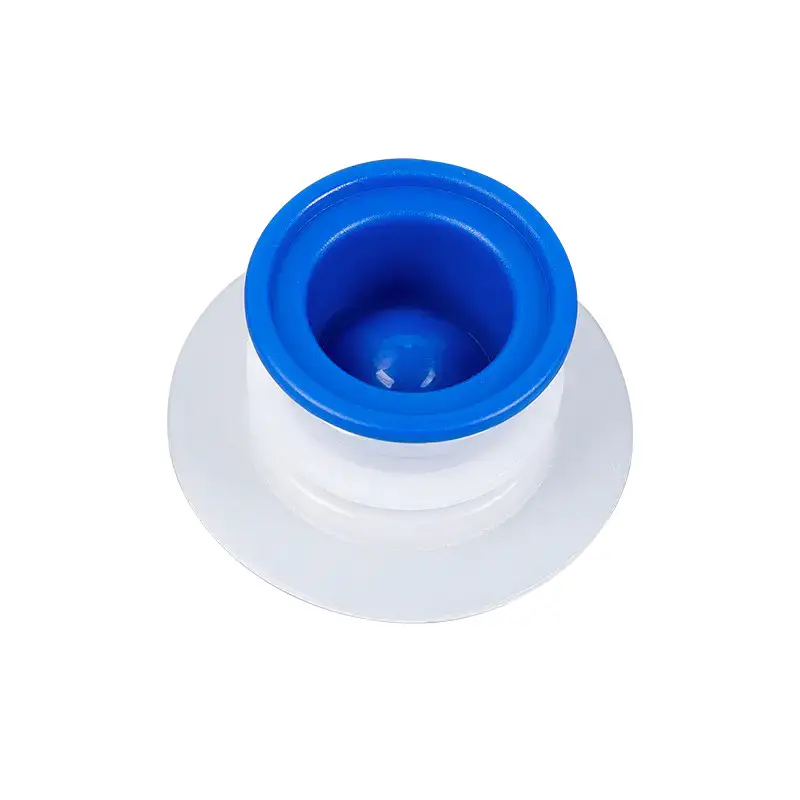
A significant feature of the Bag-in-Box design is its ease of dispensing. The bag is equipped with a valve, allowing consumers to accurately dispense the desired amount of product, reducing waste. This design not only enhances the user experience but also, to some extent, ensures product hygiene and safety.
Applications of Bag-in-Box
Bag-in-Box technology was initially widely used in the beverage industry, especially for liquid products such as wine and fruit juice. However, with continuous technological development and innovation, its application scope has expanded to multiple industries. Whether in food, beverages, chemicals, or pharmaceuticals, Bag-in-Box provides high-quality packaging solutions.
Food Industry
In the food industry, Bag-in-Box is commonly used for packaging various beverages, condiments, and sauces, especially for large-capacity products. For the catering or food processing industry, Bag-in-Box is an efficient solution that reduces packaging costs while ensuring product quality.
Chemical Industry
In the chemical industry, Bag-in-Box is also widely used for packaging liquid products such as paints, fertilizers, and detergents. Its unique sealing performance and ease of transportation ensure the stability and safety of products during transportation.
Future Development Trends of Bag-in-Box Packaging
With continuous technological advancements, Bag-in-Box packaging will develop towards greater intelligence and automation. Future Bag-in-Box packaging will not be limited to simple bag designs but may incorporate more innovative intelligent elements, such as temperature control systems and product monitoring functions, to ensure that products remain in optimal condition throughout the entire supply chain.
At the same time, as consumer demand for personalized customization and convenience increases, Bag-in-Box packaging will also continuously improve in terms of personalized design and aesthetics to meet the market's demand for diversification and personalization.
FAQ
1. What products are suitable for Bag-in-Box packaging?
Bag-in-Box packaging is suitable for various liquid and semi-solid products, such as wine, fruit juice, beverages, sauces, condiments, paints, and chemical liquids. It is especially suitable for products that require long-term storage or large-capacity packaging.
2. What are the biggest advantages of Bag-in-Box packaging?
The biggest advantages of Bag-in-Box packaging are its ability to effectively extend the shelf life of products, reduce oxidation and contamination risks, and its lightweight and space-saving design, which reduces transportation costs.
3. Is Bag-in-Box packaging environmentally friendly?
Yes, the materials used in Bag-in-Box packaging are generally highly recyclable and meet environmental protection requirements. Compared to traditional plastic and glass bottle packaging, Bag-in-Box packaging is more environmentally friendly in terms of resource utilization and waste disposal.
4. Is Bag-in-Box packaging suitable for small-scale use?
While Bag-in-Box packaging offers greater advantages in large-scale production and transportation, with improvements in manufacturing technology, small-scale users can now also utilize Bag-in-Box packaging to some extent. This packaging method is gradually becoming a popular trend, especially in the food service industry.
5. How does Bag-in-Box packaging ensure product hygiene and safety?
Bag-in-Box packaging effectively seals out air, reducing contact with external contaminants and thus maintaining product hygiene and safety. Furthermore, the valve design at the spout prevents direct contact with the external environment when dispensing the product, further ensuring product safety.

