
 English
 русский
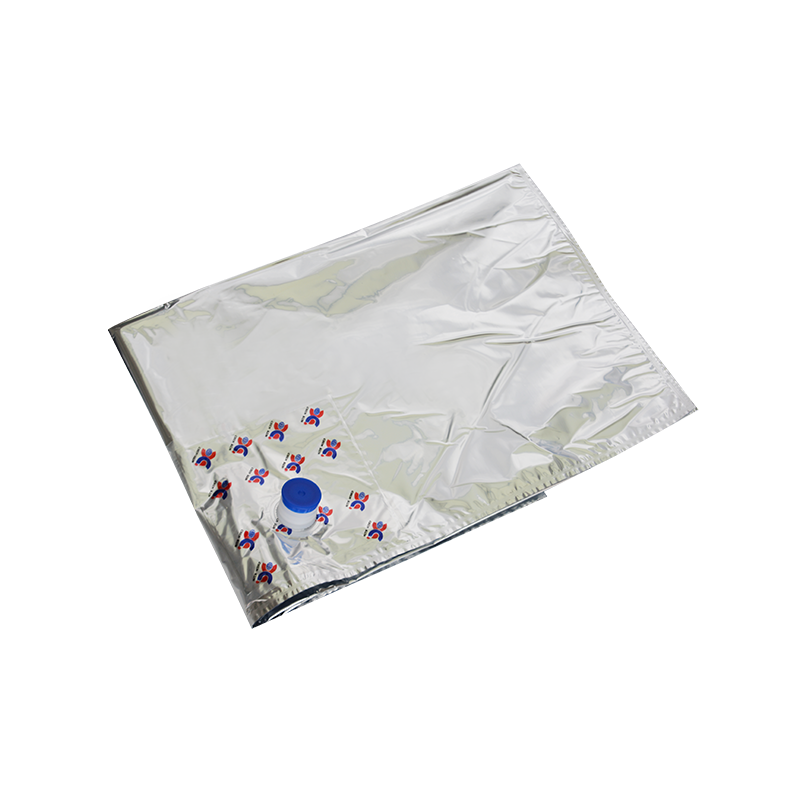
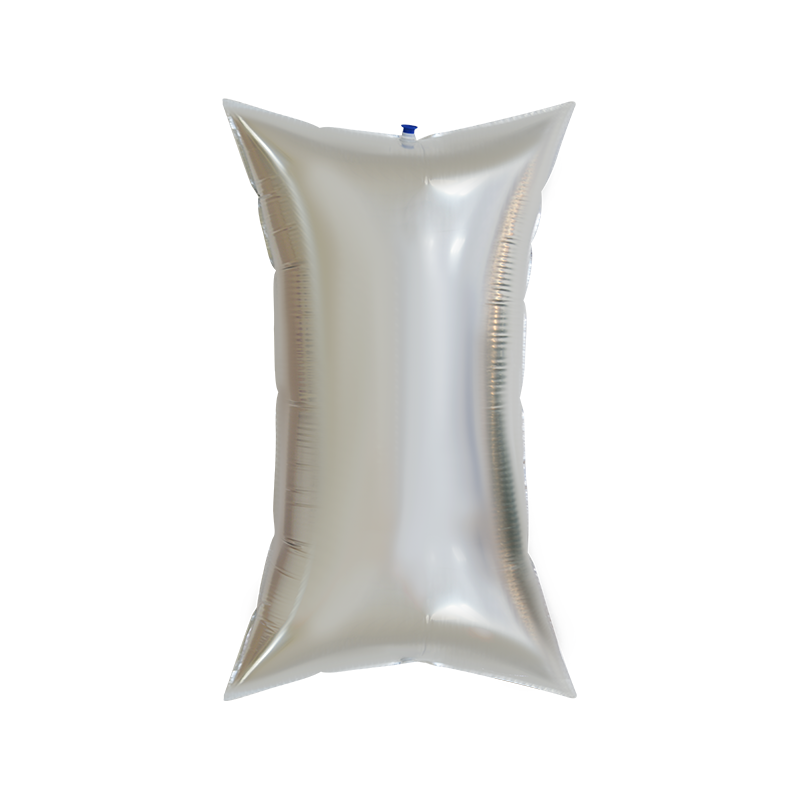
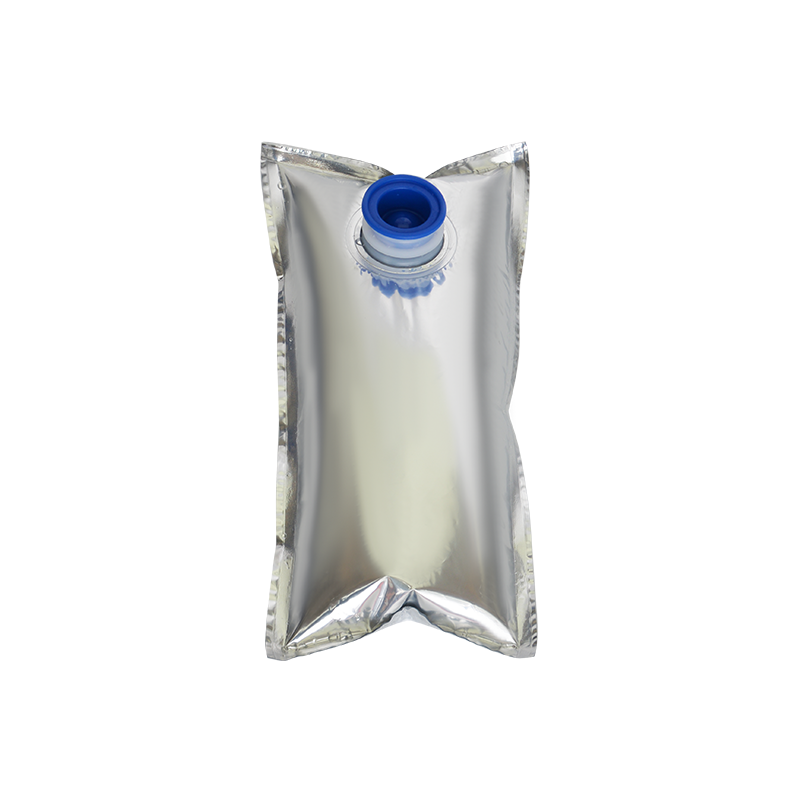
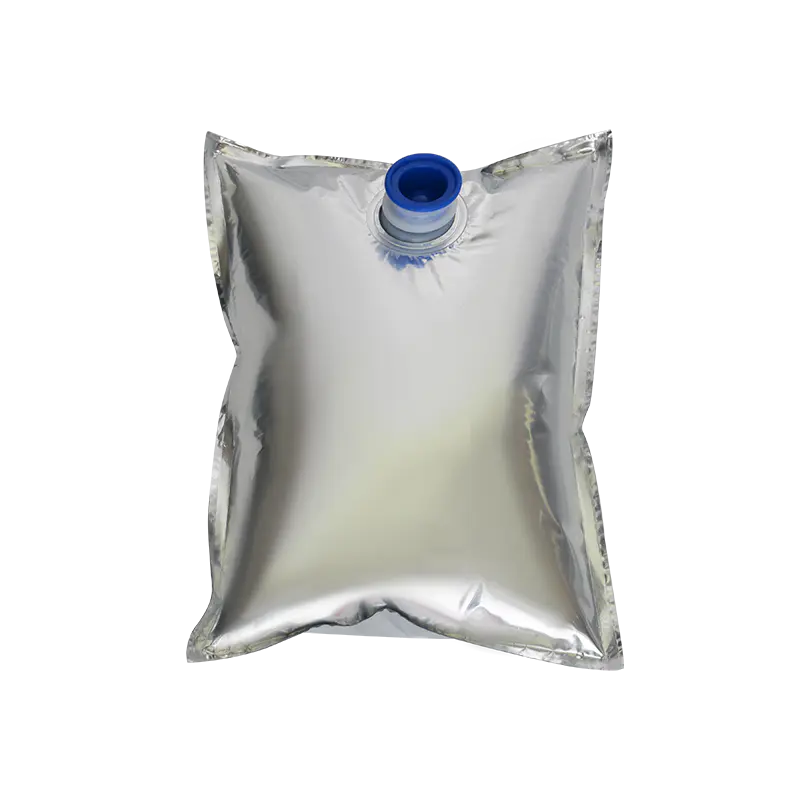
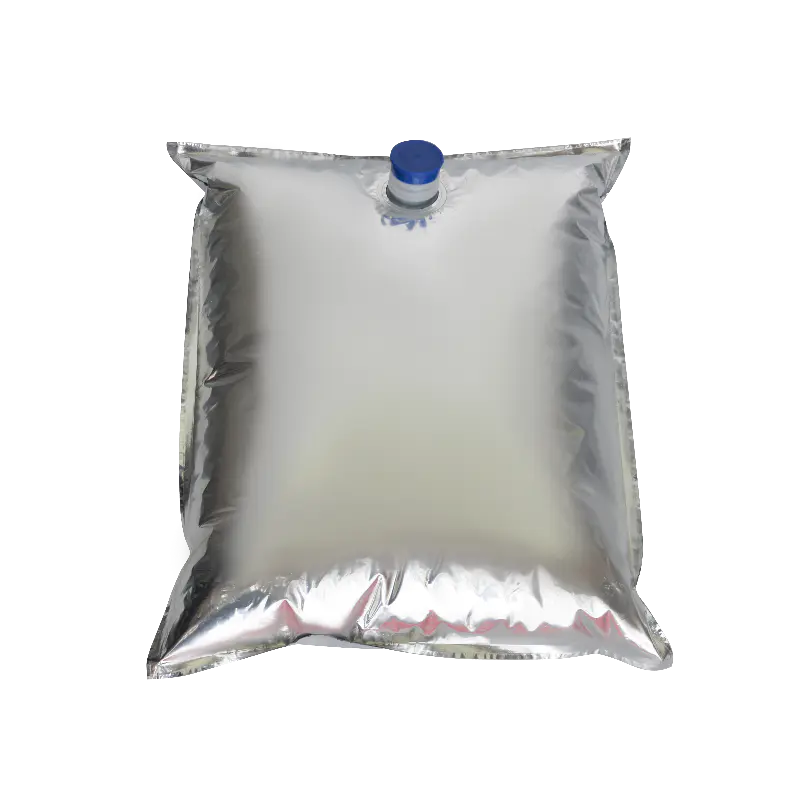
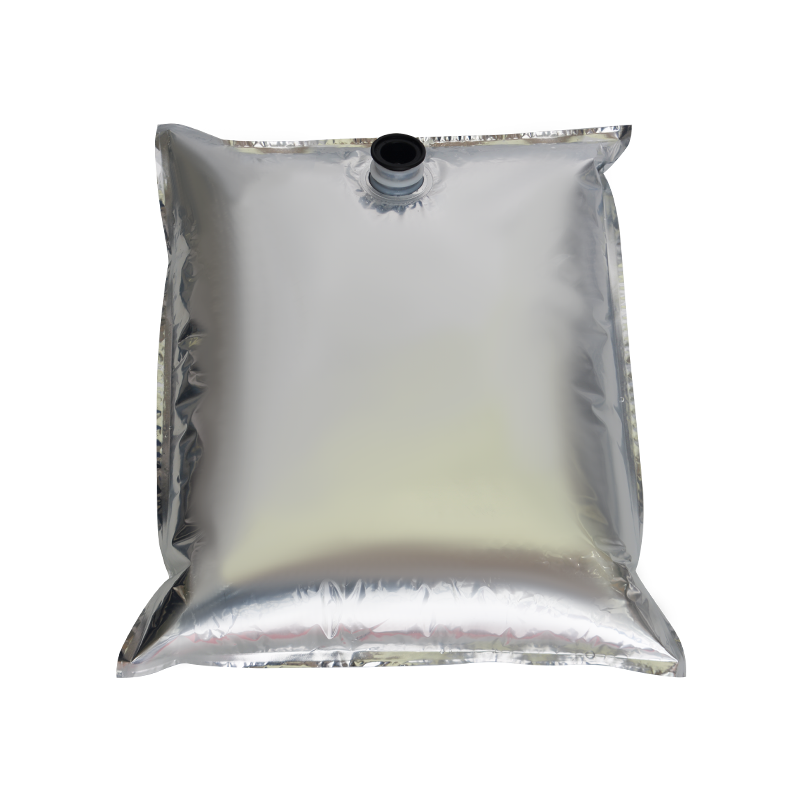
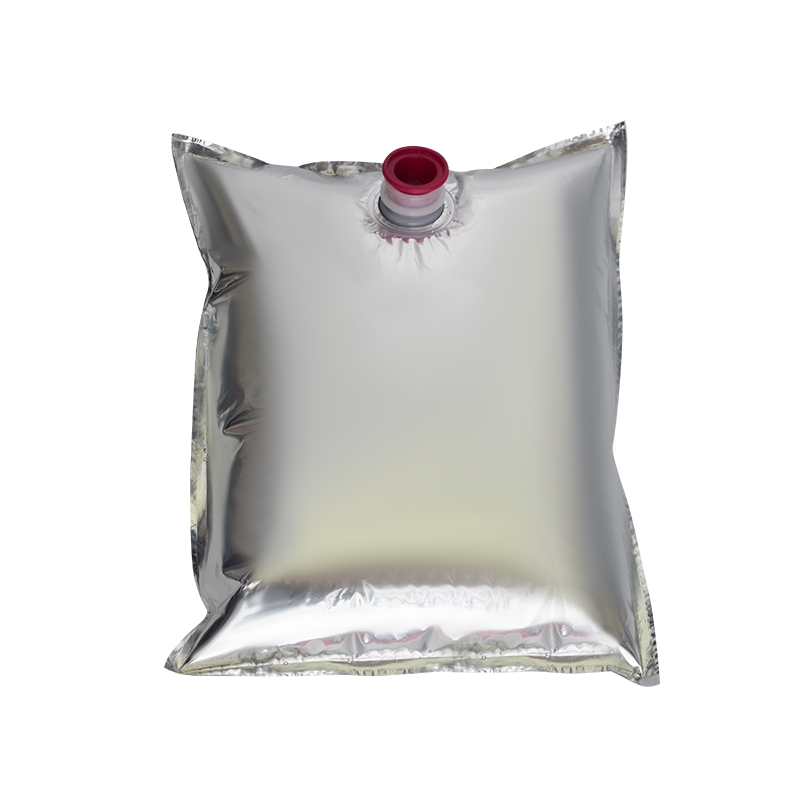
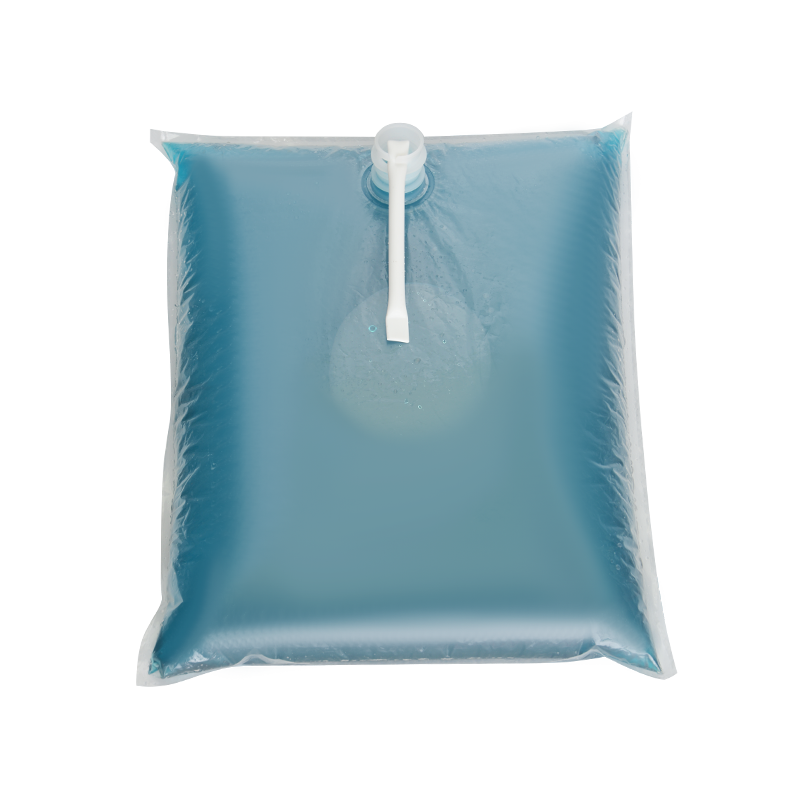
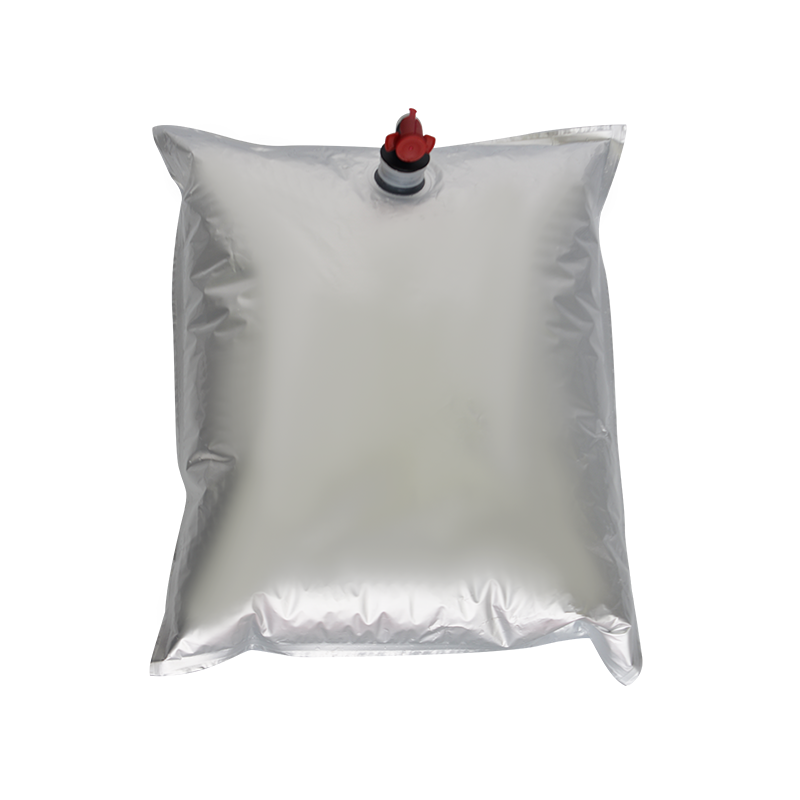
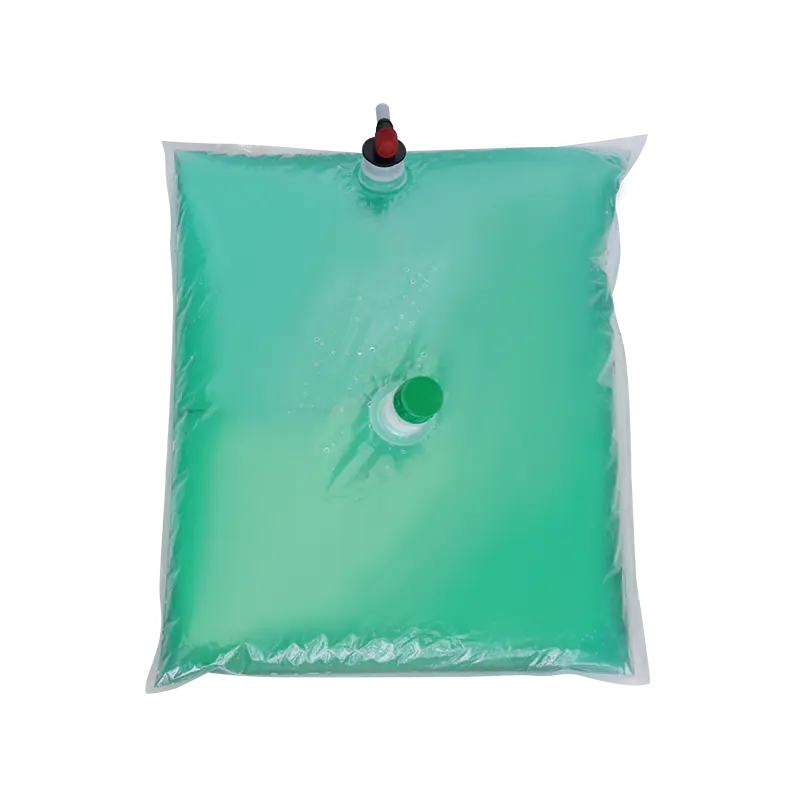
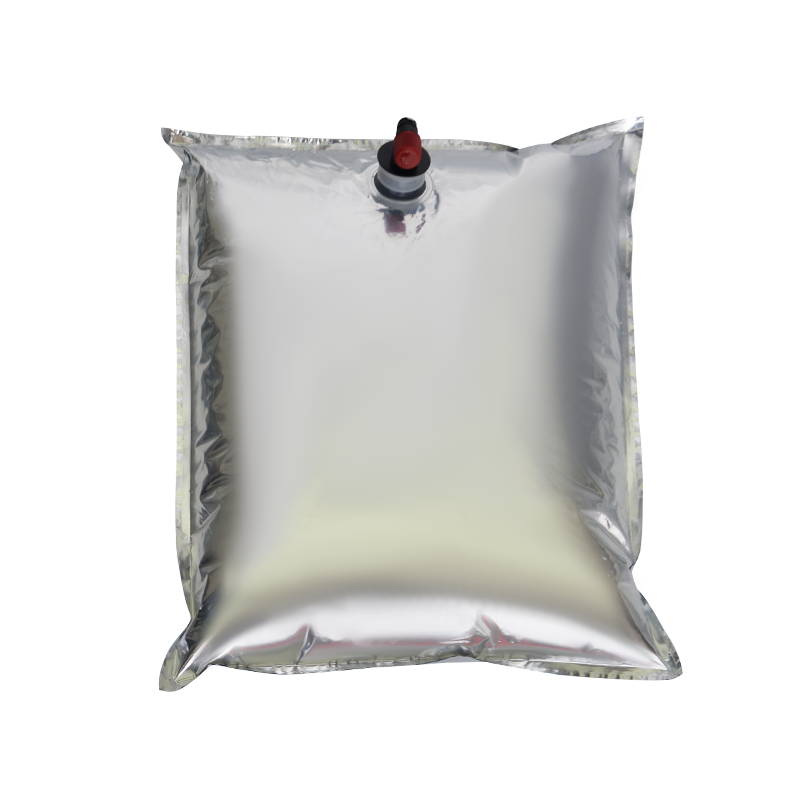


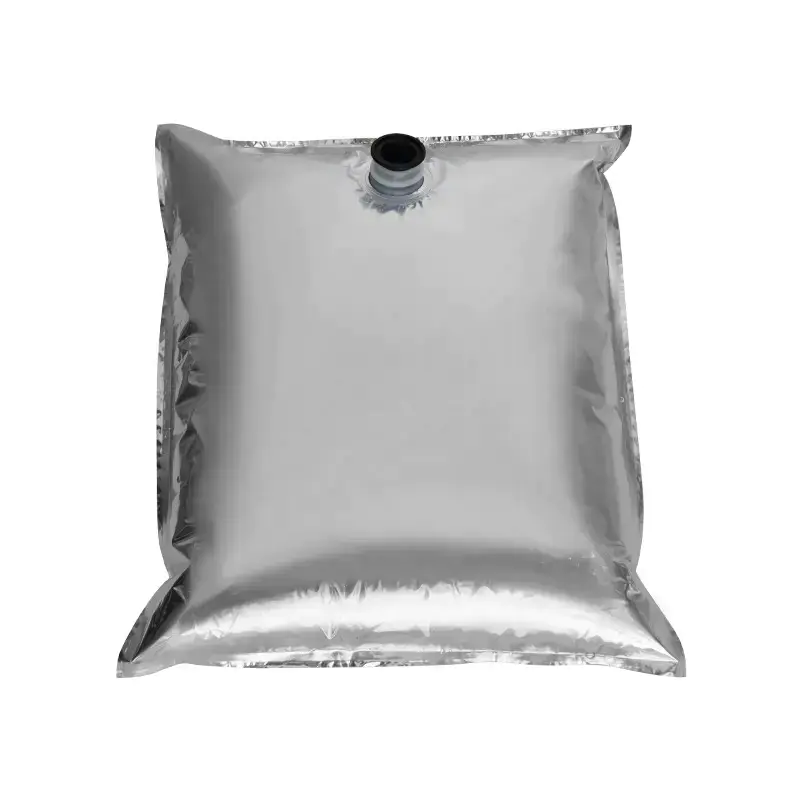
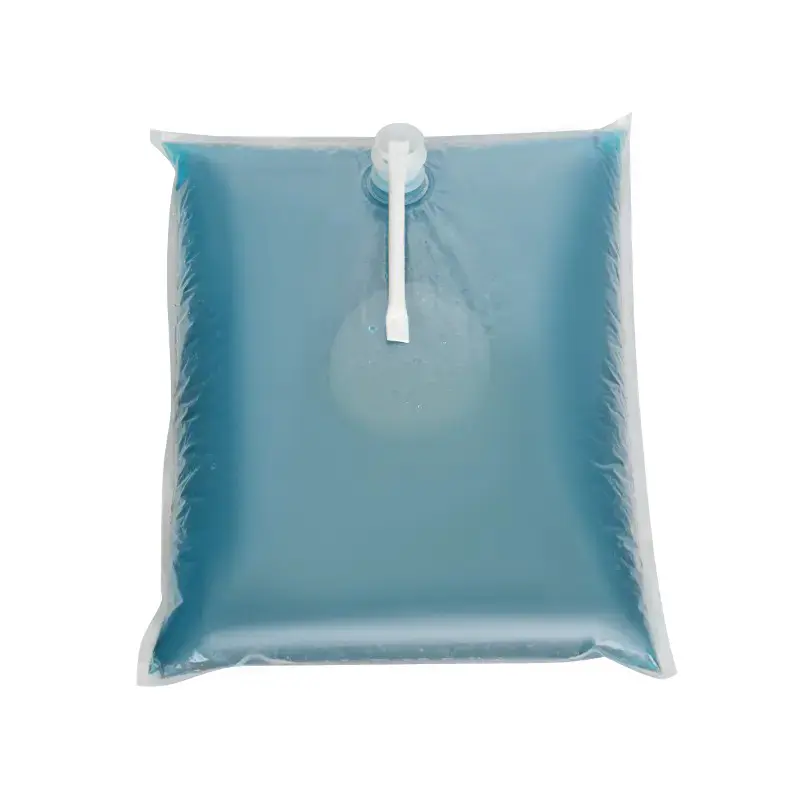


In modern pharmaceutical, food, and chemical industries, the sterile storage and transportation of liquid raw materials and finished products are crucial for ensuring product quality. 220L Aseptic Bags, with their superior aseptic performance and flexible applications, are increasingly becoming the preferred choice for various liquid storage and transportation solutions.
High-Capacity Aseptic Storage: The Design Concept of 220L Aseptic Bags
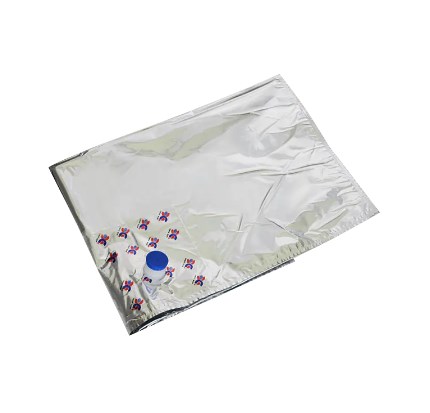
220L Aseptic Bags are a large-capacity aseptic packaging system designed specifically for liquid products. They enable safe and efficient storage and transportation while maintaining sterility. Their capacity design balances the bulk liquid requirements of industrial applications with ease of handling, allowing companies to optimize their production and logistics processes. The overall structure typically uses a three-layer composite material, with precise welding and sealing to effectively isolate air, moisture, and microorganisms, ensuring the long-term stability of the contents.
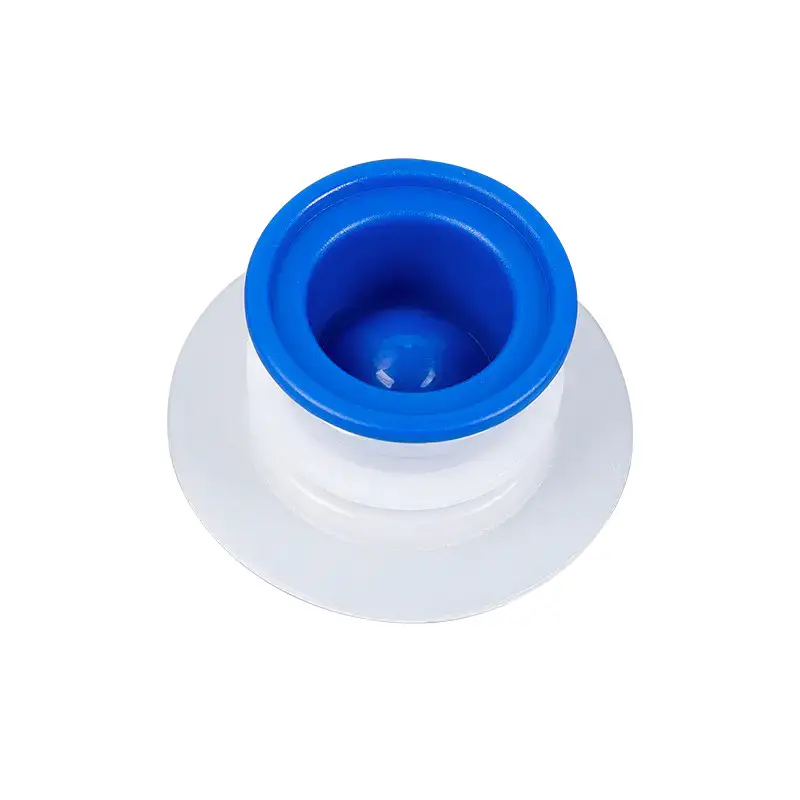
In terms of design, 220L Aseptic Bags emphasize ease of use and compatibility. The bags are equipped with standard interfaces that can be directly connected to filling and draining systems, reducing the risk of contamination from secondary operations. The flexible bag design allows for full utilization of volume even in limited storage spaces, ensuring efficient transportation and stacking.
Materials and Processes: The Core of Aseptic Assurance
The core advantage of 220L Aseptic Bags lies in their materials and manufacturing processes. They generally use a multi-layer composite film structure, including an inner anti-permeation layer, a middle barrier layer, and an outer protective layer, each undergoing strict quality control. The inner layer material must possess excellent chemical inertness to ensure that the liquid is not affected by the packaging material; the middle barrier layer primarily provides moisture and oxidation resistance; and the outer layer provides mechanical protection to prevent scratches or damage during transportation.
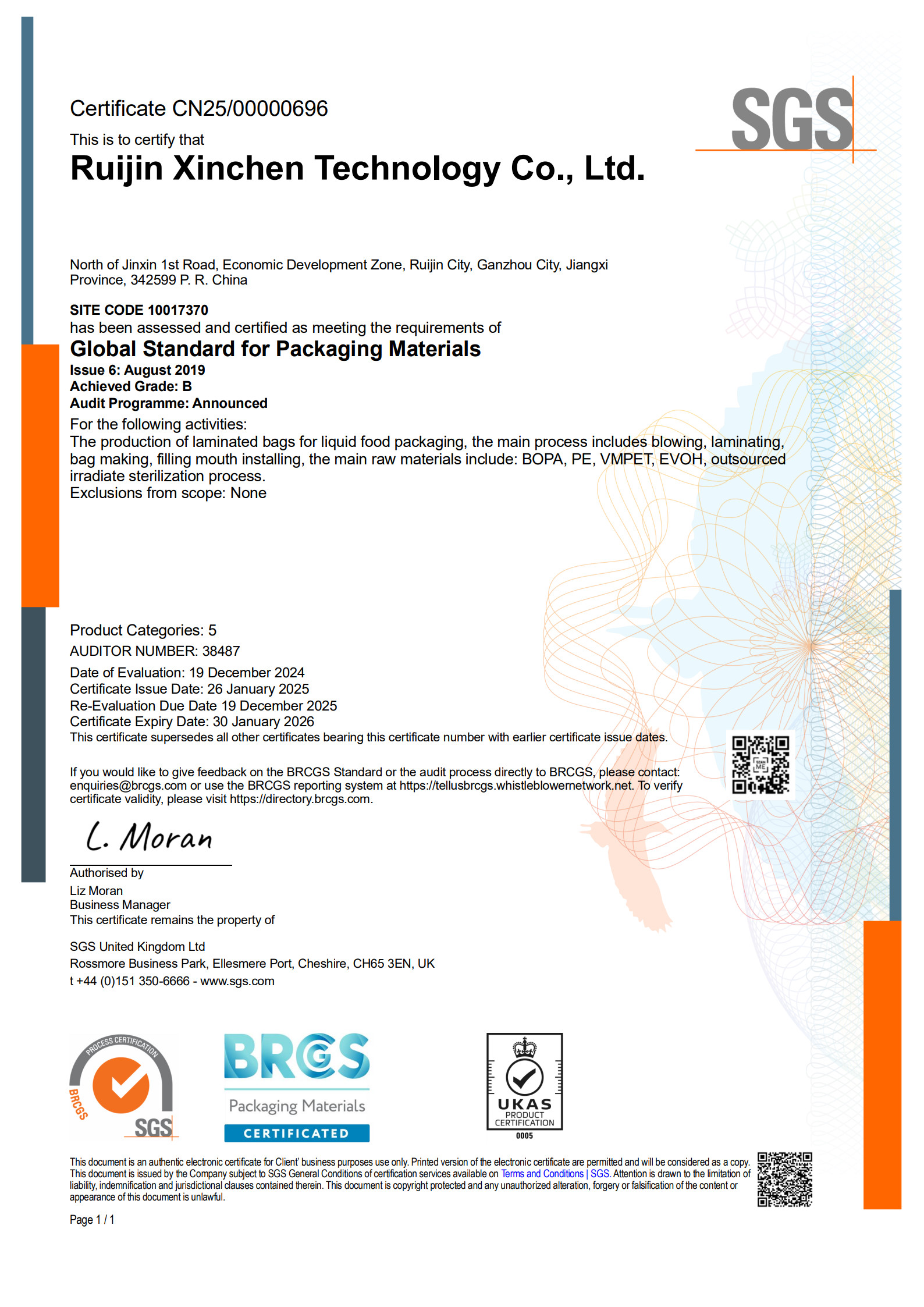
In terms of process, aseptic packaging requires completion in a fully enclosed, clean environment. 220L Aseptic Bags typically use automated welding technology to ensure uniform and secure sealing, and undergo rigorous sterilization after production. This entire process not only guarantees the sterility of the product but also improves the consistency and reliability of the packaging, enabling it to meet the stringent requirements for high-purity, high-safety liquid storage and transportation.
Application Advantages: Flexible Solutions for Multiple Fields
Thanks to their unique design and material advantages, 220L Aseptic Bags are widely used in the food and beverage, pharmaceutical, biotechnology, and chemical industries. In the food and beverage sector, sterile liquids such as fruit juices, dairy products, or liquid seasonings can be stored and transported for extended periods using aseptic bags, avoiding contamination problems associated with traditional containers. In pharmaceuticals and biological products, 220L Aseptic Bags maintain the sterility of pharmaceutical liquids or culture media, meeting GMP standards and relevant regulatory requirements. In the chemical industry, their corrosion resistance and impermeability ensure the safe transportation of various reagents and liquid raw materials.
The flexibility of 220L Aseptic Bags is reflected in their use and recycling. The flexible bag body is easy to fold and store, occupying minimal space and reducing logistics costs; during use, standardized interfaces simplify filling and draining operations, improving work efficiency. They can replace some rigid container solutions, reducing packaging damage rates and material consumption, thereby improving overall economic efficiency.
Use and Maintenance: Key to Ensuring Product Performance
Correct use and maintenance of 220L Aseptic Bags are essential to ensuring product performance and liquid safety. Before storage, ensure that the bag body and accessories are intact to prevent cracks or leaks during transportation or handling. During use, strictly follow the interface and valve standards to prevent secondary contamination. The storage environment should be kept dry and clean, avoiding high temperatures and direct sunlight to extend the bag's service life and ensure the stability of the contents.
When disposing of or replacing bags, follow relevant environmental and safety regulations to prevent chemical residues from affecting the environment. For long-term storage or special liquids, companies can choose aseptic bags with inspection ports to monitor the internal liquid status in real time, improving management efficiency.
Environmental and Economic Benefits: A Sustainable Packaging Choice
Compared with traditional rigid containers, 220L Aseptic Bags offer significant advantages in terms of environmental protection and economics. The flexible design reduces material consumption, and their light weight during transportation reduces carbon emissions and logistics costs. At the same time, recyclable or disposable packaging materials, while meeting environmental standards, enable the efficient use of resources. For businesses, this not only ensures liquid safety but also reflects the concept of green manufacturing, meeting the requirements of sustainable development in modern industries.
FAQ: 220L Aseptic Bags Frequently Asked Questions
Q1: What types of liquids are suitable for storage in 220L Aseptic Bags?
A1: Suitable for food and beverages, pharmaceuticals, biological products, chemical liquids, and other liquids requiring sterile or high-purity storage and transportation.
Q2: How is the sterility of the bags ensured?
A2: The production process utilizes a fully enclosed clean environment, automatic welding, and strict sterilization treatment, and maintains sealed transportation and storage.
Q3: What is the lifespan of the bags?
A3: Under normal storage conditions, 220L Aseptic Bags can maintain sterility and integrity for a long time. Avoiding high temperatures, sunlight, and damage from sharp objects can extend their lifespan.
Q4: How should discarded bags be handled?
A4: They should be handled in accordance with environmental protection and safety regulations. They can be recycled or processed using professional waste liquid treatment methods to avoid environmental pollution.
Q5: What are the advantages of 220L Aseptic Bags compared to traditional containers?
A5: Lightweight, foldable, high transportation efficiency, small footprint, reduced material consumption, and reliable sterility assurance.

