
 English
 русский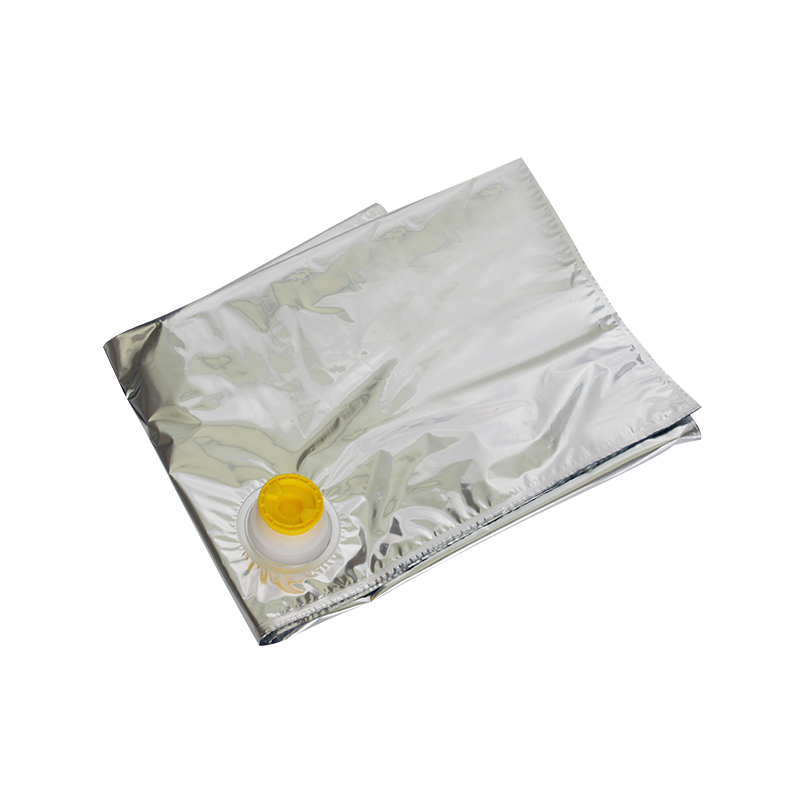
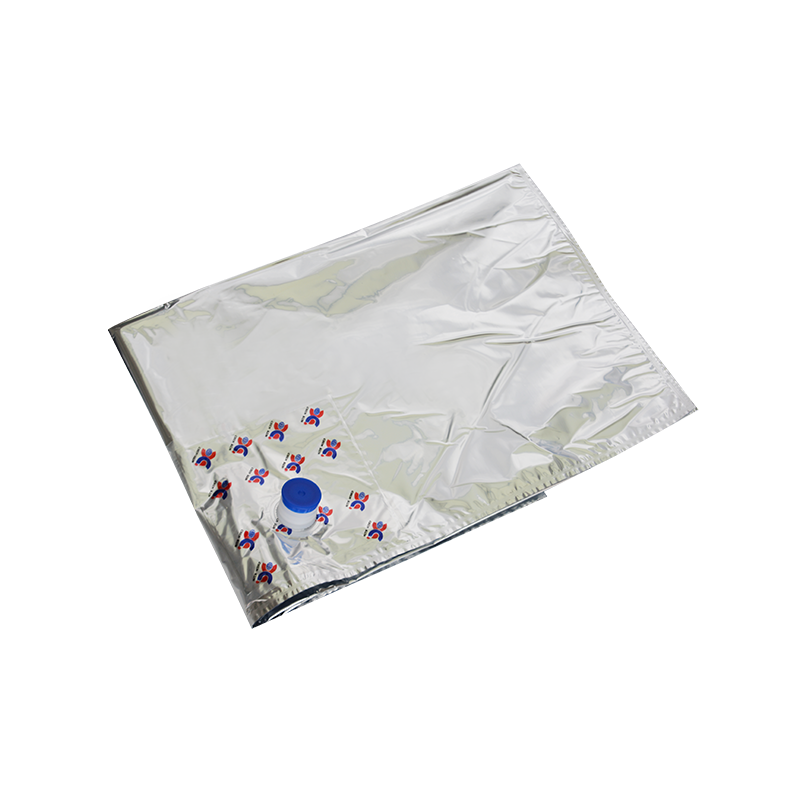
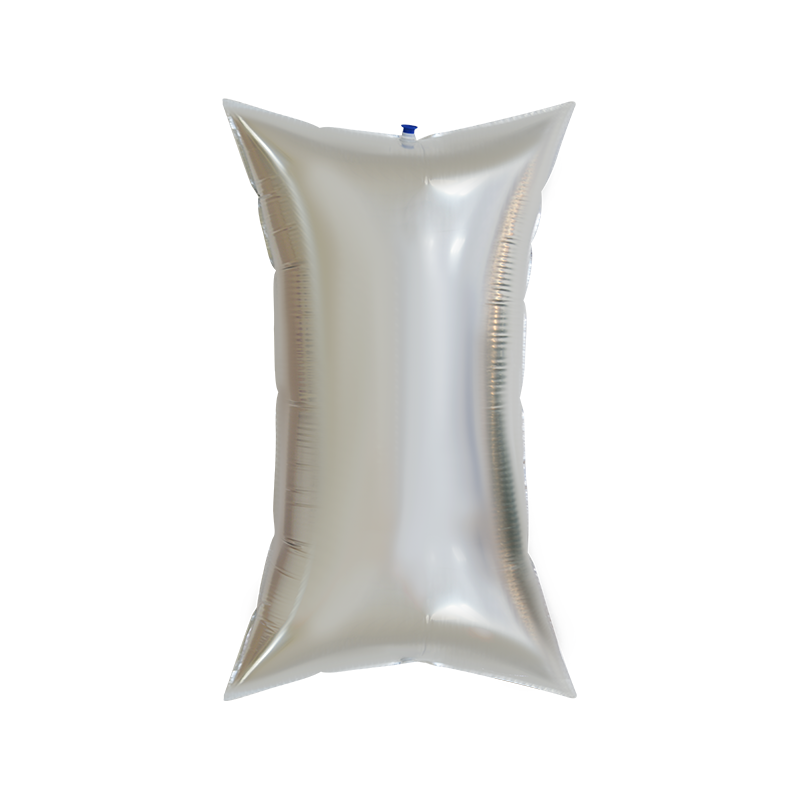
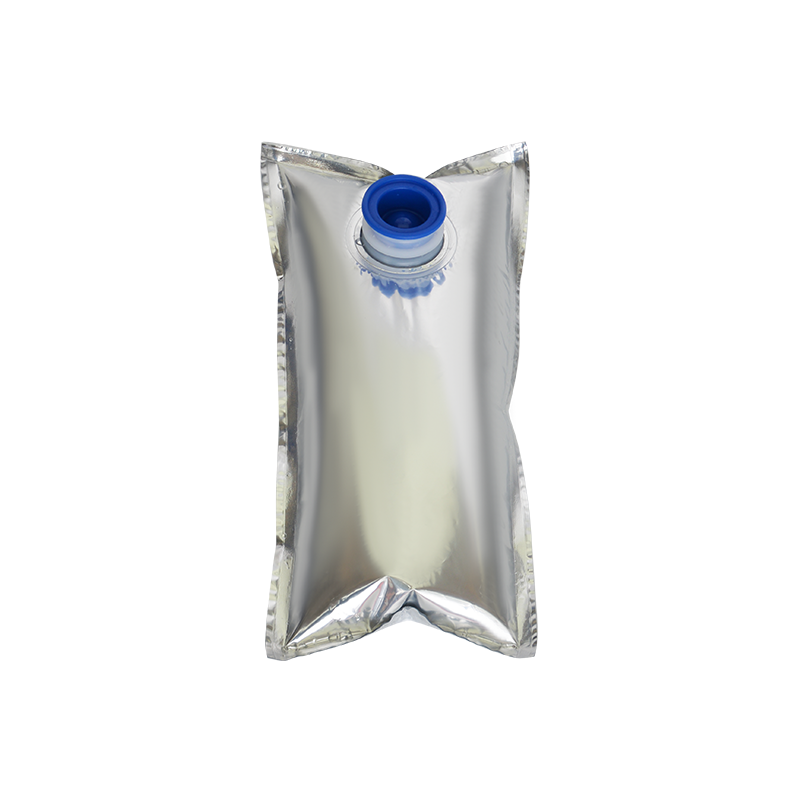
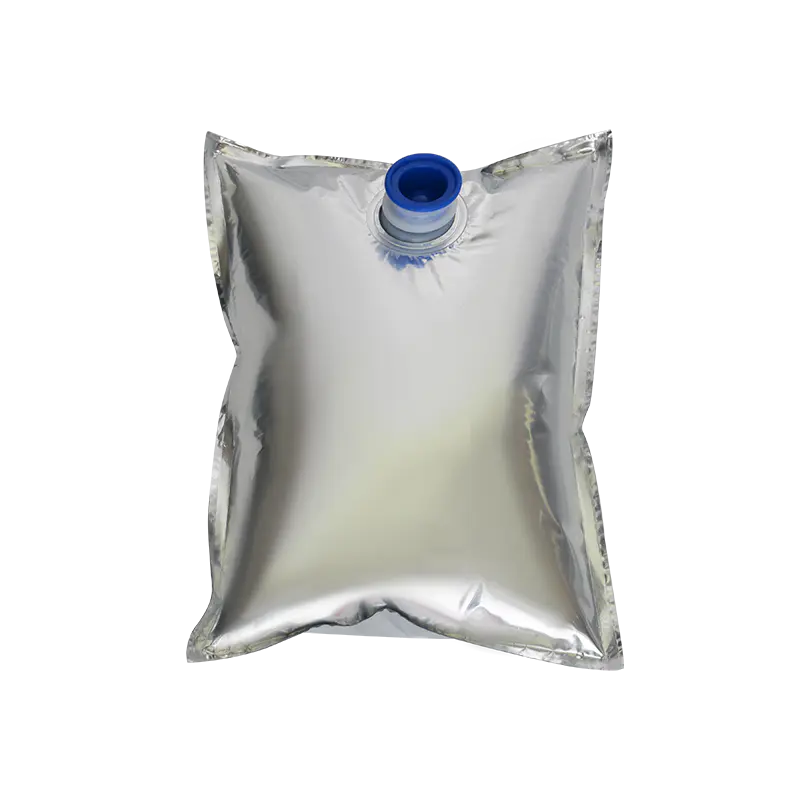
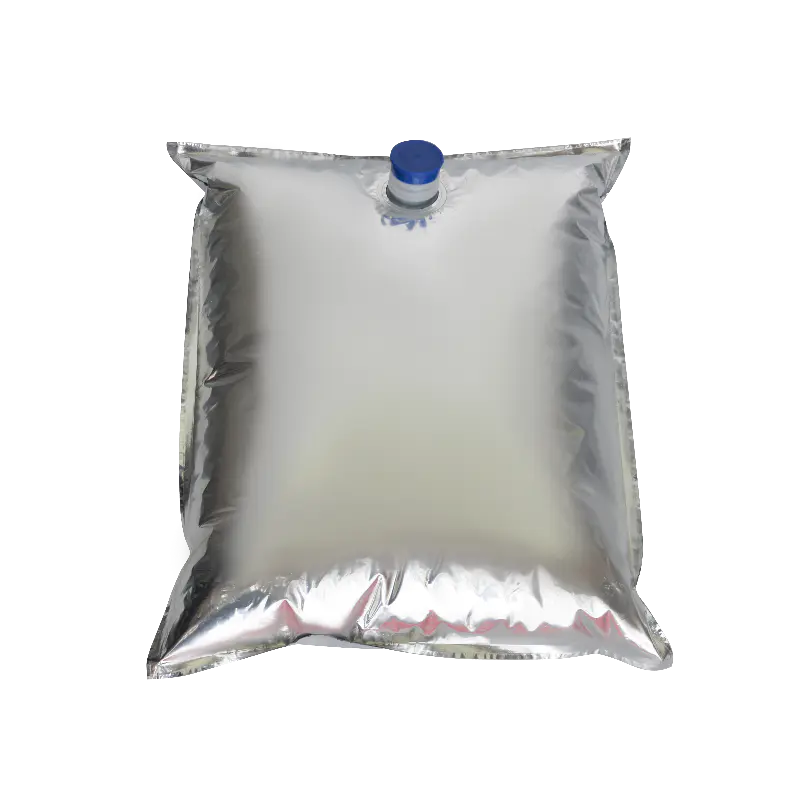
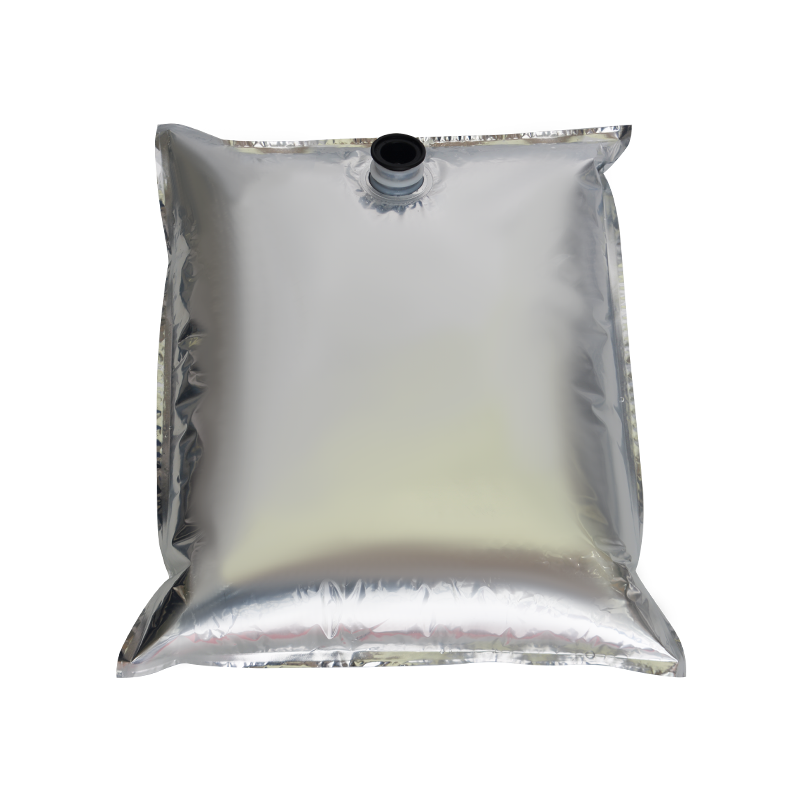
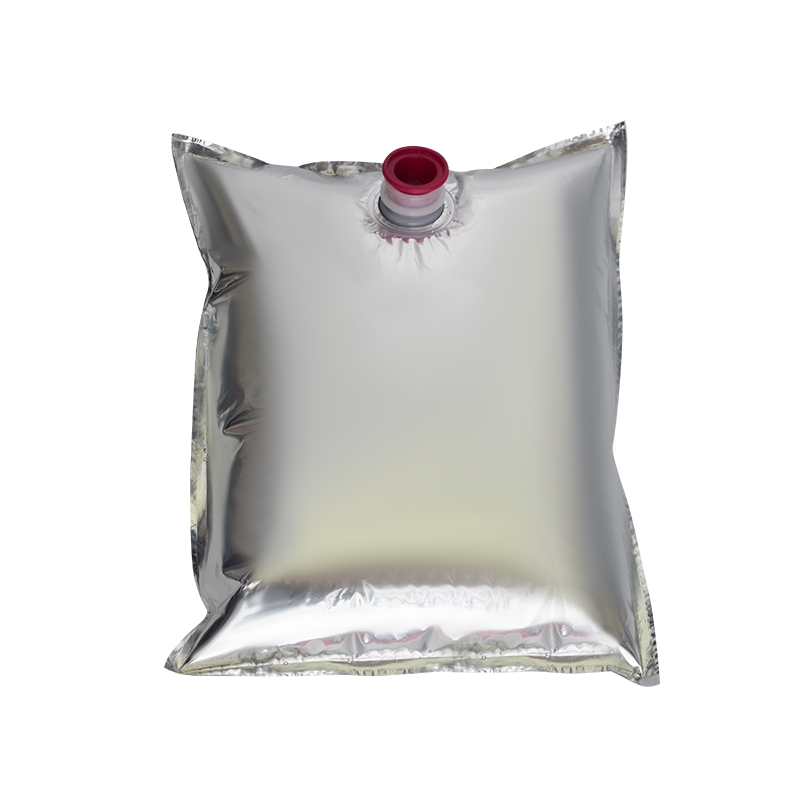

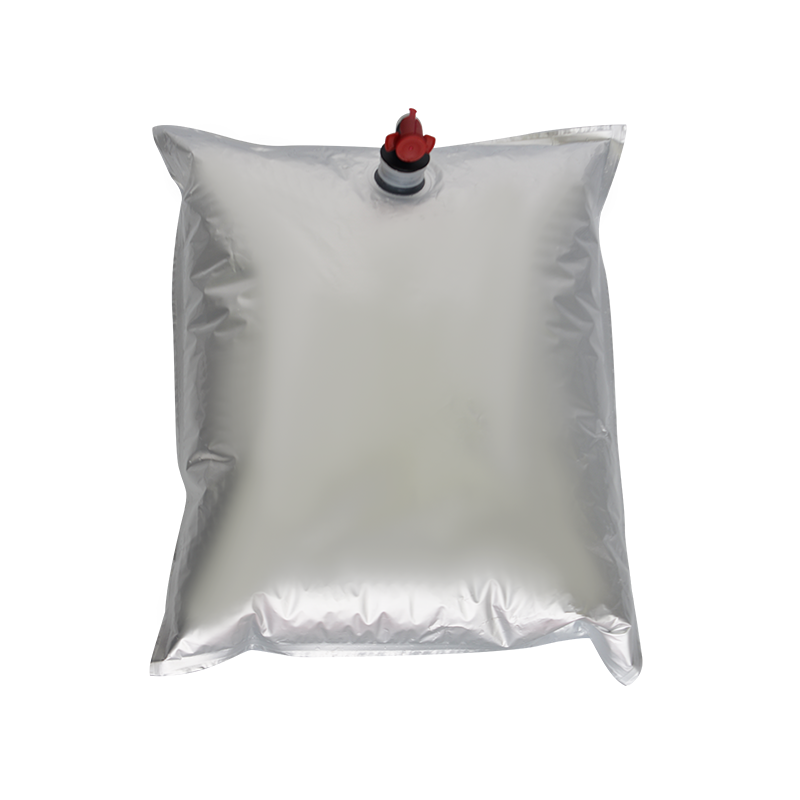
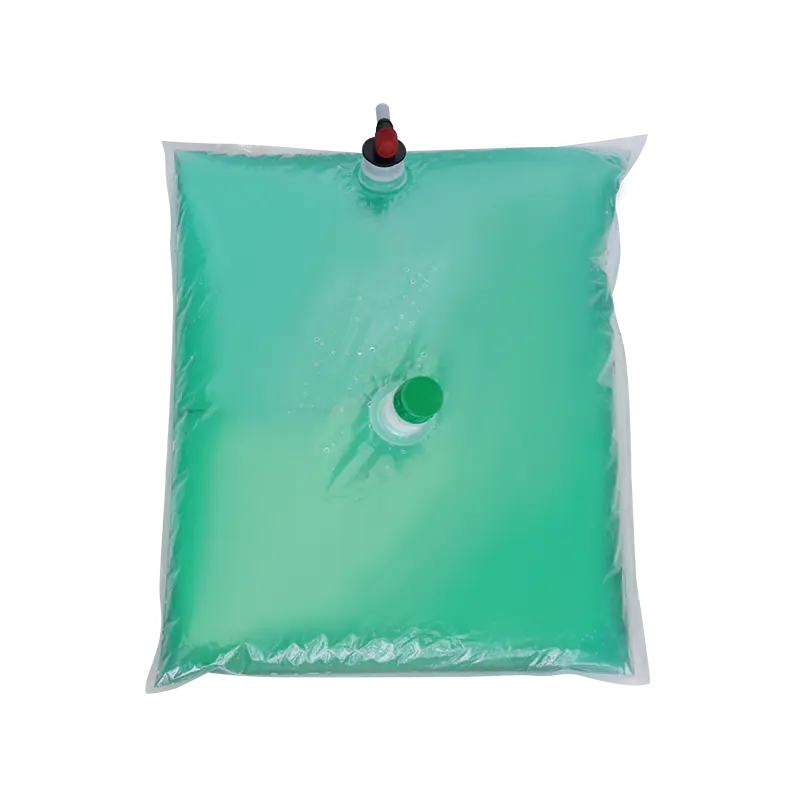
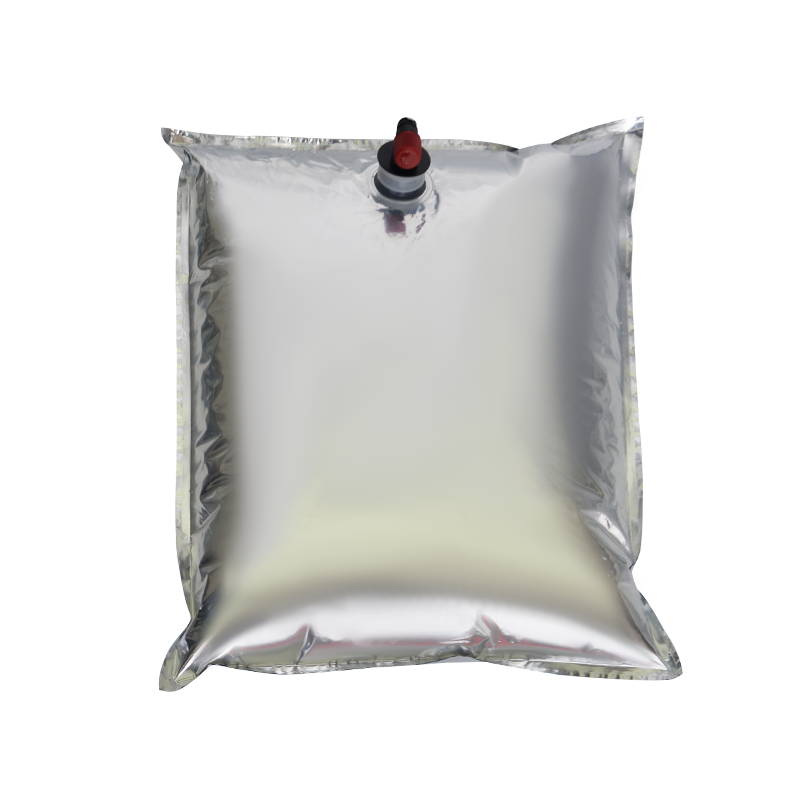


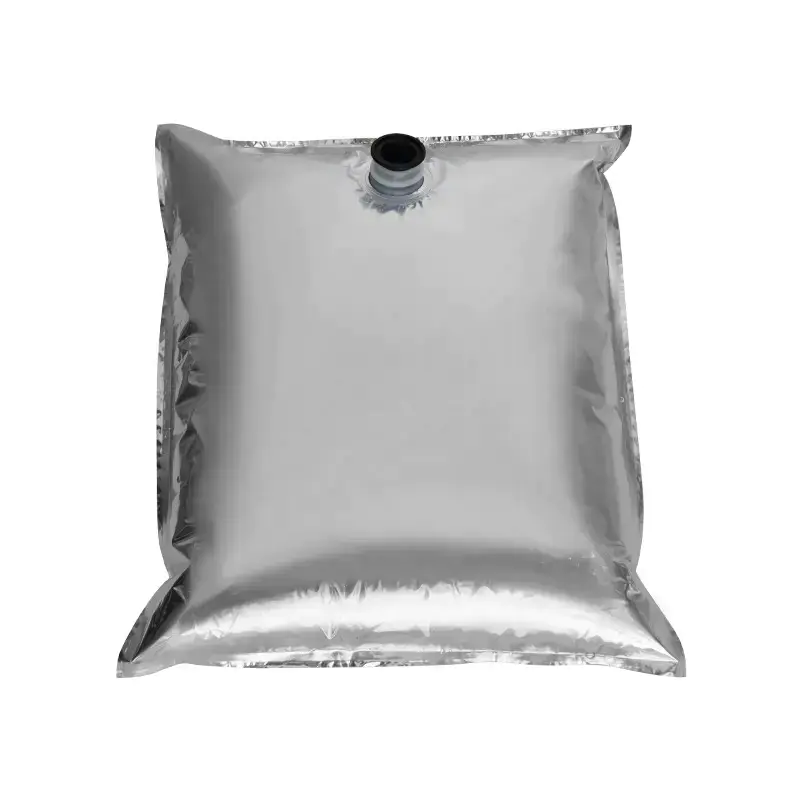
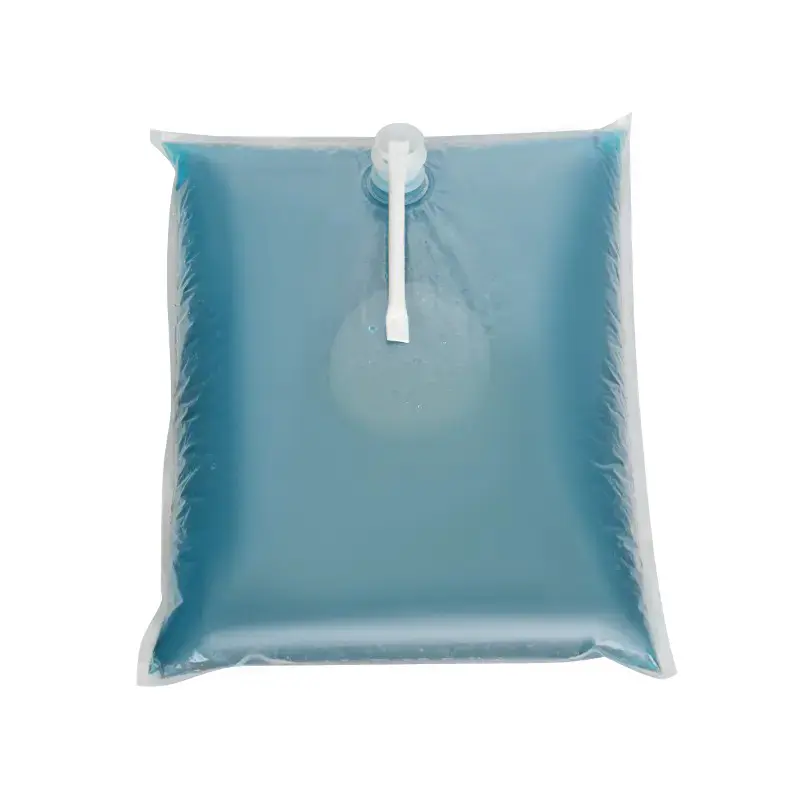


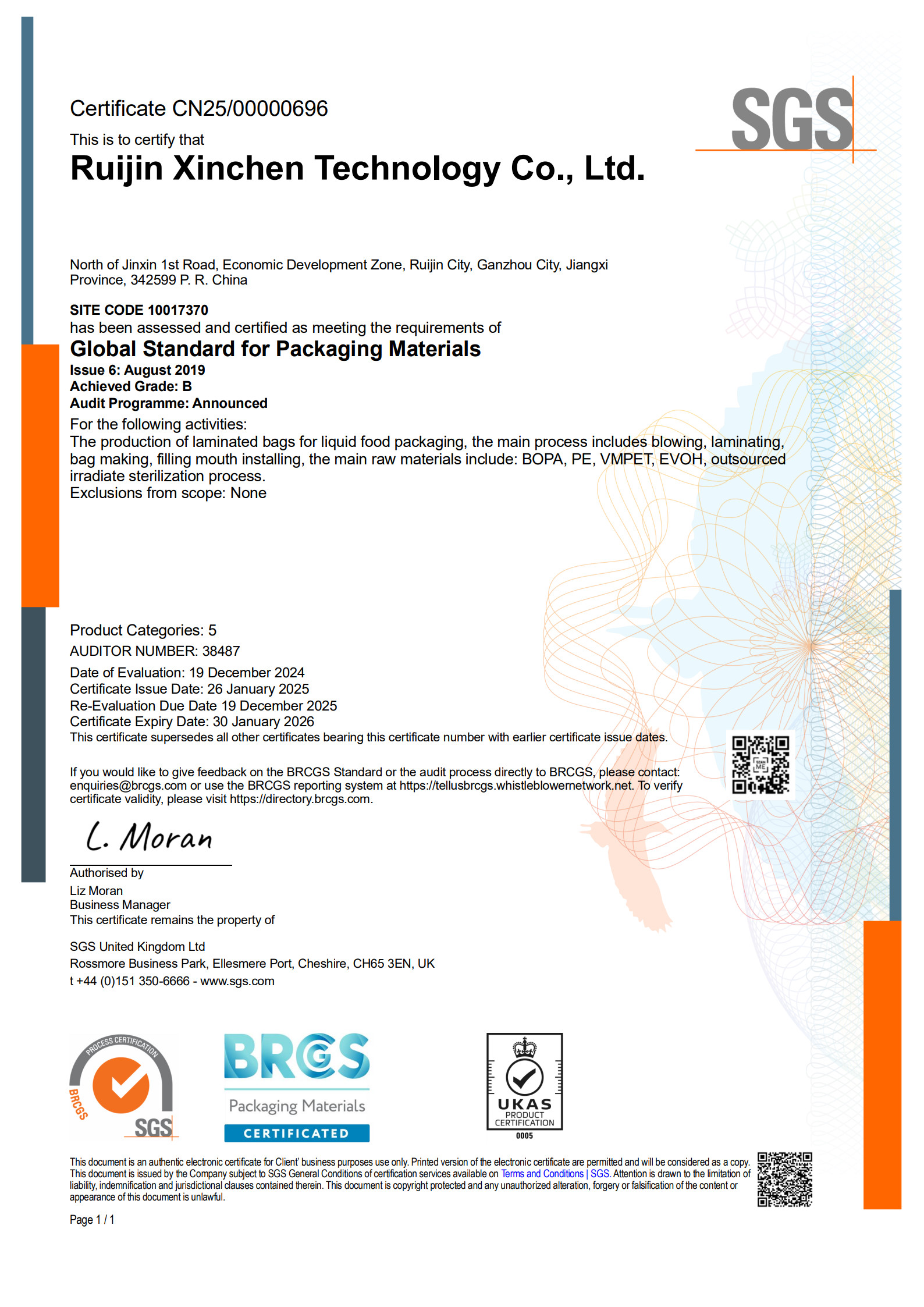

Amidst the rapid development of the packaging industry, an innovative packaging format known as Bag-in-Box is revolutionizing diverse sectors, including food and beverages, daily chemicals, and pharmaceuticals, with its unique advantages. It transcends the limitations of traditional packaging, building a new bridge for companies to reduce costs and increase efficiency while enhancing the consumer experience. It has become a key driver of the packaging industry's digital and green transformation.
In-Depth Analysis of Bag-in-Box: The Innovative Secrets of Its Structure and Principles
Structurally, a Bag-in-Box is a packaging system consisting of a flexible inner bag and a rigid outer box/container. The inner bag is typically made of a multi-layer composite film, which undergoes a special process to impart excellent barrier properties, effectively blocking the intrusion of external factors such as oxygen and moisture, thereby ensuring the quality and stability of the contents. The outer box supports and protects the inner bag, facilitating storage and transportation. Its core valve design is ingenious, ensuring convenient access to the contents while minimizing air ingress after each use, ultimately slowing product oxidation and deterioration.
The underlying logic of this structural design is the ultimate fulfillment of the two core packaging requirements of "protection" and "accessibility." Compared to traditional packaging formats like glass and plastic bottles, Bag-in-Box eliminates unnecessary packaging materials, significantly reducing material consumption while ensuring packaging functionality, laying the foundation for its green credentials.
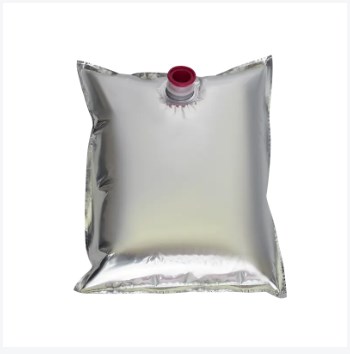
Bag-in-Box's Extensive Applications and Value Unleashed Across Industries
Food and Beverage Industry: A Dual Engine for Quality Preservation and Cost Optimization
Bag-in-Box is no longer a novelty in food and beverage segments like wine, juice, and cooking oil. For wine, oxygen is a natural enemy of quality. The low oxygen permeability of Bag-in-Box ensures that wine retains its flavor long after opening. In the juice industry, bag-in-box packaging not only avoids bacterial contamination associated with repeated openings of traditional bottles, but also reduces packaging and logistics costs through large-volume packaging.
In the edible oil sector, Bag-in-Box (BIB) addresses the pain point of traditional barreled oil, which is prone to oxidation after opening. Consumers can dispense as needed, and the inner bag automatically deflates after each use, leaving virtually no air trapped, effectively extending the shelf life of the oil. This packaging format is also adaptable to multiple online and offline sales channels, providing a convenient user experience for both home consumption and catering businesses.
Daily Chemicals and Pharmaceuticals: A New Paradigm for Safety, Compliance, and Convenience
Bag-in-Box packaging for products like laundry detergent and shampoo in the daily chemical industry reduces the use of plastic bottles, aligning with consumer trends towards green consumption. Furthermore, its sealing properties effectively prevent product leakage during storage and transportation, reducing waste costs for businesses. Liquid medications and health supplements in the pharmaceutical sector place extremely high demands on packaging for sealing and barrier properties. With its stringent production standards and material properties, Bag-in-Box (BIB) meets the industry's compliance requirements while providing patients with more convenient dosage control and storage options.
Industry and Other Sectors: Expanding Space for Customized Solutions
In the industrial sector, some products, such as chemical liquids and lubricants, are also beginning to experiment with Bag-in-Box packaging. This type of packaging allows for customized inner bags and outer boxes with varying barrier properties and capacities, tailored to the specific characteristics of the industrial products. This approach meets the specific packaging needs of industrial customers while also offering advantages such as high space utilization and convenient handling during warehousing and transportation.
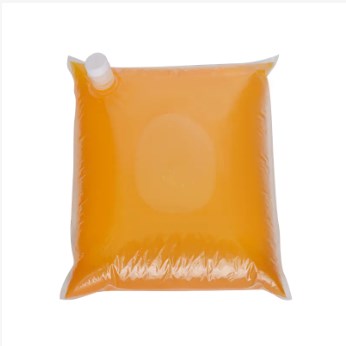
Currently, green and environmental protection has become a core development theme in the global packaging industry, and Bag-in-Box stands out in this regard. Its low material usage and high recyclability give it a significant advantage in carbon footprint accounting. With tightening global environmental regulations and rising consumer awareness, the green attributes of Bag-in-Box will become a key factor in its market expansion.
With its unique structural design, adaptability to multiple industries, and environmentally friendly attributes, Bag-in-Box is reshaping the packaging industry. It is more than just an innovative packaging format; it offers a comprehensive solution for reducing costs and increasing efficiency for businesses, improving the consumer experience, and promoting green transformation for the industry.
In the future, with the continuous iteration of technology and the evolving market demand, Bag in Box will unlock even more application scenarios, bringing packaging innovation to even more industries. For packaging companies, entering the bag-in-box market is a strategic choice to capitalize on industry trends. For brands, choosing Bag in Box packaging is an effective way to enhance product competitiveness and fulfill social responsibility. For consumers, bag-in-box packaging means a superior product experience and a greener consumption choice. It is foreseeable that Bag in Box will write an even more exciting chapter in the wave of innovation in the packaging industry.

