
 English
 русский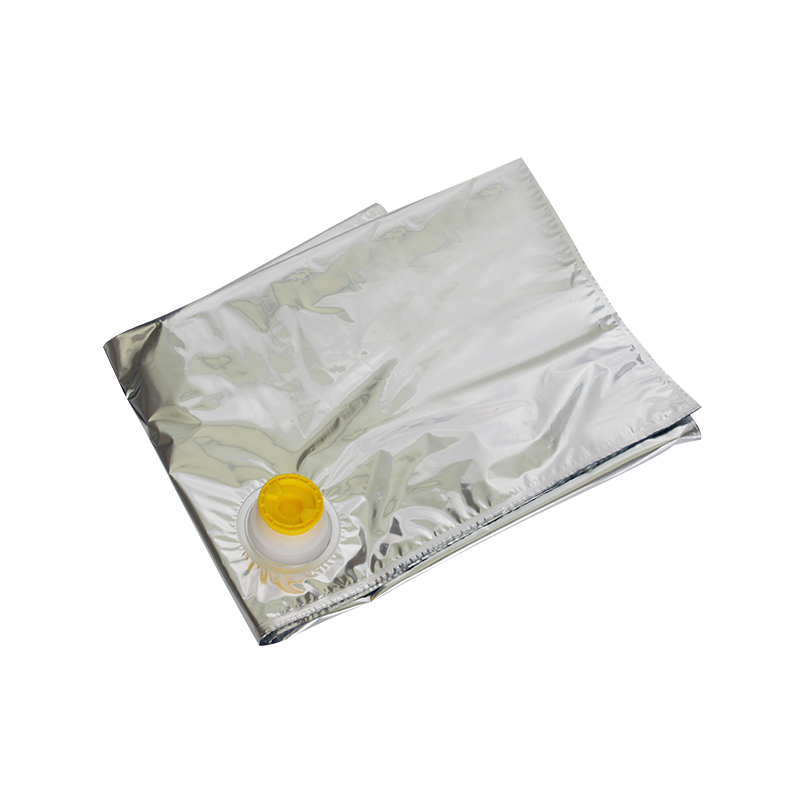
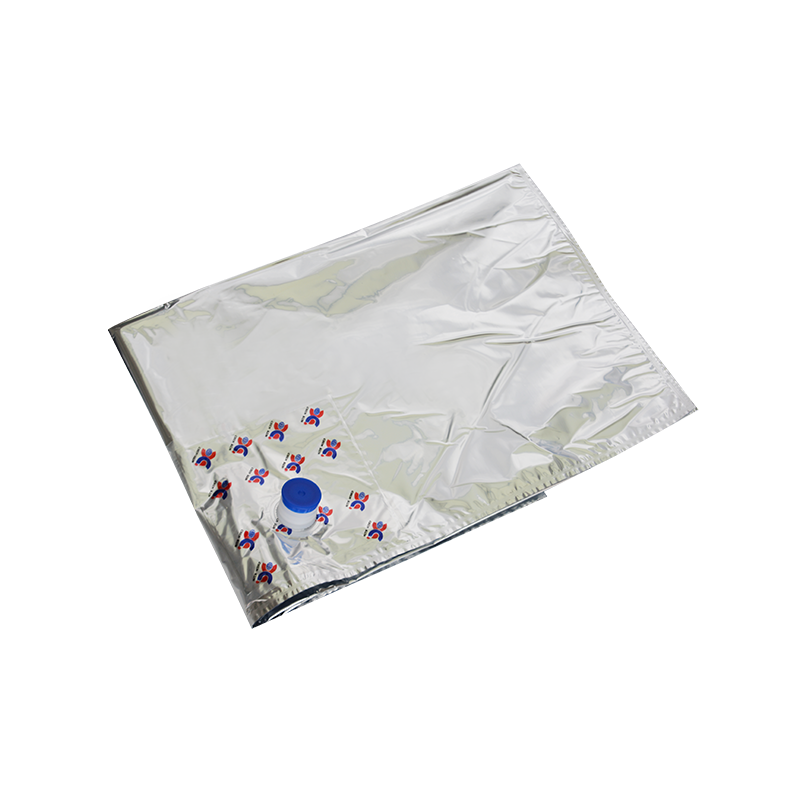
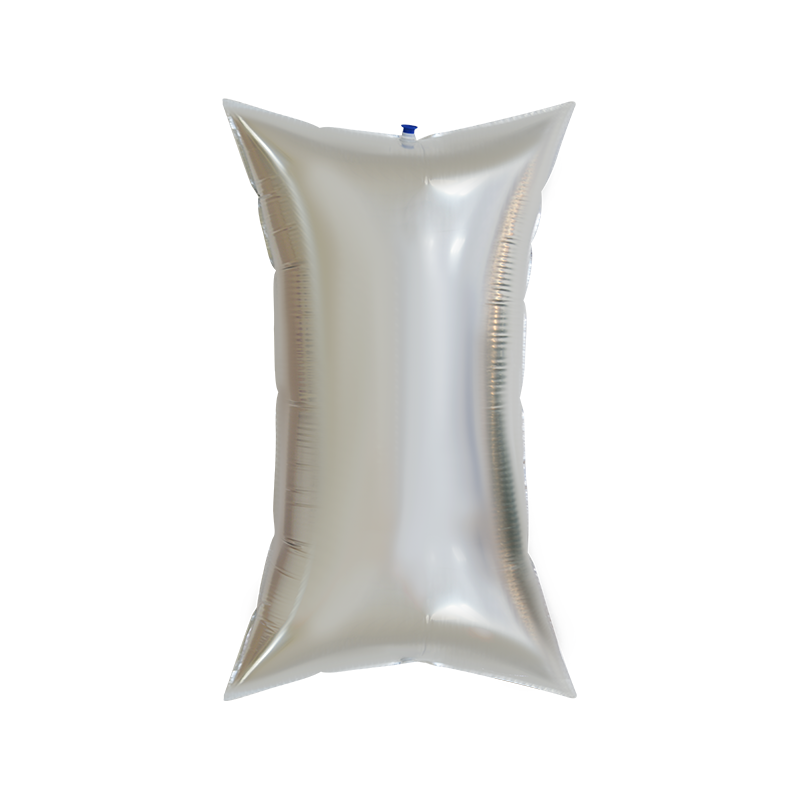
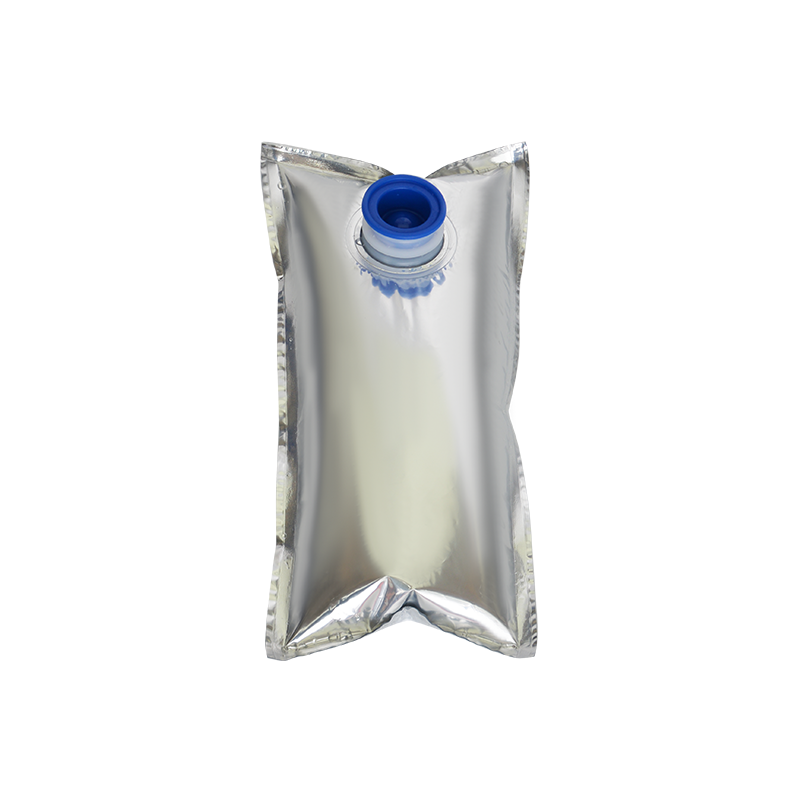
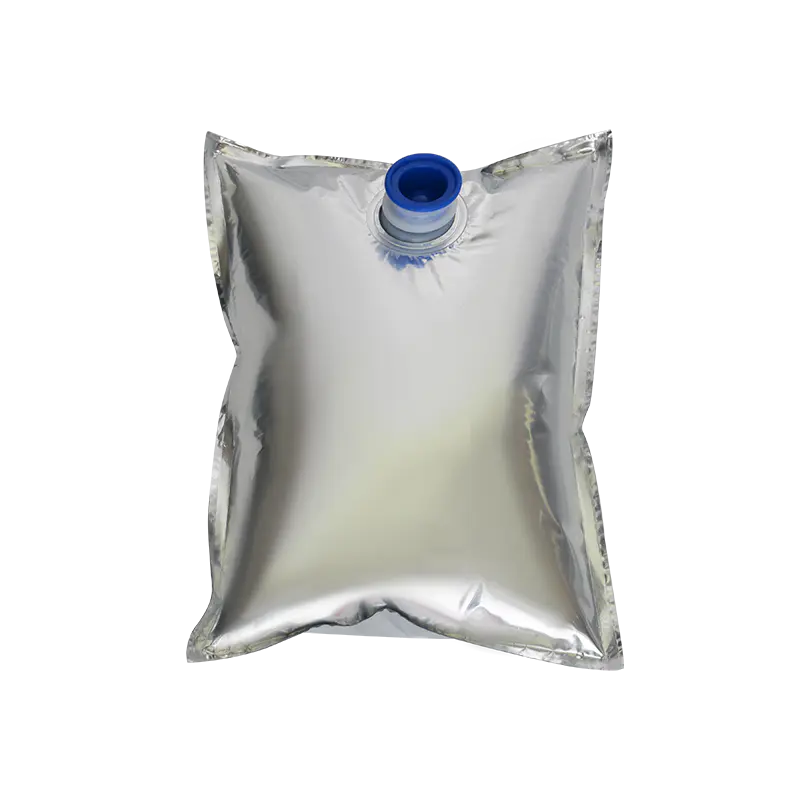
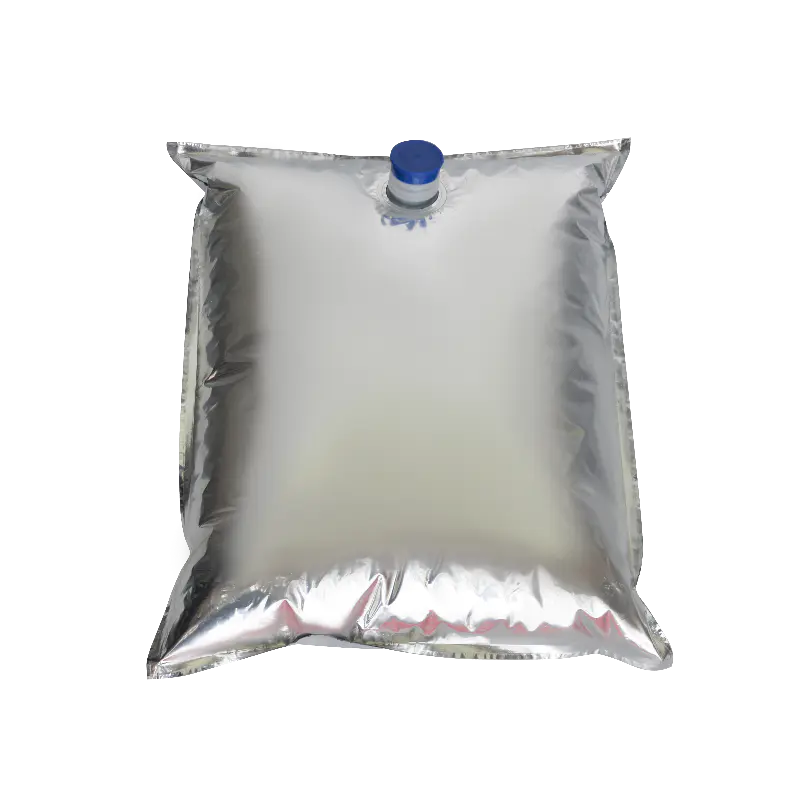
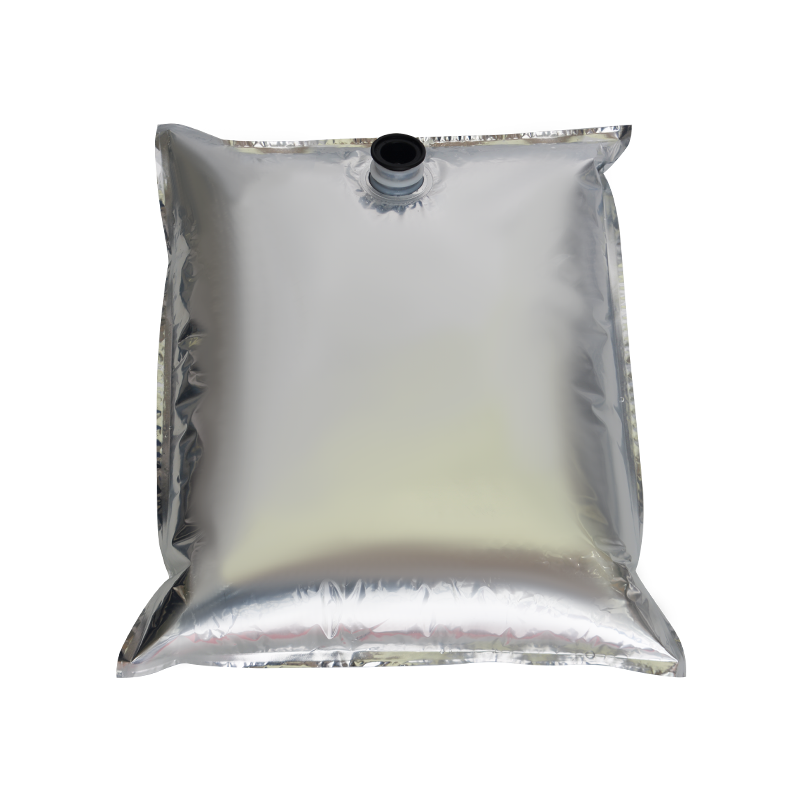
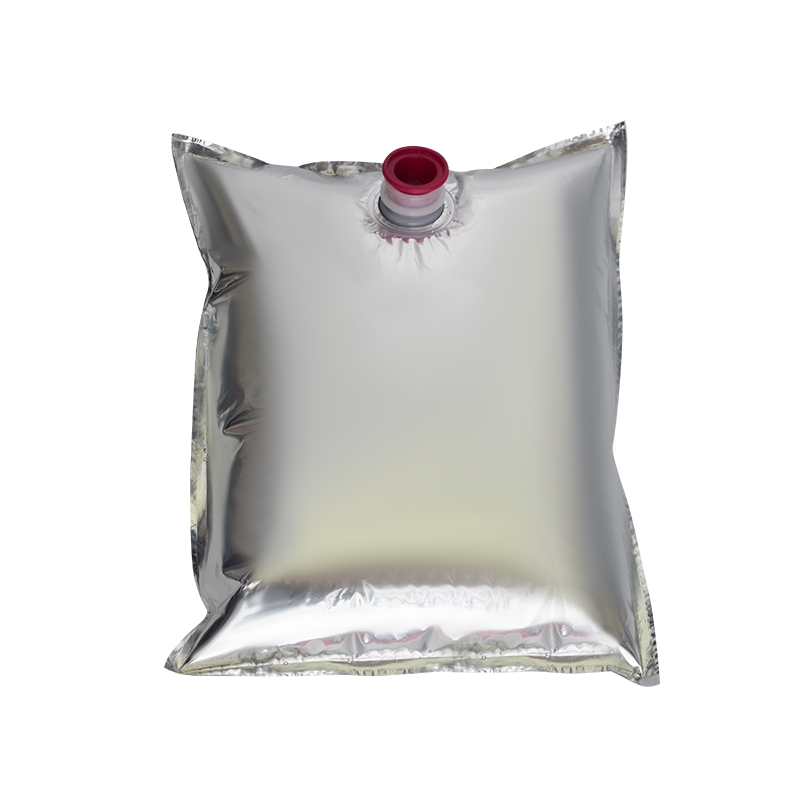
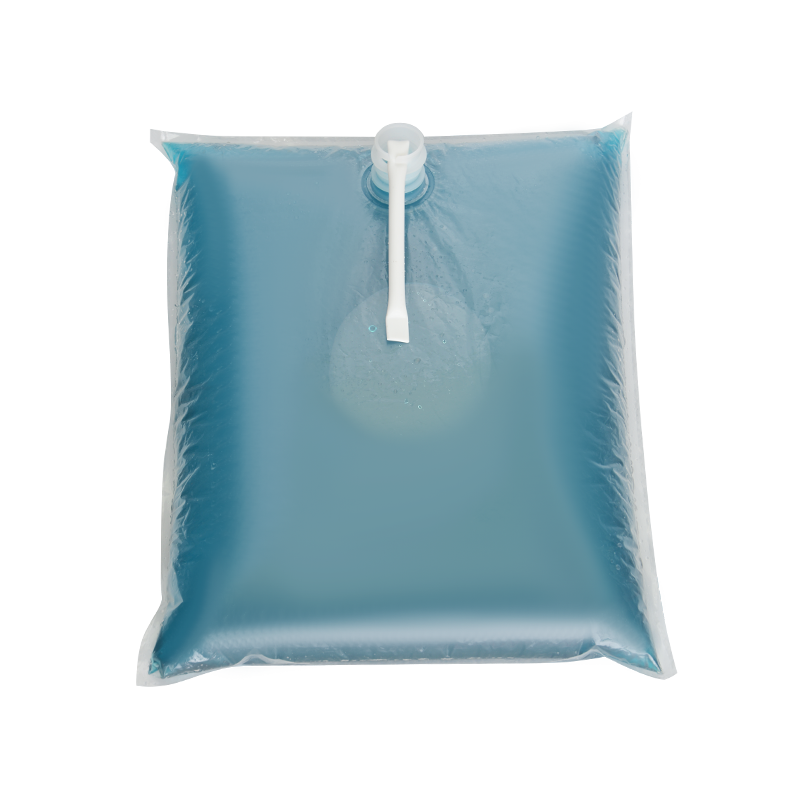
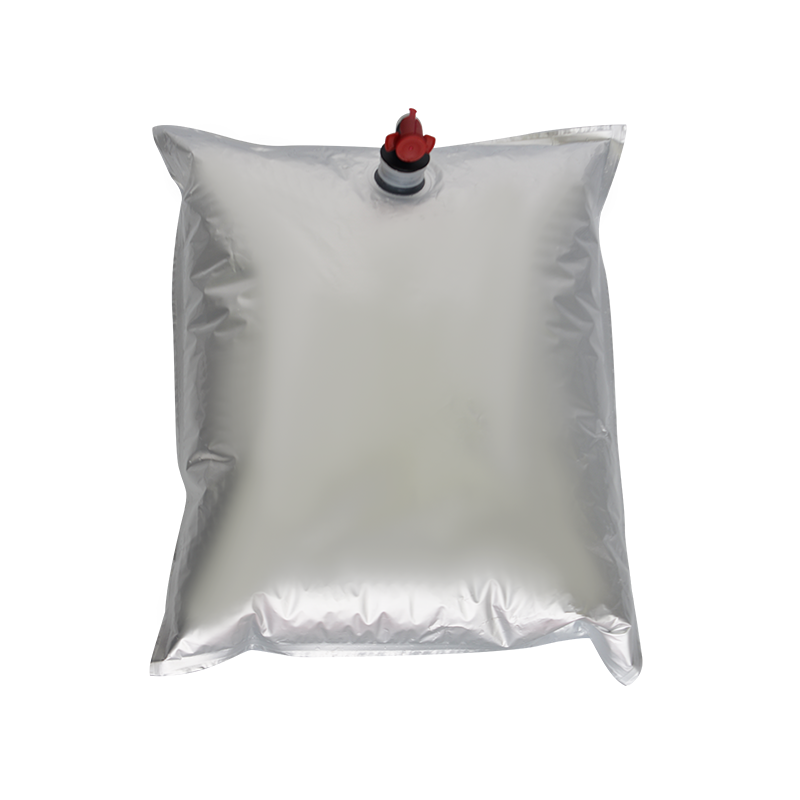
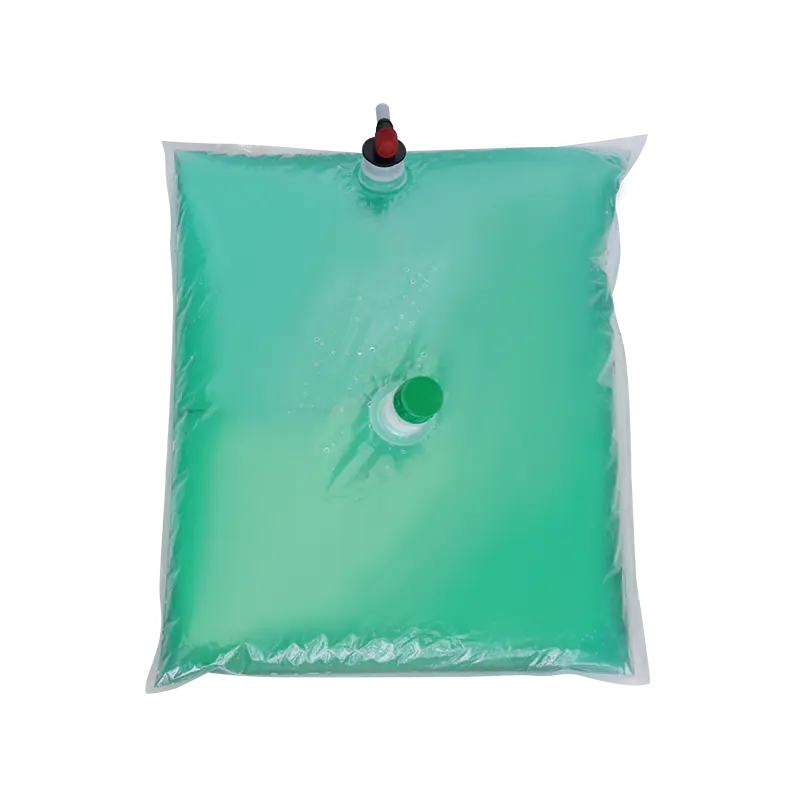
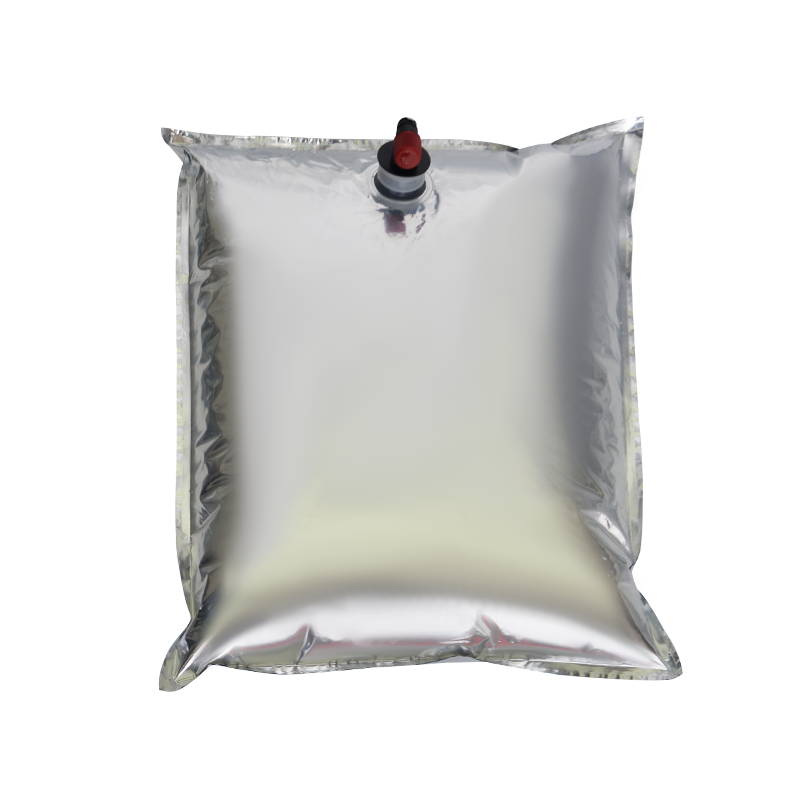


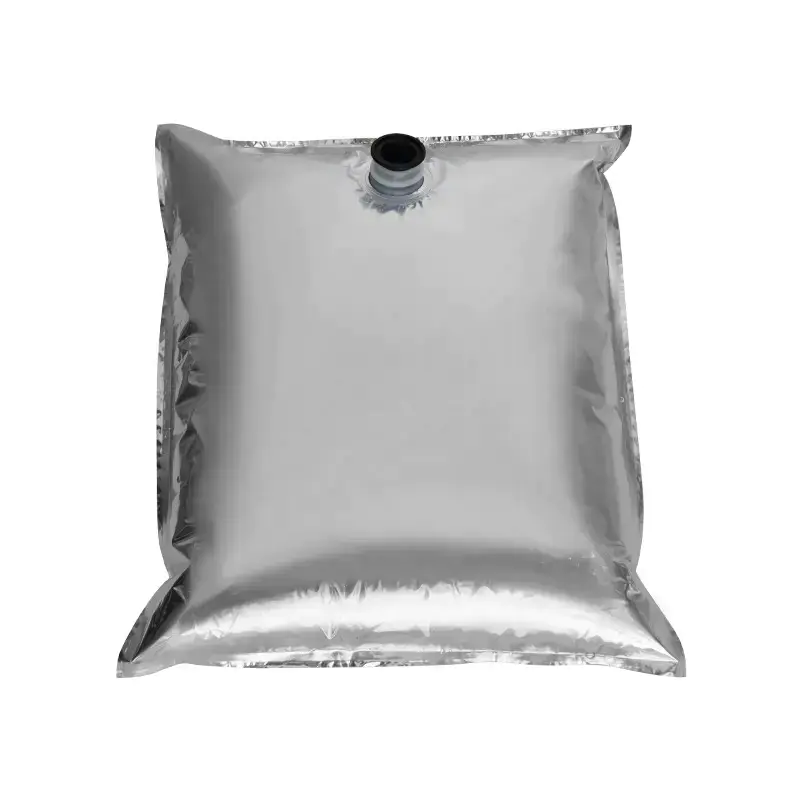
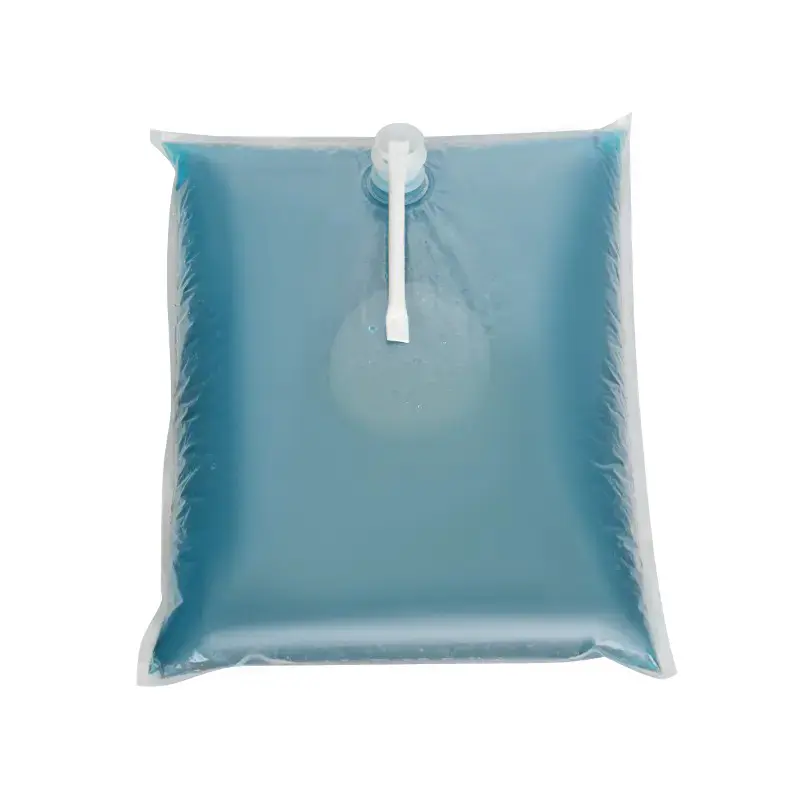
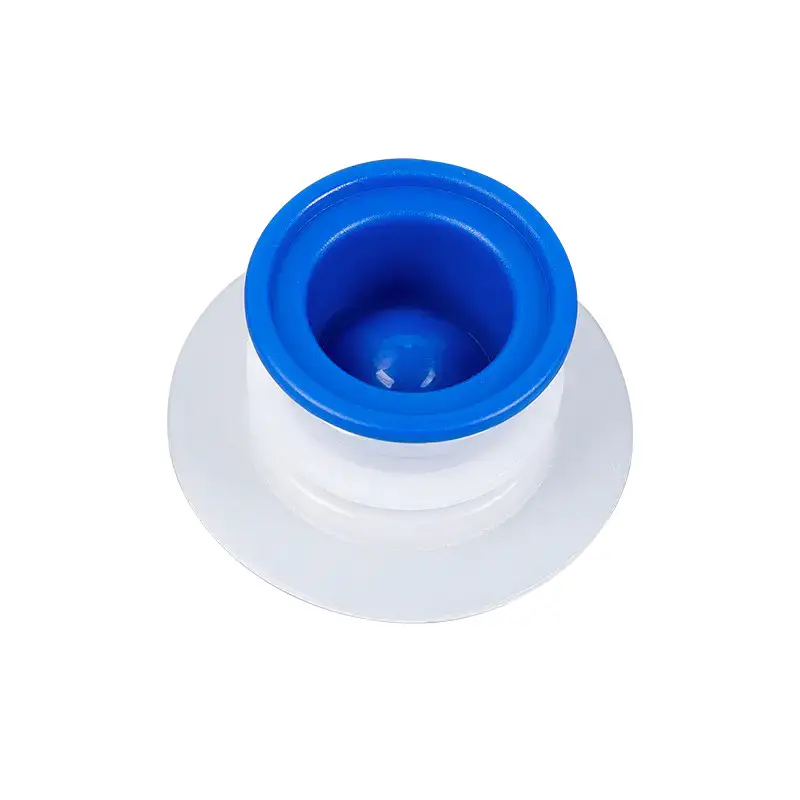

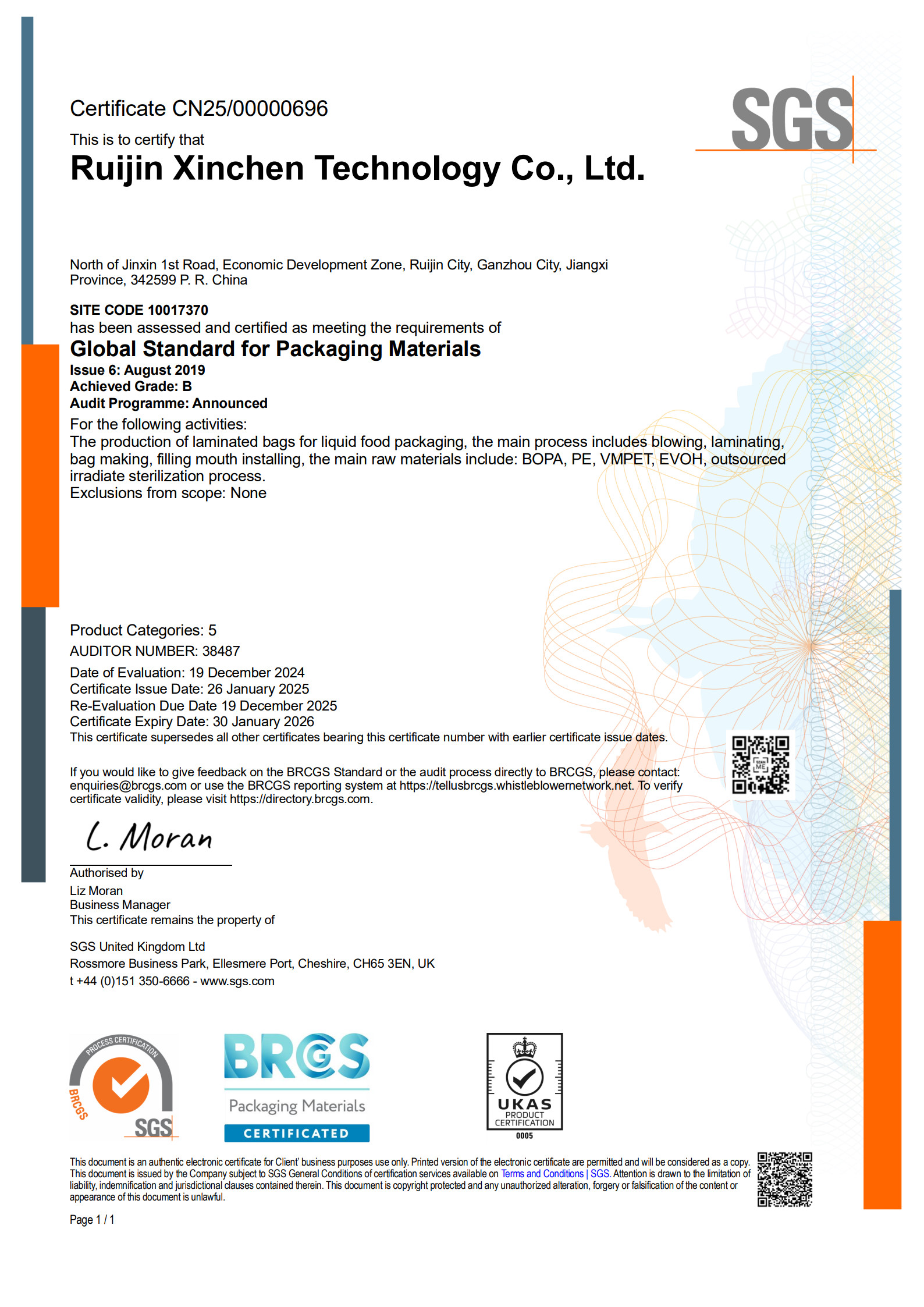

In the modern packaging industry, flexible liquid packaging bags, as an innovative packaging solution, are rapidly changing the landscape of traditional liquid packaging. With their lightweight, environmental friendliness, and high adaptability, flexible liquid packaging bags are increasingly widely used in various fields such as food, beverages, pharmaceuticals, and chemicals.
Material Composition and Functional Characteristics
The core of flexible liquid packaging bags lies in their multi-layered composite material structure. This structure not only ensures the strength and durability of the packaging bag but also effectively blocks the intrusion of air, moisture, and harmful substances. High-performance polymer films are an important component of modern flexible liquid packaging bags, and their characteristics determine the safety and stability of the packaging bag during liquid storage and transportation. Through the scientific selection and optimization of film materials, flexible liquid packaging bags can achieve multiple functions such as oxygen barrier, moisture protection, light protection, and chemical corrosion resistance, providing long-term protection for liquid products.
The flexibility of the materials allows the packaging bags to significantly reduce space occupation during transportation and storage, lowering logistics costs while also improving product convenience and user experience. With the deepening of the concept of sustainable development, the application of biodegradable materials and recyclable composite films in flexible liquid packaging bags is gradually increasing, driving the industry towards a green and environmentally friendly direction.

Advanced Production Processes and Technological Innovation
The manufacturing of flexible liquid packaging bags involves a variety of advanced processes, including blown film, composite film preparation, heat sealing, printing, and the integration of automated packaging systems. These processes not only ensure the structural integrity and sealing performance of the packaging bags but also provide highly efficient solutions for large-scale production. Modern production lines typically employ fully automated equipment, ensuring a highly precise and controllable process from film material processing to bag forming and filling and sealing, guaranteeing consistent product quality.
In terms of technological innovation, flexible liquid packaging bags are continuously incorporating intelligent elements, such as antibacterial coatings, optimized oxygen barrier layers, and visual window designs. This allows the packaging bags to meet the requirements of safe liquid storage while enhancing the consumer experience and brand value. For different liquid characteristics, companies can achieve targeted protection by adjusting the thickness and layering structure of the composite film, which is particularly important in the pharmaceutical and high-value-added beverage sectors.
Market Applications and Industry Trends
Flexible liquid packaging bags are particularly prominent in the food and beverage industry. Their lightweight, easy storage, and transport advantages make them an ideal packaging solution for liquid foods, functional beverages, and concentrated liquid products. In the pharmaceutical field, flexible liquid packaging bags are widely used for the storage and transportation of injectable solutions, nutritional solutions, and chemical reagents. Their stringent sealing and high stability meet high industry standards.
Flexible liquid packaging bags also demonstrate strong adaptability in the chemical, agricultural, and household liquid product markets. Industry trends show that consumer demand for convenient and environmentally friendly packaging continues to grow, driving the increasing penetration rate of flexible liquid packaging bags in various liquid products.
Green Environmental Protection and Sustainable Development
Environmental protection and sustainable development are important issues in the modern packaging industry. Flexible liquid packaging bags effectively reduce the negative environmental impact of packaging waste through material innovation, production optimization, and recycling concepts. The application of bio-based composite films, recyclable composite materials, and environmentally friendly printing technologies reduces the carbon footprint of flexible liquid packaging bags throughout their entire life cycle, aligning with global green packaging trends.
In the design process of flexible liquid packaging bags, companies achieve a balance between environmental protection and performance through material selection, structural optimization, and functional innovation. This not only meets the market's demand for green packaging but also enhances the social responsibility and competitiveness of corporate brands.

Flexible liquid packaging bags, with their advantages of lightweight, environmental friendliness, versatility, and high adaptability, are becoming a core solution in the liquid packaging industry. Through the integration of material innovation, technological optimization, and green development concepts, flexible liquid packaging bags not only meet market demands but also promote the intelligent and sustainable development of the packaging industry. Looking to the future, flexible liquid packaging bags will continue to play an important role in the food, pharmaceutical, and chemical industries, becoming an indispensable force for innovation in the liquid packaging industry.

