
 English
 русский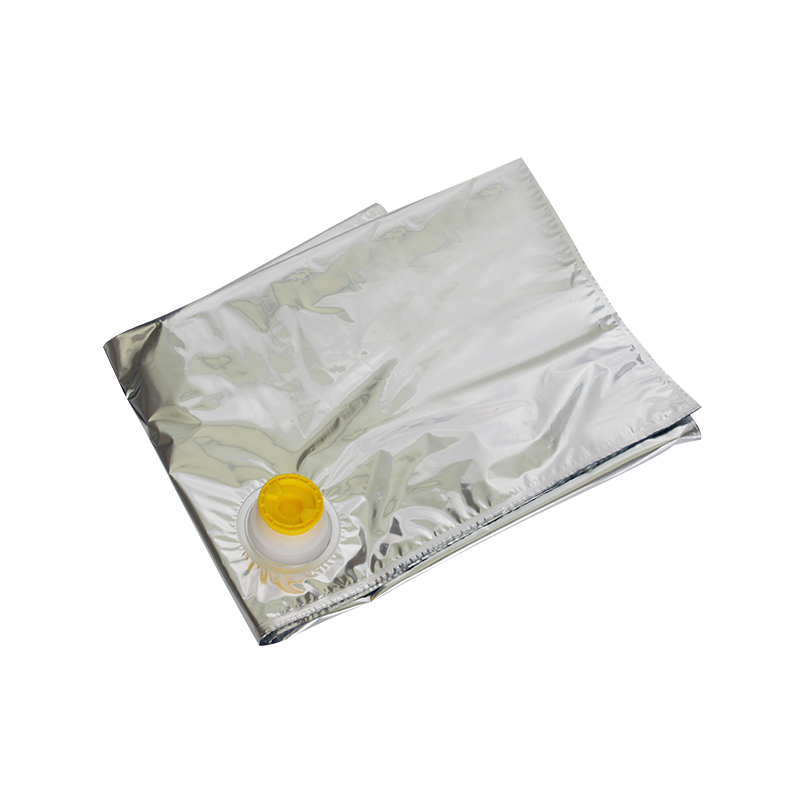
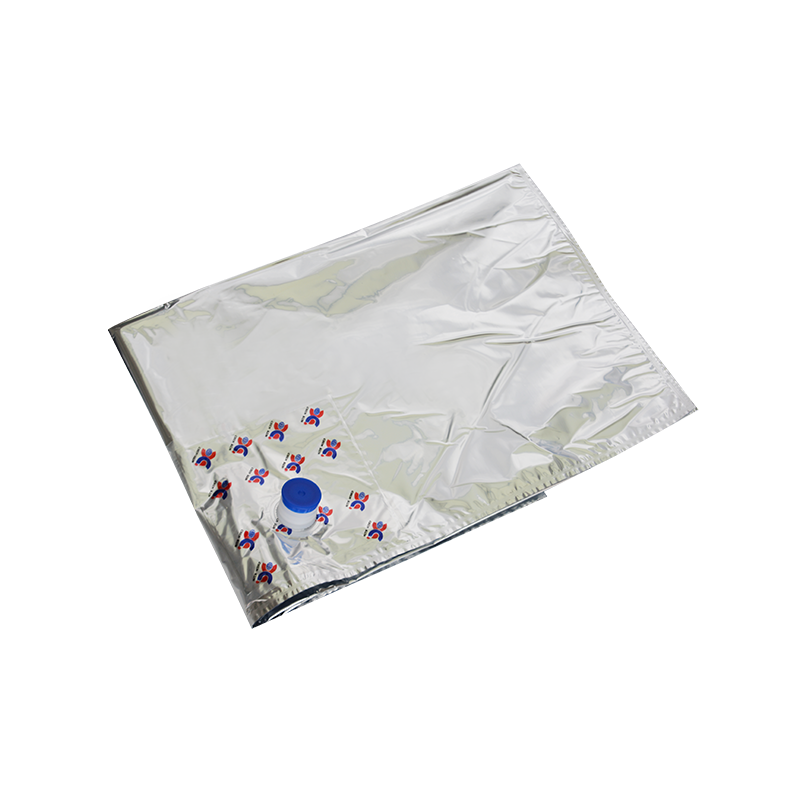
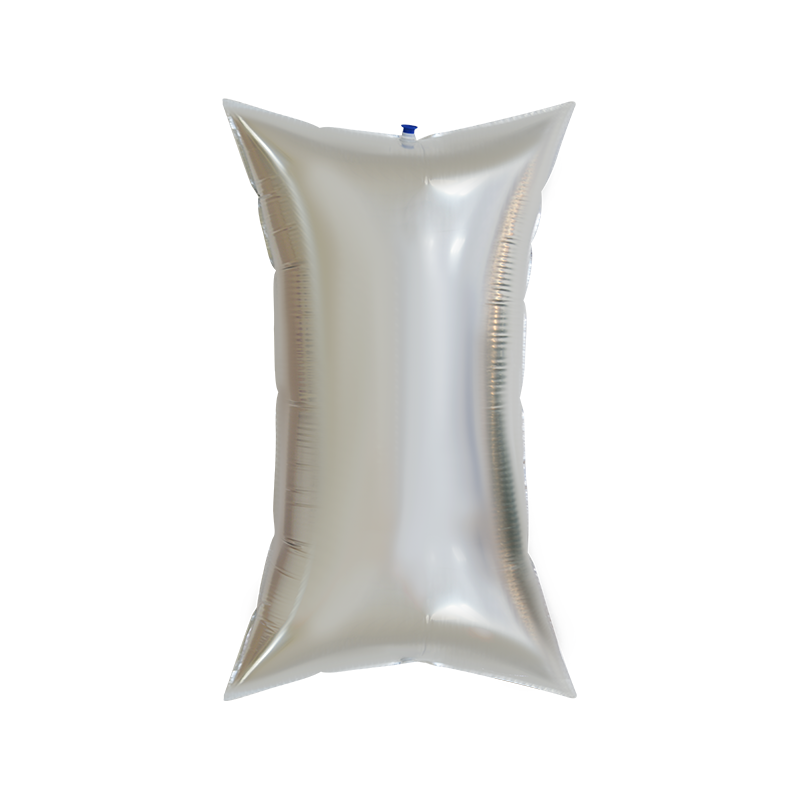
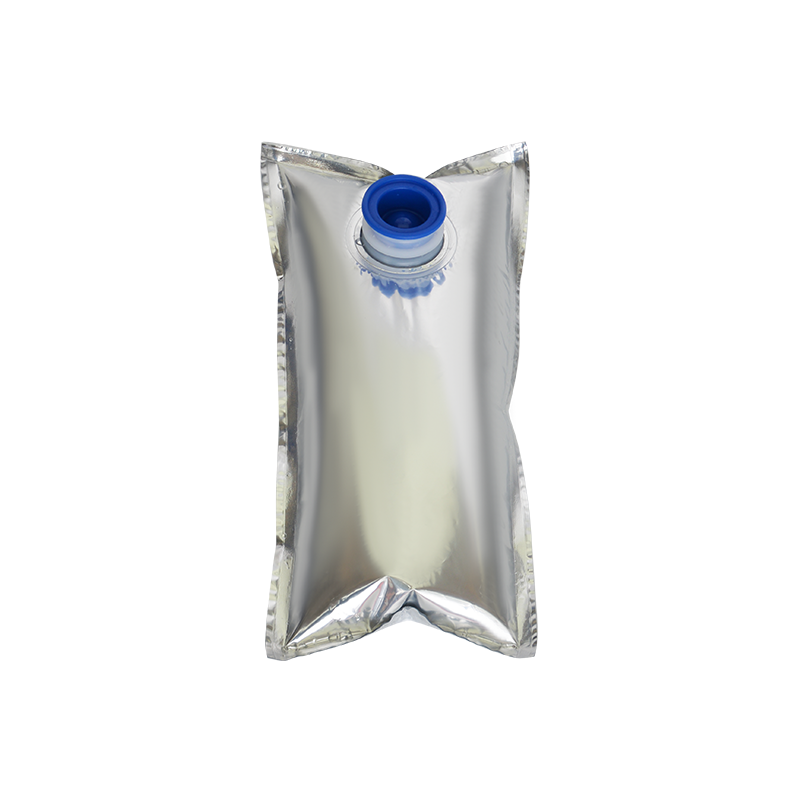
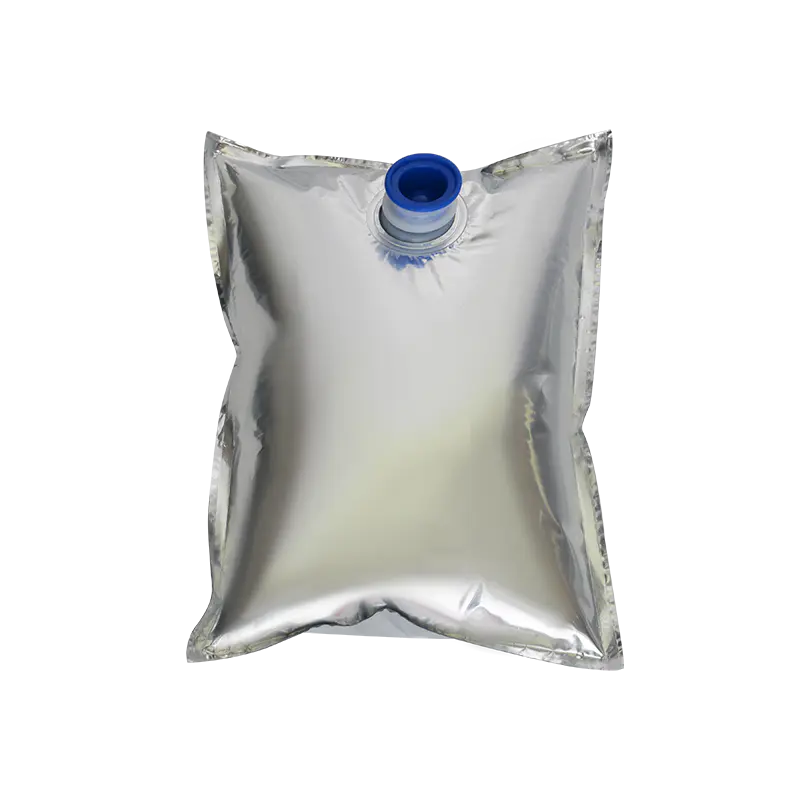
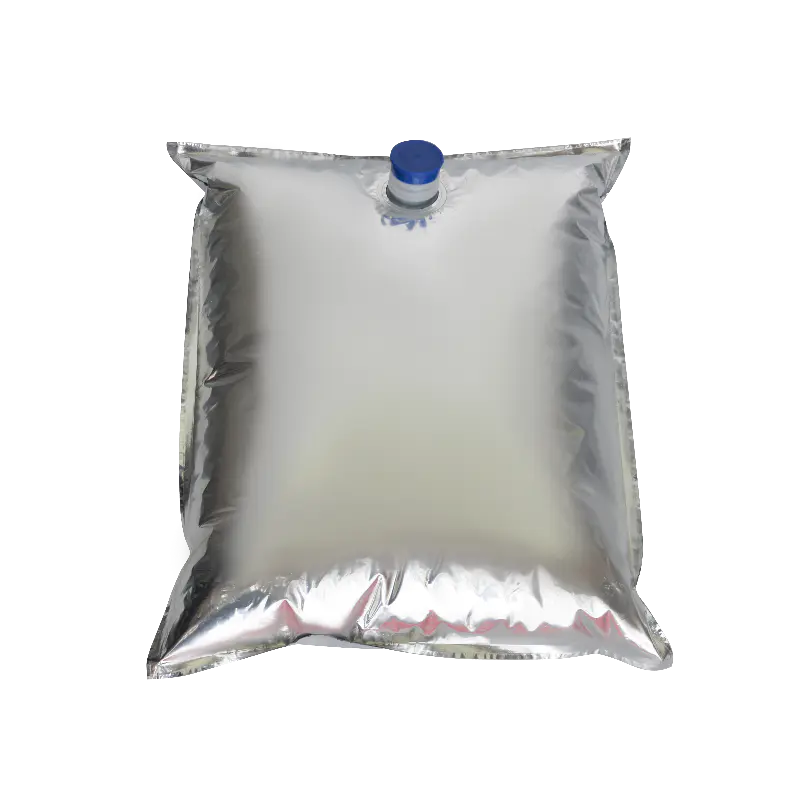
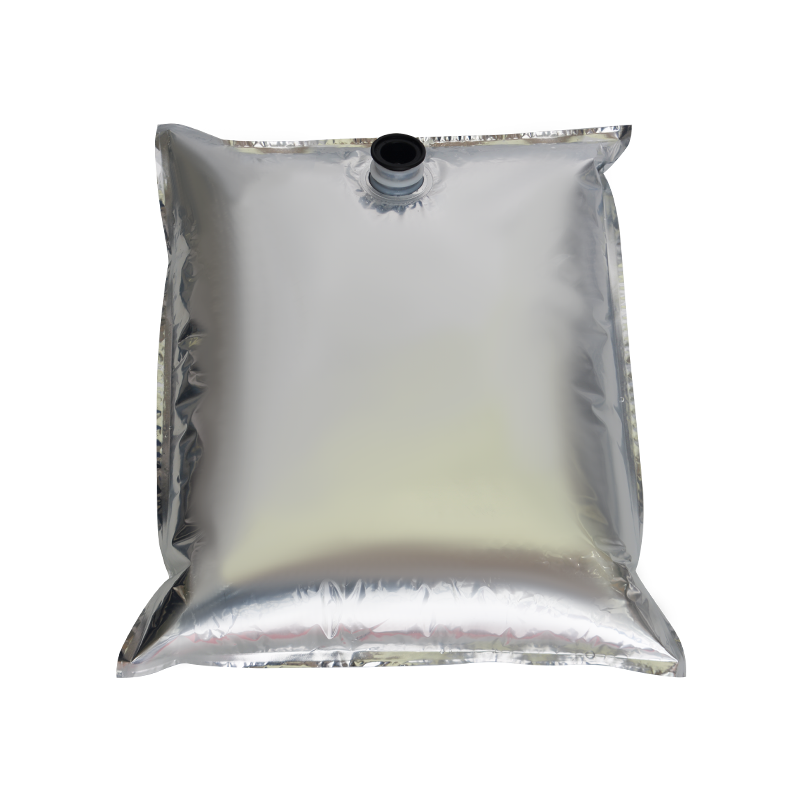
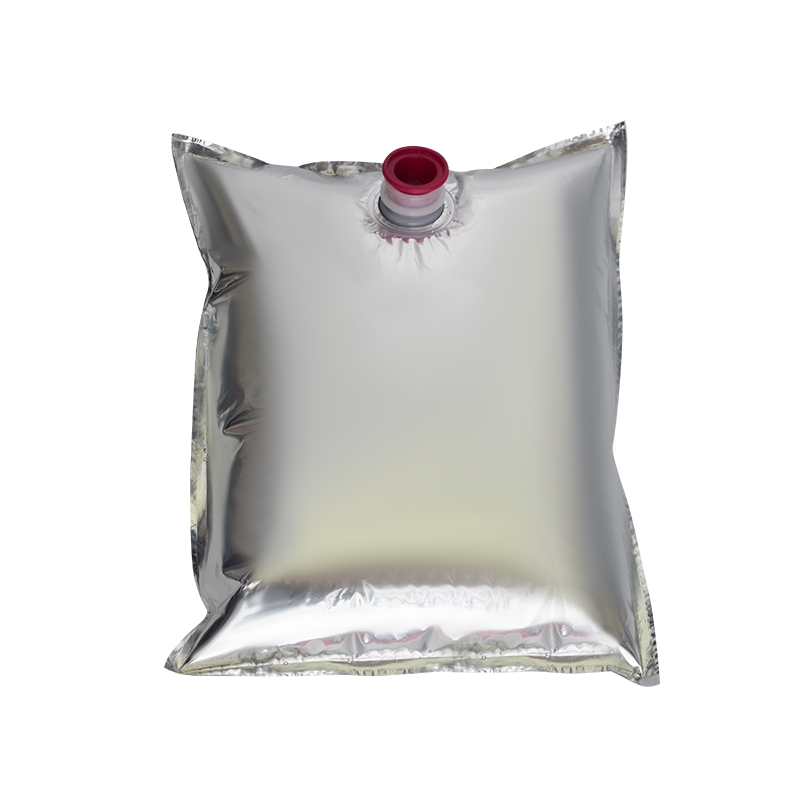
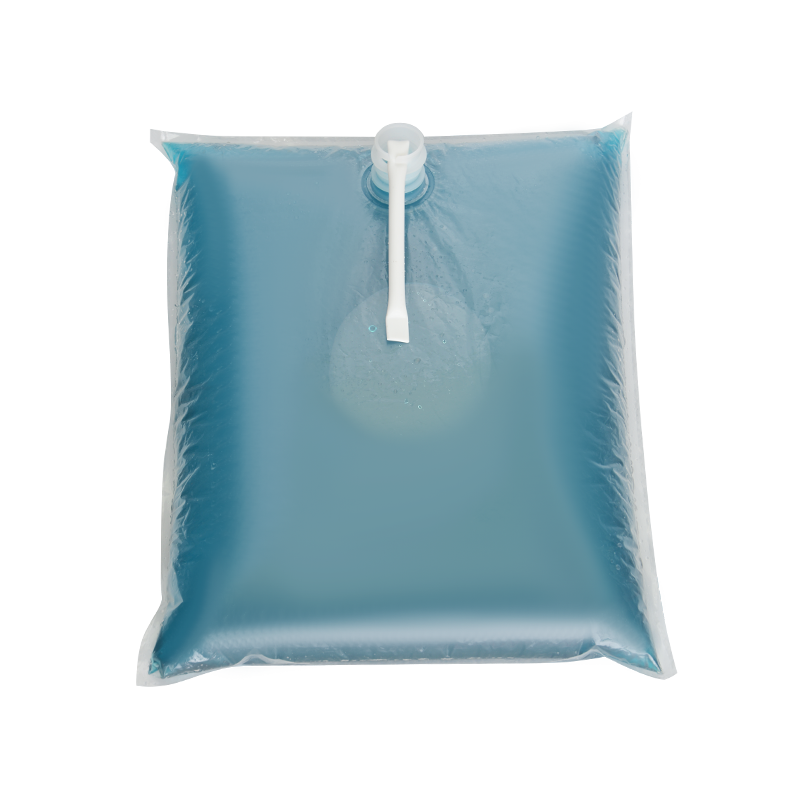
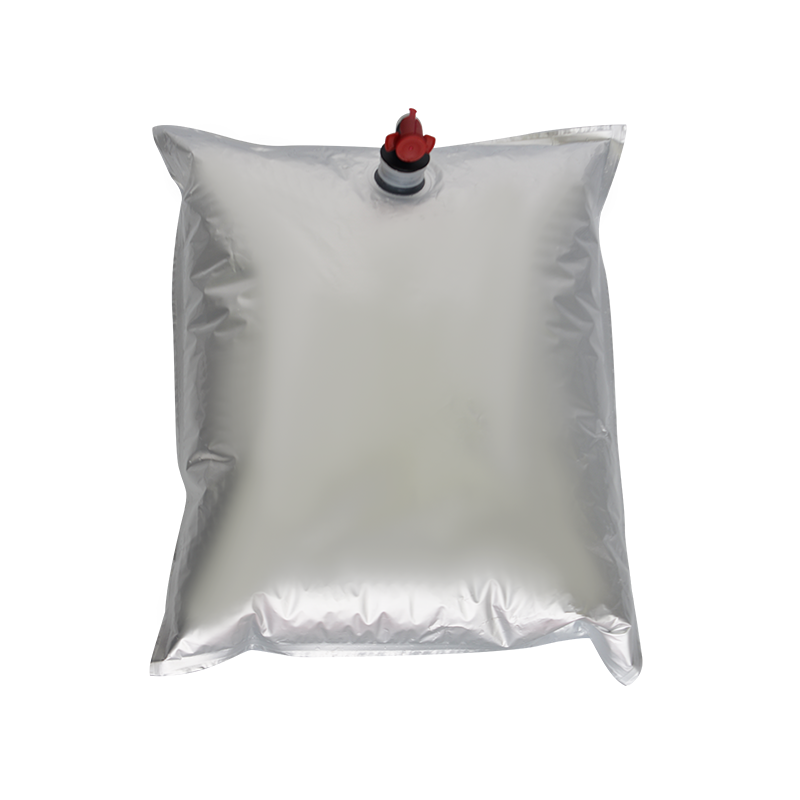
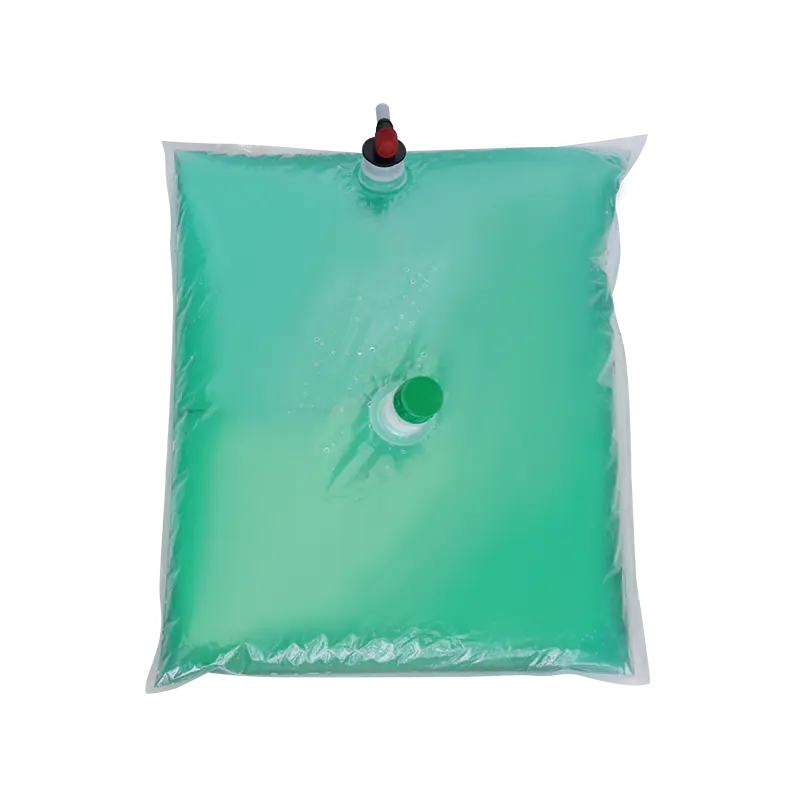
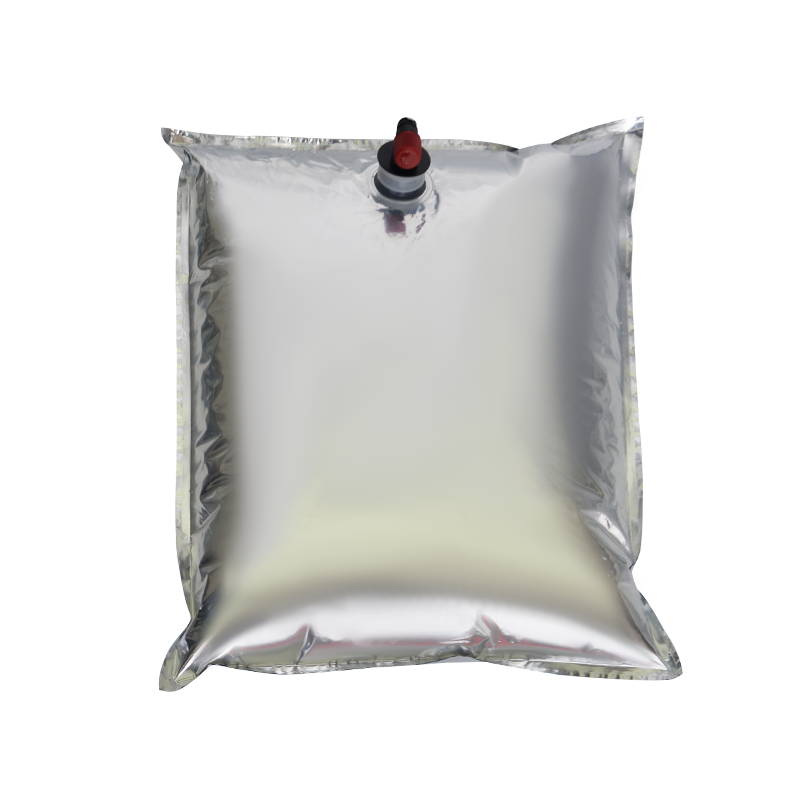


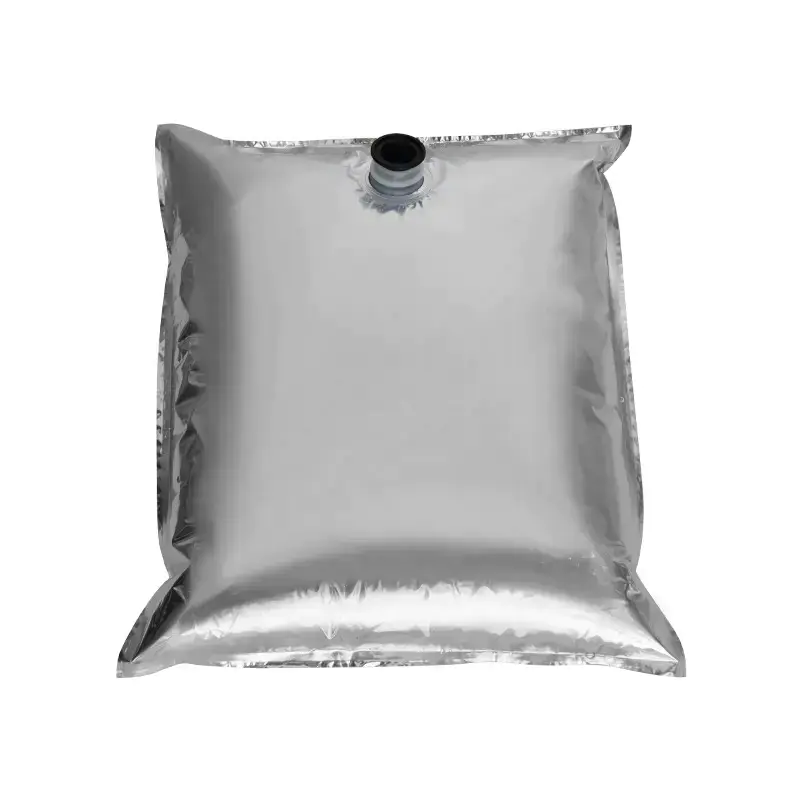
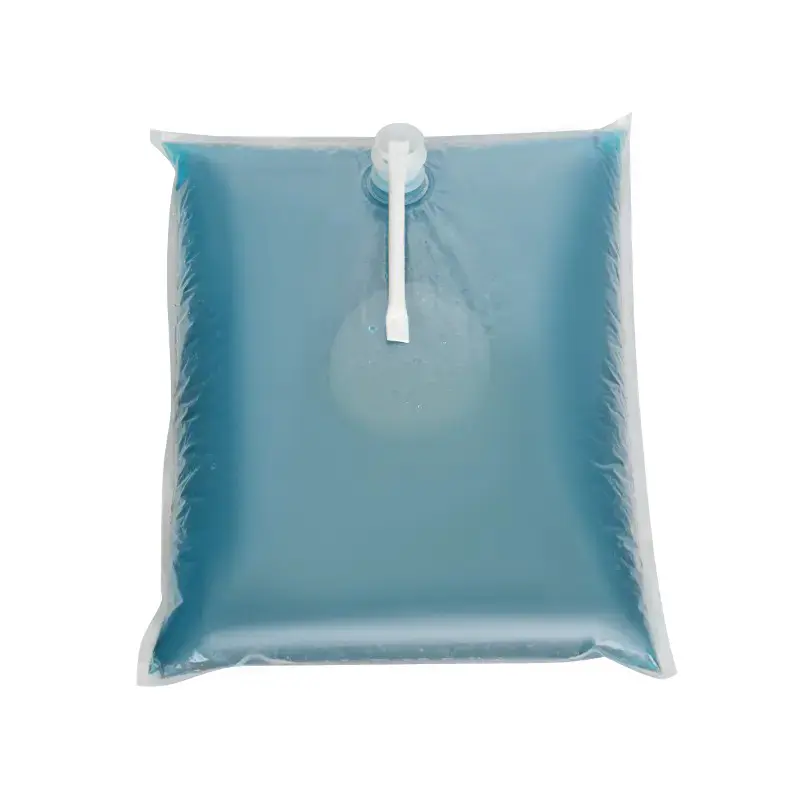


Flexible liquid packaging bags represent a significant advancement in containment technology, offering a lighter, more cost-effective, and often more sustainable alternative to traditional rigid containers. By utilizing high-barrier materials and innovative structural designs, these bags provide superior protection for liquids while optimizing storage space and reducing transportation costs. Whether for industrial fluids, beverages, or household products, flexible packaging solutions deliver enhanced performance and efficiency across the supply chain.
Understanding Flexible Liquid Packaging Bags
Flexible liquid packaging bags are soft-sided containers constructed from multiple layers of specialized films designed to hold and protect liquid contents. Unlike rigid bottles, drums, or cans, these bags conform to the shape of their surroundings and the volume of the liquid inside. This category of packaging encompasses a wide range of formats, including stand-up pouches, flat pouches, bag-in-box liners, and spouted pouches.
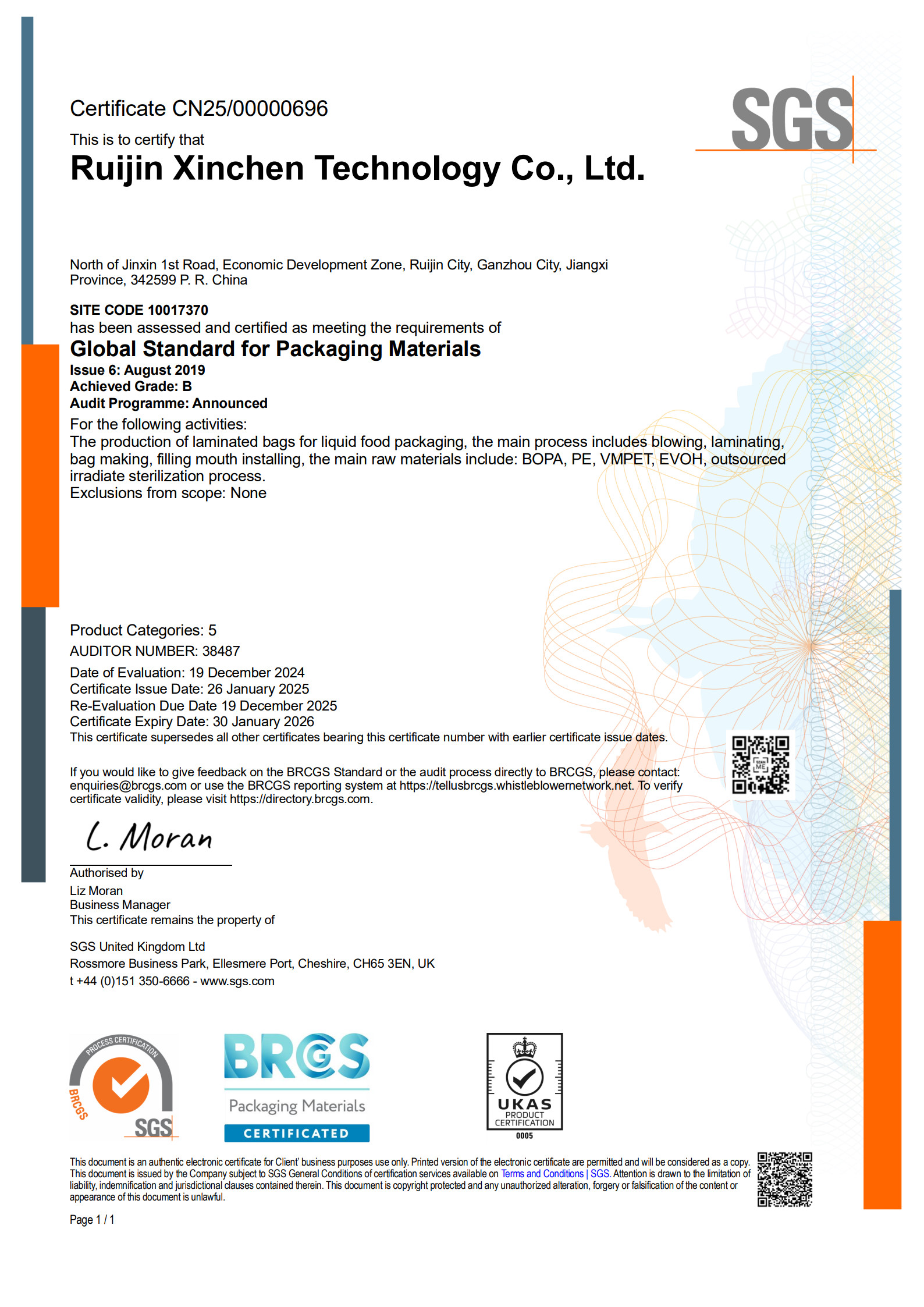
The core technology behind these bags lies in the lamination process, where different layers of plastic, aluminum foil, or metallized films are bonded together. Each layer serves a specific function, such as providing puncture resistance, moisture barrier, oxygen protection, or heat sealability. This composite structure ensures that the liquid remains fresh, uncontaminated, and safe from external environmental factors throughout its shelf life.
Key Advantages Over Rigid Containers
The shift towards flexible liquid packaging is driven by several distinct operational and economic advantages that benefit manufacturers, retailers, and end-users alike. These benefits go beyond simple containment and touch upon logistics, product preservation, and environmental impact.
Space Efficiency and Storage Optimization
One of the most immediate benefits of flexible bags is their ability to utilize space more effectively. Rigid containers, such as plastic jugs or glass bottles, have fixed geometries that leave empty air gaps when stacked. In contrast, flexible bags can be stacked tightly on pallets or packed into boxes, significantly reducing the wasted volume. This efficiency translates to higher storage density in warehouses and allows more product to be shipped in fewer vehicles, drastically lowering freight costs and carbon emissions.
Reduced Material Usage and Weight
Flexible packaging typically requires significantly less plastic to manufacture compared to rigid bottles. While a rigid container might require several grams of high-density polyethylene to maintain its shape, a flexible pouch uses a thin film structure to achieve the same holding capacity. This reduction in material weight directly lowers the energy required for production and transportation. For example, shipping a truckload of empty flexible bags uses a fraction of the fuel needed to ship a truckload of empty rigid containers, as the weight difference is substantial.
Superior Product Protection and Shelf Life
The multi-layer construction of these bags offers exceptional barrier properties. By incorporating layers that block oxygen, light, and moisture, flexible bags can extend the shelf life of sensitive liquids like juices, dairy alternatives, and certain chemicals. The ability to create an airtight seal, often with specialized fitments like spouts or caps, ensures that the product remains secure from the filling process until the moment of consumption or use. This protection helps maintain flavor, potency, and color without the need for excessive preservatives.
Material Composition and Structural Integrity
The performance of a flexible liquid packaging bag is entirely dependent on the materials selected for its construction. These are rarely single-material solutions but rather sophisticated laminates tailored to the specific chemical properties of the liquid inside.
Common Film Layers
- Outer Layer: Typically made of Polyester (PET) or Nylon (PA), this layer provides mechanical strength, puncture resistance, and a printable surface for high-quality graphics.
- Barrier Layer: This is the critical component that prevents gas and moisture transmission. Common materials include aluminum foil for a 100% barrier, or metallized films and EVOH (ethylene vinyl alcohol) for high transparency and excellent barrier properties.
- Sealing Layer: usually made of Polyethylene (PE) or Polypropylene (PP), this inner layer ensures the bag can be heat-sealed securely and is compatible with the liquid contents to prevent chemical reaction or leaching.
The choice between foil and clear film barriers is a key decision. Foil offers the ultimate protection against oxygen and light, making it ideal for highly sensitive products. However, clear high-barrier films allow consumers to see the product inside, which is a significant marketing advantage for beverages and cleaning products, and they are also often easier to recycle in certain streams.
Comparison: Flexible Bags vs. Rigid Bottles
To visualize the impact of switching to flexible packaging, consider the following comparison across key performance indicators.
| Feature | Flexible Liquid Bag | Rigid Bottle/Container |
|---|---|---|
| Material Weight | Low | High |
| Shipping Efficiency | High (More product per truck) | Lower (Air gaps between shapes) |
| Waste Volume | Minimal after use | Significant volume in landfill |
| Product Visibility | Variable (Foil or Clear) | Generally Clear |
Diverse Applications Across Industries
The versatility of flexible liquid packaging bags allows them to be utilized in a vast array of sectors, adapting to different viscosities, chemical compositions, and usage scenarios.
Food and Beverage Sector
In the food industry, these bags are ubiquitous. Stand-up pouches with spouts have revolutionized the packaging of juices, sauces, and soups. The ability to retort (sterilize) these bags allows them to shelf-stable products without refrigeration. Bag-in-box systems are widely used for bulk wine, syrup, and edible oils, protecting the contents from oxidation even after opening, which extends the usable life of the product compared to a rigid bottle that introduces air as it is poured.
Industrial and Chemical Applications
Industrial fluids, such as lubricants, detergents, and solvents, are increasingly packaged in flexible intermediate bulk containers (FIBCs) with liners or smaller robust pouches. The chemical resistance of modern films ensures that aggressive substances do not degrade the packaging. Using flexible liners for drums eliminates the need to clean the drum, reducing hazardous waste and processing costs for chemical companies.
Healthcare and Pharmaceuticals
Sterility is paramount in healthcare. Flexible bags are used for intravenous solutions, irrigation fluids, and dialysis solutions. The materials used must meet strict regulatory standards for biocompatibility and sterility. The single-use nature of these bags eliminates the risk of cross-contamination associated with reusable glass bottles, making them the standard in modern medical care.
Sustainability and Environmental Impact
The environmental narrative of flexible packaging is complex but increasingly positive. While the multi-layer nature of some bags has historically posed challenges for recycling, significant strides are being made in sustainable design.
Carbon Footprint Reduction
The primary environmental benefit of flexible packaging is the reduction in carbon footprint due to transportation. Because the bags are light and compact, fewer trucks are required to transport the same amount of product. Studies indicate that switching from rigid to flexible packaging can reduce greenhouse gas emissions by a significant percentage simply due to logistics efficiencies.
Waste-to-Energy and Recyclability
While traditional multi-layer pouches are difficult to recycle in standard streams, new mono-material structures (using only PE or PP) are being developed to maintain barrier properties while being fully recyclable. Furthermore, the high energy value of the plastics used means that in facilities where recycling is not feasible, flexible bags can be incinerated in waste-to-energy plants to generate electricity, recovering the calorific value stored during production.
Source Reduction
Source reduction is the most effective form of waste management. By using less material to begin with, flexible packaging inherently generates less waste. If a package uses 50% less plastic, the waste generated is halved immediately, regardless of the disposal method. This drastic reduction in raw material consumption is a compelling argument for the adoption of flexible bags in sustainability strategies.
Design Features and User Convenience
Beyond the physical protection of the liquid, modern flexible bags are designed with the end-user in mind, incorporating features that enhance usability and product experience.
Closure and Dispensing Mechanisms
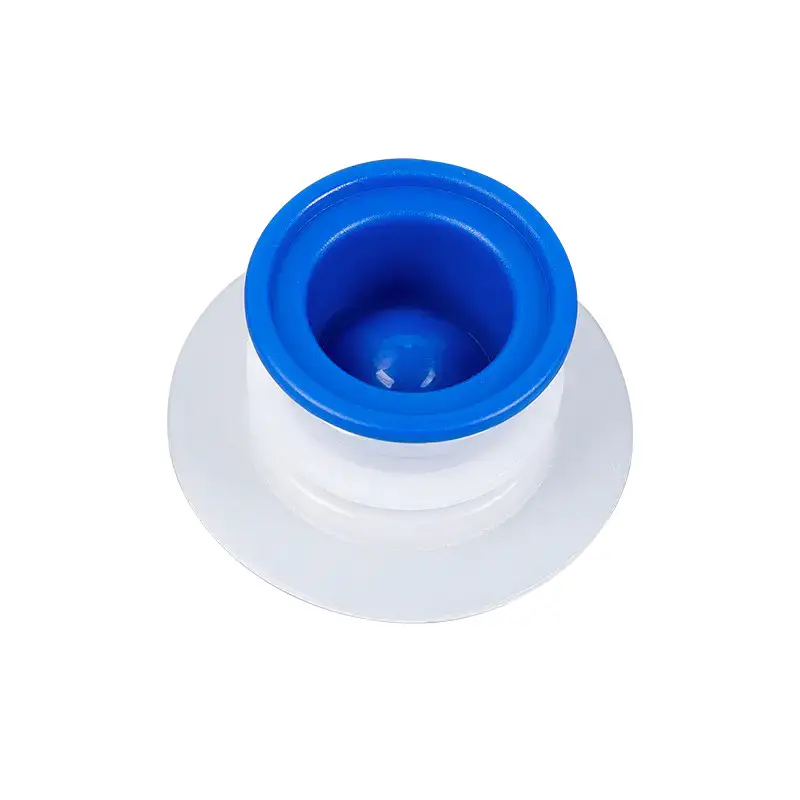
The integration of fitments is a critical aspect of liquid bag design. Screw caps, flip-top caps, and spouts allow for controlled dispensing and resealing. This is essential for products that are consumed over multiple uses, such as shampoo, cooking oil, or sports drinks. Hermetic seals ensure freshness is maintained after the initial opening, preventing leaks and spills that are common with poorly designed rigid caps.
Ergonomics and Portability
Flexible bags are generally easier to handle and pour than heavy rigid containers of the same volume. They are soft to the touch, reducing the risk of breakage if dropped. Furthermore, stand-up pouches have a flat base that allows them to sit securely on shelves or counters, while their lightweight nature makes them highly portable for camping, travel, or on-the-go consumption.
Print Real Estate and Branding
The exterior film of a flexible bag serves as an excellent canvas for high-quality printing. Rotogravure and digital printing techniques allow for vibrant, high-resolution graphics that cover the entire surface area of the bag. Unlike a cylindrical bottle which has a curved label that can distort images, a flexible pouch offers a flat surface (when unfilled) or distinct panels that maximize brand visibility and consumer communication.
Challenges and Considerations
While the benefits are substantial, manufacturers must also consider certain challenges when implementing flexible liquid packaging solutions.
Filling Equipment Compatibility
Transitioning from rigid bottles to flexible bags often requires investment in new filling machinery. While bag-in-box systems use standard taps, stand-up pouches often require specific rotary or linear filling machines equipped with nozzles that can handle the bag's shape and ensure clean filling without contaminating the seal area. However, the long-term operational savings usually justify this initial capital expenditure.
Perception of Durability
Consumer perception can sometimes be a hurdle. Some users associate "soft" packaging with "cheap" or "fragile" products. Overcoming this requires robust structural engineering so the bag feels substantial in the hand and clear communication of the benefits, such as freshness protection and easy storage. Once consumers become accustomed to the convenience, preference often shifts quickly to the flexible format.
Future Trends in Flexible Liquid Packaging
The industry continues to innovate, driven by consumer demand and environmental regulations.
- Smart Packaging: Integration of QR codes and NFC tags directly into the film for traceability, consumer engagement, and supply chain transparency.
- Biodegradable Films: Development of plant-based polymers that offer the necessary barrier properties for liquids while composting in industrial facilities.
- Recyclable Mono-structures: A shift towards pouches made entirely of a single type of plastic (like PE) to simplify the recycling process without sacrificing performance.
- Convenience Features: Further innovations like handles, expandable bottoms, and microwave-safe capabilities for ready-to-eat liquid meals.

