
 English
 русский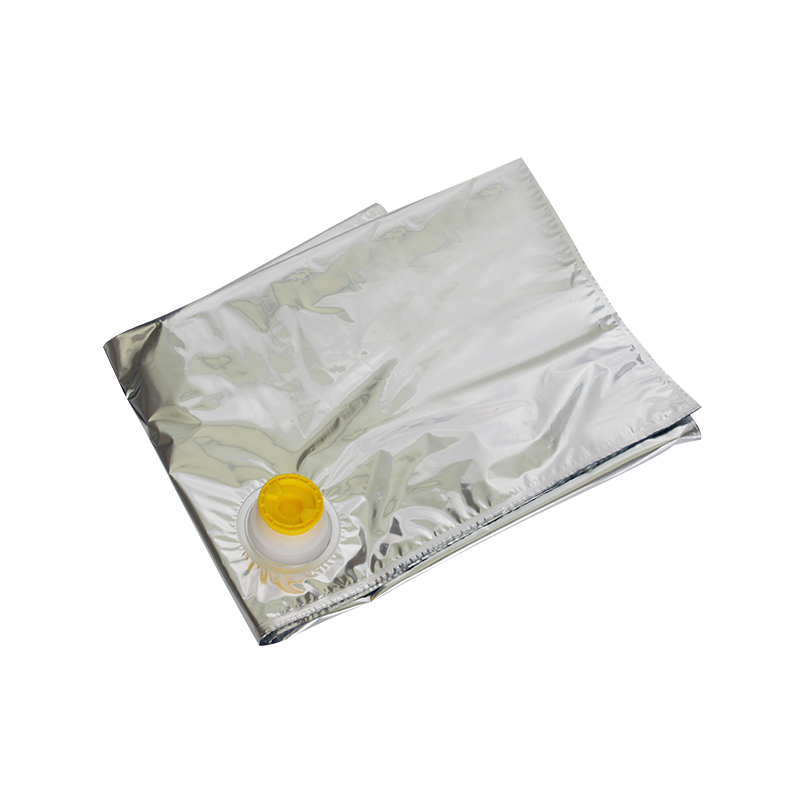
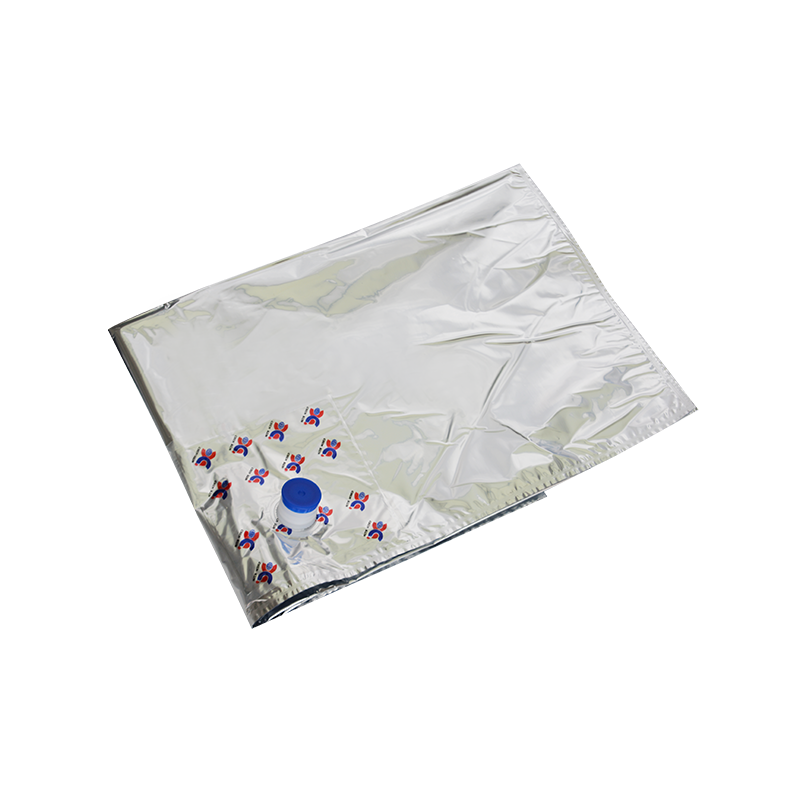
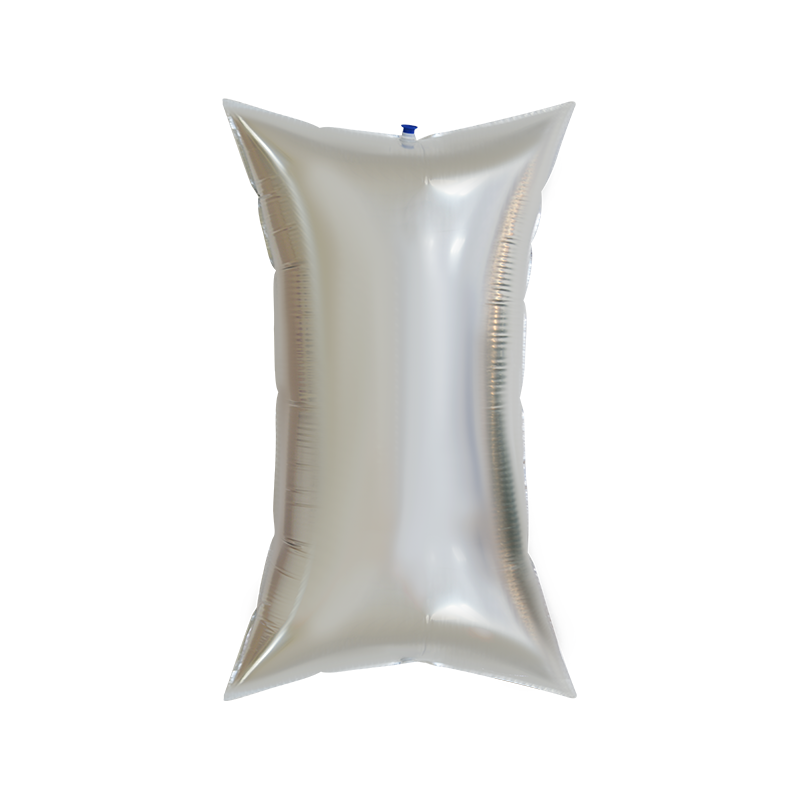
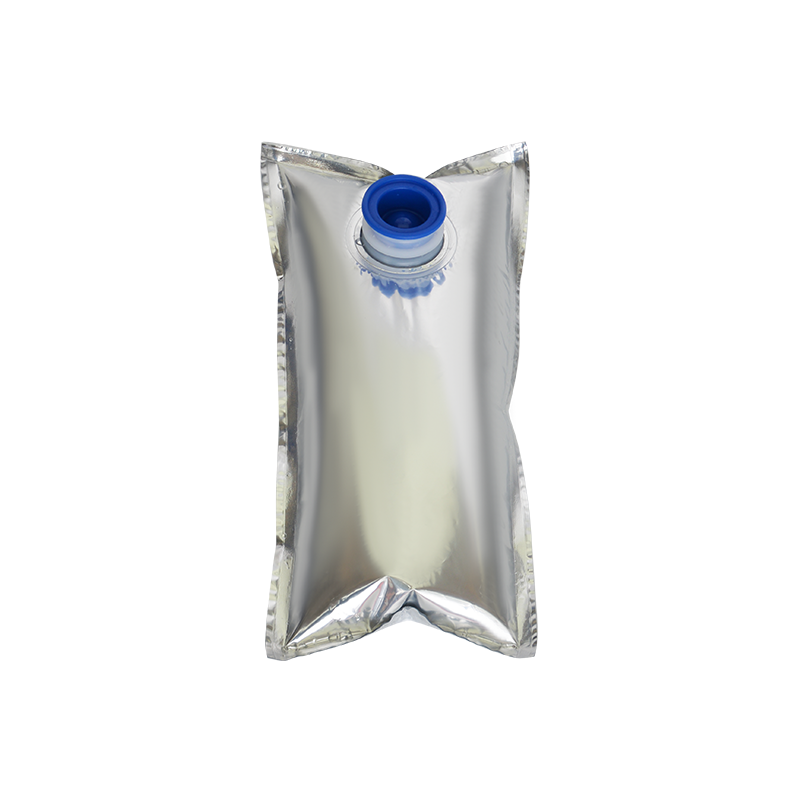
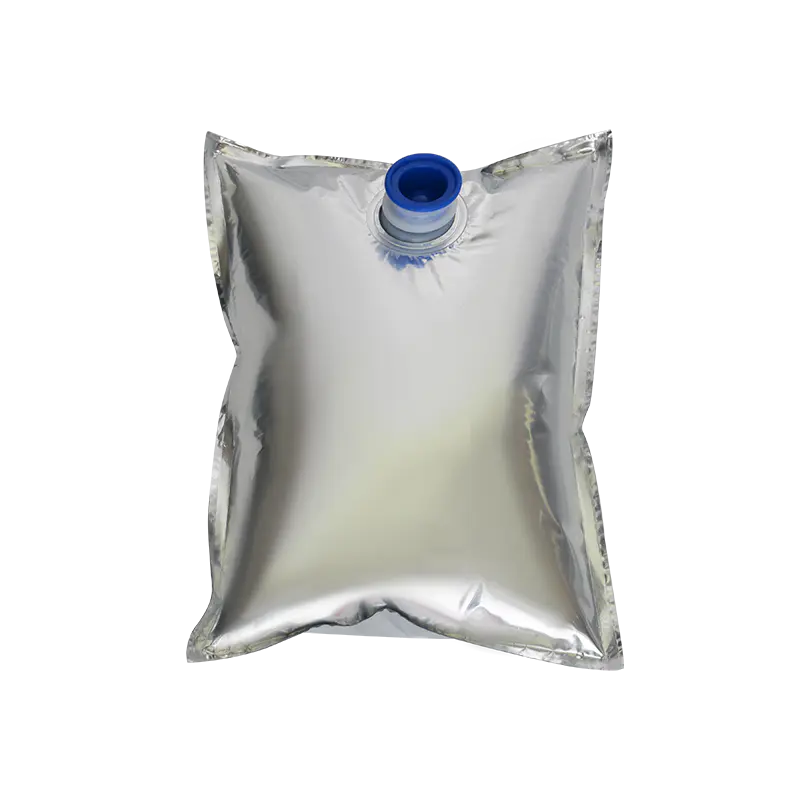
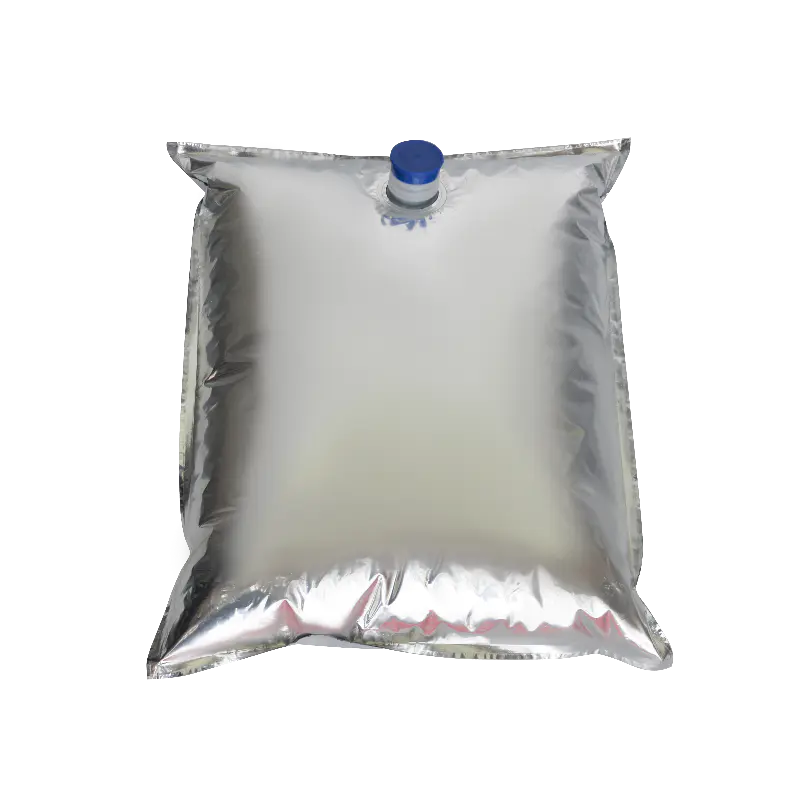
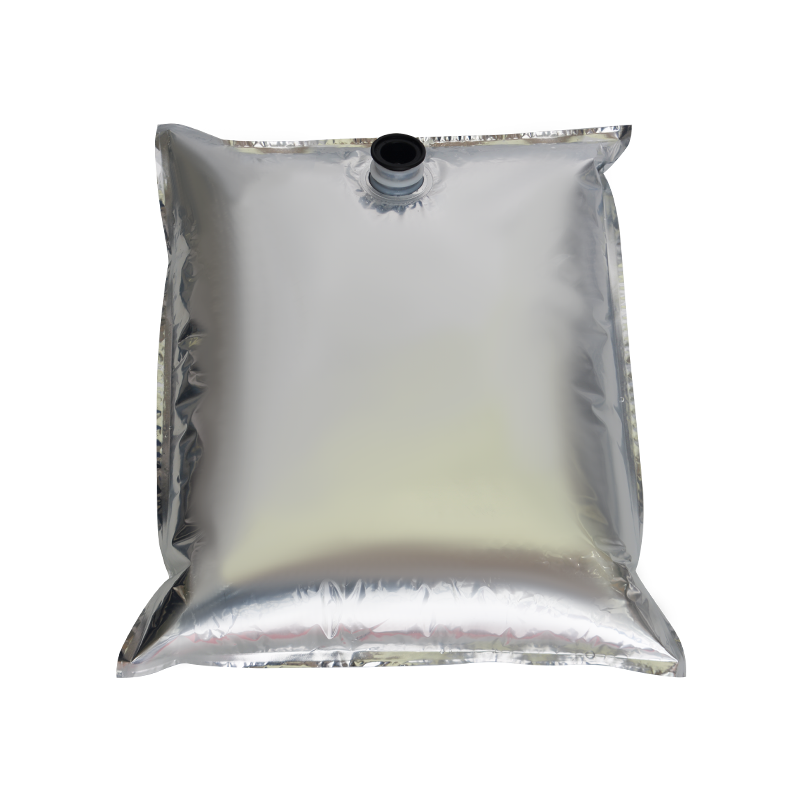
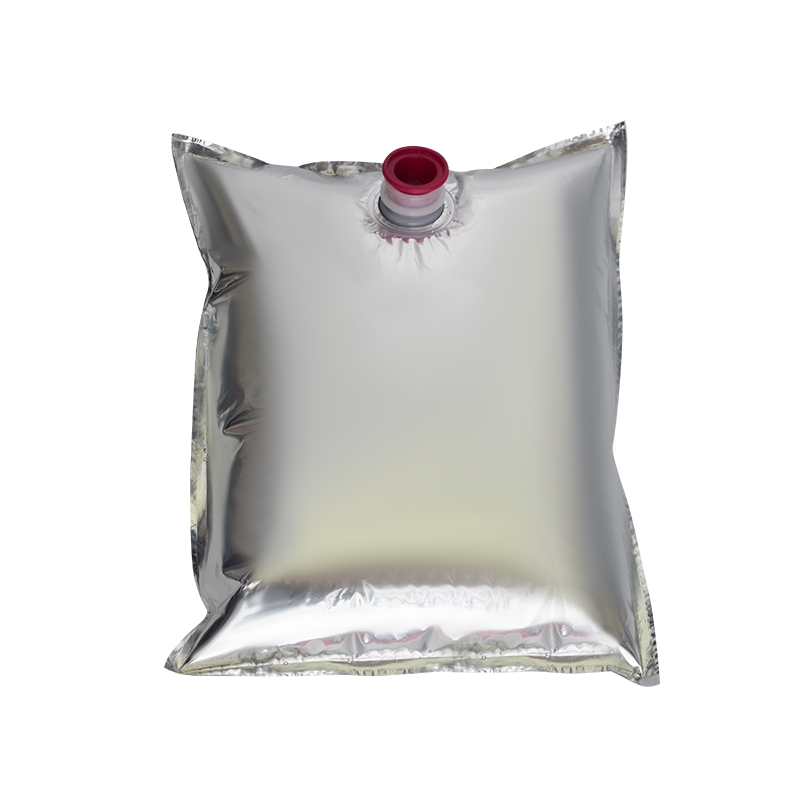
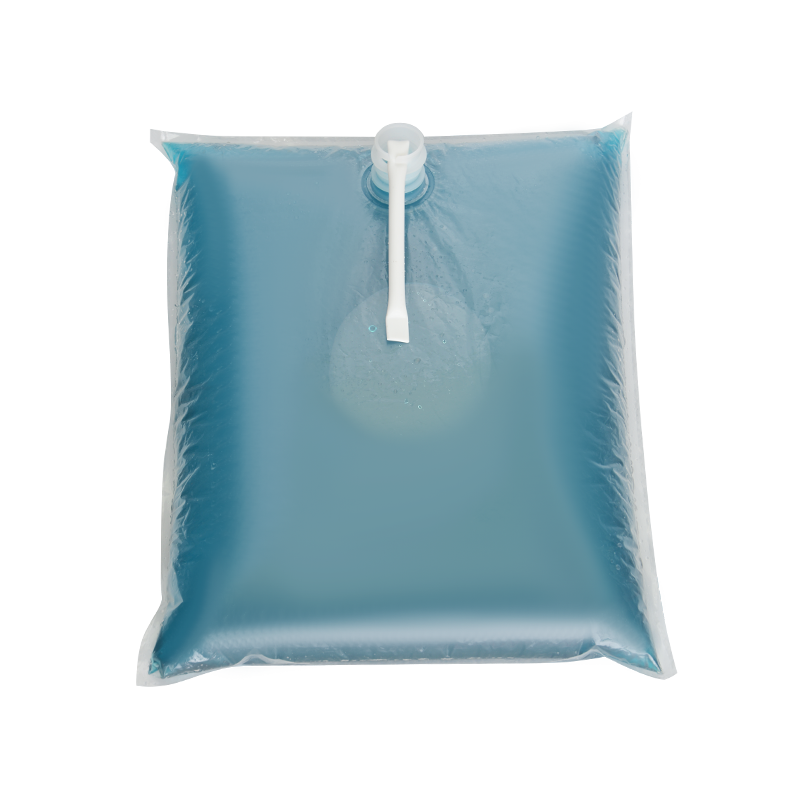
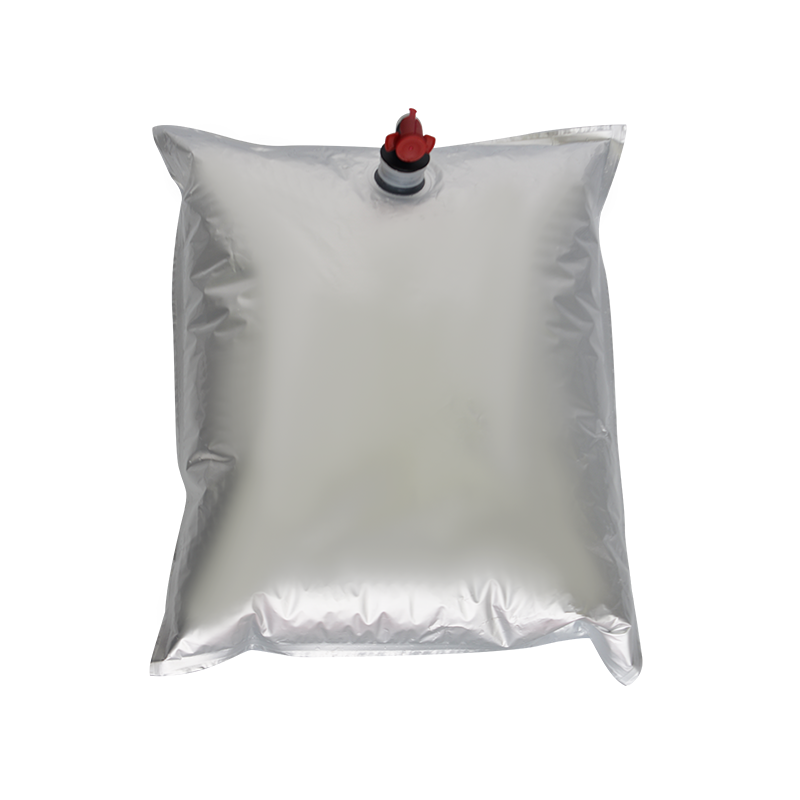
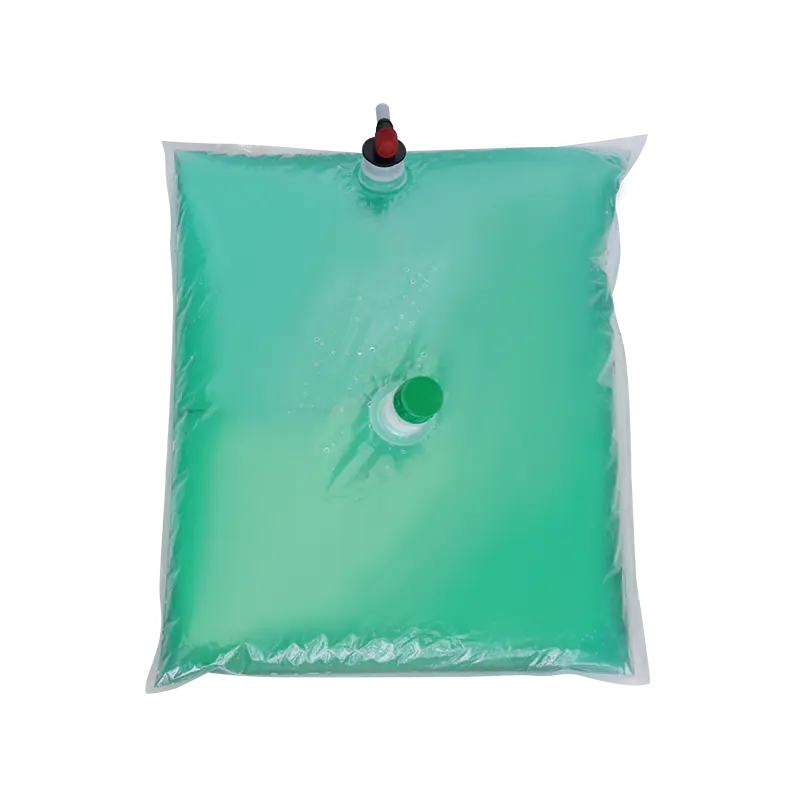
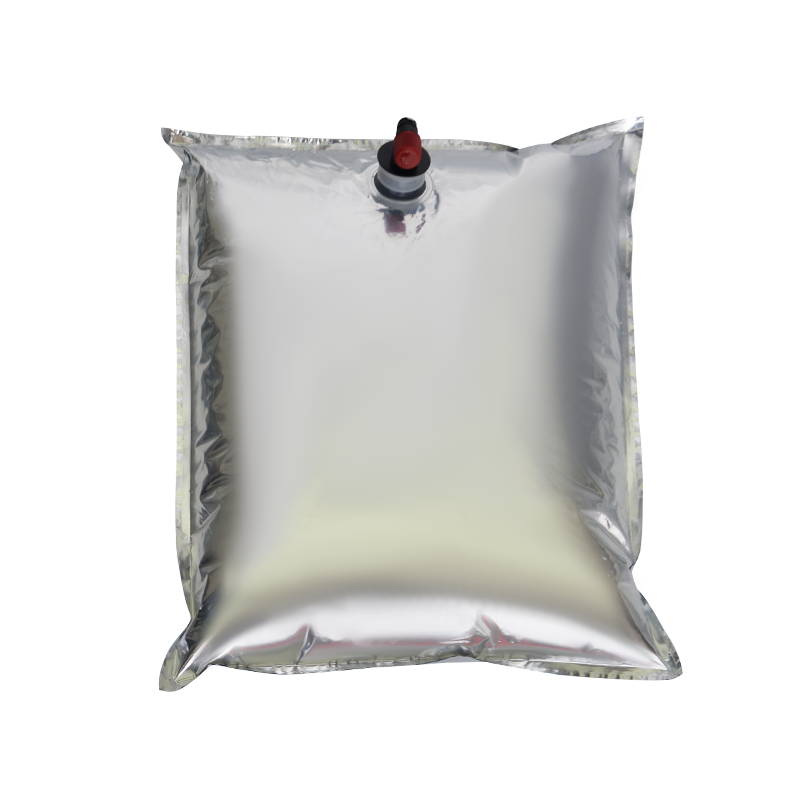


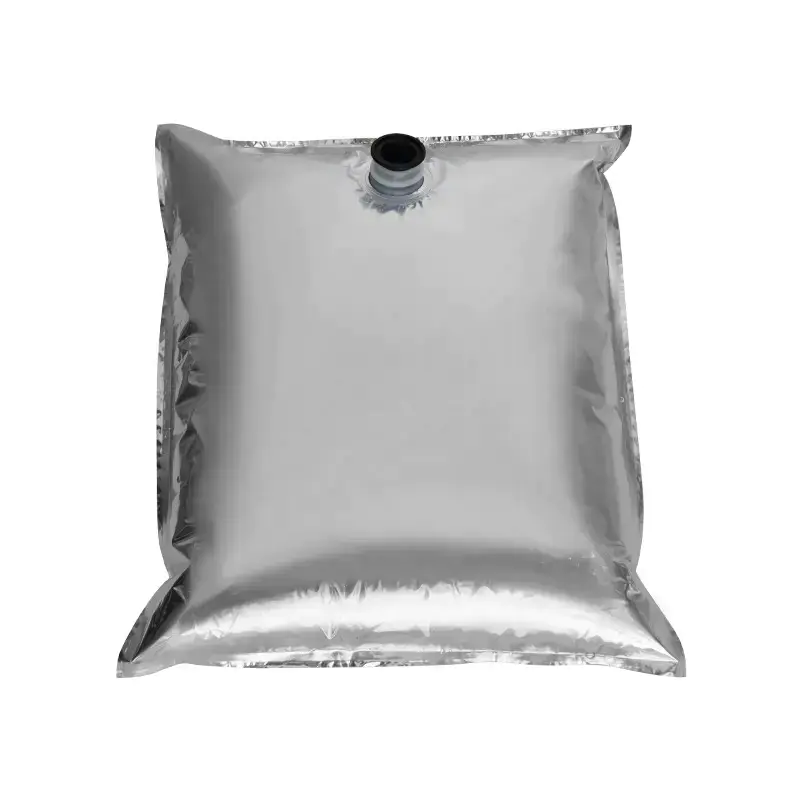
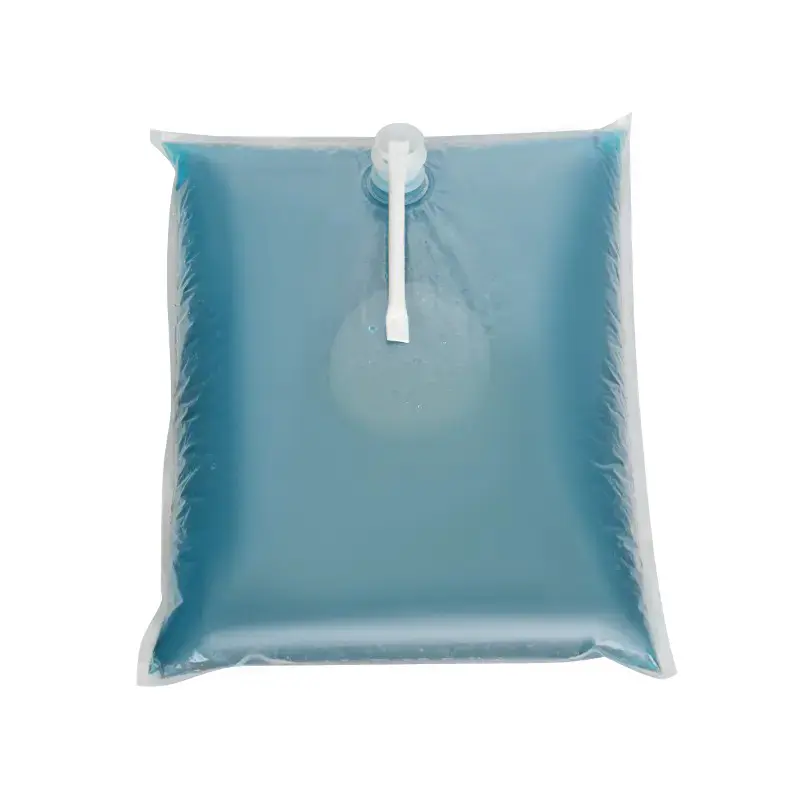
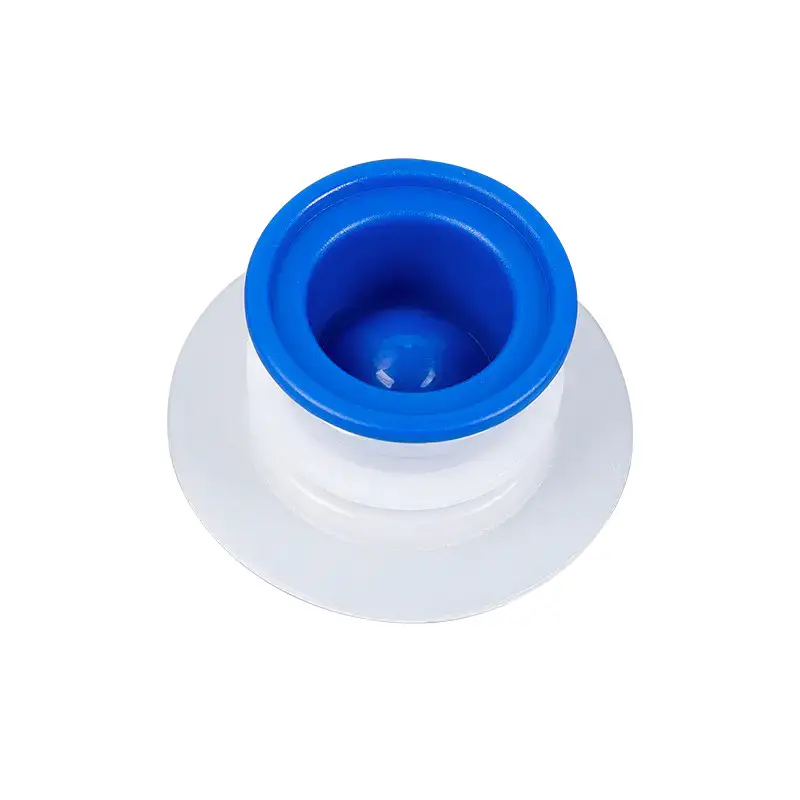

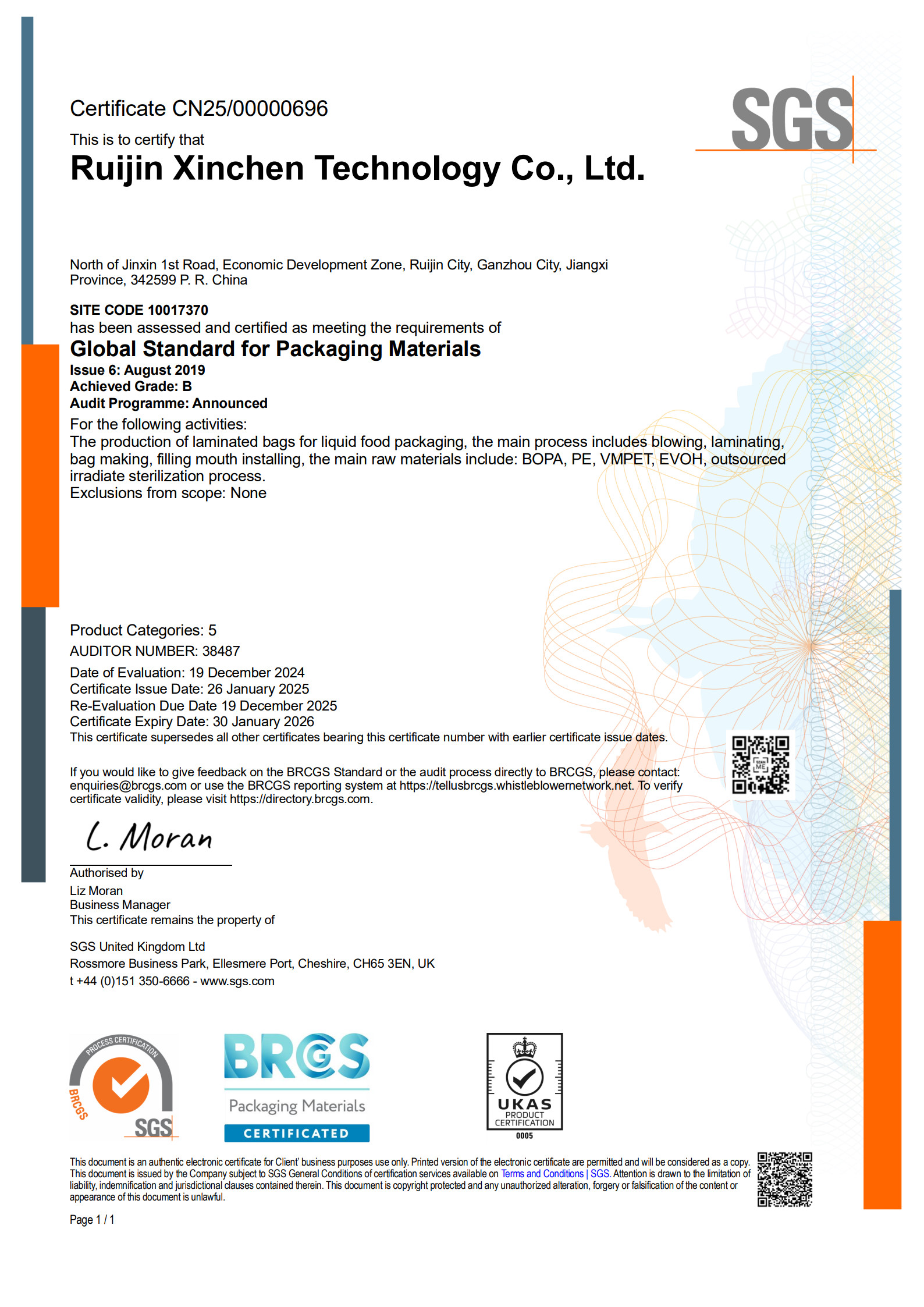

The core standard for selecting qualified aseptic bags suppliers lies in their standardized sterile production system, complete industry qualification certification, stable product quality consistency, and professional customized service capabilities. Over 85% of high-quality terminal enterprises prioritize suppliers with dust-free workshop production conditions and third-party sterile testing reports when purchasing aseptic bags, which is the key to ensuring the safety of food, pharmaceutical and biological products packaging. In addition, reliable suppliers need to have stable production capacity, perfect quality inspection processes and standardized after-sales service systems to meet the long-term and batch procurement needs of industrial customers.
Basic Qualification Standards for Formal Aseptic Bags Suppliers
Aseptic bags belong to high-precision sterile packaging products, which are widely used in food processing, pharmaceutical manufacturing, biological laboratory, medical supplies and other fields with strict hygiene requirements. Regular aseptic bags suppliers must meet unified industry basic qualification standards to ensure that the products do not have microbial contamination, particle residue and quality risks. The qualification system of suppliers covers production environment, testing certification, production process and staff management, which constitutes the basic threshold of the industry.
Production Environment Qualification Requirements
The production of aseptic bags cannot be carried out in ordinary workshops, and suppliers must be equipped with professional dust-free and sterile workshops. Qualified suppliers need to own at least Class 100,000 dust-free workshop certification, and high-end medical and pharmaceutical-grade aseptic bag suppliers are required to have Class 10,000 ultra-clean workshop conditions. The workshop needs to be equipped with constant temperature and humidity control system, air filtration and sterilization equipment, and regular environmental sterilization and dust removal operations to avoid external pollutants from affecting product sterility.
Industry Certification Qualifications
Formal aseptic bags suppliers must hold effective industry certification documents, which are the direct proof of product compliance. Different application scenarios correspond to different certification standards, and professional suppliers will complete targeted certification according to product positioning. The mainstream mandatory and recommended certifications in the industry include food safety production certification, medical packaging material certification, ISO quality management system certification and sterile product testing qualification.
- Food-grade aseptic bag suppliers must pass food contact material safety certification to ensure that the packaging materials do not precipitate harmful substances and do not cause secondary pollution to food.
- Medical-grade aseptic bag suppliers need to obtain special medical packaging qualification, and their products can be used for the packaging of sterile medical devices and pharmaceutical preparations.
- All regular suppliers should complete ISO 9001 quality system certification to standardize the whole process of production, inspection and delivery.
Key Product Quality Standards of Professional Aseptic Bags Suppliers
Product quality is the core competitiveness of aseptic bags suppliers. Excellent suppliers will formulate strict internal quality control standards higher than the industry minimum standards, and conduct full-process quality monitoring from raw material procurement to finished product delivery. The quality of aseptic bags is mainly evaluated from sterility, barrier performance, physical durability and safety stability, and each index directly determines the application effect of the product.
Sterility Performance Standard
Sterility is the most core index of aseptic bags. High-quality suppliers ensure that the total number of microbial colonies in finished products is zero, and the sterile validity period can reach 2-5 years under specified storage conditions. In order to ensure stable sterility, suppliers will adopt ethylene oxide sterilization or high-temperature and high-pressure sterilization process, and conduct random sampling inspection of each batch of products after sterilization. Unqualified products will be completely eliminated to avoid unsterile products entering the market.
Packaging Barrier Performance
Aseptic bags need to have excellent barrier properties to isolate external air, moisture, bacteria and dust. Professional suppliers will select high-purity raw materials such as multi-layer composite film, which can effectively block oxygen and water vapor penetration. Good barrier performance can ensure that the internal packaged items maintain a sterile and dry state for a long time, avoiding deterioration, contamination and failure of items caused by external environmental factors.
Physical Safety Performance
In the process of transportation, storage and use, aseptic bags need to have certain tensile resistance, puncture resistance and sealing stability. Reliable suppliers will test the physical properties of products in batches to ensure that the bags are not easy to crack, leak and damage under normal transportation and extrusion conditions. At the same time, the product materials are non-toxic, tasteless and non-irritating, meeting the safety requirements of direct contact with food and medical supplies.
| Quality Index | Industry Basic Standard | High-Quality Supplier Standard |
|---|---|---|
| Microbial Colony Count | No viable bacteria detected | Zero microbial residue |
| Sterile Validity Period | 1-2 years | 3-5 years |
| Oxygen Barrier Property | General isolation | High-efficiency isolation |
| Tensile Strength | Meet basic use | Enhanced durability |
Production and Service Capabilities of Premium Aseptic Bags Suppliers
In addition to qualification and product quality, comprehensive production capacity and service level are important indicators to distinguish high-quality and ordinary aseptic bags suppliers. Many customers face problems such as delayed delivery, inconsistent batch quality and no after-sales guarantee in the process of cooperation with small-scale suppliers. Professional large-scale suppliers have standardized production processes, sufficient production capacity and perfect service systems, which can effectively avoid various cooperation risks.
Stable Batch Production Capacity
Excellent aseptic bags suppliers have automated production lines and standardized production management processes, which can realize large-scale and continuous production. Qualified mainstream suppliers can support stable batch supply and ensure that the quality difference between different batches of products is controlled within 3%, which is crucial for enterprises with long-term and large-volume procurement needs. At the same time, sufficient raw material reserve and production equipment guarantee can avoid delivery delays caused by production capacity shortage.
Customized Service Capability
Different industries and different products have differentiated requirements for the size, thickness, material and sealing mode of aseptic bags. Professional suppliers have independent R&D and customization capabilities, which can adjust product parameters according to customer’s actual application scenarios. Whether it is small-size laboratory sterile packaging bags or large-volume industrial aseptic packaging bags, they can complete personalized production and meet the diversified procurement needs of customers.
Complete Quality Inspection and After-Sales Service
Formal suppliers implement full-inspection or random-inspection system for finished products, and each batch of products will be accompanied by a formal quality test report to provide quality traceability basis for customers. In terms of after-sales service, high-quality suppliers have a professional customer service team, which can respond to customer consultation and problem feedback in a timely manner. For product quality problems caused by production reasons, they will provide replacement and compensation services in accordance with the contract to ensure the legitimate rights and interests of customers.
Common Risks in Cooperating with Unqualified Aseptic Bags Suppliers
Many small and unqualified aseptic bags suppliers in the market lack standardized production conditions and complete qualification certification, and there are great hidden dangers in product quality and service. Cooperating with such suppliers will not only affect the packaging quality of terminal products, but also bring potential safety hazards and economic losses to enterprises. Understanding these common risks can help customers screen suppliers more accurately and avoid cooperation pitfalls.
- Sterility failure risk: Suppliers without dust-free workshop conditions are prone to microbial contamination of products in the production process, resulting in unqualified aseptic bags, which will cause deterioration and pollution of packaged food and medical supplies.
- Quality inconsistency risk: Small suppliers adopt semi-manual production, with irregular production processes, and the thickness, sealing and barrier properties of different batches of products are uneven, affecting the unified use of customers.
- No qualification guarantee risk: Unqualified suppliers lack formal industry certification, and their products cannot pass the safety inspection of relevant departments, which may lead to the shutdown and rectification of customer enterprises.
- After-sales blank risk: Most small suppliers have no perfect after-sales system, and cannot solve the problems of product damage, quality unqualified and delivery error in a timely manner, resulting in economic losses for customers.
Practical Steps to Screen High-Quality Aseptic Bags Suppliers
Combined with the above qualification, quality and service standards, enterprises can summarize a set of practical supplier screening steps to quickly lock in reliable cooperative suppliers. This set of screening methods is suitable for food, medical, biological and other industries, with strong practicability and pertinence, which can effectively improve the efficiency and accuracy of supplier selection.
First, verify the basic qualifications of suppliers, including production workshop certification, industry safety certification and quality system certification, to eliminate unqualified suppliers without complete qualifications. Second, require suppliers to provide product sample test reports and conduct sample testing by themselves to check whether the product sterility, barrier performance and physical properties meet the industry standards. Third, understand the supplier's production scale, production line configuration and batch supply capacity to confirm whether it can meet long-term procurement needs. Fourth, inspect the supplier's quality inspection process and after-sales service system to ensure that there is a perfect quality guarantee and problem-solving mechanism. Finally, conduct small-batch trial cooperation to verify the stability of product quality and delivery cycle, and carry out long-term cooperation after confirming no problems.

