
 English
 русский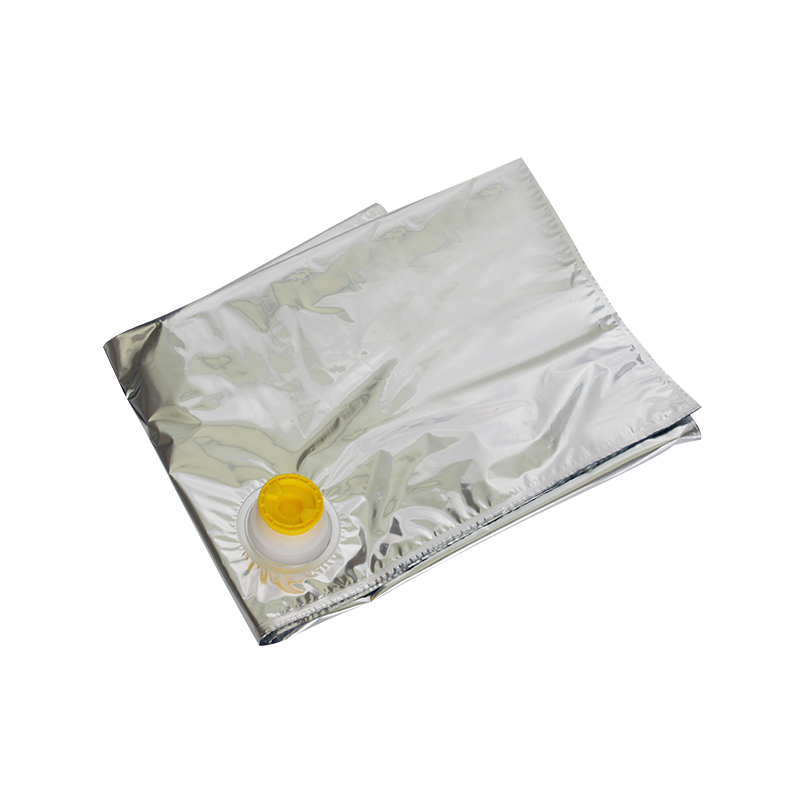
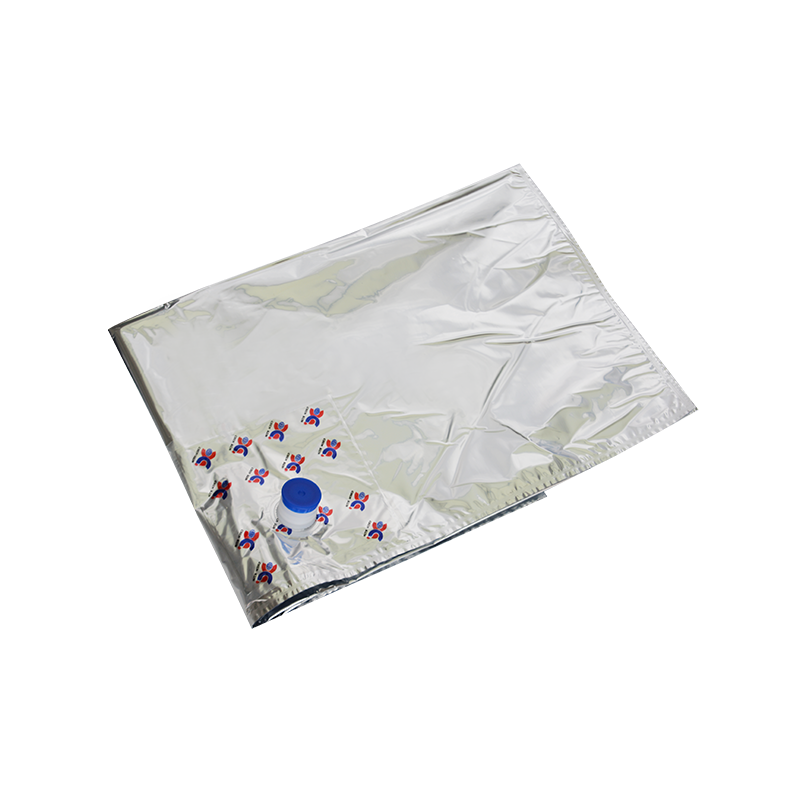
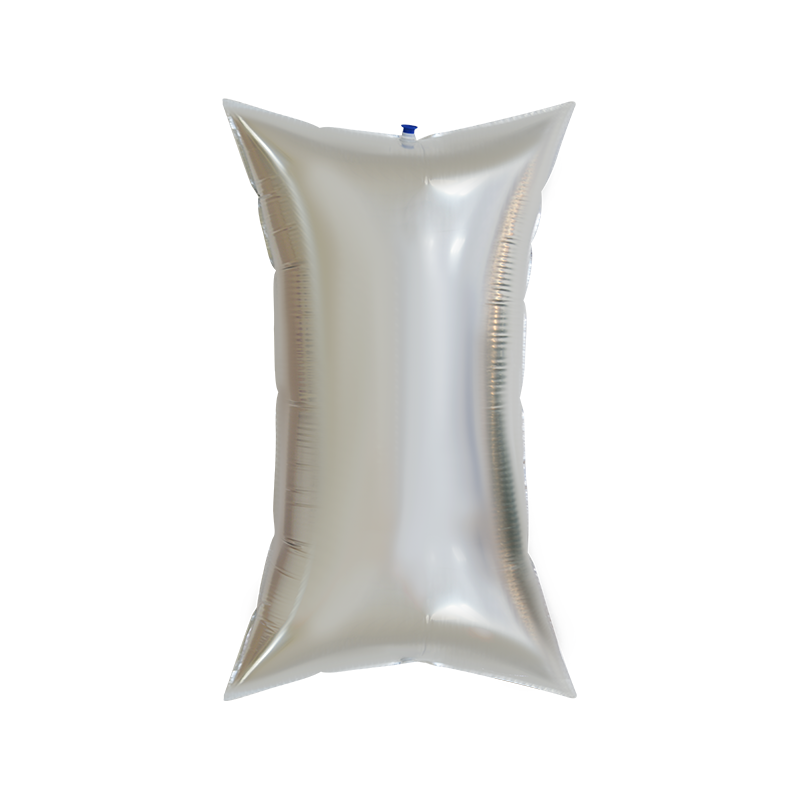
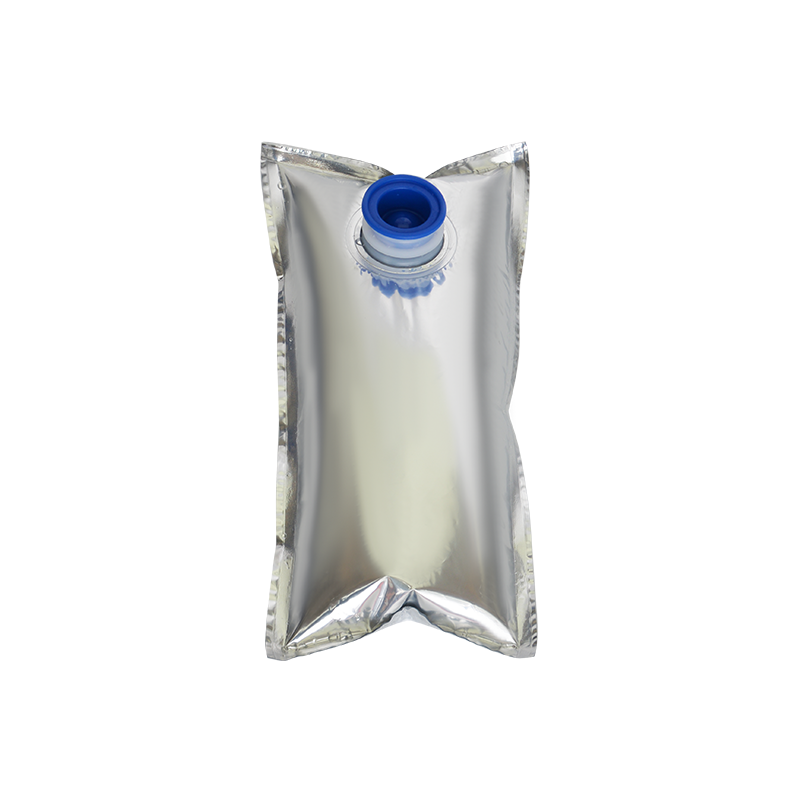
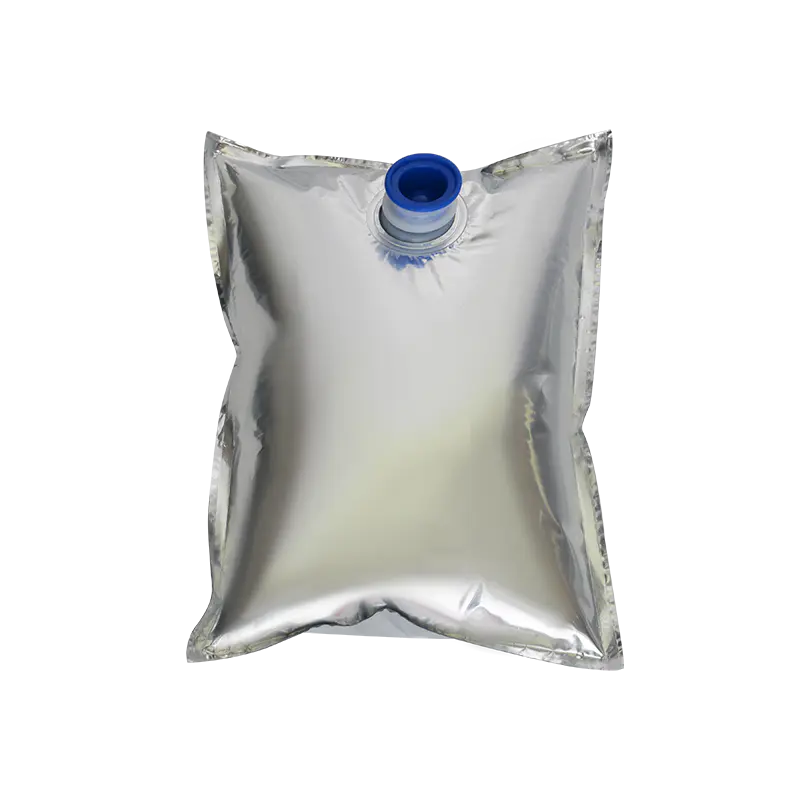
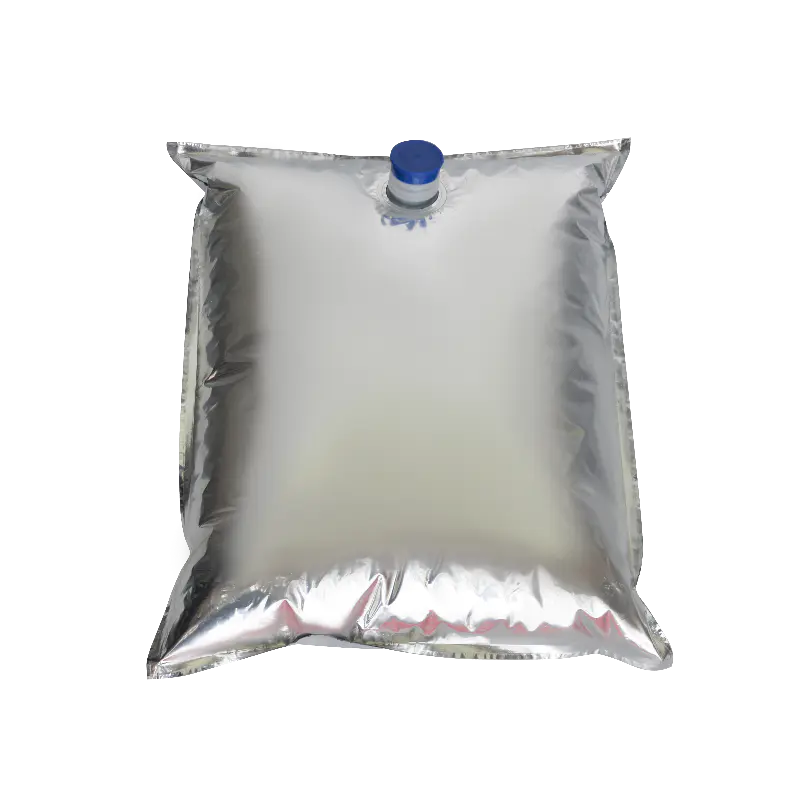
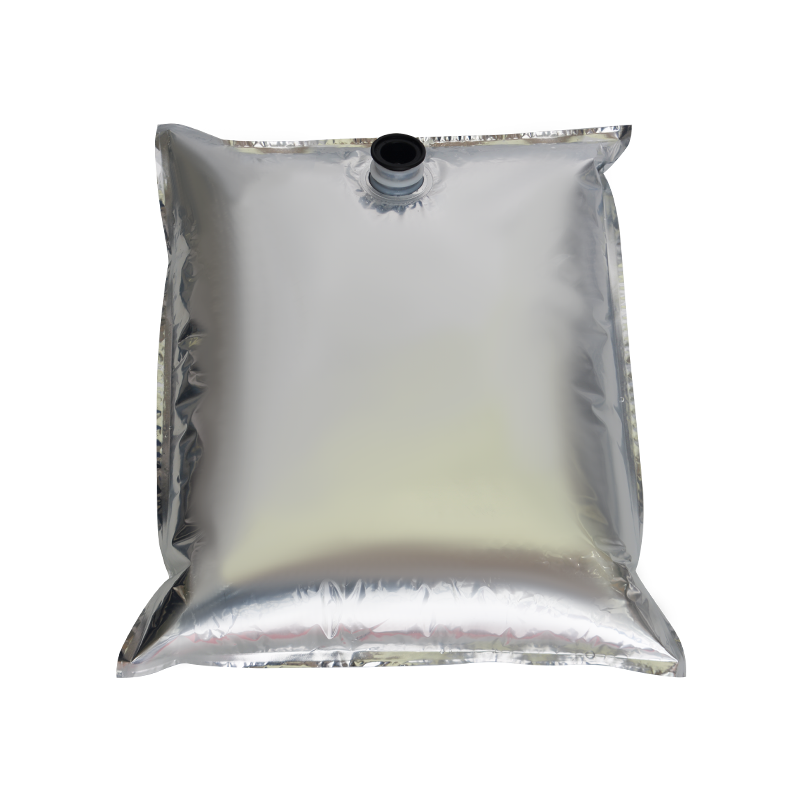
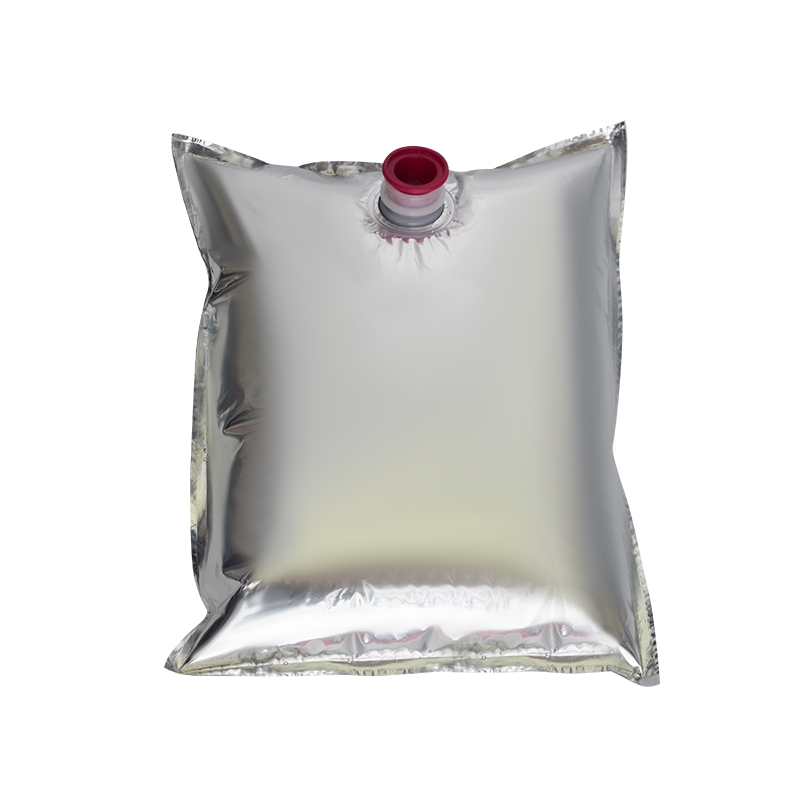
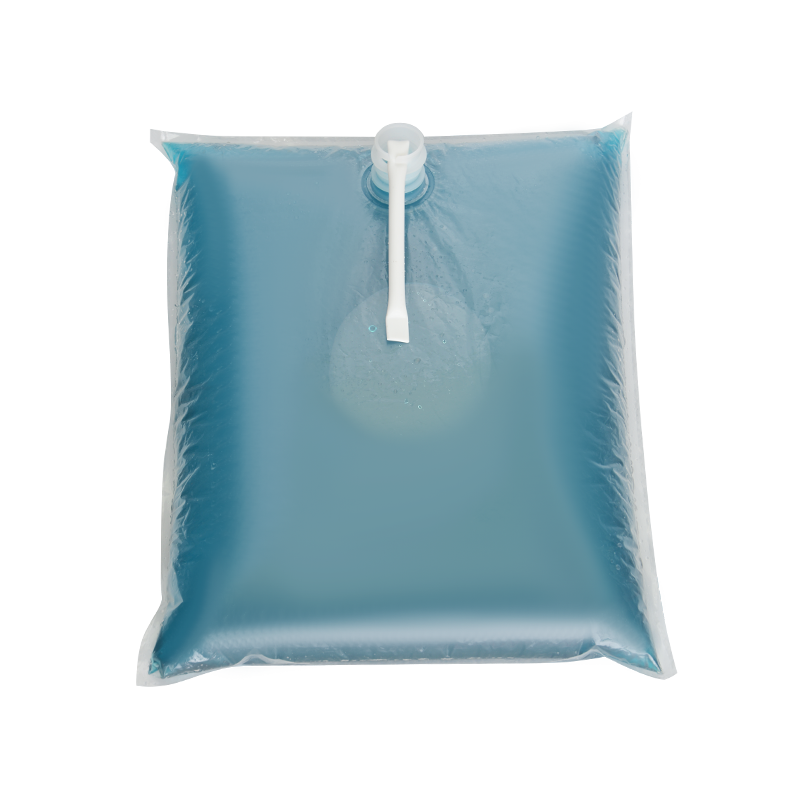
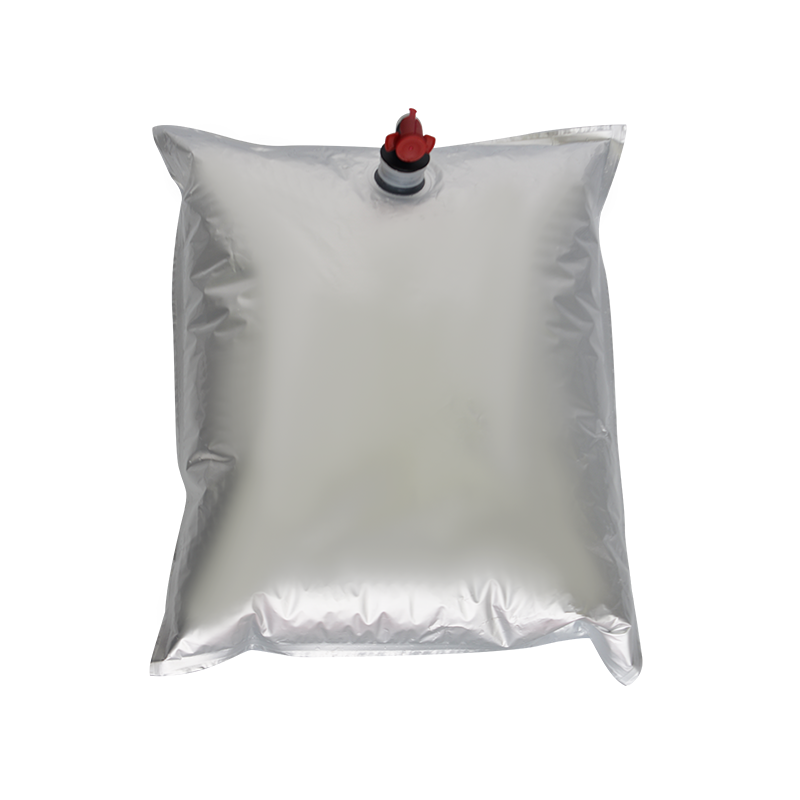
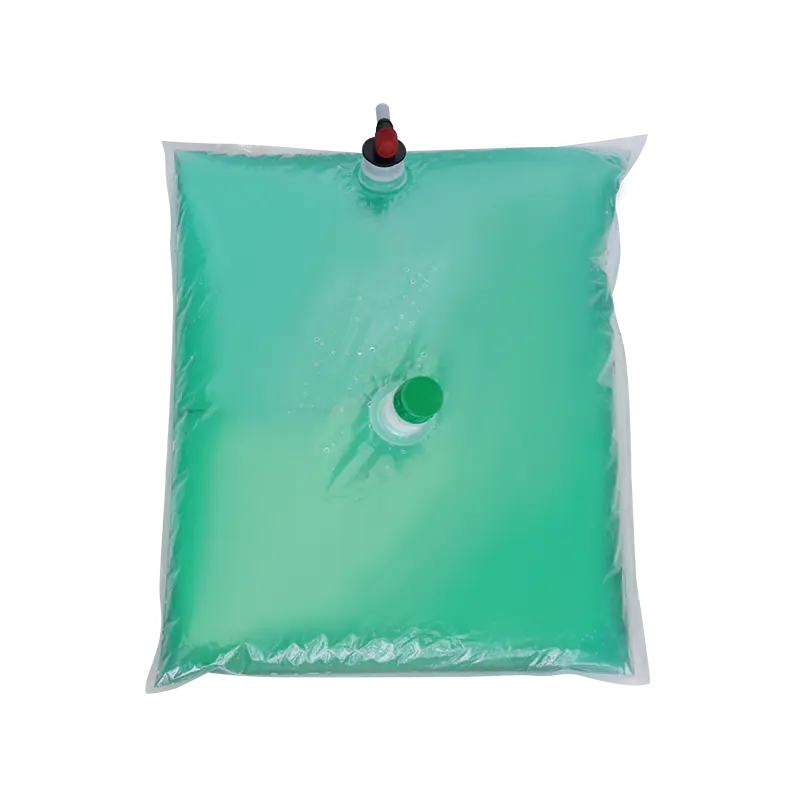
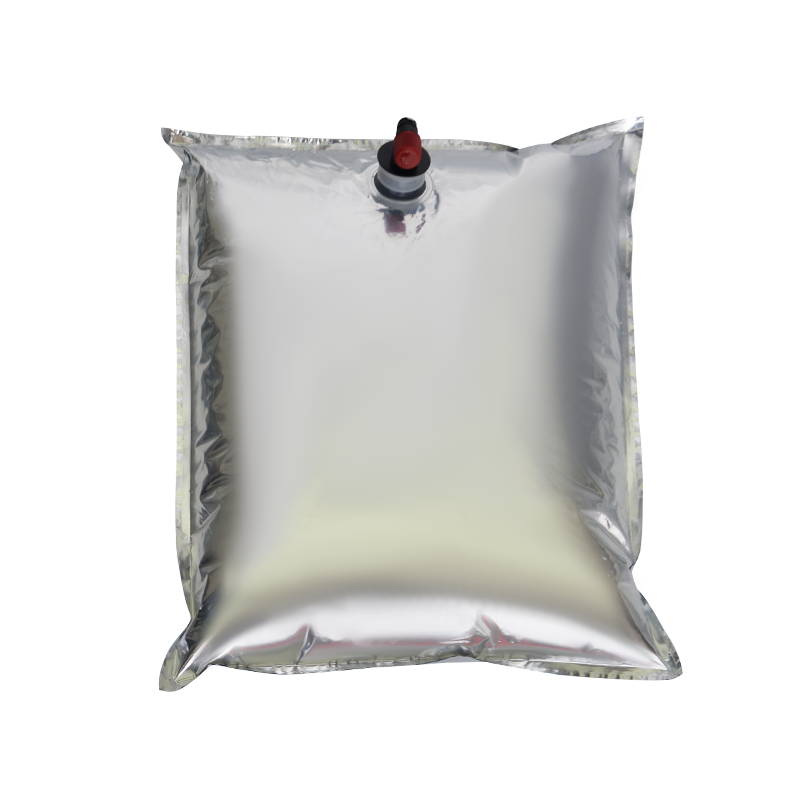


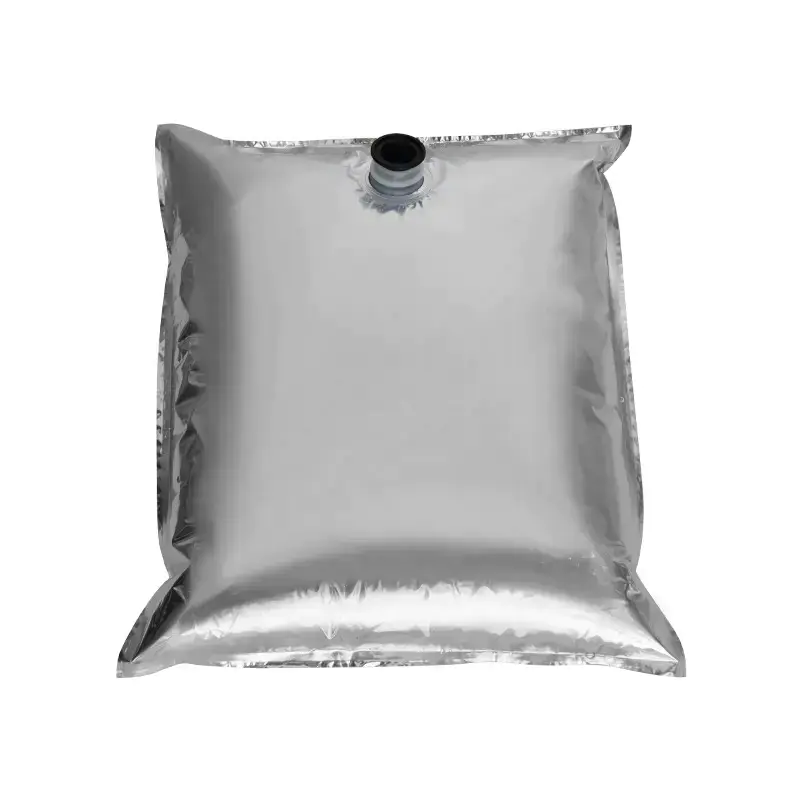
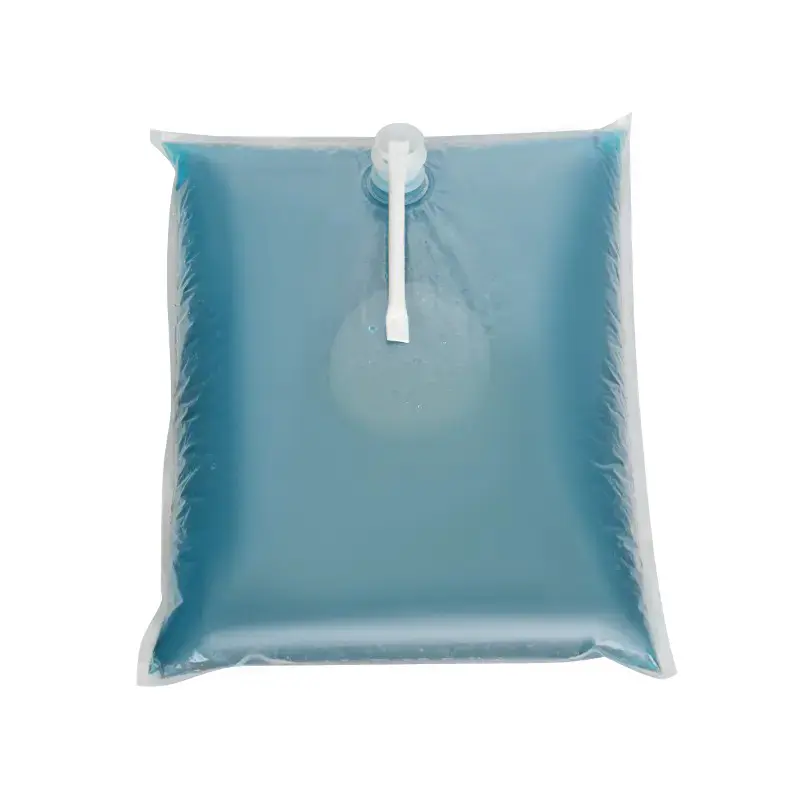


Soft Liquid Packaging Bags Have Fundamentally Replaced Rigid Containers
The definitive conclusion is that soft liquid packaging bags have become the superior, irreplaceable standard for liquid storage and transportation, offering unparalleled reductions in material usage, shipping costs, and environmental impact compared to traditional rigid containers. For industries dealing with anything from drinking water to heavy industrial solvents, the transition from hard plastic bottles, glass jars, and metal cans to flexible pouches is no longer a futuristic concept but a current operational reality. The fundamental reason lies in the physics of the packaging: soft bags conform to the exact volume of the liquid, eliminating the headspace and structural dead zones that rigid containers require merely to maintain their shape.
When a rigid container is filled, a significant portion of the packaging material is used purely to withstand atmospheric pressure and internal hydrostatic forces, rather than enclosing the product itself. A soft liquid packaging bag, by contrast, relies on the internal pressure of the liquid to maintain its shape, utilizing a mere fraction of the plastic or composite material. This paradigm shift has resulted in a packaging format that drastically lowers the carbon footprint of logistics chains globally. As supply chains become more sensitive to both cost and ecological footprints, the soft bag represents the most efficient intersection of protection, economics, and sustainability available today.
Unmatched Logistics and Storage Advantages
The most immediate and measurable benefit of adopting soft liquid packaging bags is the transformation of warehousing and transportation efficiency. Rigid containers are inherently difficult to stack efficiently due to their fixed geometries and the risk of structural failure under heavy loads. Soft bags, especially when housed within outer corrugated boxes or placed directly onto pallets, compress and shift slightly, distributing weight evenly and allowing for significantly higher stacking density.
Consider the basic metric of empty packaging storage. Before filling, a truckload of empty glass bottles or rigid plastic jugs transports a massive amount of air and wasted structural material. In stark contrast, a truck carrying flat, rolled-up soft liquid packaging bags can transport enough packaging to hold many times the volume of liquid. This reduction in empty transport volume directly translates to fewer trucks on the road and substantially lower freight costs.
Once filled, the advantages continue. Because the bags themselves are incredibly lightweight, the gross shipping weight is almost entirely composed of the actual liquid product. This is particularly crucial for export markets, where shipping costs are calculated by volumetric or gross weight, whichever is greater. By stripping away the heavy rigid shell, manufacturers can ship more product per container, driving down the unit cost of goods sold.
Material Selection and Barrier Technologies
The effectiveness of a soft liquid packaging bag is entirely dependent on the precise engineering of its constituent materials. Unlike a single-layer plastic bottle, a modern soft bag is typically a complex, multi-layered co-extruded or laminated structure. Each layer serves a highly specific purpose, from mechanical strength to chemical resistance.
Common Material Structures
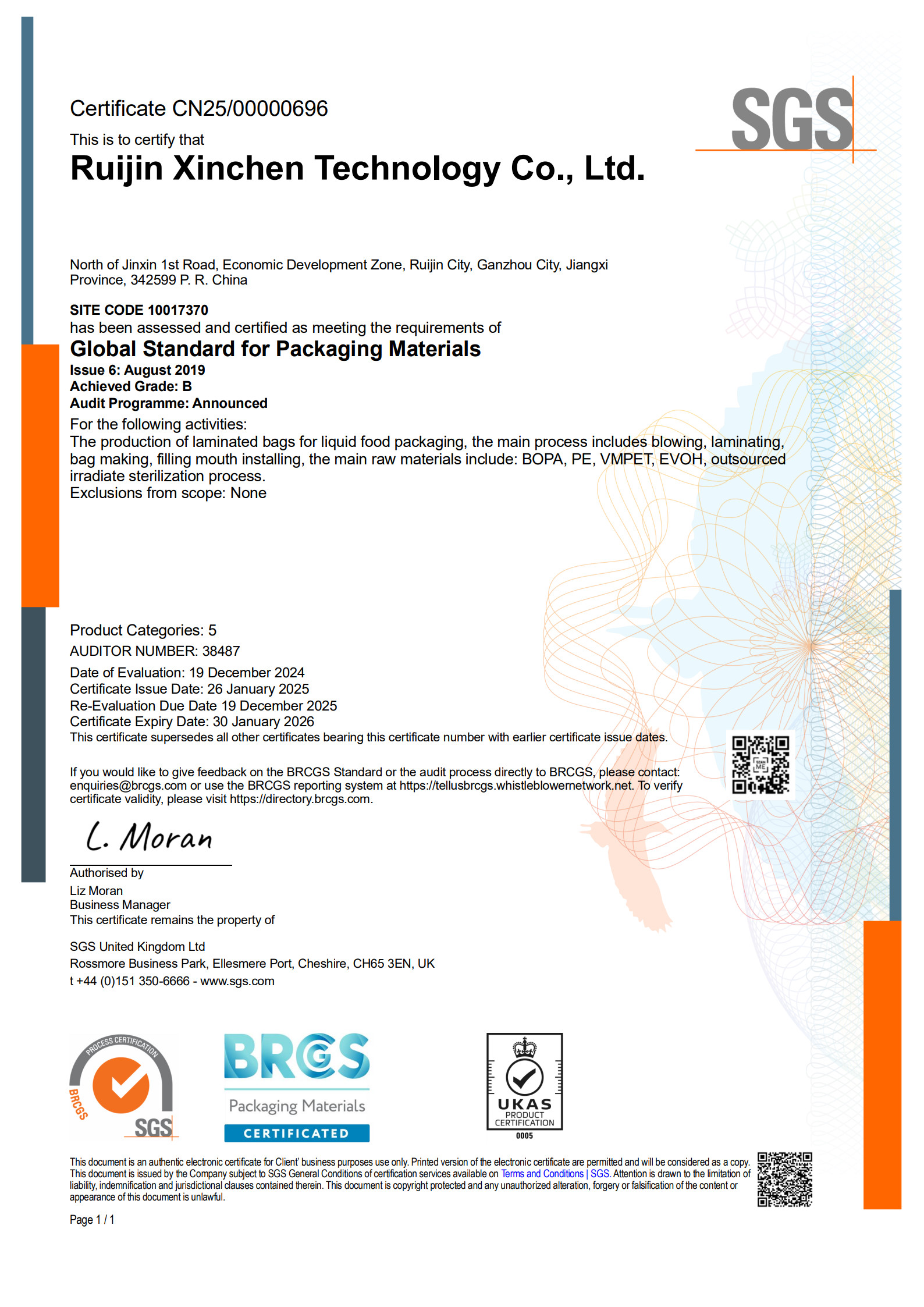
The outermost layer is usually a robust polymer like Polyethylene Terephthalate (PET) or Nylon (PA), chosen for its exceptional puncture resistance and tensile strength. This layer protects the bag from abrasion during handling and prevents sharp objects from piercing the package. The middle layers often consist of metallic foils, such as aluminum, or advanced transparent barrier materials like EVOH (Ethylene Vinyl Alcohol). These barrier layers are the critical defense mechanism, capable of reducing oxygen transmission rates to near zero. Finally, the innermost layer, which makes direct contact with the liquid, is typically a food-safe, sealable polymer like Polyethylene (PE) or Polypropylene (PP), chosen for its inertness and ability to form an airtight hermetic seal when subjected to heat.
Matching Materials to Liquid Types
Not all liquids interact with packaging materials in the same way. Aggressive liquids, such as certain industrial solvents, acidic fruit juices, or cleaning chemicals, require specialized inner linings that will not degrade, leach, or react over time. For sensitive food products, the absolute exclusion of oxygen and light is paramount to preventing lipid oxidation and flavor degradation. Therefore, an opaque bag with an aluminum foil center is chosen for highly sensitive cooking oils, whereas a clear, high-EVOH structure might be chosen for visually driven consumer beverages where the product color is a selling point.
| Material Layer | Primary Function | Typical Polymer |
|---|---|---|
| Outer Layer | Puncture and abrasion resistance | PET or Nylon (PA) |
| Middle Layer | Oxygen, moisture, and light barrier | Aluminum foil or EVOH |
| Inner Layer | Product safety and heat sealing | PE or PP |
Critical Structural Design Elements
Beyond the material chemistry, the physical geometry of the soft liquid packaging bag dictates its utility. Designing a flexible package for liquids requires careful consideration of fluid dynamics, gravity, and user ergonomics. A poorly designed bag will leak, burst, or be impossible to empty completely, negating the material savings.
Gusseted and Stand-Up Pouches
For retail and consumer-facing liquids, the stand-up pouch with a bottom gusset is the dominant format. The gusset folds outward when the bag is filled, creating a flat, stable base that allows the package to sit upright on a shelf. This design cleverly mimics the shelf presence of a rigid bottle while retaining all the logistical benefits of a flexible bag. The angle and depth of the gusset must be precisely calibrated to the expected viscosity and filled weight of the liquid to prevent the bag from tipping over.
Fitments and Dispensing Mechanisms
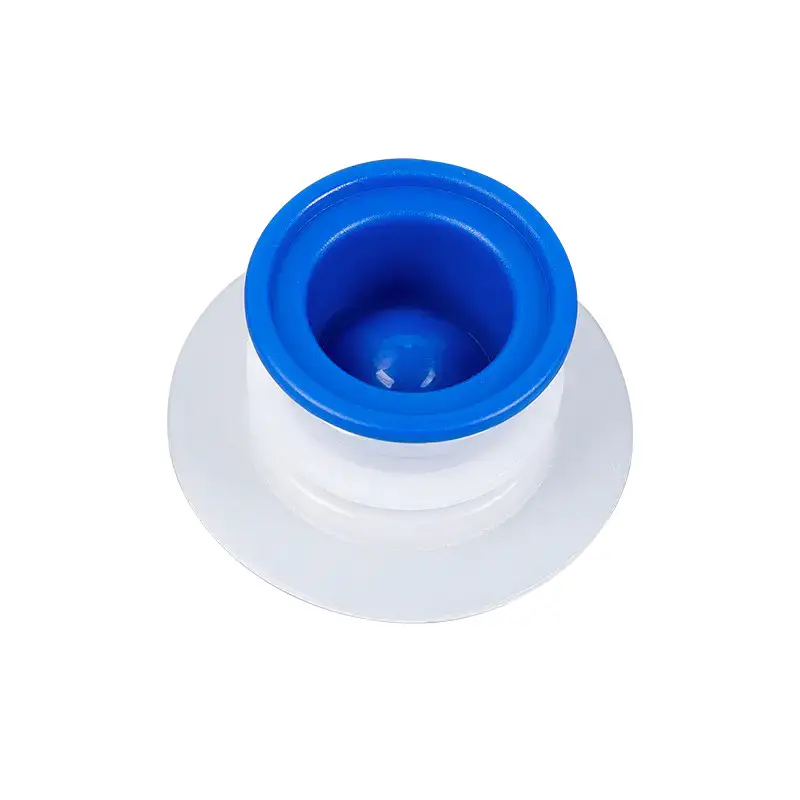
A bag full of liquid is useless without a reliable way to empty it. The integration of fitments—such as spouts, caps, and valves—is a highly specialized engineering challenge. The fitment must be securely bonded to the flexible film, typically through a combination of high-frequency welding and adhesive layers, to withstand the internal pressure of a full bag. For industrial applications, large-diameter valves allow for rapid pumping in and out. For consumer beverages, small, threaded spouts with child-resistant caps are common. A properly engineered fitment ensures a controlled pour without glugging, and critically, guarantees an absolute airtight seal after each use to prevent spoilage.
Handles and Carrying Features
As soft bags are used to replace larger rigid jugs, the integration of carrying handles becomes necessary. These handles are usually created by cutting strategic die-cut holes in reinforced areas of the top seal, or by welding a separate polymer rope or plastic handle into the side seal. The stress distribution around these handles must be carefully modeled to ensure they do not tear out when a consumer lifts a heavy bag of liquid.
Industrial Scale Applications
While consumers are most familiar with small retail pouches, the most profound economic impacts of soft liquid packaging bags occur at the industrial scale. In sectors such as food processing, chemicals, and agriculture, the move toward bulk flexible packaging has revolutionized supply chain economics.
Bag-in-Box Systems
The Bag-in-Box (BiB) concept is the quintessential industrial application. A large, multi-layer soft bag is housed inside a rigid corrugated cardboard box. The box provides the structural integrity for stacking and protection during transit, while the inner bag provides the liquid barrier. This is extensively used for bulk cooking oils, wine, syrups, and industrial fluids. When the liquid is dispensed, the bag collapses inward, preventing air from entering the headspace. This displacement mechanism is vital for products prone to oxidation, as it ensures that the liquid at the bottom of the bag is just as fresh as the liquid first dispensed.
Bulk Flexible Intermediate Bulk Containers (FIBCs)
For truly massive volumes, soft bags are integrated into woven polypropylene bulk bags. A heavy-duty, leak-proof liner bag is suspended inside a structural outer woven bag equipped with lifting loops for forklifts. These systems are used to transport hundreds of gallons of liquid fertilizers, food-grade liquids, and chemical intermediates. Compared to traditional 55-gallon steel drums, these flexible systems dramatically reduce the shipping weight, eliminate the hazard of rust contamination, and collapse flat when empty, taking up a fraction of the return-trip space.
| Application Type | Typical Volume Range | Key Advantage |
|---|---|---|
| Retail Stand-Up Pouch | Up to a few liters | Shelf appeal and portability |
| Bag-in-Box | Several liters to tens of liters | Oxygen exclusion and extended shelf life |
| Bulk Liner in FIBC | Hundreds to thousands of liters | Massive reduction in shipping weight and drum disposal |
Environmental Impact and Sustainability Realities
The ecological argument for soft liquid packaging bags is compelling, primarily rooted in the principle of source reduction. The most effective way to manage packaging waste is to not create it in the first place. By using significantly less raw polymer to package the same volume of liquid, soft bags inherently reduce the environmental burden associated with plastic extraction, refining, and processing.
Furthermore, the lightweight nature of flexible packaging plays a massive role in reducing greenhouse gas emissions during transportation. Studies on logistics efficiency consistently show that switching from rigid to flexible formats can reduce transport-related carbon emissions by a substantial margin simply because more product can be moved per vehicle. The source reduction and freight efficiency combined mean that the overall lifecycle carbon footprint of a soft bag is frequently much lower than that of a rigid alternative, even before recycling is factored in.
The Recycling Challenge
Despite the advantages in material reduction, soft liquid packaging bags face a well-documented end-of-life challenge. The very multi-layer structures that make them so effective at preserving liquids—bonding PET, aluminum, and PE together—make them incredibly difficult to recycle through conventional municipal streams. Most standard recycling facilities are designed to handle single-polymer streams, and the tightly laminated layers of a stand-up pouch cannot be easily separated.
However, the industry is actively addressing this bottleneck. Advanced chemical recycling technologies are being developed that can break down these complex laminates back into their basic hydrocarbon building blocks, bypassing the need for mechanical separation. Additionally, there is a strong push toward designing for recyclability by creating mono-material structures—pouches made entirely of PE, for instance—that sacrifice a small degree of barrier performance for the ability to be processed in standard recycling facilities. While the infrastructure for recycling flexible packaging is still maturing, the massive upstream environmental gains often offset the current end-of-life limitations.
Filling and Sealing Operational Considerations
Integrating soft liquid packaging bags into a production line requires a different operational mindset compared to rigid containers. Rigid bottles can usually withstand high-speed, high-pressure filling jets and aggressive capping mechanisms. Soft bags require a much gentler, more controlled approach to prevent bursting or deforming the seal areas.
Filling Technologies
The most common and reliable method for filling soft bags is volumetric piston filling or gravity filling. These methods introduce the liquid with controlled turbulence. High-shear filling jets are generally avoided because they can trap air bubbles inside the liquid, which later expand during transport and cause the bag to balloon or burst. For foaming liquids, specialized bottom-up filling nozzles are used, which extend to the bottom of the bag and retract as the liquid level rises, minimizing aeration.
Thermal and Impulse Sealing
The integrity of a soft liquid packaging bag relies entirely on its seals. Constant heat sealing is used for continuous high-speed operations, where the bag film passes between heated rollers. However, for thicker industrial bags or those containing heat-sensitive barrier layers, impulse sealing is preferred. Impulse sealing delivers a brief, intense burst of heat followed immediately by cooling under pressure. This precise thermal control ensures the inner sealant layer melts and fuses perfectly without degrading the outer structural layers or the critical middle barrier foil. Strict quality control protocols, including destructive burst testing and vacuum leak detection, are mandatory on production lines to ensure every seal is hermetically secure.
Product Protection and Shelf Life Enhancement
The ultimate purpose of any packaging is to protect the product, and in this regard, soft liquid packaging bags often outperform the rigid containers they replace. The key to this protection is the absolute exclusion of environmental factors that cause product degradation: oxygen, moisture, UV light, and contaminant microorganisms.
For food and beverage applications, lipid oxidation is the primary enemy. When cooking oils, sauces, or beverages are exposed to oxygen, the fats begin to break down, resulting in rancid flavors and off-odors. A rigid HDPE bottle, while sturdy, possesses a relatively high oxygen transmission rate compared to a multi-layer flexible pouch with an aluminum foil barrier. By dropping the oxygen ingress to essentially zero, the soft bag can extend the shelf life of sensitive products by many months, often without the need for artificial preservatives.
Light protection is another critical factor. Many nutrients, such as vitamins in fruit juices, and pigments in beverages, are highly sensitive to UV and visible light. Glass and clear rigid plastics offer no light protection, often forcing manufacturers to use artificial coloring to mask the resulting degradation. Opaque soft bags naturally block all light, preserving the natural color and nutritional profile of the product from the factory floor to the consumer's table.
- Oxygen barrier layers prevent oxidative rancidity in fats and oils
- Moisture barrier layers prevent dehydration or clumping in water-sensitive products
- Opaque materials eliminate UV degradation of colors and vitamins
- Collapsing design prevents oxygen headspace from contaminating remaining product
Economic Advantages for Manufacturers
Beyond the logistical savings, the direct financial impact of switching to soft liquid packaging bags is highly attractive to manufacturers. The raw material cost per unit is substantially lower because the packaging simply contains less plastic and no thick structural walls. When producing millions of units, this per-unit saving aggregates into a massive reduction in the cost of goods sold.
Storage economics also shift dramatically. Empty rigid containers take up immense warehouse space. A manufacturing facility using soft bags can store millions of flat-packed pouches in a fraction of the square footage required for empty bottles. This reduces warehousing overhead, property taxes, and the energy required to climate-control these large storage areas.
Furthermore, the visual real estate on a soft bag is entirely printable. High-quality rotogravure or flexographic printing allows for stunning, full-wrap, photographic-quality graphics directly on the pouch surface. Rigid containers often require separate paper labels, which adds a material cost, an application step on the production line, and a risk of label wrinkling or detaching. The direct-print nature of the soft liquid packaging bag streamlines the production process and enhances shelf impact, ultimately driving higher sales velocity.
Future Trends in Flexible Liquid Packaging
The evolution of the soft liquid packaging bag is far from over. Current research and development are focused on pushing the boundaries of material science to solve the remaining challenges of flexibility and sustainability.
Smart and Active Packaging
The integration of smart indicators is a rapidly growing trend. Freshness indicators that change color based on the internal pH or gas composition of the liquid can be printed directly onto the inner layer of the bag. This gives consumers and distributors a visual, real-time assessment of product quality without opening the package. Active packaging, where the bag material itself scavenges residual oxygen or emits antimicrobial agents, is also moving from the laboratory into commercial viability, offering even longer shelf lives for highly perishable liquids.
Bio-Based and Compostable Films
The push to eliminate fossil-fuel-based plastics is driving the development of bio-polymers. Films derived from sugarcane, corn starch, or seaweed are being engineered to provide the necessary strength and sealability for liquid containment. While achieving the high-barrier properties of aluminum foil with bio-based materials remains a technical hurdle, significant strides are being made. The emergence of industrially compostable soft bags for short-shelf-life liquids represents a major step toward a circular economy for flexible packaging.
- Development of mono-material recyclable pouches to simplify waste streams
- Integration of time-temperature indicators for cold-chain liquid logistics
- Utilization of nano-composite barriers to enhance protection without adding thick material layers
- Expansion of bio-based polymer sourcing to reduce reliance on petrochemicals

