
 English
 русский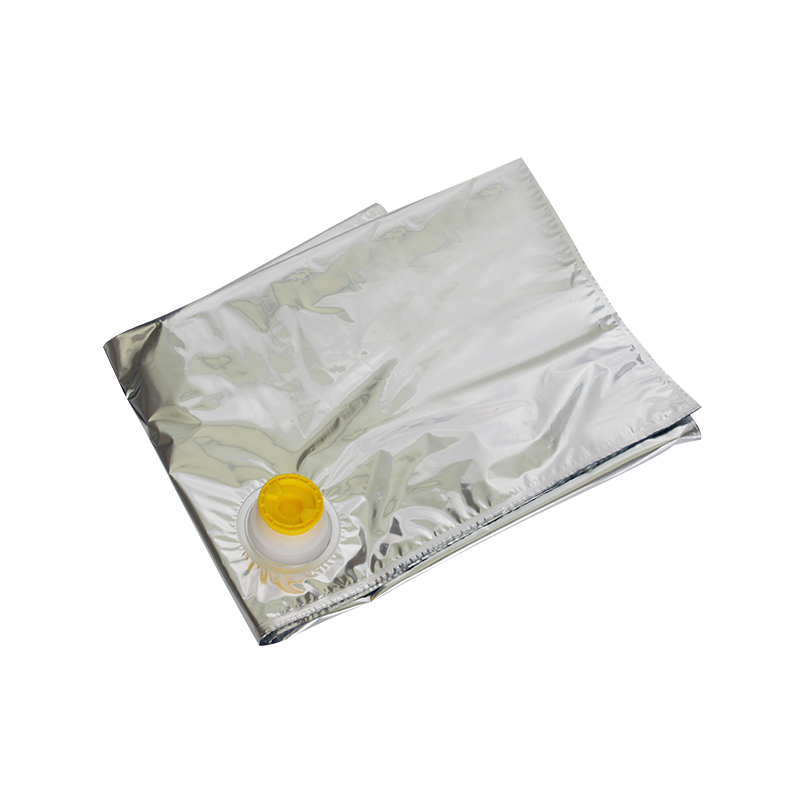
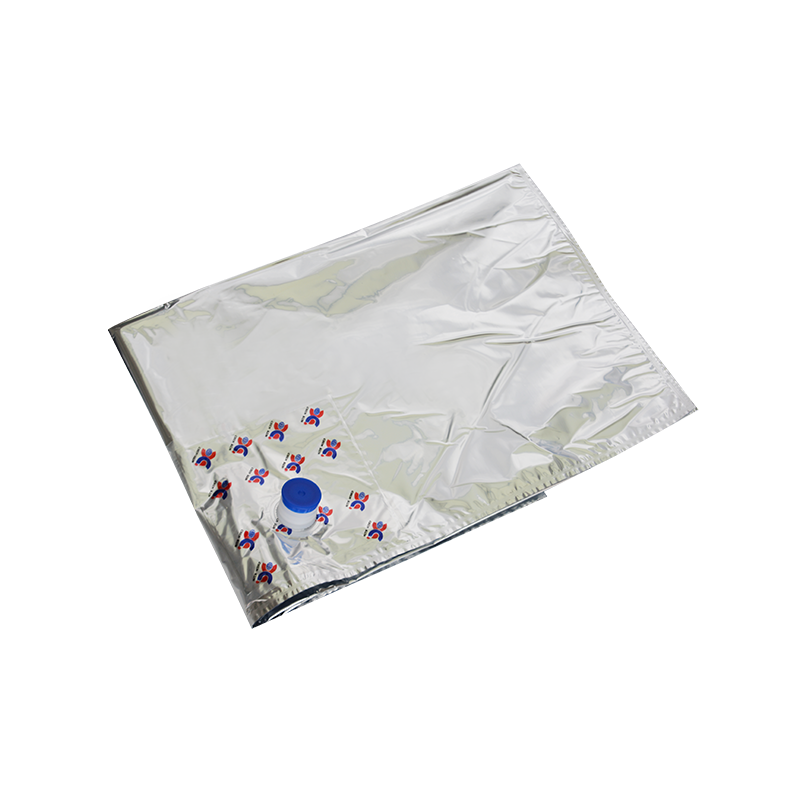
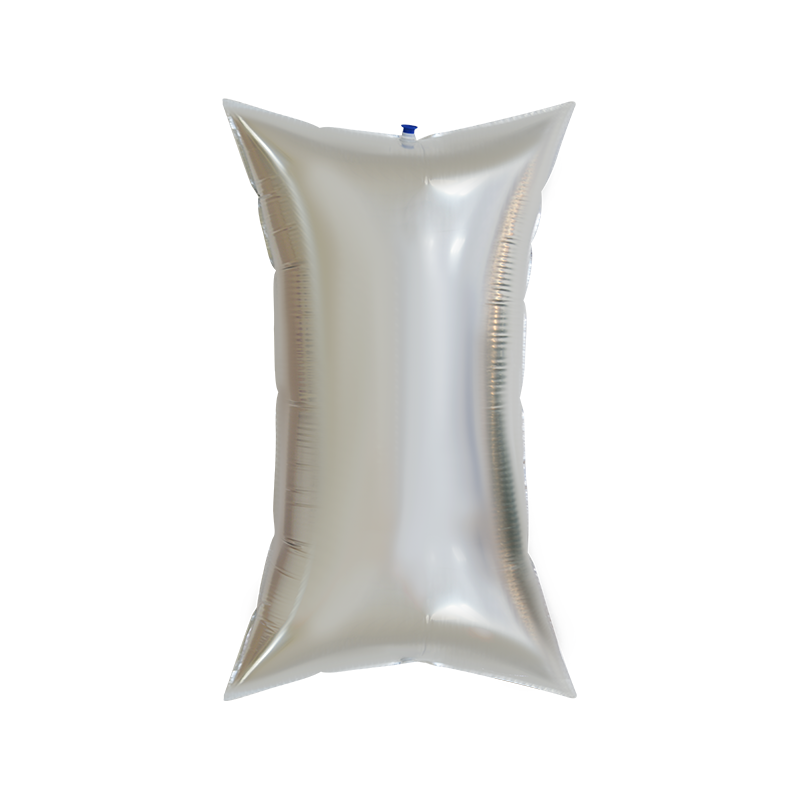
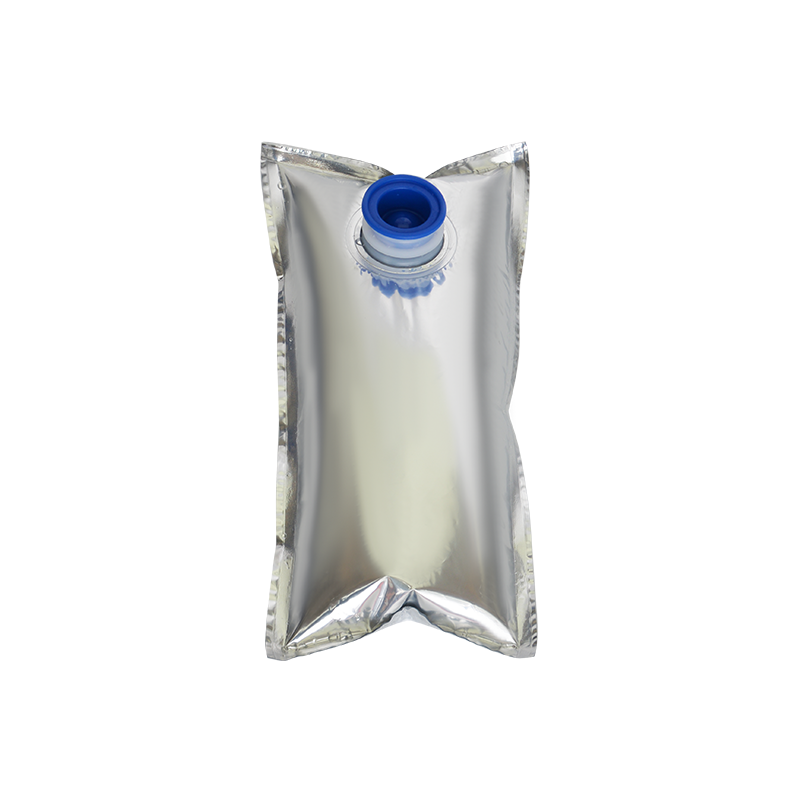
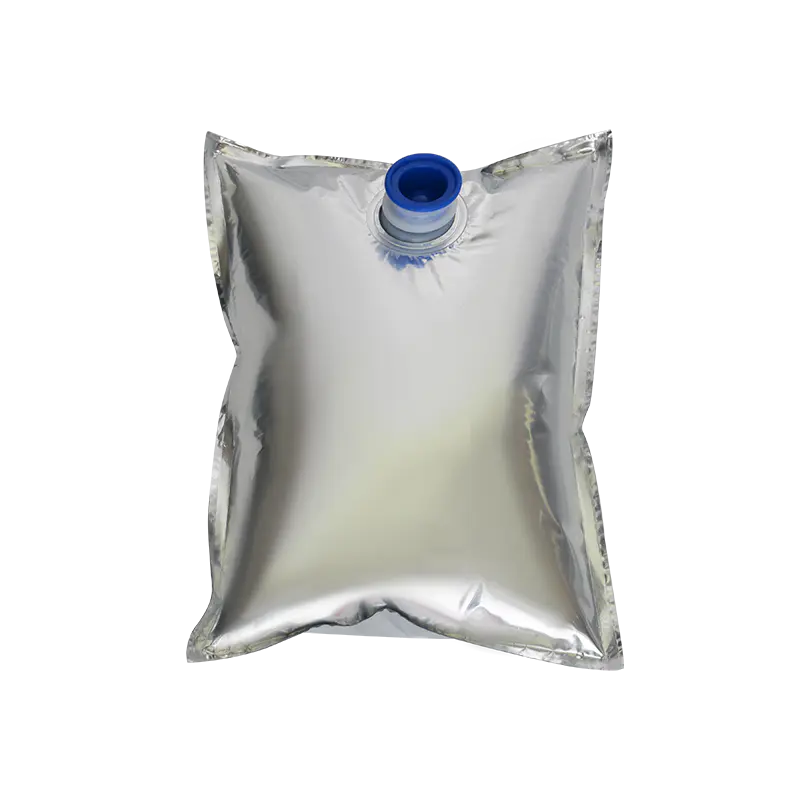
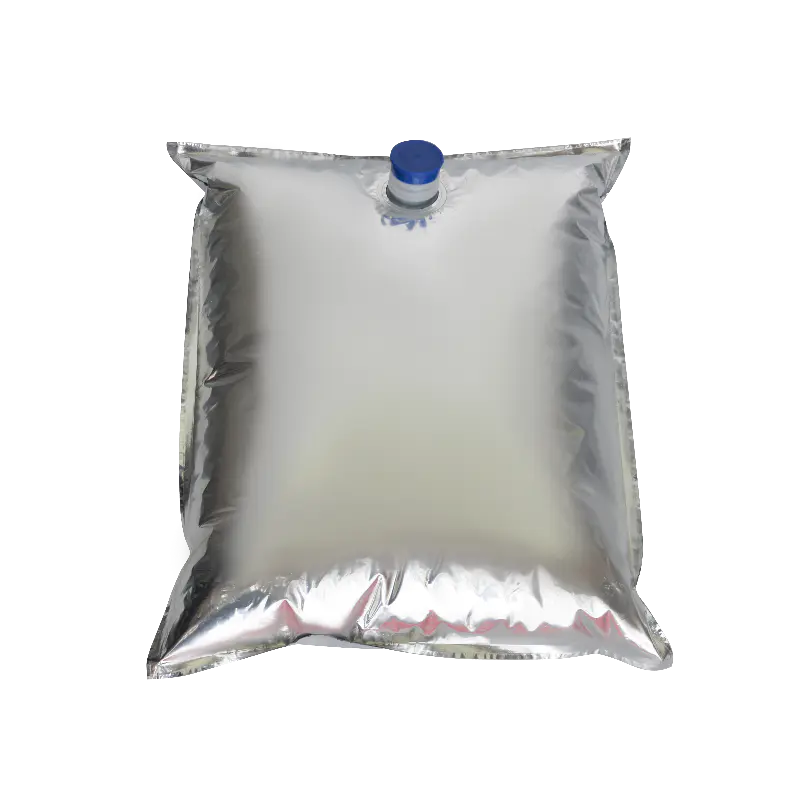
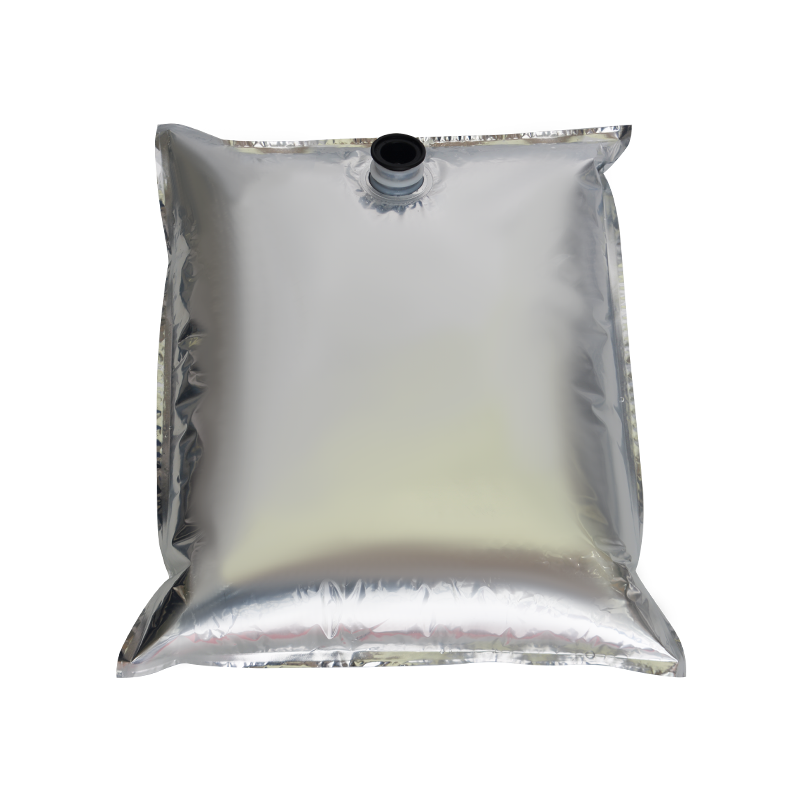
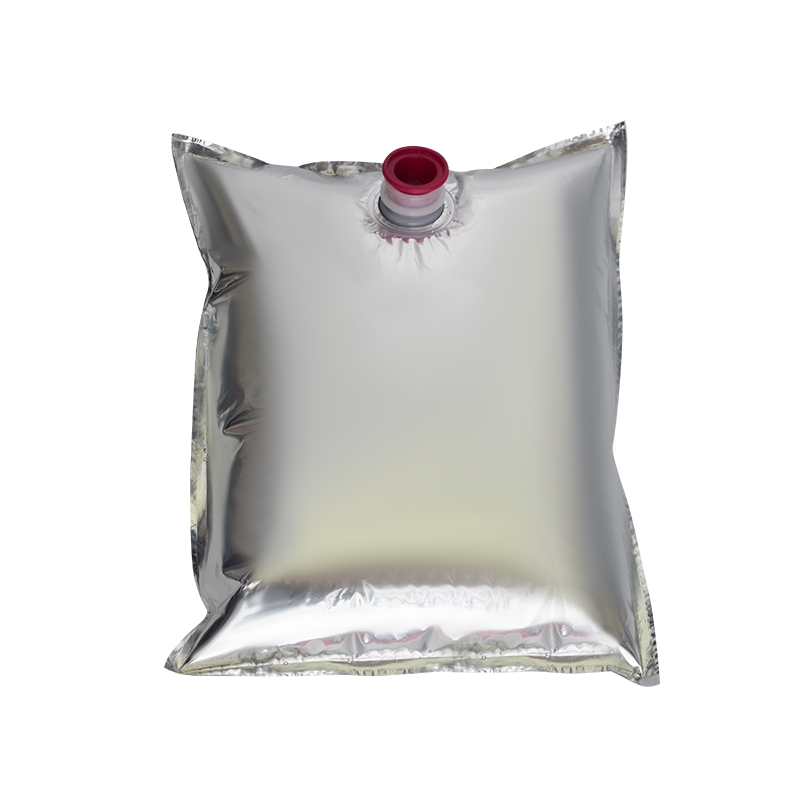
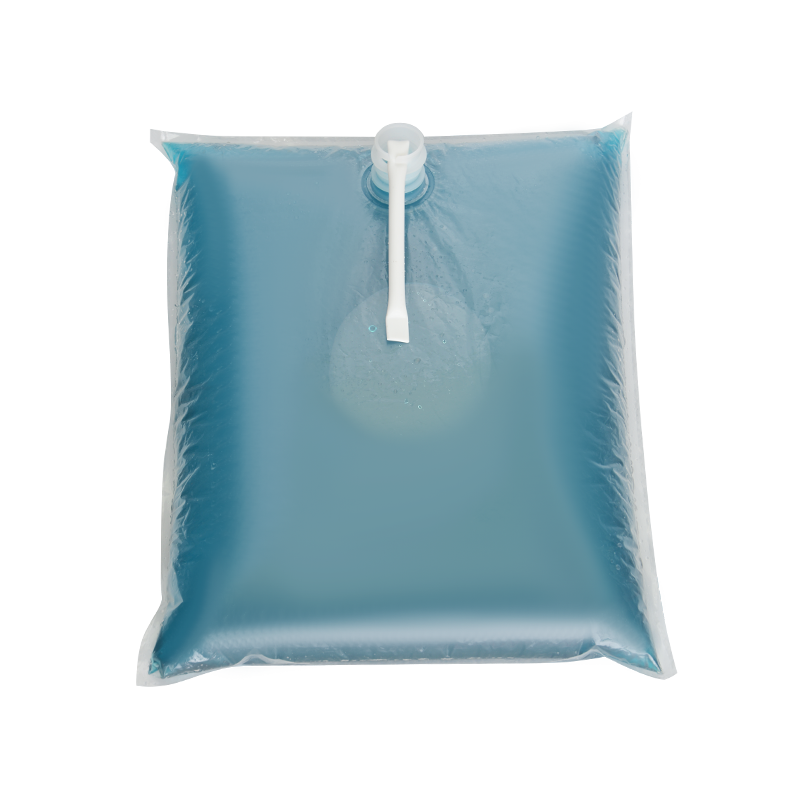
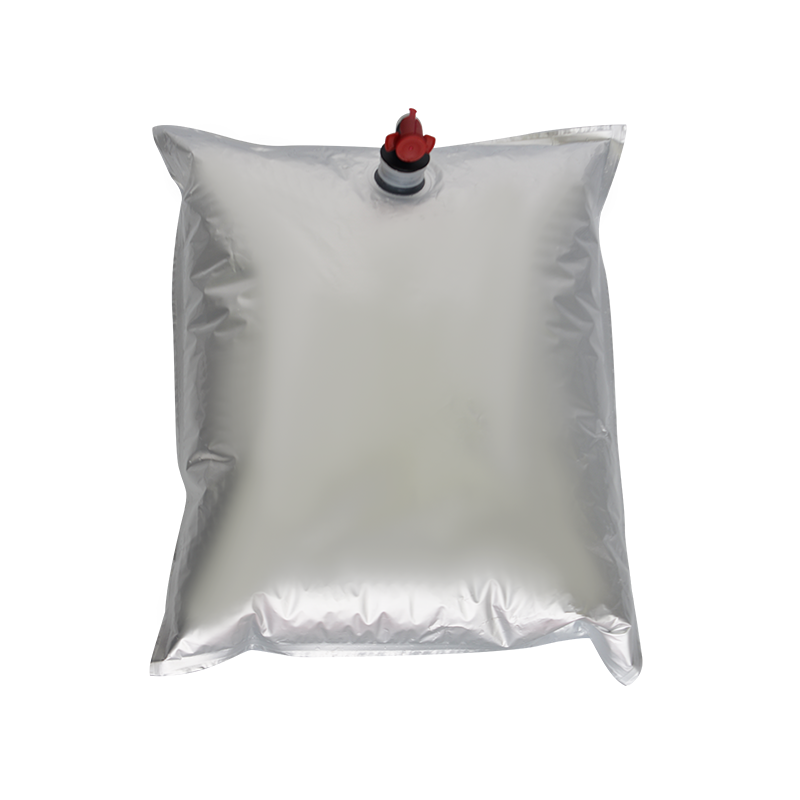
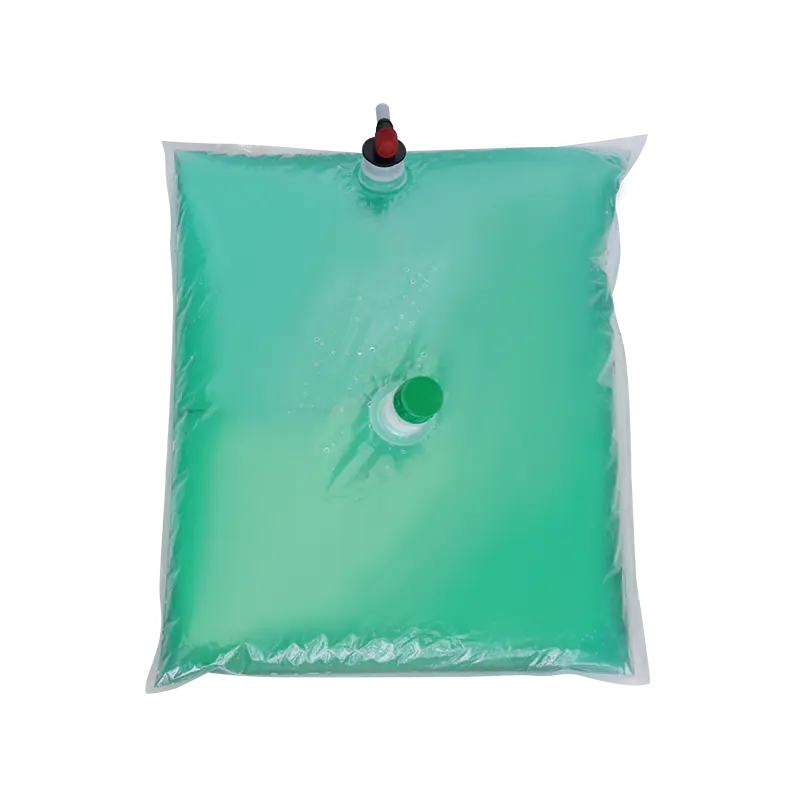
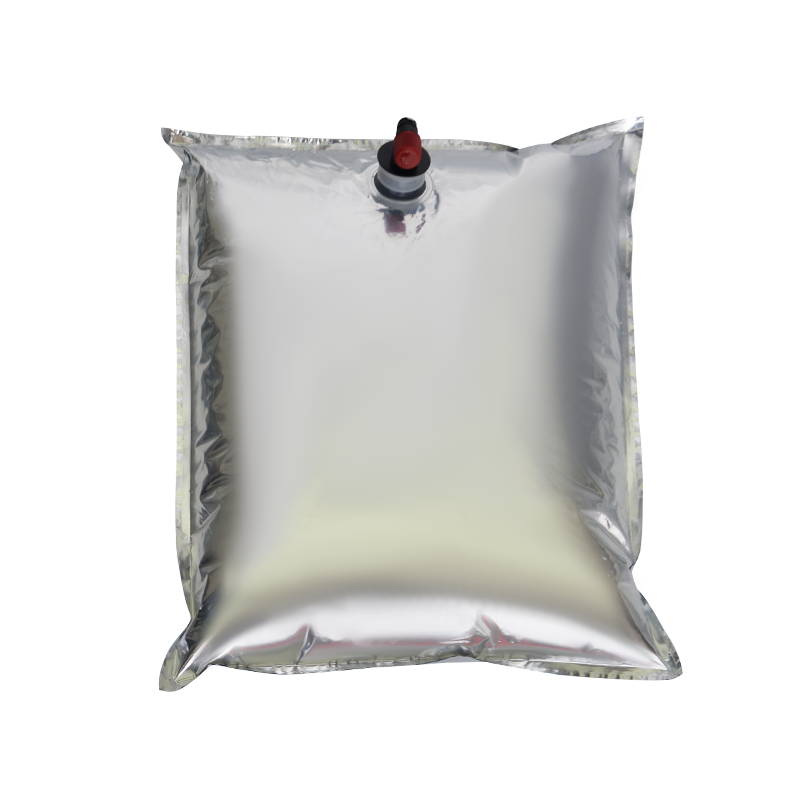


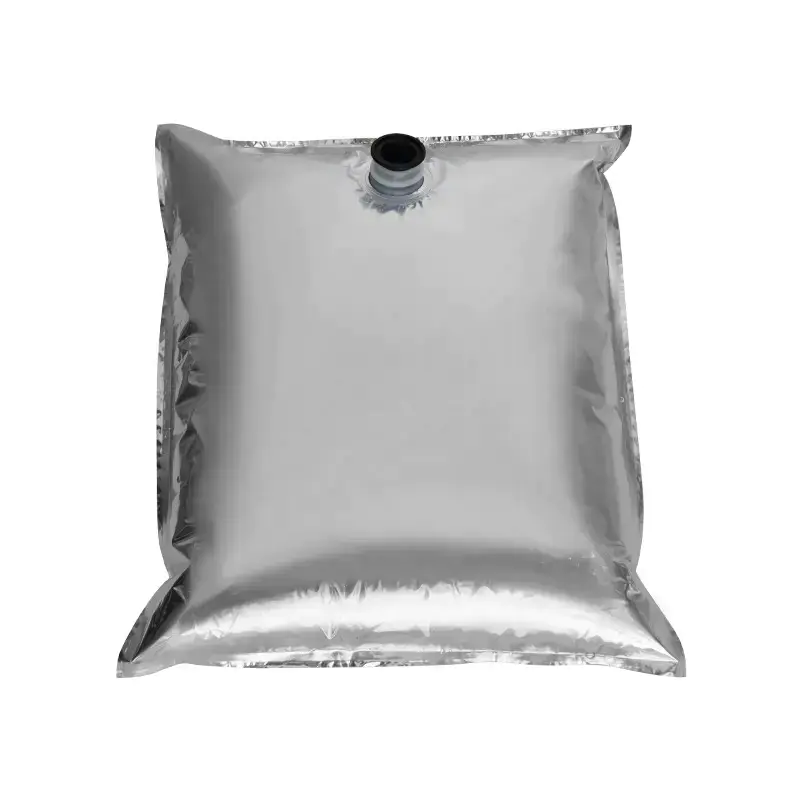
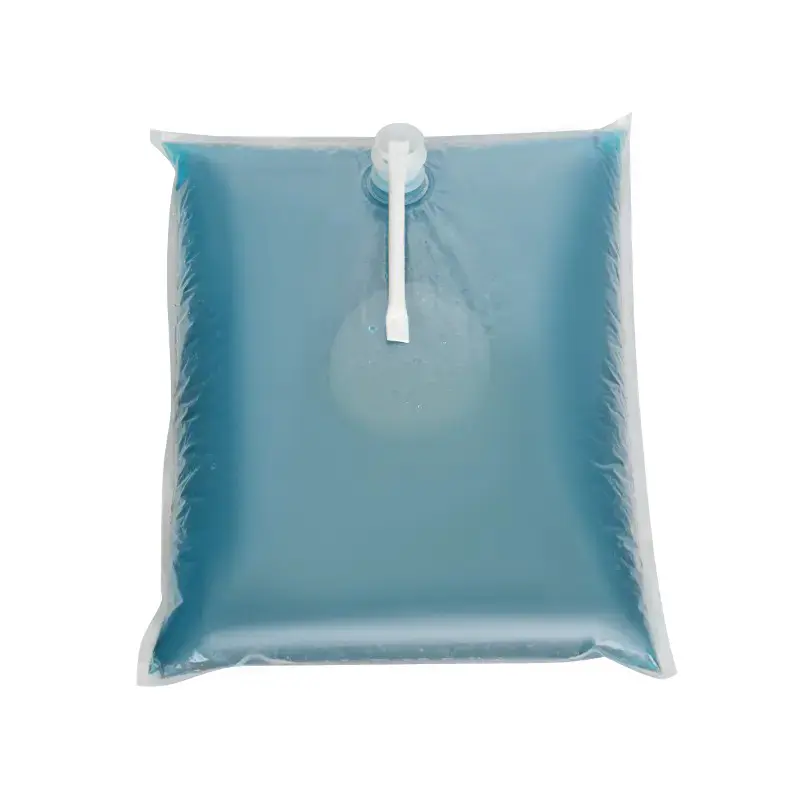
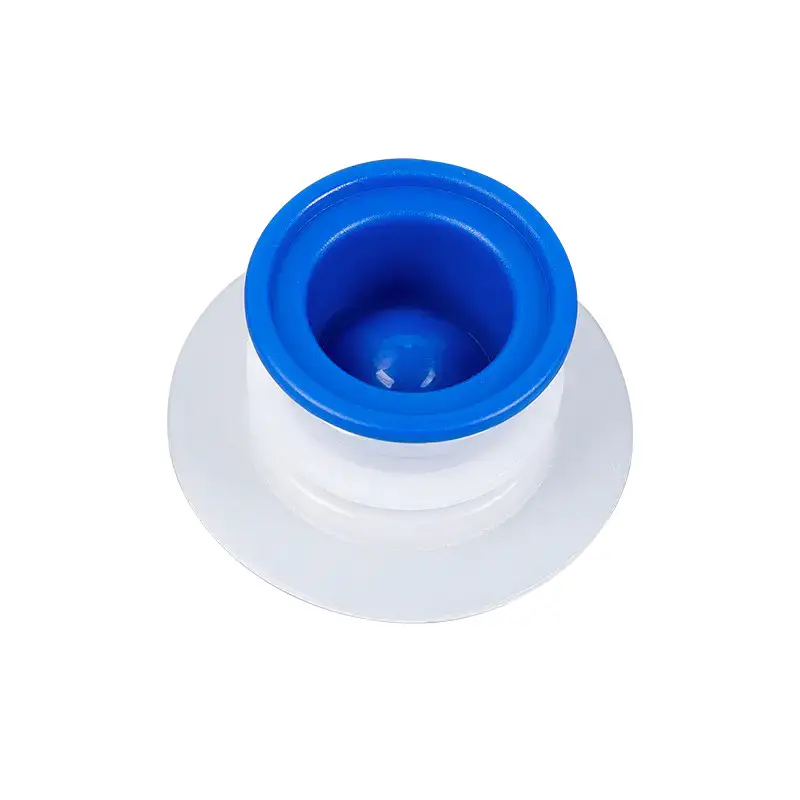


Aseptic bags are specialized, sterile packaging solutions designed to maintain a contaminant-free environment for storing, transporting, and processing sensitive liquids, semi-liquids, and solid materials across food, pharmaceutical, biotech, and industrial sectors. Their core advantage is the ability to preserve product sterility, purity, and quality for extended periods without refrigeration or chemical preservatives, making them an irreplaceable component in modern sterile manufacturing and supply chains.
Unlike traditional packaging, aseptic bags undergo strict sterilization processes before use and feature multi-layer barrier structures that block microorganisms, oxygen, light, and external pollutants. They deliver high cost-efficiency, flexibility, and sustainability while complying with global safety standards, which is why they have become the preferred sterile packaging choice for high-value and sensitive products worldwide.
Manufacturing Materials and Structural Design of Aseptic Bags
Primary Raw Materials for Aseptic Bags
The performance of aseptic bags directly depends on their material composition, with manufacturers selecting food-grade and pharmaceutical-grade polymers that meet international hygiene regulations. These materials are non-toxic, non-leaching, and compatible with a wide range of products without causing chemical reactions or contamination.
- Multi-layer co-extruded films: The foundational material, combining barrier layers, sealing layers, and structural layers to balance strength and protection
- EVOH (ethylene vinyl alcohol): A high-barrier material that effectively blocks oxygen and gas penetration, critical for extending shelf life
- Polyethylene (PE): Provides excellent sealing performance, flexibility, and resistance to low-temperature conditions
- Polypropylene (PP): Offers high-temperature resistance, suitable for sterilization processes and heat-sensitive applications
- Aluminum foil layers: Used in premium aseptic bags to block light, moisture, and all gaseous exchanges for maximum product protection
Multi-Layer Structural Design and Functional Advantages
Nearly all high-performance aseptic bags adopt a multi-layer composite structure, with each layer serving a unique purpose to create a comprehensive protective system. The standard commercial aseptic bag uses 3–7 layers of composite materials, integrating barrier properties, mechanical strength, sealing reliability, and sterility maintenance.
| Layer Position | Main Material | Core Function |
|---|---|---|
| Outer Protective Layer | PET/PP | Resists punctures, tears, and external physical damage |
| Barrier Layer | EVOH/Aluminum Foil | Blocks oxygen, light, moisture, and microorganisms |
| Sealing Layer | PE | Forms a secure, leak-proof seal and ensures product safety |
This layered design is not arbitrary; it is engineered to address the most common risks to sensitive products during storage and transit. For example, the oxygen barrier layer can reduce oxygen transmission rates to less than 0.1 cubic centimeters per square meter daily, which is sufficient to prevent oxidation, mold growth, and bacterial contamination in perishable goods.
Sterilization Technologies for Aseptic Bags
Key Sterilization Methods and Application Scenarios
Sterility is the most critical characteristic of aseptic bags, and all qualified products must undergo professional sterilization treatment to eliminate bacteria, viruses, fungi, spores, and other microorganisms. The sterilization process must ensure full effectiveness without damaging the bag material or leaving harmful residues.
- Gamma irradiation sterilization: The most widely used method, with strong penetration ability to achieve complete sterilization inside and outside the bag; suitable for pharmaceutical and biotech aseptic bags
- Ethylene oxide (EO) sterilization: Low-temperature process ideal for heat-sensitive materials, ensuring material integrity while achieving high sterility assurance levels
- Steam sterilization: High-temperature high-pressure steam is used for heat-resistant aseptic bags, common in food and beverage industrial applications
- Dry heat sterilization: Applied to high-temperature resistant materials, offering a residue-free and environmentally friendly sterilization solution
Sterility Assurance and Quality Control Standards
After sterilization, aseptic bags must pass strict sterility testing to meet industry standards. The sterility assurance level (SAL) for medical and pharmaceutical-grade aseptic bags reaches 10^-6, meaning only one in one million units may carry a viable microorganism—this is the highest international standard for sterile packaging.
Quality control also includes testing for seal integrity, material stability, and the absence of chemical residues. Manufacturers conduct burst testing, leak testing, and migration testing to ensure the bags remain intact and safe when in contact with products for long periods. These quality control measures are mandatory for aseptic bags used in regulated industries such as pharmaceuticals and food production.
Core Advantages of Aseptic Bags Over Traditional Packaging
Superior Sterility and Product Protection
Traditional plastic drums, glass containers, and metal cans cannot match the sterile performance of aseptic bags. Glass and metal are prone to contamination during cleaning and reuse, while single-use plastics lack effective barrier properties. Aseptic bags are single-use, pre-sterilized, and sealed permanently, eliminating cross-contamination risks entirely.
For liquid products such as fruit juices, dairy, and biological buffers, aseptic bags can extend shelf life to 6–12 months at room temperature, whereas non-aseptic packaging requires refrigeration and only maintains quality for a few weeks. This advantage drastically reduces cold chain costs and expands distribution reach for producers.
Cost Efficiency and Operational Flexibility
Aseptic bags are lightweight and foldable, significantly reducing transportation and storage costs compared to rigid containers. Empty aseptic bags occupy up to 80% less storage space than plastic drums of the same capacity, making them ideal for large-scale industrial production facilities with limited warehouse space.
In terms of operational efficiency, aseptic bags are compatible with automated filling and sealing equipment, reducing labor requirements and improving production speed. They are also easy to dispose of or recycle after use, lowering post-use processing costs compared to heavy or reusable containers. For small-batch and customized production, aseptic bags offer greater flexibility than fixed-size rigid packaging.
Environmental Sustainability and Safety
Modern aseptic bags use eco-friendly composite materials that are recyclable and reduce overall plastic consumption. Their lightweight structure cuts down on fuel use during transportation, lowering carbon emissions across the supply chain. Unlike reusable containers, they do not require water-intensive cleaning processes, conserving valuable water resources in industrial operations.
Product safety is further enhanced by the single-use design, which eliminates the risk of incomplete cleaning and cross-contamination between batches. This is particularly critical for pharmaceutical and biotech products where even trace contamination can lead to product failure or safety hazards.
Main Industry Applications of Aseptic Bags
Food and Beverage Industry
The food and beverage sector is the largest consumer of aseptic bags, especially for liquid and semi-liquid products requiring long-term preservation. Aseptic bags are widely used for fruit juices, concentrates, dairy products, edible oils, sauces, syrups, and baby food. They preserve natural flavors, nutrients, and colors without pasteurization after filling, maintaining the fresh taste of food products.
In bulk food transportation, aseptic bags are commonly placed inside drums or boxes to form aseptic drum liners, which can hold volumes from 5 liters to 1000 liters. This combination provides the flexibility of aseptic bags and the structural support of rigid containers, making it the standard solution for international bulk food logistics.
Pharmaceutical and Healthcare Industry
Pharmaceutical-grade aseptic bags meet strict medical standards and are used for storing and transporting sterile liquids such as intravenous solutions, buffers, reagents, and active pharmaceutical ingredients (APIs). They are also used in clinical settings for collecting and transporting biological samples without contamination.
These bags are designed to be chemically inert, meaning they do not react with drug substances or alter their composition. Over 60% of biopharmaceutical manufacturers use single-use aseptic bags in their production processes to replace traditional stainless steel equipment, reducing cleaning and validation time while improving production efficiency.
Biotechnology and Life Sciences
Aseptic bags play a vital role in biotech research and production, including cell culture, fermentation, cell therapy, and gene therapy applications. Single-use bioprocessing bags support the entire workflow from media preparation to cell harvesting, providing a sterile and closed system that prevents contamination and ensures experimental consistency.
Their disposable nature eliminates the need for complex cleaning and sterilization validation between batches, accelerating research and development cycles. For sensitive biological materials like cells and proteins, aseptic bags maintain stable environmental conditions and protect materials from external stress during handling and storage.
Industrial and Chemical Applications
In the chemical industry, aseptic bags store and transport high-purity industrial liquids, cosmetics, raw materials, personal care products, and water treatment chemicals. Their barrier properties prevent chemical volatilization, contamination, and oxidation, ensuring the purity and stability of chemical raw materials.
For hazardous but non-toxic industrial materials, aseptic bags provide a safe containment solution that reduces leakage risks during transportation. They are also used for environmentally sensitive materials to prevent pollution and ensure compliance with industrial safety and environmental regulations.
Selection Criteria for Aseptic Bags
Key Factors Based on Product Characteristics
Choosing the right aseptic bag requires matching the bag’s specifications to the stored product’s properties to ensure safety, compatibility, and performance. The first consideration is chemical compatibility: the bag material must not react with the product, leach chemicals, or absorb product components.
- Oxygen-sensitive products (dairy, juices, APIs): Select bags with high EVOH or aluminum foil barrier layers
- Light-sensitive products (biologics, vitamins): Choose opaque or aluminum foil-layer aseptic bags
- High-viscosity products (sauces, creams): Use thickened, high-strength aseptic bags with enhanced sealing
- Temperature-sensitive products: Select materials compatible with low or high storage temperatures
Capacity, Specification, and Sterilization Requirements
Aseptic bags are available in a wide range of capacities, from small 50ml laboratory bags to large 1000L industrial bulk bags. The selection should match production volume, filling equipment, and transportation tools. Standard industrial aseptic bag capacities include 20L, 50L, 200L, and 1000L, covering most commercial and industrial needs.
Sterilization method is another critical factor: pharmaceutical and biotech applications require gamma irradiation or EO sterilization, while food applications can use steam or dry heat sterilization. Always confirm that the sterilization method meets regional regulatory requirements for your industry.
Compliance with International Quality and Safety Standards
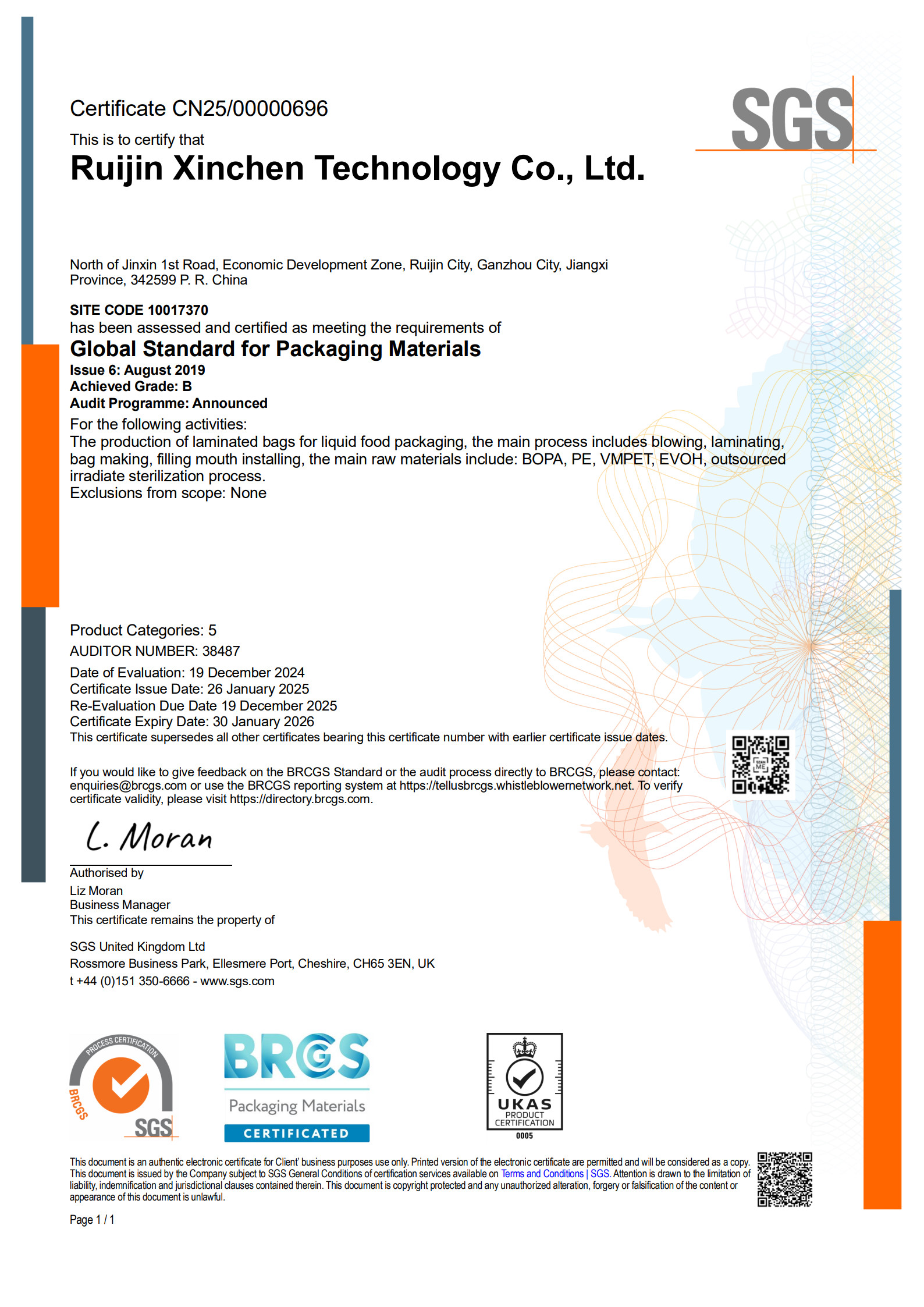
Qualified aseptic bags must comply with global safety standards to ensure product safety and market access. Common certifications include food contact materials standards, pharmaceutical grade standards, and biocompatibility certifications. These certifications confirm that the bags meet strict requirements for materials, production, sterilization, and safety.
For international trade, compliance with destination country regulations is essential. Reputable manufacturers provide test reports, certification documents, and quality traceability systems to ensure full regulatory compliance and reduce market access risks for users.
Correct Usage, Storage, and Handling of Aseptic Bags
Pre-Use Inspection and Preparation
Before use, inspect aseptic bags for damage, including punctures, tears, broken seals, or compromised packaging. Any bag with damaged outer packaging should be discarded, as sterility cannot be guaranteed. Check the production and sterilization dates to ensure the bags are within their valid shelf life—most aseptic bags have a sterile shelf life of 3–5 years when stored properly.
Handle bags with clean gloves in a sterile or clean environment to avoid introducing contaminants. Avoid touching the inner surface of the bag, as this can compromise sterility. For automated filling lines, ensure the equipment is calibrated to match the bag size and sealing requirements.
Filling, Sealing, and Post-Filling Handling
During filling, avoid overfilling to prevent pressure buildup and seal failure. Leave appropriate headspace based on product characteristics and storage conditions. Use heat sealing or sterile welding to create a secure closure, and conduct seal integrity checks immediately after sealing to detect leaks or weak seals.
After filling, store bags in a clean, dry, temperature-controlled environment away from direct sunlight, sharp objects, and chemical pollutants. For bulk transport, place aseptic bags inside protective drums or boxes to prevent physical damage during handling and shipping.
Safe Disposal and Environmental Treatment
After use, dispose of aseptic bags according to local waste management regulations and product type. Empty bags containing food or non-toxic materials can be recycled where facilities exist, while bags with pharmaceutical or biological waste require specialized hazardous waste treatment.
Proper disposal not only protects the environment but also supports sustainable operational practices. Many manufacturers offer recycling programs for used aseptic bags, helping users reduce their environmental footprint while maintaining compliance with waste regulations.
Future Development Trends of Aseptic Bags
Smart and Functional Innovation
The future of aseptic bags lies in smart packaging integration, including sensors that monitor temperature, sterility, and integrity in real time. These smart indicators will alert users to potential contamination or storage anomalies, further enhancing product safety. Advanced functional designs will include self-sterilizing surfaces, enhanced barrier properties, and improved compatibility with extreme conditions.
Sustainable and Eco-Friendly Materials
Sustainability will drive material innovation, with fully biodegradable and compostable aseptic bags becoming mainstream. Manufacturers are developing bio-based polymers from renewable resources to replace traditional petroleum-based materials, reducing carbon footprints and plastic waste. By 2030, eco-friendly aseptic packaging is projected to account for over 40% of the market share as regulations and consumer demand push for greener solutions.
Expansion in High-End Industries
Aseptic bags will expand into high-value sectors such as cell and gene therapy, personalized medicine, and advanced biomanufacturing. These industries require ultra-high purity, customized sterile solutions that single-use aseptic bags deliver more effectively than traditional fixed equipment. Customized sizes, materials, and sterile connections will become standard to meet specialized industrial needs.
Automation and digitalization will also transform production and quality control, with fully automated manufacturing lines and digital traceability systems ensuring consistent quality and regulatory compliance. This will make aseptic bags even more reliable and cost-effective for global users.

