
 English
 русский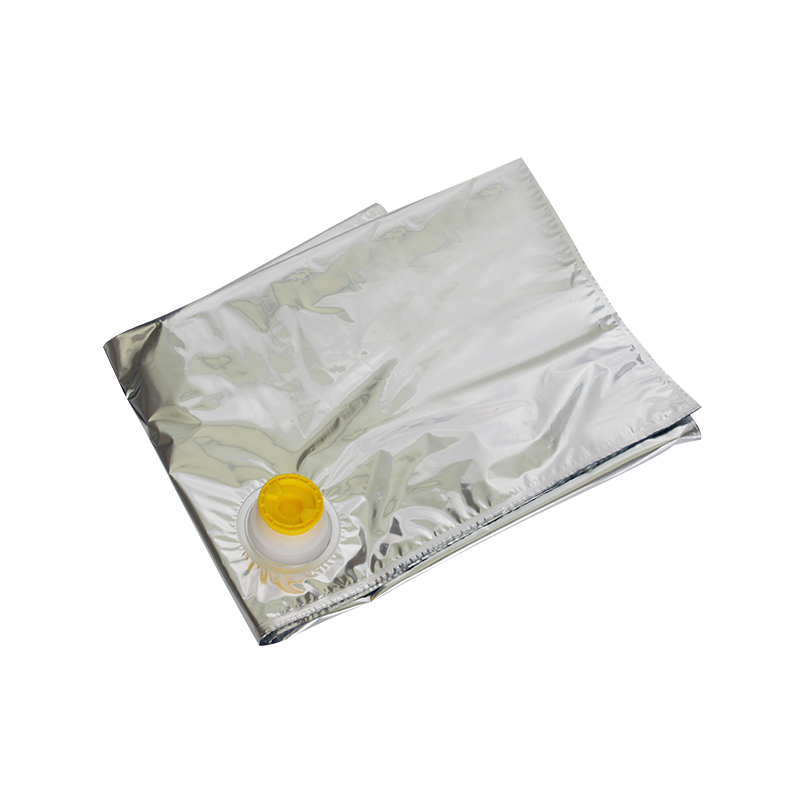
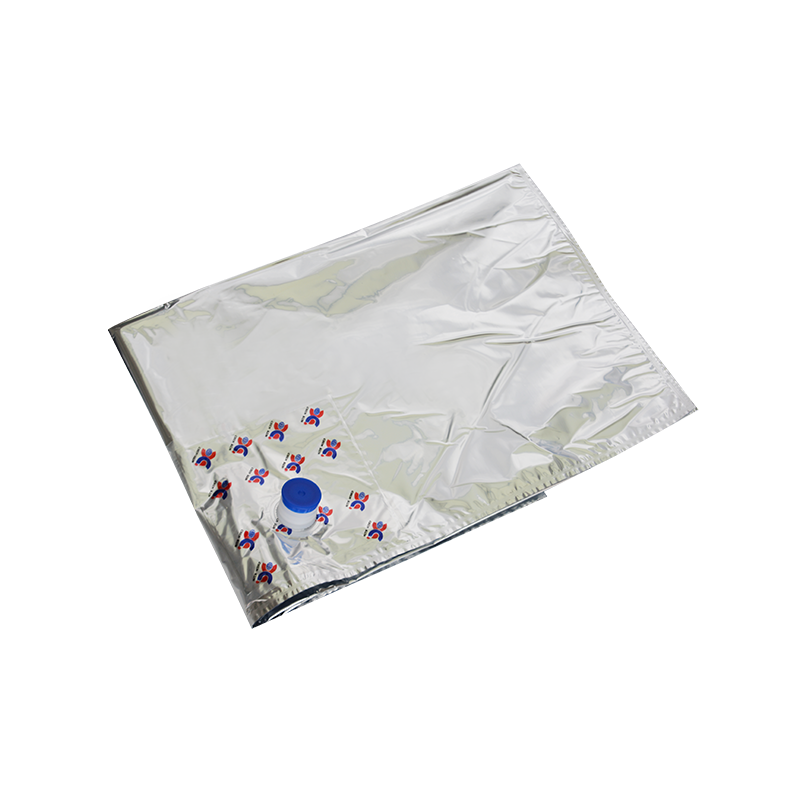
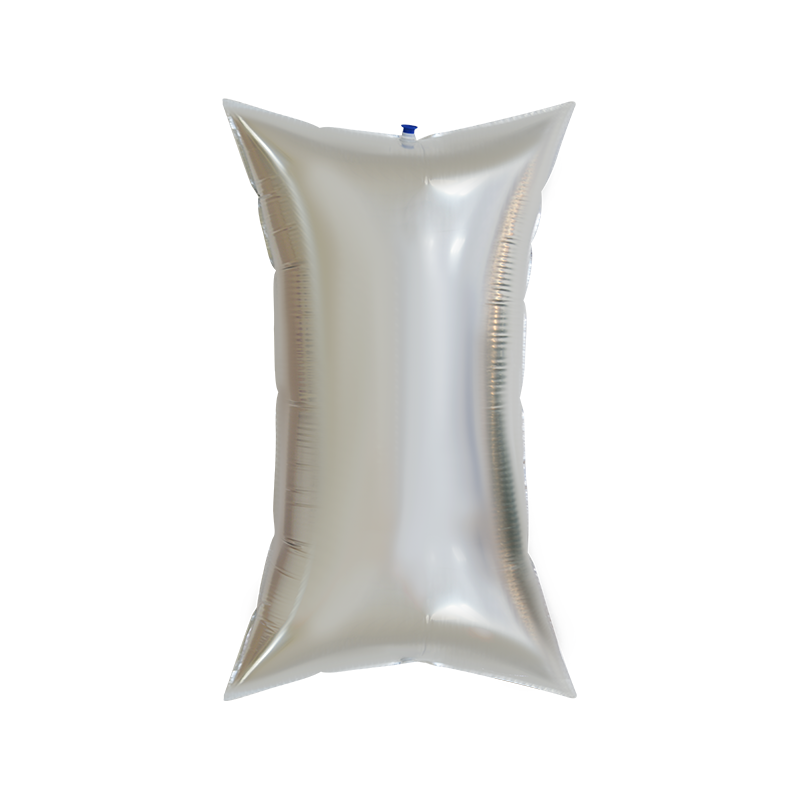
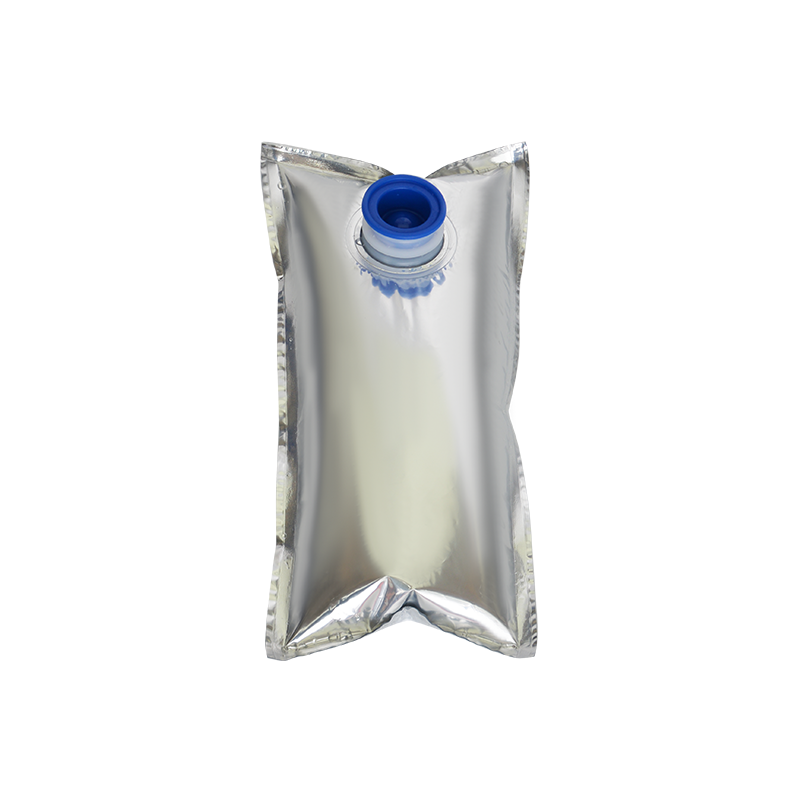
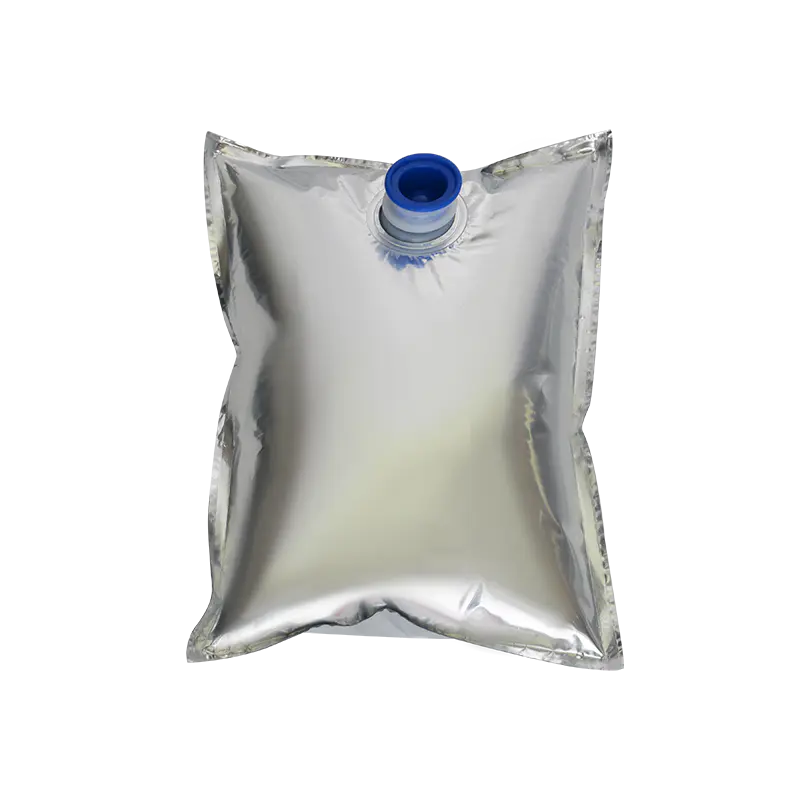
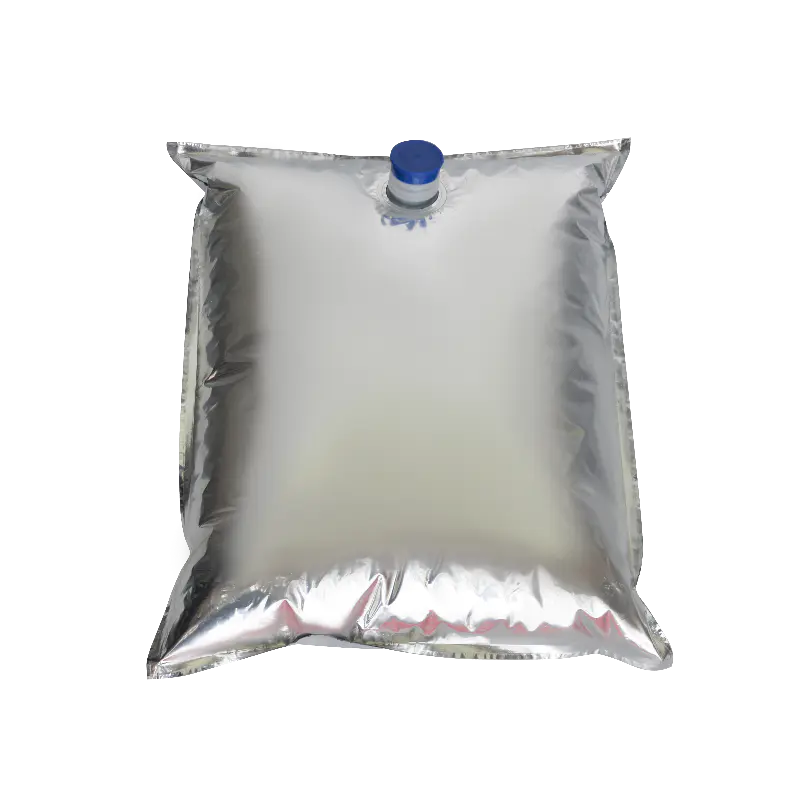
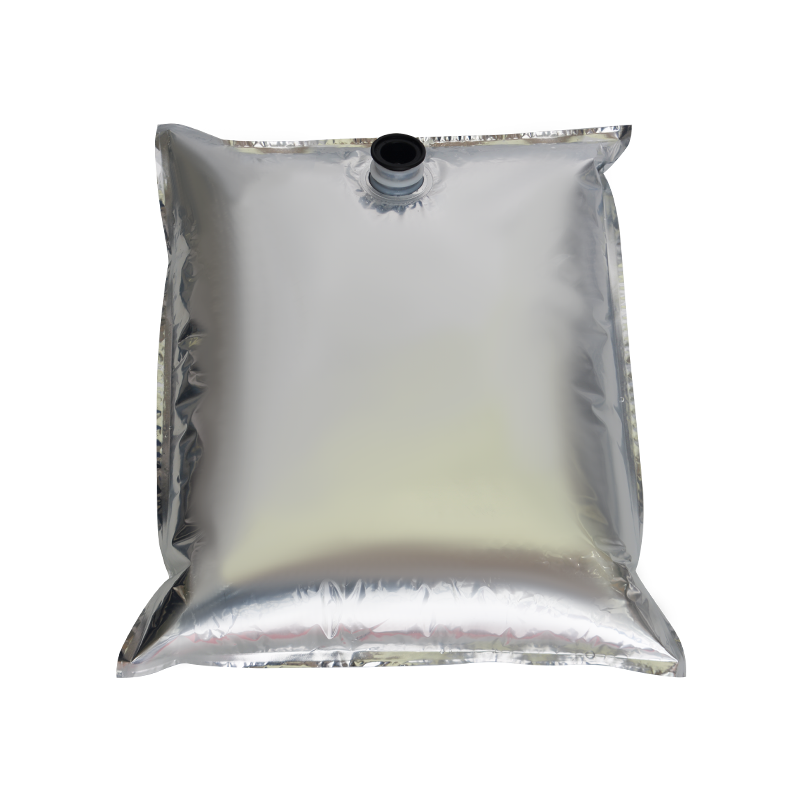
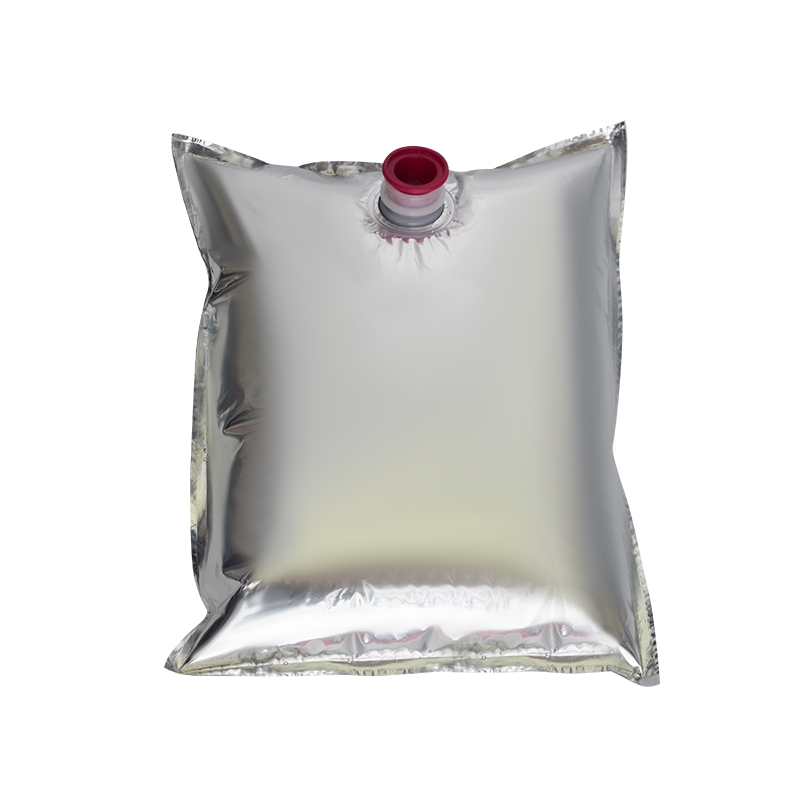
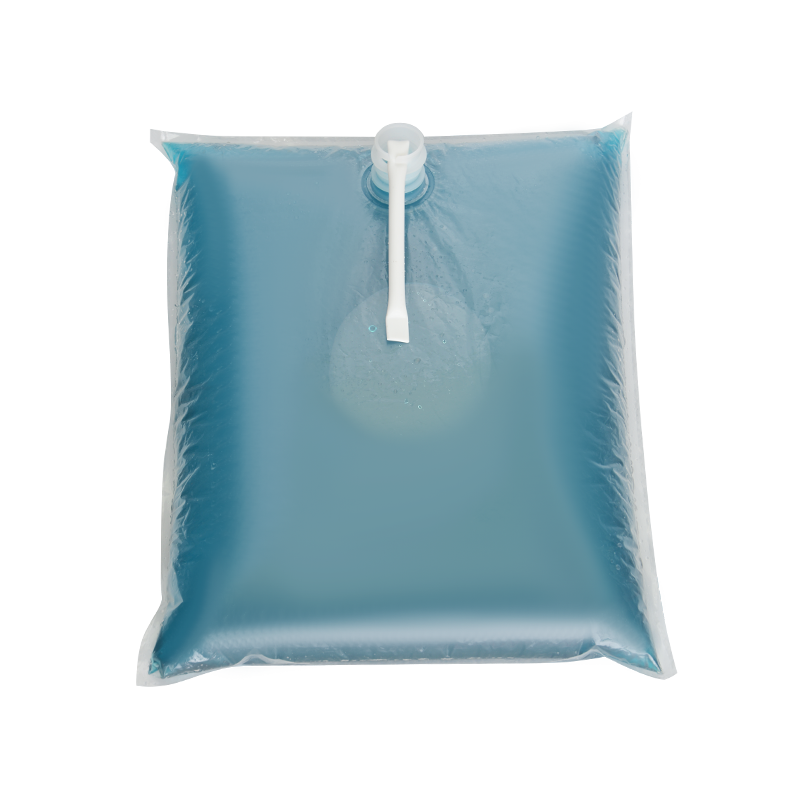
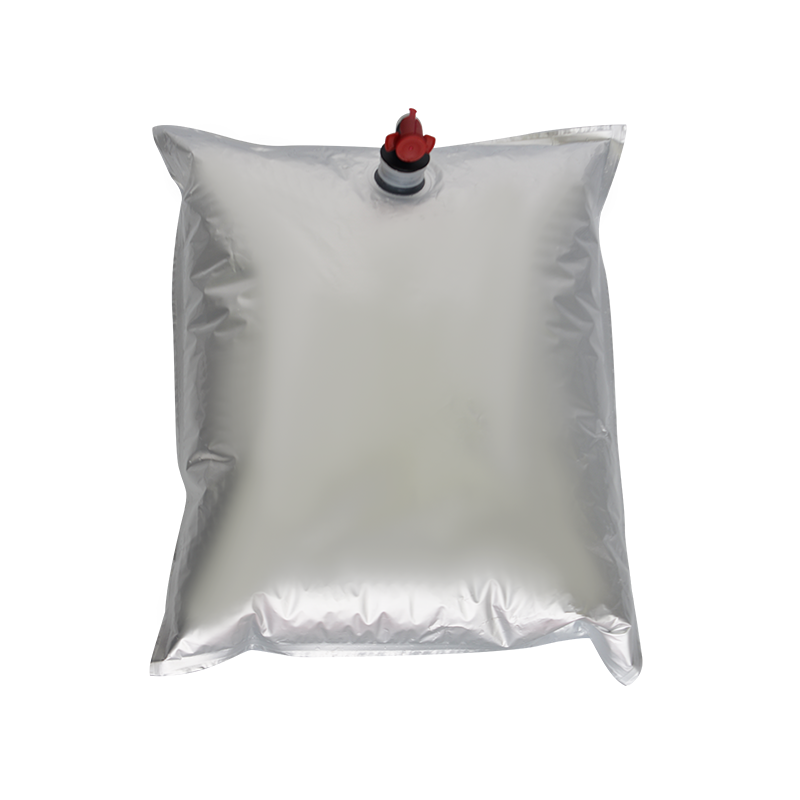
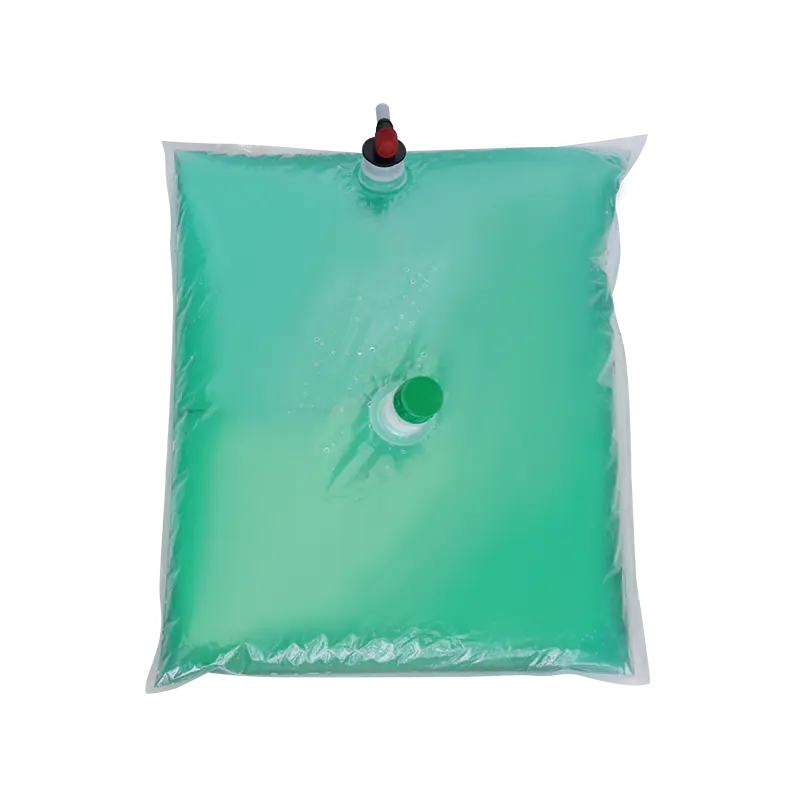
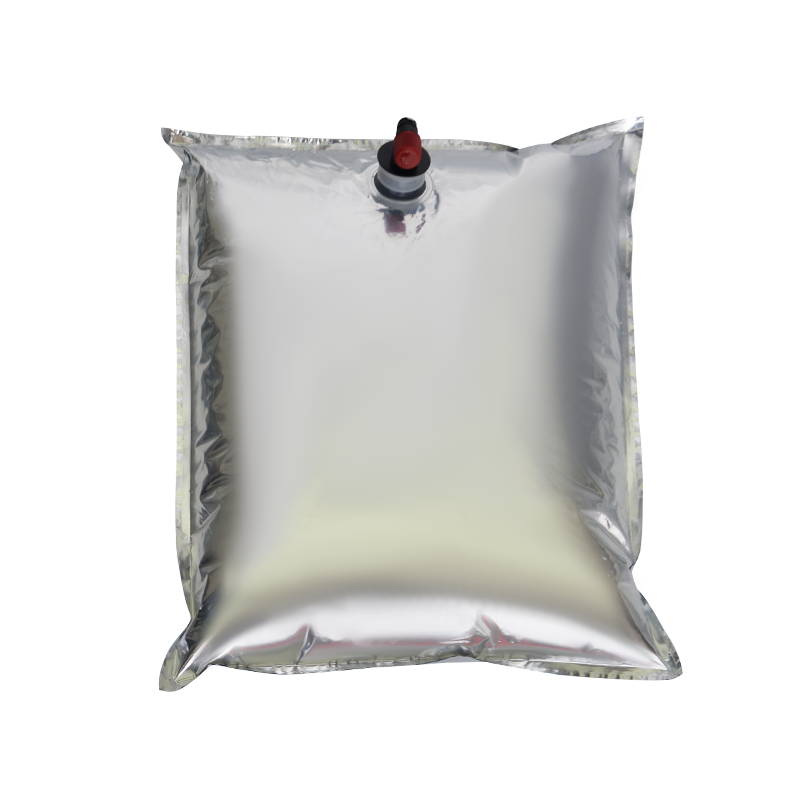


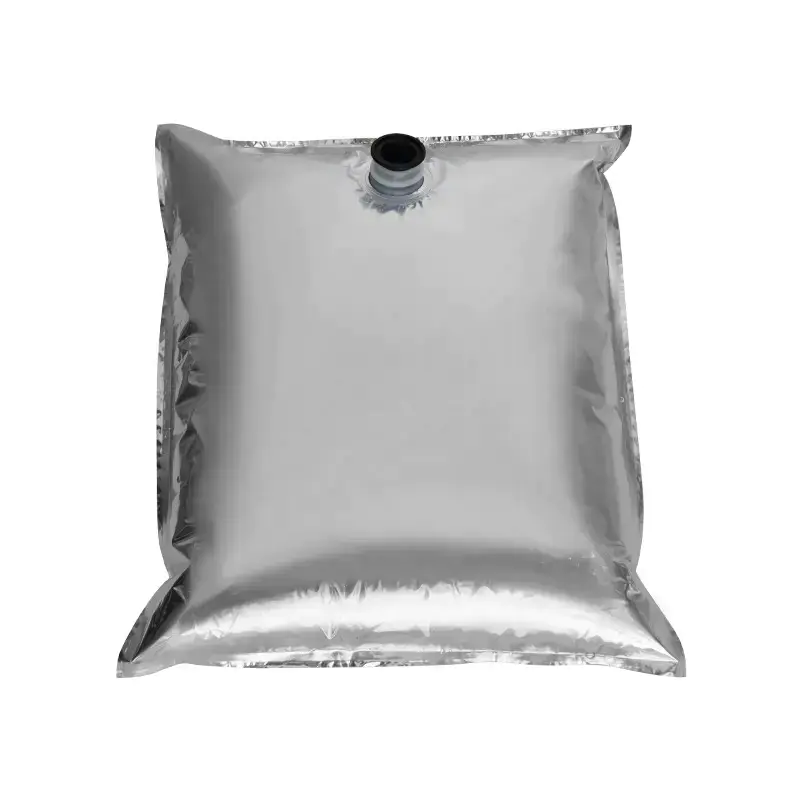
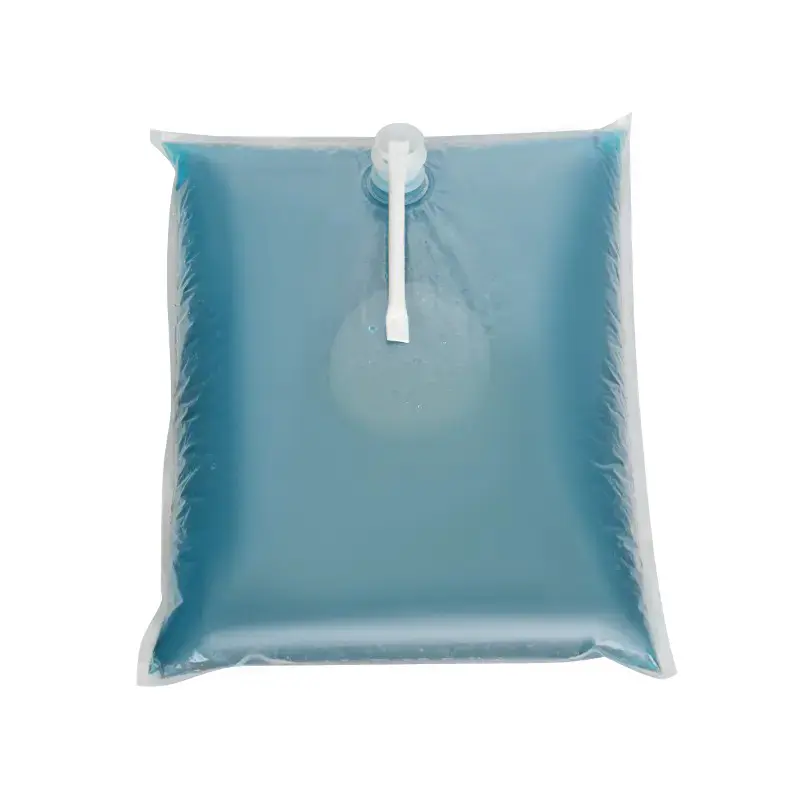
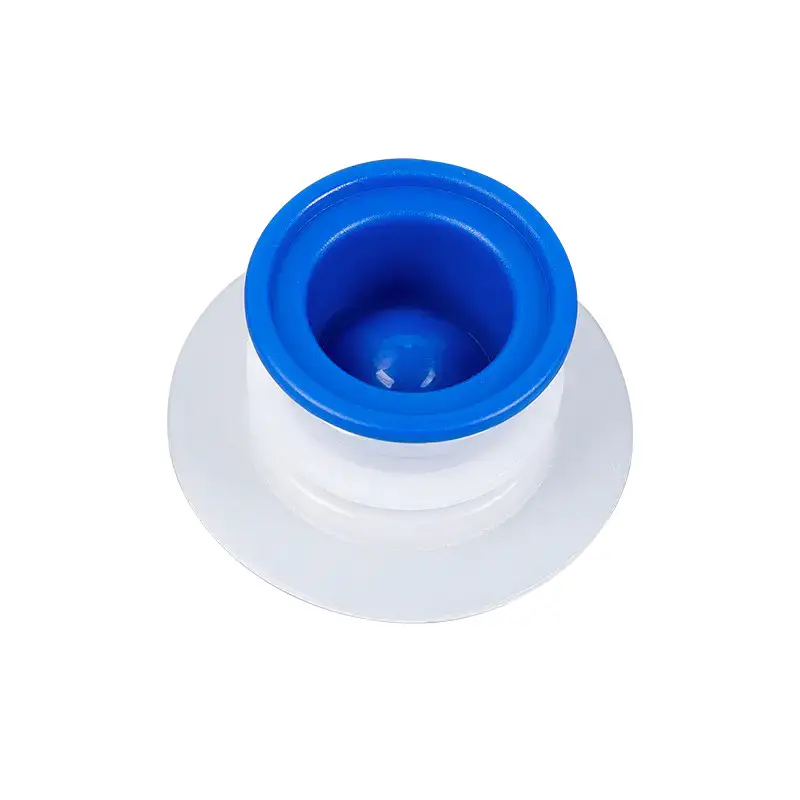


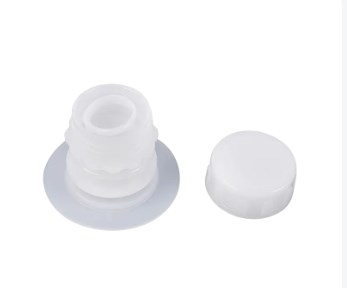
Aseptic bag-in-box packaging technology is widely used in the food, beverage, chemical, and pharmaceutical industries due to its excellent sealing, convenience, and long shelf life. In this system, the plastic spout and cap for aseptic bag-in-box packaging are crucial components, not only sealing the container and protecting the contents but also directly impacting the user experience and packaging safety.
Functional Analysis of Plastic Spouts and Caps
In aseptic bag-in-box packaging, the main function of the plastic spout and cap is to ensure that the liquid contents are protected from external contamination during storage and transportation, and to provide convenient and safe opening and pouring during use. The core design concept of this system is to isolate the contents from the external environment, thereby extending the product's shelf life, especially for liquid products that require maintaining a sterile state, such as fruit juice, dairy products, and pharmaceuticals.
Design and Manufacturing of Plastic Spouts
The design of the plastic spout is crucial in aseptic bag-in-box packaging. The spout needs to have excellent sealing properties to prevent external air or microorganisms from entering, thus maintaining a sterile environment within the packaging. Modern plastic spouts are usually made of food-grade materials to ensure that contact with the liquid contents does not cause harmful reactions. The spout design considers not only the sealing effect but also ease of use and flow control. To prevent liquid leakage and ensure stable flow, spouts are usually equipped with special designs, such as automatic closing mechanisms and anti-drip functions.
The Role and Innovation of Plastic Caps
The cap, as another important component of aseptic bag-in-box packaging, primarily protects the packaging contents from external contamination, ensuring that the quality of the liquid is not affected by oxygen, sunlight, or air humidity. The cap design needs to have good pressure resistance and corrosion resistance to withstand external forces during long-term storage and transportation.
With the increasing market demand for environmental protection and convenience, innovation in plastic caps is constantly advancing. Today, some caps also feature anti-counterfeiting designs and easy-tear functions, allowing consumers to open the packaging with simple operations and enjoy the best experience every time. At the same time, some cap designs focus on reducing material usage to achieve environmental protection, which also aligns with today's societal demand for sustainable packaging solutions.
Advantages of Aseptic Packaging with Plastic Nozzles and Caps
The greatest advantage of aseptic bag-in-box packaging lies in its ability to facilitate transportation and storage while maintaining the sterility of the liquid contents. The tight fit between the plastic nozzle and cap further enhances the performance of this packaging method. Through precisely designed nozzles and caps, manufacturers can maintain the quality of the contents throughout the entire supply chain, avoiding contamination or interference from external factors.
In addition, the reliability and functionality of plastic nozzles and caps not only extend the product's shelf life but also provide consumers with a more convenient user experience. Consumers can easily open the packaging and precisely control the liquid flow without worrying about leakage or contamination.
Material Selection and Environmental Trends for Plastic Nozzles and Caps
With increasing environmental awareness, the selection of plastic materials is constantly evolving. More and more aseptic bag-in-box packaging products are using recyclable or biodegradable materials for nozzles and caps to reduce the environmental impact of plastics.
For manufacturers, choosing environmentally friendly materials is not only a reflection of corporate social responsibility but also a significant advantage in market competition. Consumers are increasingly inclined to choose environmentally friendly and sustainable products, and these trends are driving continuous innovation in the materials used for plastic nozzles and caps.
Quality Control of Plastic Nozzles and Caps
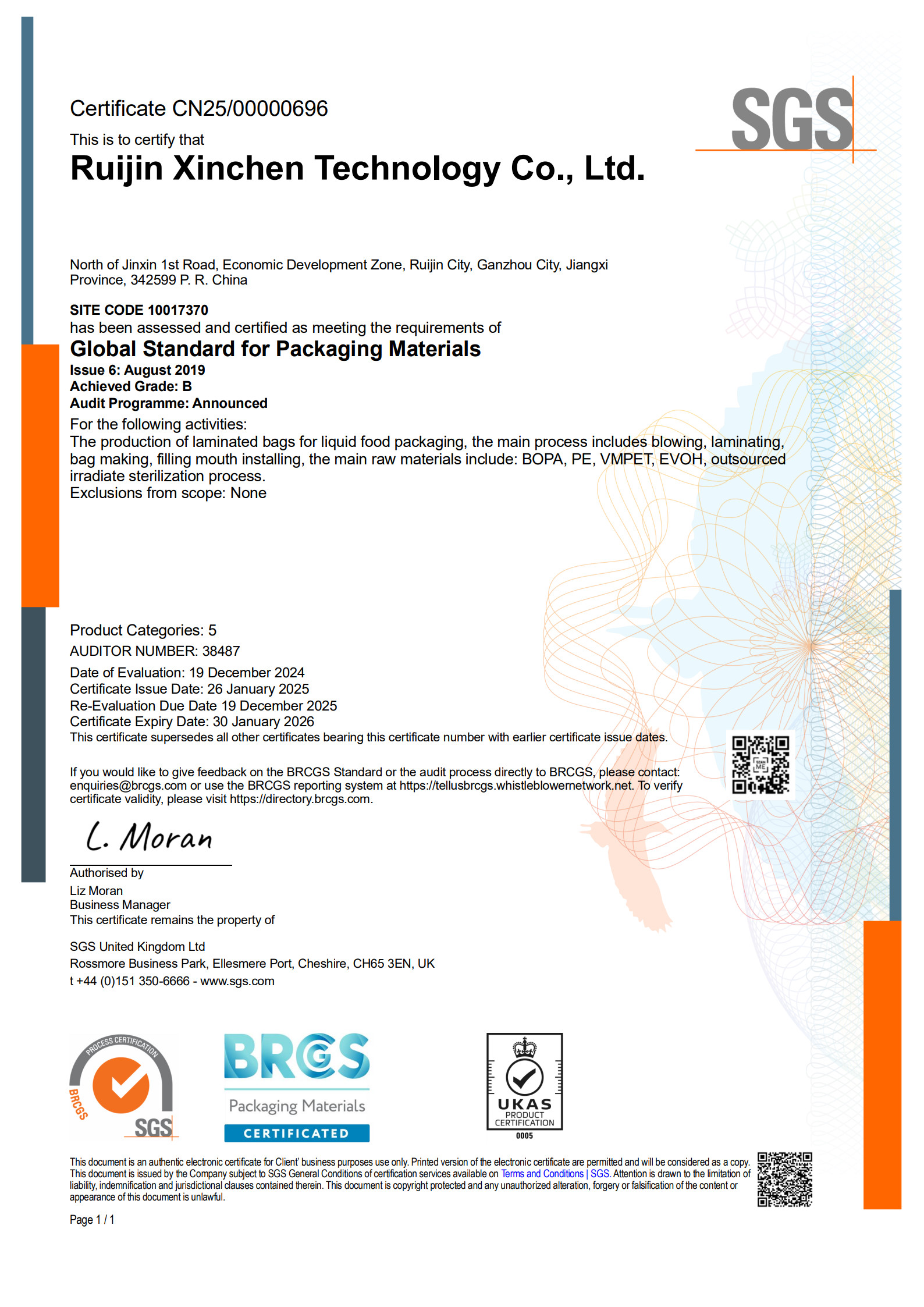
In the production process of aseptic bag-in-box packaging, quality control of plastic nozzles and caps is crucial. Strict adherence to quality standards is essential to ensure that every nozzle and cap meets food-grade standards and avoids any issues that could affect product quality. To ensure this, many manufacturers use advanced production technologies, such as injection molding and automated assembly lines, to ensure that every batch of products meets stringent quality requirements.
The production process also requires multiple tests, such as sealing tests, high and low-temperature resistance tests, and compression tests, to ensure that the plastic nozzles and caps maintain stable performance under various environmental conditions.
Market Application Prospects of Plastic Nozzles and Caps
Plastic nozzles and caps are not only widely used in the food and beverage industry, but with the popularization of aseptic packaging technology, their application areas are gradually expanding. Especially in the pharmaceutical and chemical industries, the market demand for plastic nozzles and caps continues to grow due to the increasing demand for sterile and high-quality packaging.
Frequently Asked Questions (FAQ)
Q1: What are the requirements for the material selection of plastic nozzles and caps?
The materials used for plastic nozzles and caps must meet food-grade standards to ensure that no harmful substances are released when they come into contact with the liquid contents. Common materials include polyethylene (PE), polypropylene (PP), and polyurethane (PU), which have good chemical resistance, temperature resistance, and pressure resistance.
Q2: How is the sealing of plastic nozzles and caps in aseptic bag-in-box packaging ensured?
The sealing of aseptic bag-in-box packaging is mainly achieved through precisely designed sealing structures of the nozzles and caps. Generally, the design of the nozzles and caps incorporates double inner and outer sealing rings or an automatic closing mechanism to ensure that the contents inside the packaging are not contaminated by external air or microorganisms.
Q3: Are environmentally friendly plastic nozzles and caps reliable?
Plastic nozzles and caps made from environmentally friendly materials usually undergo strict quality control to ensure that they do not compromise the sealing and durability of the packaging while being environmentally friendly. Many environmentally friendly materials, such as biodegradable plastics, already possess good performance and can meet the requirements of aseptic packaging.
Q4: How to choose suitable plastic nozzles and caps?
Choosing suitable plastic nozzles and caps requires consideration of the characteristics of the liquid product, packaging requirements, and production process. Consumers can select appropriate nozzle and cap models based on factors such as product use, transportation conditions, and frequency of use.

