
 English
 русский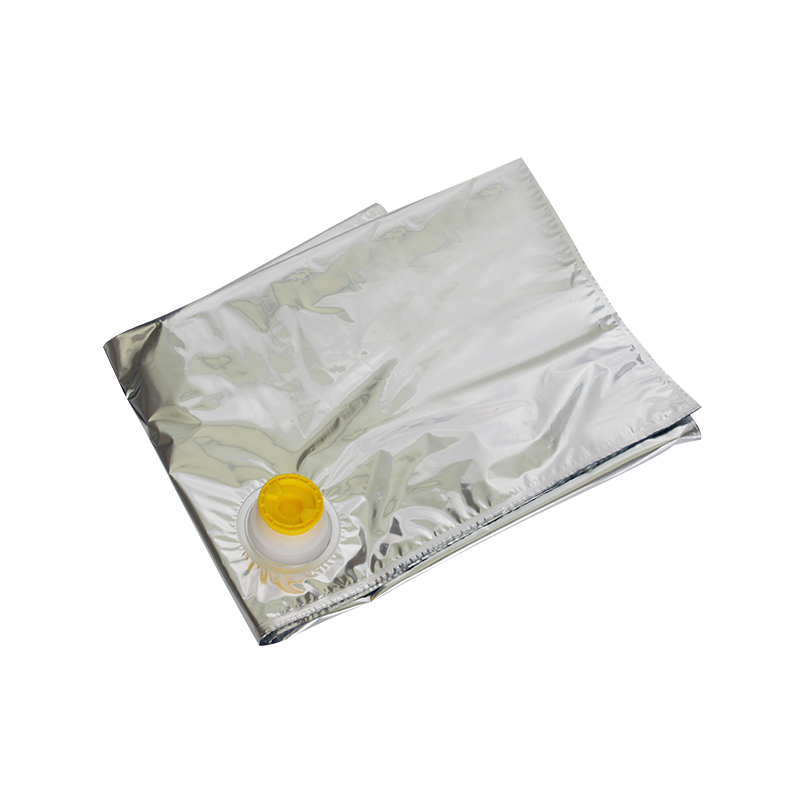


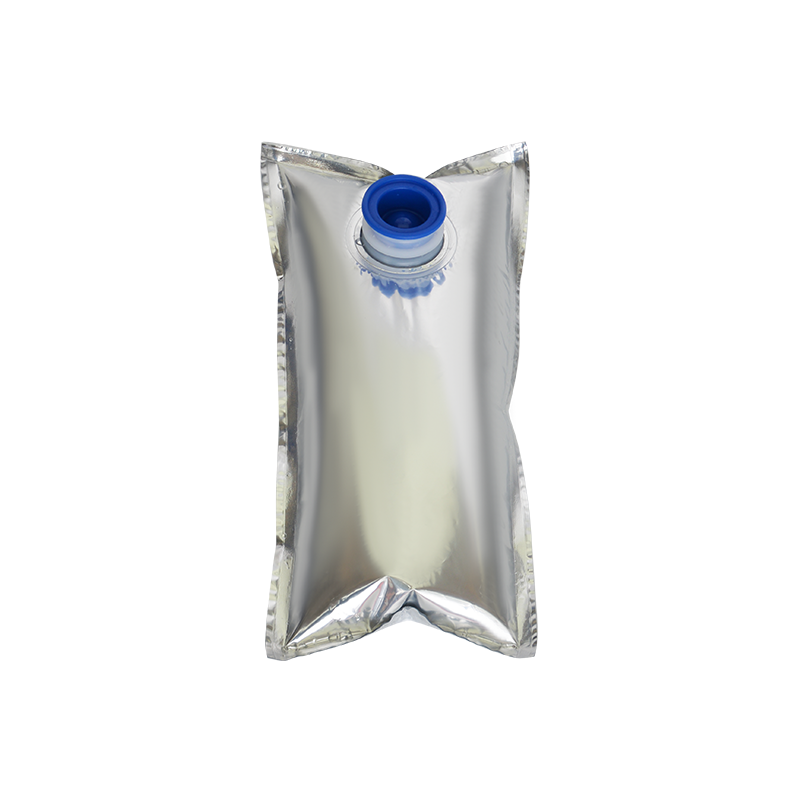
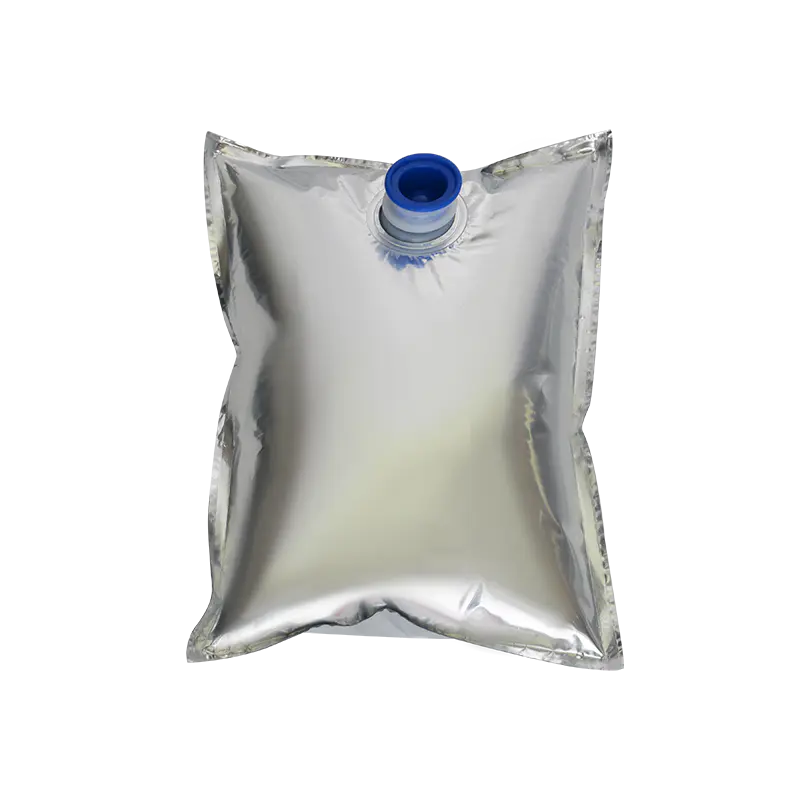
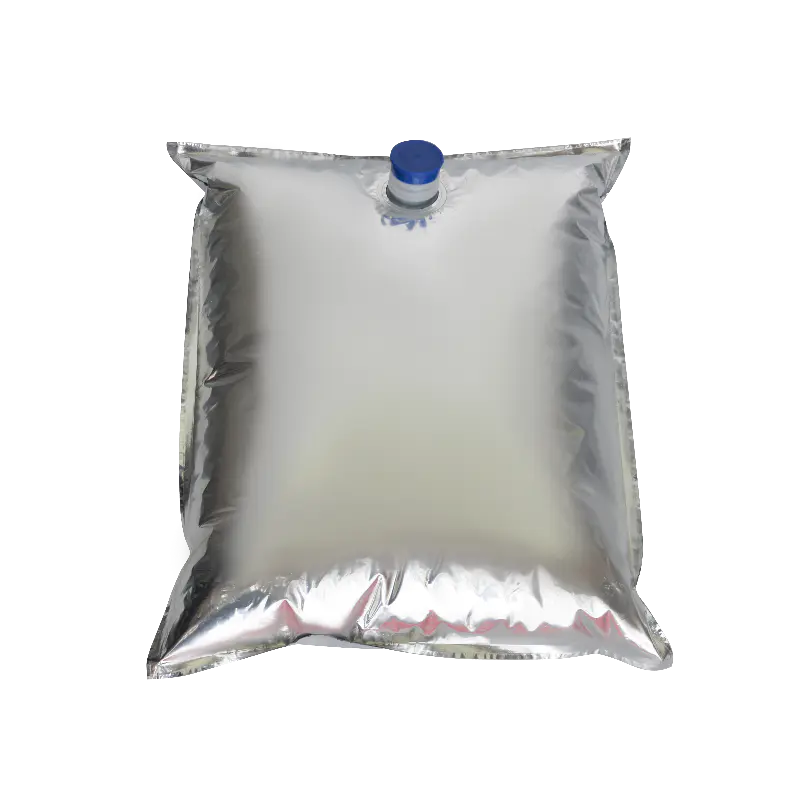
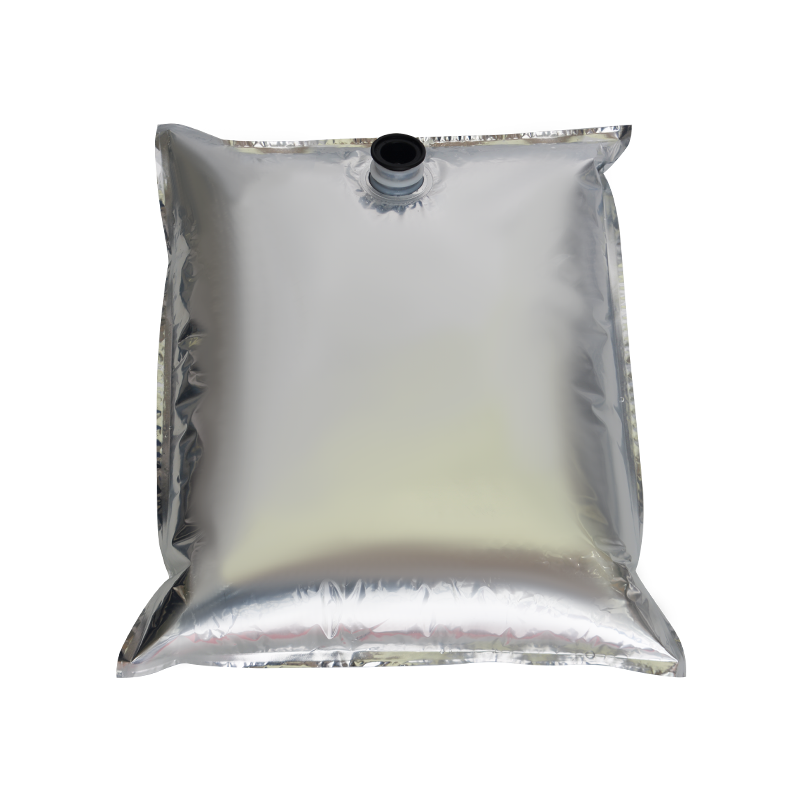
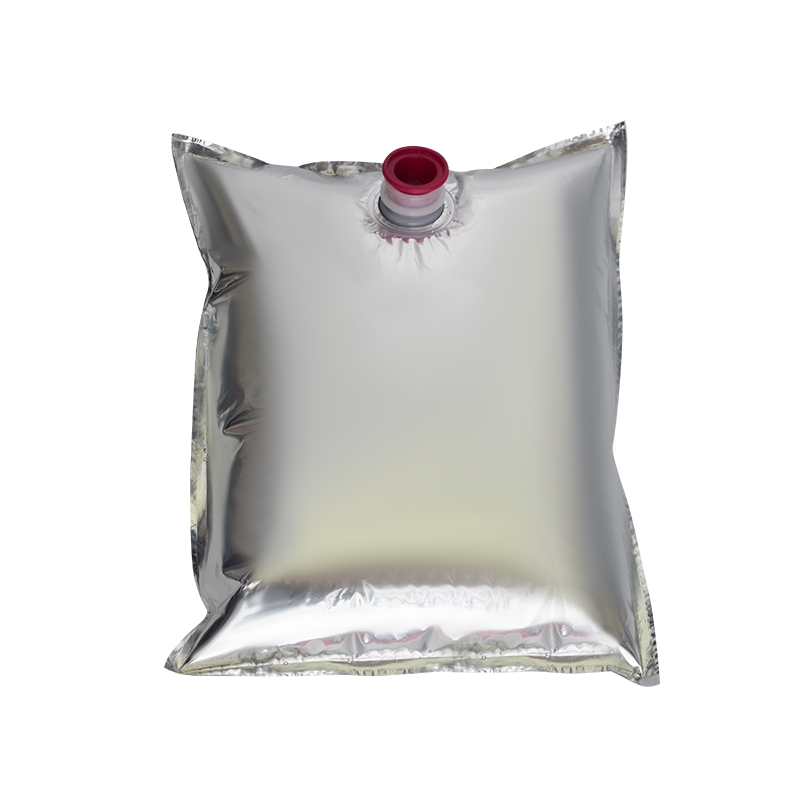

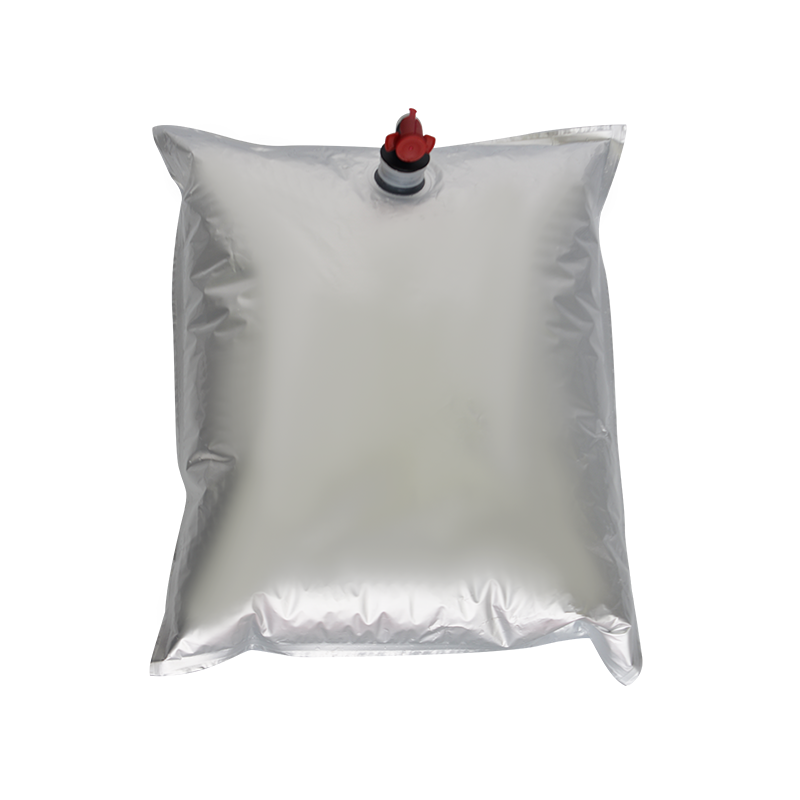

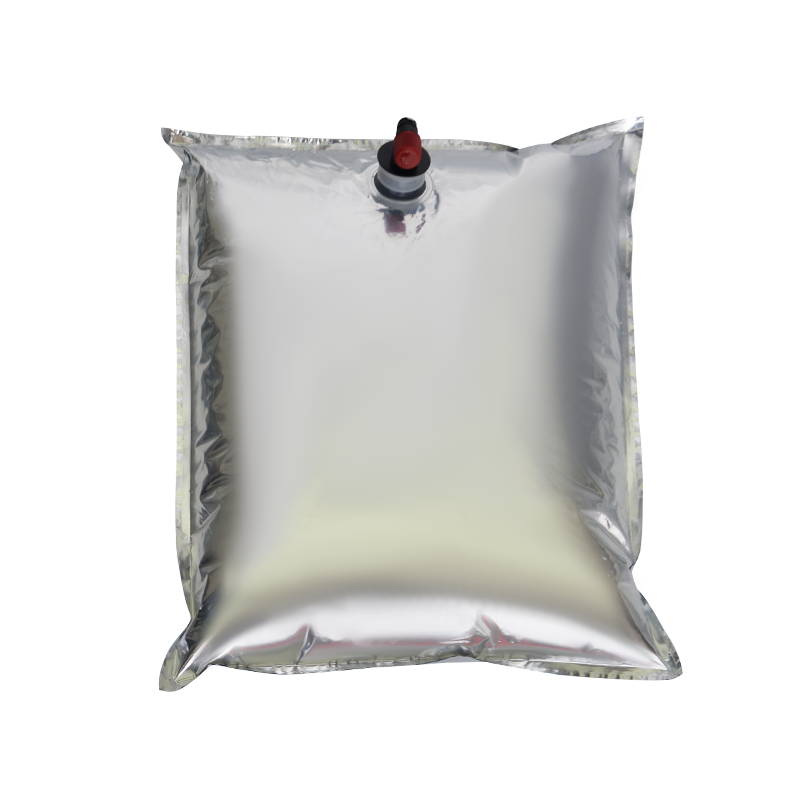




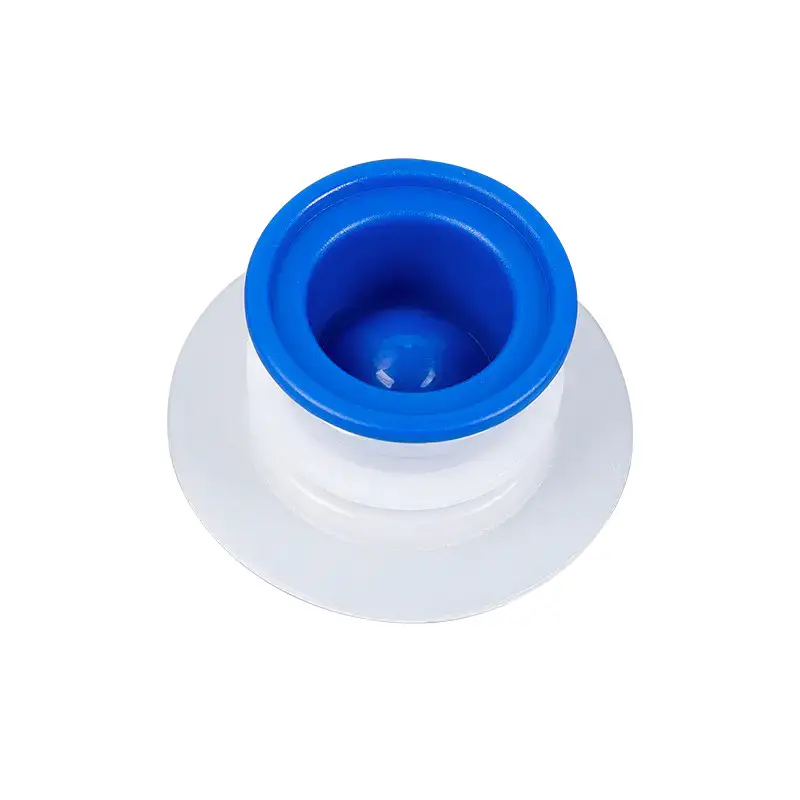

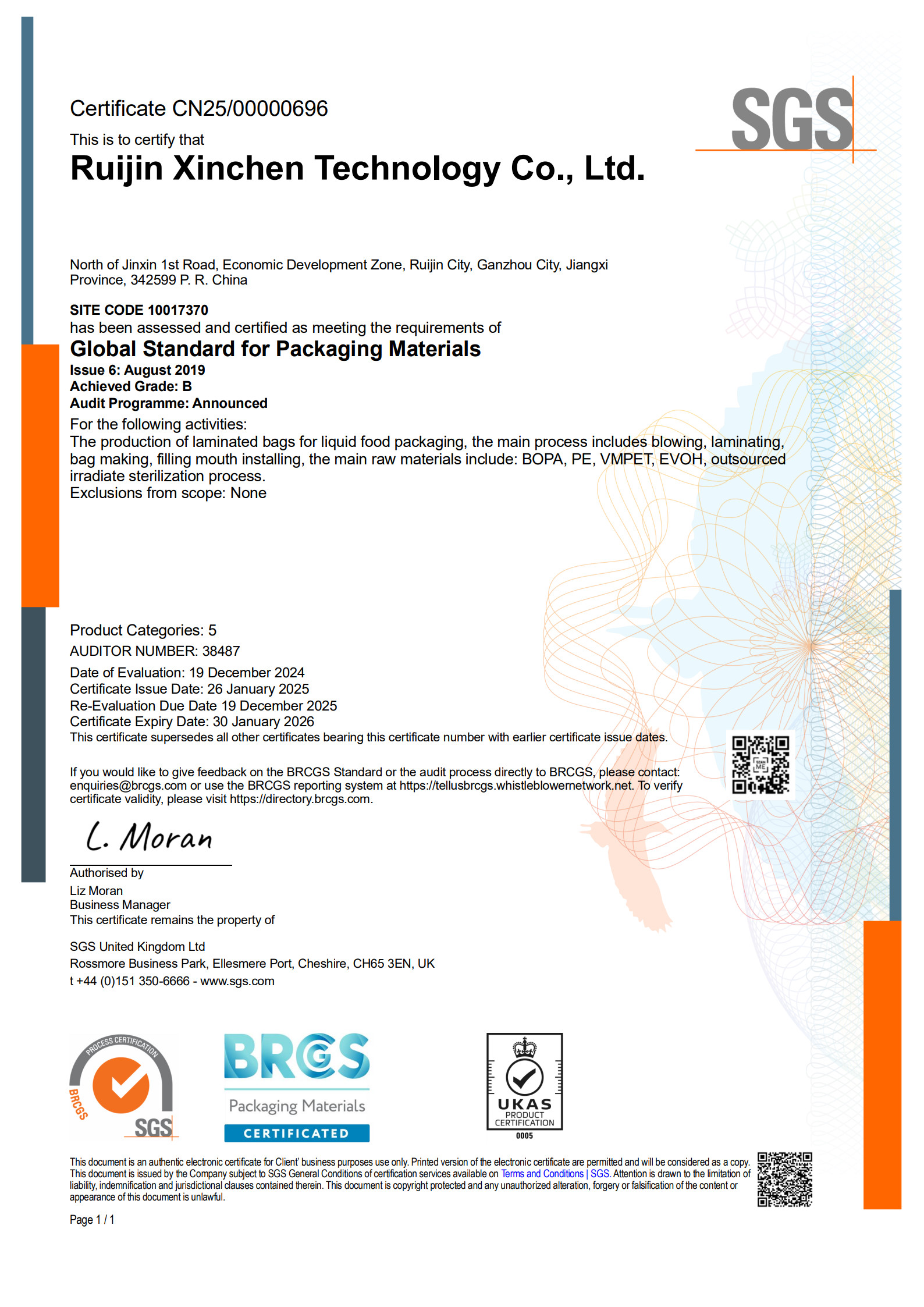

As industries continue to evolve, the need for efficient, cost-effective, and sustainable packaging solutions has grown. Among the most innovative options available today are Flexible Liquid Packaging Bags. These bags offer significant advantages over traditional packaging methods, such as glass bottles and rigid plastic containers. In this article, we will explore the key benefits of Flexible Liquid Packaging Bags and how they are transforming the packaging industry.
Key Benefits of Flexible Liquid Packaging Bags
Cost-effectiveness
Flexible Liquid Packaging Bags provide a significant reduction in packaging costs. They are lightweight and easy to manufacture, which leads to lower production costs when compared to glass and plastic alternatives. Additionally, their flexibility allows for space-saving during transportation, reducing shipping expenses. This feature is especially beneficial for small businesses and startups looking to minimize overhead costs.
Cost Comparison: Flexible Liquid Packaging Bags vs. Traditional Methods
| Packaging Type | Material Cost | Shipping Cost | Production Efficiency |
| Flexible Liquid Packaging Bags | Low | Low (space-saving) | High (lightweight, easy to handle) |
| Traditional Packaging (Glass/Plastic) | High | High (bulky and heavy) | Low (higher labor and material costs) |
Eco-friendly Nature
With increasing consumer demand for sustainable products, Flexible Liquid Packaging Bags are an eco-friendly alternative to traditional packaging. These bags use less plastic, are lighter, and consume fewer resources to produce, making them more environmentally friendly. Moreover, they can be easily recycled, reducing landfill waste. This is particularly important in the beverage industry, where the push for sustainable packaging is growing.
Environmental Impact: Flexible Liquid Packaging Bags vs. Traditional Packaging
| Packaging Type | Material Waste | Recyclability | Energy Consumption |
| Flexible Liquid Packaging Bags | Minimal (lightweight, less material) | High (recyclable, eco-friendly materials) | Low (requires less energy to manufacture) |
| Traditional Packaging (Glass/Plastic) | High (bulky and heavy) | Moderate (often not fully recyclable) | High (more energy-intensive manufacturing process) |
Improved Liquid Storage Safety
Flexible Liquid Packaging Bags are made from food-safe materials that are designed to protect liquids from contamination, preserving the original quality and taste. These bags are sealed to prevent leaks, unlike traditional glass bottles which can break or plastic containers which may allow contaminants to seep in. This is particularly important in industries like food and beverage, where safety and quality control are paramount.
Storage Comparison: Flexible Liquid Packaging Bags vs. Traditional Packaging
| Packaging Type | Leak-Proof | Material Integrity | Preservation |
| Flexible Liquid Packaging Bags | Yes (sealed, no leakage) | High (food-grade materials) | Excellent (maintains liquid quality) |
| Traditional Packaging (Glass/Plastic) | Limited (glass can break, plastic can leak) | Variable (plastic can degrade, glass can shatter) | Moderate (may allow some contamination) |
Space-Saving and Easy Storage
Another key advantage of Flexible Liquid Packaging Bags is their ability to save storage space. These bags can be flattened or stacked, significantly reducing the space required for both transportation and storage. Unlike rigid bottles, which take up significant space, Flexible Liquid Packaging Bags are highly efficient for businesses looking to optimize their supply chain.
Space Efficiency: Flexible Liquid Packaging Bags vs. Traditional Methods
| Packaging Type | Storage Efficiency | Weight Efficiency | Transportation Space |
| Flexible Liquid Packaging Bags | High (compact, easy to store) | High (lightweight) | Low (requires less transportation space) |
| Traditional Packaging (Glass/Plastic) | Low (bulky and rigid) | Low (heavy and bulky) | High (takes up significant space) |
Industries and Applications
Beverages Industry
The demand for Flexible Liquid Packaging Bags has been increasing in the beverage industry, where companies seek environmentally friendly and cost-efficient packaging solutions. These bags offer an ideal alternative to traditional plastic and glass bottles, especially when looking for a packaging solution that is both sustainable and functional (as discussed in "Eco-friendly Flexible Liquid Packaging Bags for beverages").
Food Industry
The food industry also benefits from the versatility and safety of Flexible Liquid Packaging Bags. These bags help ensure that liquids like oils, sauces, and soups remain safe and uncontaminated during storage and transport (as detailed in "Flexible Liquid Packaging Bags for food safety").
Startups and Small Businesses
For small businesses and startups, Flexible Liquid Packaging Bags offer a low-cost, flexible solution that can help minimize expenses while optimizing product presentation and storage (referenced in "Cost-effective Flexible Liquid Packaging Bags for startups").
How to Store Liquids in Flexible Liquid Packaging Bags
Storing liquids in Flexible Liquid Packaging Bags is easy, but it is essential to follow best practices to ensure product safety. Ensure that the bags are kept in a cool, dry place away from direct sunlight. Always check the seals for any signs of leakage before use, and avoid overfilling the bags to maintain their integrity.
Limitations of Traditional Packaging Methods
High Costs and Resource Consumption
Traditional packaging methods such as glass and plastic containers come with high production and shipping costs. Additionally, they consume more resources and are less efficient in terms of material use. In comparison, Flexible Liquid Packaging Bags are more cost-effective and sustainable.
Space and Weight Inefficiency
Glass bottles and plastic containers are bulky and take up more space, both in storage and during transportation. This inefficiency results in higher logistics costs, something that Flexible Liquid Packaging Bags can solve with their compact and lightweight design.
Environmental Impact
The environmental impact of traditional packaging methods, especially plastic, is significant. Plastic waste is a major concern globally. Flexible Liquid Packaging Bags, on the other hand, offer a more eco-friendly option that can help reduce waste and pollution.
Conclusion
In conclusion, Flexible Liquid Packaging Bags offer multiple advantages over traditional packaging methods, from cost savings to enhanced sustainability. By adopting these innovative packaging solutions, businesses can not only reduce their environmental impact but also increase their operational efficiency and product safety.
Call to Action
To learn more about Flexible Liquid Packaging Bags and explore how they can benefit your business, contact our team for expert consultation and personalized solutions.
FAQs
- What are the main benefits of using Flexible Liquid Packaging Bags? - They are cost-effective, eco-friendly, lightweight, and offer better liquid storage safety compared to traditional packaging methods.
- How do Flexible Liquid Packaging Bags help businesses save costs? - These bags reduce production and shipping costs, require less storage space, and are highly efficient to handle.
- Are Flexible Liquid Packaging Bags recyclable? - Yes, they are made from recyclable materials and are a more sustainable option compared to glass or plastic packaging.
- Can Flexible Liquid Packaging Bags be used for food products? - Yes, they are food-grade, ensuring safety and preserving the quality of the liquids inside.
- What industries can benefit from using Flexible Liquid Packaging Bags? - The beverage, food, and startup industries can all benefit from using these versatile and cost-effective packaging solutions.

