
 English
 русский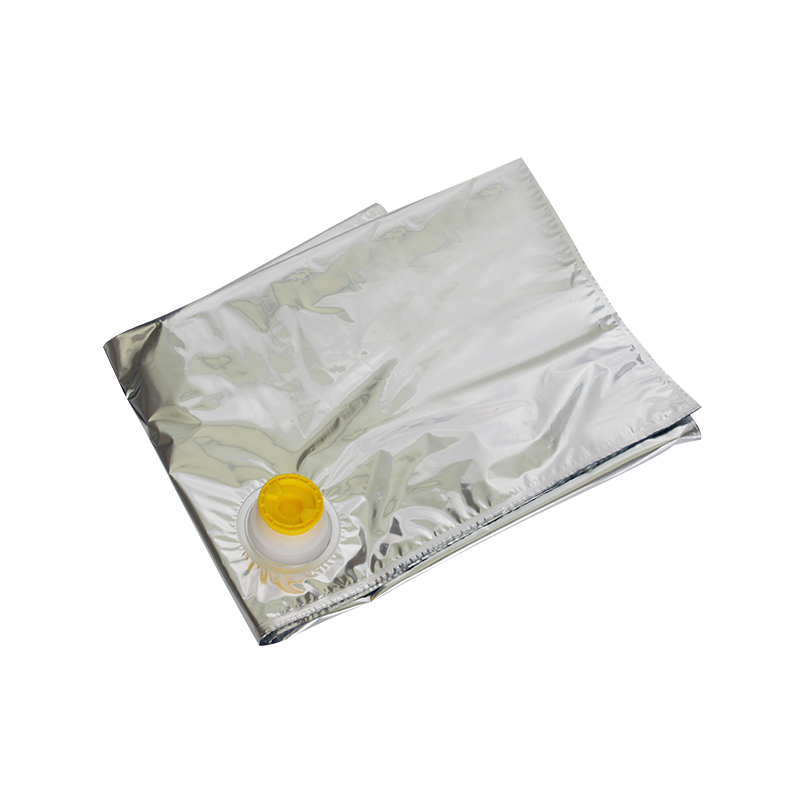
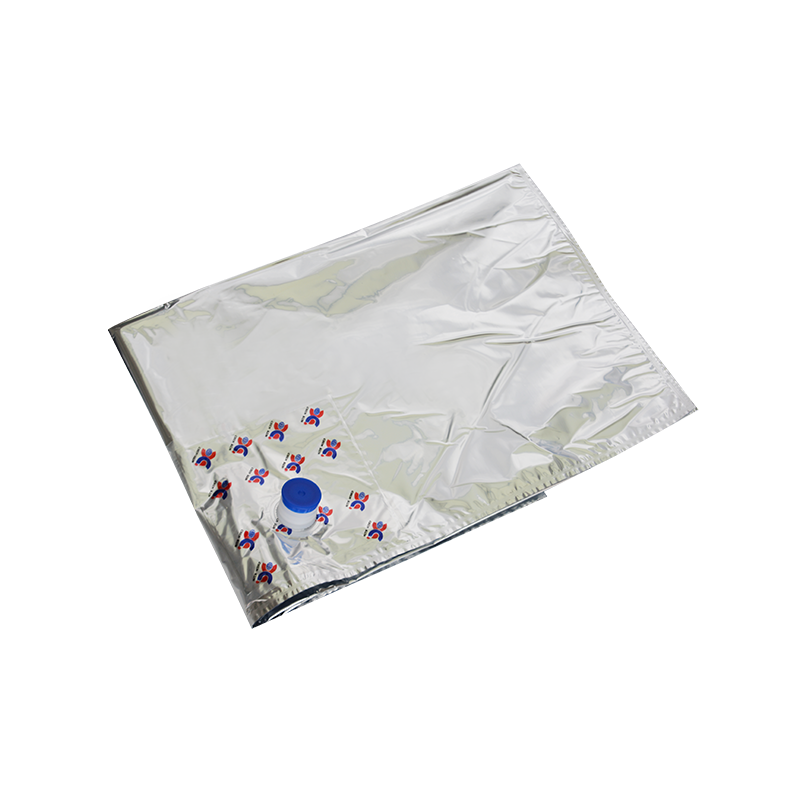
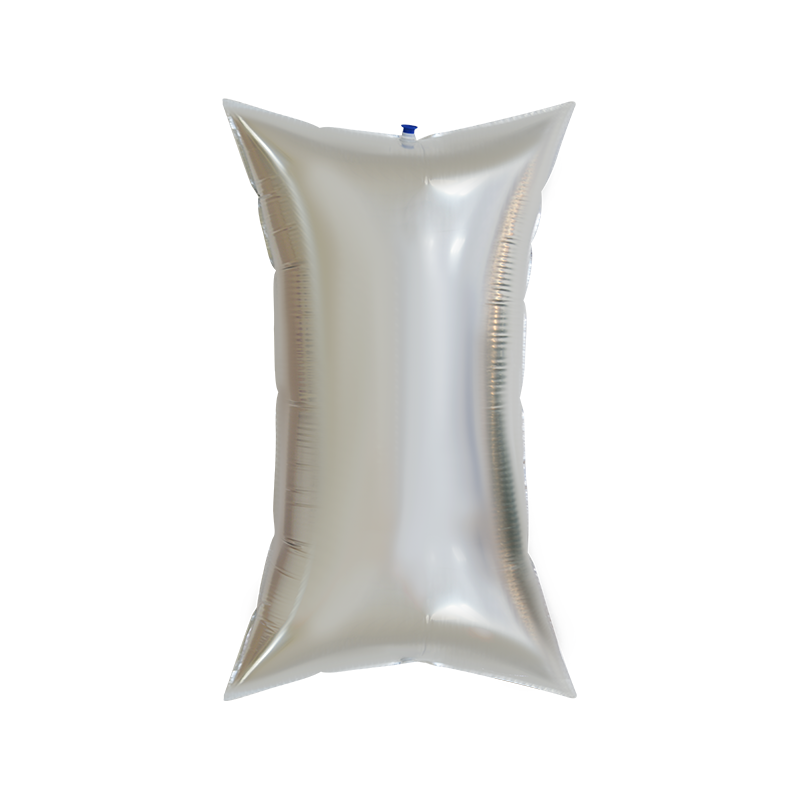
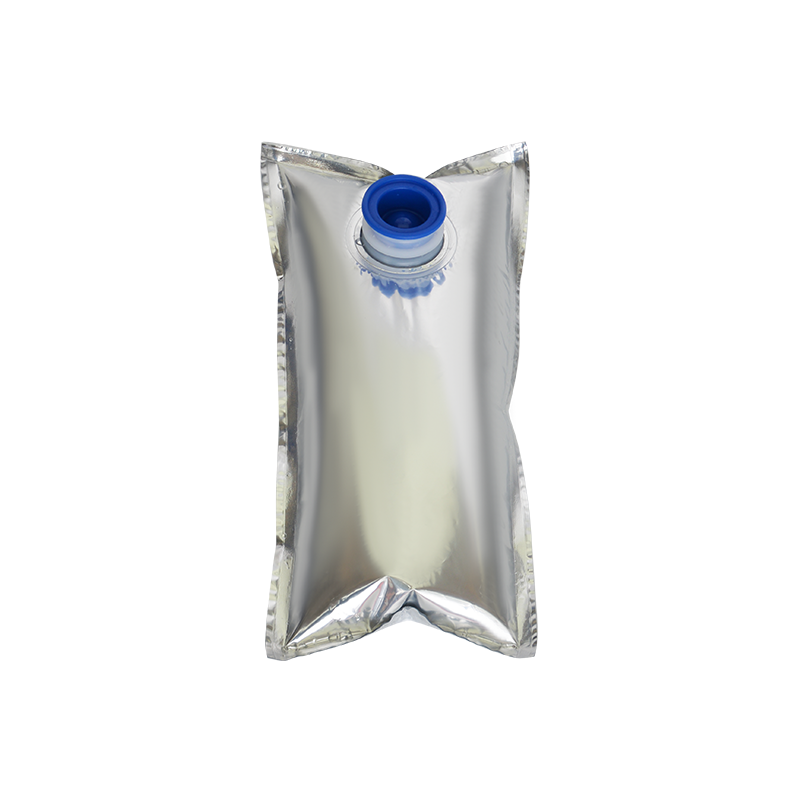
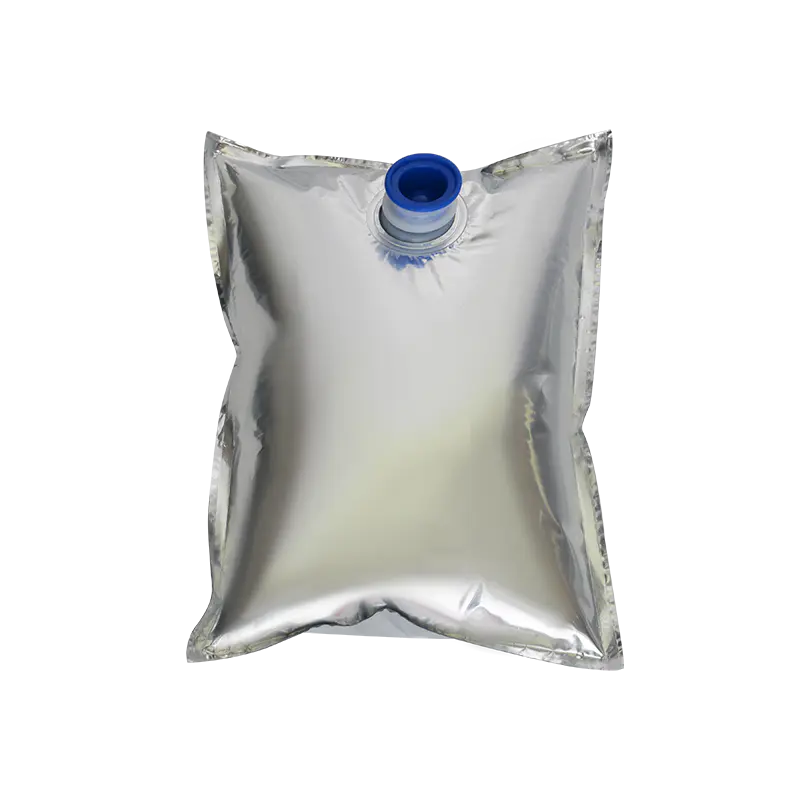
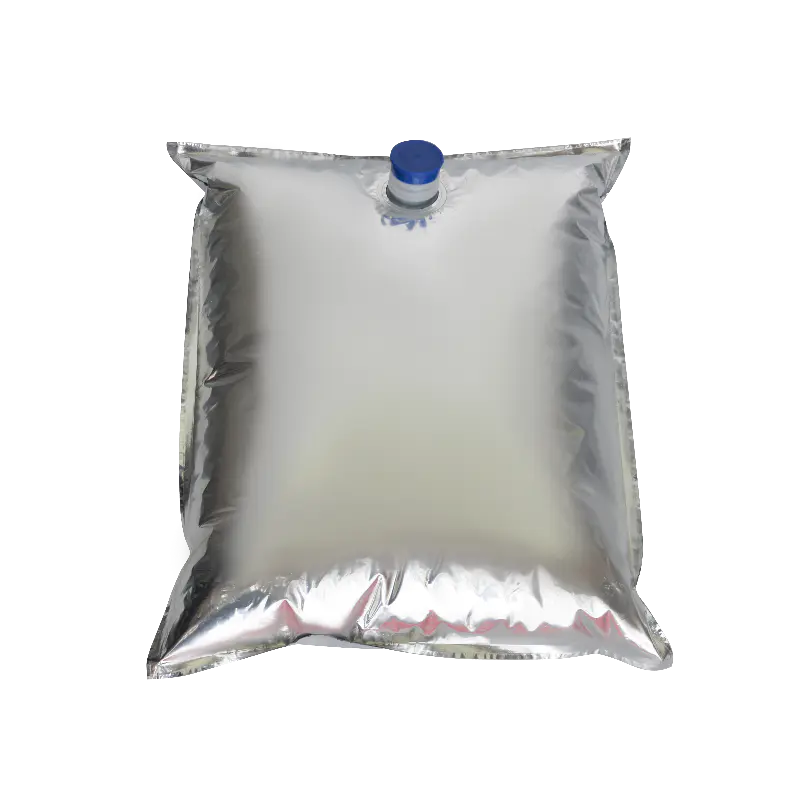
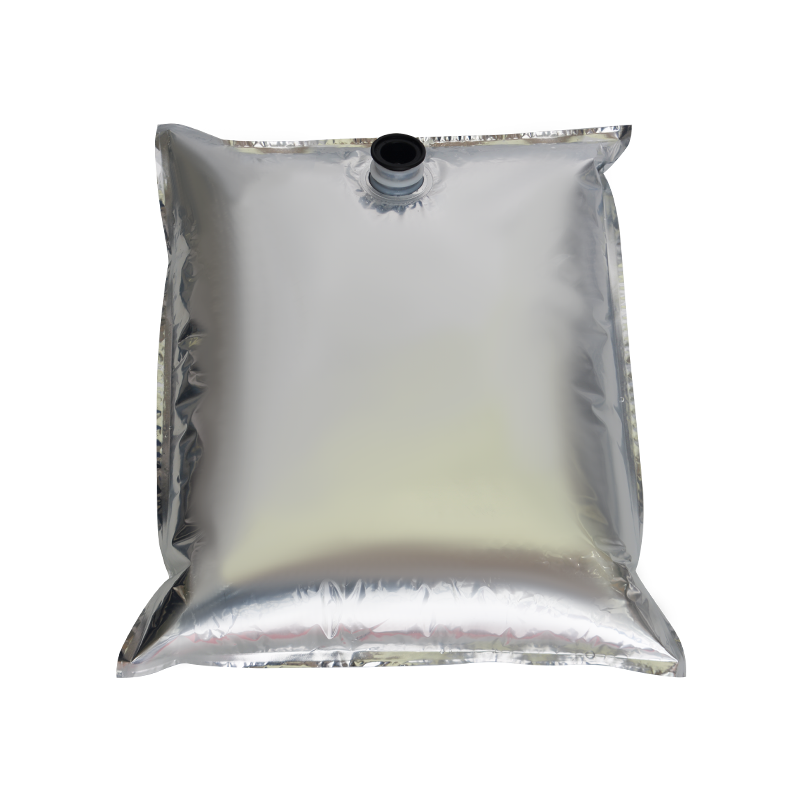
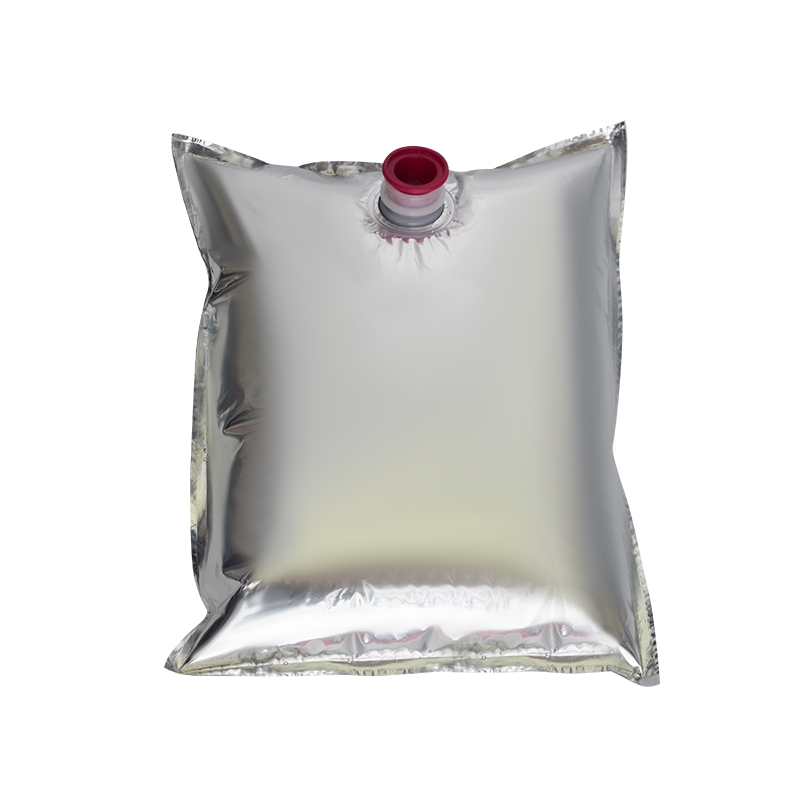
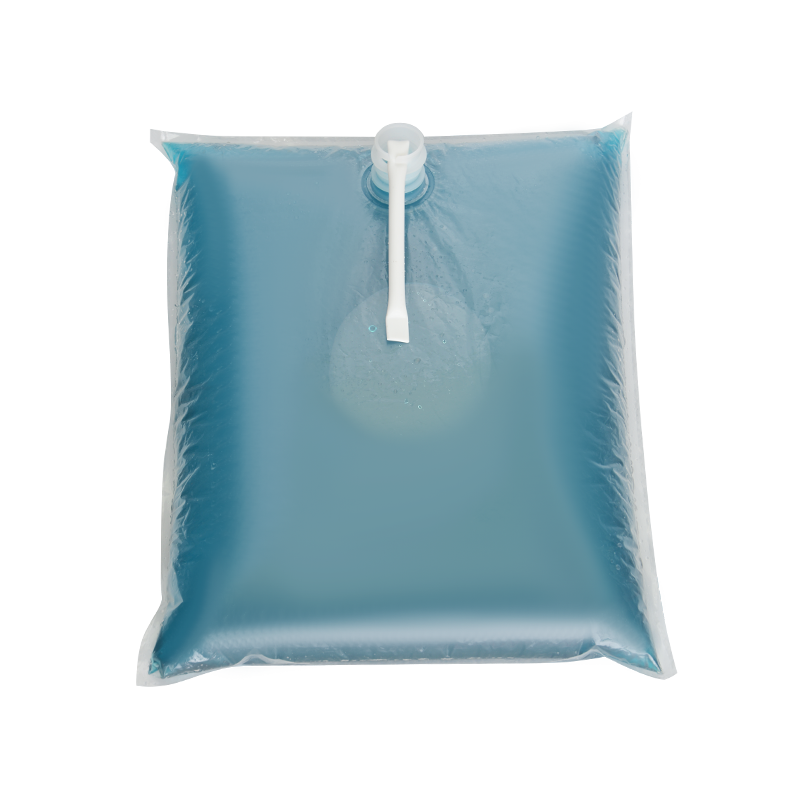
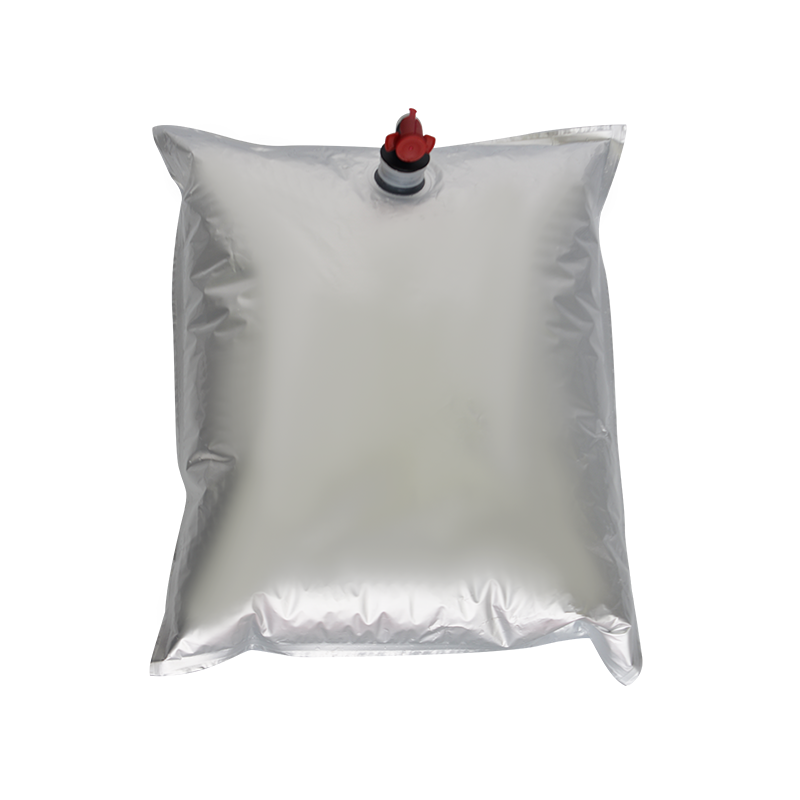
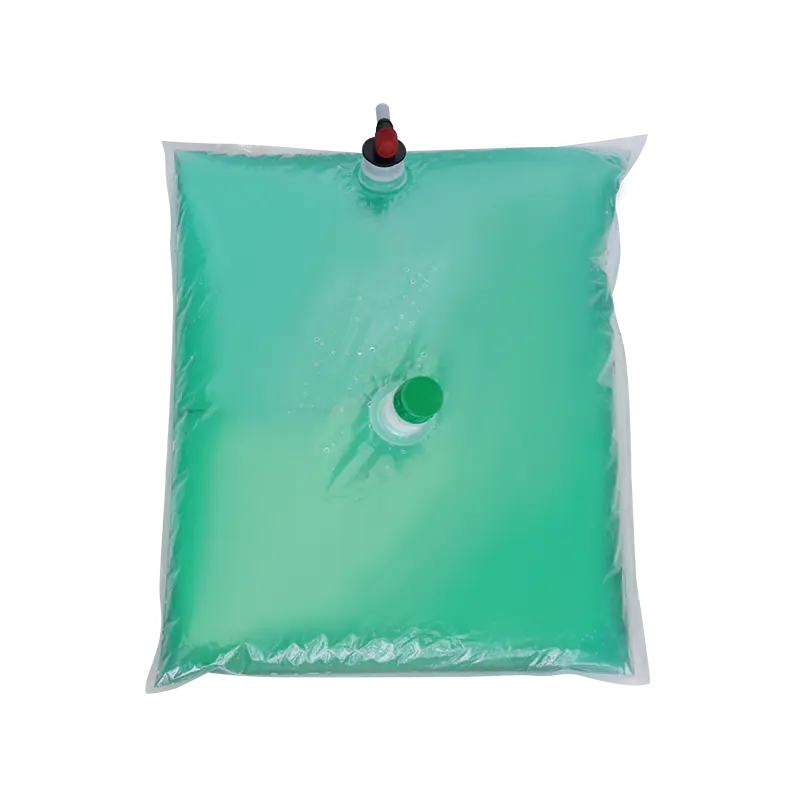
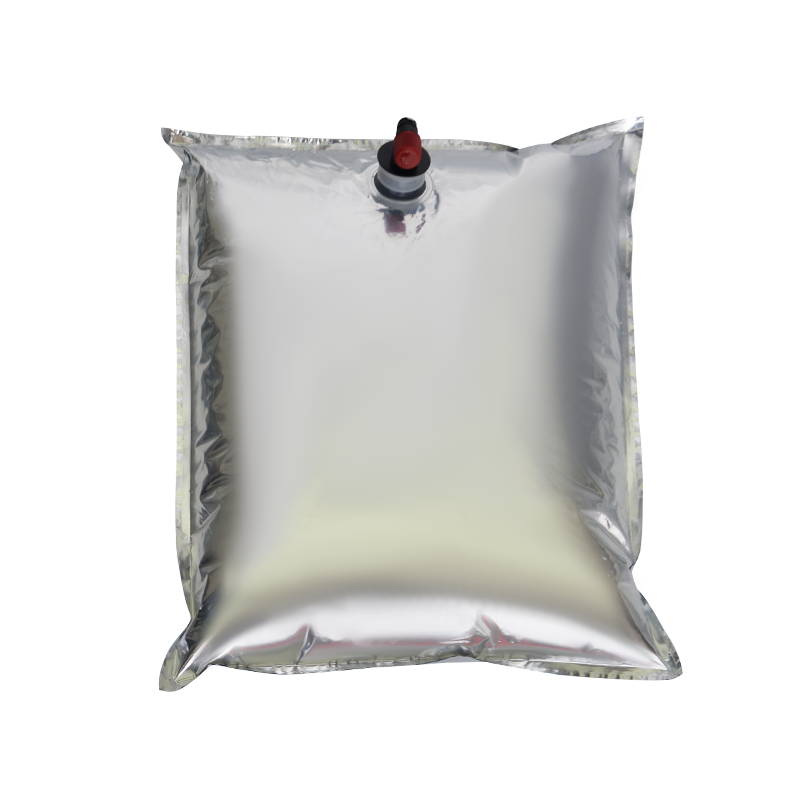


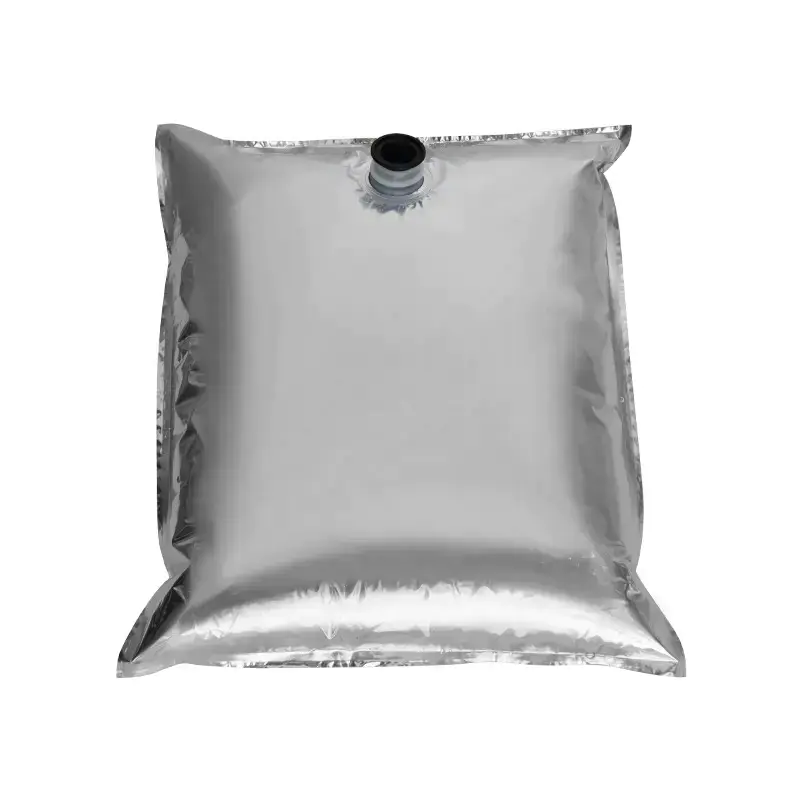
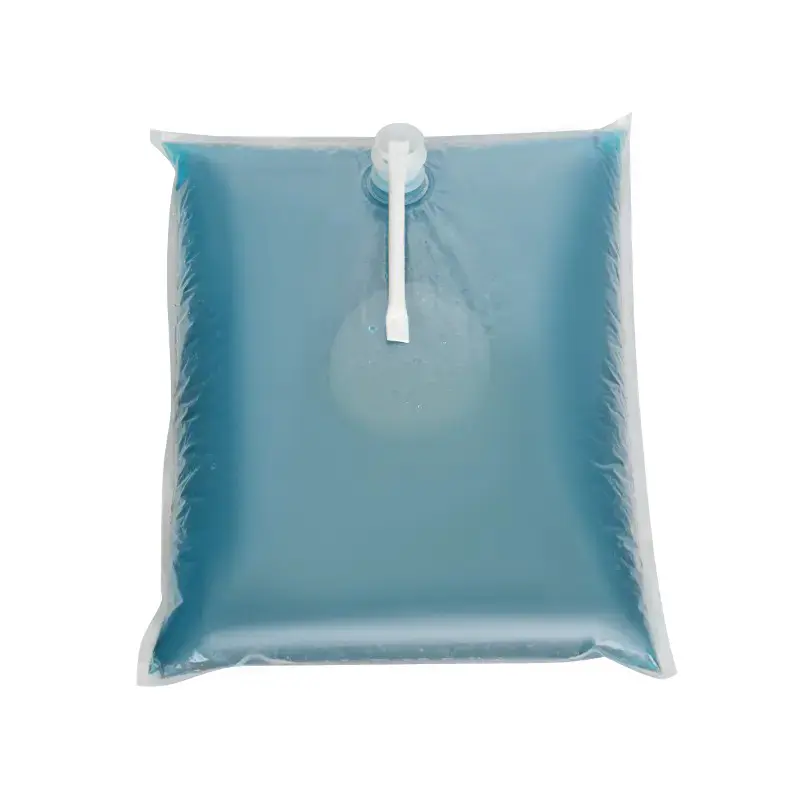
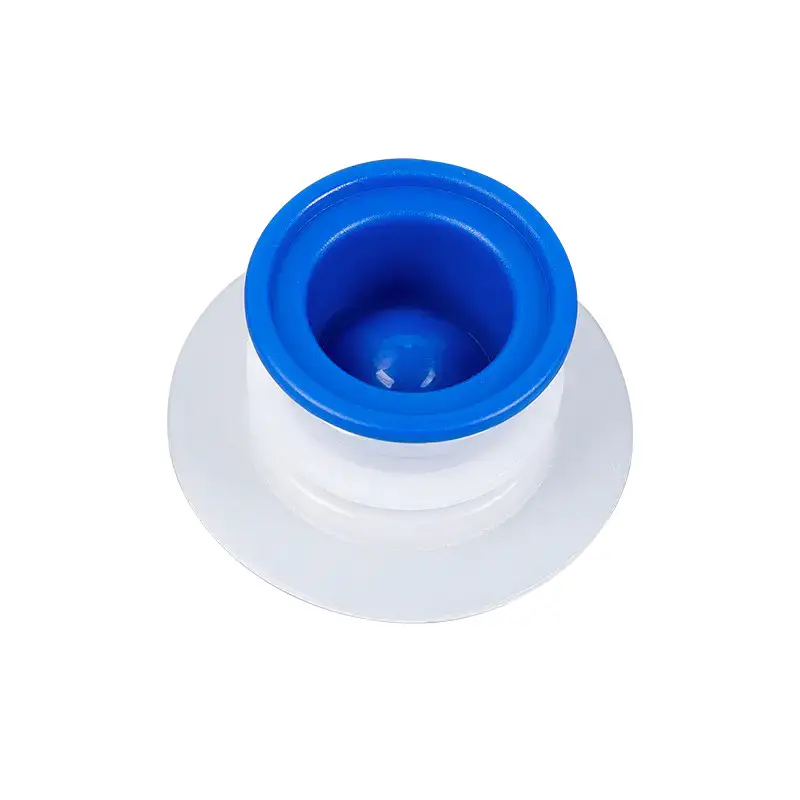

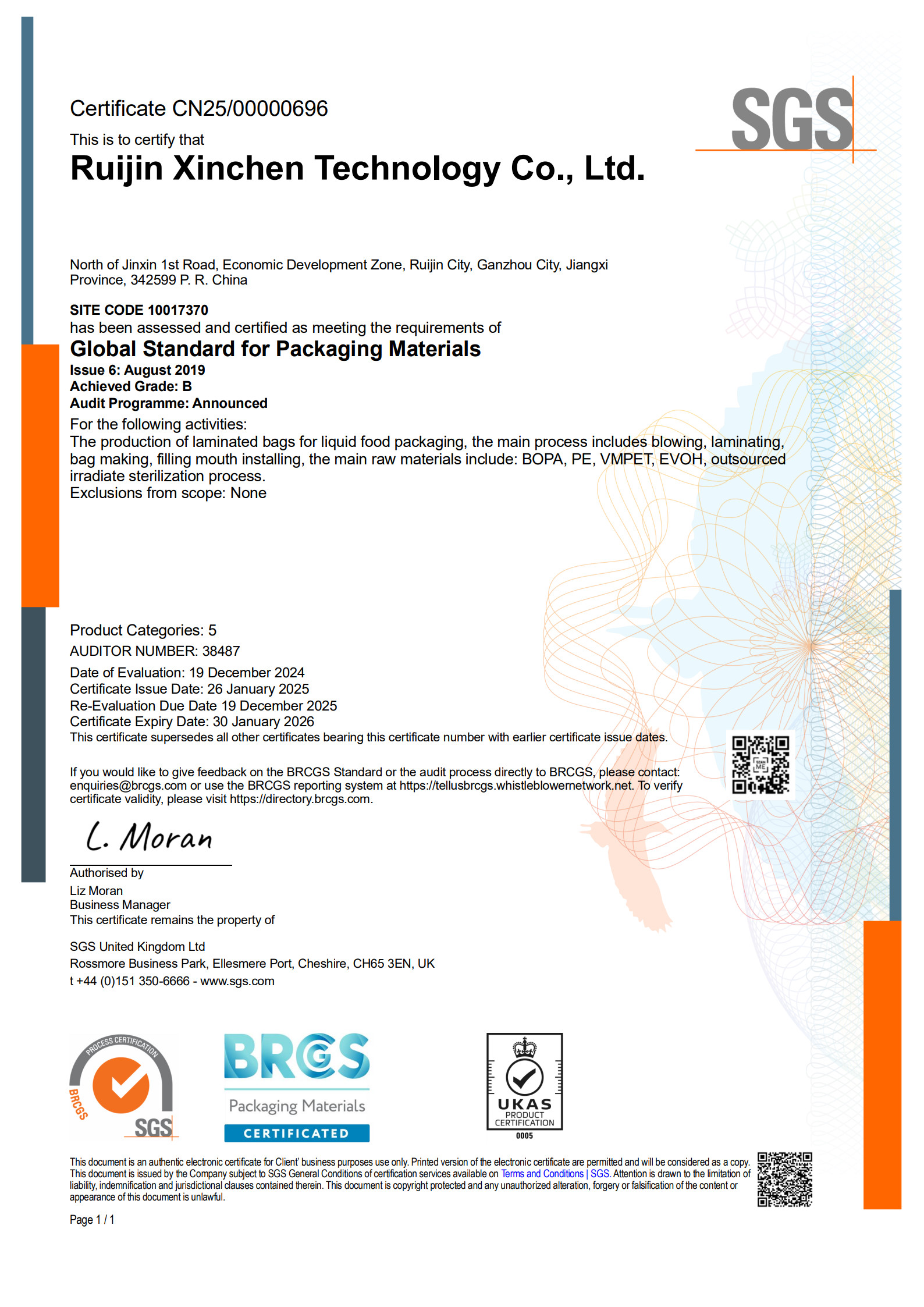

Soft liquid packaging bags represent the optimal choice for modern liquid containment, offering unparalleled efficiency, sustainability, and versatility across various industries. By utilizing advanced multi-layer films and ergonomic structural designs, these flexible containers significantly reduce transportation weight, minimize storage space, and extend product shelf life. They are not merely an alternative to rigid bottles, but a superior engineered solution that addresses modern logistical challenges and stringent environmental demands.
The Core Advantages of Soft Liquid Packaging Bags
The transition from rigid to flexible packaging is driven by substantial operational benefits. Soft liquid packaging bags are constructed from lightweight polymer films, which inherently weigh a fraction of traditional glass or rigid plastic containers. This weight reduction translates directly into lower transportation costs and reduced carbon emissions during transit.
- Space Optimization: Before filling, these bags can be stored flat or on rolls, requiring minimal warehouse space compared to empty rigid containers.
- High Product-to-Package Ratio: The flexible nature allows the package to conform to the liquid volume, minimizing the presence of empty air and reducing the need for excessive void fill materials.
- Shelf Stability: Advanced barrier films protect the liquid from oxygen, moisture, and light, ensuring product integrity without the need for refrigeration.
In commercial logistics, the efficiency of soft liquid packaging is unparalleled. A significant majority of transportation costs are directly mitigated by the reduced tare weight and increased payload capacity offered by these flexible solutions. The ability to ship more product per truckload fundamentally alters the economics of liquid distribution.
Material Innovations and Barrier Properties
The functionality of soft liquid packaging relies heavily on multi-layer film technology. These layers are co-extruded or laminated together, with each specific polymer performing a distinct role to ensure the package's structural integrity and barrier performance.
Functional Layer Breakdown
Modern soft liquid bags typically consist of an outer layer for printability and puncture resistance, a middle barrier layer to prevent gas transmission, and an inner sealant layer compatible with the liquid product.
| Material Layer | Primary Function | Performance Characteristic |
|---|---|---|
| PET / BOPA (Outer) | Mechanical strength and print surface | High tensile strength and visual appeal |
| Aluminum Foil / EVOH (Middle) | Oxygen and moisture barrier | Near-zero gas transmission rate |
| LLDPE / LDPE (Inner) | Product compatibility and heat sealing | Strong seal integrity and flexibility |
The synergy of these materials ensures that sensitive liquids, such as juices or industrial chemicals, remain uncontaminated and stable. The barrier properties are highly customizable, allowing manufacturers to tailor the packaging to the specific degradation mechanisms of their product.
Structural Designs and Functional Features
Soft liquid packaging bags are engineered with specific structural features to enhance user convenience and accommodate diverse liquid viscosities. The design is not merely aesthetic; it dictates how the product is dispensed and stored.
Common Pouch Configurations
- Spouted Pouches: Equipped with a molded cap and spout, these are ideal for controlled pouring of beverages and liquid foods.
- Stand-Up Pouches: Designed with a bottom gusset that allows the bag to stand upright on retail shelves, maximizing visual presence.
- Bag-in-Box Systems: A flexible inner bag housed within a rigid corrugated box, designed for bulk liquid dispensing.
These structural designs significantly improve the user experience by providing ergonomic handling and precise dispensing. The integration of resealable spouts ensures that the product remains fresh after the initial opening, which is a critical feature for consumer acceptance in the food and beverage sector.
Sustainability and Environmental Impact
The environmental footprint of packaging is a critical consideration. Soft liquid packaging bags inherently offer a superior sustainability profile compared to rigid alternatives due to source reduction. By using less material to package the same volume of liquid, the overall waste generated is significantly decreased.
Advancing Towards Circularity
The flexible packaging industry is actively addressing end-of-life challenges. Innovations in material science are leading to the development of mono-material structures, which replace complex multi-layer laminates with a single type of polymer, dramatically improving recyclability.
- Source Reduction: Minimizing the raw material input per package immediately lowers the carbon footprint.
- Transportation Efficiency: Lighter loads reduce fossil fuel consumption and greenhouse gas emissions during distribution.
- Material Recovery: The shift towards recyclable mono-material designs supports a circular economy for plastics.
By adopting these sustainable practices, the industry is making significant progress. The overall environmental impact is substantially lower when considering the entire lifecycle from production to disposal, making soft bags a responsible choice for eco-conscious manufacturers.
Key Considerations for Selecting Liquid Packaging
Choosing the appropriate soft liquid packaging bag requires a thorough understanding of the product's specific characteristics and the supply chain requirements. A mismatched packaging system can lead to leaks, product degradation, or increased costs.
Evaluating Product Compatibility
The chemical composition of the liquid dictates the choice of inner sealant layer. For instance, acidic beverages may require a different polymer than neutral solutions, while oils and solvents demand specialized barrier films to prevent permeation or paneling of the package.
- Viscosity: Thicker liquids may require wider spouts or modified dispensing mechanisms.
- Shelf Life Requirements: High-barrier films are necessary for products sensitive to oxidation.
- Filling Method: The bag design must be compatible with the manufacturer's automated filling equipment.
By carefully analyzing these factors, businesses can leverage the full potential of flexible packaging. Strategic selection of packaging materials and structures ultimately protects the product, enhances brand value, and ensures consumer satisfaction.

