
 English
 русский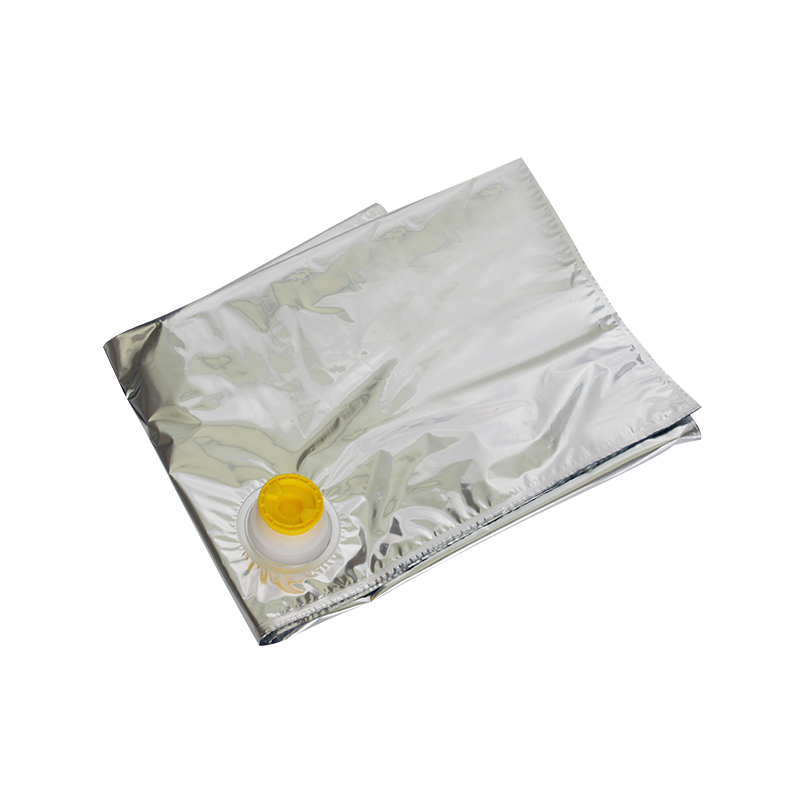
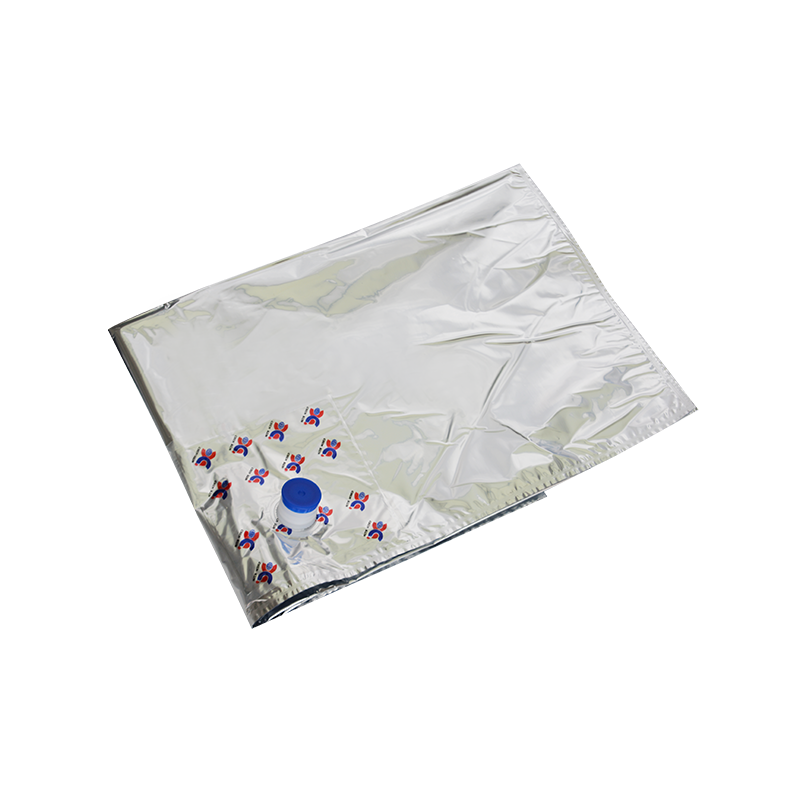
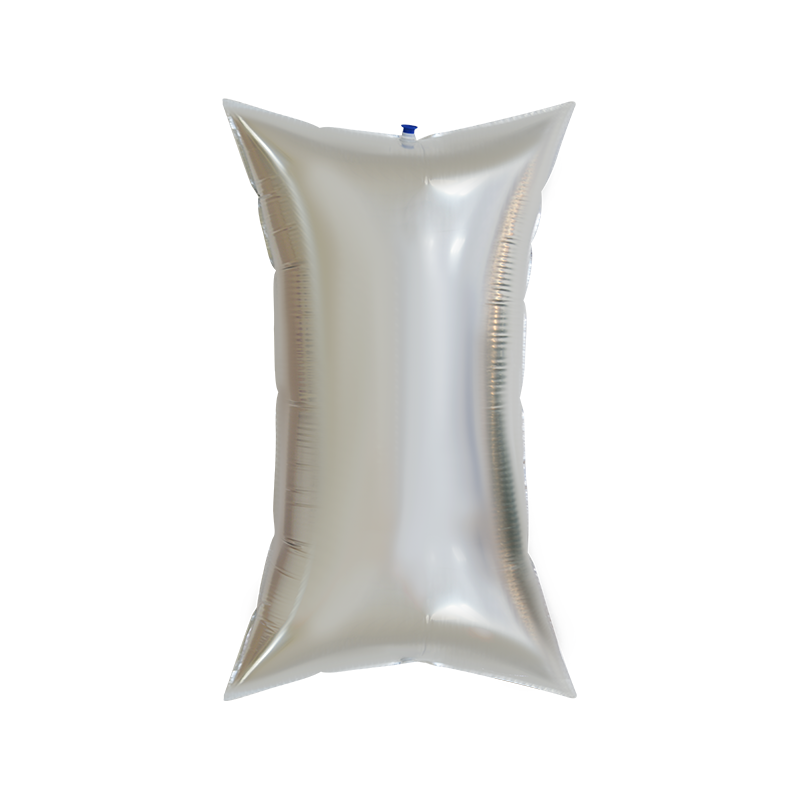
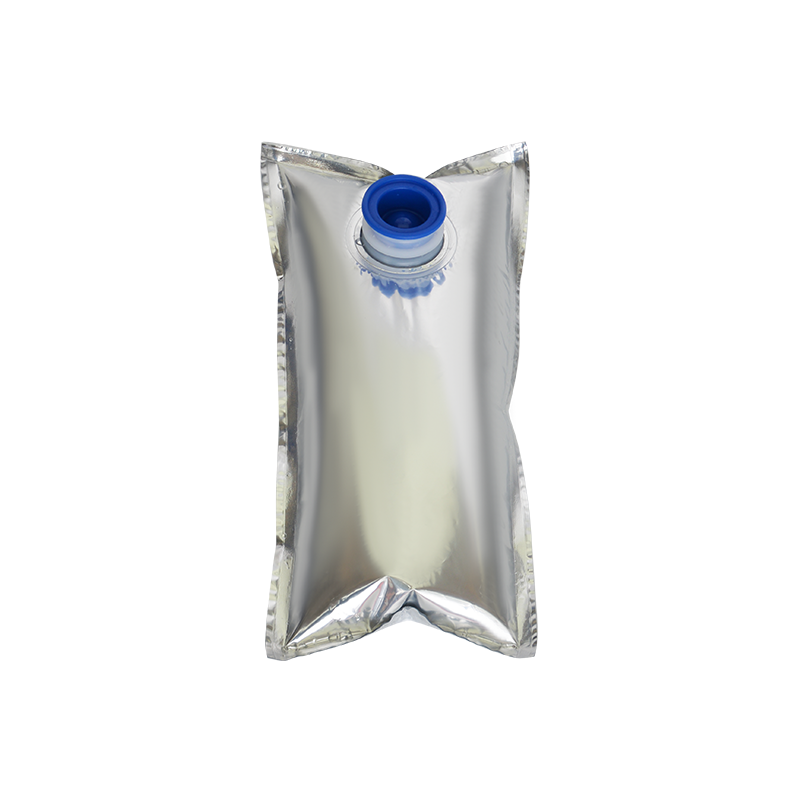
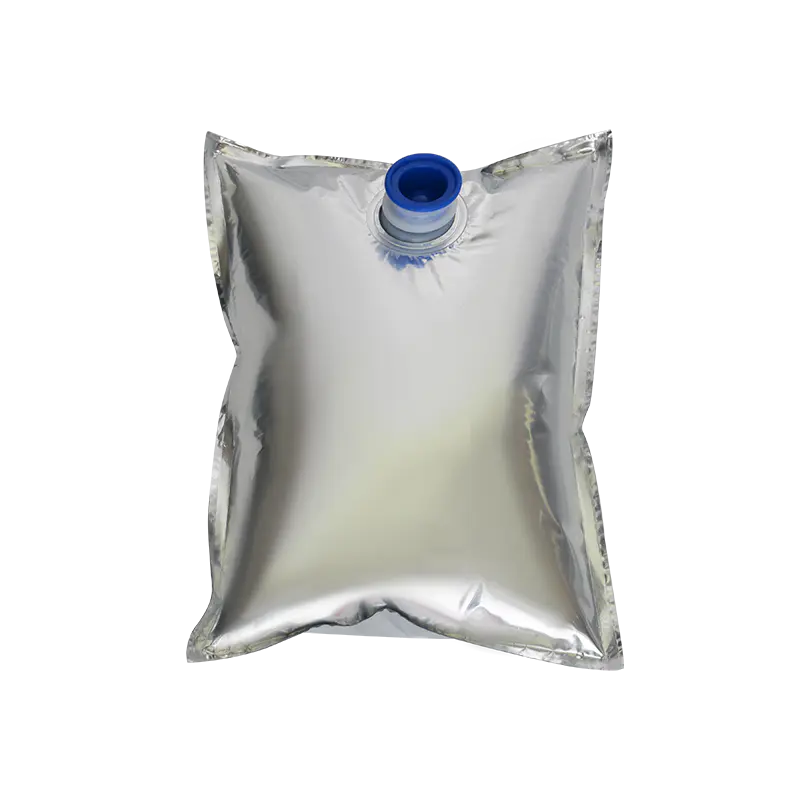
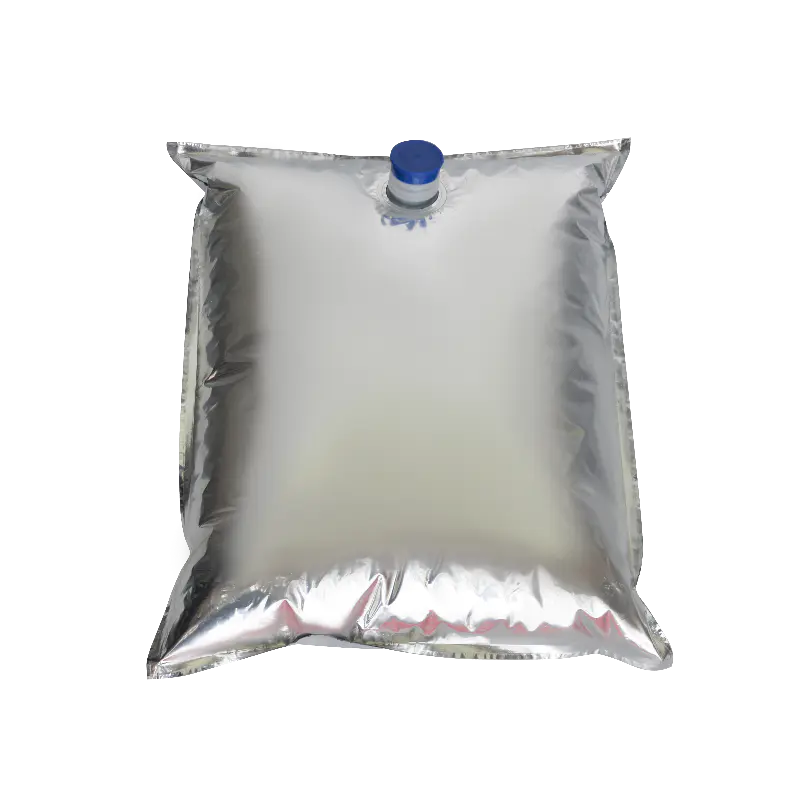
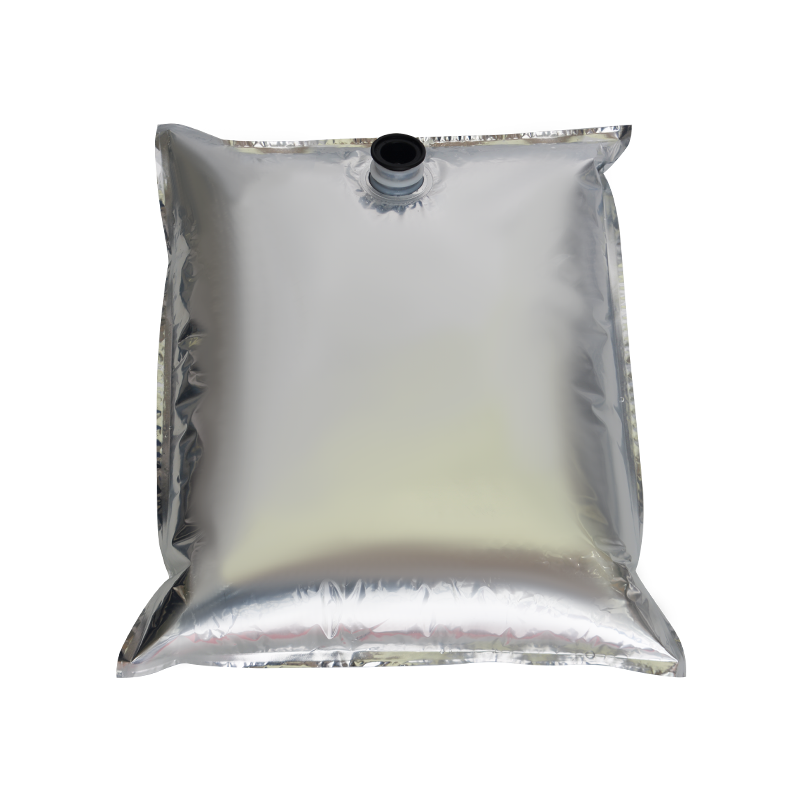
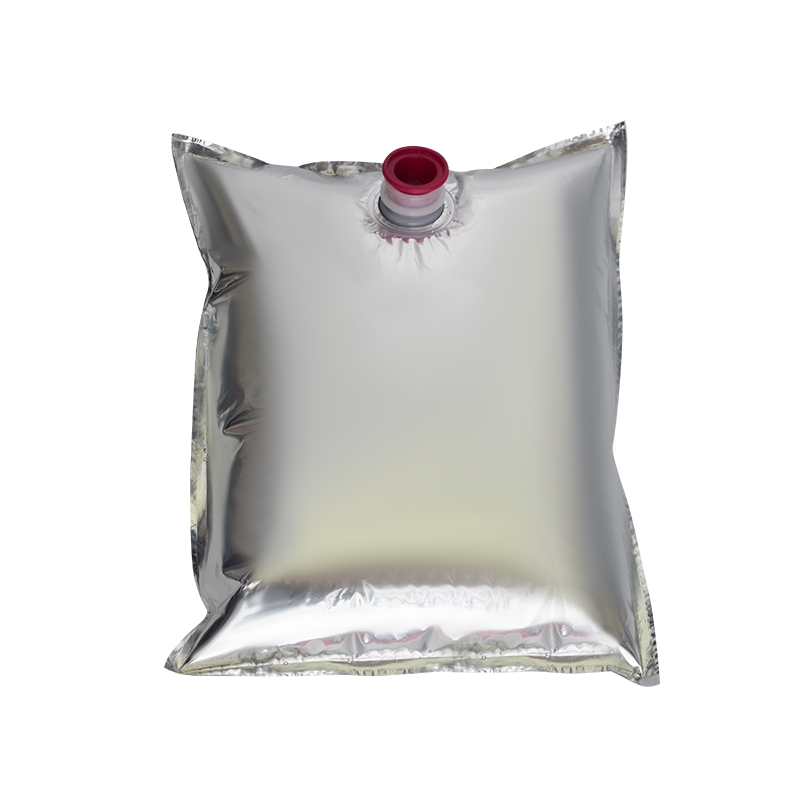

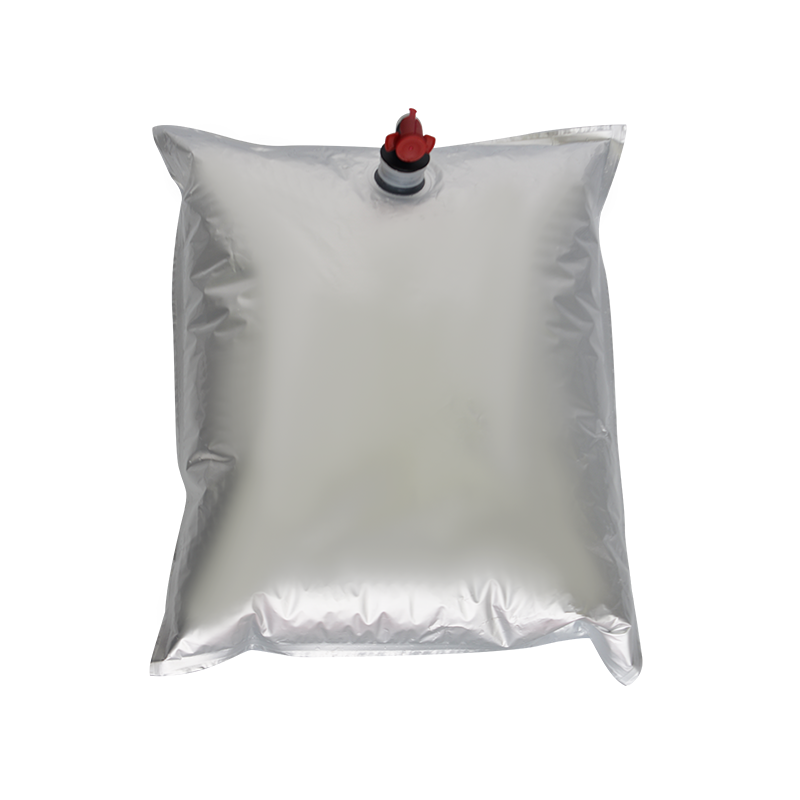
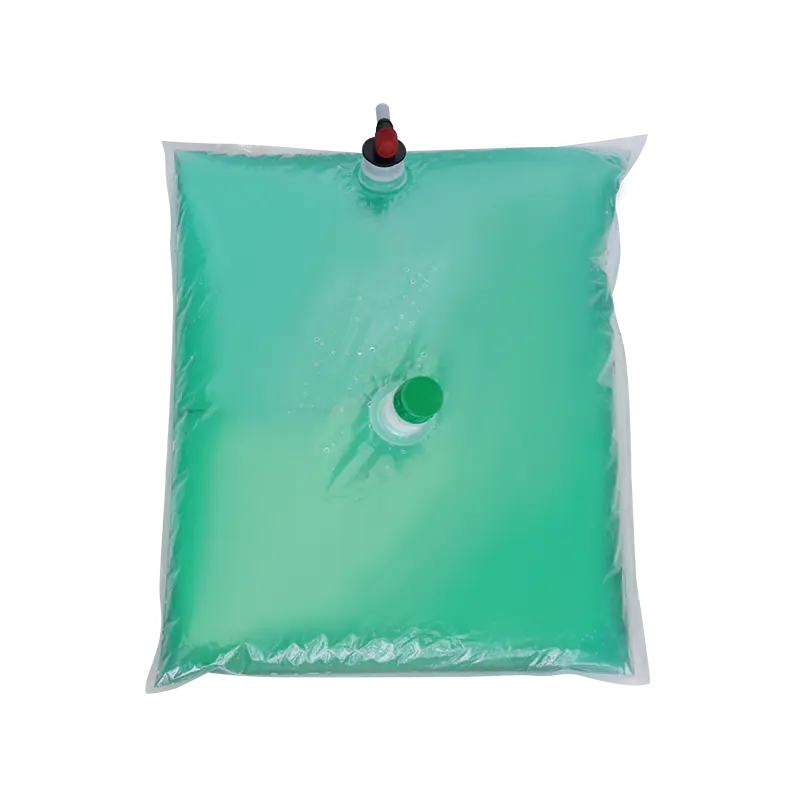
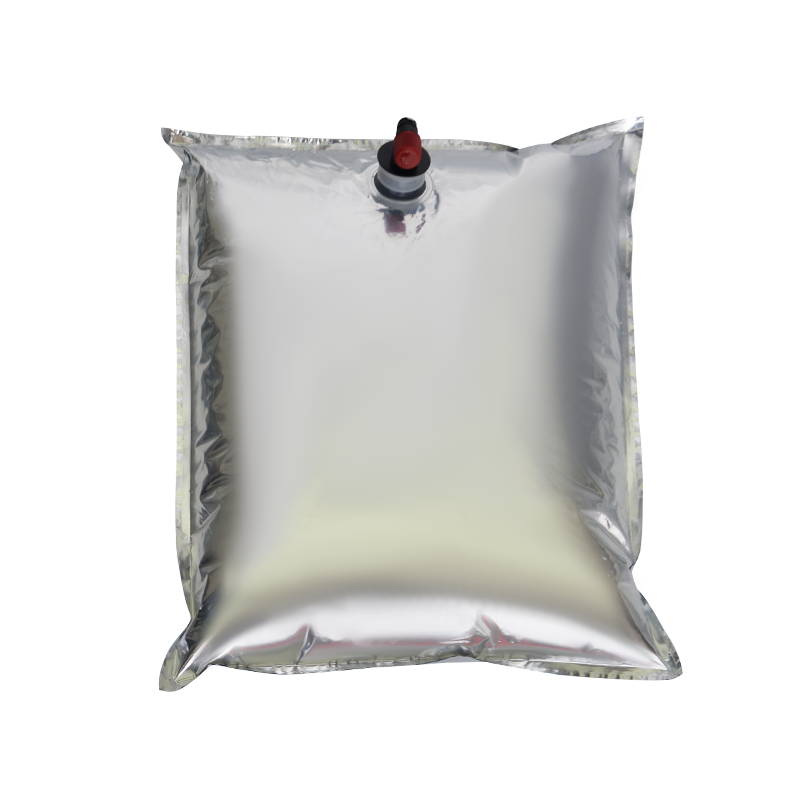


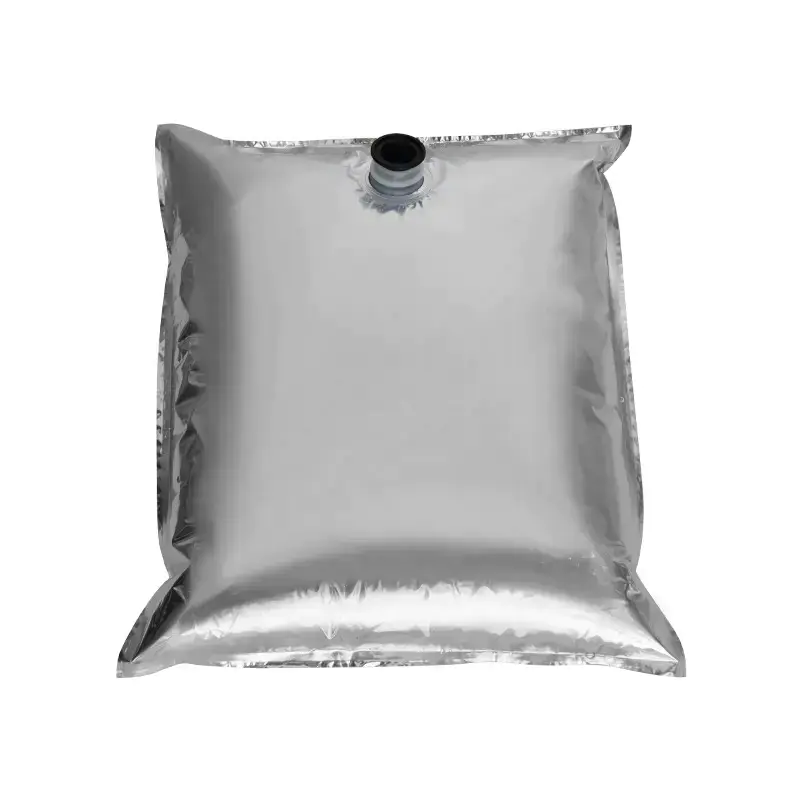



Flexible liquid packaging bags represent a superior solution for modern supply chains, offering a decisive edge over traditional rigid containers like drums and bottles. They provide an optimal balance of logistical efficiency, cost reduction, and product protection. By maximizing shipping volume and minimizing waste disposal costs, these bags have become the preferred choice for industries ranging from food processing to chemical manufacturing. Their ability to adapt to various liquid viscosities while ensuring structural integrity makes them an indispensable asset for bulk liquid handling.
Understanding Flexible Liquid Packaging Technology
To fully appreciate the value of this packaging format, one must understand its construction. Unlike standard plastic bottles, flexible liquid packaging bags are typically constructed from multi-layered laminates. These layers often consist of polyethylene for inner strength and barrier layers to protect against moisture, oxygen, and light. This engineering creates a robust vessel capable of holding hundreds of liters of liquid without leaking or rupturing.
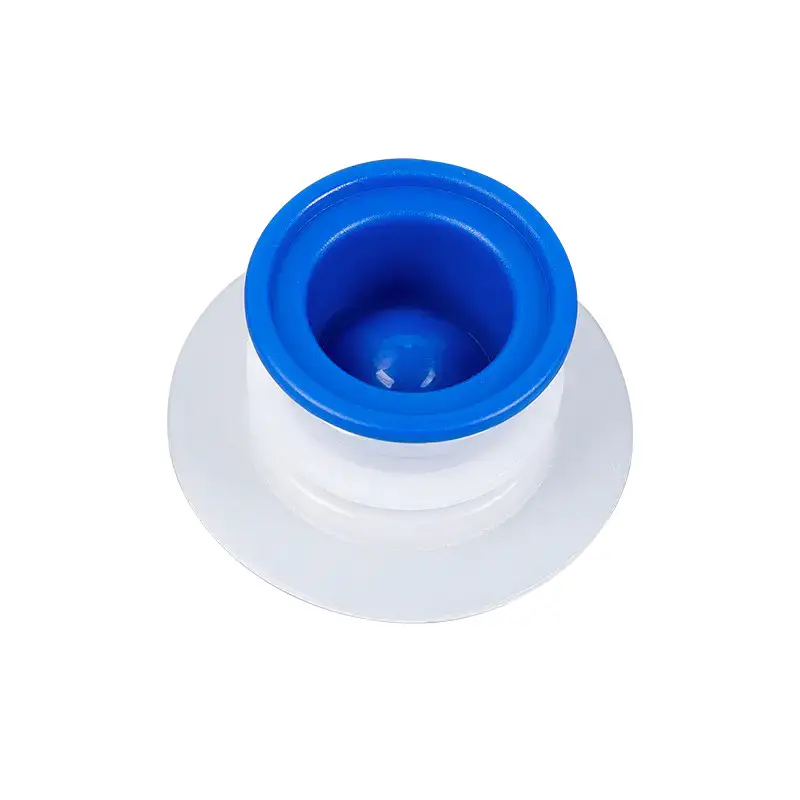
The design is often referred to as a "bag-in-box" system or an Intermediate Bulk Container (IBC) liner. The principle is simple yet effective: the flexible bag acts as the primary container for the liquid, while an external box, crate, or metal cage provides the structural support for stacking and handling. This separation of duties allows the bag to be incredibly thin and lightweight, yet strong enough to handle heavy loads. Furthermore, the design often incorporates specialized filling and discharge fittings, such as butterfly valves or screw caps, which facilitate easy integration into automated production lines and ensure hygienic emptying by end-users.
Maximizing Logistics and Cost Efficiency
One of the most compelling reasons to switch to flexible liquid packaging is the dramatic improvement in logistics efficiency. Rigid containers have a fixed shape and volume, meaning they take up the same amount of space whether they are full or empty. This inherent inefficiency leads to high transportation costs during the return journey of empty containers.
In contrast, flexible bags are shipped flat or on rolls. A truck that can carry only a few hundred empty rigid drums can transport thousands of flat flexible bags. This reduction in weight and volume translates directly into lower freight costs and a smaller carbon footprint. Additionally, the "cubing efficiency" of flexible bags is superior. When placed inside a rectangular outer box, they fill the corners and edges of the container more effectively than cylindrical drums, which leave wasted space between them.
Comparative Shipping Efficiency
| Feature | Rigid Drums/Bottles | Flexible Liquid Bags |
|---|---|---|
| Empty Transport Volume | High | Extremely Low |
| Weight of Packaging | Heavy | Lightweight |
| Space Utilization | Gaps between containers | Fills corners of outer box |
| Disposal Cost | Expensive collection required | Low volume waste |
Product Protection and Extended Shelf Life
While cost savings are a major driver, product safety remains the paramount concern for liquid manufacturers. Flexible liquid packaging bags offer exceptional protection that can extend the shelf life of sensitive liquids. The multi-layer film construction acts as a formidable barrier against external contaminants.
Barrier Properties
For products sensitive to oxygen or ultraviolet light, specialized barrier films are utilized. These films prevent oxidation, which is the primary cause of spoilage for many food and beverage products. By blocking UV light, the packaging protects the organoleptic properties of the liquid—ensuring that color, flavor, and aroma remain intact throughout the distribution cycle.
Hygiene and Contamination Control
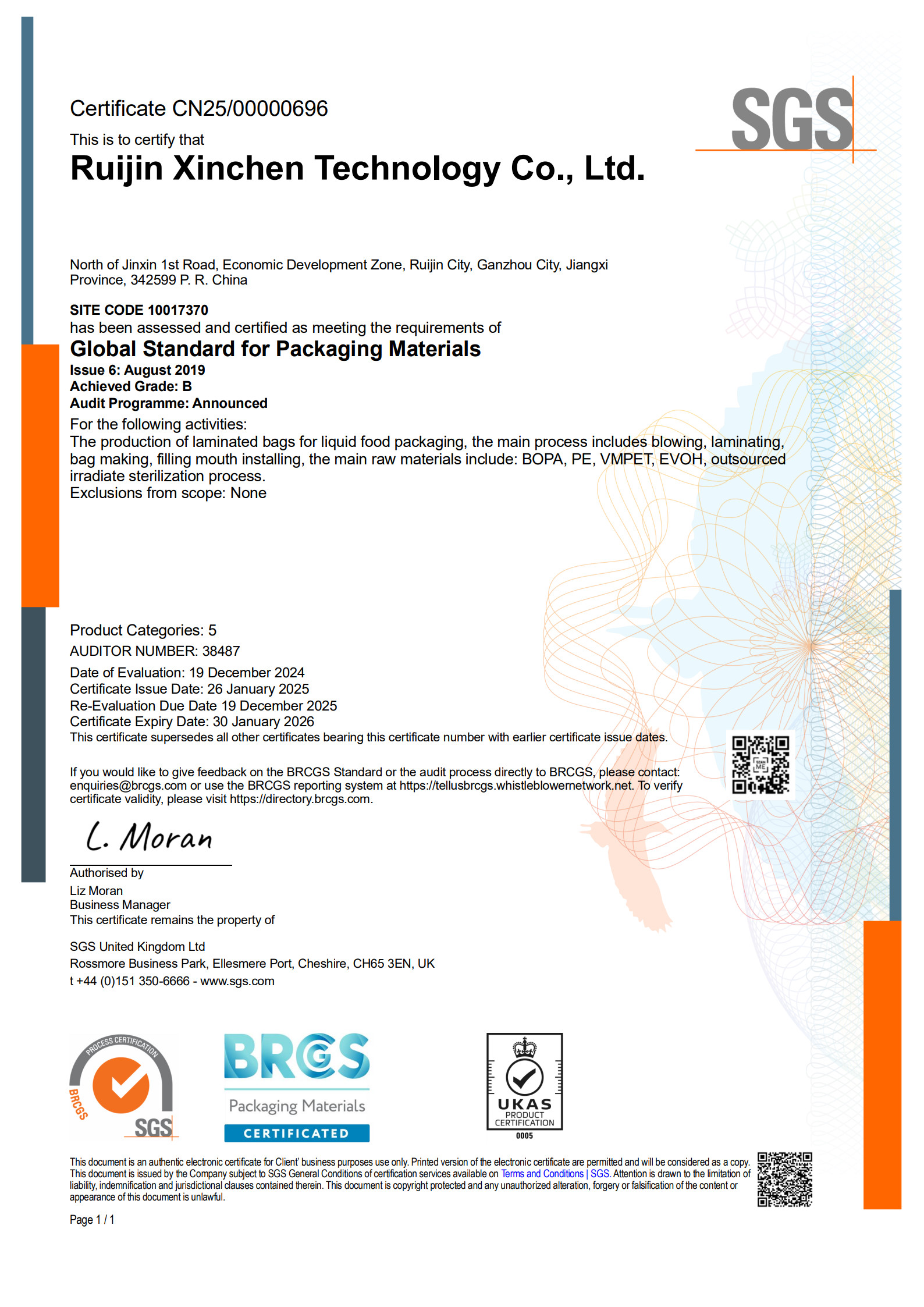
Flexible bags are often manufactured in clean-room environments and sterilized before filling. Because they are single-use containers, they eliminate the risk of cross-contamination that exists with reusable rigid containers that require washing. The single-use nature ensures a sterile environment for every new batch of liquid. Furthermore, the closed-system filling and dispensing mechanisms prevent airborne bacteria or dirt from entering the liquid during storage or when the product is being tapped for use.
Versatility Across Diverse Industries
The adaptability of flexible liquid packaging allows it to serve a wide spectrum of market sectors. The material composition can be adjusted to suit the specific chemical nature of the liquid being packed, ensuring compatibility and safety.
- Food and Beverage Industry: This is the largest sector for flexible bags. They are widely used for wine, cider, juices, dairy products, edible oils, and liquid eggs. The ability to preserve flavor without tainting the product is critical here.
- Chemical and Industrial Sector: For non-hazardous chemicals, detergents, lubricants, and liquid fertilizers, these bags offer a safe and leak-proof solution. Heavy-duty films are used to withstand the corrosive nature of these substances.
- Pharmaceutical and Cosmetics: High-purity films are used for liquid pharmaceuticals, syrups, and cosmetic bases. The packaging must meet stringent regulatory standards for safety and material leaching.
This versatility is further enhanced by the availability of various sizes. From small retail-sized bags for consumer juices to massive 1000-liter liners for industrial bulk transport, the technology scales to fit the user's needs perfectly.
Sustainability and Environmental Impact
In the current market environment, sustainability is no longer an option but a requirement. Flexible liquid packaging bags offer several environmental advantages over rigid alternatives, although they also present specific challenges regarding recycling.
Reduction in Material Usage
The most significant environmental benefit is the reduction in plastic usage. Because the outer box provides the structural strength, the plastic bag itself requires very little material compared to a rigid drum that must be thick enough to withstand stacking pressure. This means less raw material is consumed in the manufacturing process.
Lower Carbon Footprint
Due to their lightweight nature, transporting products in flexible bags requires less fuel. Studies have shown that shipping liquids in flexible packaging can significantly reduce greenhouse gas emissions compared to shipping the same volume in heavy glass or rigid plastic containers.
Waste Management Considerations
While the bags are efficient, the multi-layer films used for barrier properties can be difficult to recycle in standard municipal facilities. However, because they collapse completely when empty, they occupy minimal space in landfills compared to rigid containers. Advancements in mono-material films are currently being explored to improve the recyclability of these bags, aligning them better with circular economy goals.
Key Considerations for Selection and Implementation
Choosing the right flexible liquid packaging bag requires careful consideration of several technical factors. A mismatch between the bag material and the liquid product can lead to failures, resulting in costly product loss.
- Chemical Compatibility: Ensure the film material is chemically resistant to the liquid. Acidic liquids like tomato paste require different films than high-alcohol beverages or solvent-based chemicals.
- Barrier Requirements: Determine if the product needs high oxygen barrier protection. For short-shelf-life products, standard films may suffice, whereas long-storage liquids require metallized or high-barrier laminates.
- Filling Equipment: The chosen bag must be compatible with existing filling machinery. Fitting types (such as glanded fittings or simple spouts) and bag dimensions must match the line specifications.
- Discharge Method: Consider how the end-user will empty the bag. High-viscosity liquids like honey or sauces may require bags with wider discharge valves to facilitate gravity flow or pumping.
By addressing these factors during the procurement phase, manufacturers can ensure a seamless transition to flexible packaging and maximize the return on their investment.

