
 English
 русский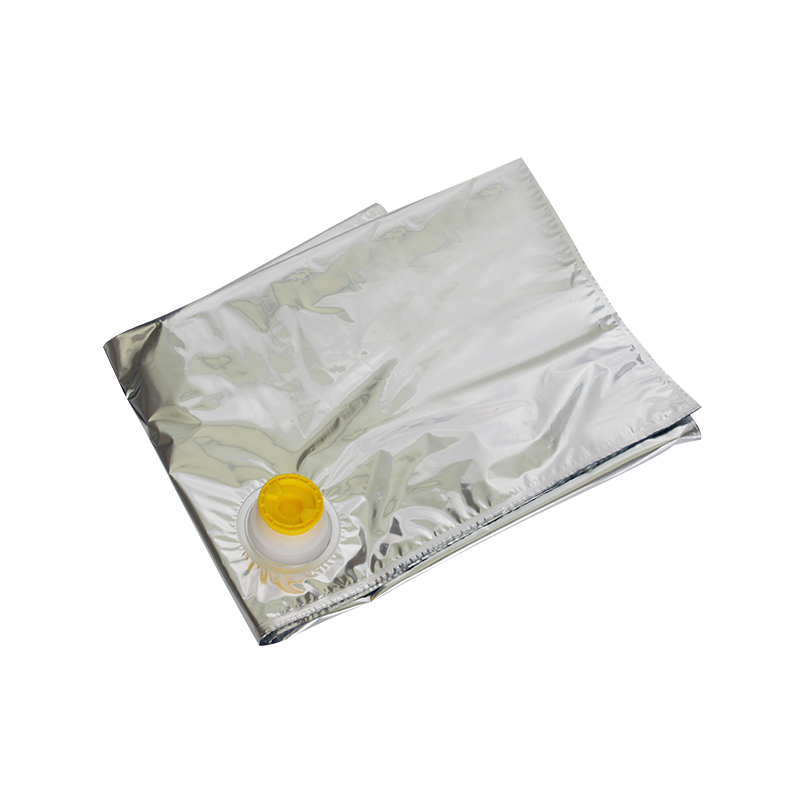

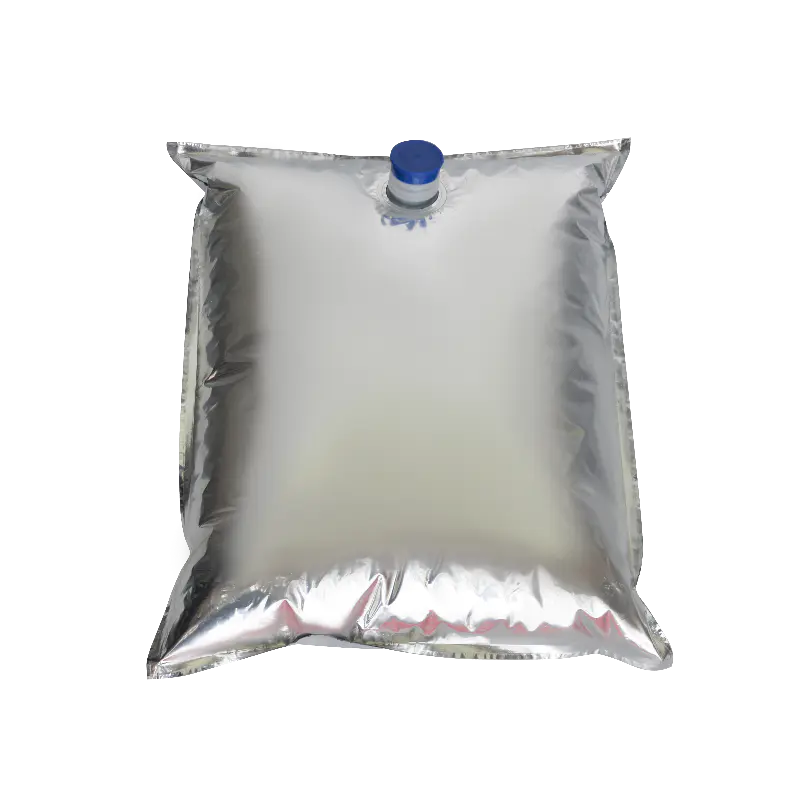
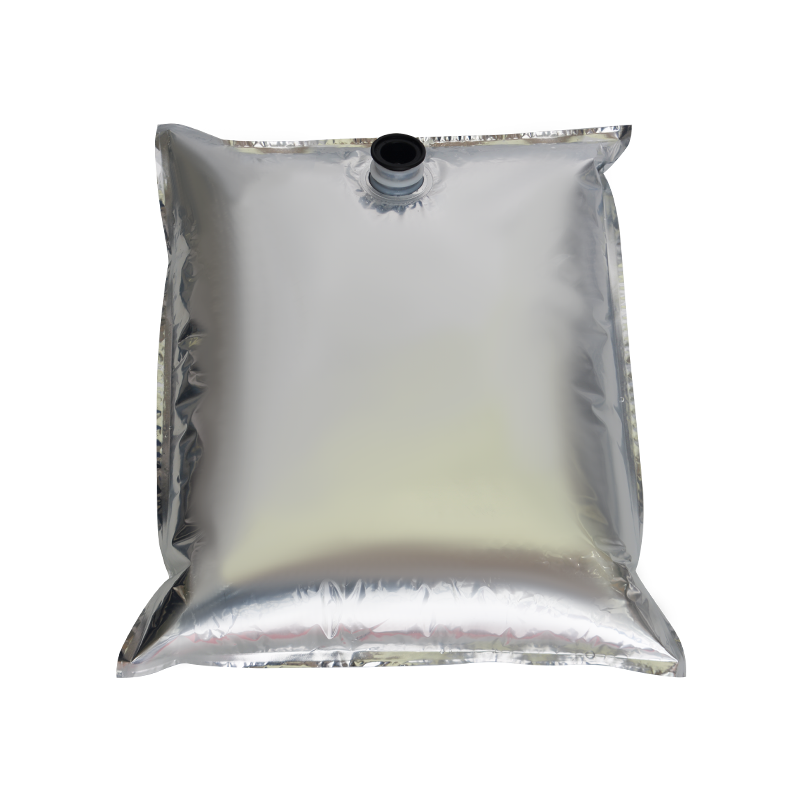
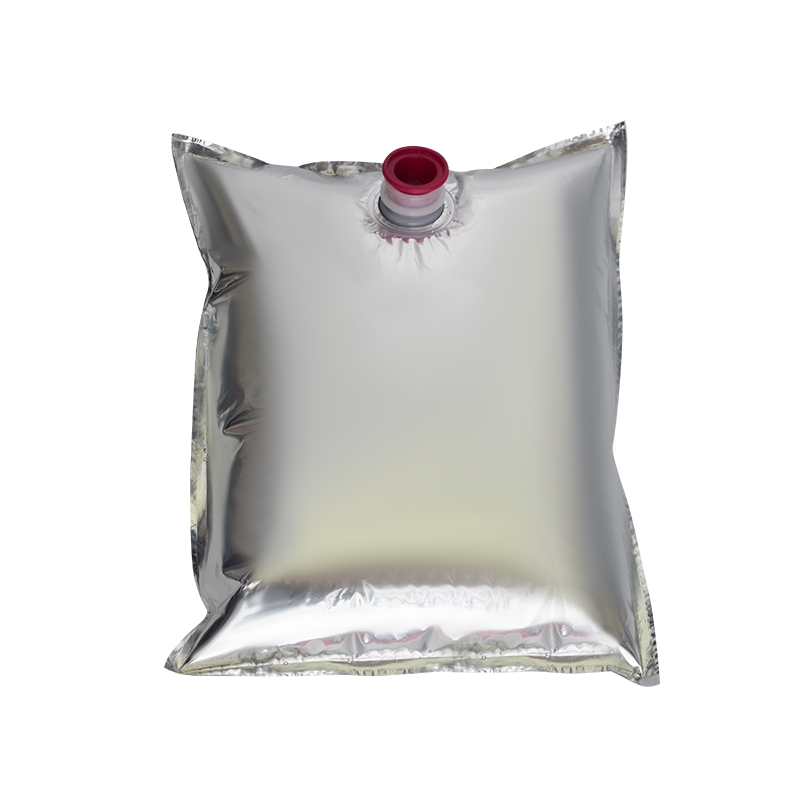

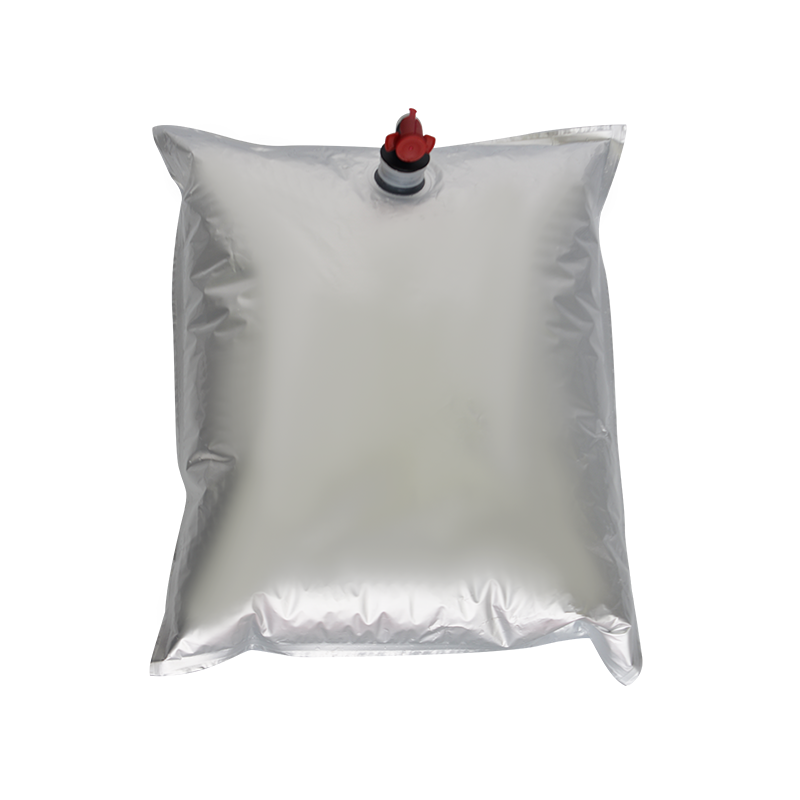

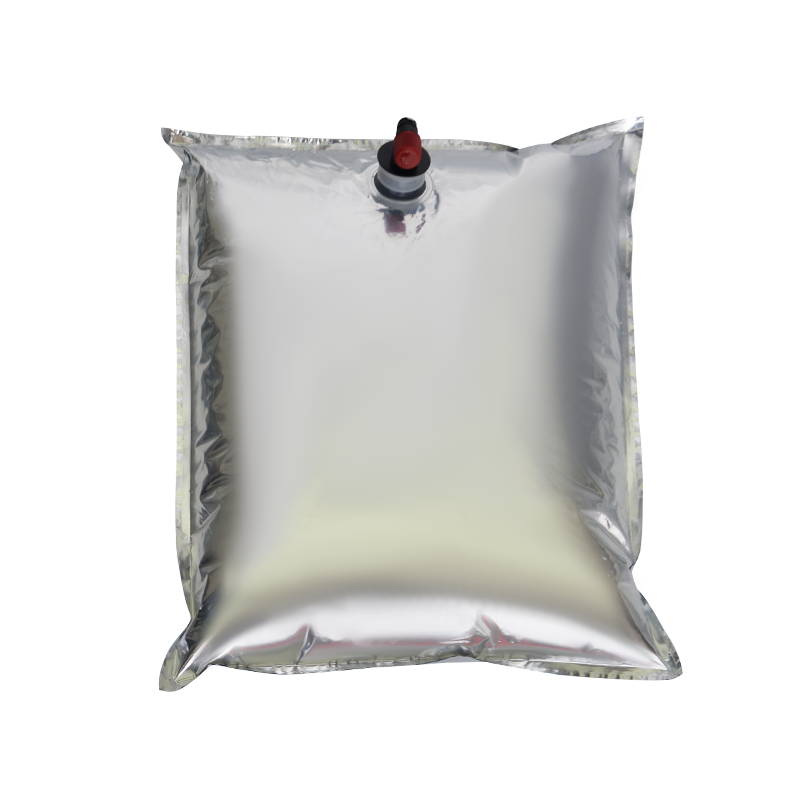


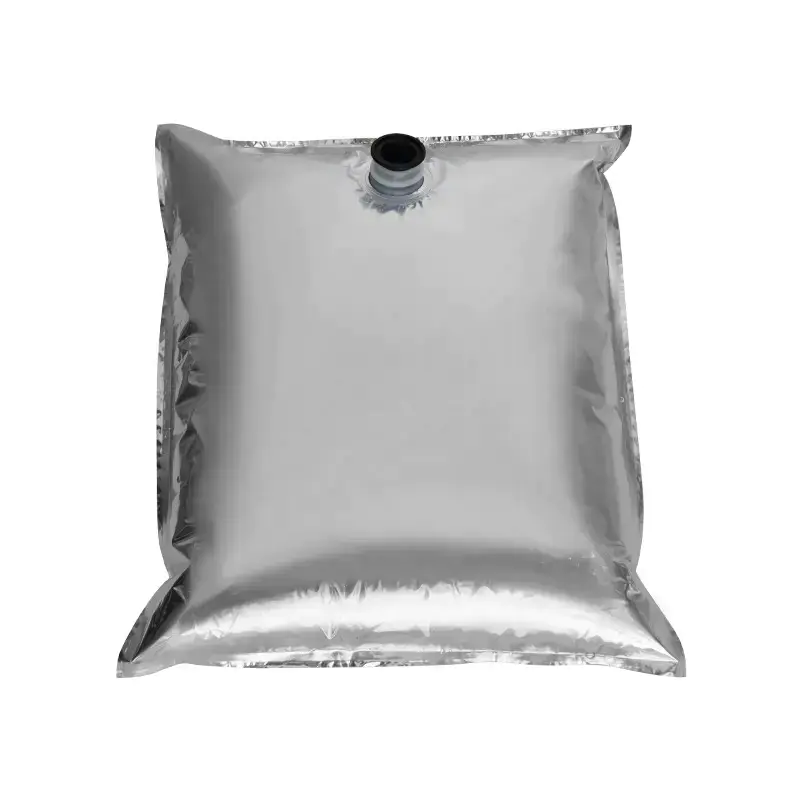




The packaging industry is undergoing a shift towards more sustainable, cost-effective, and user-friendly solutions. Among the most innovative packaging solutions is the Bag In Box system, which is gaining traction across a variety of industries. This article explores the design principles behind Bag In Box packaging and how it addresses the diverse needs of different markets, from food packaging to logistics and environmental sustainability.
1. Bag In Box Packaging Advantages
1.1 What is Bag In Box?
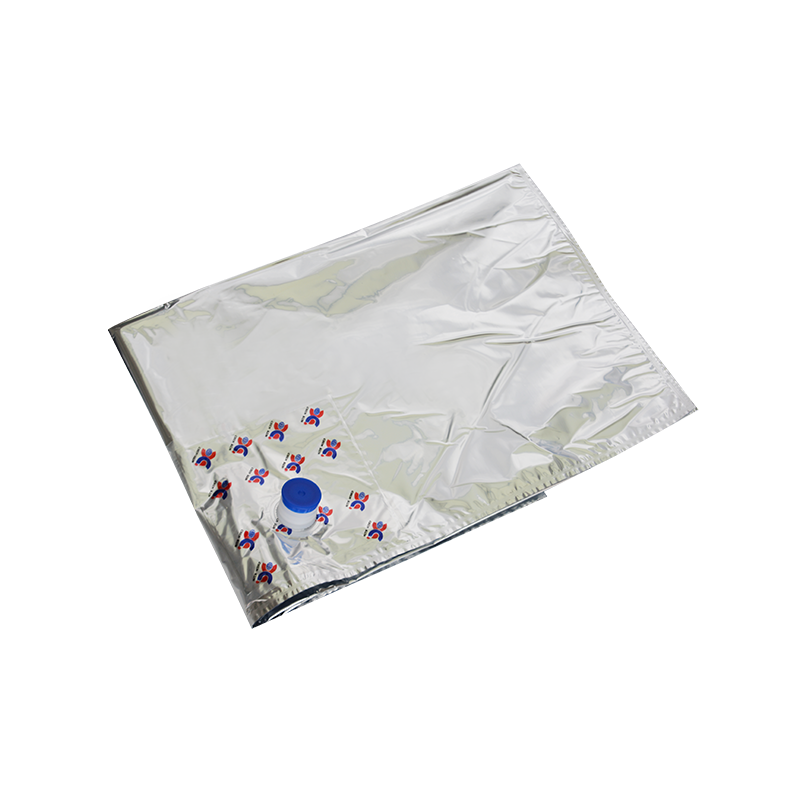
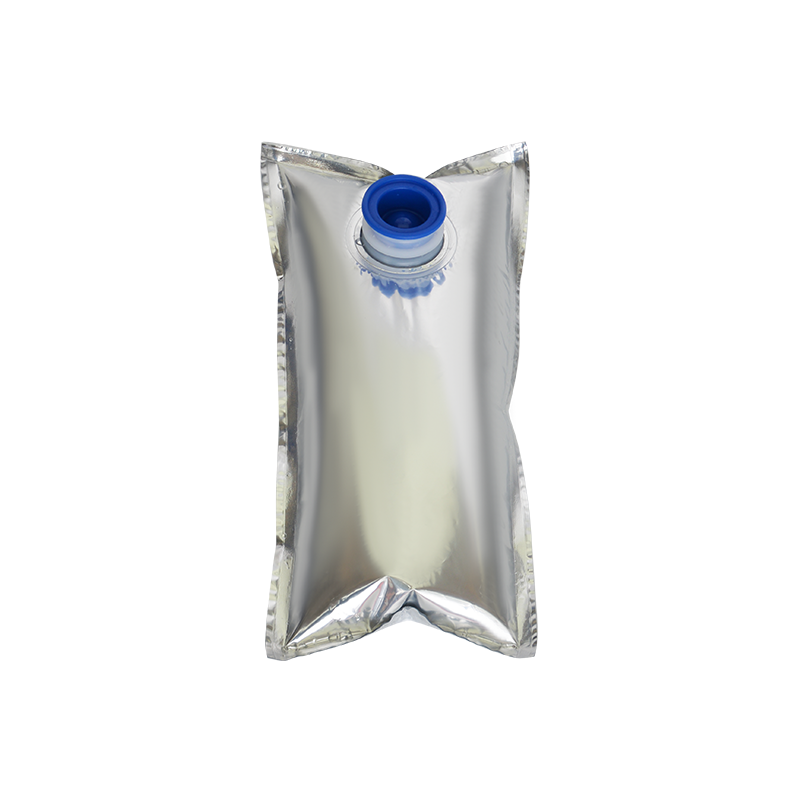
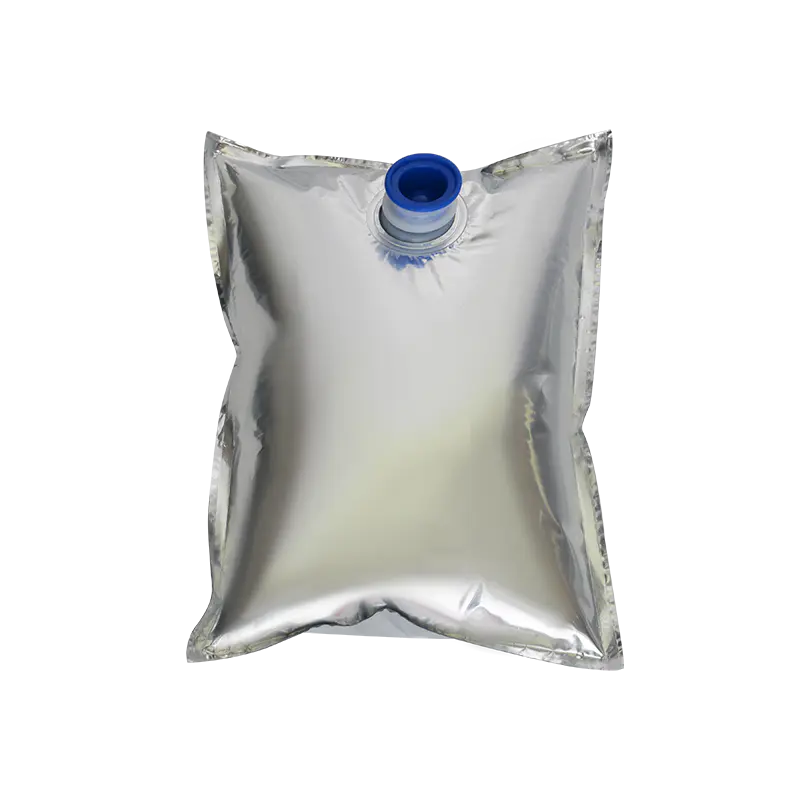
Bag In Box refers to a packaging system that consists of a flexible inner bag (usually made of plastic) placed inside a protective outer cardboard box. This design combines the benefits of flexible packaging with the strength and durability of box packaging.
1.2 Key Advantages of Bag In Box Packaging
- Cost Efficiency: Compared to traditional bottle and can packaging, Bag In Box is more affordable due to lower material and production costs.
- Space Saving: The design allows for better stacking and storage efficiency, reducing space waste during transportation.
- User Convenience: The packaging is easy to handle, pour from, and dispose of, making it a consumer-friendly option.
1.3 Market Applications
Bag In Box is widely used in various industries such as beverages, liquid foods, and even some solid products. For instance, it is commonly used for packaging wines, juices, and syrups, as well as condiments and sauces.
2. Bag In Box as an Eco-Friendly Packaging Solution
2.1 The Growing Demand for Sustainable Packaging
With increasing consumer awareness about environmental issues, the demand for sustainable and eco-friendly packaging has surged. Many businesses are seeking alternatives to single-use plastics and heavy materials like glass and metal. Bag In Box packaging fits perfectly into this shift by offering a green solution that reduces waste and carbon footprint.
2.2 Environmental Benefits of Bag In Box Packaging
- Recyclability: The cardboard used for the outer box is recyclable, and the plastic inner bag can be made from recyclable materials, contributing to a circular economy.
- Reduced Plastic Usage: Unlike traditional bottles and cans, Bag In Box minimizes plastic usage, aligning with eco-conscious consumer preferences.
- Lower Carbon Footprint: The lightweight nature of the packaging reduces transportation costs and, in turn, carbon emissions during the shipping process.
2.3 Green Certifications
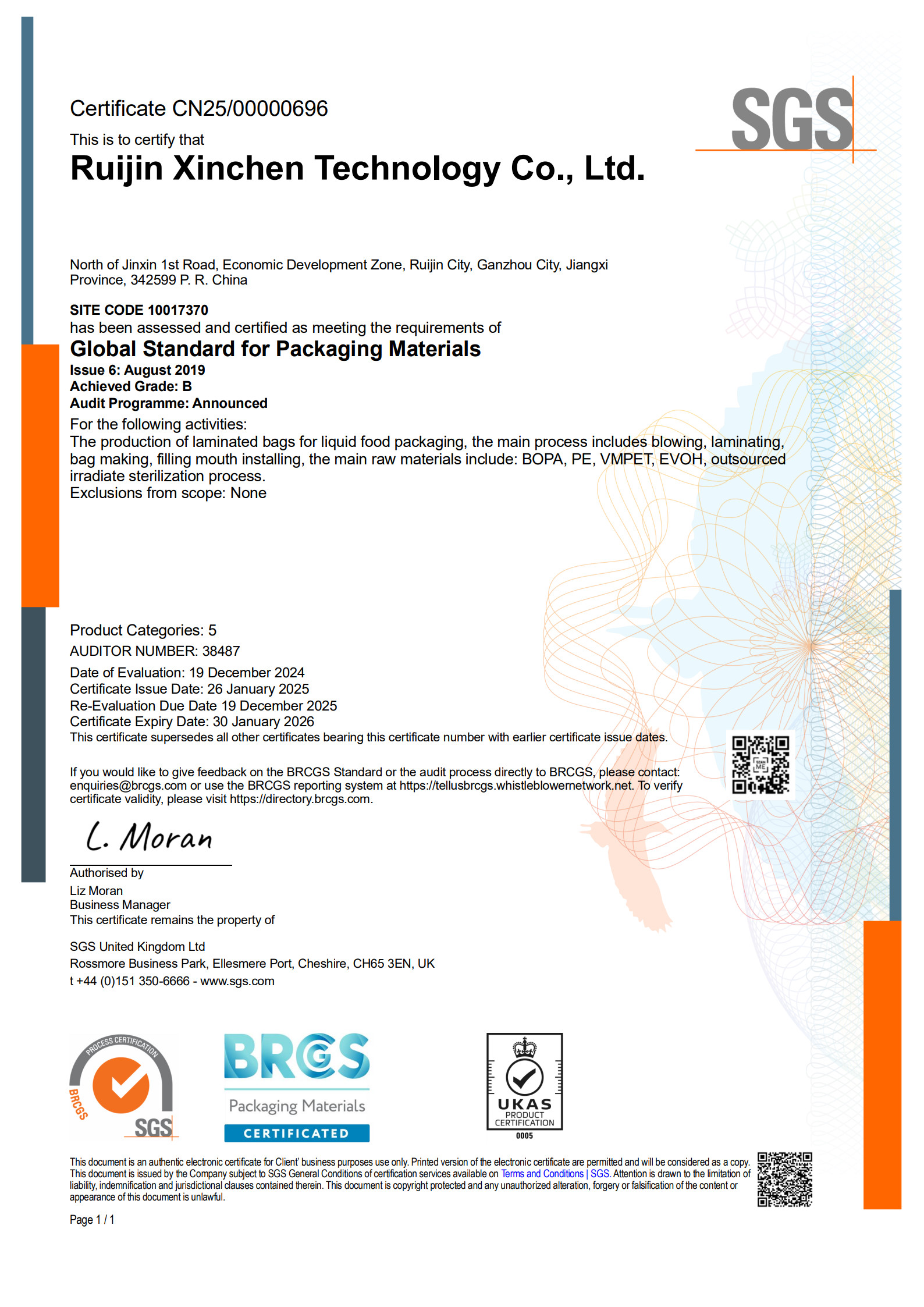
Many Bag In Box manufacturers have adopted green certifications and sustainability programs to ensure their products meet environmental standards. This includes certifications for recyclable content and reduced environmental impact throughout the lifecycle of the packaging.
3. Bag In Box Food Packaging Solutions
3.1 Industry Demands in Food Packaging
Food packaging must meet high standards for safety, hygiene, and convenience. For liquid foods such as beverages, sauces, and soups, the packaging needs to maintain product quality, prevent contamination, and ensure ease of use for consumers.
3.2 How Bag In Box Works in Food Packaging
Bag In Box packaging is ideal for liquid foods like juices, wines, and oils. The inner bag prevents air from contaminating the contents, preserving freshness for a longer period. This feature is especially crucial in the food industry, where maintaining the quality and safety of the product is of utmost importance.
3.3 Freshness and Durability
The Bag In Box system is designed to protect the contents from external elements, such as oxygen and light, which can degrade food quality. This ensures that the product remains fresh for an extended time, even after being opened.
4. Bag In Box in Logistics and Supply Chain
4.1 Importance of Efficient Packaging in Logistics
Logistics and transportation costs are significant considerations for businesses. Efficient packaging plays a critical role in optimizing space usage, reducing damage during transport, and lowering overall shipping costs. Bag In Box provides a solution to these challenges by offering a lightweight, compact, and durable option for various industries.
4.2 How Bag In Box Enhances Logistics Efficiency
- Space Optimization: The flexible design of Bag In Box allows it to be stacked efficiently, reducing wasted space in trucks and containers.
- Reduced Transportation Costs: The lighter weight of Bag In Box packaging reduces freight charges compared to heavier alternatives, such as glass bottles.
- Protection and Durability: The sturdy cardboard outer box and flexible bag provide excellent protection against physical damage during shipping.
4.3 Cost Efficiency in the Supply Chain
With its minimal weight and bulk, Bag In Box allows companies to reduce their shipping costs while improving the protection of their products. This contributes to overall cost efficiency in the supply chain, which is critical for businesses focused on profitability.
5. Bag In Box vs. Traditional Bottle Packaging
5.1 Limitations of Traditional Bottle Packaging
Traditional bottles, whether glass or plastic, have several drawbacks. These include higher material and production costs, greater weight, and inefficient use of space during transportation. Bottles are also more prone to breakage and damage during shipping.
5.2 Advantages of Bag In Box Packaging
- Lightweight: Bag In Box packaging is much lighter than glass bottles, reducing transportation costs and handling fees.
- Space Efficiency: The flexible design of Bag In Box makes it easier to stack and store, maximizing storage space and reducing transportation costs.
- Lower Production Costs: The production cost of Bag In Box is significantly lower than that of bottles, offering an economically viable option for manufacturers.
5.3 Comparison of Key Features
| Feature | Bag In Box | Traditional Bottles |
| Weight | Lightweight | Heavy |
| Space Efficiency | Highly space-efficient | Less space-efficient |
| Cost | Low production cost | Higher production cost |
| Environmental Impact | Eco-friendly (recyclable) | Higher plastic waste |
Conclusion
The Bag In Box packaging system offers a versatile, cost-effective, and environmentally friendly solution for businesses looking to optimize their packaging. Whether it's for food products, beverages, or logistics, this design addresses the growing demands for sustainability, efficiency, and product safety. As more industries recognize the advantages of Bag In Box, its role in shaping the future of packaging will continue to expand.
Frequently Asked Questions (FAQ)
1. What are the main benefits of Bag In Box packaging?
Bag In Box packaging offers several benefits, including cost efficiency, space optimization, ease of handling, and environmental sustainability. It is a versatile solution used across industries like beverages, food, and logistics.
2. Is Bag In Box eco-friendly?
Yes, Bag In Box is eco-friendly. It uses recyclable cardboard and minimizes plastic use, which makes it an environmentally conscious choice compared to traditional packaging materials like bottles and cans.
3. How does Bag In Box help with logistics?
Bag In Box packaging helps optimize logistics by reducing the weight and size of packages, making them easier to stack and transport. This not only lowers transportation costs but also reduces the risk of damage during shipment.
4. Can Bag In Box be used for food packaging?
Yes, Bag In Box is widely used for food packaging, especially for liquid products like juices, wines, and oils. It helps preserve freshness and protect the contents from external elements, ensuring a longer shelf life.
5. How does Bag In Box compare to traditional bottle packaging?
Compared to traditional bottles, Bag In Box is lighter, more cost-effective, and more space-efficient. It also has a lower environmental impact due to less plastic usage and better recyclability.

