
 English
 русский


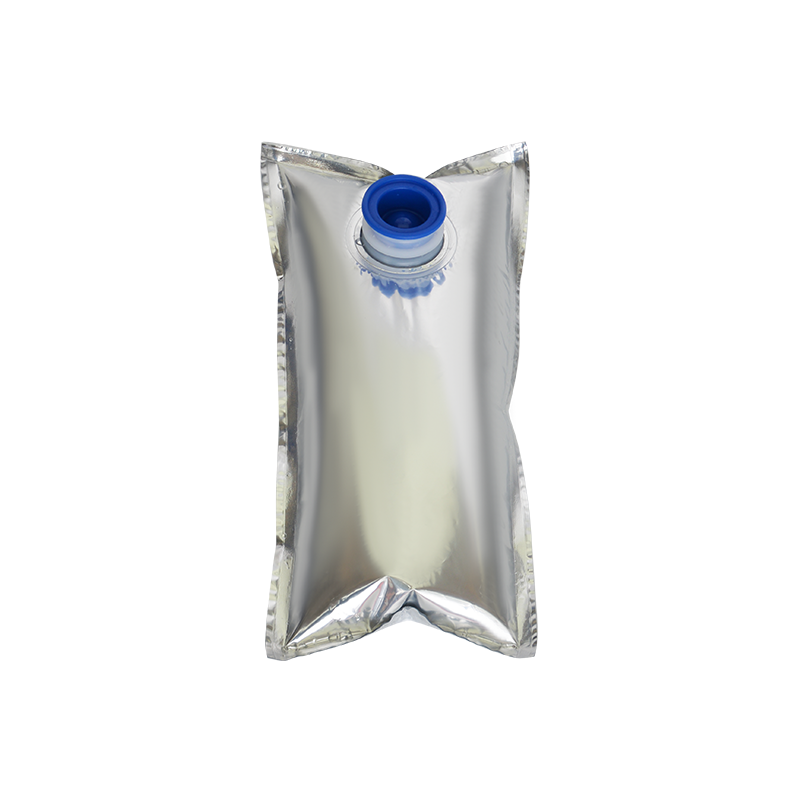







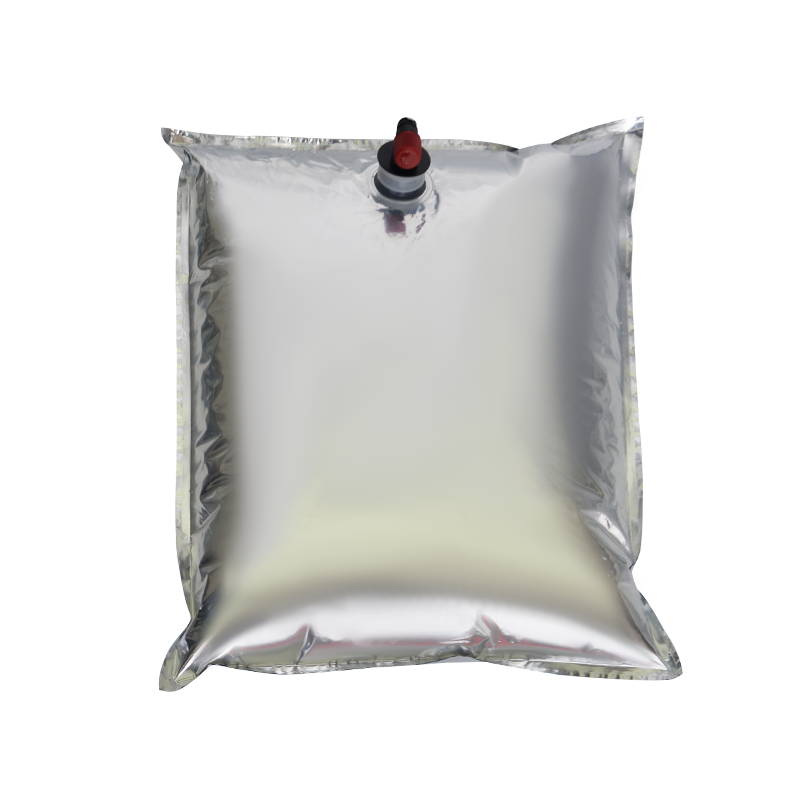







As the global demand for sustainable packaging increases, the performance of Aseptic Bags in terms of their environmental impact has become a critical concern. In this article, we will delve into whether Aseptic Bags meet the stringent standards of sustainable packaging, particularly focusing on their environmental performance, recycling potential, and industry trends.
Introduction to Aseptic Bags
Aseptic Bags are specifically designed for packaging food, beverages, and pharmaceuticals under sterile conditions. These bags prevent contamination, allowing products to remain fresh without the need for refrigeration. Their growing use in the packaging industry has raised important questions about their sustainability and environmental footprint.
Advantages of Aseptic Bags in Food Packaging
Functional Benefits of Aseptic Bags
Aseptic Bags offer a variety of functional benefits, particularly in the food industry. These bags can significantly extend the shelf life of products while keeping them fresh and free from contaminants. In comparison to traditional packaging, they often require less energy for transportation and storage. This can be particularly advantageous for perishable products that need to remain shelf-stable over long periods.
Comparison of Aseptic Bags vs. Traditional Packaging Materials
When comparing Aseptic Bags to traditional packaging materials, such as glass bottles or plastic containers, there are several key differences:
| Feature | Aseptic Bags | Glass Bottles | Plastic Containers |
| Weight | Lightweight | Heavy | Moderate |
| Transportation Energy | Low | High | Moderate |
| Environmental Impact | Lower carbon footprint | Higher carbon footprint | Higher plastic waste |
| Recyclability | Varies, typically recyclable | Highly recyclable | Recyclable but often not processed |
The Environmental Performance of Aseptic Bags
Environmental Impact of Aseptic Bags
When assessing the environmental performance of Aseptic Bags, several factors need to be considered, including material composition, manufacturing processes, and end-of-life options such as recycling. A significant advantage of Aseptic Bags is that they are often made from lightweight materials, which reduces transportation costs and energy consumption.
Innovations in Aseptic Bags' Materials
There are ongoing efforts to improve the sustainability of Aseptic Bags through the development of more eco-friendly materials. For example, biodegradable and recyclable options are increasingly being explored to reduce the environmental footprint of these bags. Research into materials such as plant-based plastics and alternatives to conventional synthetic materials is also growing, which may offer better environmental outcomes.
Global Market Demand for Sustainable Packaging
Growing Market Trends Towards Green Packaging
The demand for sustainable packaging solutions, including Aseptic Bags, is on the rise globally. Consumers, particularly in markets like Europe and North America, are increasingly prioritizing eco-friendly packaging. This trend is being driven by stricter environmental regulations and consumer awareness of the ecological impact of packaging materials.
Regional Adoption of Aseptic Bags and Sustainability Standards
In different regions, sustainability standards and regulations regarding Aseptic Bags vary. While countries in the European Union are implementing stringent recycling and packaging reduction targets, other regions may be more lenient. These regional differences influence how businesses incorporate Aseptic Bags into their supply chains.
Challenges and Future Improvements in Aseptic Bags' Sustainability
Environmental Bottlenecks of Aseptic Bags
Despite the many advantages of Aseptic Bags, there are still challenges to improving their environmental performance. A major issue is the complexity of recycling these bags, as they are often made from multi-layer materials that are difficult to process. Additionally, the energy consumption involved in manufacturing these bags can still contribute to their environmental impact.
Future Directions for Sustainable Aseptic Bags
To meet future sustainability goals, manufacturers are focusing on innovations in material science, including the development of biodegradable or fully recyclable Aseptic Bags. Reducing the carbon footprint of the production process, improving recyclability, and enhancing the use of renewable materials will be key in making Aseptic Bags a more environmentally friendly option for packaging.
Conclusion
In conclusion, Aseptic Bags hold great potential for meeting the demand for sustainable packaging. While there are still challenges regarding recyclability and material impact, advancements in eco-friendly alternatives and innovations in manufacturing processes are helping to position these bags as a more sustainable solution in the packaging industry. As consumer demand for green packaging grows, the role of Aseptic Bags in shaping the future of sustainable packaging will likely become more prominent.
Frequently Asked Questions (FAQ)
- What are Aseptic Bags made of?
Aseptic Bags are typically made from multi-layered materials, including polyethylene, aluminum, and polyester, designed to preserve the sterility of food and beverages. - Are Aseptic Bags recyclable?
While Aseptic Bags are often recyclable, the multi-layer construction makes them challenging to process in certain recycling systems. Efforts are underway to improve recyclability. - What is the environmental impact of Aseptic Bags?
In terms of transportation energy and carbon footprint, Aseptic Bags generally offer a lower environmental impact than traditional packaging materials like glass and plastic containers. - How do Aseptic Bags compare to other packaging materials?
Aseptic Bags are lightweight, energy-efficient for transport, and offer a lower carbon footprint compared to glass bottles and plastic containers. - Are Aseptic Bags sustainable?
While Aseptic Bags are not without environmental challenges, ongoing innovations in biodegradable materials and manufacturing processes are helping to improve their sustainability.

