
 English
 русский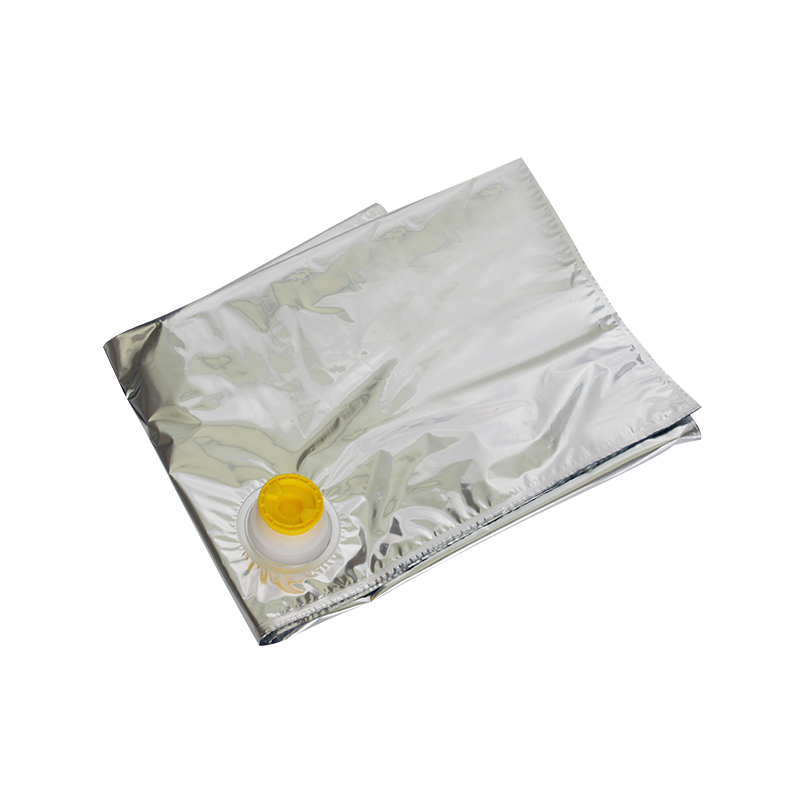
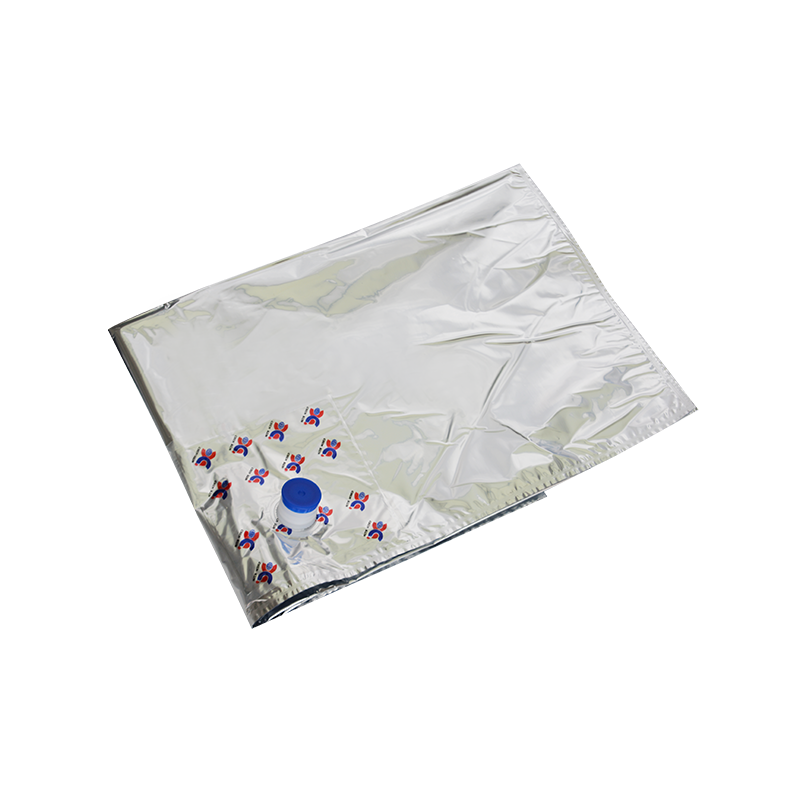
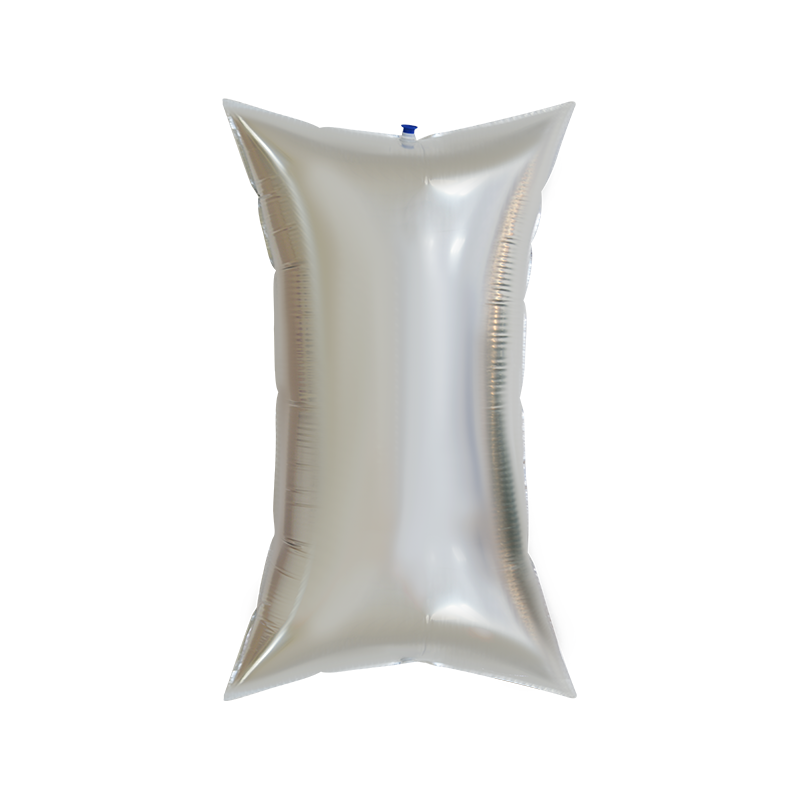
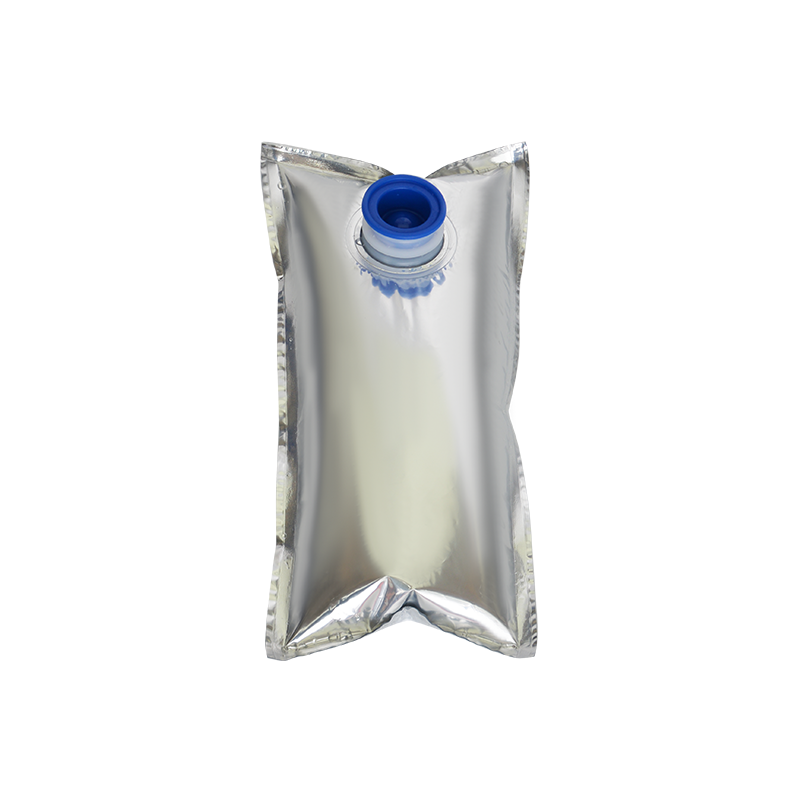
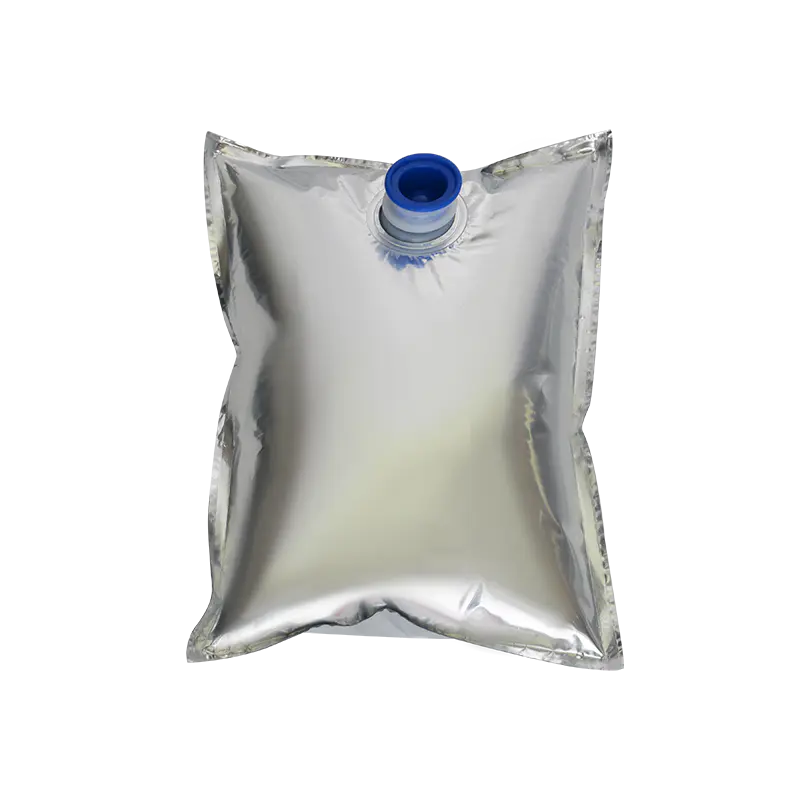
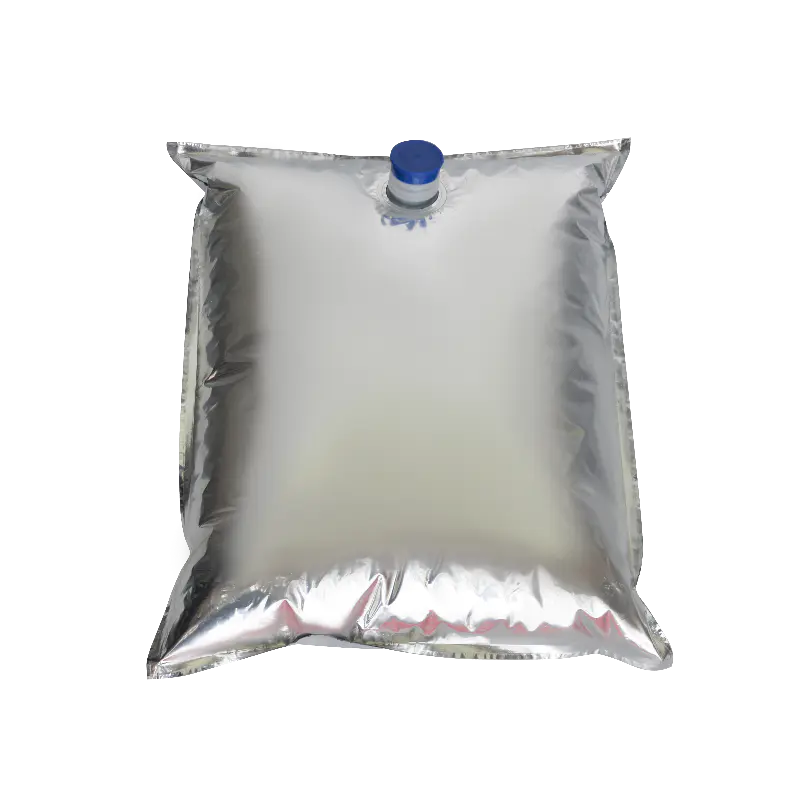
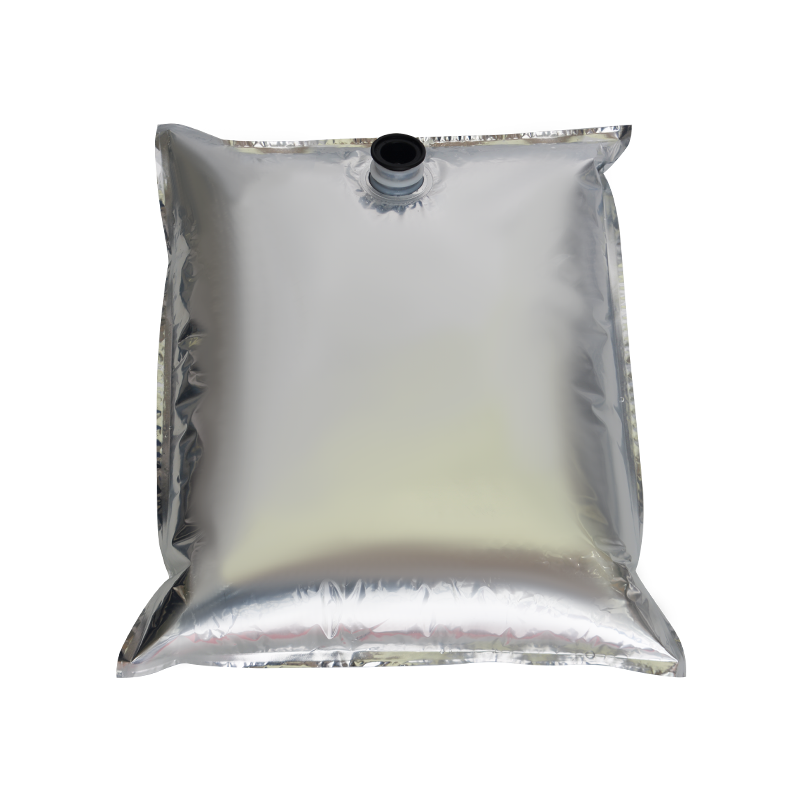
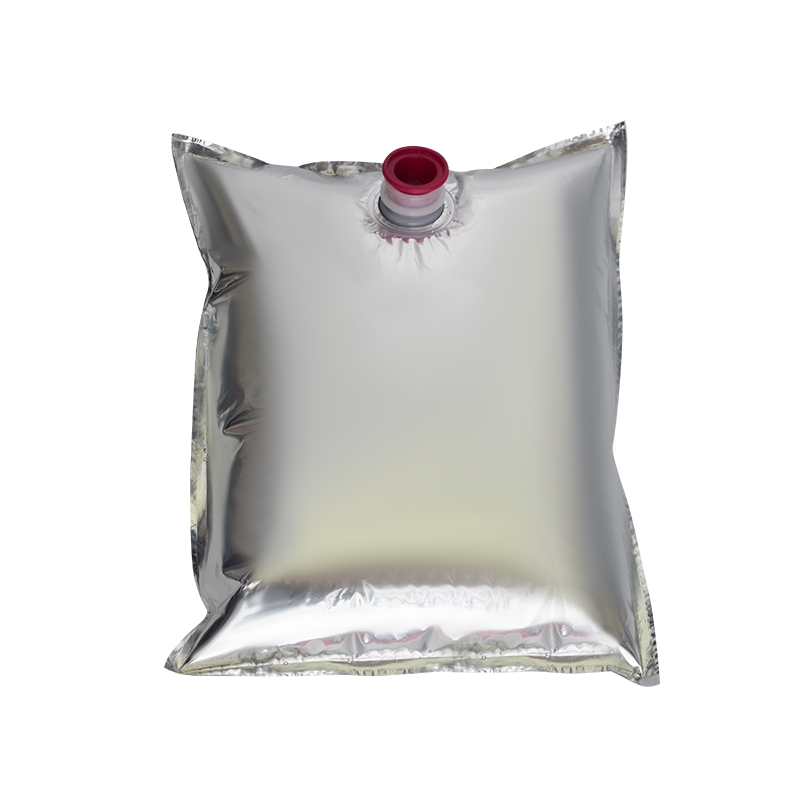
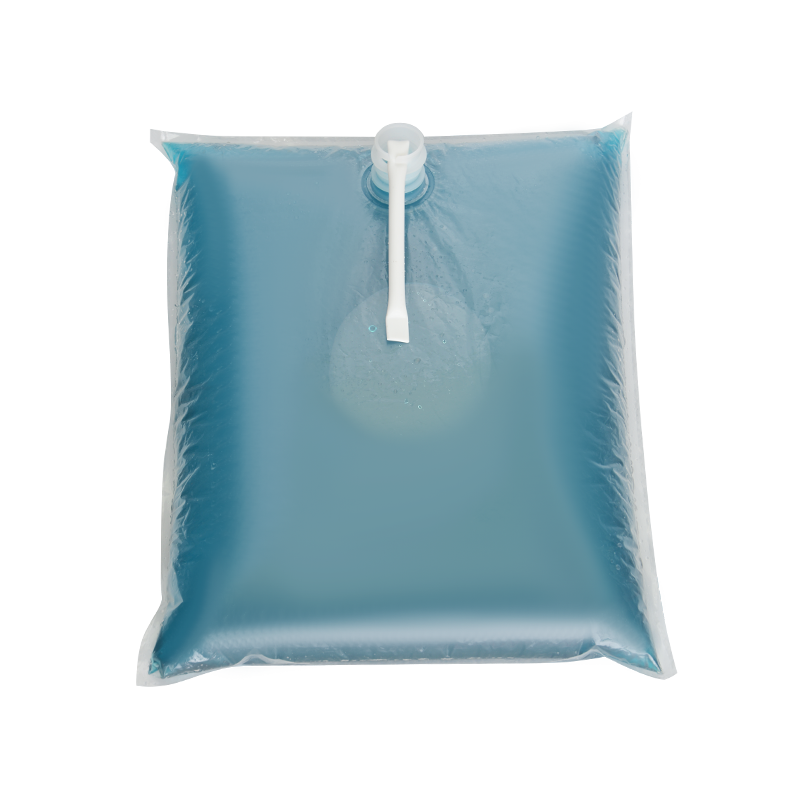
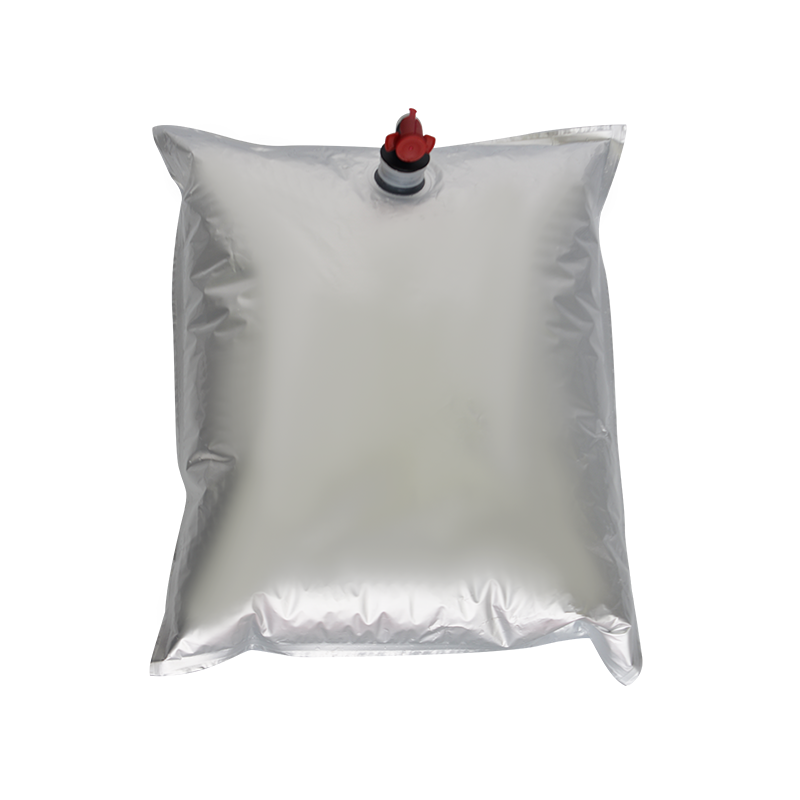
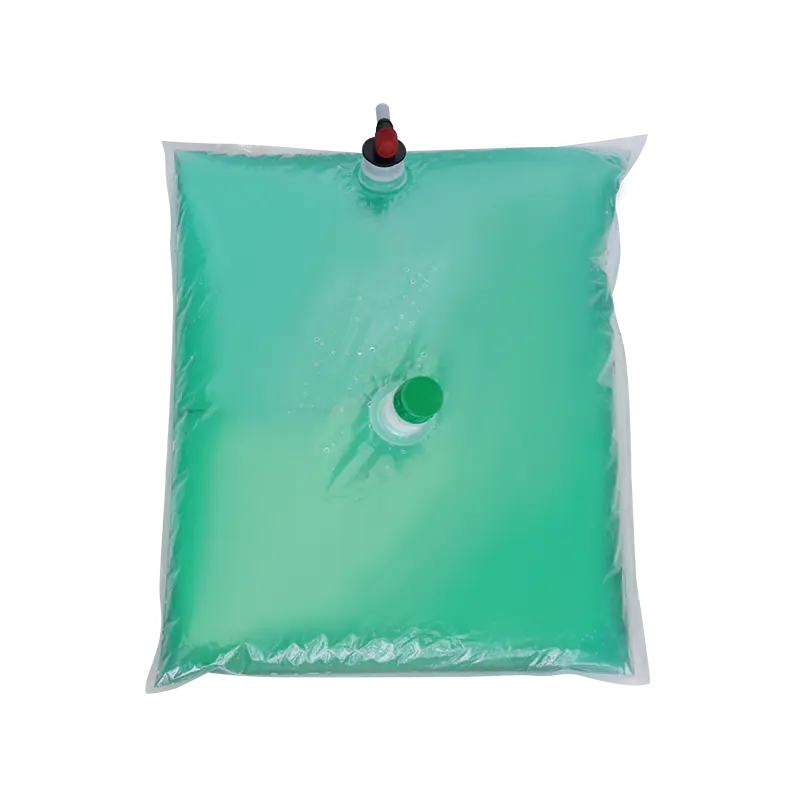
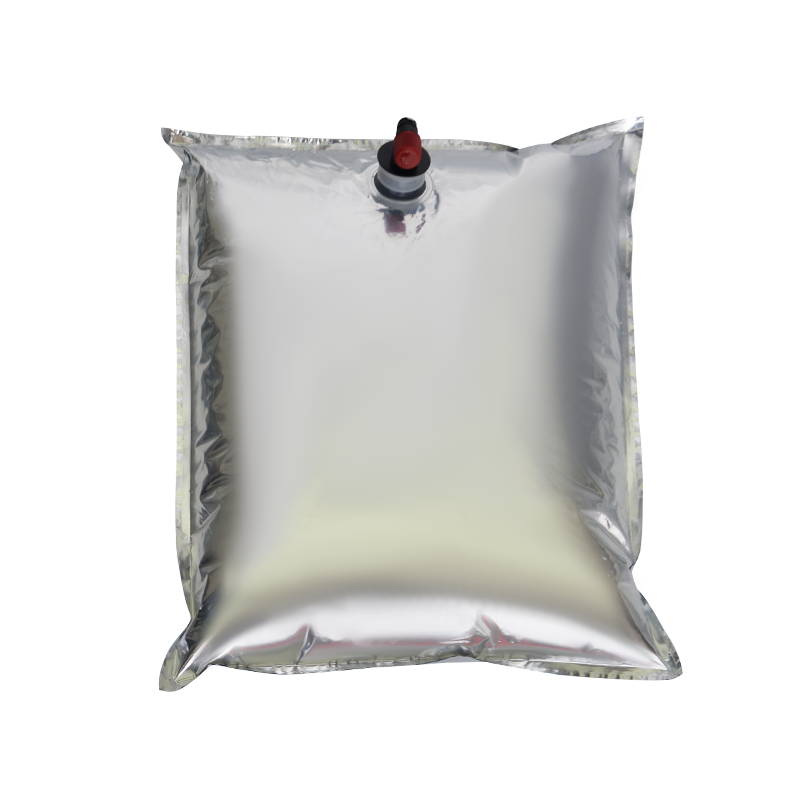


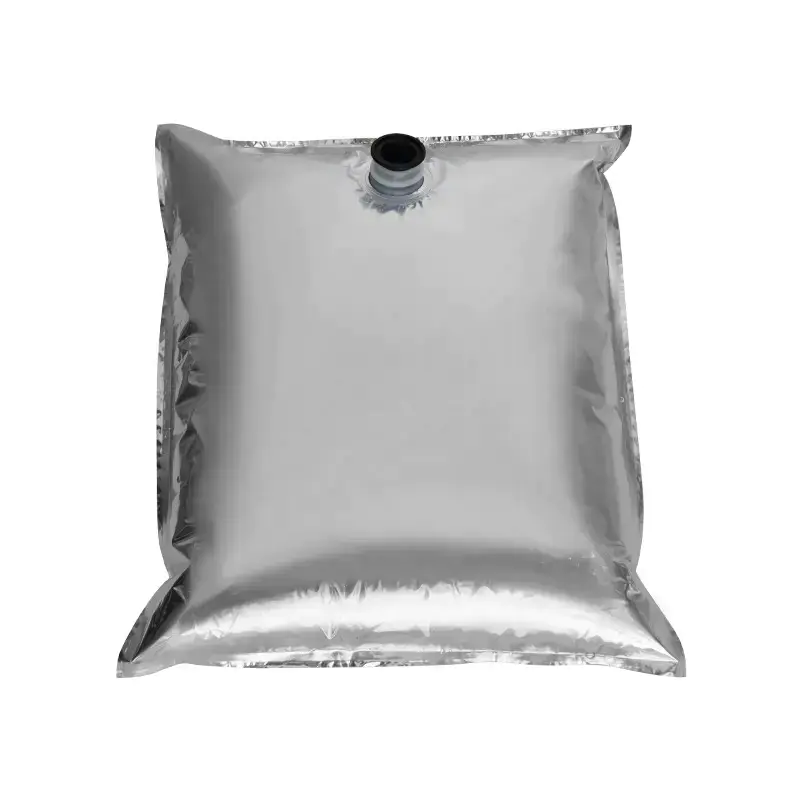
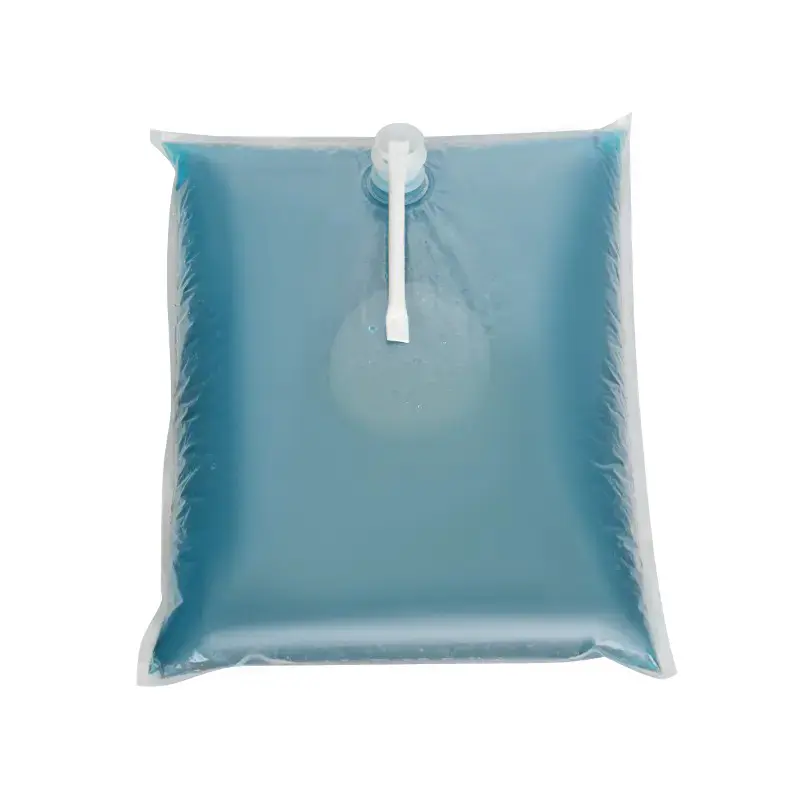
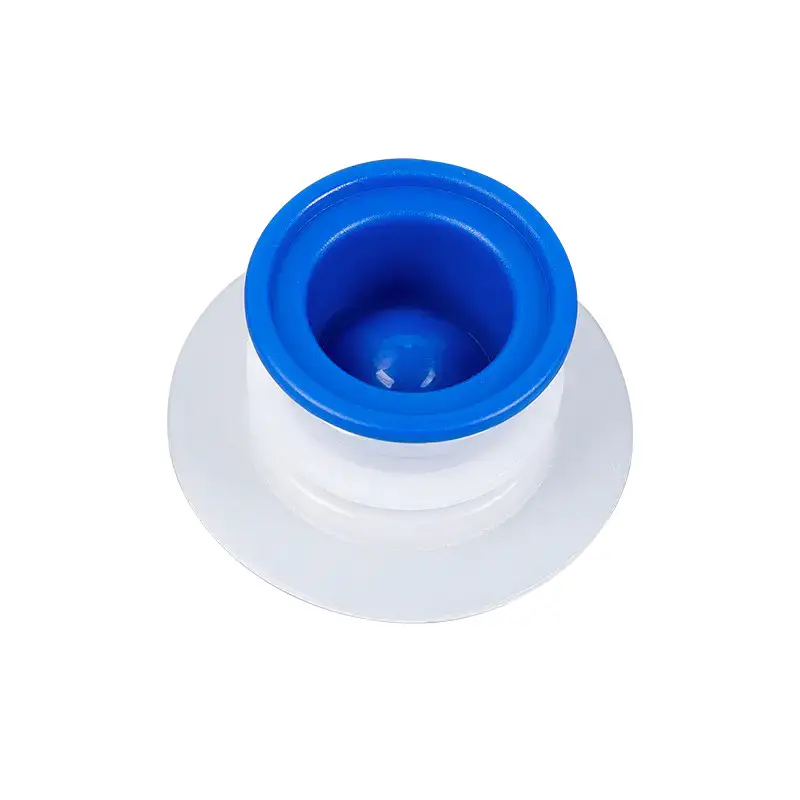


Aseptic packaging and conventional food packaging both serve the purpose of containing and protecting liquid products during storage and distribution, but they achieve product safety through fundamentally different mechanisms. The difference determines shelf life, cold chain requirements, preservative use, and the suitability of the packaging for products that must remain stable over months or years without refrigeration. For buyers sourcing packaging for juice concentrates, dairy products, wine, edible oil, or other liquid food products, understanding this distinction is the starting point for selecting the right packaging format.
What "Aseptic" Means in Packaging
The word aseptic means "free from pathogenic microorganisms." In packaging, aseptic refers to a filling process in which both the product and the packaging are sterilized separately, then brought together and sealed under sterile conditions, so that the finished package contains no viable microorganisms capable of spoiling the product or causing illness.
This is different from conventional packaging, where the product is placed into the container, and the entire sealed package is then sterilized (retort/autoclave processing), or where the product relies on refrigeration, preservatives, or a low-water-activity environment to remain safe. In aseptic packaging, sterility is established before the product enters the package and maintained through the integrity of the sealed container throughout its shelf life.
How Regular (Conventional) Packaging Works
In conventional liquid food packaging, the product is filled into the container under ambient or controlled conditions, and one or more of the following mechanisms prevent spoilage during the intended shelf life:
- Refrigeration: Chilled storage slows microbial growth. Products with short shelf lives (fresh juice, fresh dairy) rely on the cold chain from filling through consumption. Once the cold chain is broken, shelf life is very short.
- Heat treatment in-pack (retort processing): The sealed container — typically a metal can, glass jar, or retort pouch — is heated in an autoclave to temperatures sufficient to destroy all spoilage organisms and pathogens. The product and container are sterilized together. High heat can affect flavor, color, and nutritional content.
- Preservatives: Chemical preservatives (sodium benzoate, potassium sorbate, sulfur dioxide) inhibit microbial growth in products that cannot be heat-treated without quality loss, or to extend shelf life beyond what heat treatment alone achieves.
- Low pH / high sugar: Products with a pH below 4.6 (most fruit products, vinegar-based products) have natural antimicrobial properties that limit the risk from the most dangerous pathogens. Many fruit products can be hot-filled without full sterilization for this reason.
The common characteristic of all conventional approaches is that either refrigeration is required or the product quality is compromised by the heat treatment and preservative use needed to achieve ambient stability.
How Aseptic Packaging Works
Aseptic packaging separates the sterilization of the product from the sterilization of the packaging, then brings them together in a sterile environment:
- Product sterilization (UHT or HTST processing): The liquid product is heated to ultra-high temperature (UHT: typically 135–150°C for 2–5 seconds) in a continuous flow heat exchanger, then cooled rapidly to near-ambient temperature. This treatment achieves commercial sterility — destruction of all microorganisms that could cause spoilage or illness — with minimal exposure time that preserves flavor and nutritional quality.
- Packaging sterilization: The aseptic bag or container is sterilized separately — typically using hydrogen peroxide (H₂O₂) treatment, UV irradiation, or gamma ray sterilization — and handled in a sterile, controlled environment.
- Aseptic filling: The sterilized product is filled into the sterilized packaging under sterile conditions, and the package is sealed to create a hermetically closed, commercially sterile system.
The result is a sealed package containing a commercially sterile product that can be stored at ambient temperature — without refrigeration or preservatives — for 12 to 24 months or longer, depending on the barrier properties of the packaging material.
Key Differences at a Glance
| Aseptic Packaging | Regular Packaging (Non-Aseptic) | |
|---|---|---|
| Sterilization method | Product and packaging sterilized separately; filled under sterile conditions | Product sterilized in the sealed container (retort), or relies on cold chain/preservatives |
| Cold chain required? | No — ambient storage throughout shelf life | Often yes — refrigeration required for fresh or chilled products |
| Preservatives needed? | No — sterility is achieved by process, not chemistry | Often yes — especially for ambient-stable non-retort products |
| Shelf life (unopened) | 12–24 months at ambient temperature | Varies: days (fresh/chilled) to 12–18 months (retort); shorter without cold chain |
| Heat effect on product quality | Minimal — UHT is brief, and the product is cooled immediately after | More significant for retort products — extended high-temperature exposure affects flavor and nutrition |
| Packaging material requirements | Must be sterilizable and maintain a sterile barrier; high-barrier film for oxygen and light | Must withstand retort temperatures (for in-pack sterilization) or maintain cold chain integrity |
| Typical applications | Juice concentrates, tomato products, wine, dairy, liquid egg, edible oil, and sauces | Fresh juice, fresh dairy (chilled); canned goods, retort pouches (shelf-stable) |
Why Aseptic Packaging Uses High-Barrier Film
Once a product has been aseptically filled into a sterile package, the integrity of the package — and specifically its barrier properties — determines how long that sterility is maintained. The primary threats to aseptically packaged liquid products during storage are oxygen transmission and light.
Oxygen transmitted through the packaging material reaches the product and causes oxidative degradation — color change, flavor loss, vitamin destruction, and eventually spoilage. For products like fruit juice, wine, and edible oil, oxygen is the primary quality enemy during storage.
Light accelerates photodegradation of sensitive compounds — vitamins, color pigments, and flavor compounds are all vulnerable to light-induced breakdown.
This is why aseptic bags for food applications use multilayer film constructions that provide oxygen and light barrier performance. The main barrier material options used in aseptic bag construction are:
- Pure aluminum foil laminate: The highest available barrier for both oxygen and light. Standard for juice concentrates, tomato products, and other oxygen-sensitive food products with 12+ month shelf life requirements. Aluminum foil provides essentially zero oxygen transmission rate (OTR).
- Metallized PET (aluminum-plated PET film): A thin layer of aluminum vapor-deposited onto PET film provides high barrier performance at lower material cost and weight than foil laminate. Used for high-barrier applications where the absolute zero OTR of foil is not required.
- EVOH (Ethylene Vinyl Alcohol) composite: EVOH provides excellent oxygen barrier performance without metallic layers, maintaining product transparency where needed. Used in high-barrier and ultra-high-barrier aseptic bags, often in combination with metallized layers for a combined oxygen and light barrier.
Commercial Benefits of Aseptic Packaging for Liquid Food Products
The shift from conventional packaging to aseptic packaging in the liquid food industry is driven by a combination of product quality, supply chain efficiency, and cost benefits:
- Elimination of cold chain cost: Ambient-stable aseptic products do not require refrigerated storage or transportation. For bulk products (10L to 220L aseptic bags for food ingredient supply chains), eliminating the cold chain dramatically reduces logistics costs.
- Extended shelf life without preservatives: 12 to 24-month ambient shelf life positions aseptic products for global export markets where cold chain reliability is inconsistent, without the flavor and label-clarity penalties of chemical preservatives.
- Better product quality versus retort: UHT processing followed by aseptic filling produces better flavor, color, and nutritional retention than in-pack retort processing, because the product is exposed to high temperature for seconds rather than minutes.
- Flexible packaging format at bulk scale: Aseptic bags in BIB (bag-in-box) format from 1L to 220L represent the most cost-effective bulk liquid packaging format for aseptic products — lighter than cans, drums, or glass jars at equivalent volume, with excellent space efficiency in storage and transportation.
Frequently Asked Questions
Does aseptic packaging contain preservatives?
No. The defining characteristic of properly executed aseptic packaging is that product stability during the stated shelf life is achieved through the sterilization process and the barrier properties of the packaging, not through chemical preservatives. The product is commercially sterile when it enters the package, and the package barrier prevents recontamination and oxidative degradation. Preservative-free labeling is one of the commercial advantages of aseptic packaging for brands targeting clean-label markets.
What products are not suitable for aseptic packaging?
Aseptic packaging is suitable for pumpable liquids and semi-liquids that can be processed through a continuous flow heat exchanger. Products that cannot be processed this way — whole fruit pieces, solid particulate products, products that gel or denature at UHT temperatures — are not suitable for standard aseptic processing. High-viscosity products above approximately 5,000–10,000 cP may require modified equipment for aseptic processing. Products with specific quality characteristics that are damaged by any heat treatment (certain enzyme-active ingredients, some nutraceuticals) may require alternative preservation technologies.
What is the difference between aseptic packaging and sterilized packaging?
The terms are related but technically distinct. Sterilized packaging (as in retort/in-pack sterilization) refers to a process where the product is sealed in the container, and then the entire sealed unit is heat-sterilized. Aseptic packaging refers to a process where the product and packaging are sterilized separately and combined under sterile conditions. Both achieve commercial sterility, but through different routes. Aseptic packaging generally produces better product quality due to the shorter, more intense heat treatment of UHT processing versus the longer exposure of retort.
Can aseptic bags be used for wine packaging?
Yes — aseptic bags for wine are a major application category, particularly for wine packaged in bag-in-box formats for food service, hospitality, and retail. Wine packaged in aseptic bags with an appropriate oxygen barrier (aluminum foil laminate or high-barrier EVOH composite) achieves a shelf life of 12 months or more unopened at ambient temperature, and 4 to 6 weeks after opening — the latter because the collapsible bag design prevents air ingress during dispensing. This is significantly better than the 1 to 3 day opened shelf life of a conventional wine bottle.
Aseptic Bags and BIB Packaging from Ruijin Xinchen
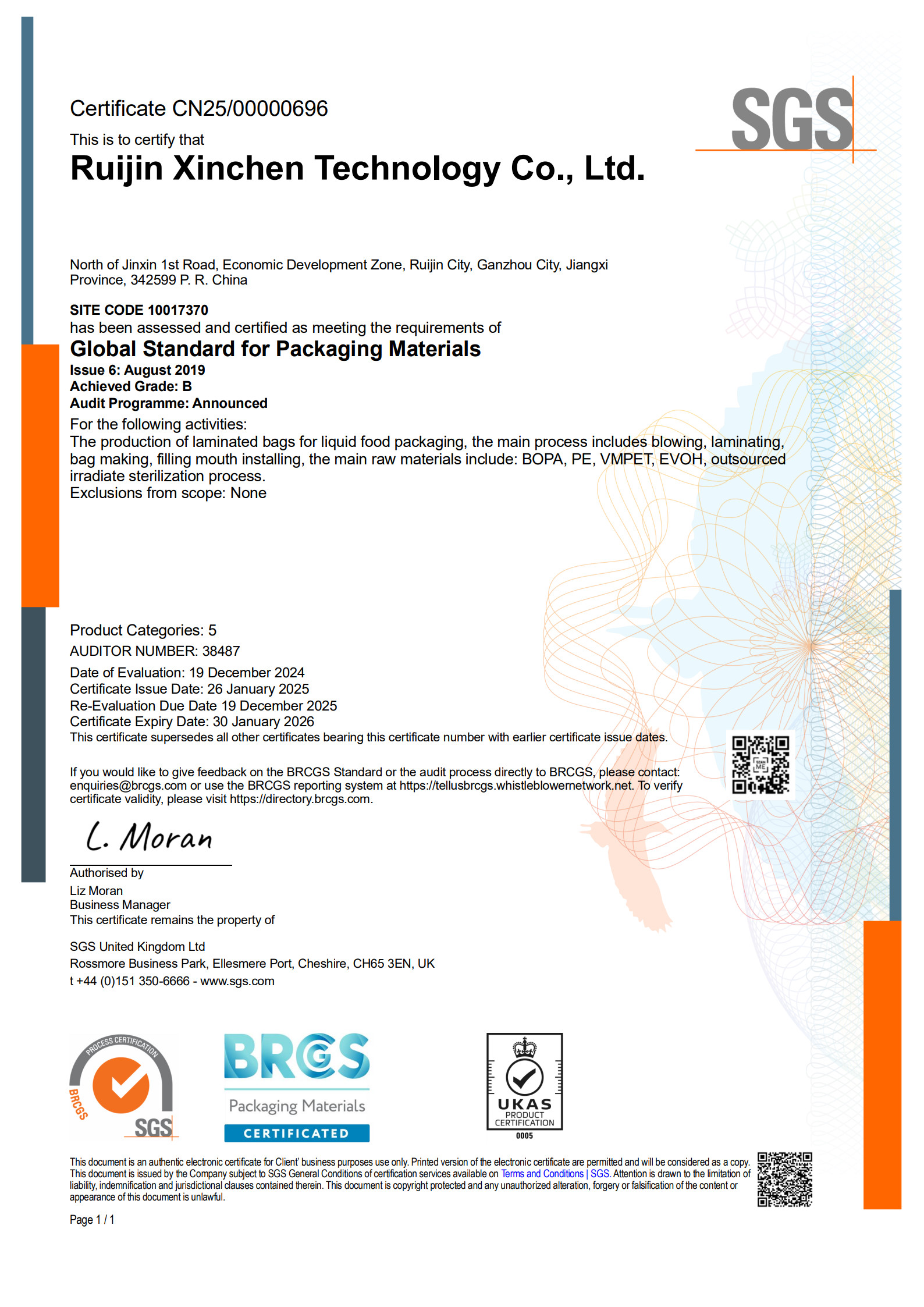
Ruijin Xinchen Technology Co., Ltd. manufactures aseptic bags and bag-in-box packaging in standard barrier, high barrier, and ultra-high barrier constructions — using aluminum foil laminate, metallized PET, EVOH composite, and PE film combinations — for food, beverage, dairy, edible oil, and industrial liquid applications. Capacity range from 1L to 220L. Identified as a National High-Tech Enterprise with 10+ national patents. One-stop production line including valve molding, film blowing, laminating, and bag-making in a QS-certified facility.
Contact us to discuss your product's aseptic packaging requirements, request barrier specification recommendations, and obtain samples and pricing.
Related Products: Aseptic Bags | Bag-in-Box | Valves & Spout Caps

