
 English
 русский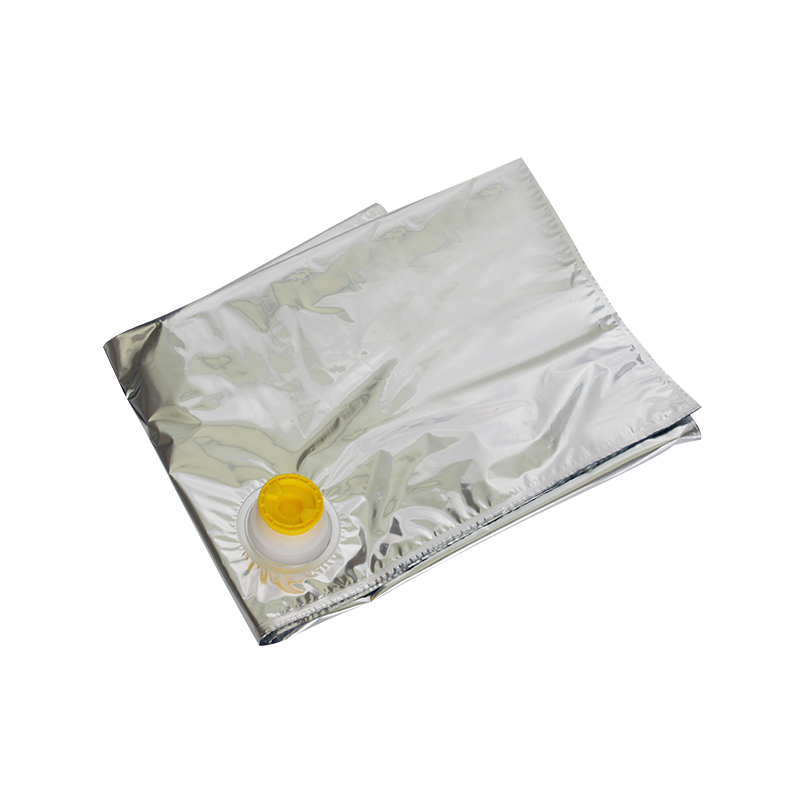
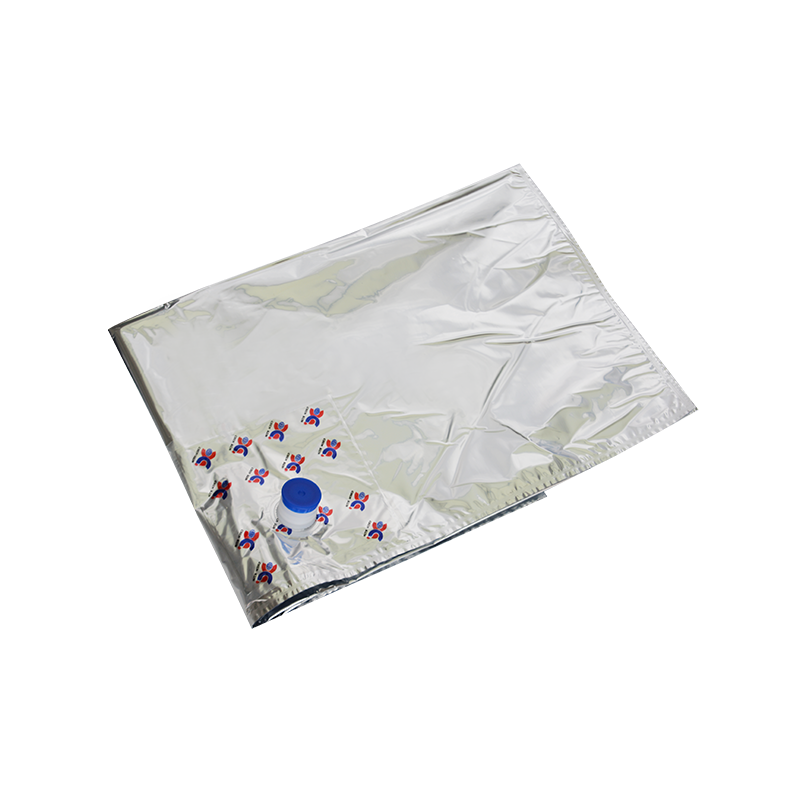
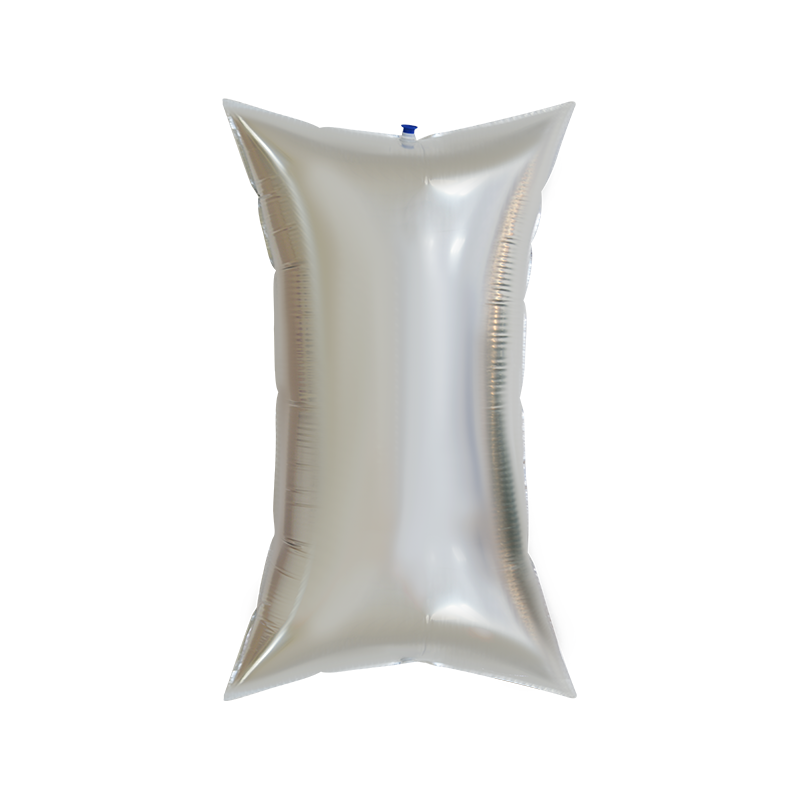
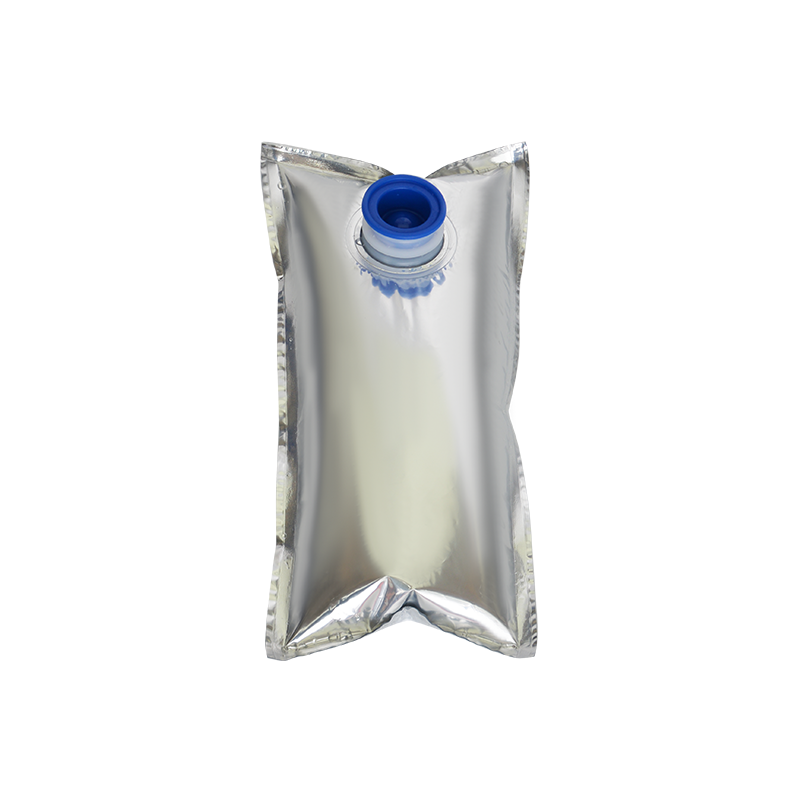
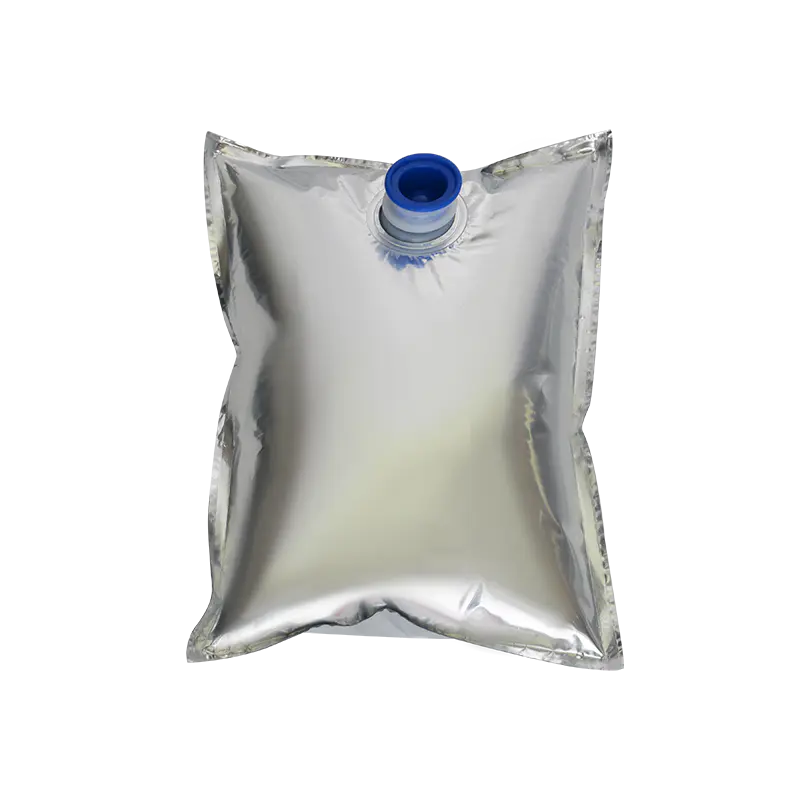
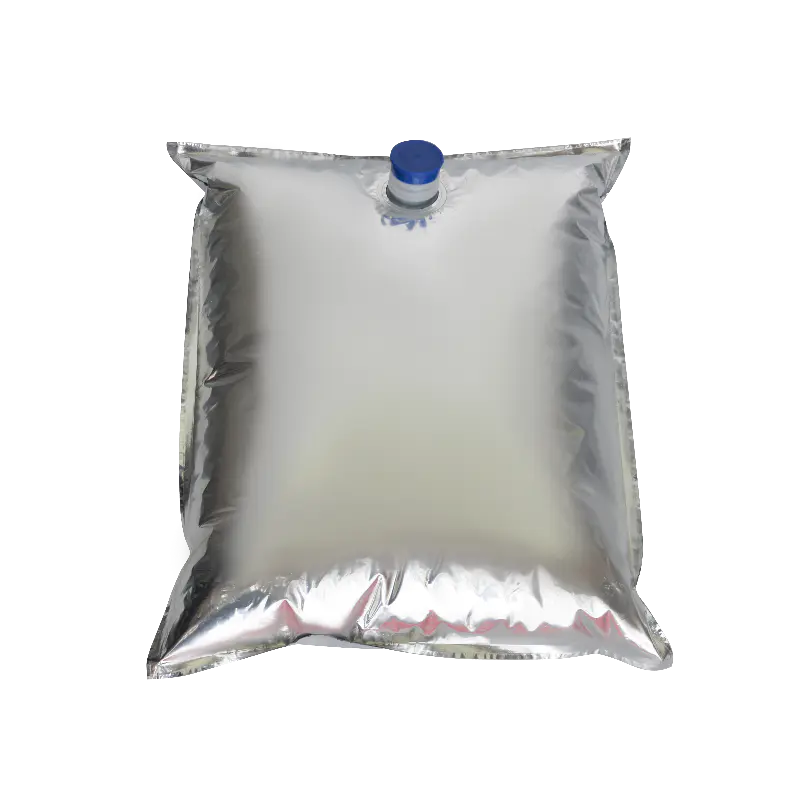
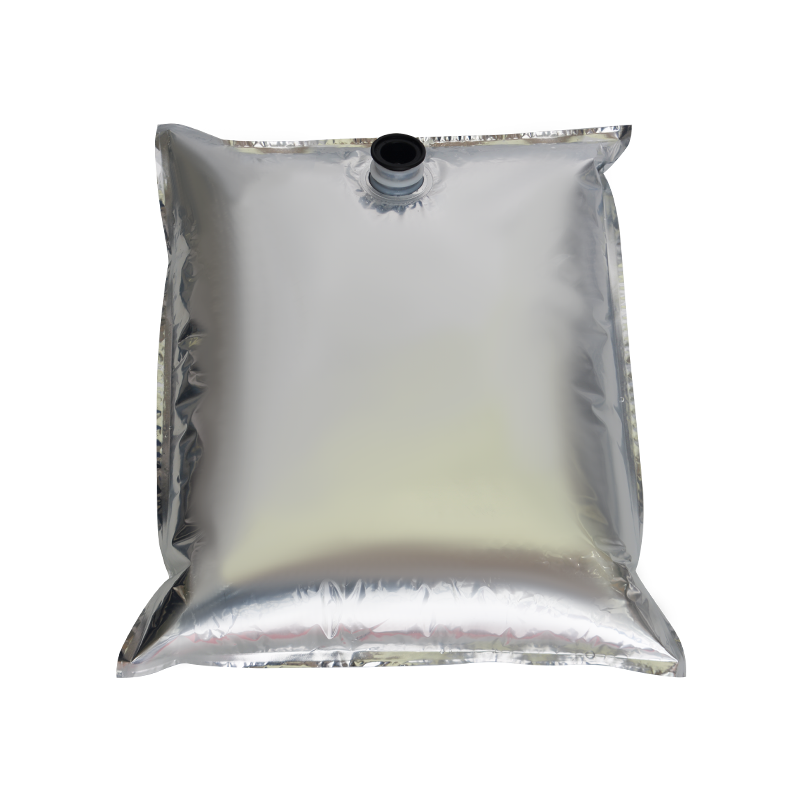
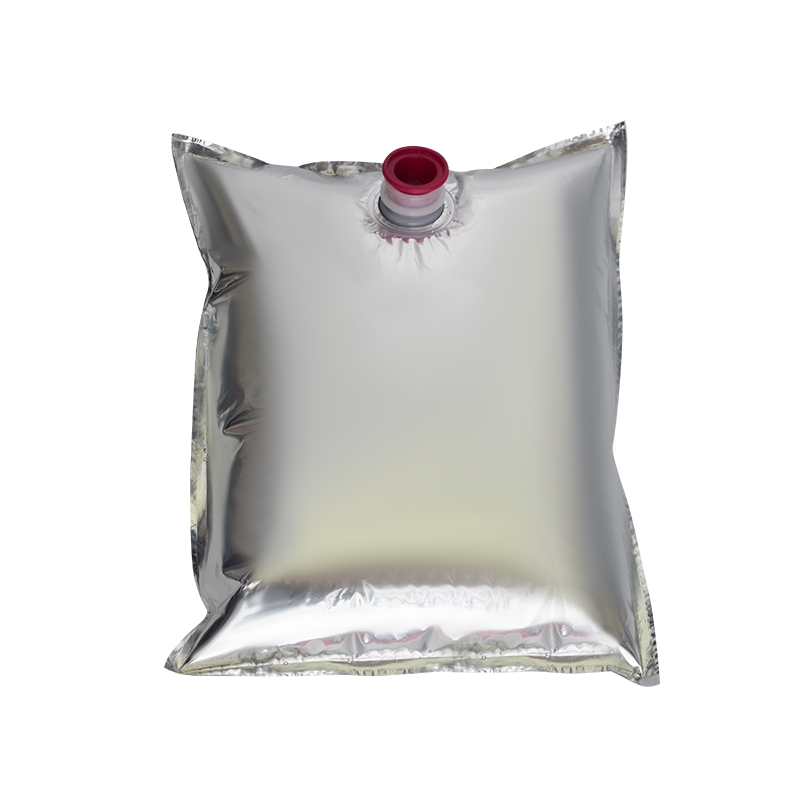
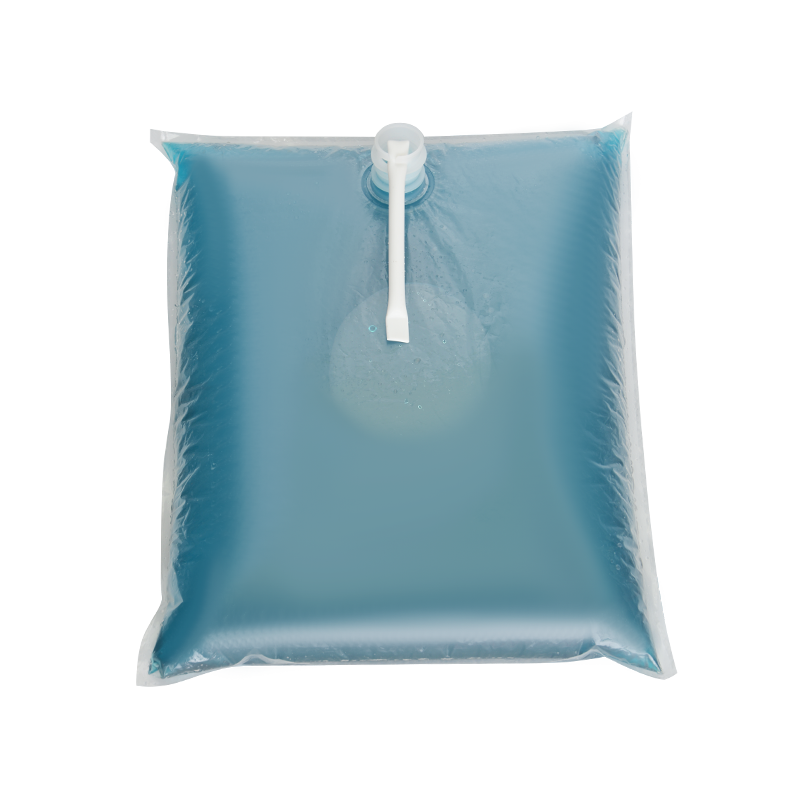
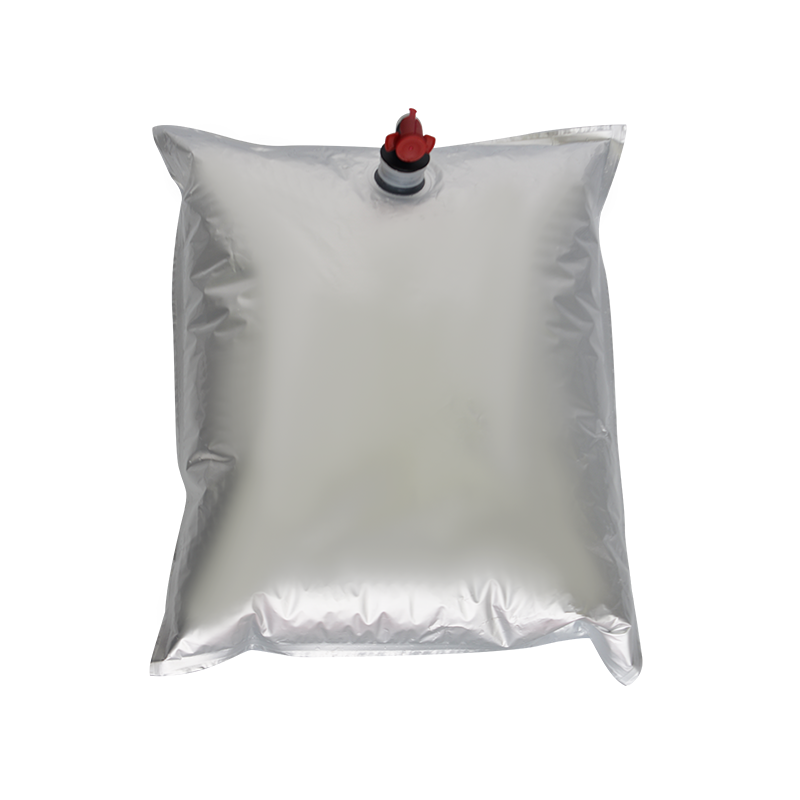
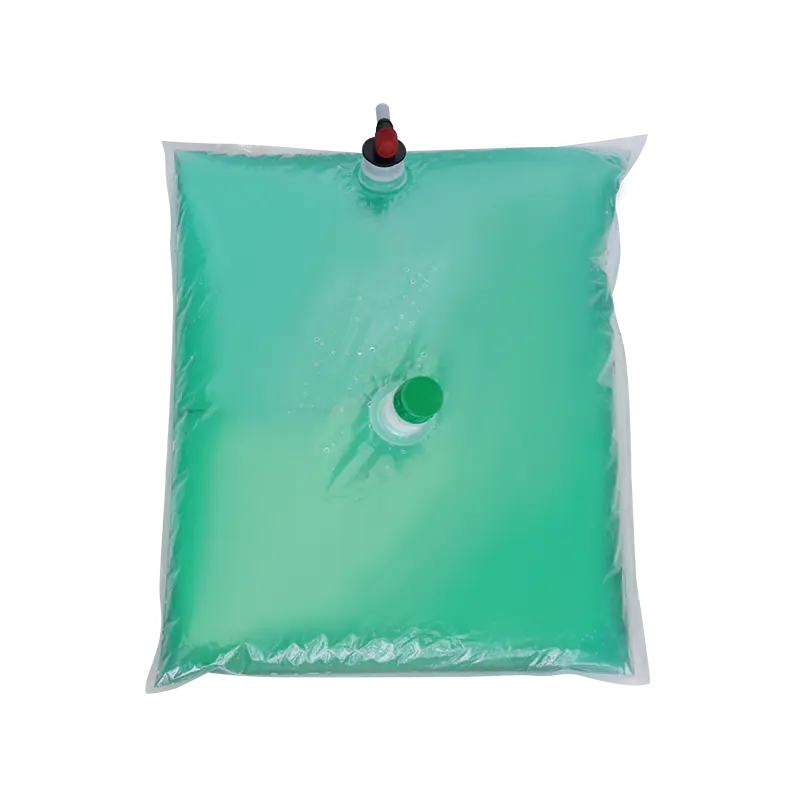
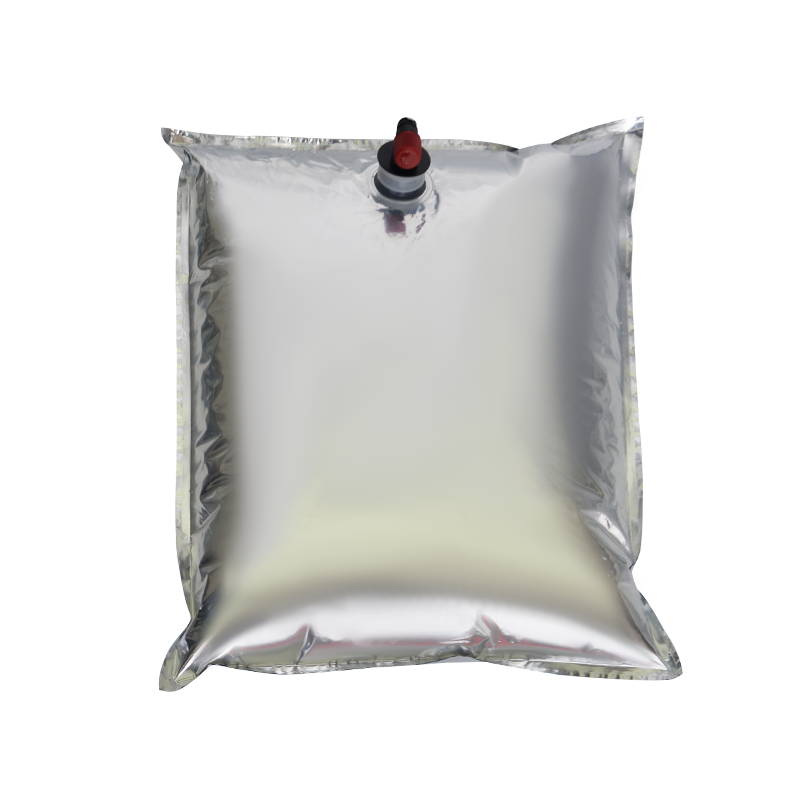


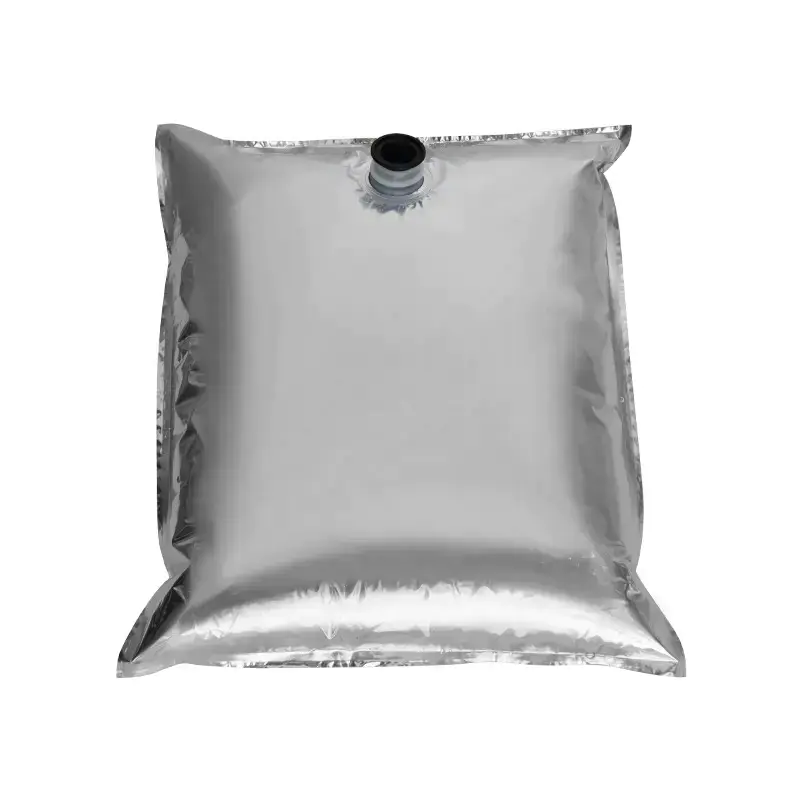
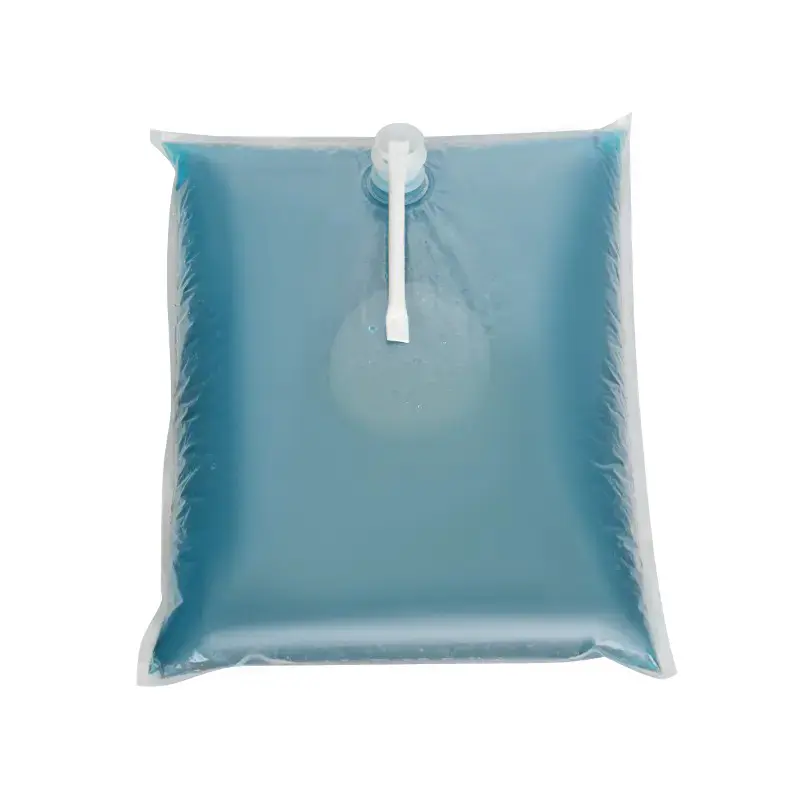


Bag-in-box wine lasts significantly longer after opening than bottled wine — typically 4 to 6 weeks for most wines stored in a refrigerator, compared to 3 to 5 days for a standard 750ml bottle. The reason is structural: the collapsible inner bag in a bag-in-box package collapses inward as wine is dispensed, preventing air from entering the package and eliminating the oxidation that causes opened bottled wine to deteriorate rapidly.
For wine buyers, food service operators, hospitality procurement managers, and anyone evaluating bag-in-box wine packaging, understanding the science behind this extended shelf life — and the factors that affect it — is useful both for consumer guidance and for product specification decisions.
Why Opened Bottled Wine Goes Off Quickly
When a bottle of wine is opened, and some wine is poured, the headspace in the bottle fills with air. That air contains oxygen, which immediately begins reacting with the wine's phenolic compounds, aldehydes, and volatile aromatics. The result is progressive oxidation — the wine loses its fresh fruit character, develops flat or vinegar-like off-flavors, and eventually becomes undrinkable. At room temperature, this process takes 1 to 3 days for most wines. Even refrigerated, an opened bottle of wine has a shelf life of 3 to 5 days before quality deterioration becomes noticeable.
Attempts to extend the opened bottle shelf life — vacuum stoppers, inert gas sprays, wine preservation systems — work by reducing oxygen exposure but cannot eliminate it. The fundamental problem is the air headspace that forms as wine is removed from the bottle.
Why Bag-in-Box Wine Lasts Much Longer After Opening
The bag-in-box format solves this problem by design. The inner bag is a flexible, collapsible film pouch. As wine flows out through the tap or valve, the bag collapses inward, maintaining contact between the inner film surface and the wine surface. No air enters the bag to replace the dispensed wine. The wine remaining in the bag is never exposed to air from outside the package.
This vacuum-maintained contact between the bag wall and wine surface eliminates the primary mechanism of post-opening wine oxidation. The wine in a bag-in-box package is effectively in the same protected, oxygen-free environment after the first pour as it was on day one after filling. The only oxygen exposure the wine receives after opening is from oxygen dissolved in the wine itself, and from any trace oxygen that may have entered through the bag material over time.
The result: opened bag-in-box wine stored in a refrigerator retains acceptable quality for 4 to 6 weeks. Some robust red wines packaged in high-barrier BIB bags with a very low oxygen transmission rate may hold quality for up to 8 weeks after opening under ideal storage conditions.
Factors That Affect Opened Shelf Life of Bag-in-Box Wine
Barrier Properties of the Inner Bag
The most important factor in open shelf life is the oxygen barrier performance of the bag material. After opening, the only remaining route for oxygen to reach the wine is transmission through the bag film itself. A bag with a high oxygen transmission rate (OTR) will allow oxygen to slowly permeate through the film walls and oxidize the wine even without any air entering through the valve.
High-quality aseptic BIB bags for wine use multilayer film constructions incorporating aluminum foil laminate, metallized PET (aluminum-plated PET film), or EVOH (ethylene vinyl alcohol) barrier layers that provide very low OTR — in some cases approaching zero for aluminum foil constructions. These barrier materials extend both the unopened shelf life (preventing pre-opening oxidation) and the post-opening quality retention period.
Economy BIB bags using standard PE film without a dedicated barrier layer have significantly higher OTR. Wine packaged in these bags may be acceptable for short-shelf-life applications, but will not deliver the 4 to 6 week post-opening performance of a high-barrier bag. For wine producers considering BIB packaging, the barrier specification of the inner bag directly determines the quality promise you can make to the consumer about post-opening shelf life.
Wine Type and Composition
Not all wines respond equally to the BIB format. Several wine characteristics affect post-opening shelf life:
- Tannin content: Tannic red wines (Cabernet Sauvignon, Shiraz) have natural antioxidant protection from their polyphenolic compounds. They generally hold quality longer in BIB format than delicate whites or rosés with low tannin.
- Acidity: Higher-acid wines are less susceptible to oxidative browning. A high-acid white wine (Riesling, Sauvignon Blanc) may actually perform well in BIB, while a low-acid, full-bodied white can oxidize faster.
- Residual sulfur dioxide (SO₂): Sulfur dioxide is the primary antioxidant used in wine preservation. Wines with adequate free SO₂ at the time of BIB filling have better oxidative stability. Wine producers should verify SO₂ levels are appropriate for the intended BIB shelf life before filling.
- Aromatic complexity: Delicate aromatic wines (Muscat, Gewürztraminer) and wines with significant volatile compounds may lose noticeable aroma quality even in well-protected BIB bags over a 4-6 week post-opening period. These varieties may be better suited to premium bottle packaging for consumer applications where the aromatic intensity is the primary appeal.
Storage Temperature After Opening
Temperature significantly affects oxidation rate. After opening, bag-in-box wine stored in a refrigerator (4–8°C) will last 4 to 6 weeks with maintained quality. The same wine stored at room temperature (18–22°C) after opening will deteriorate noticeably within 2 to 3 weeks, even in a good-quality BIB bag, as higher temperatures accelerate the oxidation reactions. For consumer products, refrigerated storage after opening is the standard recommendation.
In food service applications (restaurants, hotels, bars), bag-in-box wine is typically kept at the point of service rather than refrigerated between uses. In these conditions, 2 to 4 weeks is a more realistic post-opening quality window for most wines. For high-volume food service operations, this is still considerably more flexibility than opened bottles offer, and the volume per bag (typically 3L to 20L) means fewer opening events per volume of wine served.
Valve Quality and Seal Integrity
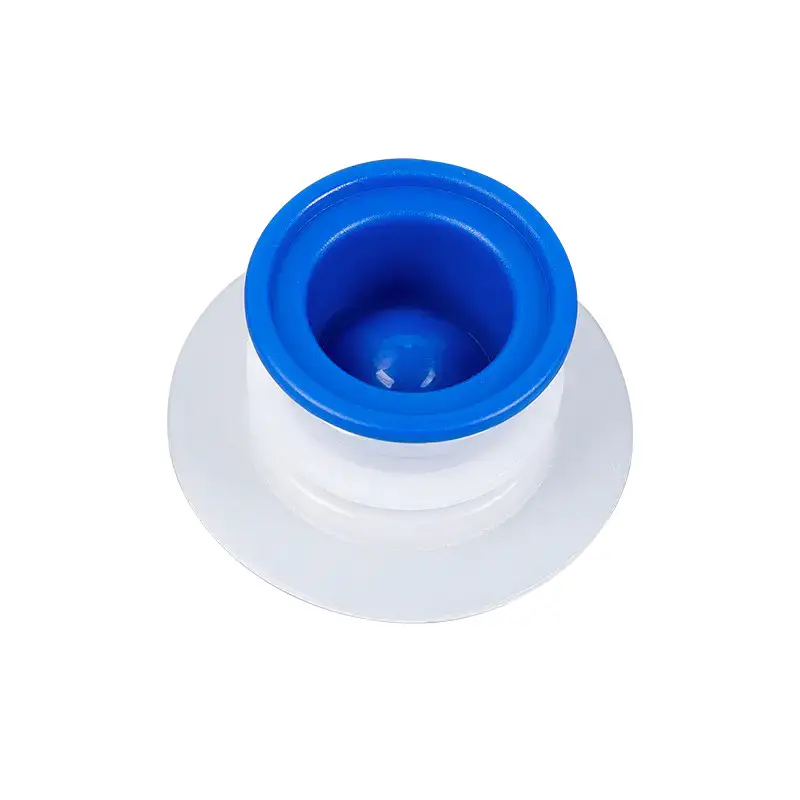
The valve (tap) on a bag-in-box wine package must maintain an air-tight seal when not dispensing. A valve with a poor seal allows ambient air to enter the package slowly through the tap mechanism, negating the oxygen-exclusion benefit of the collapsible bag design. Quality aseptic BIB valves use precision-engineered sealing components that maintain reliable air-tightness through the full dispensing life of the bag. For wine producers sourcing BIB packaging, valve quality is as important as bag film quality in determining the actual post-opening shelf life the consumer experiences.
Bag-in-Box Wine in Food Service: Practical Advantages
The post-opening shelf life advantage of bag-in-box wine is particularly valuable in food service and hospitality settings, where managing opened bottle waste is a significant operational concern:
- By-the-glass programs: A restaurant serving wine by the glass from opened bottles must discard bottles not fully consumed within 3 to 5 days. A 3L or 5L BIB bag provides 4 to approximately 6 standard glasses per liter, with 4 to 6 weeks of post-opening quality — dramatically reducing waste from partially used product.
- Banquet and event catering: Large-format BIB (10L, 20L) is cost-effective for high-volume service events and eliminates the per-bottle opening labor and glass bottle disposal logistics.
- Hotel and airline catering: Bulk BIB wine supply to institutional kitchens is a major market for high-barrier aseptic bags, with the consistent quality and ambient storage convenience matching the logistical realities of large hospitality operations.
BIB Wine Packaging by Volume: What Format Fits What Application
| BIB Volume | Equivalent Bottles | Typical Application | Post-Opening Use Window |
|---|---|---|---|
| 1.5L – 3L | 2 – 4 bottles | Retail consumer, home use | 4–6 weeks refrigerated |
| 5L | ~6.5 bottles | Retail, casual dining, small events | 4–6 weeks refrigerated |
| 10L – 20L | 13 – 27 bottles | Food service, restaurant, hotel | 3–5 weeks at ambient service |
| 220L | ~293 bottles | Winery bulk storage and transport, large-scale blending | Months (bulk ingredient, not consumer dispensing) |
Frequently Asked Questions
Does bag-in-box wine need to be refrigerated before opening?
White wine and rosé in BIB format should be stored in a cool, dark location before opening — consistent with good wine storage practice generally. Room temperature storage (below 20°C) is suitable for red wines before opening. The BIB format's opaque outer box and high-barrier inner bag protect the wine from light and limit oxygen ingress before opening, so the storage requirements before opening are not significantly different from those of equivalent bottled wine. After opening, refrigeration is recommended for white, rosé, and light red wines to maximize post-opening shelf life.
Can bag-in-box wine be as good quality as bottled wine?
Yes. The bag-in-box format is a packaging choice, not a quality indicator. Premium wine regions and producers — including respected Australian, South American, and European producers — package quality wines in BIB format for commercial and food service markets. The quality of the wine inside a BIB package is determined by the wine production, not the packaging. The packaging format determines shelf life performance and serving convenience, not the character of the wine. High-barrier aseptic BIB bags maintain the wine's quality through the shelf life period, and the post-opening advantage means the last glass from a BIB bag is as fresh as the first.
What is the typical shelf life of an unopened bag-in-box wine?
Unopened bag-in-box wine in a high-barrier aseptic bag (aluminum foil laminate or metallized EVOH composite) has a shelf life of 12 months for most wines, and up to 18 months for robust, high-SO₂ wines stored under correct conditions (cool, dark, away from heat sources). Standard-barrier BIB bags without a dedicated oxygen barrier layer have shorter unopened shelf lives of 6 to 9 months. Wine producers should confirm the target shelf life with their BIB bag supplier and verify that the bag specification provides the barrier performance required to achieve it.
Why does boxed wine have a reputation for lower quality than bottled wine?
The association of bag-in-box wine with lower quality is a historical artifact of the format's origins as a commodity packaging solution for economy wines in the 1970s and 1980s. Early BIB bags used lower-barrier materials, and the wine inside was frequently an entry-level product. The format's convenience and cost efficiency attracted budget-oriented positioning that shaped consumer perception for decades. This perception is now changing as premium producers adopt BIB packaging for quality products and as consumers experience the genuine post-opening freshness advantage of a quality aseptic bag. In wine markets like Australia, Scandinavia, and France, BIB wine has been mainstream across multiple quality tiers for years, without the quality stigma that persists in some other markets.
Source Aseptic BIB Bags for Wine from Ruijin Xinchen
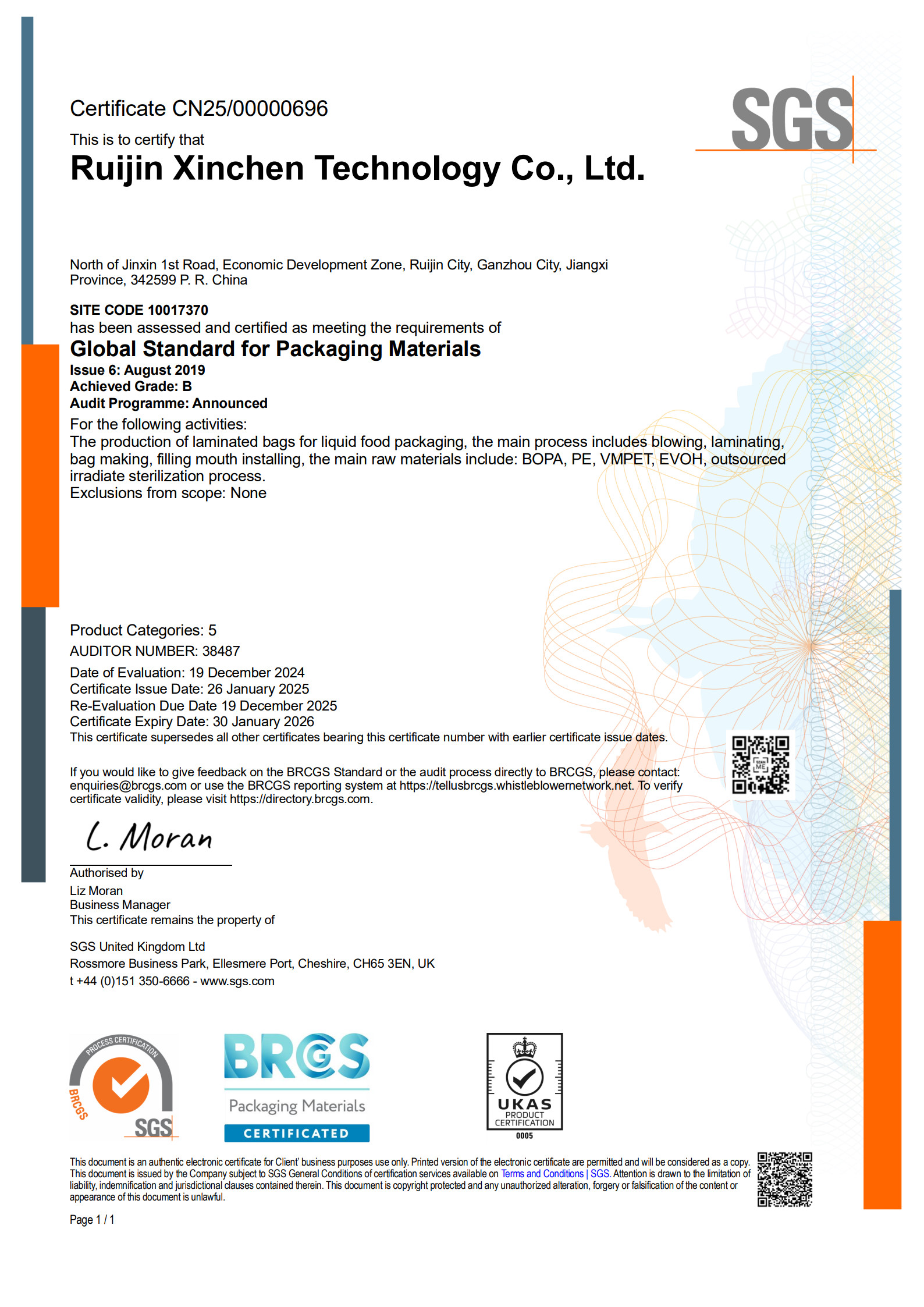
Ruijin Xinchen Technology Co., Ltd. manufactures high-barrier and ultra-high-barrier aseptic bags and bag-in-box packaging for wine, juice, edible oil, dairy, and other liquid food products, using aluminum foil laminate, metallized PET, and EVOH composite film constructions. Capacity range 1L to 220L. Complete valve and spout cap options for BIB wine dispensing. QS-certified facility, National High-Tech Enterprise, 10+ national patents.
Contact us to request barrier film specifications, sample BIB wine bags, and pricing for your wine packaging requirements.
Related Products: Bag-in-Box | Aseptic Bags | Valves & Spout Caps

