
 English
 русский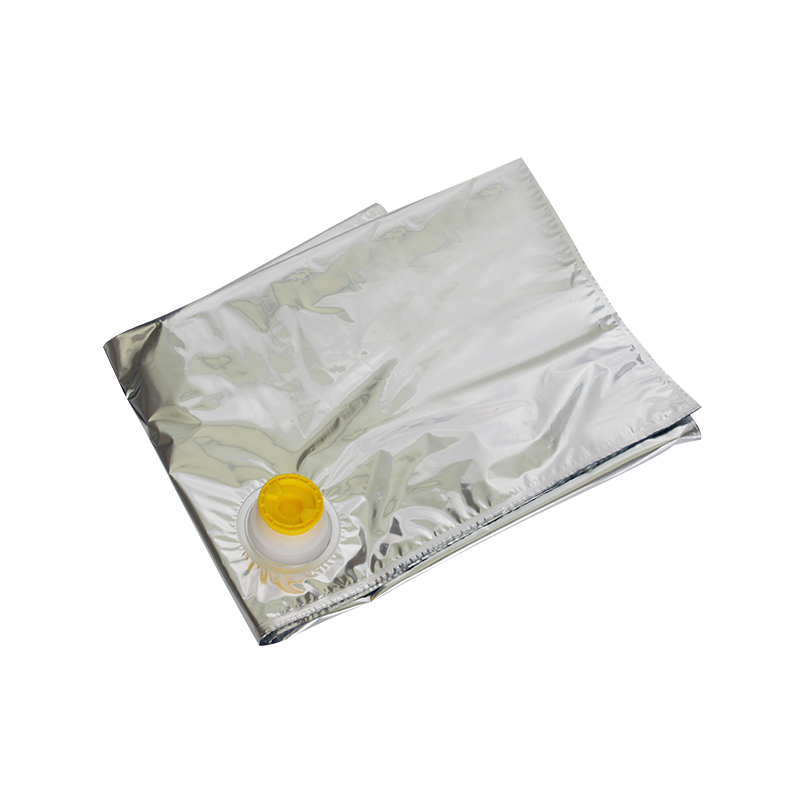
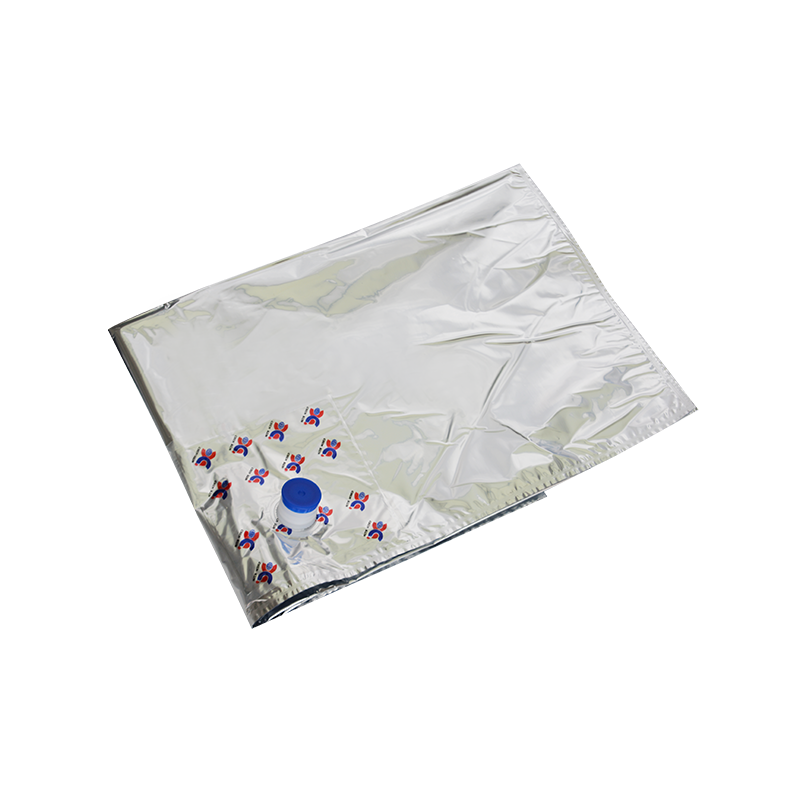
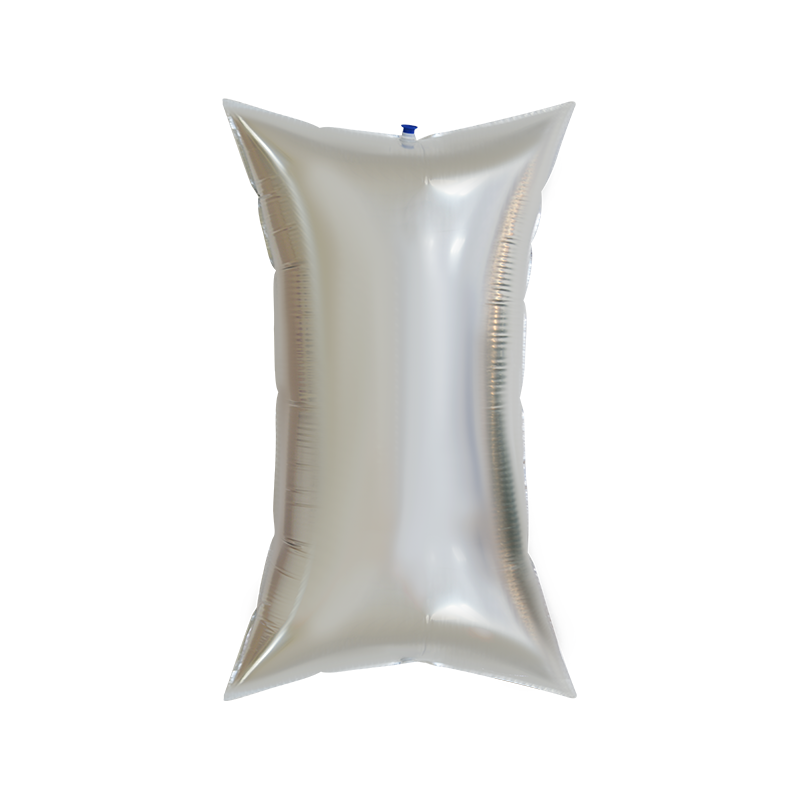
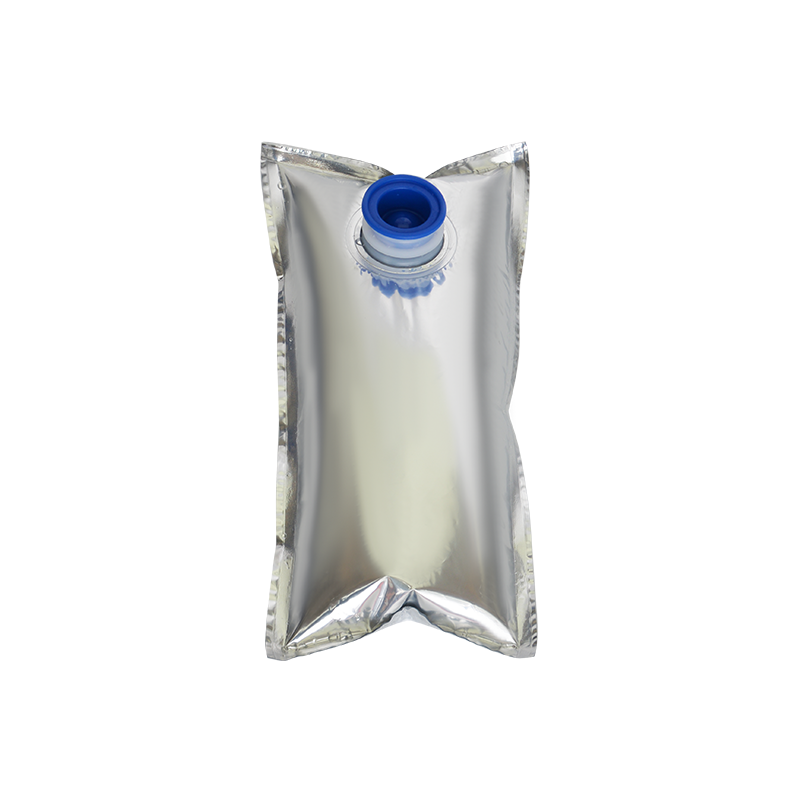
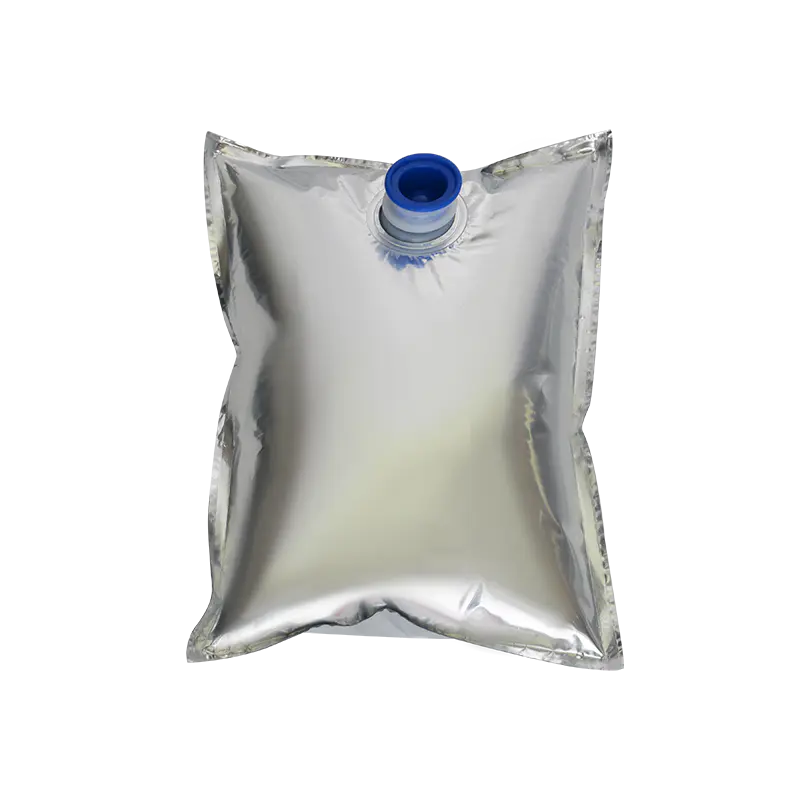
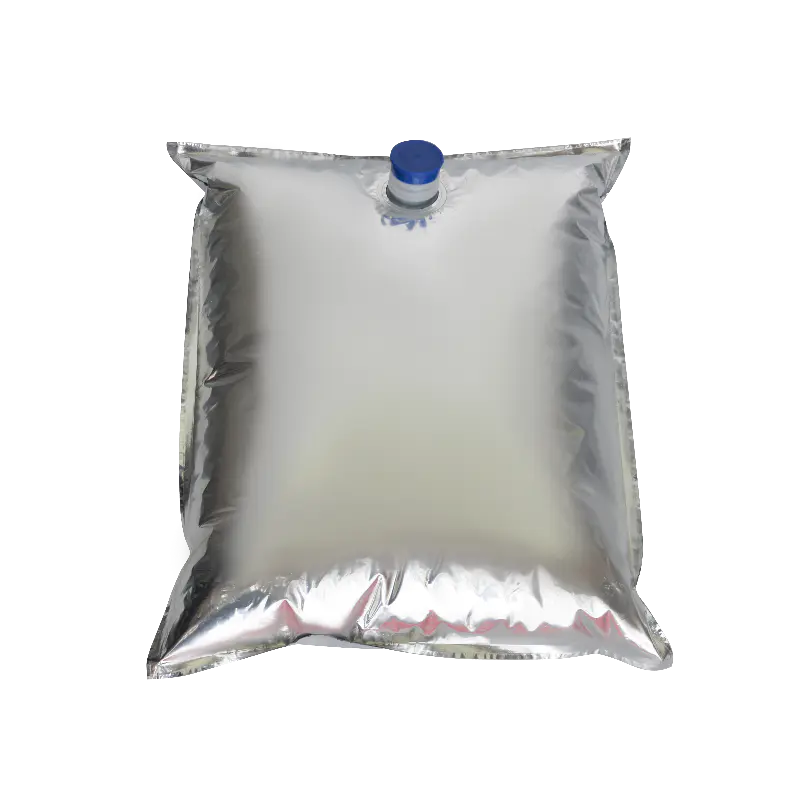
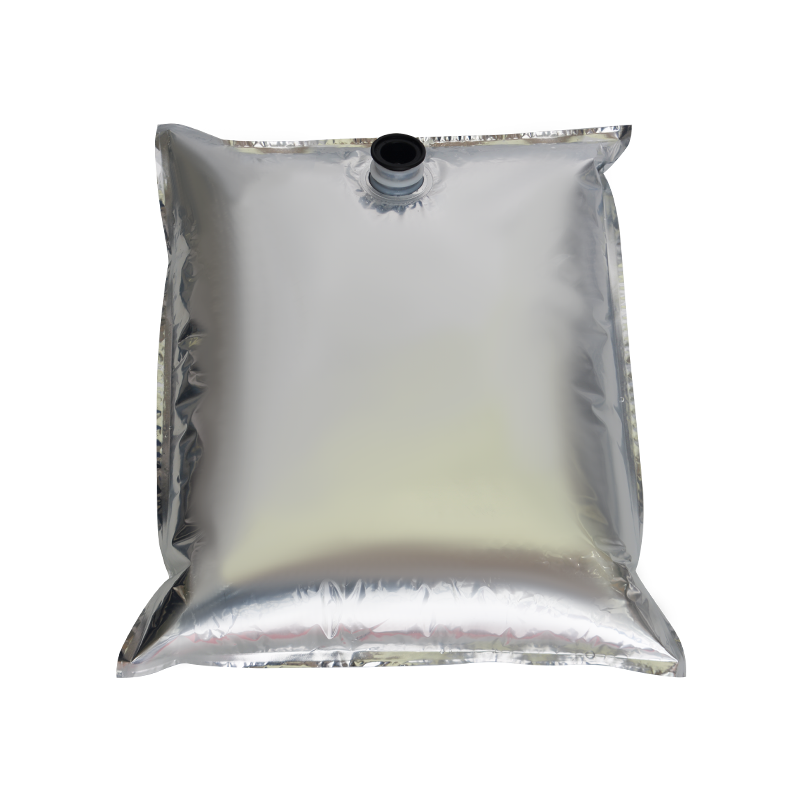
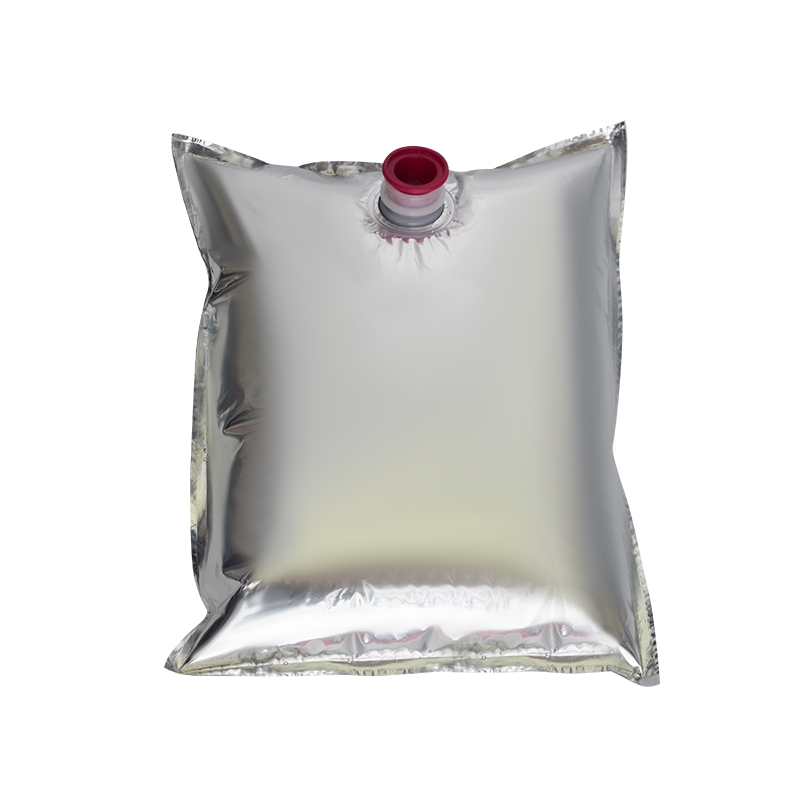
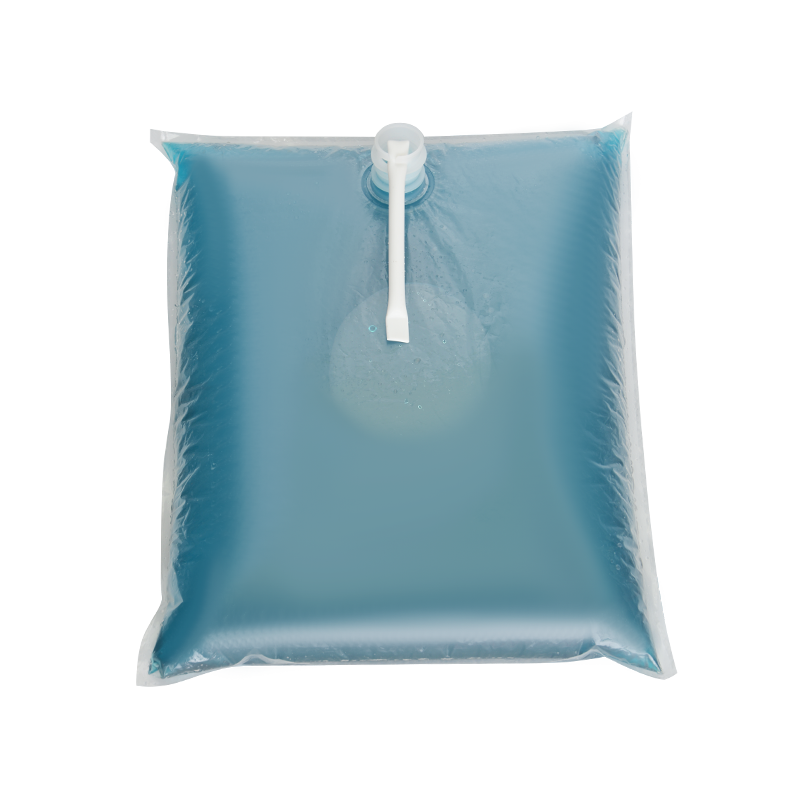
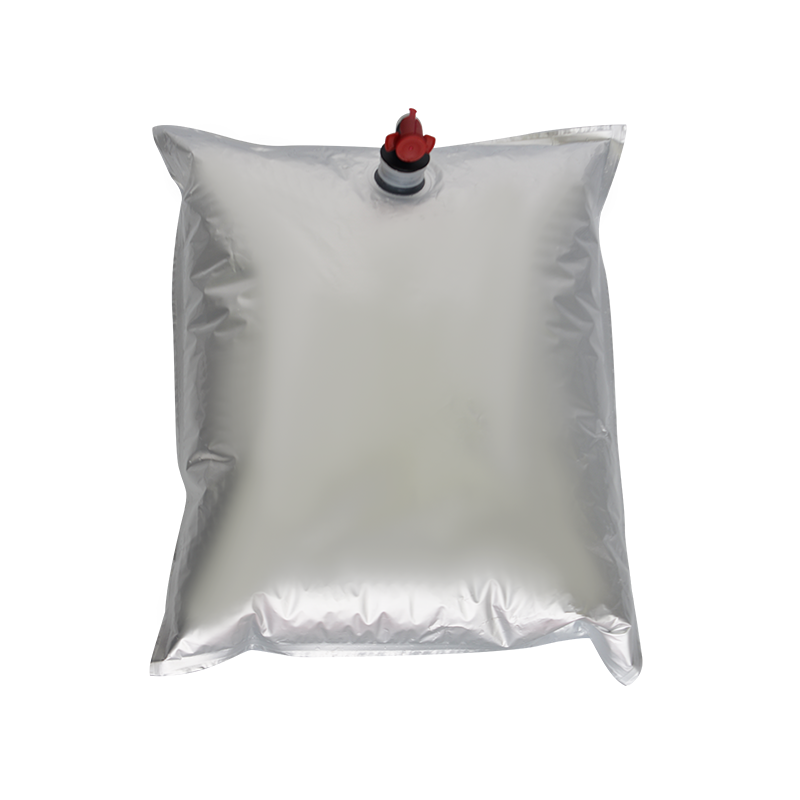
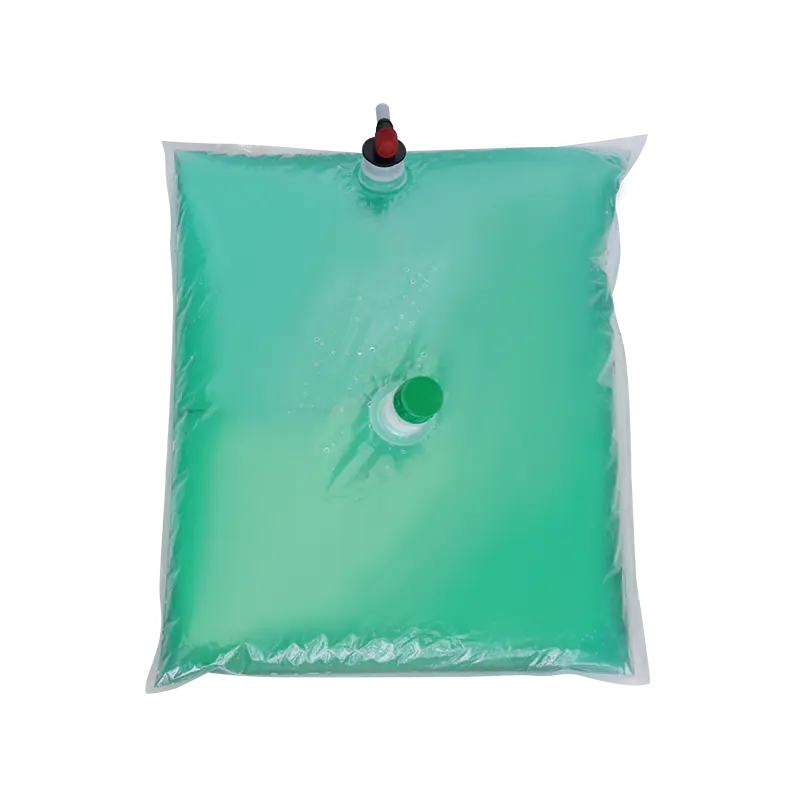
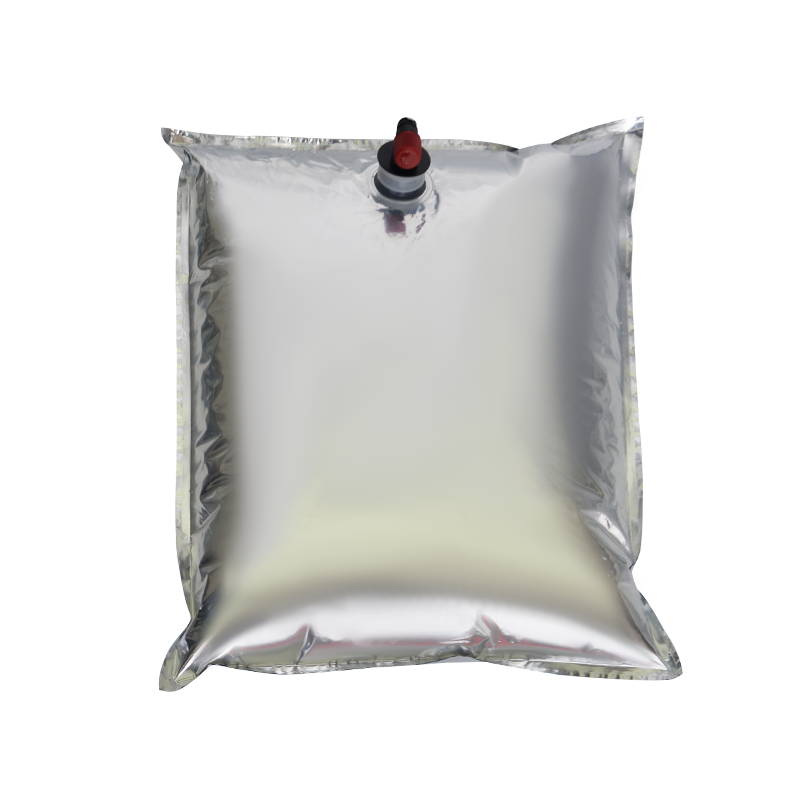


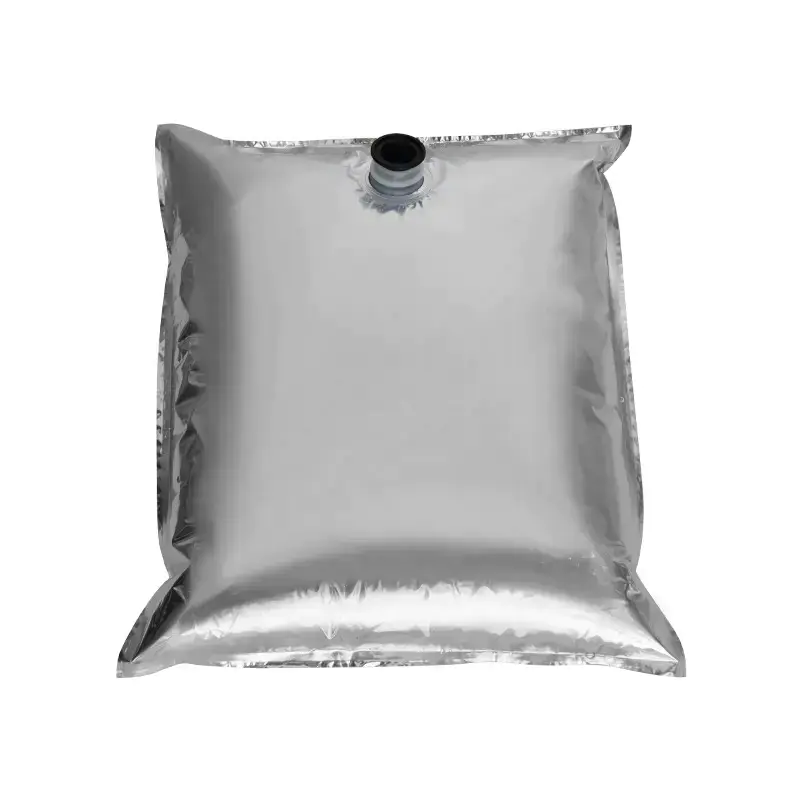
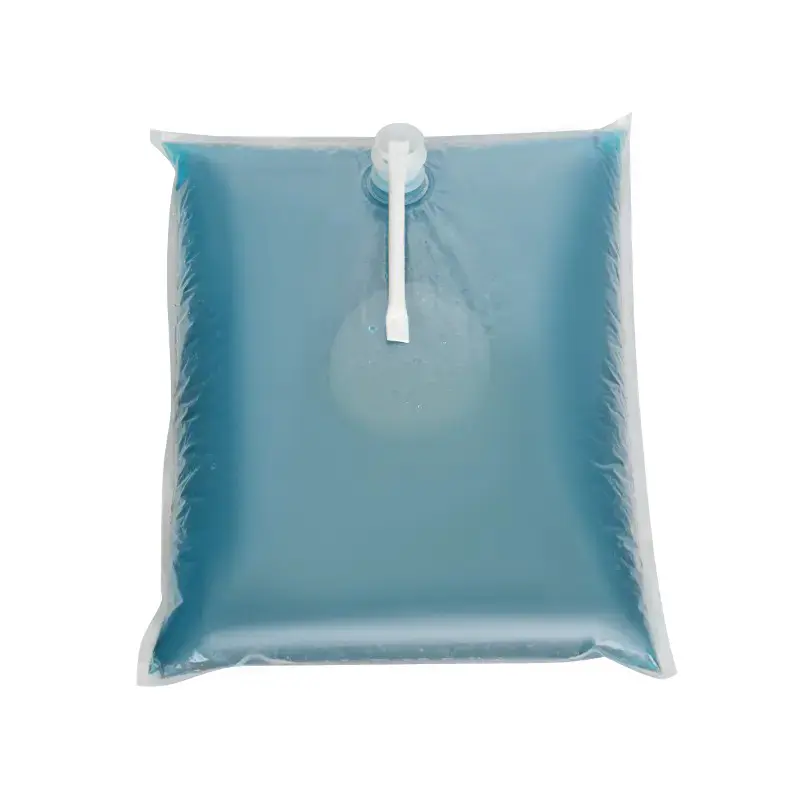
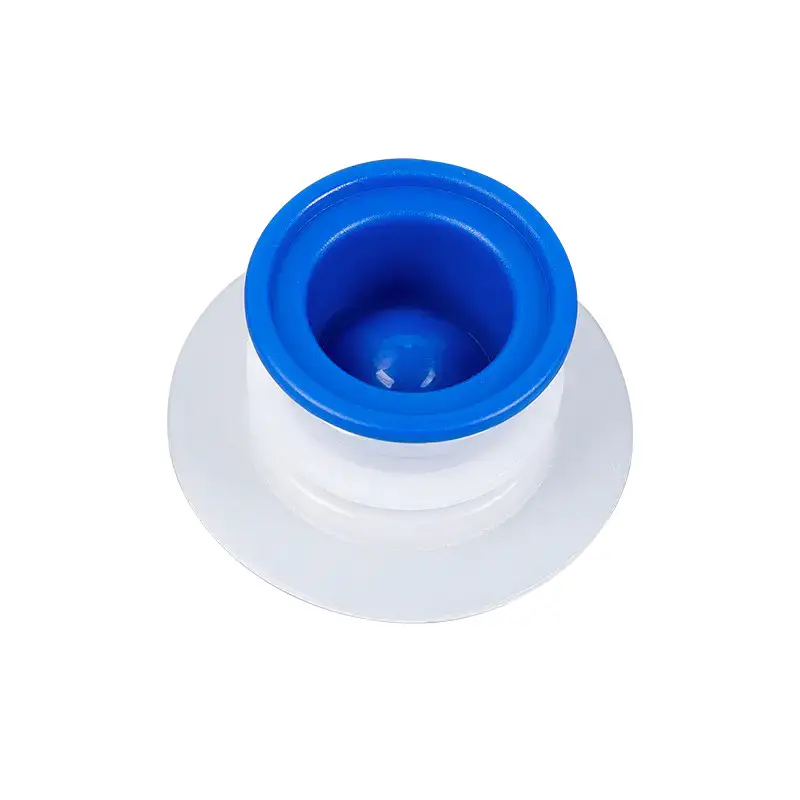

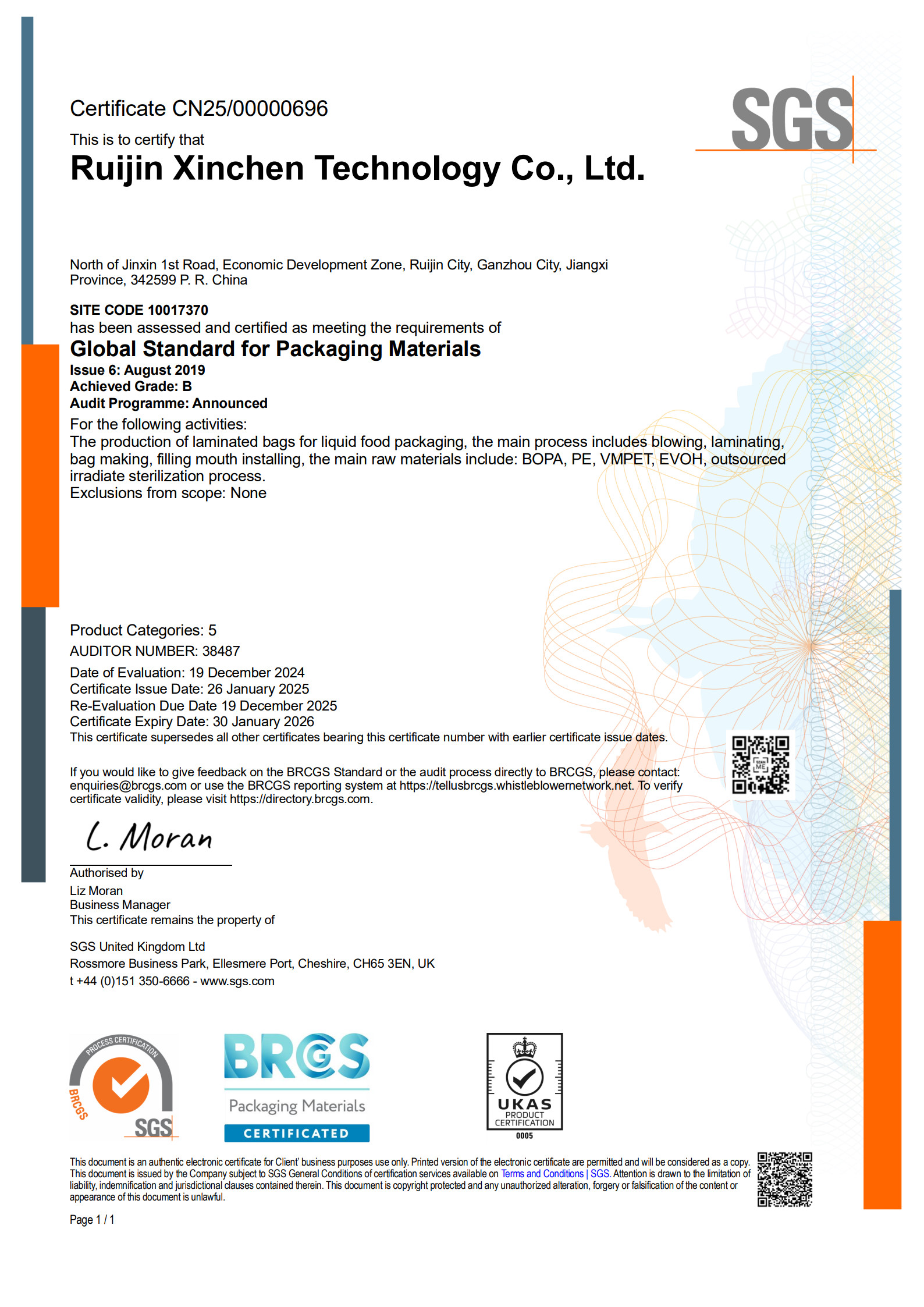

In modern packaging technology, the Bag-in-Box (BIB) system has become an important choice for packaging liquid foods, beverages, and chemical products due to its efficiency, hygiene, and convenience. Within the entire BIB system, the Bag-in-Box Liquid Valve is a core component that ensures product safety, convenient dispensing, and maintains liquid quality.
Design Principles of Bag-in-Box Liquid Valves
The core design principle of the Bag-in-Box Liquid Valve is to achieve safe liquid dispensing and easy opening while maintaining the seal and freshness of the contents. The valve is typically made of high-strength food-grade plastic or engineering plastic, capable of resisting corrosion from acidic and alkaline liquids and possessing good temperature resistance. Through precise sealing design, the valve effectively prevents liquid leakage and oxygen ingress, thereby extending the shelf life of liquid products.
Structurally, Bag-in-Box liquid valves usually include a valve body, valve core, and locking mechanism. The valve body connects to the bag opening and maintains the seal, the valve core controls the liquid flow and opening/closing operation, and the locking mechanism ensures that the valve does not accidentally open during transportation and storage. Some high-end valves also incorporate an anti-drip design, making pouring smoother and preventing liquid from contaminating the external environment during use.
Material Selection and Performance Advantages
Material selection is crucial to the performance of Bag-in-Box liquid valves. High-quality valves typically use food-grade polypropylene or polyethylene materials. These materials are not only safe and non-toxic but also possess good corrosion resistance and mechanical strength. During repeated liquid flow, the valve maintains structural stability, avoiding deformation or leakage problems caused by frequent opening and closing.
In addition to corrosion resistance and pressure resistance, the valve material should also have low friction characteristics to ensure smooth and effortless liquid dispensing. Especially in high-viscosity liquid applications, high-quality materials reduce resistance, improve dispensing efficiency, and reduce valve wear, extending its service life. This material advantage is particularly evident in food, beverage, pharmaceutical, and chemical liquid packaging.
Valve Structure Innovation and User Experience
With the diversification of packaging needs, Bag-in-Box liquid valves are constantly innovating in structure to optimize the user experience. Modern valve designs focus on ease of operation, allowing users to open and close the valve without additional tools. The drip-proof spout design and adjustable flow structure allow for more precise pouring of different types of liquids, while also reducing waste.
The user-friendly design of the valve also includes a rotatable spout, a transparent viewing window, and an anti-inversion leakage prevention structure. The transparent viewing window allows users to easily see the remaining liquid level, while the anti-inversion design prevents accidental leakage during transportation and storage. These structural innovations not only enhance the product's functionality but also increase user trust and satisfaction with the Bag In Box system.
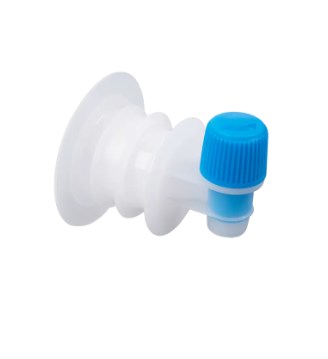
The Importance of Liquid Valves in Packaging Systems
In the entire Bag In Box packaging system, the liquid valve not only performs the function of on/off control but is also a crucial link in ensuring packaging safety and liquid quality. Good valve sealing prevents air ingress, reducing oxidation or microbial contamination, thus extending the shelf life of liquid products. For perishable or hygiene-sensitive liquid products, such as juices, dairy products, or sauces, the role of the valve is particularly important.
At the same time, the durability and convenience of the valve directly affect logistics transportation and consumer user experience. High-performance valves can withstand long-distance transportation and multiple operations, keeping the liquid from leaking or being contaminated, and ensuring smooth pouring. Therefore, the liquid valve is not only the technical core of the BIB packaging system but also an important factor in enhancing brand reputation and product competitiveness.
Environmental Protection and Sustainable Design
The modern packaging industry is increasingly focusing on environmental protection, and the optimization of Bag In Box liquid valves in terms of environmental friendliness has become a trend. The valve materials are recyclable, and the design structure reduces the amount of plastic used, thus lowering the environmental burden. At the same time, the tight fit between the valve and the BIB bag reduces liquid waste and improves resource utilization efficiency. This environmentally friendly and sustainable design not only aligns with modern corporate social responsibility but also meets consumer demand for green packaging.
As a core component of the entire packaging system, the design, materials, structure, and function of the Bag In Box liquid valve directly affect the safety, convenience, and quality stability of liquid products. From sealing and durability to user experience, every technical optimization of the valve provides the packaging industry with more efficient and reliable solutions. With the increasing demand for high-quality liquid packaging, the future application prospects of liquid valves will continue to be broad.
FAQ
Q1: What types of liquids are Bag In Box liquid valves mainly suitable for?
A1: The valve is suitable for various liquid products, including beverages, fruit juices, dairy products, condiments, and some chemical liquids, especially those requiring high hygiene and sealing standards.
Q2: Will the liquid valve leak?
A2: High-quality valves feature high-precision sealing design and anti-drip structure, effectively preventing leakage and ensuring safe transportation and use.
Q3: Are the valve materials safe?
A3: High-end valves use food-grade polypropylene or polyethylene materials, which are non-toxic and harmless, and comply with international food contact safety standards.
Q4: Can Bag-in-Box liquid valves be reused?
A4: The valve has good durability and wear resistance and can be used multiple times if kept clean and hygienic, but the specific number of uses depends on the type of liquid and frequency of use.
Q5: How does the valve design improve user experience?
A5: The valve features anti-drip, adjustable flow rate, rotating spout, and transparent viewing window designs, making pouring liquids smoother, more intuitive, and safer.

