
 English
 русский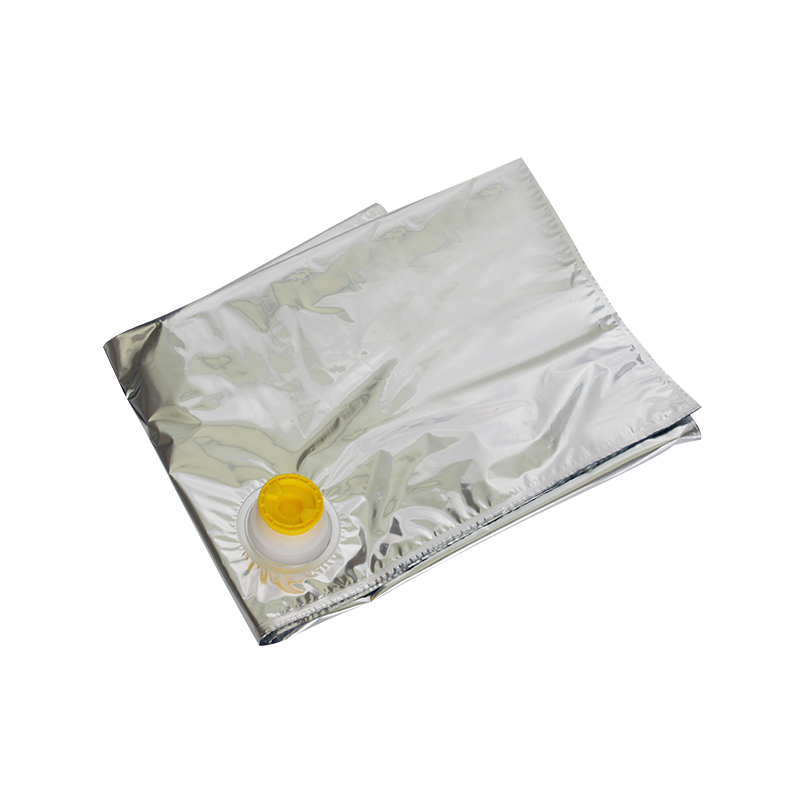
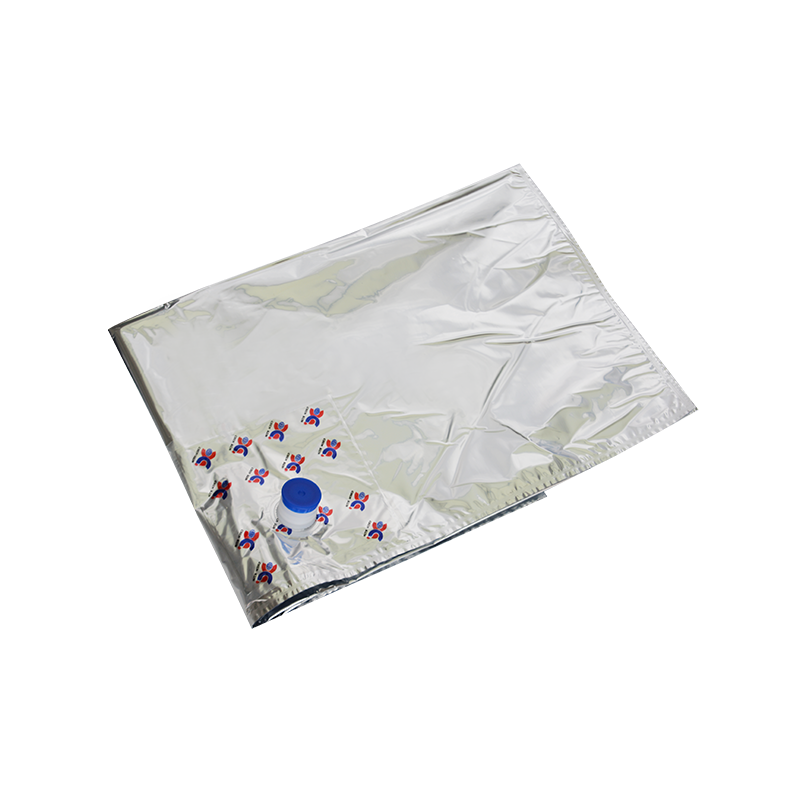
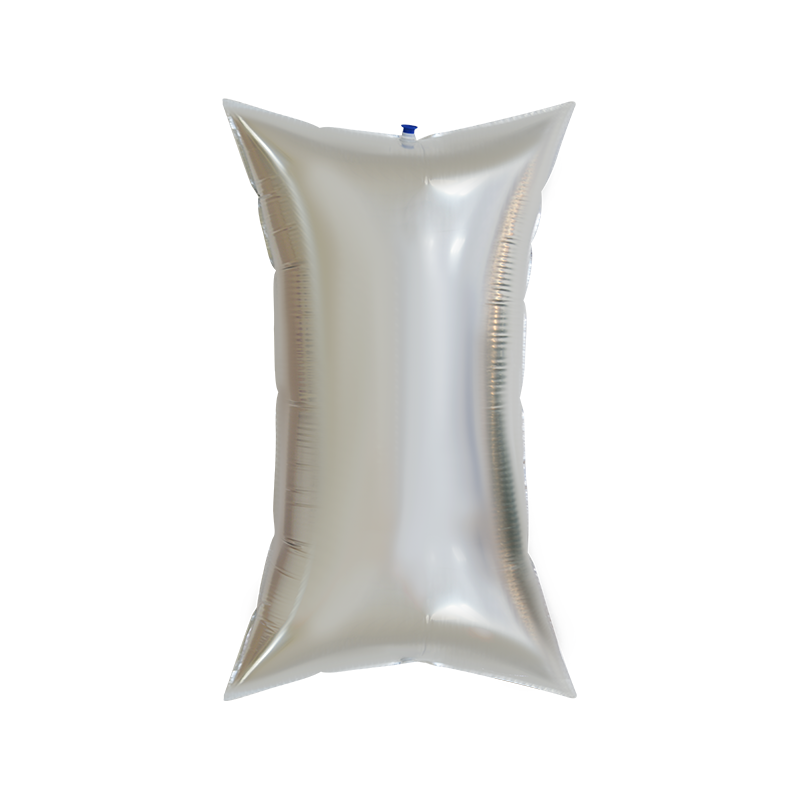
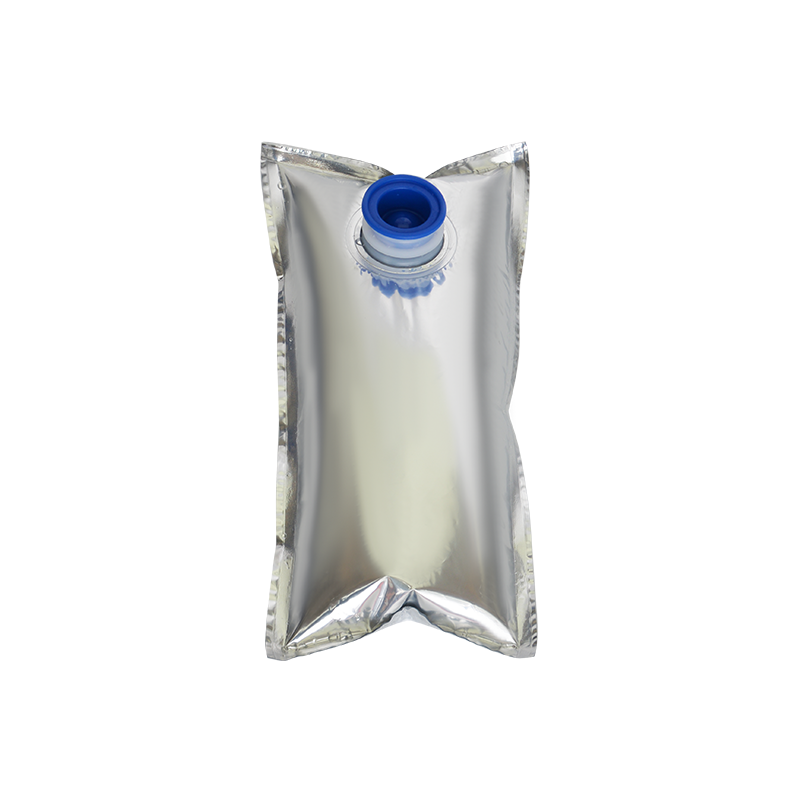
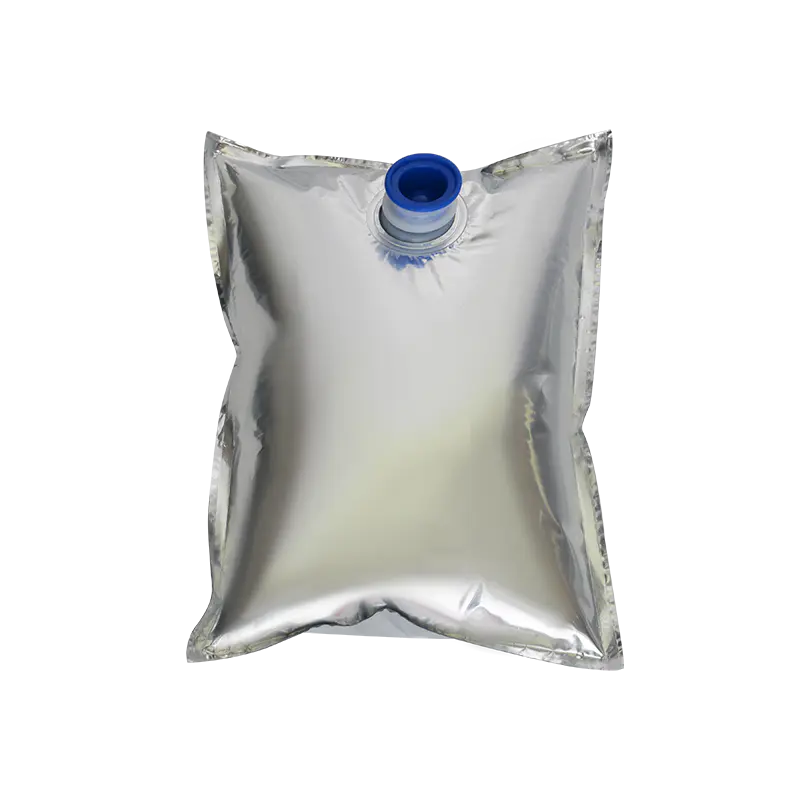
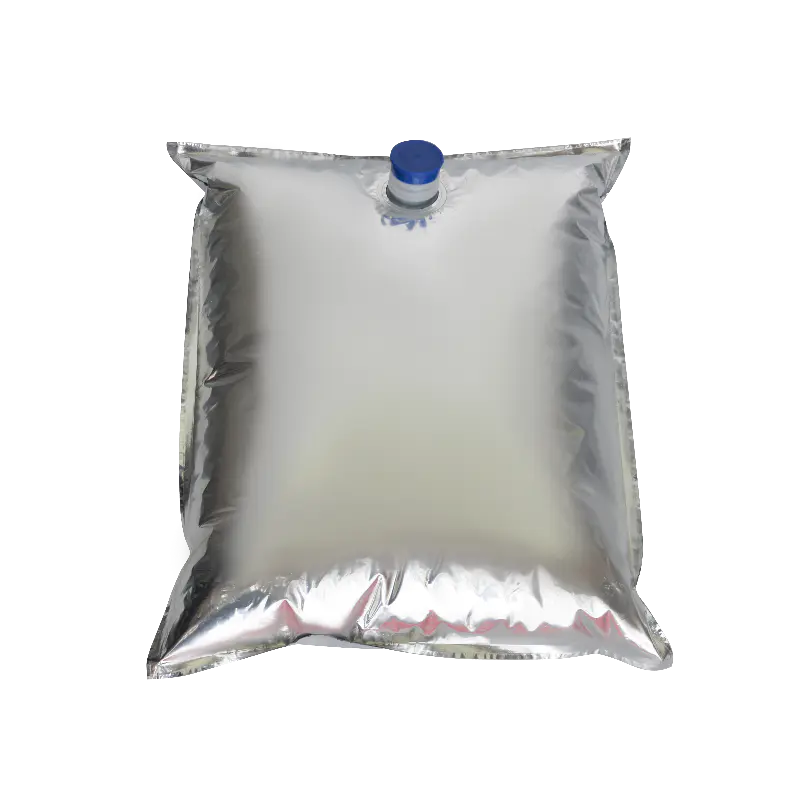
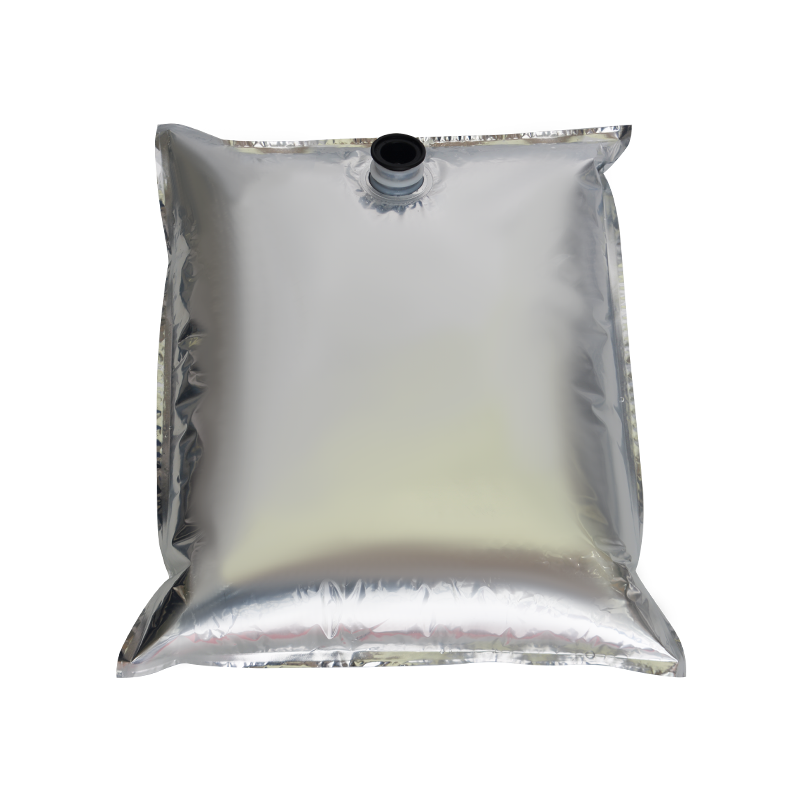
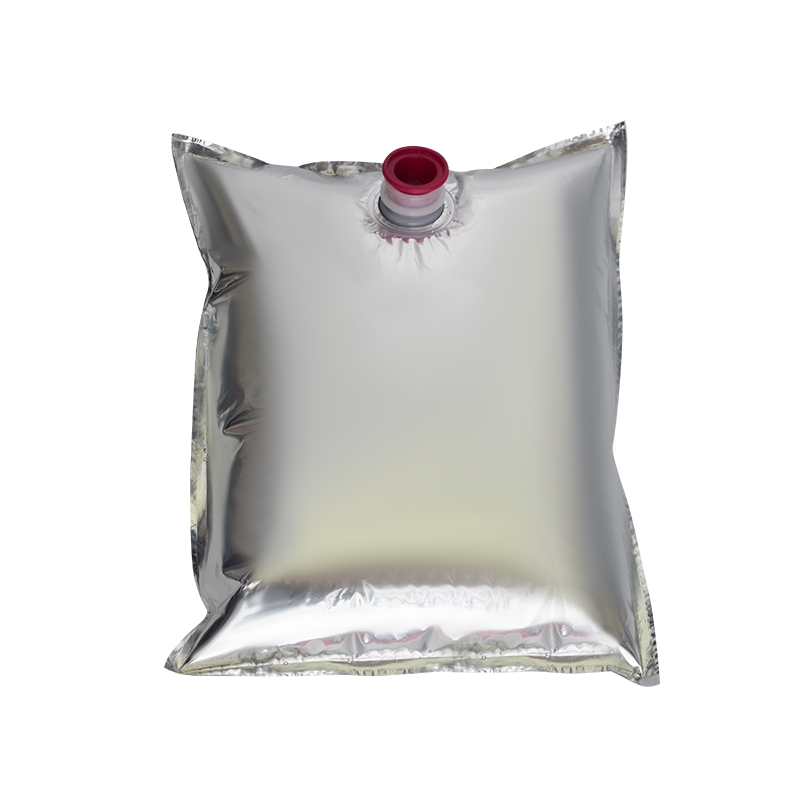
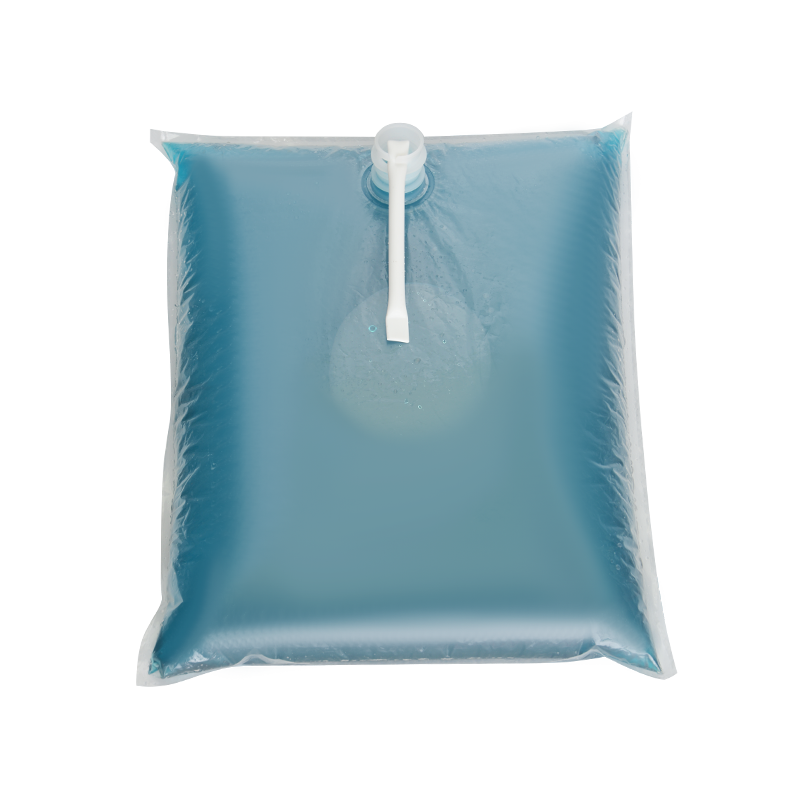
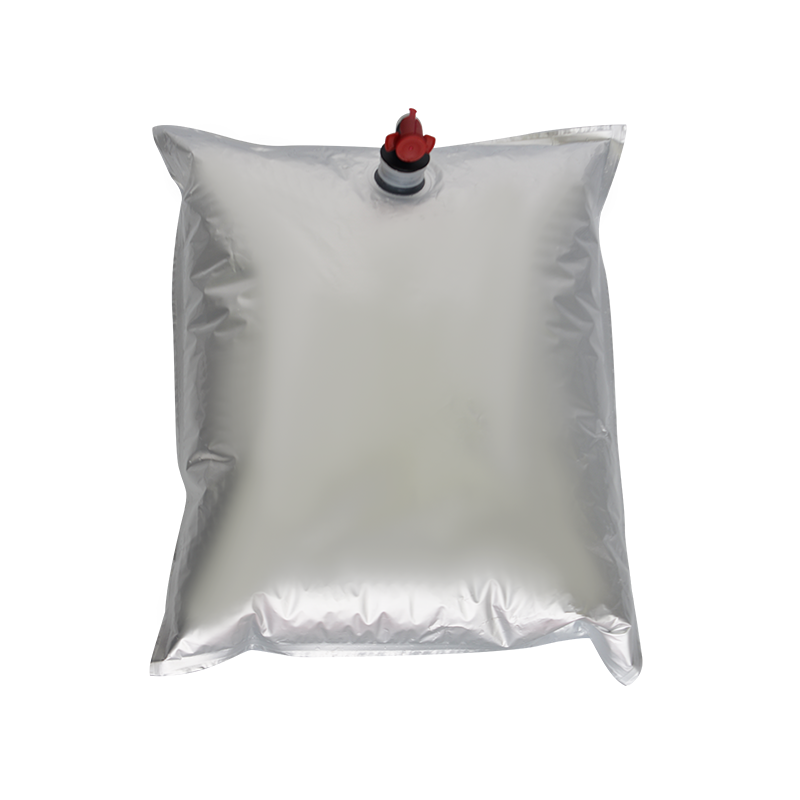
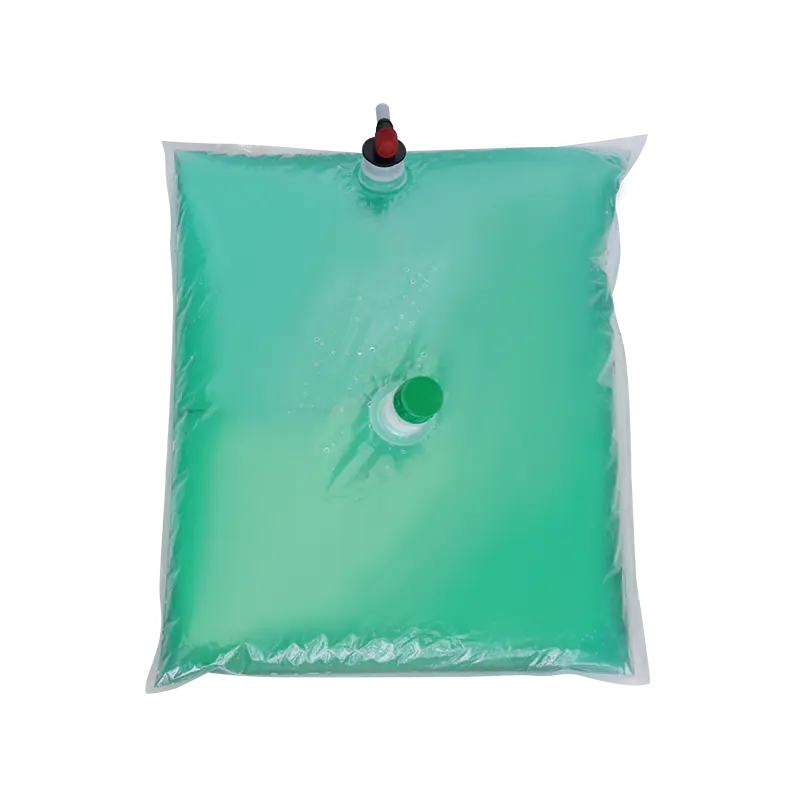
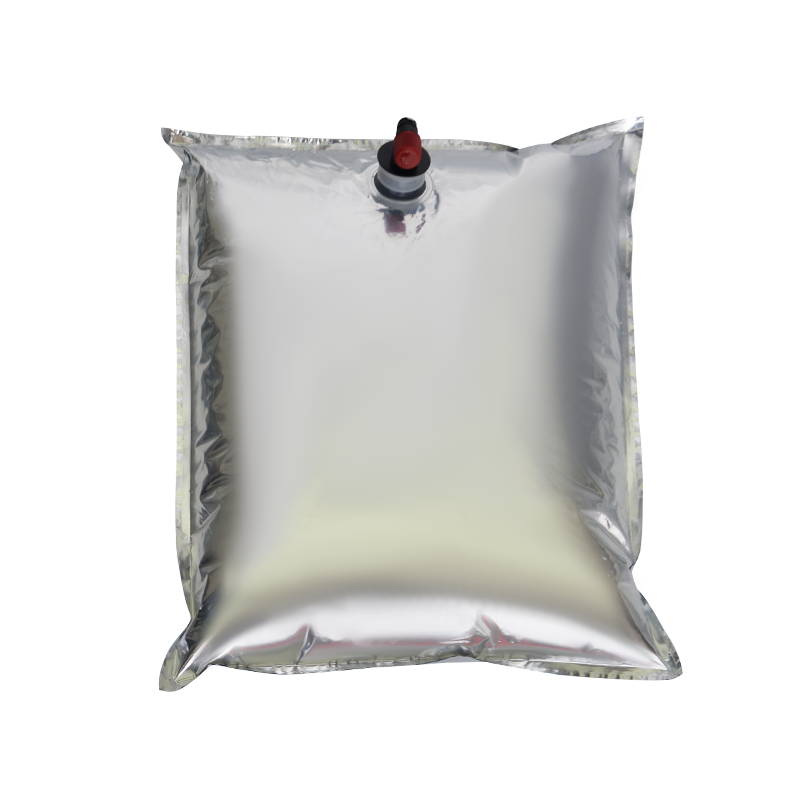


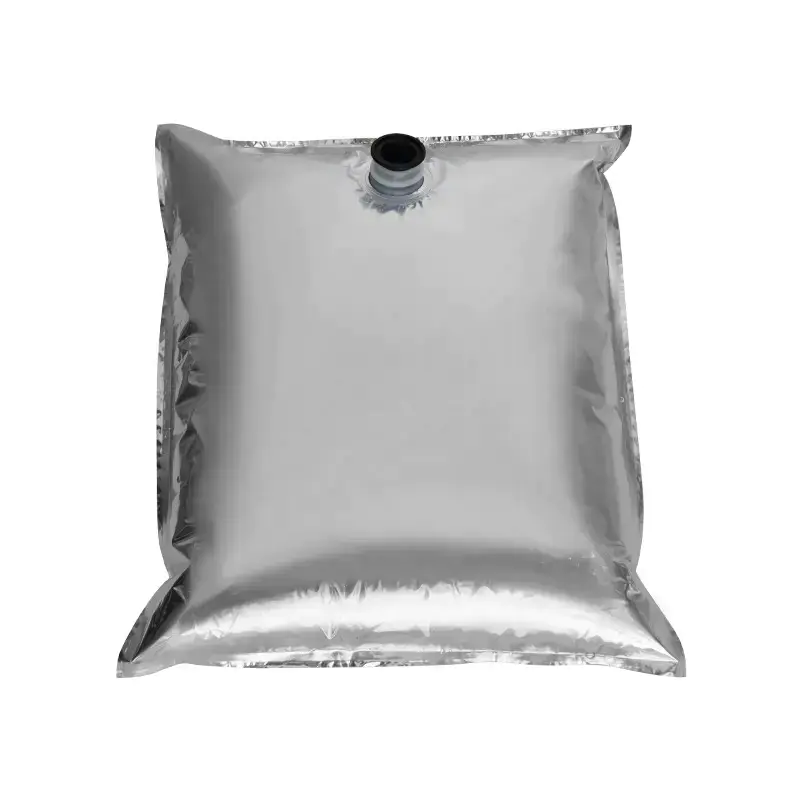
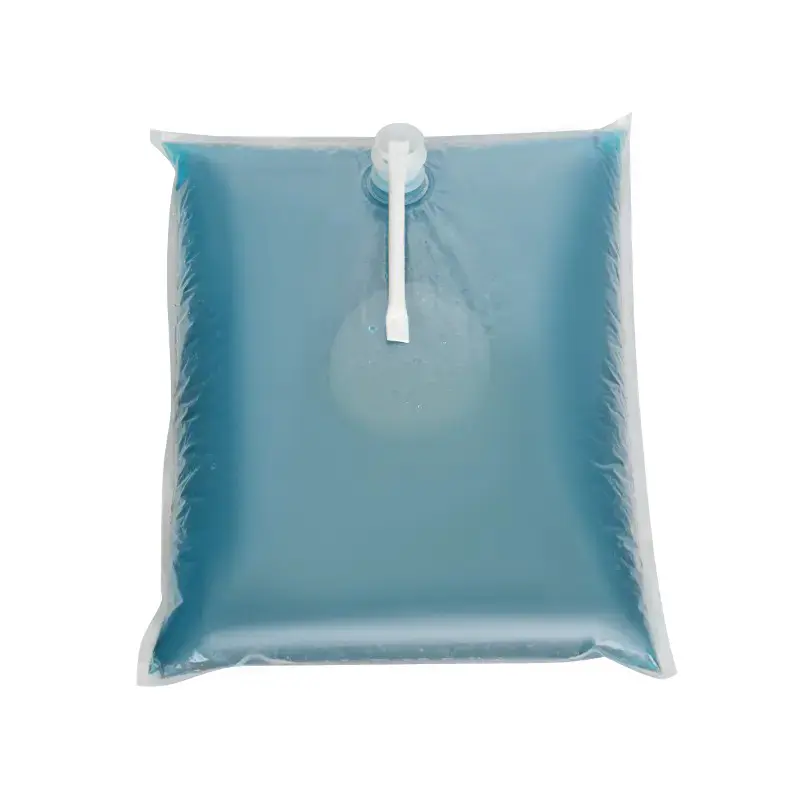
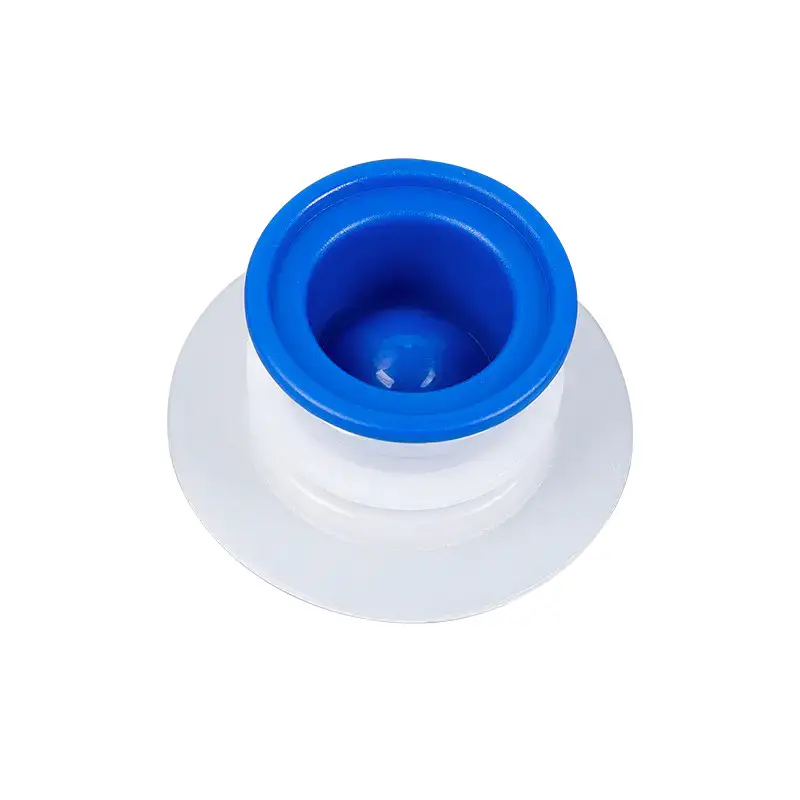


Bag-in-Box packaging is the most efficient and sustainable solution for storing and dispensing liquids, offering unparalleled protection against oxidation, significant cost reductions in logistics, and a markedly lower environmental footprint compared to traditional rigid containers. By combining a flexible inner bag with a rigid outer box, this packaging system fundamentally transforms how liquids are packaged, transported, and consumed across various industries.
The fundamental principle behind this system is straightforward yet highly effective. The inner bag is typically constructed from multiple layers of specialized films that act as robust barriers against oxygen and light. As the liquid is dispensed through the valve, the bag collapses inward. This crucial mechanism ensures that no air is drawn back into the container to replace the displaced liquid. Because oxygen is completely prevented from re-entering the headspace, the freshness, flavor, and nutritional integrity of the contents are preserved for extended periods, long after the initial opening. This makes the format distinctly superior for products that are sensitive to oxidation.
Fundamental Structure and Working Mechanism
To fully appreciate the utility of the Bag In Box system, one must understand its individual components and how they interact to create a highly functional packaging solution. It is not merely a bag placed inside a box; it is a carefully engineered system where each part plays a critical role in product preservation and logistical efficiency.
The Flexible Inner Bag
The bag itself is the heart of the preservation system. It is typically manufactured using co-extrusion or lamination processes to combine multiple layers of different polymers. Each layer serves a distinct purpose. The outer layers provide mechanical strength and puncture resistance, while the inner layers are chosen for their compatibility with the specific liquid being stored, ensuring no chemical leaching occurs. The middle layers usually consist of high-barrier materials such as ethylene vinyl alcohol (EVOH) or metallized films, which provide the critical oxygen barrier. By customizing the film structure, manufacturers can tailor the bag to protect anything from highly acidic fruit juices to delicate wines and viscous syrups.
The Dispensing Valve
The valve or faucet is another critical component that directly impacts the user experience and product shelf life. Unlike standard screw caps that require the container to be opened entirely, the valve allows for controlled, portioned dispensing. When the valve is opened, the flexible nature of the bag allows the liquid to flow out under gravity, and the bag collapses around the remaining liquid. Once the valve is closed, an airtight seal is immediately re-established. There are various valve designs available, including push-button taps for quick pouring and screw-cap spouts for more measured dispensing. The choice of valve depends entirely on the viscosity of the liquid and the intended use case.
The Protective Outer Box
The outer box provides structural rigidity, protecting the inner bag from physical damage during transportation and storage. Usually made from corrugated cardboard, the box is designed to withstand stacking pressures and impacts. It also serves as an excellent canvas for branding and product information. The rigidity of the box makes it easy to palletize and transport, bridging the gap between the flexibility needed for product preservation and the rigidity required for global supply chains.
Key Advantages Over Traditional Packaging
The shift from traditional rigid packaging—such as glass bottles, metal tins, and hard plastic jugs—to Bag In Box systems is driven by a multitude of tangible benefits that span the entire supply chain, from the manufacturer right through to the end consumer.
Extended Shelf Life After Opening
This is arguably the most significant advantage for consumers and businesses alike. A standard bottle of wine begins to oxidize and degrade within days of opening. In contrast, Bag In Box technology can keep wine fresh for several weeks, and more stable liquids like syrups for several months after opening. This dramatically reduces waste, as the consumer is not pressured to consume the entire contents quickly. For food service operations, this means a significant reduction in product spoilage and financial loss.
Logistical and Spatial Efficiency
Bag-in-Box packaging is exceptionally lightweight and spatially efficient. Before filling, the bags and boxes take up a fraction of the space required for empty glass or rigid plastic containers. When filled, the rectangular shape of the boxes allows for optimal palletization, leaving minimal empty space between units compared to cylindrical bottles. This maximization of cargo space reduces the number of shipments required, directly lowering transportation costs and associated carbon emissions.
Environmental Sustainability
As sustainability becomes a critical focus for industries worldwide, Bag In Box packaging offers compelling ecological benefits. The outer cardboard is highly recyclable, and the inner bags require significantly less petroleum-based plastic compared to rigid plastic containers of the same volume. Furthermore, a comprehensive life cycle assessment typically reveals that Bag In Box packaging has a substantially lower carbon footprint than glass packaging across its entire lifespan, primarily due to the massive weight reductions in transportation and the lower energy requirements for manufacturing the packaging materials.
Diverse Industrial and Consumer Applications
While originally developed for specific industrial fluids, the versatility of Bag In Box packaging has allowed it to permeate a vast array of sectors, protecting everything from everyday beverages to highly sensitive chemical formulations.
Beverage Industry
The beverage sector is the most visible adopter of this technology. It is ubiquitous in the wine industry, particularly for everyday table wines, where the extended post-opening freshness is a major selling point. Beyond wine, the format is extensively used for fruit juices, iced teas, and cold-brew coffees, which benefit greatly from oxygen exclusion. Even draft beer and cider have adopted Bag In Box solutions for smaller scale venues and home dispensing, avoiding the need for pressurized kegs and gas lines.
Food Service and Culinary
In commercial kitchens and restaurants, efficiency and hygiene are paramount. Bag In Box systems are widely used for liquid condiments such as ketchup, mustard, and mayonnaise, as well as cooking oils and flavor syrups. The closed system prevents contamination from the kitchen environment, and the collapsible bag ensures almost complete evacuation of the product, minimizing food waste. The ease of replacing an empty box also speeds up service during peak hours.
Industrial and Institutional Liquid Management
Beyond food, the format is incredibly valuable for non-food liquids. In the agricultural sector, fertilizers and crop protection chemicals are safely dispensed using Bag In Box systems, where the robust valve prevents dangerous spills. The cleaning industry utilizes it for concentrated detergents, soaps, and sanitizers in hospitals and schools. The pre-measured dispensing capability also ensures safe dilution ratios for hazardous cleaning agents, protecting institutional staff from accidental chemical exposure.
Material Selection and Barrier Technologies
The efficacy of a Bag In Box system hinges on the precise selection of materials tailored to the specific sensitivity of the liquid contained within. Not all bags are created equal; the film architecture dictates the shelf life and compatibility of the packaging.
For highly sensitive liquids like wine and juice, high-barrier films are essential. These often incorporate a thin layer of aluminum foil or a specialized metallized coating sandwiched between polyethylene layers. This structure provides a near-total blockade against oxygen transmission and light exposure, both of which catalyze oxidation and degradation. For less sensitive liquids such as detergents or syrups, clear or translucent films with moderate oxygen barriers may suffice, allowing the user to see the liquid level while still providing adequate protection.
Advancements in polymer science have also introduced sustainable film options. Bio-based polyethylene and other renewable materials are increasingly being integrated into the inner bag construction, further reducing the reliance on fossil fuels and enhancing the overall ecological profile of the packaging system.
Comparative Analysis: Bag-in-Box Versus Rigid Packaging
To truly understand the value proposition of Bag In Box, it is helpful to compare it directly against traditional packaging formats across several critical performance metrics. The table below illustrates how the formats differ in key operational areas.
| Evaluation Metric | Bag In Box | Glass Bottles | Rigid Plastic Jugs |
|---|---|---|---|
| Shelf Life After Opening | Weeks to Months | Days | Days to Weeks |
| Transportation Weight | Lightweight | Very Heavy | Moderate |
| Breakage Risk | Very Low | High | Low to Moderate |
| Overall Carbon Footprint | Low | High | Moderate |
Best Practices for Implementation and Usage
Transitioning to or optimizing the use of Bag In Box packaging requires careful attention to several operational details. To maximize the benefits of this system, manufacturers and end-users should adhere to a set of established best practices that ensure product integrity and seamless integration.
- Match the film barrier precisely to the product's sensitivity to avoid over-engineering or under-protecting the liquid.
- Ensure the filling equipment is properly calibrated to maintain sanitary conditions and prevent the introduction of oxygen during the packaging process.
- Train staff on the correct method of piercing the bag and operating the valve to prevent premature seal breaches.
- Store the boxes in a temperature-controlled environment to maximize the chemical stability of the contents and the physical integrity of the plastic films.
- Consider the dispensing environment when selecting a valve type; high-viscosity liquids require wider bore valves to ensure smooth flow.
Future Trends and Sustainability Innovations
The Bag In Box packaging industry is not static; it continues to evolve rapidly in response to consumer demands for greater convenience and strict environmental regulations. The future of this packaging format lies in the development of smarter and greener solutions.
One major trend is the push towards a circular economy. Innovations in recycling infrastructure are making it easier to separate the inner bag from the outer cardboard, and new monomaterial films are being developed that are fully recyclable without compromising the necessary oxygen barriers. Additionally, there is a significant focus on reducing the overall amount of plastic used in the bag itself through downgauging—creating thinner but stronger film structures.
Another emerging trend is the integration of smart technology into the packaging. The inclusion of smart sensors and QR codes on the box allows real-time tracking of the product's freshness and supply chain journey. These technologies can alert consumers when the product is nearing the end of its optimal window, and provide producers with valuable data on consumption rates and dispensing patterns, allowing for more efficient inventory management.
Strategic Considerations for Adopters
For businesses considering a transition to Bag In Box packaging, several strategic factors must be evaluated to ensure a successful implementation. It is not merely a change in container, but a shift in the entire supply chain dynamic that affects production, logistics, and marketing.
Production Line Adaptation
Switching from rigid containers to flexible bags requires specific filling machinery. Bag In Box fillers are designed to handle the delicate nature of the bags while ensuring high-speed, aseptic filling. Companies must evaluate the capital expenditure required for new filling lines against the long-term savings generated by reduced shipping costs and lower material expenses.
Market Perception and Branding
While Bag In Box has achieved mainstream acceptance in certain categories like wine and syrup, in other premium segments, it may still face consumer skepticism compared to traditional glass. Effective marketing and education are vital. Brands must communicate the tangible benefits—such as prolonged freshness, environmental responsibility, and superior convenience—to shift consumer perception and position the packaging as a premium, thoughtful choice rather than a cheap alternative. The large, flat surfaces of the outer box offer excellent opportunities for vibrant, high-impact graphic design that can attract attention on crowded retail shelves.
Summary of the Dispensing Phases
Understanding the physical process of how a Bag In Box system dispenses liquid helps clarify why it is so effective at preservation. The process relies on atmospheric pressure and the vacuum created by the collapsing bag, entirely eliminating the need for the liquid to be replaced by ambient air.
- The user opens the valve, creating an exit pathway for the liquid.
- Gravity pulls the liquid downward through the valve spout.
- As the liquid exits, the volume inside the bag decreases.
- The flexible bag walls collapse inward to fill the void left by the dispensed liquid.
- No air enters the bag; a natural vacuum maintains the internal environment.
- The valve is closed, and the remaining liquid remains in a completely oxygen-free state.
Concluding Perspectives on Packaging Evolution
The Bag In Box system represents a paradigm shift in how we approach liquid packaging. By elegantly solving the twin challenges of oxidation and logistical inefficiency, it has cemented its place as an indispensable tool across multiple global industries. Its ability to extend shelf life, reduce waste, lower transportation costs, and minimize environmental impact makes it far more than just an alternative container; it is a comprehensive packaging strategy. As material sciences continue to advance and global sustainability mandates become increasingly stringent, the relevance and adoption of Bag In Box solutions will undoubtedly continue to expand, shaping the future of smart, responsible liquid packaging.

