
 English
 русский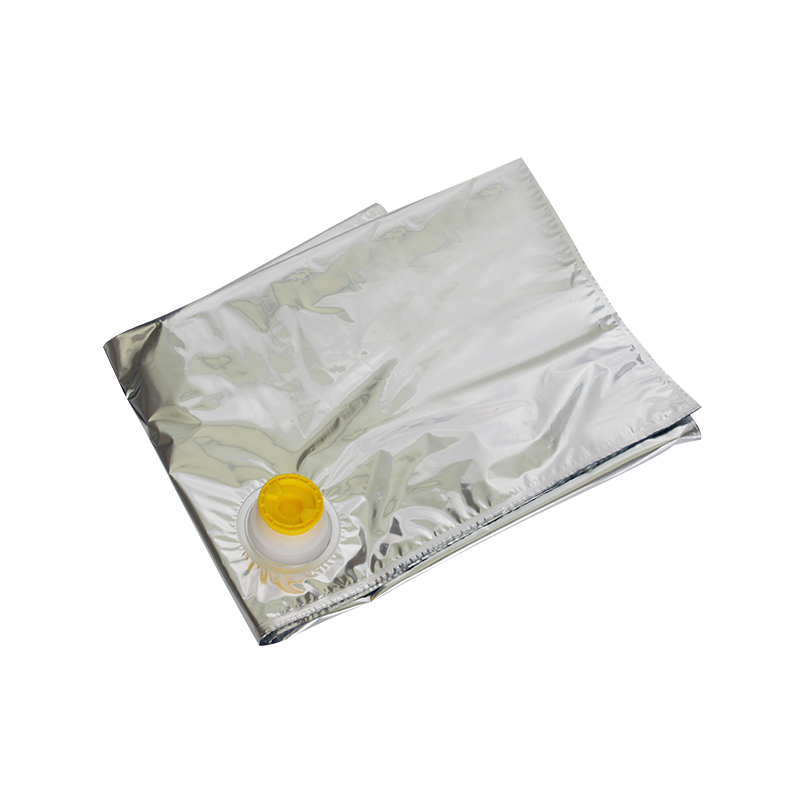
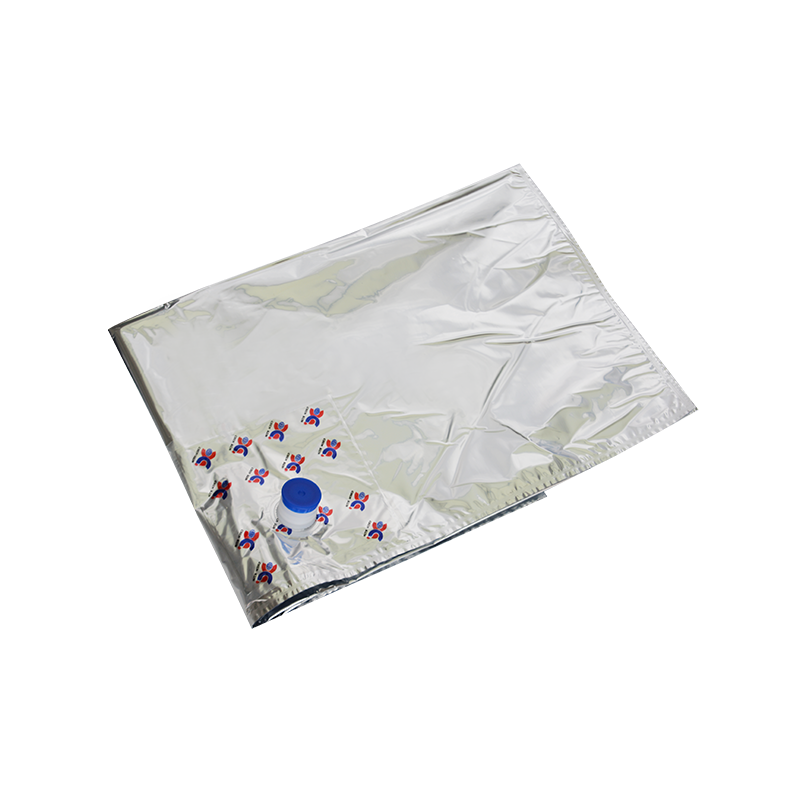
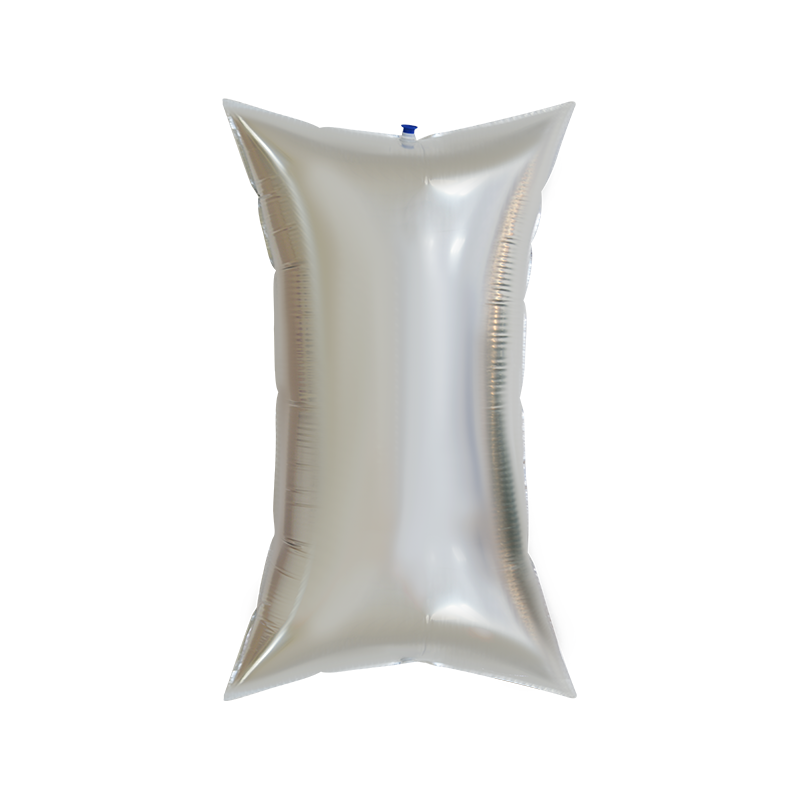
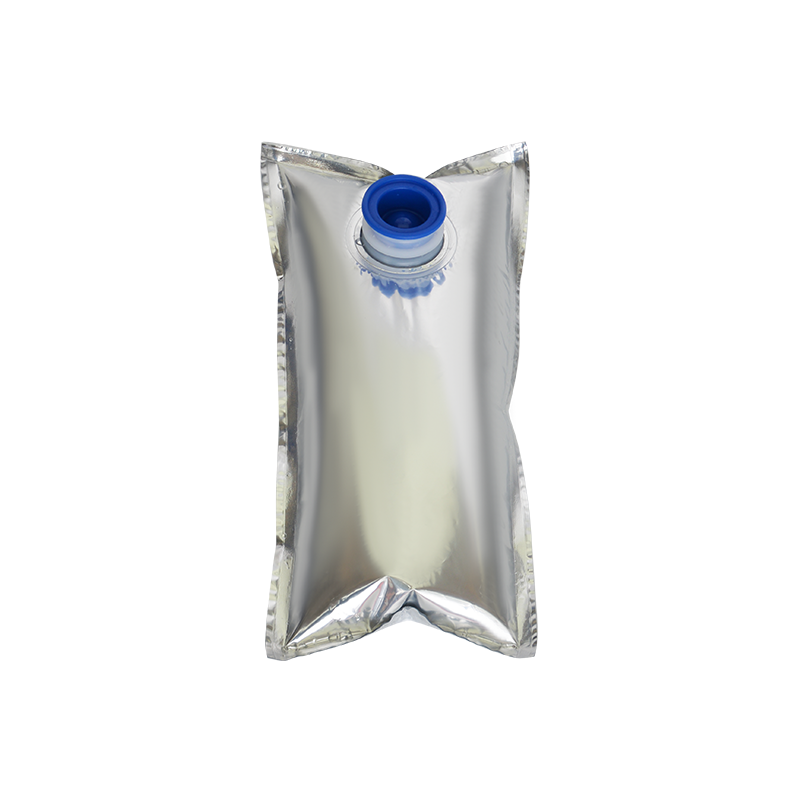
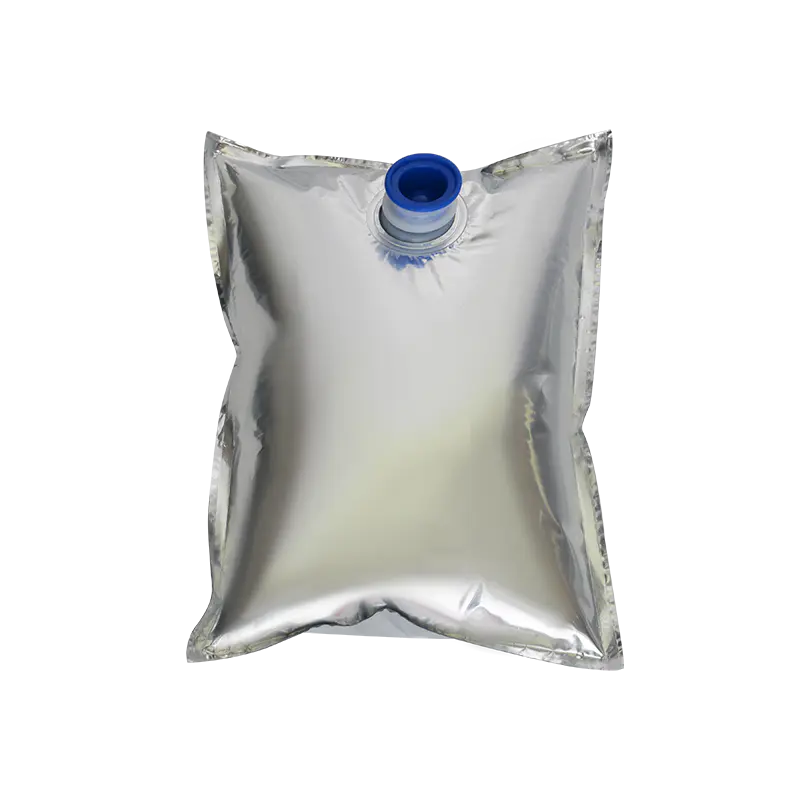
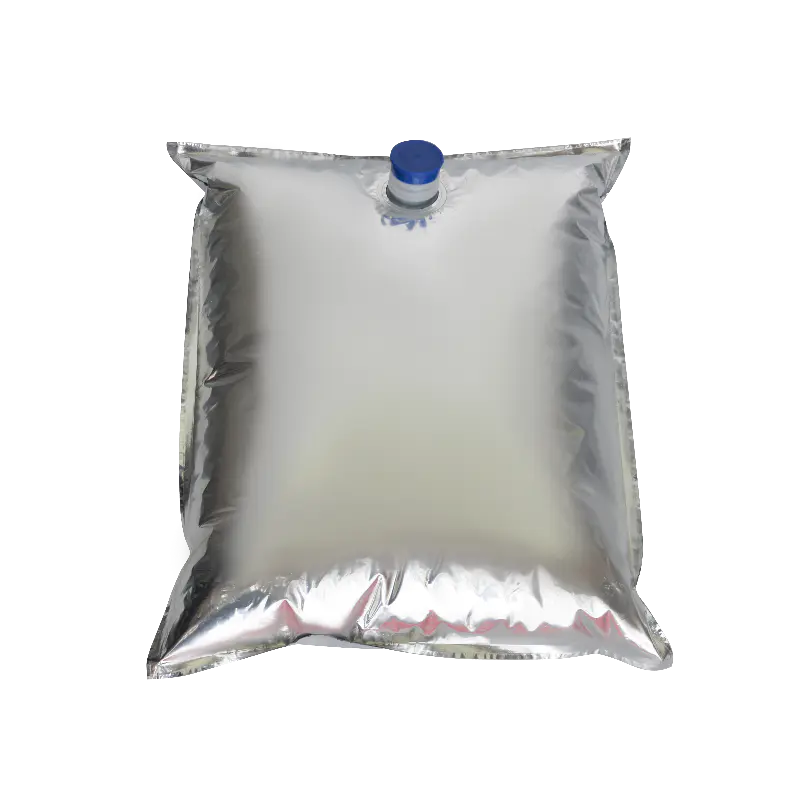
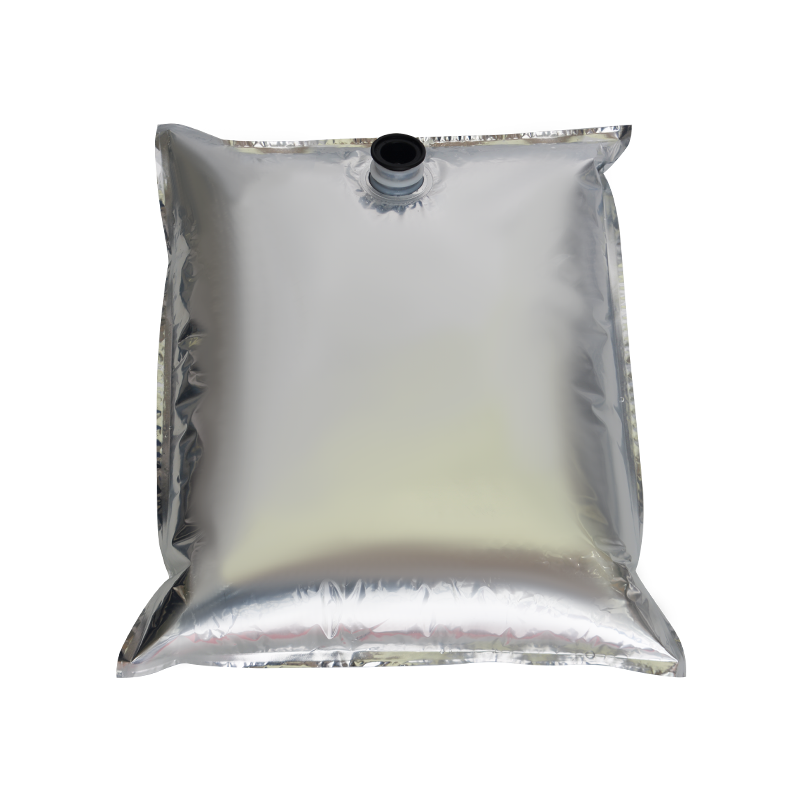
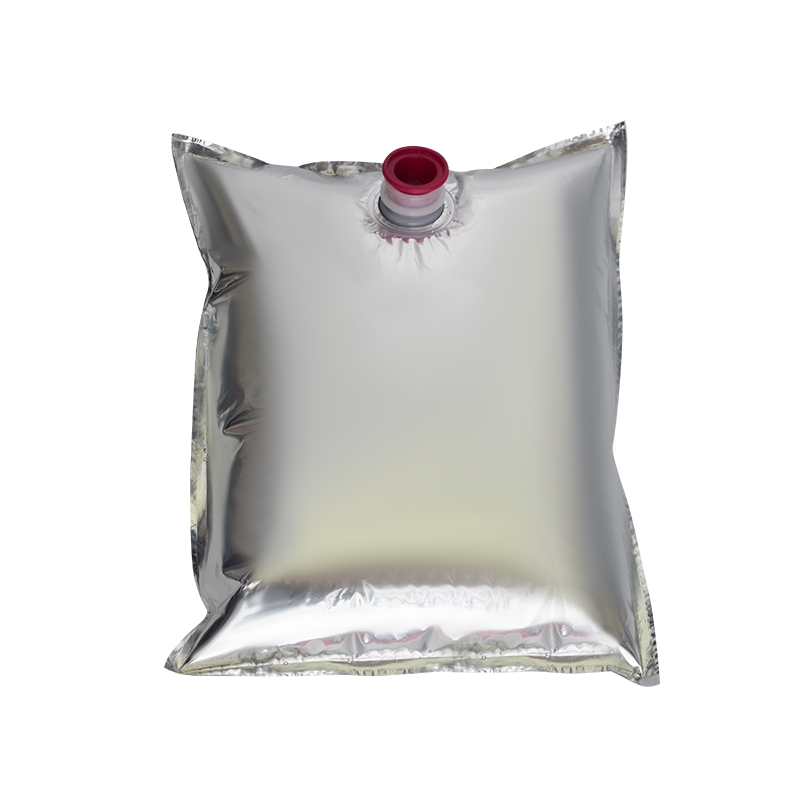
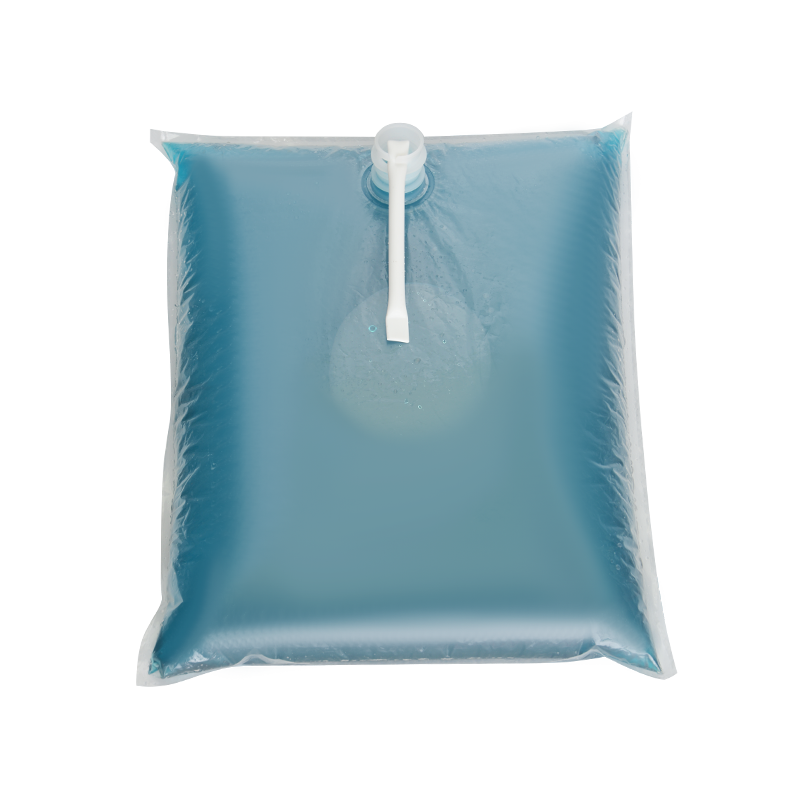
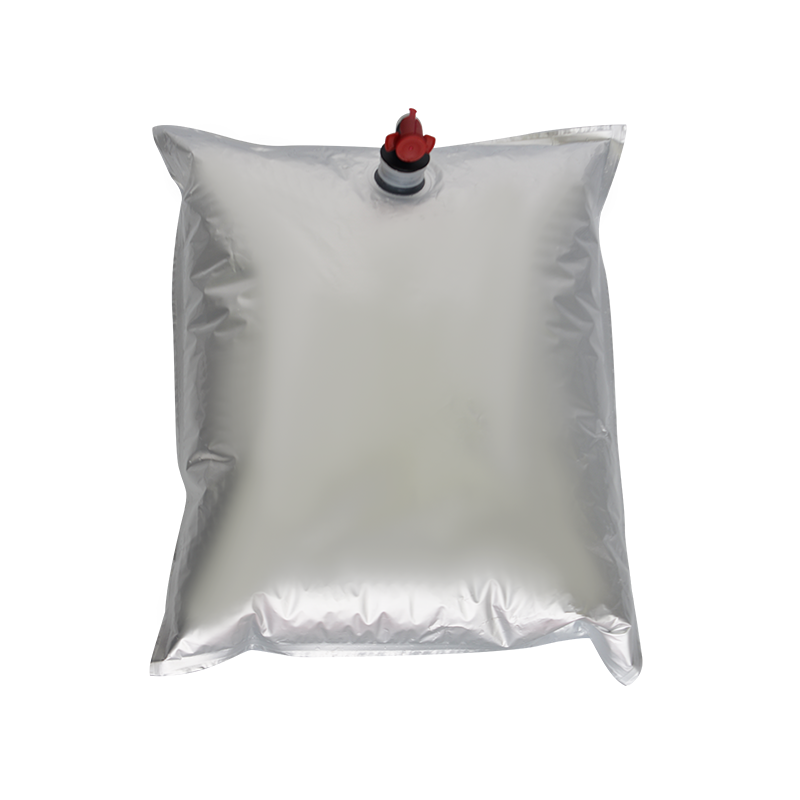
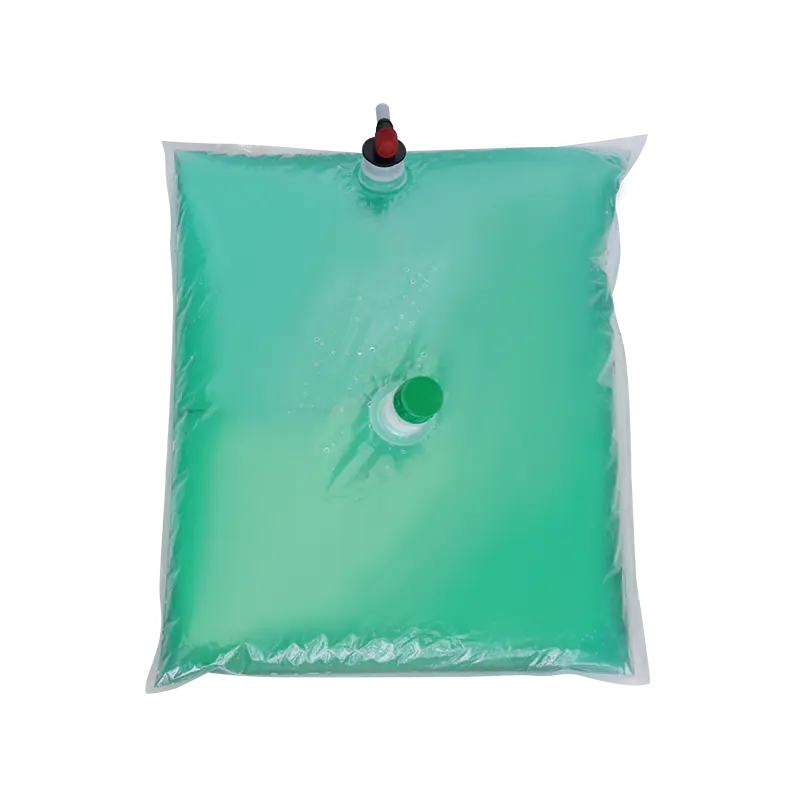
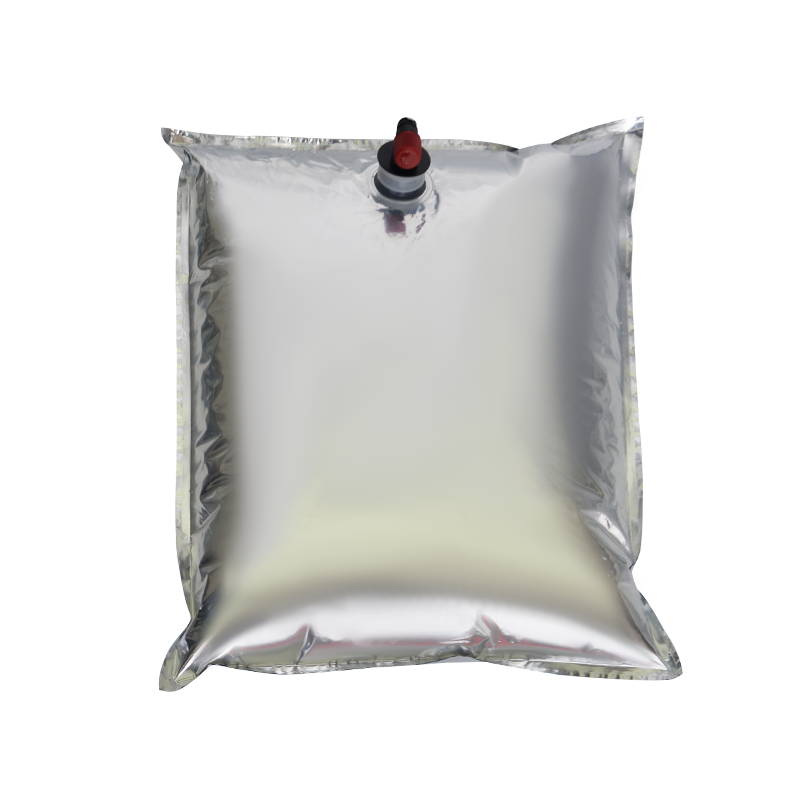


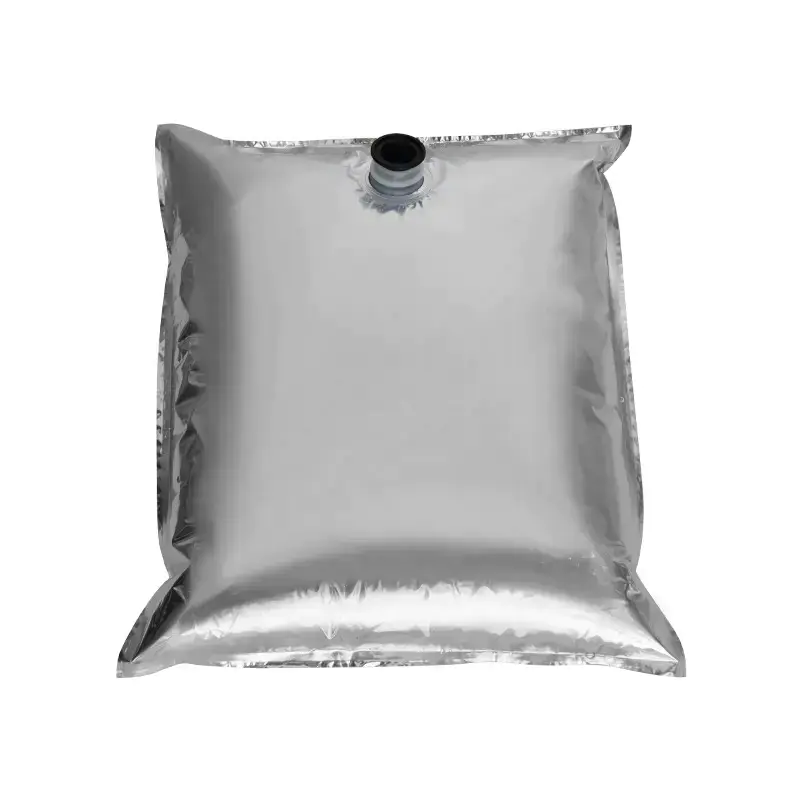
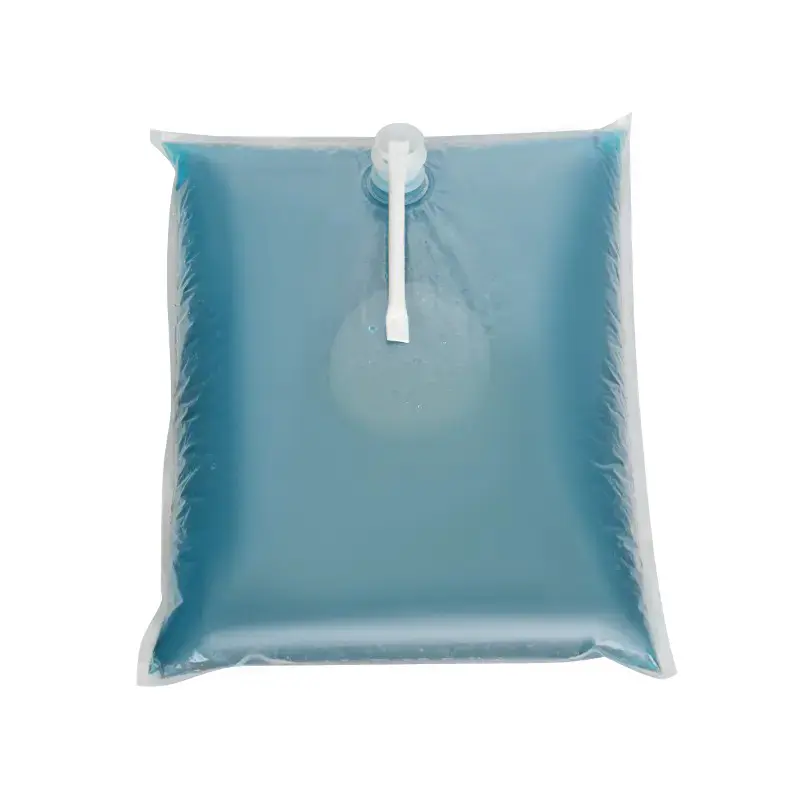
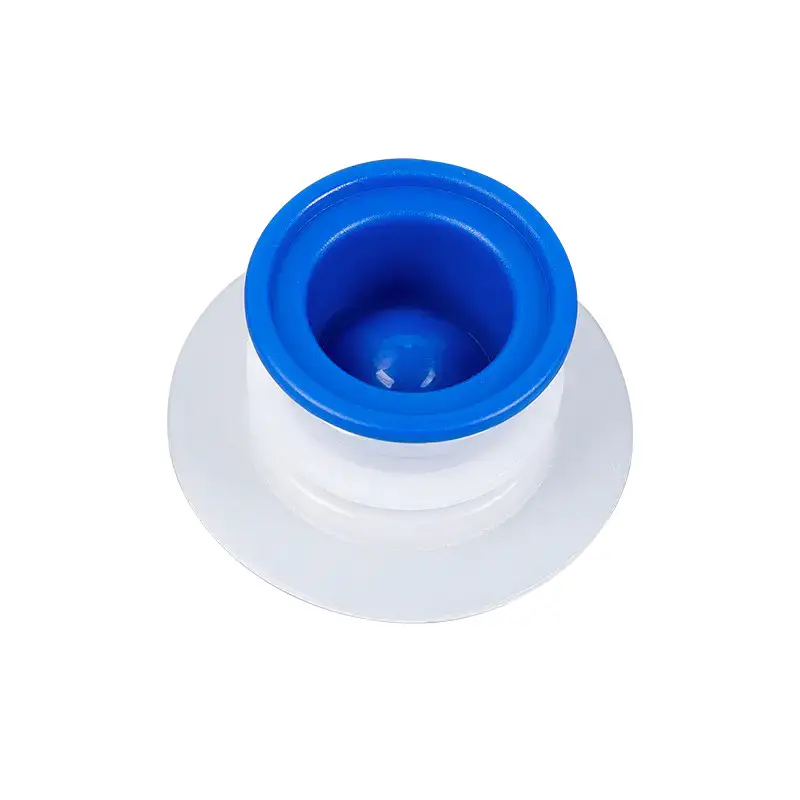


Aseptic bags are high-performance flexible packaging products manufactured and processed under strict aseptic conditions, designed to store and transport liquid, semi-liquid, and pasty materials while maintaining product sterility, freshness, and original quality for an extended period. The most prominent advantage of aseptic bags is their ability to achieve long-term shelf life without refrigeration or chemical preservatives, making them an irreplaceable packaging solution in the global food, beverage, pharmaceutical, and industrial sectors.
Unlike ordinary plastic packaging, aseptic bags undergo specialized sterilization treatment and use multi-layer composite materials with high barrier properties, effectively blocking oxygen, light, bacteria, and external pollutants. This packaging form is not only safe and hygienic but also cost-effective, lightweight, and easy to transport, fully meeting the commercial needs of large-scale production, long-distance transportation, and extended storage.
Material Composition and Structural Characteristics of Aseptic Bags
The performance of aseptic bags directly depends on their multi-layer composite material structure, which is the core foundation for realizing aseptic preservation and barrier protection. Single-layer plastic films cannot meet the strict requirements of aseptic packaging, so all qualified aseptic bags adopt a composite structure formed by heat-sealing multiple functional films together.
Main Functional Layers of Aseptic Bags
- The outer protective layer provides mechanical strength, puncture resistance and wear resistance, protecting the internal structure from damage during handling and transportation
- The barrier layer is the core component, blocking oxygen, water vapor, ultraviolet rays and microorganisms to prevent material deterioration and oxidation
- The heat-sealing layer is in direct contact with the internal materials, with non-toxic, odorless and good sealing performance to ensure complete closure of the packaging
- The adhesive layer tightly bonds different functional layers, maintaining structural stability and integrity under various temperature and humidity conditions
Key Performance Indicators of Aseptic Bag Materials
The multi-layer structure gives aseptic bags excellent comprehensive performance. The oxygen transmission rate of high-quality aseptic bags can be controlled at an extremely low level, effectively inhibiting the oxidation and spoilage of oils, proteins and vitamins in the stored materials. At the same time, the materials have good temperature resistance, adapting to the high-temperature sterilization process in production and the temperature changes during storage and transportation.
In addition, all materials used in aseptic bags comply with international food safety and hygiene standards, without harmful substances such as bisphenol A and plasticizers. This is a basic prerequisite for their wide application in food and pharmaceutical packaging, ensuring that the packaging itself will not cause pollution or safety risks to the internal materials.
Manufacturing Process of Aseptic Bags
The production of aseptic bags must be carried out in a strict aseptic environment, which is the biggest difference from ordinary plastic packaging production. The entire manufacturing process is controlled by professional equipment and standardized processes to ensure that the final product is completely sterile and meets the use requirements.
Key Production Steps
- Raw material selection and inspection, screening composite films that meet barrier, safety and mechanical performance requirements
- Multi-layer film composite processing, using professional coating and bonding technology to integrate different functional layers
- Aseptic environment setting, creating a dust-free and bacteria-free production space through air purification and sterilization systems
- Bag making and forming, cutting, heat sealing and processing composite materials into bags of specified specifications
- Sterilization treatment, using physical sterilization methods to eliminate all microorganisms on the bag surface and inside
- Quality inspection and packaging, testing sealing, barrier properties and sterility before vacuum packaging and delivery
The entire production process does not use toxic and harmful chemical reagents, and the sterilization method is safe and environmentally friendly. After complete sterilization, aseptic bags can maintain long-term sterility under sealed conditions, laying a solid foundation for the preservation of materials after filling.
Quality Control Standards
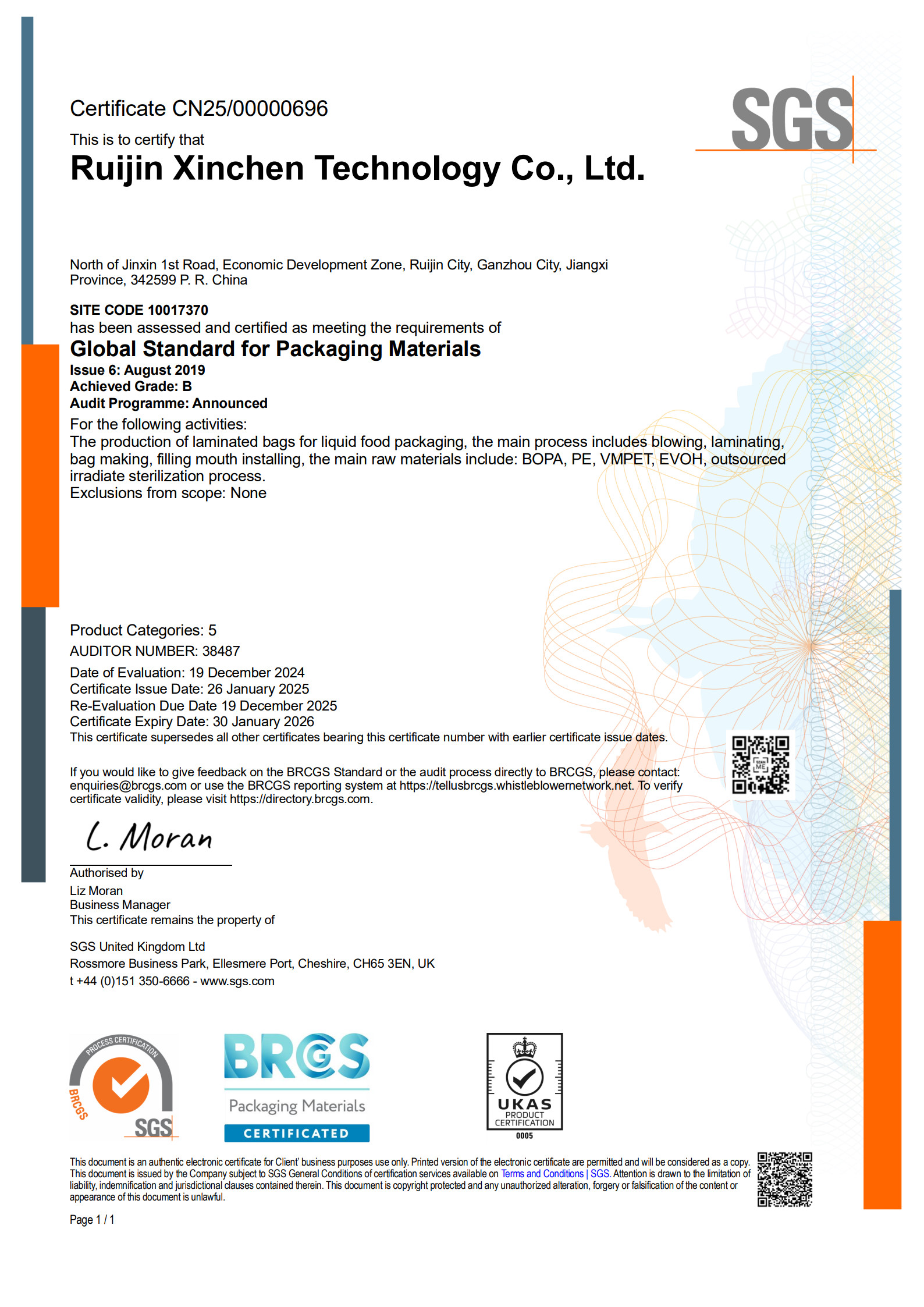
Manufacturers implement full-process quality control for aseptic bags, including raw material incoming inspection, process sampling inspection and finished product full inspection. Key inspection items include sealing integrity, barrier performance, sterility, mechanical strength and heat resistance. Only products that pass all inspections can enter the market, ensuring the stability and reliability of each batch of aseptic bags.
Main Application Fields of Aseptic Bags
Aseptic bags have extremely wide application scenarios due to their excellent aseptic performance, barrier properties and convenience. They are widely used in industries that require long-term preservation of liquid and semi-liquid materials, covering food, beverage, pharmaceutical, chemical and other fields.
Food and Beverage Industry
The food and beverage industry is the largest application field of aseptic bags. More than half of the global liquid food aseptic packaging uses aseptic bags, especially for fruit juices, purees, jams, dairy products, edible oils, sauces and other products. These products are rich in nutrients and easy to spoil, and aseptic bags can maintain their original flavor, color and nutritional value without refrigeration for a long time.
In large food processing plants, aseptic bags are often used with aseptic filling equipment to achieve automated production and filling, greatly improving production efficiency and reducing production costs. For enterprises, this packaging method reduces the dependence on cold chain transportation and storage, significantly lowering logistics and storage expenses.
Pharmaceutical and Healthcare Industry
In the pharmaceutical field, aseptic bags are used to store and transport sterile liquids such as medical injections, oral liquids, disinfectants and biological preparations. The strict sterility and non-toxicity of aseptic bags fully meet the high hygiene standards of the pharmaceutical industry, avoiding cross-contamination and ensuring the safety and effectiveness of drugs.
For biological products such as vaccines and serum, aseptic bags can provide stable storage conditions, protect active ingredients from failure, and adapt to long-distance transportation and long-term storage needs, playing an important role in the global medical and health system.
Industrial and Chemical Industry
Aseptic bags are also widely used in industrial production, mainly for storing industrial emulsions, pigments, coatings, cosmetic raw materials and other liquid chemical materials. These materials have high requirements for storage environment, and the high barrier properties of aseptic bags can prevent material deterioration, volatilization and pollution, ensuring the stability of industrial raw materials.
Compared with metal and glass packaging, aseptic bags are lighter and easier to handle, reducing transportation weight and costs, and are more environmentally friendly in post-processing, in line with the green production and sustainable development trends of the industrial industry.
Core Advantages of Aseptic Bags Compared with Traditional Packaging
Compared with traditional packaging forms such as metal cans, glass bottles and plastic hard containers, aseptic bags have obvious comprehensive advantages, which are the main reasons why they are rapidly popularized and applied globally. The following table clearly shows the performance comparison between aseptic bags and traditional packaging:
| Packaging Type | Shelf Life | Transport Cost | Storage Space | Environmental Protection |
|---|---|---|---|---|
| Aseptic Bags | Long, no refrigeration | Low | Small | High |
| Metal Cans | Medium | High | Large | Low |
| Glass Bottles | Medium | High | Large | Medium |
Detailed Analysis of Advantages
Long shelf life without cold chain is the most core advantage of aseptic bags. Under normal temperature conditions, aseptic bag-packaged materials can be stored for more than several months, and some can even reach more than one year, completely getting rid of the dependence on refrigeration equipment. This is particularly important for regions and countries with incomplete cold chain systems, greatly expanding the sales scope of products.
Aseptic bags are lightweight and foldable, which can greatly reduce transportation weight and storage space. Empty aseptic bags occupy only a small part of the space of traditional containers, reducing storage costs for enterprises. At the same time, the lightweight characteristics reduce fuel consumption during transportation, which is more energy-saving and environmentally friendly.
In terms of product quality protection, aseptic bags effectively block light and oxygen, maximizing the retention of the original flavor, color and nutritional content of the materials. Unlike metal cans, they will not react with acidic materials, and unlike glass bottles, they have no risk of breakage, with higher safety and stability.
In addition, the production cost of aseptic bags is lower than that of metal and glass packaging, and the use efficiency is higher. They are suitable for large-scale automated production and filling, helping enterprises improve production efficiency and reduce comprehensive costs, creating greater economic benefits.
Usage Specifications and Precautions for Aseptic Bags
To give full play to the performance advantages of aseptic bags and ensure the safety and stability of stored materials, it is necessary to strictly abide by the usage specifications and pay attention to key details in the processes of filling, storage, transportation and use.
Filling Process Requirements
Aseptic bags must be filled in a professional aseptic filling environment to avoid secondary pollution during the filling process. The filling equipment needs to be sterilized in advance, and the operating environment should meet the dust-free and bacteria-free standards. The filling temperature and speed should be controlled within the specified range to avoid damage to the bag body caused by high temperature or excessive pressure.
After filling, the sealing treatment must be thorough and complete, and the sealing effect should be checked immediately to ensure no air leakage or liquid leakage. Any sealing defect will lead to the loss of aseptic performance and material deterioration.
Storage and Transportation Conditions
Filled aseptic bags should be stored in a dry, cool and ventilated environment, away from direct sunlight, high temperature and humidity. Extreme environmental conditions will accelerate the aging of the bag material and reduce its barrier and service life.
During transportation, avoid sharp objects colliding with or puncturing the aseptic bags, and prevent severe extrusion and impact. It is recommended to use matching pallets and packaging for fixed transportation to reduce mechanical damage to the bag body and ensure the integrity of the packaging.
Usage and Inspection Tips
Before use, check the appearance of the aseptic bag for damage, swelling and leakage. Swollen bags indicate that the internal materials have deteriorated due to microbial contamination and must be discarded immediately. During use, follow the correct opening method to avoid bringing external bacteria into the bag.
For unused aseptic bags, they should be stored in their original sealed packaging, placed in a clean and dry environment, and protected from moisture and dust. Do not open the packaging in advance to avoid losing sterility.
Development Trends and Prospects of Aseptic Bags
With the continuous improvement of global food safety and hygiene standards, the rapid development of the food and beverage and pharmaceutical industries, and the enhancement of environmental protection awareness, the market demand for aseptic bags is growing year by year, and the industry is showing a stable and rapid development trend.
Material Technology Innovation
The future development of aseptic bags will focus on material innovation. Biodegradable and recyclable aseptic bag materials will become the mainstream direction, reducing the environmental impact of packaging waste while maintaining performance. New composite materials with higher barrier properties and stronger mechanical strength will also be launched, further improving the preservation effect and service life of aseptic bags.
Expansion of Application Scenarios
In addition to traditional fields, aseptic bags will be applied in more emerging fields, such as prepared food, pet food, functional health products and special industrial fluids. The diversification of market demand will promote the diversification of aseptic bag specifications and functions, and customized aseptic packaging solutions will become more popular.
Intelligent and Green Development
Intelligent technologies such as built-in sensors will be applied to aseptic bags to realize real-time monitoring of internal material temperature, freshness and sterility, improving the safety and management efficiency of products. At the same time, the entire industry chain will move towards green and low-carbon development, from raw material production to product recycling, forming a circular economy model and promoting the sustainable development of the aseptic packaging industry.
In the global market, aseptic bags will continue to maintain their advantages as an efficient, safe and economical packaging solution, providing strong support for the production, transportation and sales of liquid materials in various industries, and bringing more convenience and economic benefits to enterprises and consumers.

