
 English
 русский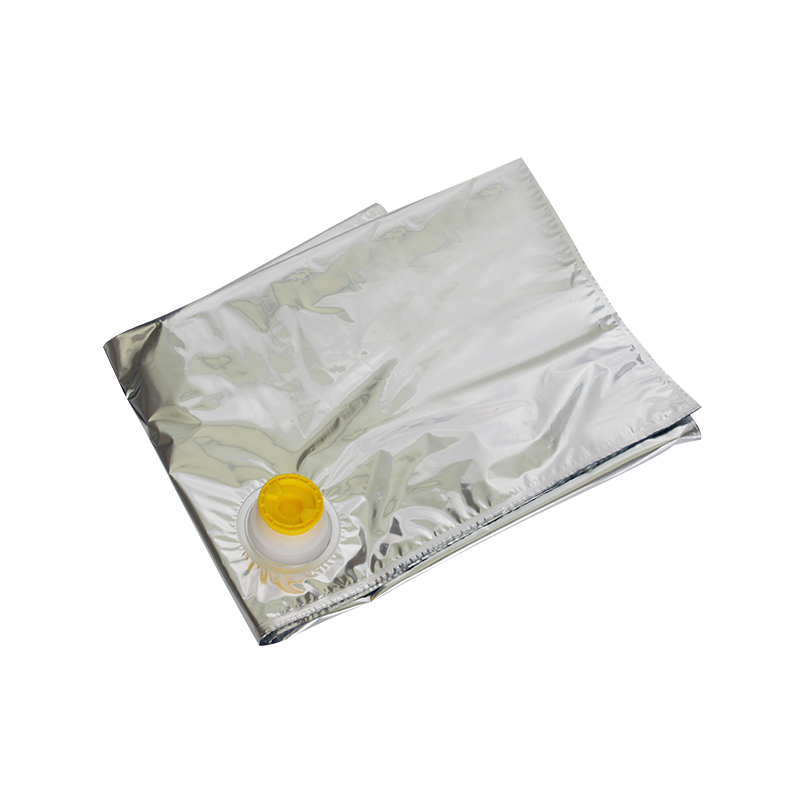
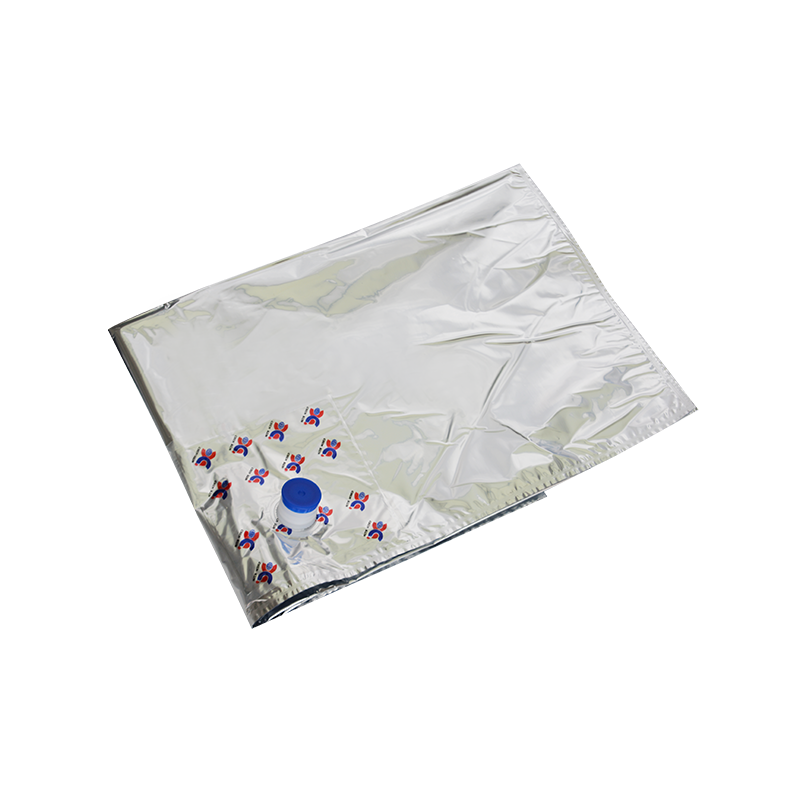
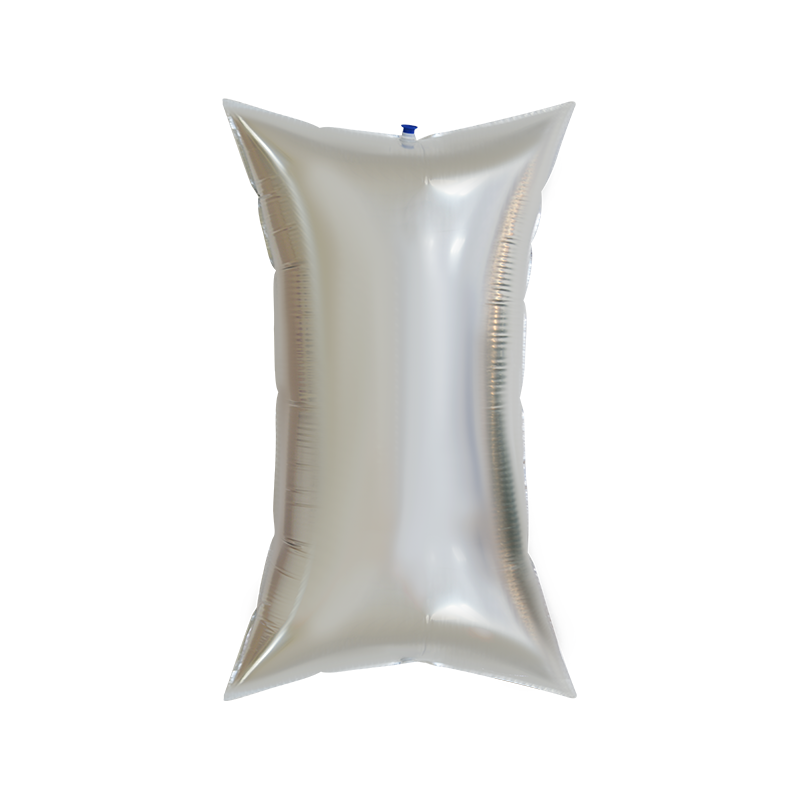
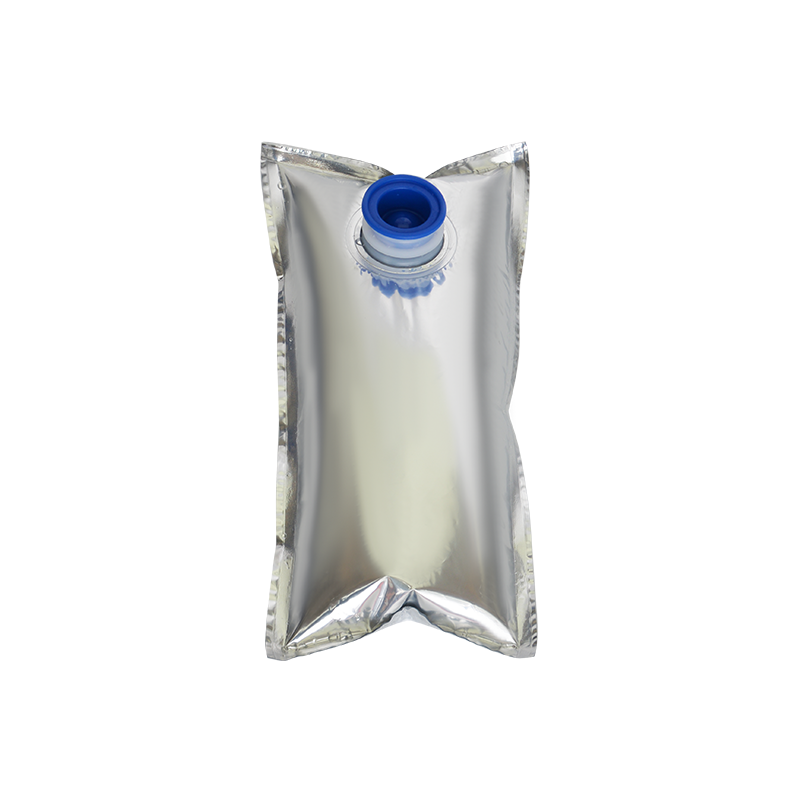
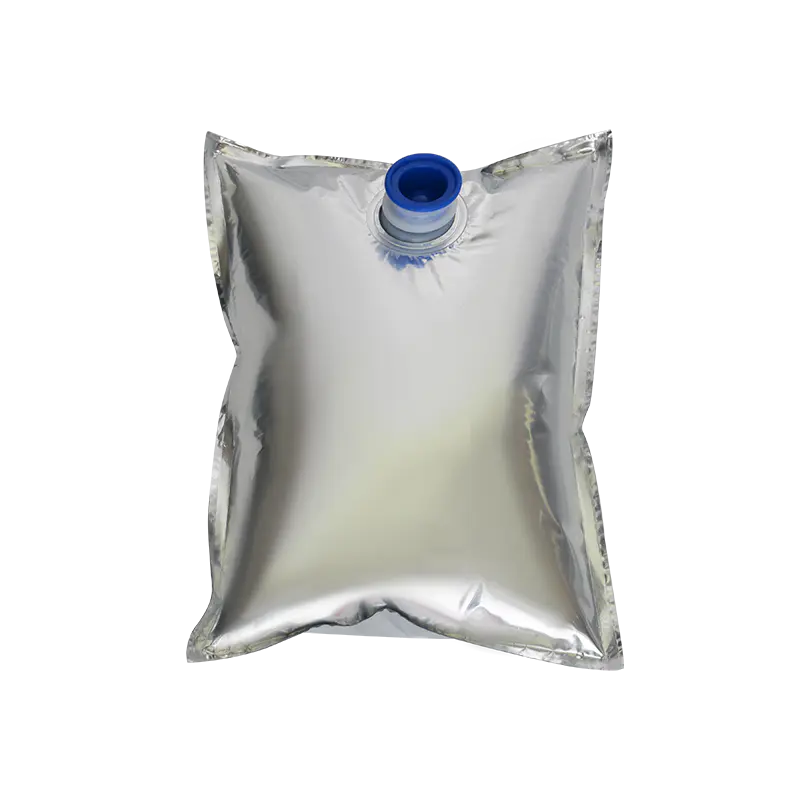
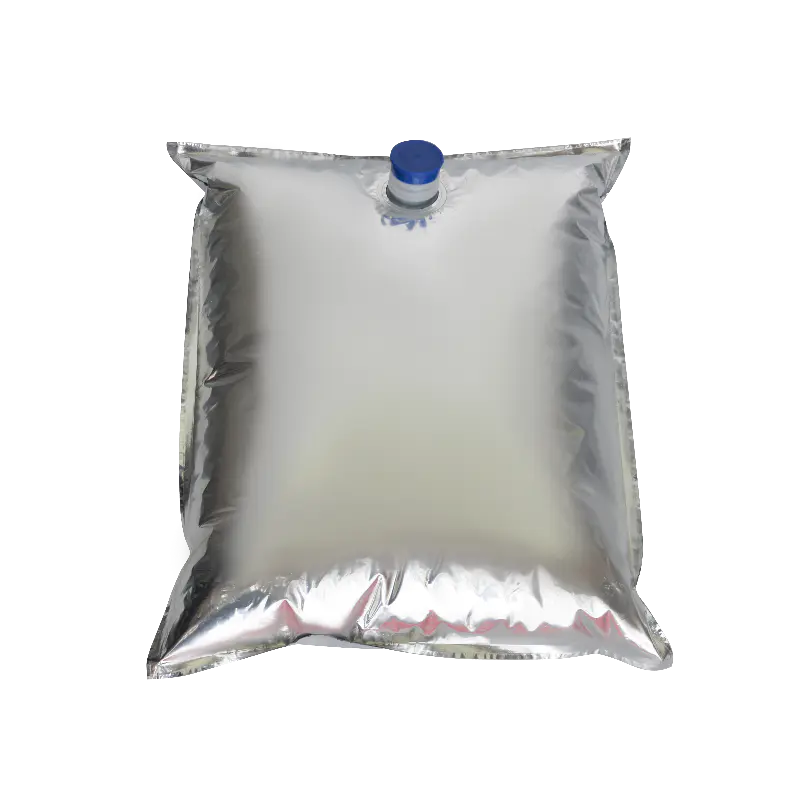
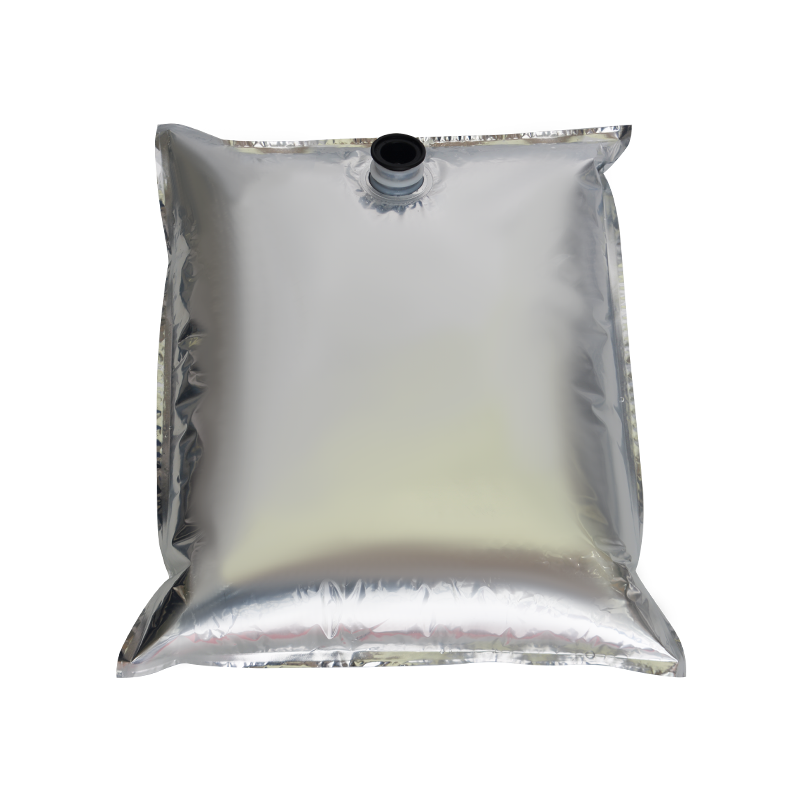
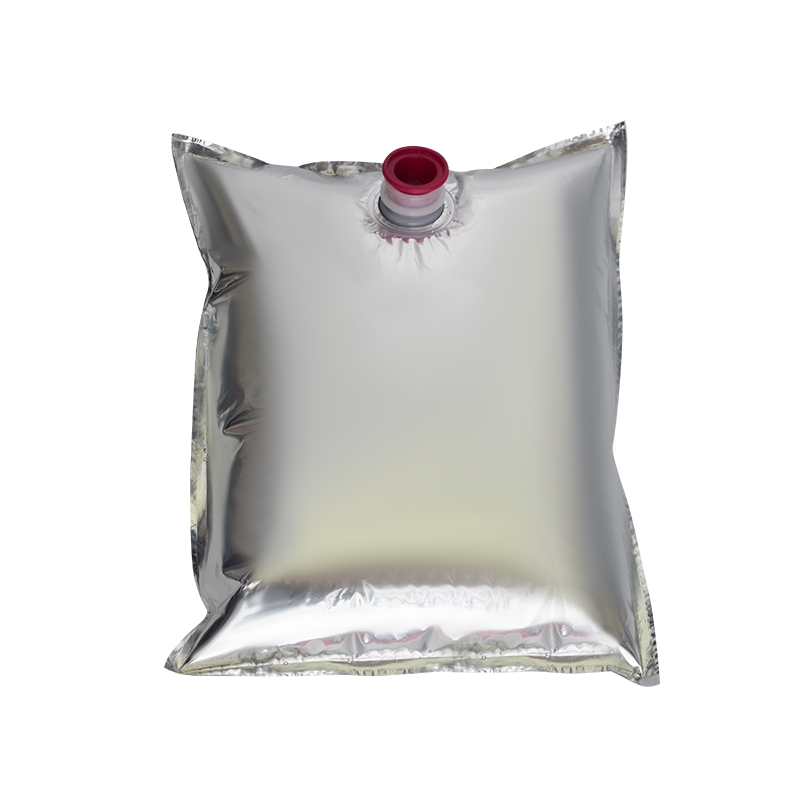
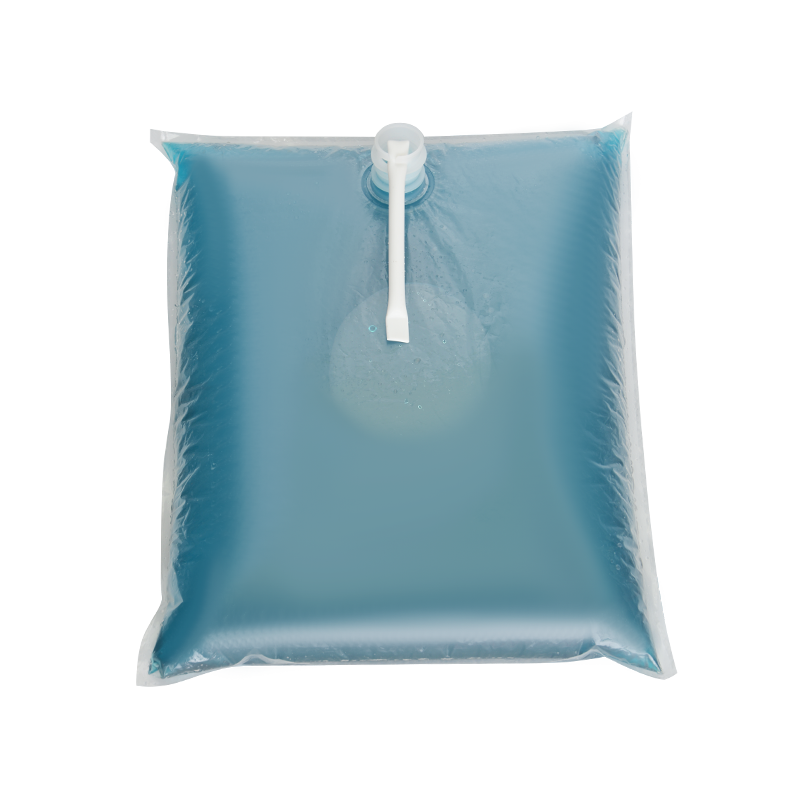
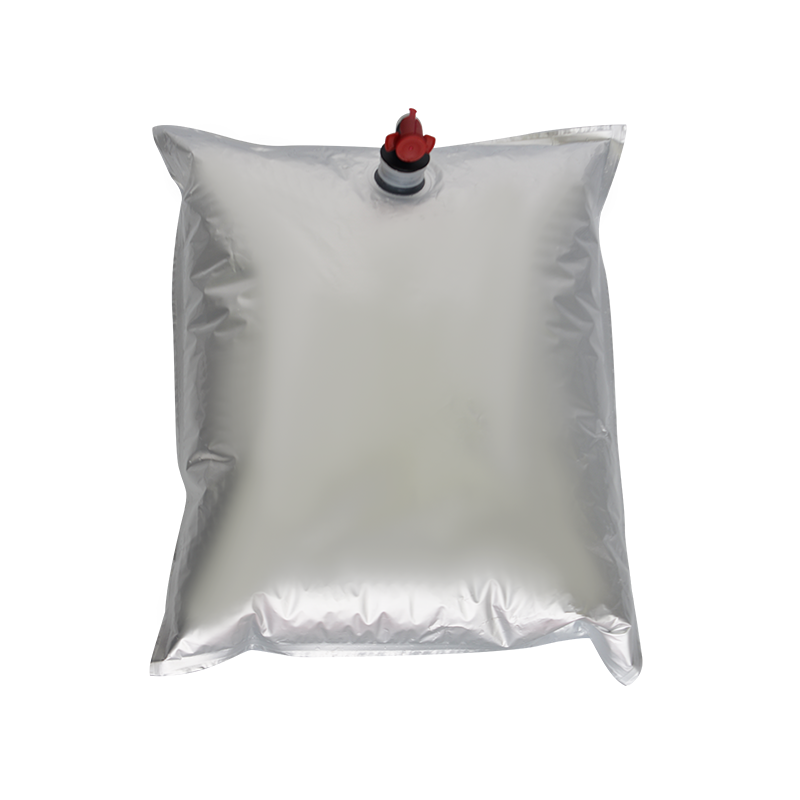
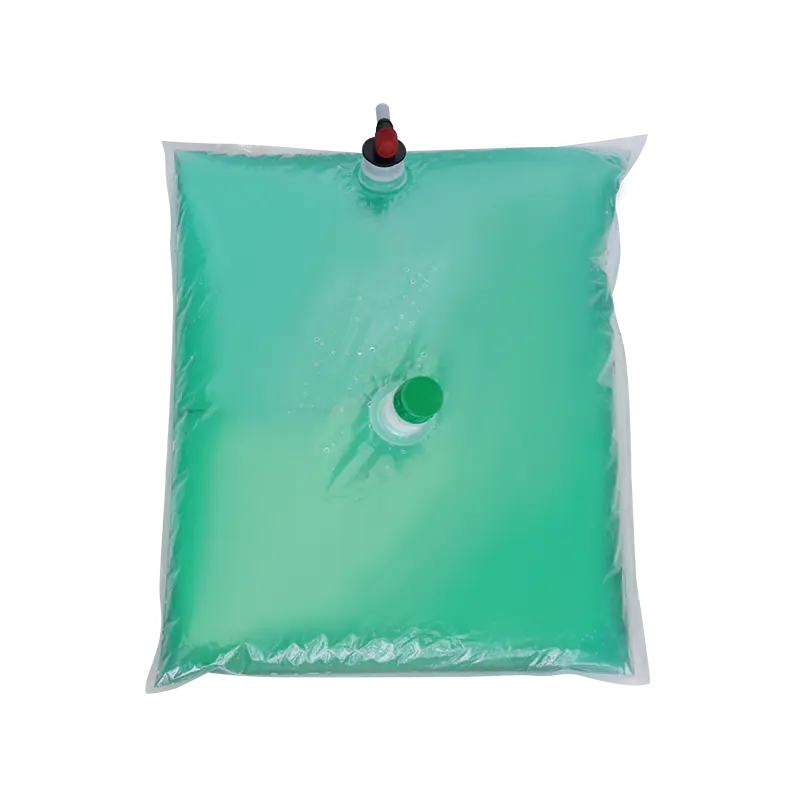
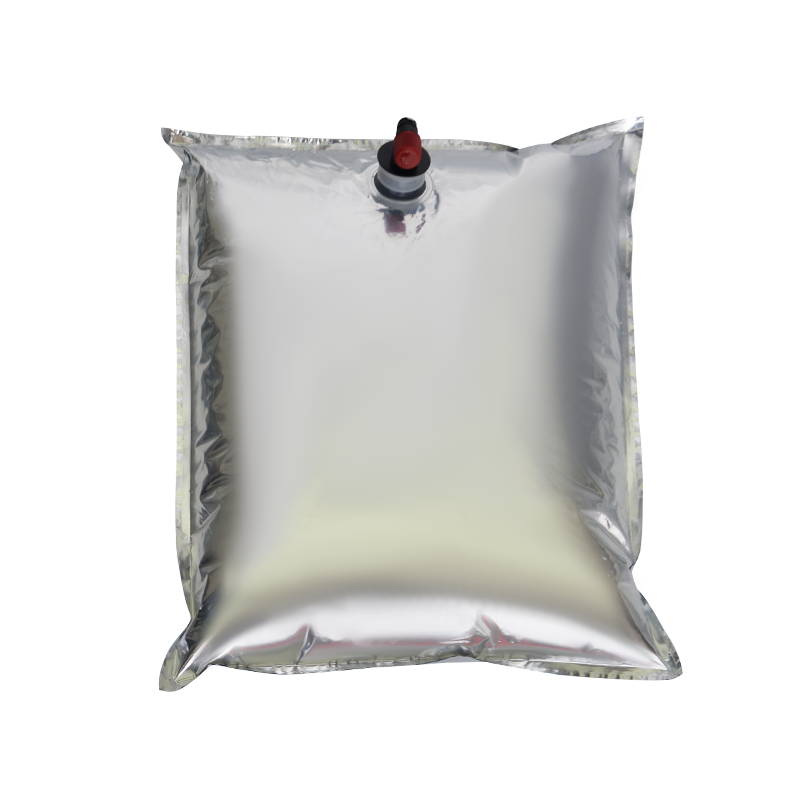


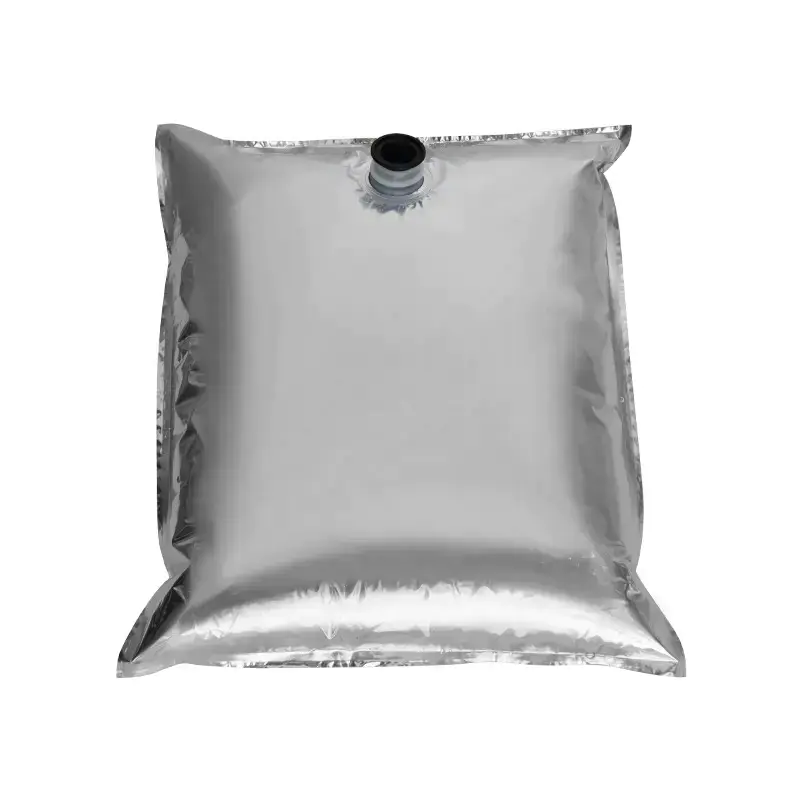
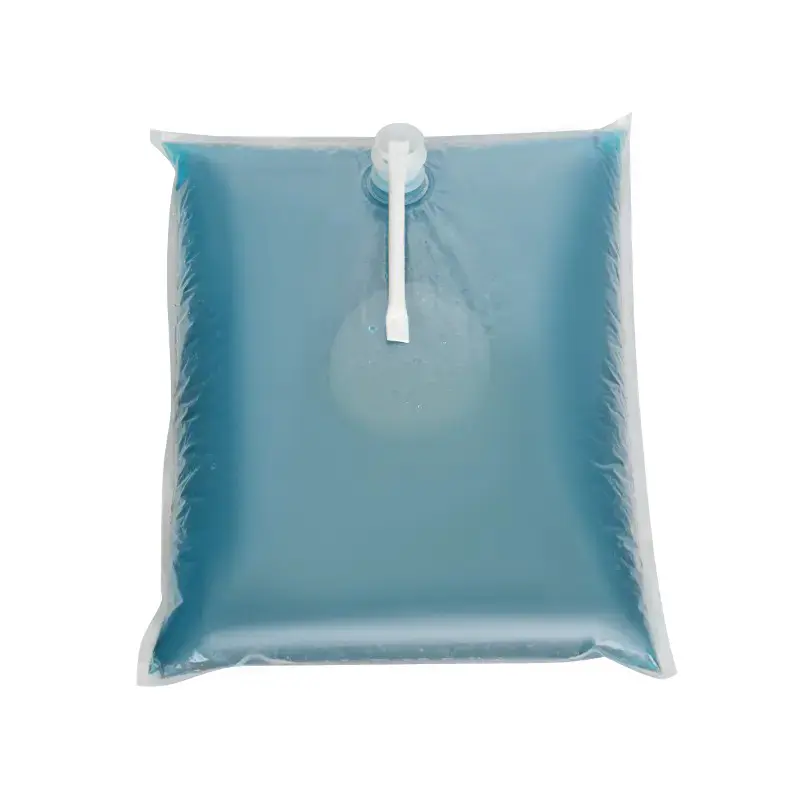
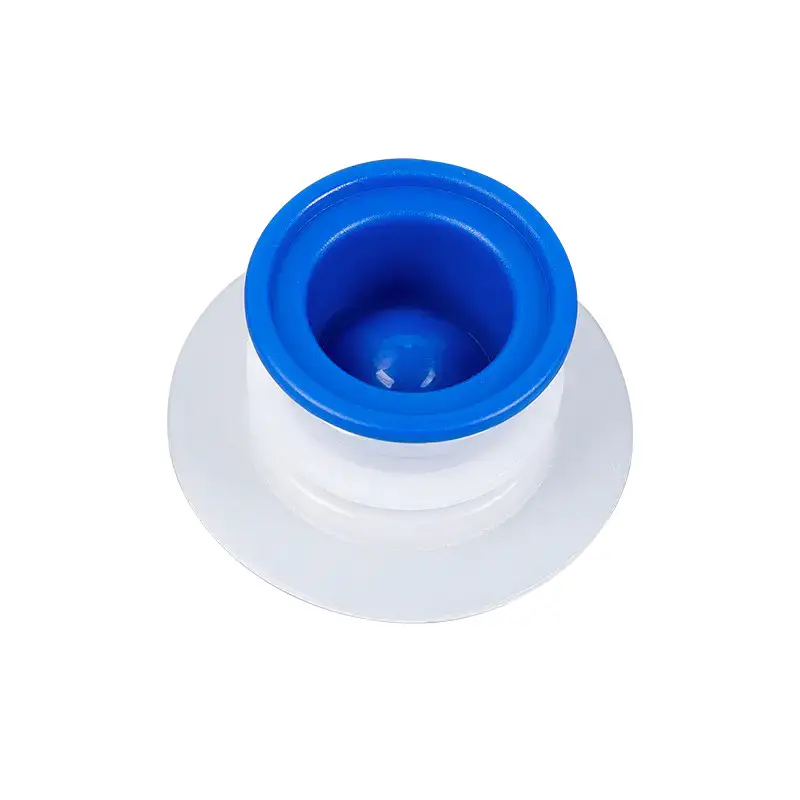


Aluminum Foil Laminated With Dispenser Aseptic Bag Is the Optimal Choice for Liquid Preservation
The direct conclusion is that an aluminum foil laminated with a dispenser aseptic bag provides the most reliable, efficient, and cost-effective solution for preserving high-value liquid products without refrigeration or preservatives. By combining the absolute barrier properties of aluminum foil with the sanitary dispensing mechanism, this packaging format completely blocks out light, oxygen, and moisture while ensuring zero contamination during the extraction process. This specific packaging structure has become the indispensable standard for industries dealing with sensitive liquids, fundamentally changing how products are stored, transported, and consumed globally.
Understanding the Core Structure and Material Synergy
The effectiveness of this packaging does not come from a single material, but rather from a highly engineered lamination process. An aseptic bag is not simply a plastic pouch; it is a multi-layered composite structure where each layer serves a distinct and critical purpose. The inclusion of aluminum foil transforms the bag from a basic container into a fortress against environmental degradation.
The Role of Aluminum Foil
Aluminum foil acts as the ultimate barrier within the lamination. It is completely impervious to light, gases, and microorganisms. When we discuss preserving liquids like fruit juices, dairy products, or liquid pharmaceuticals, exposure to oxygen and UV light are the primary enemies. Oxygen leads to oxidation, which alters flavor, degrades nutritional value, and promotes bacterial growth. UV light directly breaks down chemical bonds in vitamins and pigments. The aluminum layer, typically measuring a fraction of a millimeter, eliminates these threats.
Supporting Polymer Layers
While aluminum provides the barrier, it is inherently fragile and prone to cracking when flexed. To solve this, the foil is sandwiched between layers of specialized polymers. The outer layer usually consists of a robust, puncture-resistant material that protects the foil from physical damage during handling and transit. The innermost layer, which makes direct contact with the liquid, is a food-grade or pharmaceutical-grade polyethylene. This inner layer seals the bag securely, withstands the high heat of the aseptic filling process, and ensures that no chemical interaction occurs between the packaging and the product.
| Layer Position | Primary Material | Core Function |
|---|---|---|
| Outer Layer | Structural Polymer | Physical protection and puncture resistance |
| Middle Layer | Aluminum Foil | Absolute barrier against light, oxygen, and moisture |
| Inner Layer | Food-grade Polyethylene | Product safety, heat sealing, and liquid contact |
The Mechanics of the Aseptic Filling Process
The term "aseptic" refers to a highly controlled manufacturing process, not just the bag itself. For the aluminum foil laminated bag to achieve its extended shelf life, both the product and the packaging must be sterilized independently before they come into contact. The liquid is heated to a high temperature for a very short time—a process known as Ultra-High Temperature (UHT) treatment—which kills all harmful microorganisms and spores. Simultaneously, the interior of the bag and the dispenser are sterilized, typically using hydrogen peroxide or intense UV light.
The filling process occurs in a sterile chamber. Because the bag is completely sterilized on the inside, and the product is commercially sterile, the filled bag can be stored at ambient temperatures for months or even years without degrading. This process preserves the fresh flavor, color, and nutritional profile of the liquid far better than traditional canning or pasteurization, which subjects the product to prolonged heat after it is sealed.
Why the Integrated Dispenser is a Critical Component
A barrier bag is only as effective as its weakest point. In traditional bulk liquid packaging, accessing the liquid often requires puncturing the bag or opening a large cap, which immediately exposes the remaining contents to air and environmental contaminants. The integrated dispenser solves this fundamental vulnerability through precise engineering.
Preventing Retrograde Contamination
The dispenser is designed with a one-way valve mechanism. When liquid is extracted, the valve opens to allow flow, but immediately closes when the pressure stops. This prevents outside air from being sucked back into the bag. In environments where the bag is connected to a dispensing machine—such as a commercial beverage dispenser or a medical feeding system—this feature is vital. It ensures that every drop dispensed is as fresh and uncontaminated as the first drop, even if the bag sits in the machine for weeks.
Operational Efficiency and Cleanliness
From an operational standpoint, the dispenser allows for quick, tool-free connection to standard dispensing equipment. This reduces setup time and minimizes the risk of human error during replacement. Furthermore, the sealed system prevents leaks and drips, which is crucial in food processing facilities and hospitals where hygiene standards are strictly enforced. By containing the liquid entirely within a closed loop, facilities reduce cleaning time and waste.
Primary Industries and Practical Applications
The unique properties of aluminum foil laminated with dispenser aseptic bags make them highly sought after across several distinct industries. Each application leverages specific benefits of the packaging to solve logistical or preservation challenges.
Commercial Food and Beverage Sector
In the food service industry, bulk liquid storage is a logistical puzzle. Products like dairy milk, concentrated fruit juices, liquid coffee extracts, and cooking sauces require long shelf lives without the exorbitant costs of refrigerated trucking and cold storage. These aseptic bags, typically housed inside rigid corrugated boxes or steel drums, allow distributors to ship products across the globe in standard shipping containers. A coffee shop, for example, can connect a bag of liquid coffee concentrate directly to their espresso machine, ensuring consistent flavor while reducing the frequency of deliveries and storage space requirements.
Pharmaceutical and Biotechnology Industries
The pharmaceutical industry demands absolute purity and zero risk of bacterial contamination. Aluminum foil laminated bags are used extensively for storing IV solutions, sterile water for injection, and biological fluids. The aluminum foil barrier provides an additional layer of security against potential external contamination vectors. The dispenser allows medical staff to safely connect the bag to IV lines or automated dispensing systems without exposing the fluid to the ambient environment of a hospital room, which is critical for immunocompromised patients.
Industrial and Cosmetic Applications
Beyond consumables, these bags are utilized for storing sensitive industrial chemicals, cosmetic bases, and water treatment additives. Certain cosmetic ingredients, such as natural botanical extracts or active enzymes, degrade rapidly when exposed to light or oxygen. The aluminum lamination ensures the chemical stability of these ingredients from the manufacturing plant all the way to the final packaging facility.
- Dairy products and plant-based milk alternatives
- High-value fruit concentrates and purees
- Sterile medical fluids and biological media
- Liquid egg products for commercial bakeries
- Cosmetic serums and active ingredient bases
Economic and Environmental Impact
Adopting aluminum foil laminated with dispenser aseptic bags presents compelling economic advantages that directly impact a company's bottom line. The most significant saving comes from the elimination of the cold chain. Refrigerated transportation and warehousing consume massive amounts of energy and require specialized, expensive equipment. By switching to ambient storage, companies can utilize standard warehouses and shipping containers.
Furthermore, the product waste is drastically reduced. In traditional packaging, spoilage near the end of the shelf life or contamination upon opening leads to significant financial loss. The aseptic dispenser system mitigates this by ensuring the product remains stable until the very last drop is consumed. Because the bag collapses as the liquid is dispensed, it minimizes the headspace inside the outer container, reducing the risk of oxidation even after the seal is initially broken.
Sustainability Considerations
From an environmental perspective, the reduction in energy used for refrigeration translates directly to a lower carbon footprint for the supply chain. Additionally, the high product-to-package ratio means less packaging material is used per liter of product compared to shipping individual consumer-sized containers. While the multi-layer lamination makes recycling complex, the overall reduction in food waste and energy consumption often results in a net positive environmental outcome. The empty bags take up minimal space in landfills compared to rigid plastic drums or glass containers.
Proper Handling and Storage Guidelines
To fully realize the benefits of this packaging, proper handling protocols must be observed. Although the contents are shelf-stable, the physical integrity of the aluminum foil lamination must be protected. The bags are designed to be housed within an outer protective layer, such as a corrugated box, a wooden crate, or a steel drum. This outer shell absorbs impacts, stacking weight, and vibration during transit, preventing the internal foil from creasing or puncturing.
Storage facilities should be dry, cool, and free from direct sunlight. While the bag itself blocks UV light completely, extreme ambient heat can degrade the outer polymer layers over extended periods and put unnecessary stress on the seals. It is also crucial to avoid storing these bags near sharp objects or in areas with heavy rodent activity, as a compromised outer shell renders the internal foil barrier useless.
- Inspect the outer packaging for dents, punctures, or moisture damage upon receipt.
- Store in a climate-controlled environment away from direct sunlight and chemical fumes.
- Ensure the dispenser cap is firmly secured and the tamper-evident seal is intact before connection.
- Sanitize the external dispensing valve and connection point thoroughly before accessing the liquid.
- Monitor the bag's collapse during dispensing to ensure it is not caught or twisted on internal equipment components.
Future Trends in Aseptic Bag Technology
The packaging industry continues to innovate, focusing on making aluminum foil-laminated aseptic bags even more efficient and sustainable. One major area of development is the refinement of the lamination process to use thinner foil layers without sacrificing barrier properties. Advanced extrusion technologies are allowing manufacturers to create foils that are microns thinner than previous generations, reducing the amount of mined aluminum required per bag.
Another significant trend is the integration of smart packaging technology. Dispensers are being developed with built-in sensors that can monitor the temperature history of the bag, detect if the sterile seal has been compromised, or measure the exact volume of liquid remaining. This data can be transmitted wirelessly to inventory management systems, allowing distributors to track stock levels in real-time and prevent shortages or overstocking. As material science progresses, we will also see the introduction of bio-based polymers replacing the petroleum-based outer layers, pushing the environmental sustainability of this already highly efficient packaging format even further.

