
 English
 русский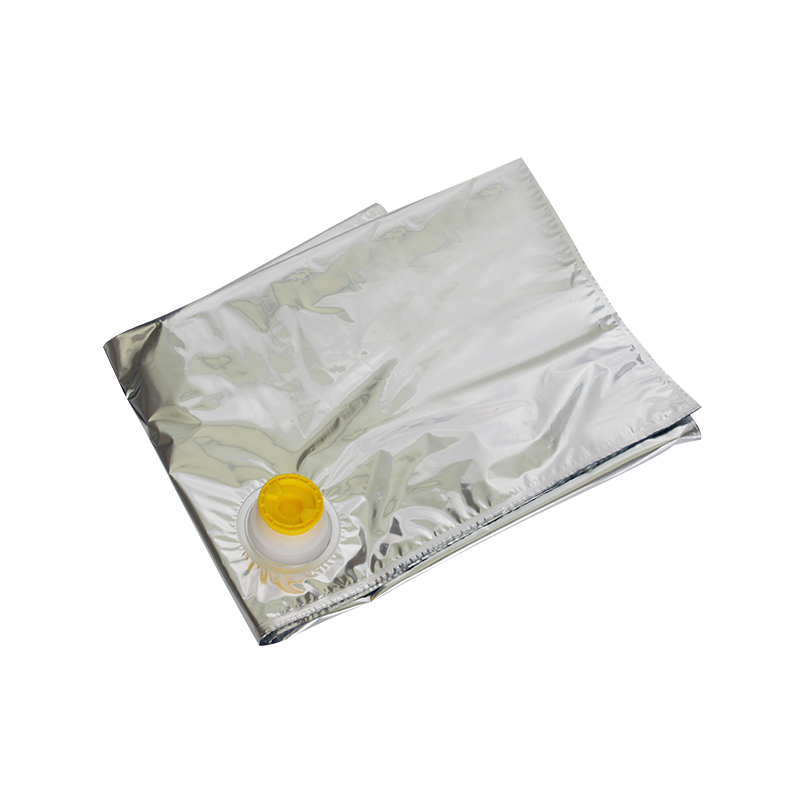
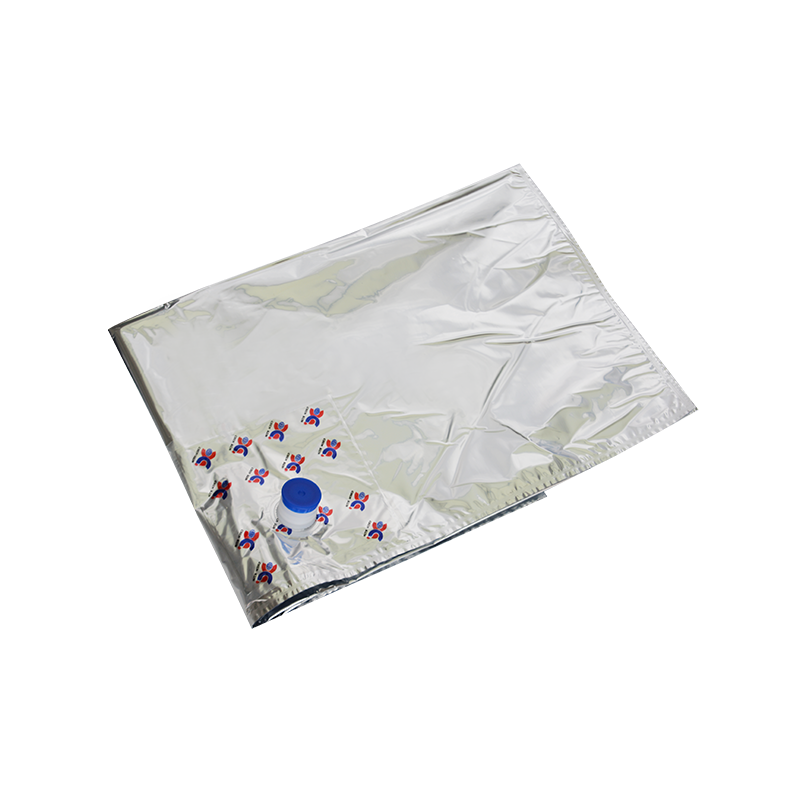
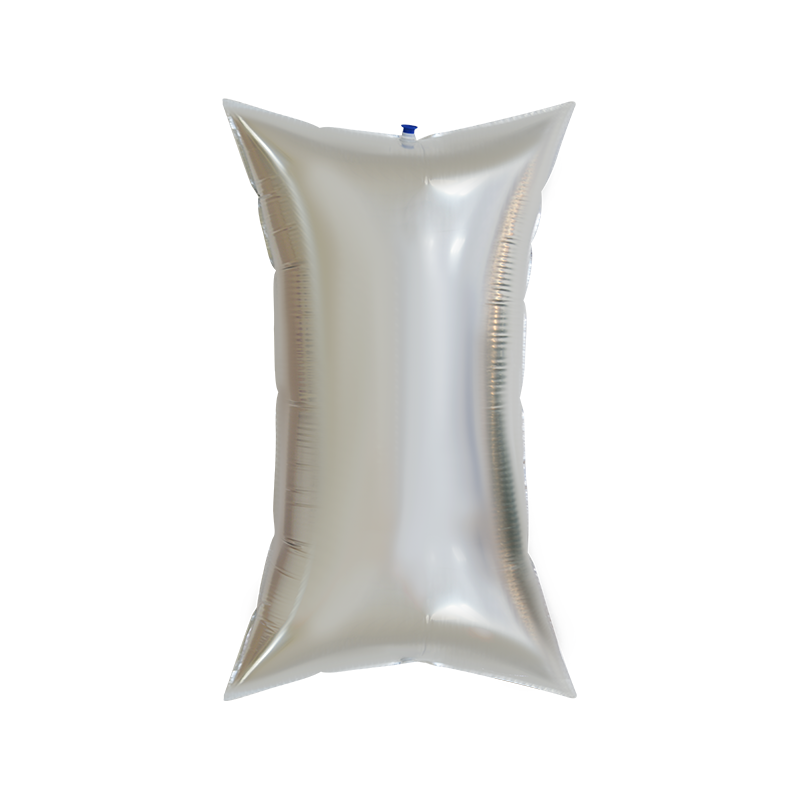
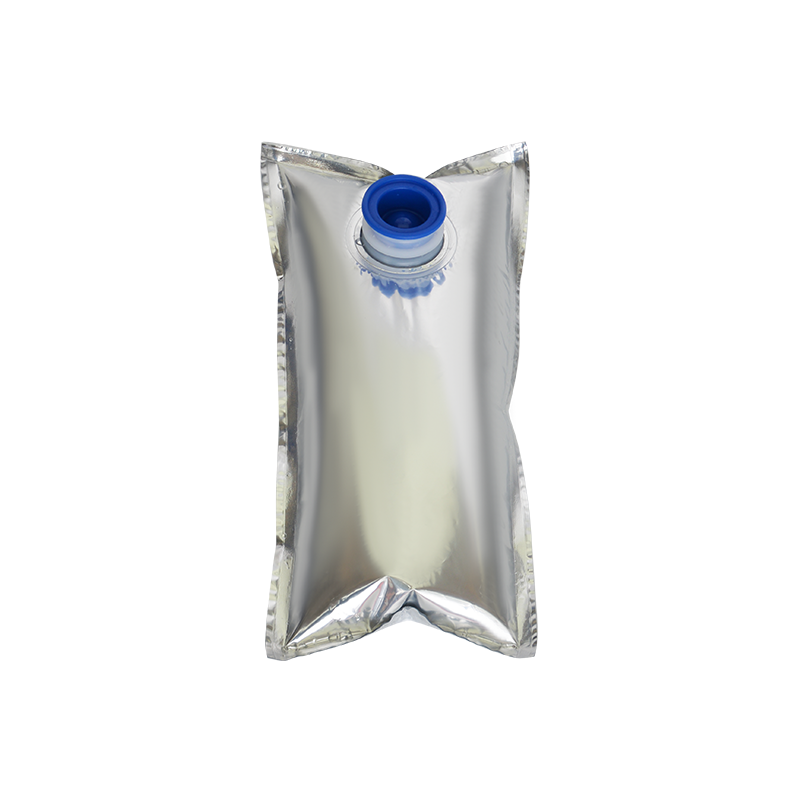
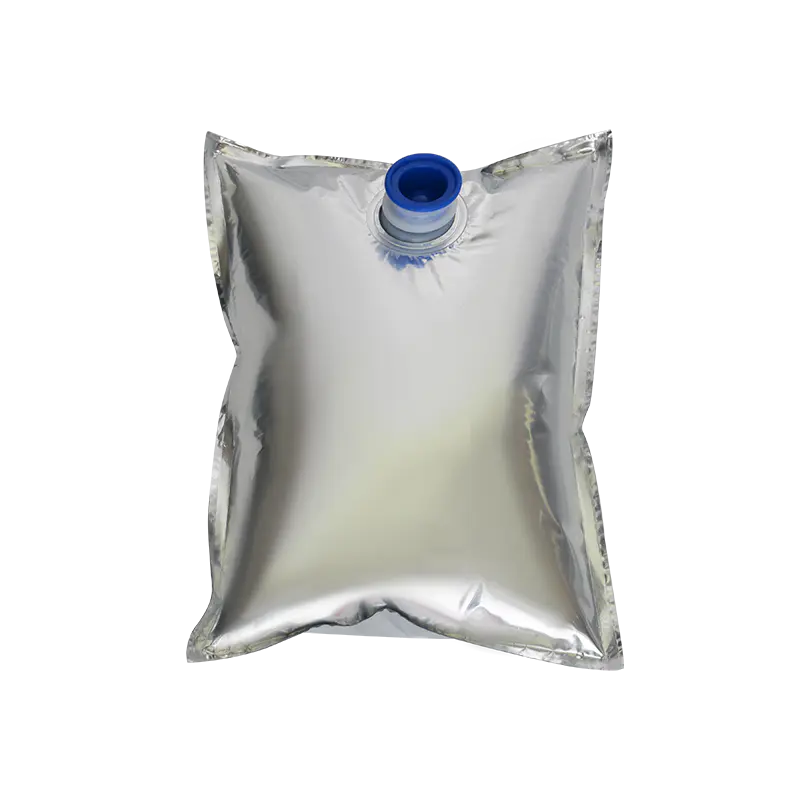
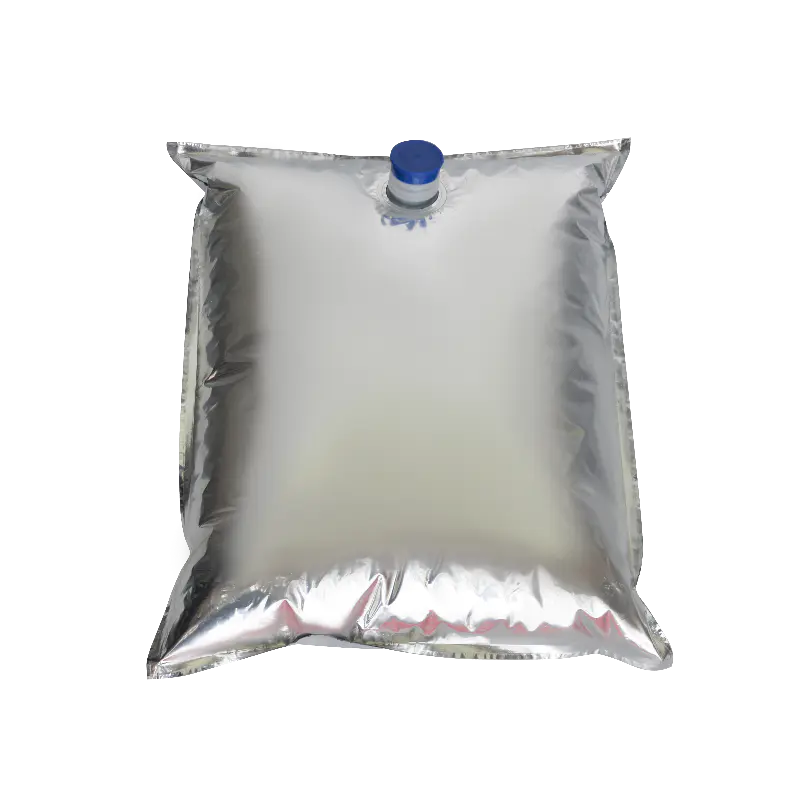
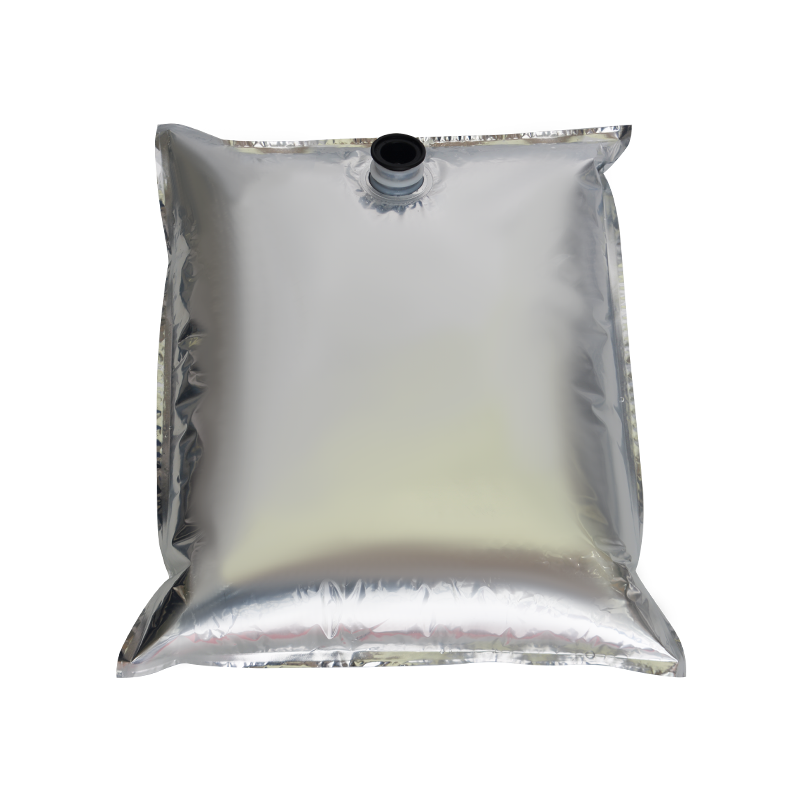
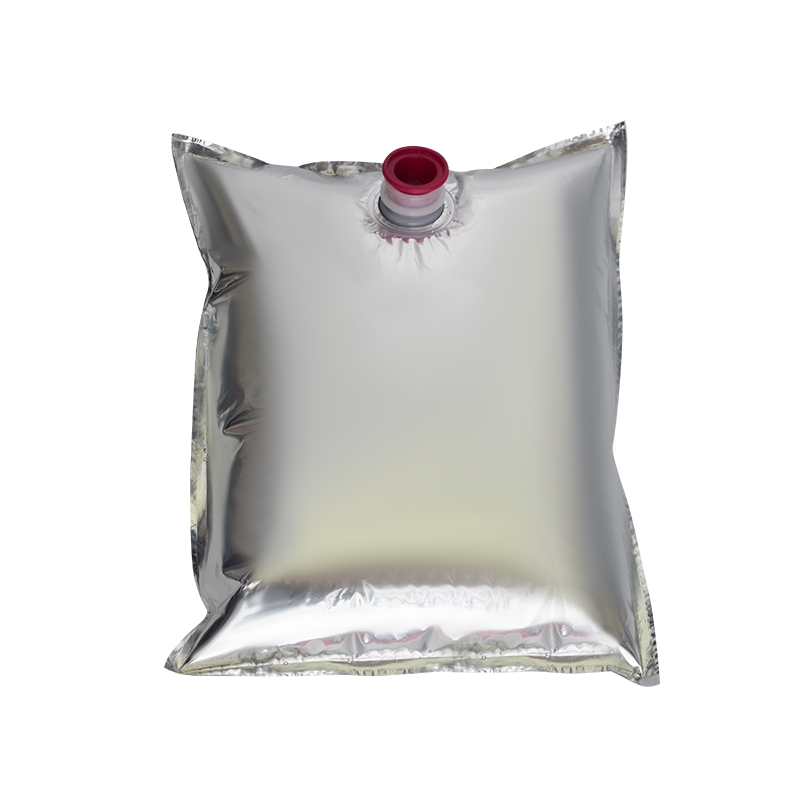
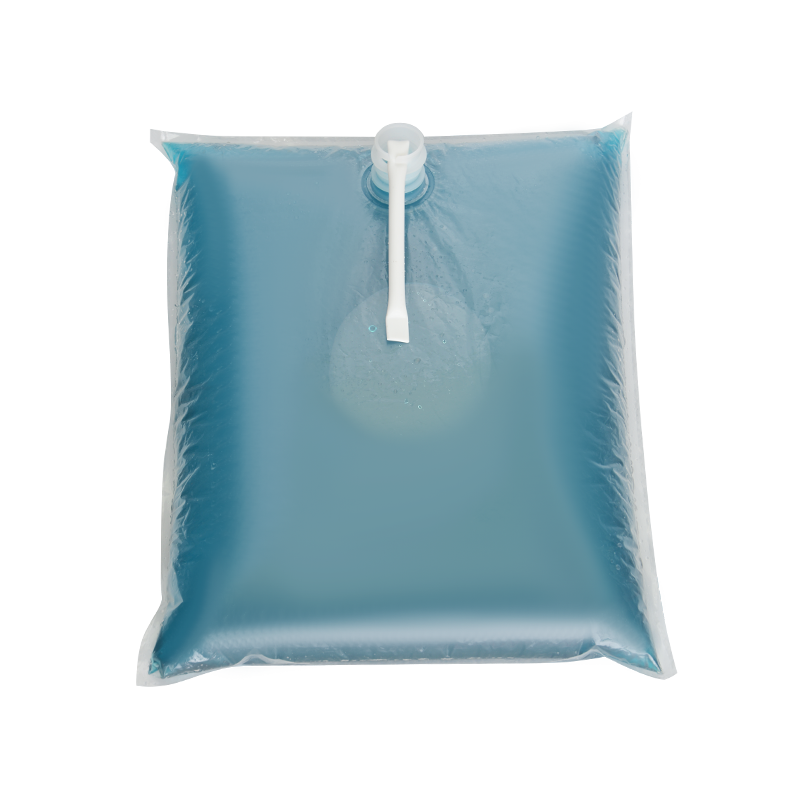
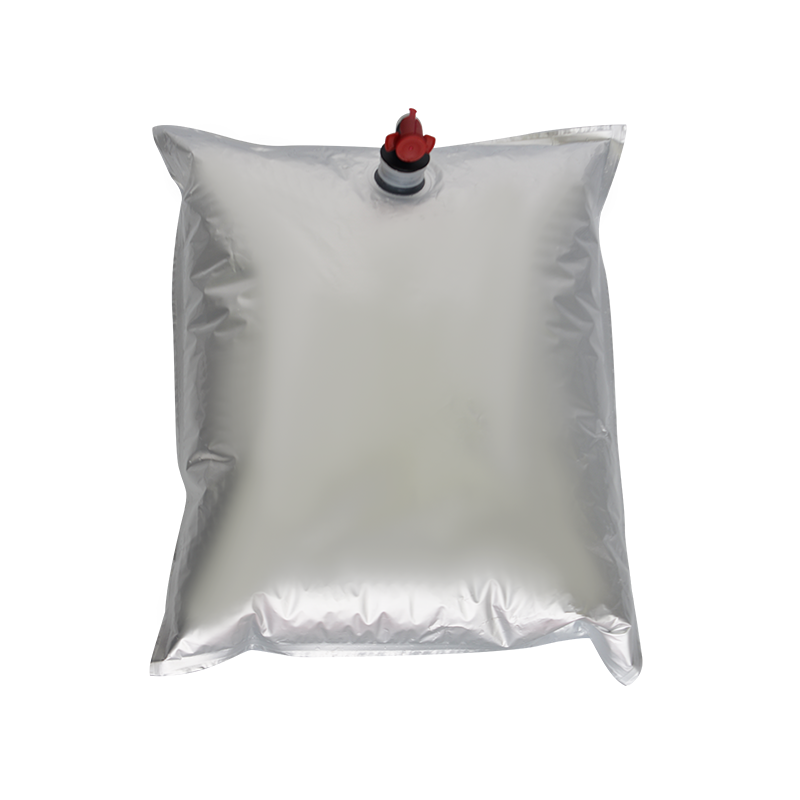
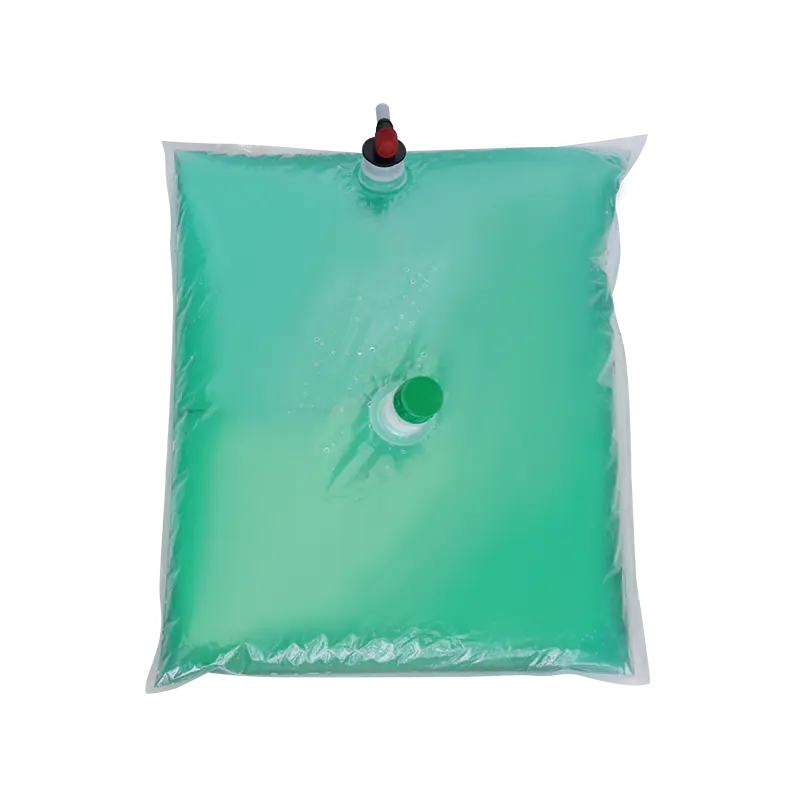
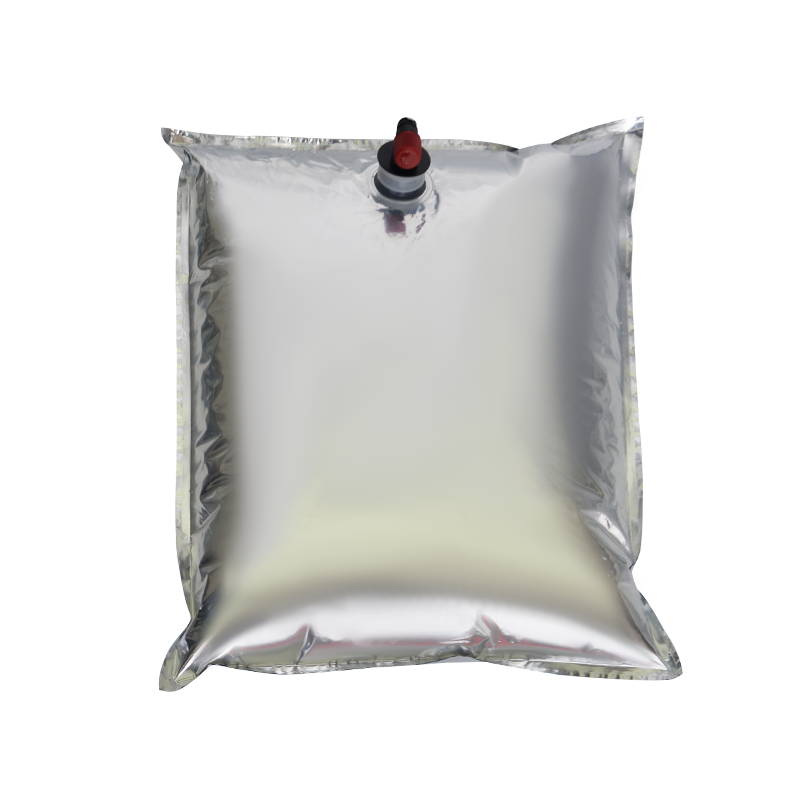


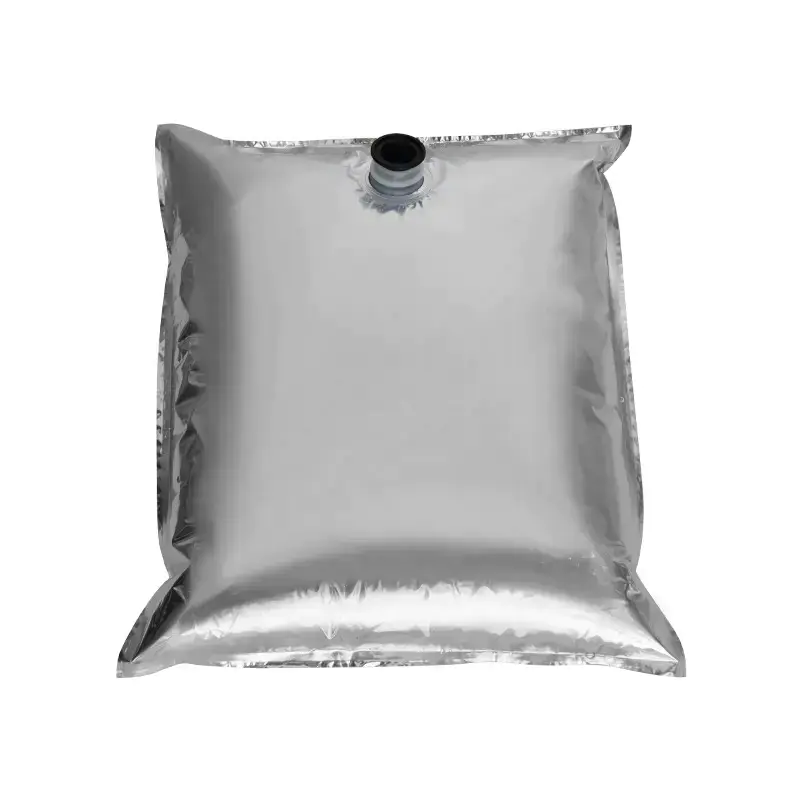
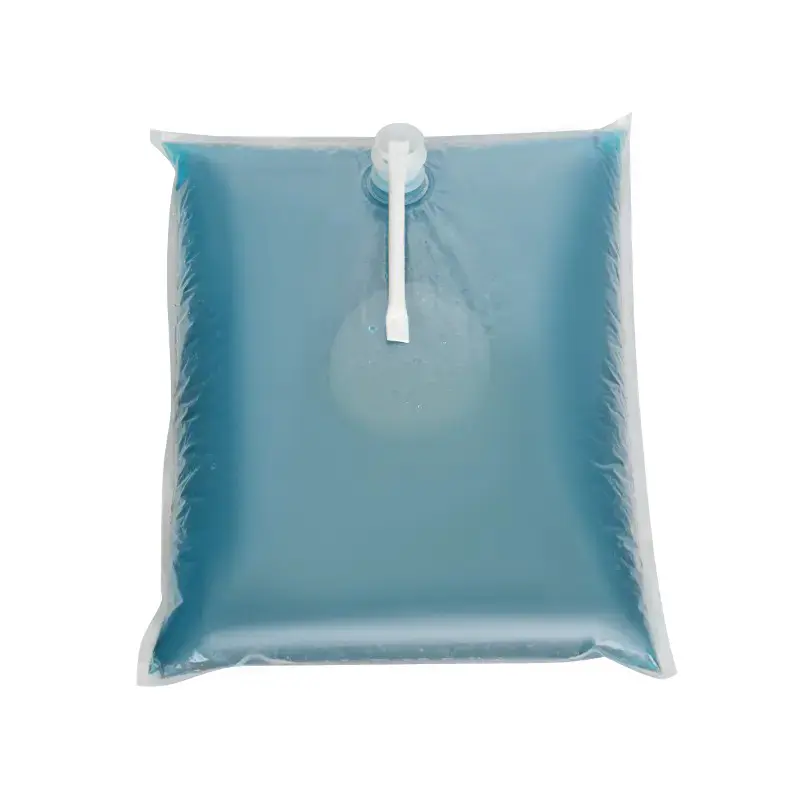
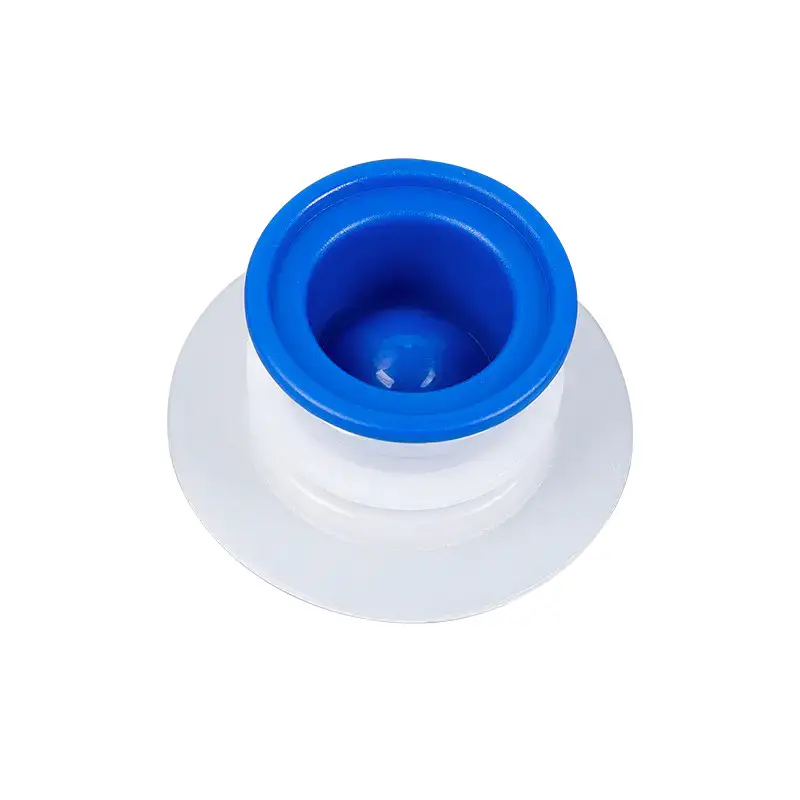



Transparent oil bags are specialized flexible packaging products made from oil-resistant, food-safe or industrial-grade transparent composite films, primarily used for the safe storage, transportation, and subpackaging of various oil-based liquids. Their core value lies in visual transparency for real-time oil quality inspection, excellent oil resistance to prevent leakage, and high cost-efficiency compared to rigid containers. They are widely applied in food processing, industrial lubrication, cosmetics, and household scenarios, meeting both short-term storage and long-distance transportation needs while complying with environmental and safety requirements.
Unlike non-transparent oil packaging, transparent oil bags allow users to directly check the color, clarity, impurities, and liquid level of oil without opening the package, which greatly reduces the risk of using deteriorated or contaminated oil products. With proper material selection and production processes, these bags can effectively isolate air, moisture, and external pollutants, extending the shelf life of oil and maintaining its original performance.
Material Composition and Performance Advantages of Transparent Oil Bags
Main Raw Materials Used in Transparent Oil Bags
Transparent oil bags are not made of single-layer plastic but multi-layer composite materials that balance transparency, oil resistance, and mechanical strength. The selection of materials directly determines the service life, safety, and application scope of the bags. All materials used meet international safety standards, with no harmful substances dissolving into the oil during use.
- Food-grade transparent polyester film, providing high transparency, tear resistance, and good barrier properties against gas and moisture
- Oil-resistant polyolefin film, the core layer that prevents oil penetration and ensures no leakage during long-term use
- High-toughness composite adhesive, safe, odorless, and stable, firmly bonding multiple layers without degumming in contact with oil
- Heat-sealable film layer, enabling tight sealing through hot pressing to avoid oil volatilization and external contamination
Key Performance Advantages
Transparent oil bags outperform traditional plastic bottles, metal cans, and non-transparent bags in multiple performance indicators, making them the preferred packaging for modern oil storage and transportation. Tests show that qualified transparent oil bags have an oil resistance rate of over 99% and can maintain complete sealing for more than 180 days under normal storage conditions.
| Performance Item | Transparent Oil Bag | Traditional Packaging |
|---|---|---|
| Transparency & Visibility | High, full visibility | Low or none |
| Oil Leakage Resistance | Excellent | Good |
| Portability & Storage | Ultra-light, space-saving | Bulky, space-consuming |
| Cost Efficiency | High | Low |
In addition to the above advantages, transparent oil bags have good flexibility and are not easy to break under extrusion or collision, which is very suitable for long-distance logistics and transportation. They are also lightweight, reducing packaging weight by more than 70% compared to metal containers, which effectively cuts down transportation costs and carbon emissions.
Main Application Scenarios of Transparent Oil Bags
Food Industry Applications
The food industry is one of the largest application fields of transparent oil bags, especially for edible oils such as vegetable oil, olive oil, sesame oil, and blended oil. Food-grade transparent oil bags are strictly produced in dust-free workshops, with no bisphenol A, plasticizers, or other harmful components, fully complying with food contact safety standards.
Catering businesses, small food processing plants, and household users all use transparent oil bags for subpackaging and storage. The transparent design allows chefs and consumers to directly observe the purity and color of edible oil, avoiding the use of rancid or adulterated oil. These bags are also suitable for disposable use in outdoor picnics, mobile food stalls, and emergency food preparation, with convenient storage and no waste.
Industrial and Mechanical Applications
In industrial production, transparent oil bags are widely used for lubricating oil, hydraulic oil, cutting fluid, and other industrial oil products. Factory maintenance teams, construction machinery teams, and automotive repair shops often use these bags to store and transport spare industrial oil, enabling quick visual inspection of oil quality before use.
Industrial-grade transparent oil bags have enhanced wear resistance and oil resistance, adapting to harsh working environments such as high temperature and dust. They can be used for temporary storage of waste oil recovery, effectively preventing oil leakage and environmental pollution, and meeting industrial environmental protection requirements.
Cosmetics and Daily Chemical Applications
Daily chemical products such as essential oils, massage oils, hair care oils, and skin care oils also rely on transparent oil bags for packaging. These oils have high requirements for purity and appearance, and transparent bags can fully display the texture and color of the products, enhancing product recognition.
Cosmetic raw material suppliers use transparent oil bags for bulk subpackaging, which is convenient for sampling inspection and transportation. Beauty salons and massage shops use them for disposable oil subpackaging, ensuring hygiene and reducing cross-contamination risks.
Household and Emergency Applications
For household use, transparent oil bags are ideal for storing cooking oil, car oil, and essential oils. They take up minimal cabinet space, and the sealed design keeps oil fresh and prevents dust contamination. In emergency scenarios such as outdoor camping, natural disasters, and field operations, transparent oil bags are easy to carry and can store fuel oil, edible oil, and other liquid supplies safely.
Selection Criteria for High-Quality Transparent Oil Bags
Choosing a qualified transparent oil bag is critical to ensure oil safety, prevent leakage, and extend storage time. Users should select products based on usage scenarios, oil types, and capacity requirements, focusing on four core selection criteria.
Check Material Safety and Compliance
For edible oil and food contact scenarios, it is essential to choose food-grade certified transparent oil bags, which are non-toxic, odorless, and do not react with oil. For industrial oil, select industrial-grade composite materials with stronger corrosion resistance. Avoid using thin, low-transparency bags of unknown materials, as they may dissolve harmful substances or break easily.
Evaluate Transparency and Clarity
High-quality transparent oil bags have high light transmittance, no fogging, no impurities, and no bubbles inside the film. Users can clearly see the oil color and liquid level through the bag. Poor transparency indicates inferior materials or production processes, which may affect oil quality judgment and reduce barrier performance.
Test Sealing Performance and Strength
Sealing is the core indicator to prevent oil leakage. Qualified transparent oil bags have flat, firm heat-sealed edges with no gaps or cracks. The film has certain tensile and tear resistance, able to withstand daily extrusion and falling without damage. Users can conduct a simple water test before use: fill the bag with water, seal it, and squeeze it firmly to check for leakage.
Match Capacity and Oil Type
Transparent oil bags are available in various capacities from small portable sizes to large industrial sizes. Choose the appropriate capacity according to actual needs to avoid overfilling. For high-viscosity oils, select bags with a thicker film layer; for low-viscosity volatile oils, prioritize bags with high barrier properties.
Correct Usage and Storage Methods for Transparent Oil Bags
Steps for Correct Use
- Inspect the bag before use: check for cracks, holes, or defective seals on the surface and edges
- Pour oil into the bag, leaving 10%-15% space at the top to avoid overflow during sealing and handling
- Seal the bag tightly using a heat sealer or manual sealing clip to ensure complete airtightness
- Label the bag with oil type, filling date, and usage period for clear management
- Place the sealed bag in a flat, stable position to avoid sharp objects piercing the film
Standard Storage Conditions
Transparent oil bags containing oil should be stored in a cool, dry, and ventilated environment, away from direct sunlight and high-temperature sources. Long-term exposure to sunlight will accelerate the aging of the plastic film and cause oil oxidation deterioration. Indoor storage temperature should be kept between 5°C and 30°C to maintain the stability of the bag material and oil quality.
Do not stack heavy objects on top of the oil bags to prevent extrusion deformation and leakage. For long-term storage, check the bag integrity and oil condition regularly through the transparent surface. Empty transparent oil bags should be stored in a dust-free package to avoid contamination before use.
Safe Handling and Disposal
When transporting transparent oil bags, use shock-absorbing packaging materials to prevent collision and piercing. In case of slight leakage, clean the oil immediately and replace the bag to avoid safety risks. Used transparent oil bags belong to plastic waste; for environmental protection, empty the residual oil completely before sorting and recycling.
Common Problems and Solutions for Transparent Oil Bags
Oil Leakage Issues
The main causes of oil leakage are incomplete sealing, film damage, and material incompatibility. Solutions include re-sealing the bag with a heat sealer, replacing damaged bags, and selecting oil bags made of dedicated oil-resistant materials for special oil products. Regular sealing inspections can reduce leakage risks by more than 90%.
Film Fogging and Loss of Transparency
Long-term high-temperature storage or material oxidation will cause the bag film to fog, affecting visibility. The solution is to adjust storage conditions to avoid high temperatures and use high-oxidation-resistant composite film bags. This problem does not affect sealing performance but reduces the convenience of oil inspection.
Oil Deterioration During Storage
Oil deterioration is usually caused by air penetration or bacterial contamination. Use high-barrier transparent oil bags, ensure full sealing, and store in a cool environment to effectively slow down oil oxidation. The transparent design allows users to find deterioration signs such as color change and turbidity in time.
Bag Tearing and Damage
Thin film materials or sharp object contact lead to tearing. Choose thicker film bags for heavy-duty use and avoid placing them with sharp tools. For large-capacity oil bags, use outer packaging for reinforcement to enhance overall protection.
Quality Standards and Safety Specifications for Transparent Oil Bags
Formal transparent oil bags must comply with relevant national and international safety standards, which are divided into food contact standards and industrial product standards. Food-grade bags undergo strict testing for heavy metals, volatile substances, and migration resistance to ensure no harm to human health.
Industrial-grade transparent oil bags need to meet oil resistance, temperature resistance, and mechanical strength standards, adapting to various industrial oil products and complex working conditions. All qualified products pass sealing performance, tensile strength, and aging resistance tests before leaving the factory, with stable and reliable quality.
In terms of environmental protection, modern transparent oil bags use recyclable composite materials, reducing white pollution. They do not contain prohibited plastic components, complying with global environmental protection regulations. Users can give priority to eco-friendly material bags to balance practicality and environmental protection.
Future Development Trends of Transparent Oil Bags
With the development of packaging technology and the increase in market demand, transparent oil bags are developing towards higher performance, smarter, and more eco-friendly directions. Material innovation will bring better barrier properties, higher transparency, and better biodegradability, solving the environmental problems of traditional plastic bags.
Smart transparent oil bags with built-in indicator functions will become a new trend, which can directly display oil quality, storage time, and temperature conditions through color changes on the bag surface, greatly improving the safety and convenience of use. In terms of production, automated and intelligent manufacturing processes will reduce production costs and improve product consistency.
The application scope of transparent oil bags will continue to expand, covering more fields such as medical oil, new energy materials, and special liquid transportation. Their advantages of portability, visibility, and cost-efficiency will make them a mainstream choice for flexible oil packaging in the next decade, replacing part of traditional rigid packaging and promoting the upgrading of the oil packaging industry.
In summary, transparent oil bags are practical, safe, and efficient liquid oil packaging products with broad application prospects and market value. By understanding their materials, applications, selection methods, and usage skills, users can choose suitable products to meet their needs, ensure oil safety, and improve storage and transportation efficiency. As technology advances, transparent oil bags will continue to optimize their performance and bring more convenience to both industrial production and daily life.

