
 English
 русский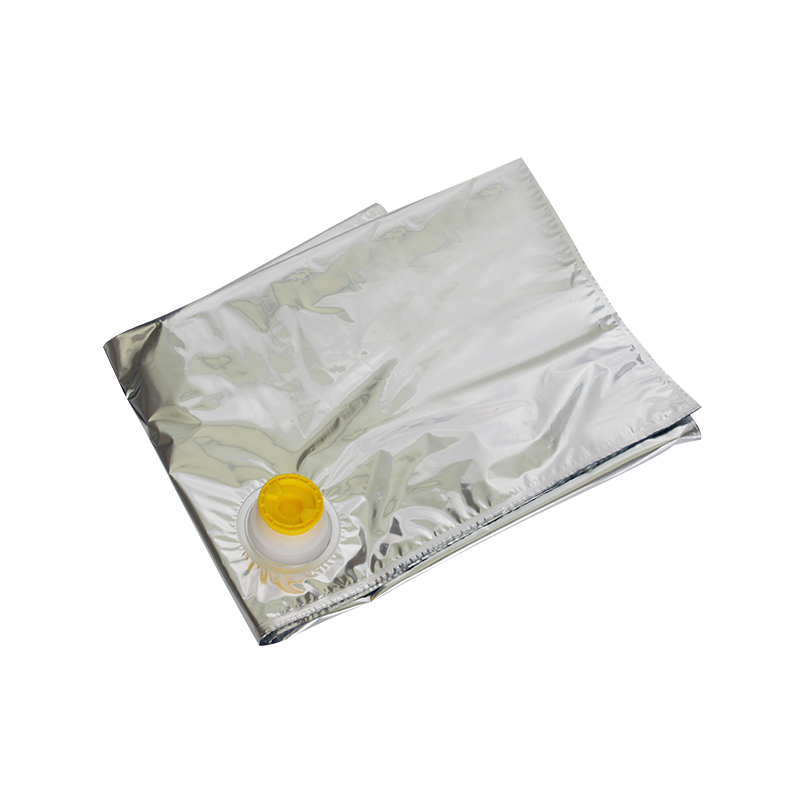
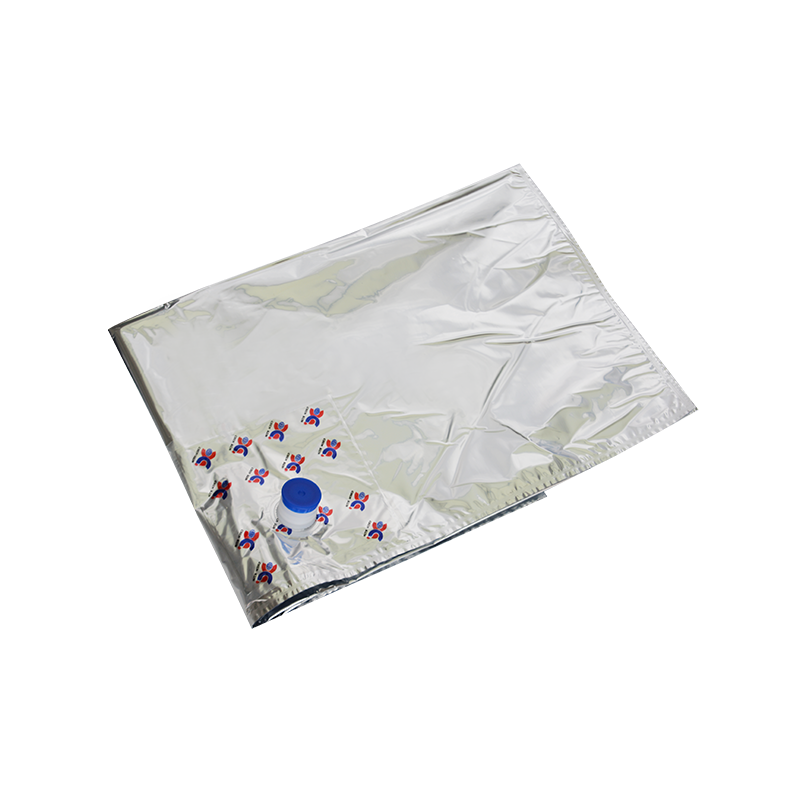
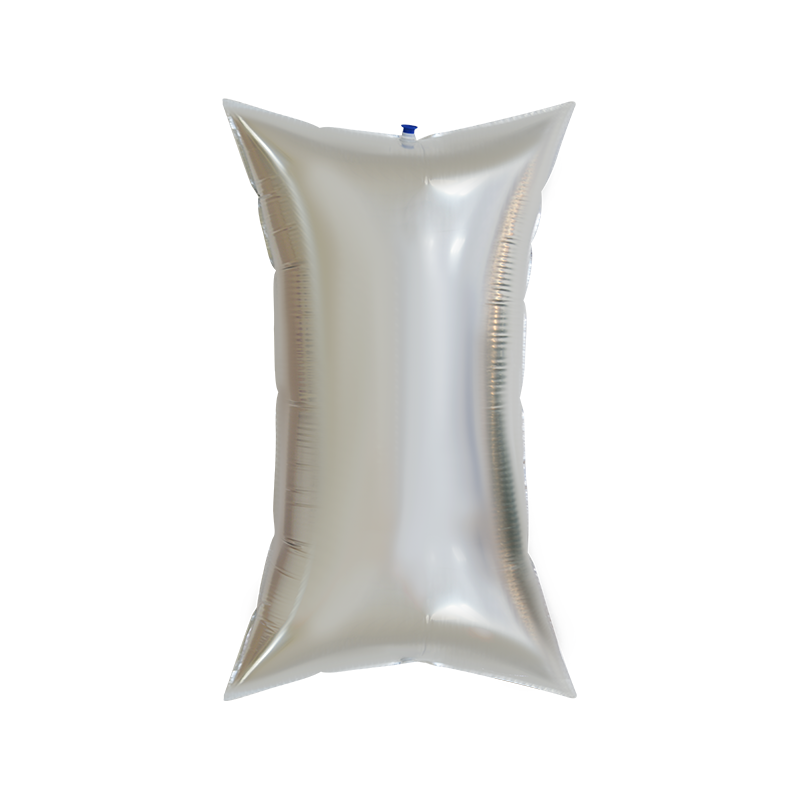
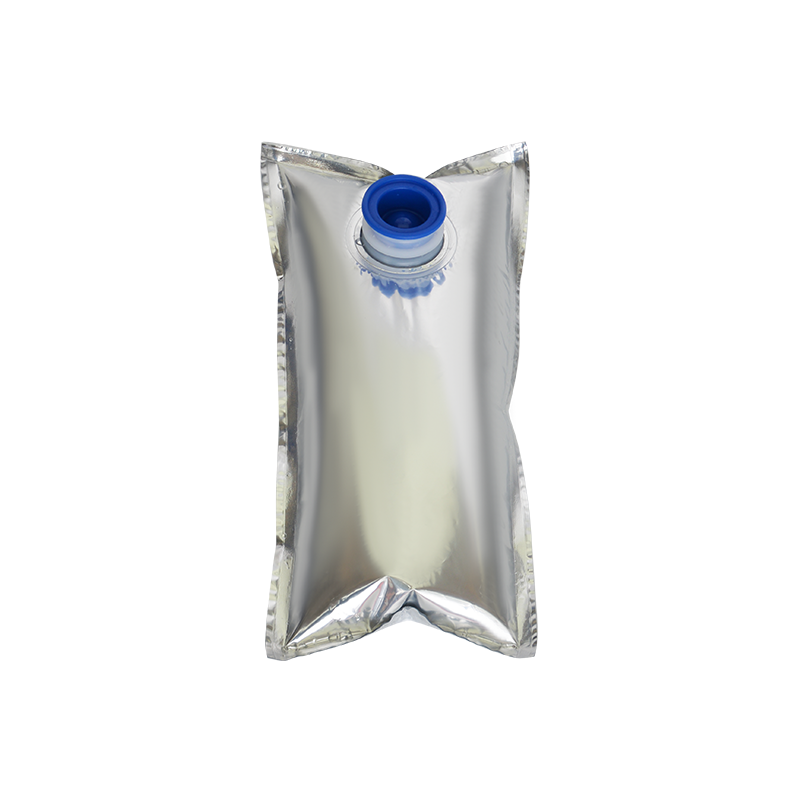
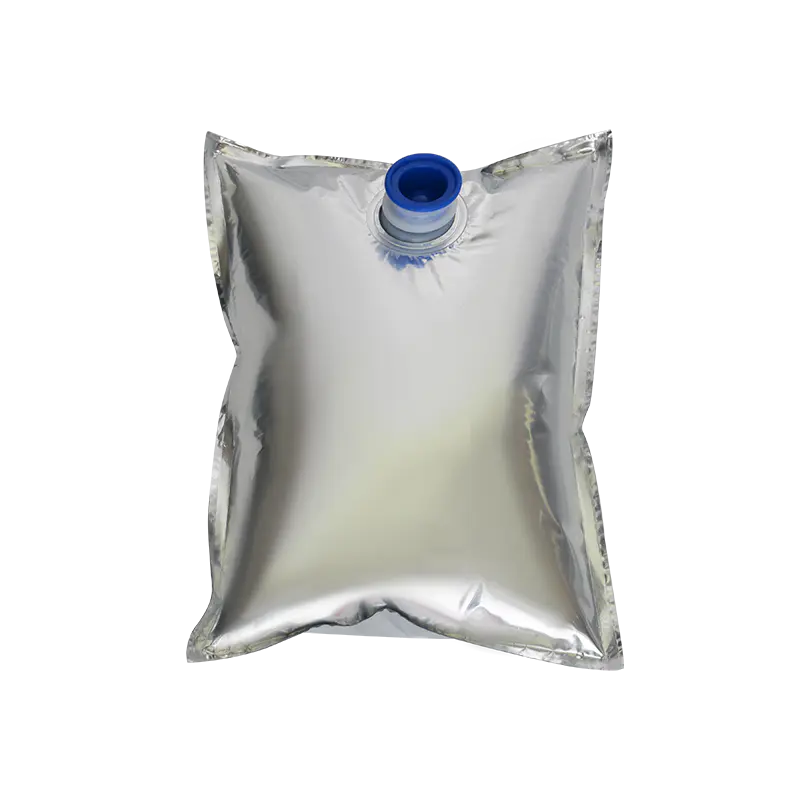
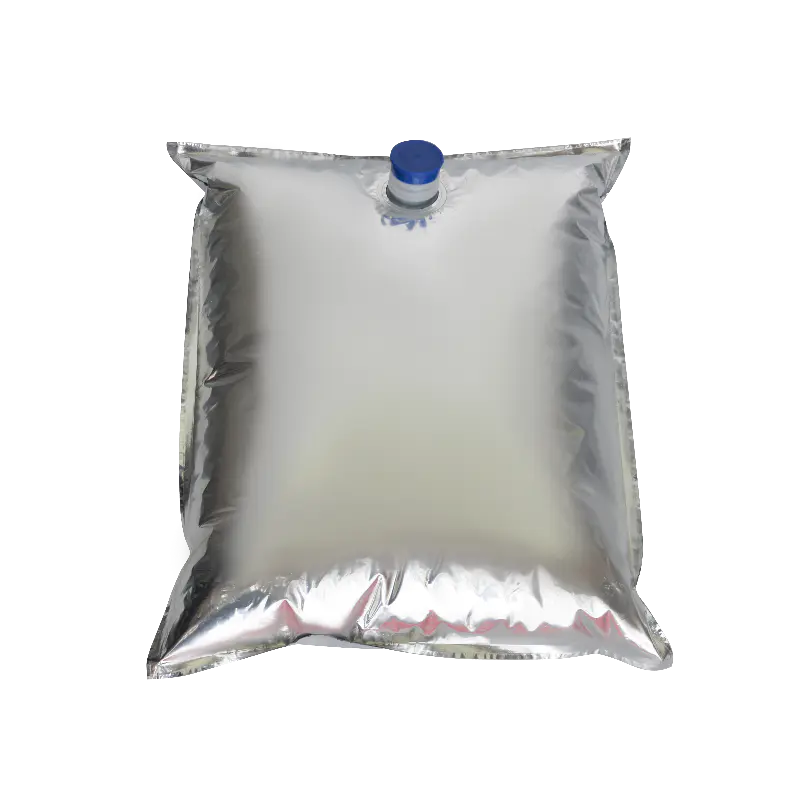
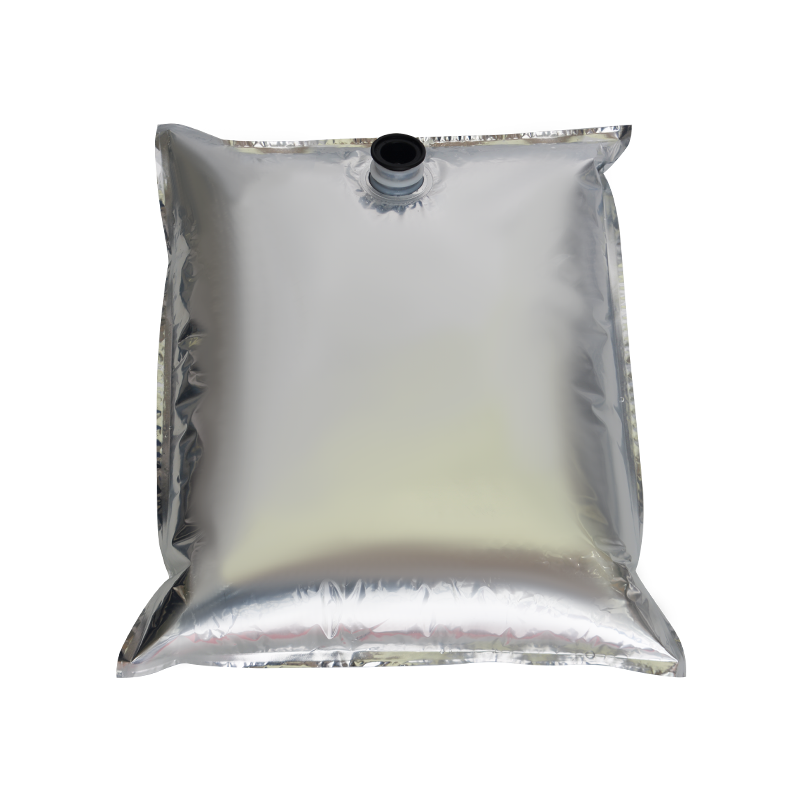
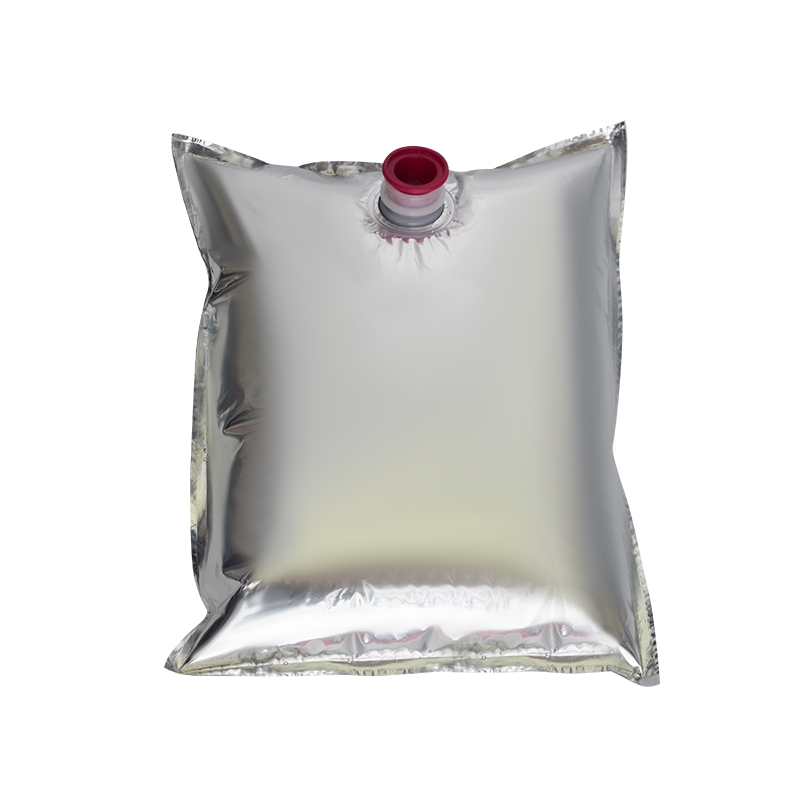

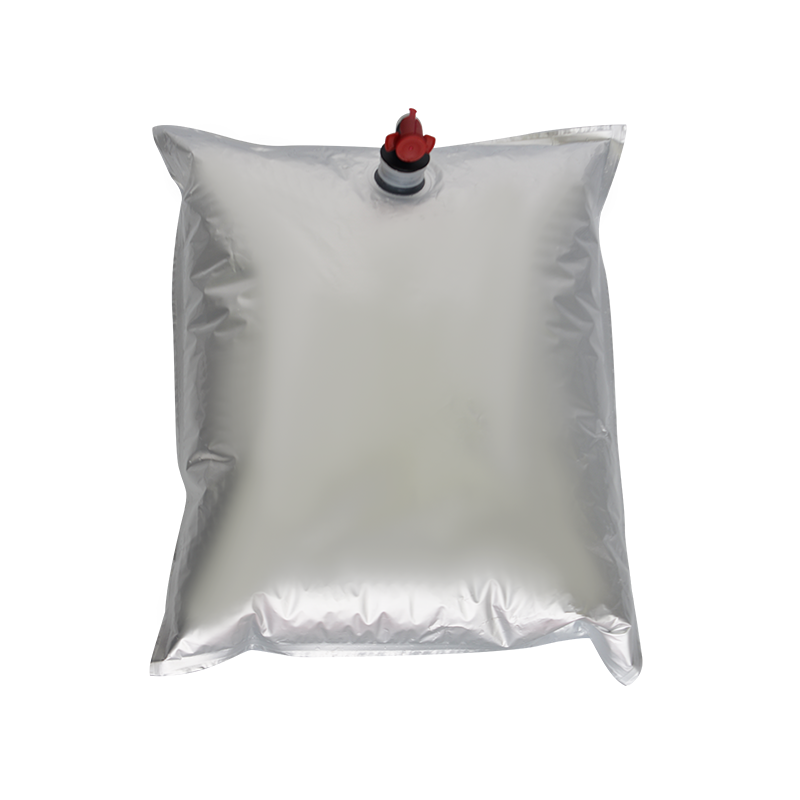

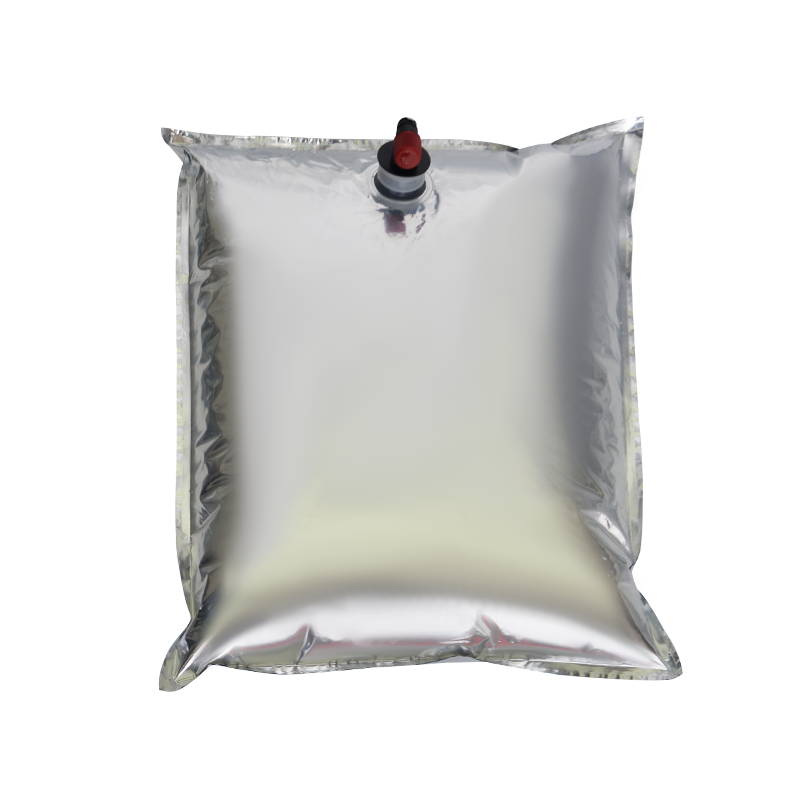


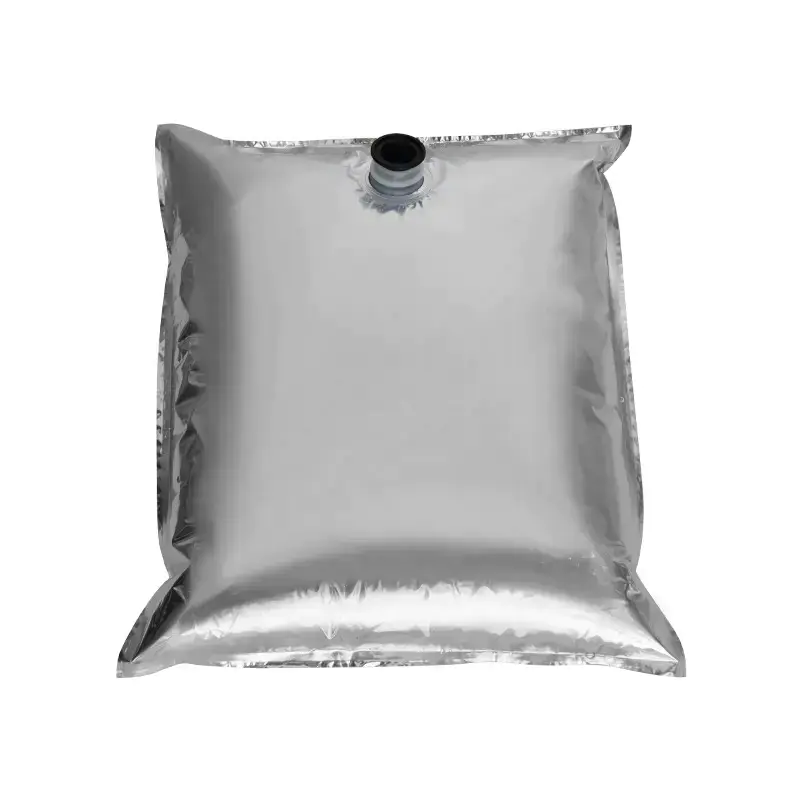




Transparent oil bags are specialized flexible packaging containers designed for oil storage, transportation and temporary holding, featuring high oil resistance, good tightness and visual transparency. Compared with traditional opaque oil packaging products, their biggest core advantage is the real-time visible internal state, which can effectively observe oil capacity, cleanliness and impurity conditions without opening the package. Qualified transparent oil bags have excellent corrosion resistance against various conventional oils, stable physical toughness, and can adapt to daily storage, short-distance transportation and industrial temporary oil containment scenarios. With reasonable selection and standardized use, they can fully meet the lightweight and convenient oil storage and transfer needs of families, industrial workshops and outdoor scenarios.
Basic Structural and Material Characteristics of Transparent Oil Bags
Main Raw Material Composition
Transparent oil bags are mostly made of high-purity polymer composite materials that pass oil resistance testing. Different from ordinary plastic bags that are prone to oil swelling, dissolution and leakage, the raw materials of professional transparent oil bags are specially modified to form a dense molecular structure. This structure can effectively isolate oil molecules and prevent chemical reactions between the bag body and internal oil. More than 90% of qualified transparent oil bags on the market adopt multi-layer composite technology, which combines the advantages of transparent visualization and anti-corrosion performance, avoiding the turbid and opaque problem caused by single-layer material modification.
The surface of the finished transparent oil bag presents a high-definition transparent state, with no obvious color difference or haze. The material itself has good tensile resistance and is not easy to crack or deform under normal holding weight. Meanwhile, the modified material has certain low-temperature resistance, which can maintain stable toughness in conventional low-temperature environments and will not become brittle and cracked due to temperature changes.
Structural Design Highlights
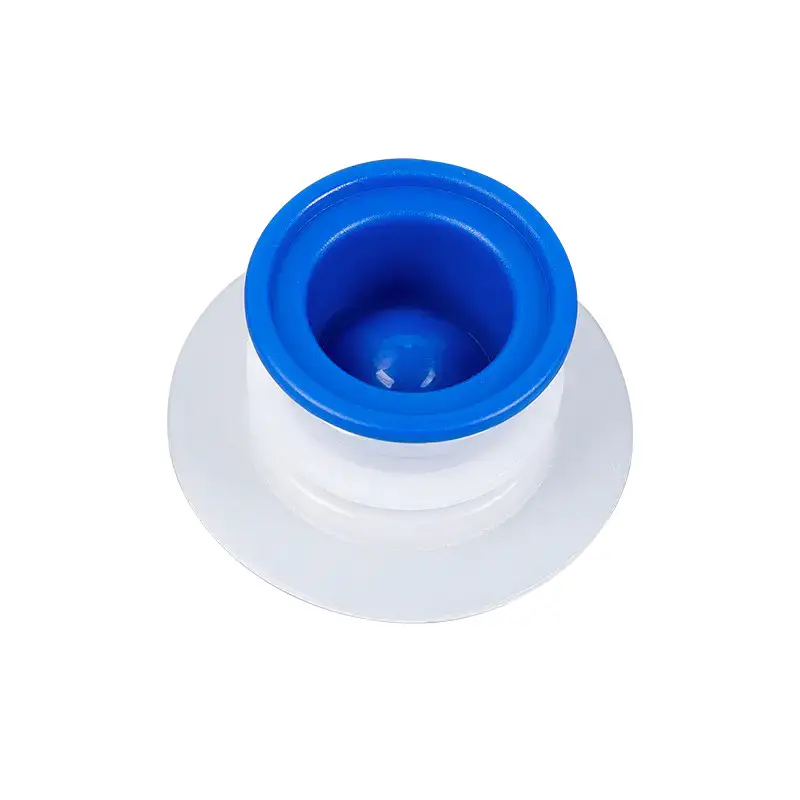
In terms of structural design, transparent oil bags adopt integrated heat-sealing molding technology as the mainstream process. The edge of the bag body is fully sealed without gaps, which fundamentally reduces the risk of oil leakage. Different from ordinary packaging bags with simple edge sealing, the heat-sealing part of oil-resistant transparent bags has thickened treatment, and the sealing strength is significantly improved to adapt to the fluid pressure of liquid oil.
- The bag mouth is designed with multi-stage sealing structures such as self-sealing or threaded sealing, which can realize repeated opening and closing, ensuring air tightness after sealing and preventing oil volatilization and dust pollution.
- The bottom of the bag adopts a flat-bottom or three-dimensional folding structure, which can stand stably after being filled with oil, avoiding tilting and leakage during placement.
- The overall bag body is designed with flexible toughness, which can be folded and stored when not in use, occupying a small space and convenient for carrying and storage.
Key Performance Advantages of Transparent Oil Bags
Transparent oil bags have obvious performance advantages over traditional metal oil drums, opaque plastic oil barrels and ordinary packaging bags in practical application scenarios. These advantages make them gradually become the preferred lightweight oil storage tools in many civilian and light industrial scenarios. The core performance advantages are mainly reflected in transparency visualization, oil resistance stability, portability and safety.
Visual Transparency Advantage
The most distinctive feature of transparent oil bags is their full transparency. Users can directly observe the residual amount of oil in the bag, the clarity of the oil liquid, and whether there are impurities, precipitation and suspended matter in the oil without opening the seal. This visual detection function reduces more than 80% of the need for repeated opening detection in daily use, effectively avoiding oil volatilization loss and external pollution caused by frequent opening. For scenes that require regular oil quality inspection, this advantage greatly improves work efficiency.
Excellent Oil Resistance and Stability
Professional transparent oil bags can adapt to most conventional oils on the market, including engine oil, gear oil, edible blended oil, lubricating oil and other common oil products. After long-term contact with oil, the bag body will not have swelling, softening, dissolution, odor and other problems. In conventional room temperature storage environments, qualified products can maintain stable performance for more than 12 months of continuous oil storage, with no leakage or deterioration of the bag body.
Lightweight and Safe Practicality
Different from rigid oil storage containers such as iron drums and plastic barrels, transparent oil bags are ultra-lightweight and will not cause collision damage during carrying and transportation. The flexible material can buffer external impact force, and even if it is squeezed slightly, it will not cause sudden leakage. In addition, the material of qualified transparent oil bags is non-toxic and odorless, which meets daily safety use standards and will not produce harmful substances to pollute oil products.
Main Application Scenarios of Transparent Oil Bags
With the continuous improvement of product performance, transparent oil bags are widely used in family life, outdoor activities, mechanical maintenance, light industrial production and other fields. Their flexible use characteristics make them make up for the shortcomings of traditional oil storage containers in lightweight and portable scenarios. The specific applicable scenarios are summarized in the following table:
| Application Field | Specific Usage Scenarios | Core Usage Advantages |
|---|---|---|
| Family Life | Small-capacity edible oil storage, residual oil temporary storage | Lightweight, no space occupation, easy to observe oil quality |
| Outdoor Activities | Outdoor power equipment fuel carrying, portable lubricating oil storage | Foldable, shock-resistant, easy to carry |
| Mechanical Maintenance | Waste engine oil recovery, new lubricating oil temporary storage and transfer | Real-time observation of oil cleanliness, convenient transfer |
| Light Industry Production | Small-batch oil sample storage, temporary oil transfer in processing links | Improve detection efficiency, reduce oil pollution rate |
In addition to the above conventional scenarios, transparent oil bags are also commonly used in laboratory oil sample preservation and transportation. The transparent design can help staff quickly screen unqualified oil samples with impurities, avoiding invalid detection work. At the same time, the sealed design can prevent the volatile components of oil samples from losing, ensuring the accuracy of experimental detection data.
Practical Selection Skills of Transparent Oil Bags
There are many types of transparent oil bags in the market with uneven quality. Ordinary transparent plastic bags cannot replace professional transparent oil bags because they do not have oil resistance. When selecting products, users need to judge the quality through material transparency, sealing performance, toughness and other core indicators to avoid the problems of oil leakage and bag body damage in use.
Visual Quality Judgment
High-quality transparent oil bags have high definition and uniform transparency, no foggy haze, no black spots, impurities and scratches on the surface. The color of the bag body is pure and transparent, without yellowing or discoloration. Inferior products often have turbid vision, uneven transparency, and even tiny pores on the bag surface, which will lead to slow oil leakage and volatilization. Products with uniform and clear transparency have more stable material structure and better oil resistance.
Performance Test Method
- Toughness test: Gently pull the edge and body of the bag. High-quality transparent oil bags have good tensile elasticity, will not deform or crack after moderate stretching, while inferior bags are easy to tear and have poor toughness.
- Sealing test: Fill the bag with clean water and seal it tightly, then invert and shake it. Qualified products have no water seepage at the sealing edge, while unqualified products will have liquid leakage.
- Oil resistance test: Drop a small amount of oil on the surface of the bag and place it for a period of time. High-quality products will not have oil penetration and bag softening, while inferior bags will absorb oil and become sticky.
Matching Model Selection
Users should select transparent oil bags of corresponding specifications according to actual usage needs. For daily household small-capacity oil storage, small and medium-sized portable models are more suitable; for mechanical maintenance and industrial transfer scenarios, large-capacity thickened transparent oil bags should be selected to ensure bearing capacity and avoid bag body rupture caused by excessive load.
Daily Use and Maintenance Notes of Transparent Oil Bags
Standardized use and scientific maintenance can effectively extend the service life of transparent oil bags and maintain stable oil storage performance. Although the product has good toughness and corrosion resistance, improper use will still lead to premature aging, damage and leakage of the bag body.
Standard Use Specifications
- Do not overfill the oil liquid. Reserve a certain gap in the bag body to avoid bag expansion and sealing failure caused by oil thermal expansion.
- Avoid contact with sharp objects during use to prevent scratching the transparent film and causing tiny leakage holes.
- Do not place the transparent oil bag in high-temperature environment for a long time. Long-term high temperature will accelerate material aging and reduce oil resistance and toughness.
Cleaning and Maintenance Methods
Transparent oil bags can be reused after cleaning for non-food oil storage scenarios. After use, pour out the residual oil liquid, rinse the inside with warm water and neutral detergent, then dry it in a cool and ventilated place. It is forbidden to expose the cleaned oil bag to strong sunlight for a long time, because ultraviolet rays will damage the polymer molecular structure of the material, leading to bag body brittleness and transparency reduction. For edible oil storage bags, it is recommended to replace them regularly to ensure oil storage safety.
Storage Requirements When Idle
When the transparent oil bag is not in use for a long time, it should be cleaned and dried completely, then folded and stored in a dry, cool and dust-free environment. Avoid stacking heavy objects on the bag body for a long time to prevent permanent deformation and crease cracking of the bag body. At the same time, keep away from corrosive chemicals to avoid material corrosion and performance degradation.
Common Misunderstandings in the Use of Transparent Oil Bags
Many users have cognitive misunderstandings when using transparent oil bags, which lead to poor use effect or shortened service life. Correcting these misunderstandings can give full play to the performance advantages of transparent oil bags and ensure safe and stable use.
- Misunderstanding 1: All transparent plastic bags can store oil. In fact, only professionally modified oil-resistant transparent bags can be used for oil storage. Ordinary transparent plastic bags will react with oil after a short time of contact, resulting in dissolution and leakage, which is extremely unsafe.
- Misunderstanding 2: Transparent oil bags can adapt to all temperature environments. Although the product has certain temperature resistance, it cannot withstand extreme high temperature and freezing environment. Extreme temperatures will damage the material structure and lose oil resistance and tightness.
- Misunderstanding 3: Transparent oil bags can be used indefinitely. Long-term use will cause material aging, even if there is no obvious damage. It is necessary to replace the bags regularly according to the usage frequency and storage oil type to avoid potential leakage risks.

