
 English
 русский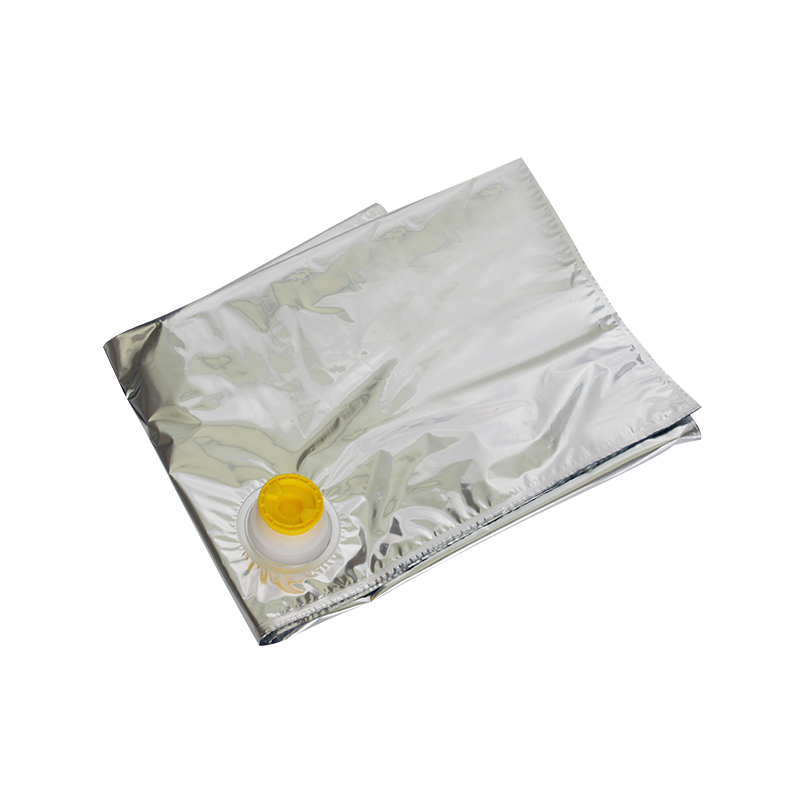
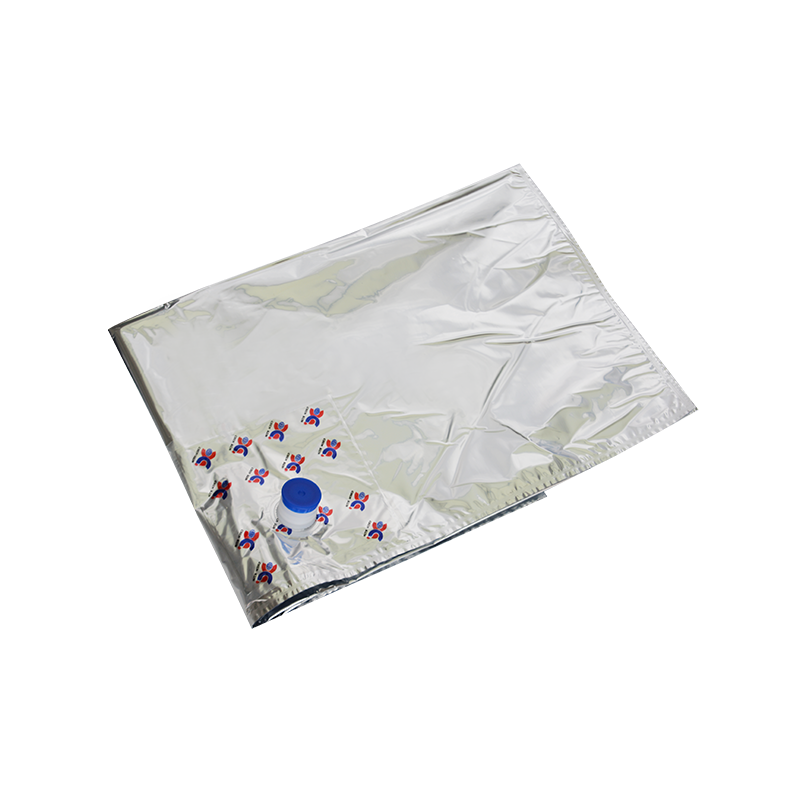
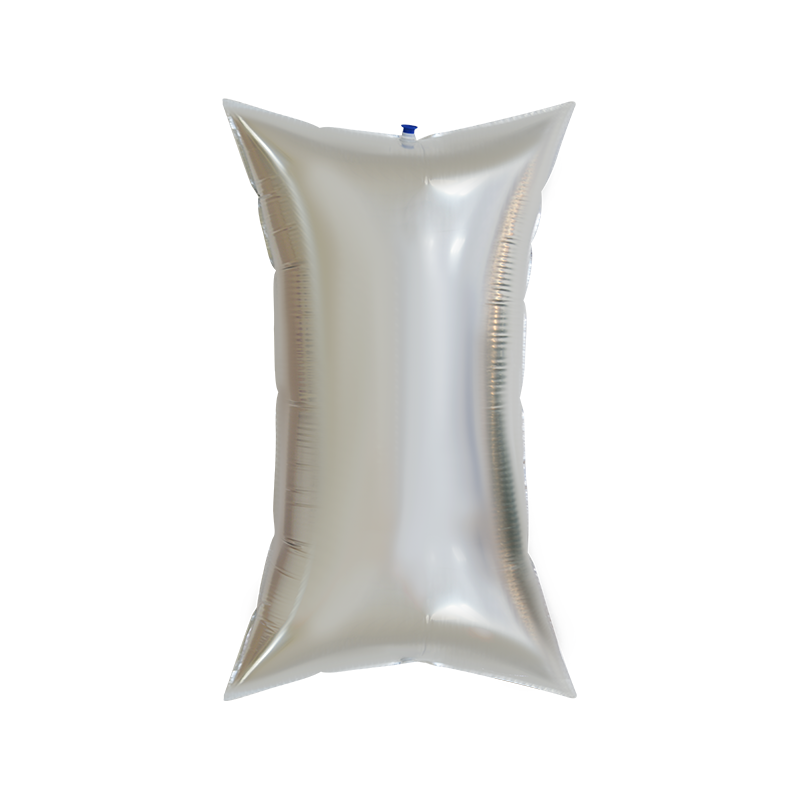
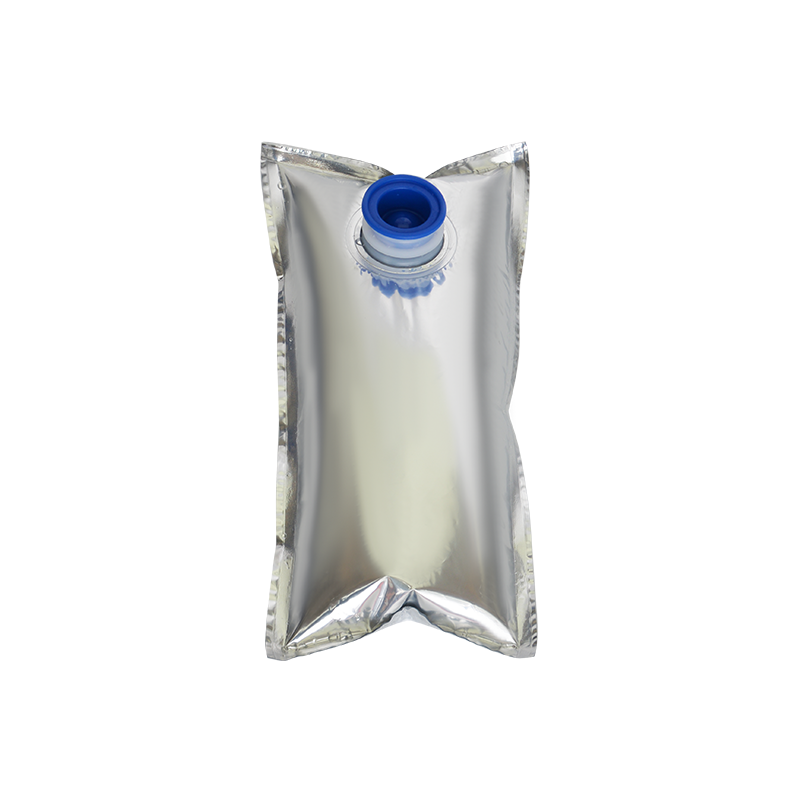
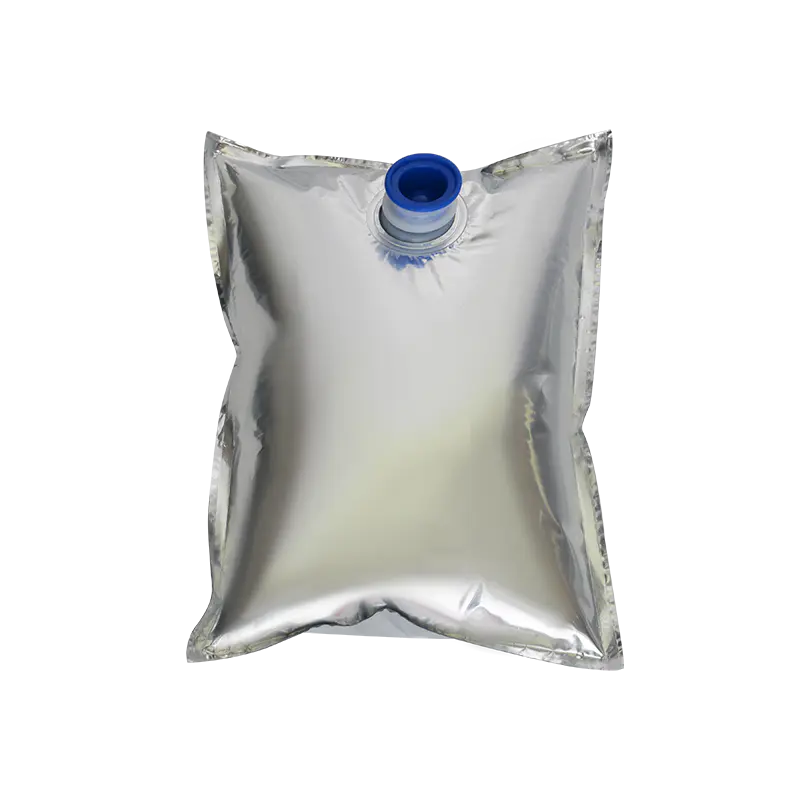
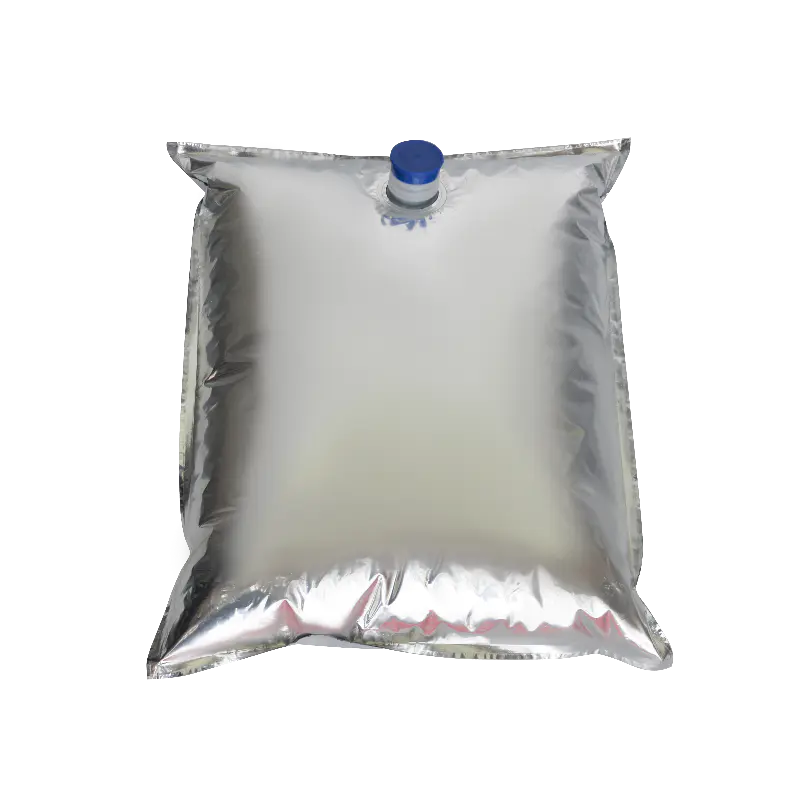
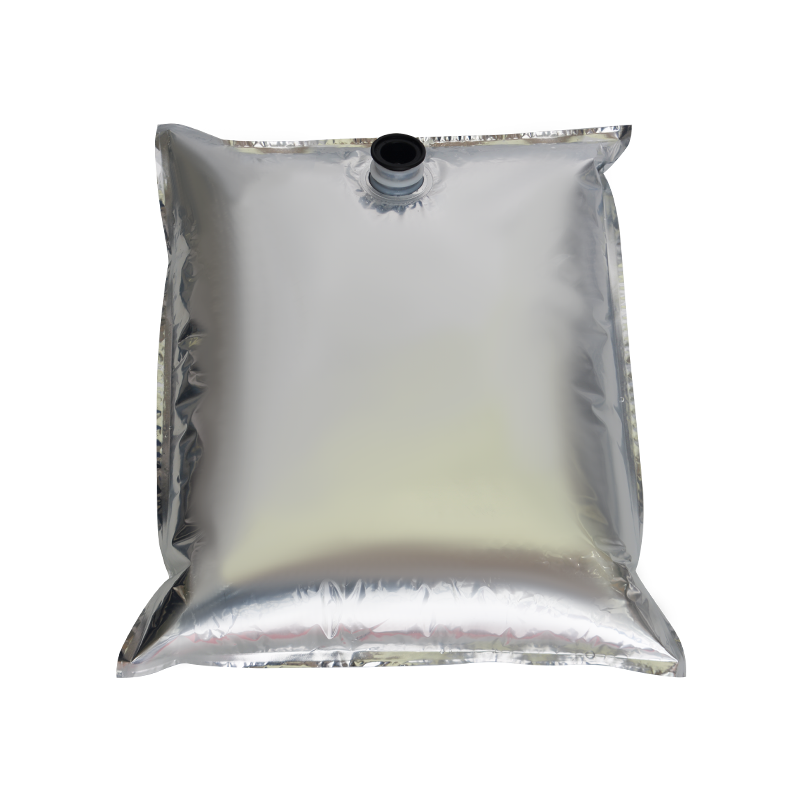
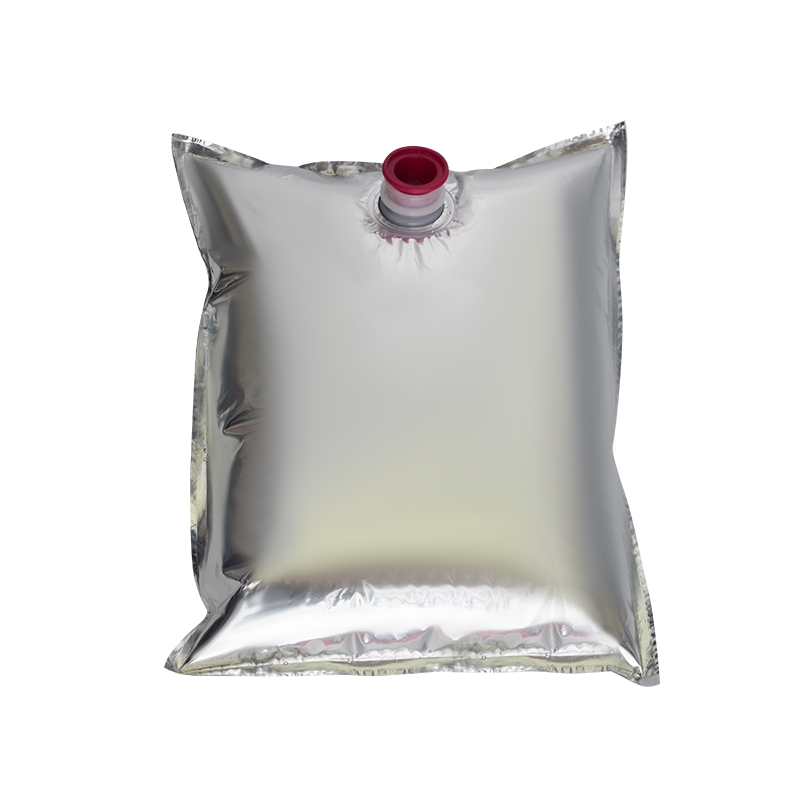
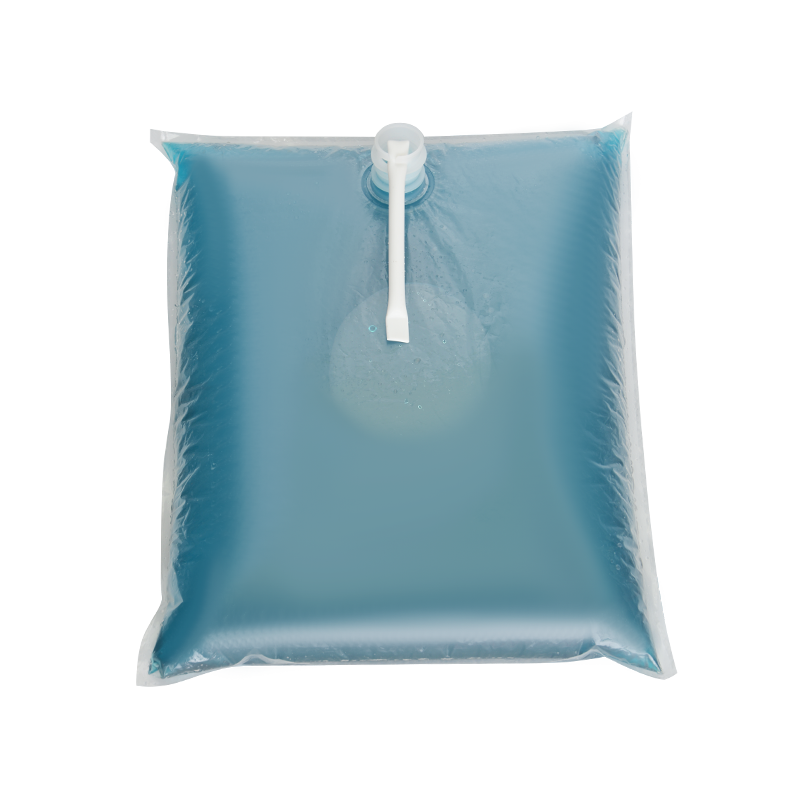
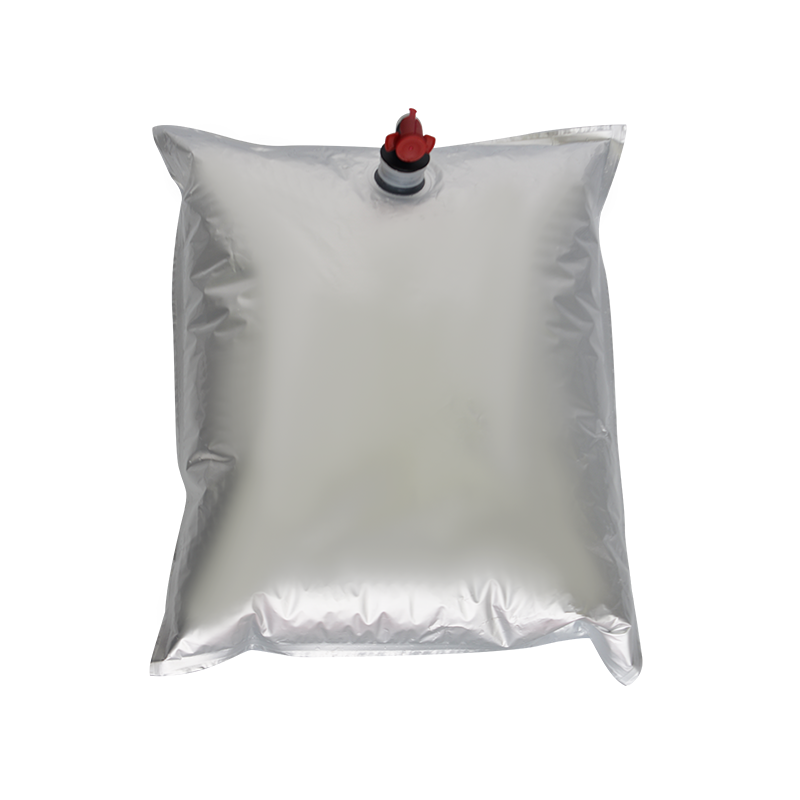
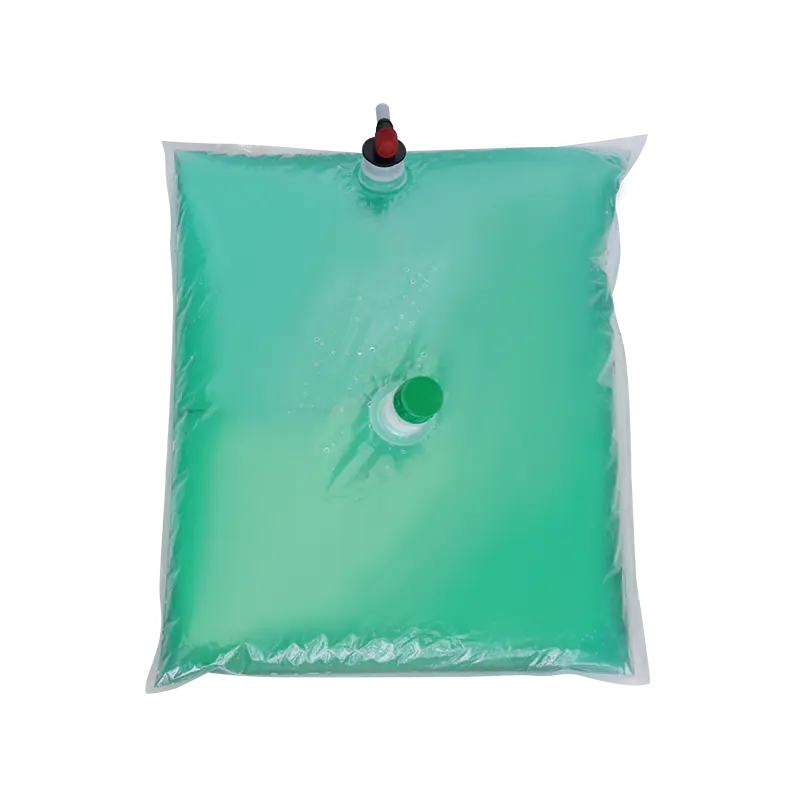
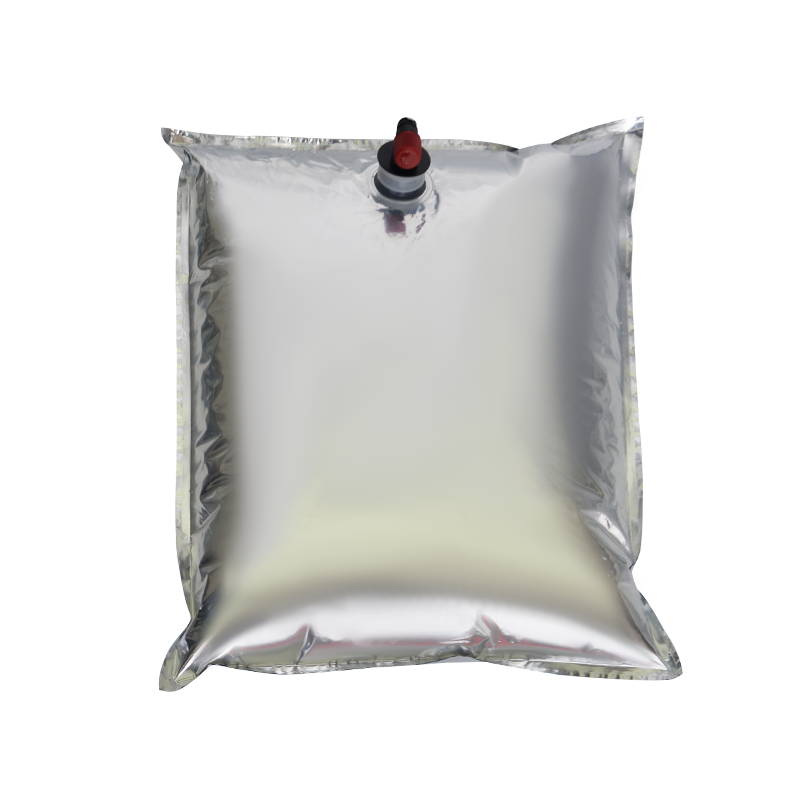


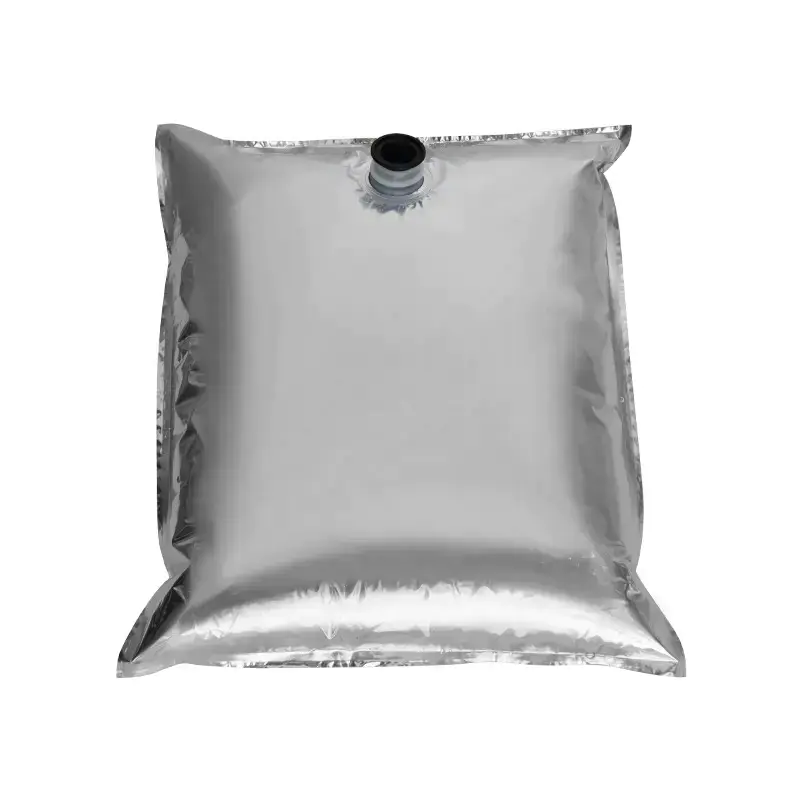
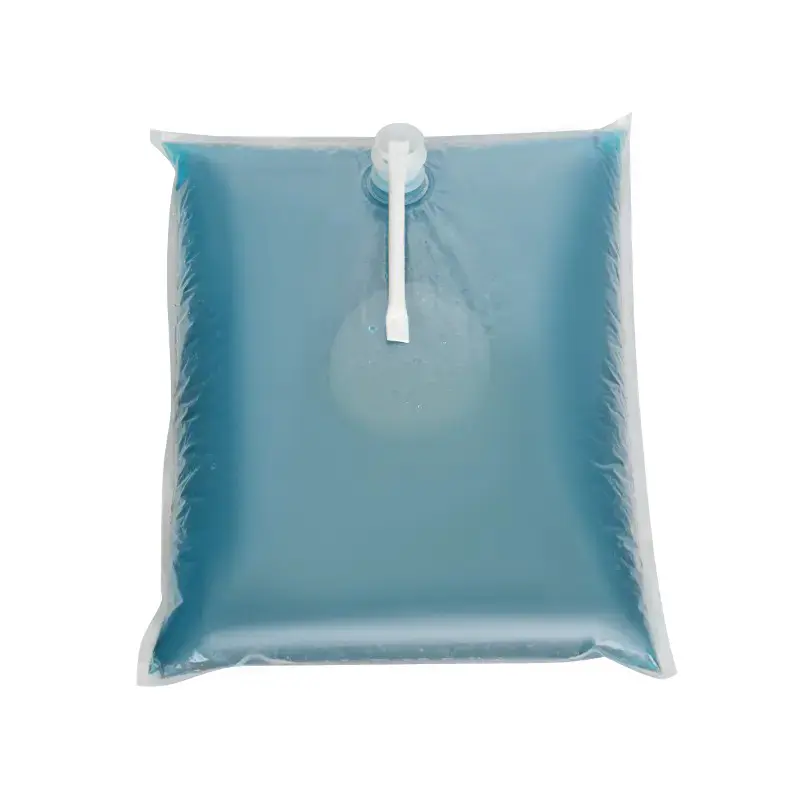
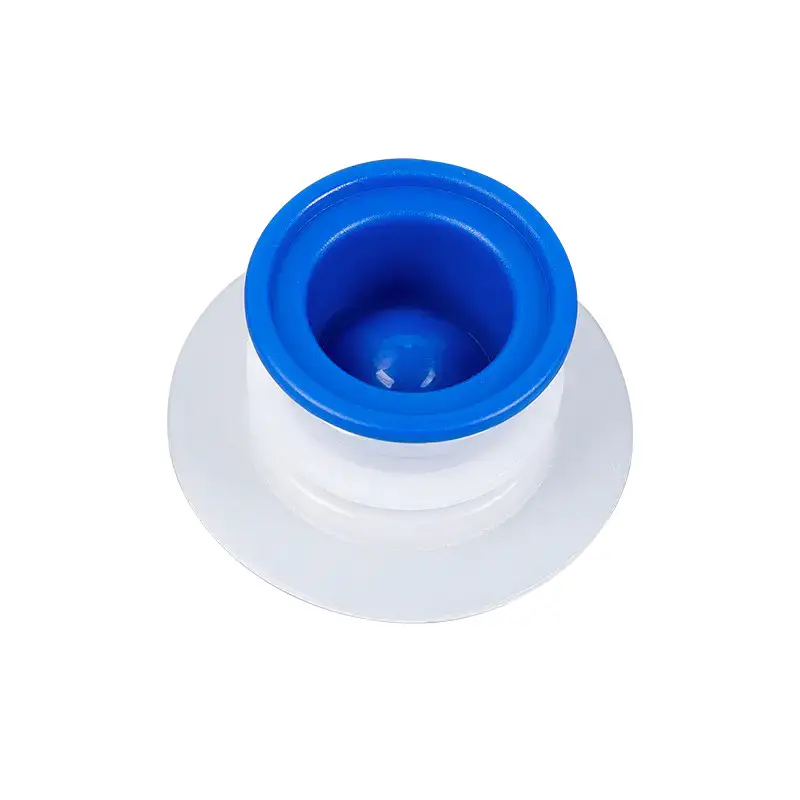


The 220L aseptic bag for drum is a specialized industrial packaging solution designed to maintain the commercial sterility and extend the ambient shelf life of bulk liquid products. By combining a high-barrier flexible liner with a rigid outer container, this system guarantees that sensitive liquid contents remain uncontaminated during long-term storage and global transportation. It eliminates the need for refrigeration, drastically reducing energy costs and logistical complexities while ensuring product integrity from the manufacturing facility to the final processing destination.
Large-scale liquid manufacturing requires packaging that can handle significant volume without compromising hygiene. The integration of a flexible inner bag within a sturdy outer drum provides an optimal environment for liquids ranging from fruit purees to industrial chemicals. This dual-system approach absorbs physical shocks during transit, preventing catastrophic leaks that could result from handling solid containers alone. Furthermore, the aseptic nature of the inner liner ensures that once the product is sterilized, it remains protected against microbial degradation.
Core Structural Design and Material Composition
The effectiveness of large-volume aseptic packaging relies entirely on its advanced material engineering. The bags are constructed using multi-layer co-extruded films, explicitly designed to provide an impenetrable barrier against oxygen, moisture, and light. This structural integrity is vital for preserving the biochemical properties of the contained liquids over extended periods.
Multi-Layer Barrier Technology
Modern aseptic bags utilize sophisticated multi-layer technology to achieve their protective properties. The outer layer is engineered for durability and printability, typically consisting of a tough polymer that resists punctures and abrasions during transit. The middle layer serves as the primary barrier, incorporating specialized materials that block oxygen transmission. The innermost layer is formulated for product compatibility, ensuring that the packaging does not react with the liquid it holds.
| Layer Function | Primary Role | Material Characteristics |
|---|---|---|
| Outer Layer | Mechanical Protection | High puncture resistance and structural stability |
| Middle Barrier | Oxygen and Light Blockade | Ultra-low oxygen transmission rate and light reflection |
| Inner Contact Layer | Product Compatibility | Chemically inert and food-grade compliant |
Closure Systems and Filling Caps
The closure system is a critical component that maintains the sterile environment. High-capacity bags are typically equipped with specialized filling caps and aseptic valves. These caps are designed to interface seamlessly with commercial filling machines, allowing product to be pumped in without exposing the interior to the external atmosphere. The integrity of these closures ensures that once the bag is sealed, no microorganisms or external contaminants can enter the system.
- High-density polyethylene filling caps for impact resistance
- Integrated tamper-evident seals for security verification
- Sterilization-ready valves designed for gamma irradiation or steam
The Synergy Between Flexible Liners and Rigid Drums
A 220L bag cannot function optimally without a compatible outer container. The steel or high-density plastic drum provides the necessary structural framework to protect the flexible liner from the harsh realities of global supply chains. This symbiotic relationship allows the bag to focus solely on barrier performance while the drum handles the physical stresses of stacking, vibration, and impact.
When filled, liquids exert significant hydrostatic pressure against the walls of their container. By placing the flexible liner inside a rigid drum, the pressure is transferred to the strong outer shell, preventing the bag from rupturing. This combination has proven to be one of the most reliable methods for transporting large quantities of valuable or sensitive liquids across vast distances.
The drums are often reusable, which significantly lowers the environmental impact and overall packaging costs over time. After the liquid is dispensed, the inner bag is disposed of, and the drum is returned to the filling facility. This model ensures that strict hygiene standards are met for every new batch without requiring the complete replacement of the outer container.
Primary Industrial Applications
The utilization of large-volume aseptic packaging spans multiple industries that require the bulk transport of liquids under stringent quality controls. The versatility of the liner materials makes these systems suitable for a wide array of fluid viscosities and chemical compositions.
Food and Beverage Processing
In the food sector, maintaining flavor profiles and nutritional value is paramount. Aseptic bags are predominantly used for packing fruit concentrates, tomato pastes, and vegetable purees. Because the product is sterilized before filling and the bag itself is sterile, the need for chemical preservatives is effectively eliminated. Producers can ship fruit juices globally without refrigeration, knowing that the flavor and color will remain intact for extended durations.
Chemical and Pharmaceutical Sectors
Beyond edible goods, the chemical and pharmaceutical industries leverage these packaging solutions for sensitive liquid formulations. In pharmaceutical manufacturing, maintaining an uncontaminated environment for liquid excipients or intermediate solutions is critical. The high barrier properties prevent oxidative degradation, ensuring that active chemical components do not lose efficacy during storage. The ability to store bulk liquids without refrigeration reduces energy consumption by significant margins, presenting a highly sustainable operational model for large manufacturing plants.
Comprehensive Filling and Handling Procedures
To fully leverage the benefits of an aseptic bag, specific operational procedures must be strictly followed. The filling process is a highly controlled operation that requires specialized machinery and cleanroom conditions to prevent airborne contaminants from compromising the sterile environment.
Pre-Filling Sterilization Protocol
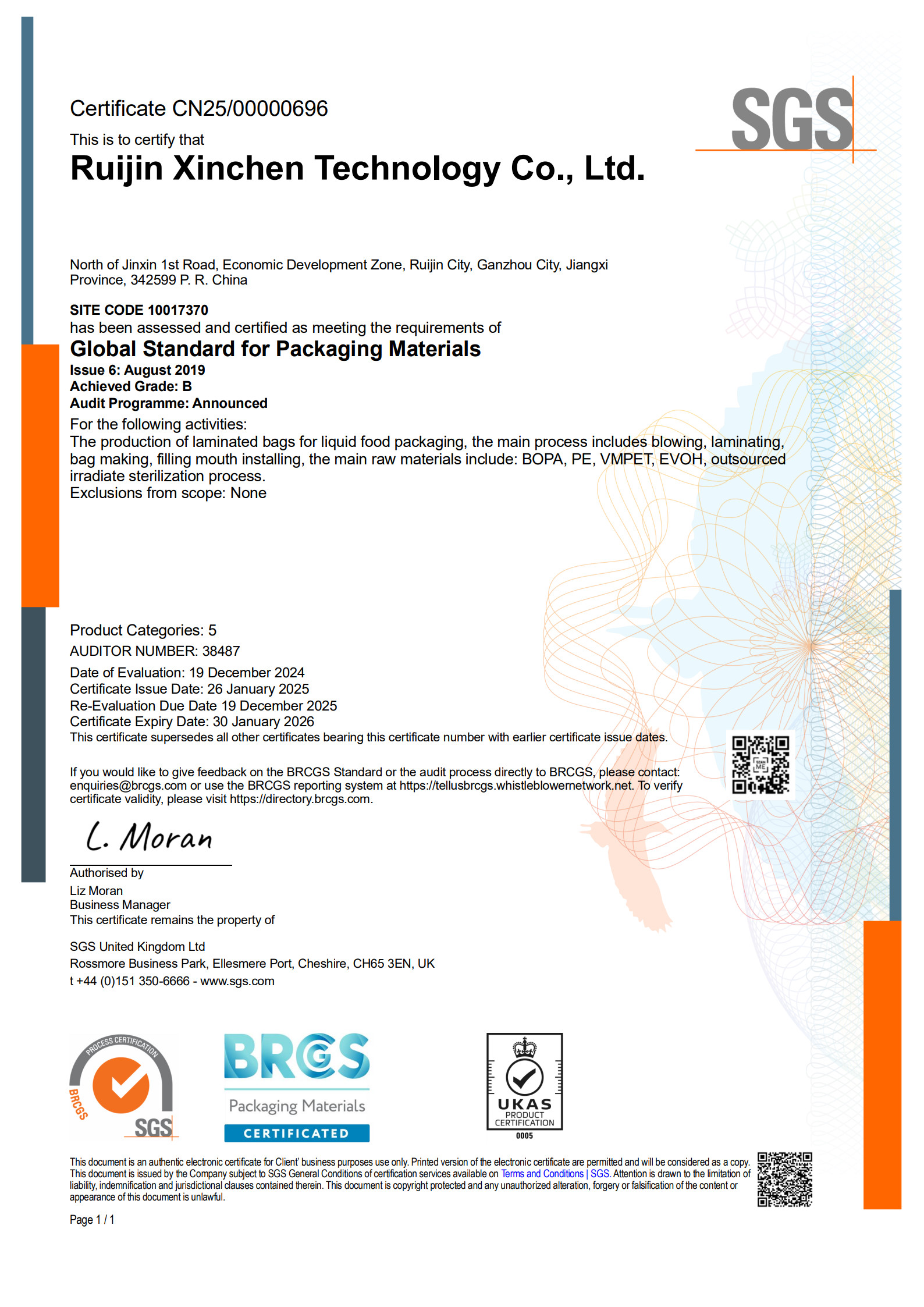
Before any liquid is introduced, the empty bags must undergo rigorous sterilization. This is typically achieved through gamma irradiation or steam sterilization processes, which eliminate any residual microbial presence inside the bag and cap assembly. The integrity of the sterilization process dictates the ultimate shelf life of the packaged product. Once sterilized, the bags are transported to the filling station in sealed, protective overwraps to maintain their pristine condition.
Aseptic Filling Operations
The actual filling process takes place in a controlled cleanroom environment where air quality is meticulously monitored. The filling machine pierces the septum or opens the specialized valve on the bag without exposing the interior to the external environment. The pre-sterilized liquid product is then pumped into the bag. Once the target volume is reached, the valve is hermetically sealed. Proper placement of the filled bag inside the drum is critical to prevent friction and potential punctures during transit. Operators must ensure the bag is evenly distributed within the drum before securing the lid.
- Transfer the pre-sterilized bag into the ISO-certified cleanroom environment.
- Connect the sterile filling nozzle to the bag's integrated cap assembly.
- Pump the previously sterilized liquid into the bag until the desired volume is reached.
- Hermetically seal the valve and disconnect the filling nozzle automatically.
- Carefully lower the filled bag into a clean, dry steel or plastic drum.
- Secure the drum lid and apply tamper-evident seals for final transit preparation.
Economic and Environmental Advantages
Adopting large-capacity aseptic packaging delivers profound economic and environmental benefits for bulk liquid distributors. The transition from smaller, individual containers to a high-volume system creates economies of scale that drastically reduce per-liter packaging costs.
From an environmental perspective, the reduction in required refrigeration is a massive energy saving. Transporting fruit concentrates or liquid eggs in refrigerated containers across oceans requires immense power consumption. Aseptic packaging allows these products to travel on standard dry vessels, significantly lowering the carbon footprint associated with global distribution. Furthermore, the reduction in packaging materials per liter of liquid contributes to less landfill waste, particularly when the outer drums are continuously reused or recycled.
Businesses also experience secondary cost savings through reduced product loss. The robust nature of the drum and bag combination minimizes the incidence of leaks and spills during handling. Because the product remains sterile over a long shelf life, there is less risk of spoilage before it reaches the end consumer, ensuring higher yield and profitability for the manufacturer.
Quality Assurance and Testing Methodologies
To guarantee that large-volume aseptic bags perform as intended, manufacturers subject them to a battery of stringent quality assurance tests. These tests simulate the extreme conditions of global transit and ensure that the packaging will maintain its integrity from the factory floor to the destination port.
Physical Stress and Integrity Testing
Bags undergo rigorous drop tests, where filled containers are dropped from specific heights to ensure the seams and outer drums can absorb impact without rupturing. Vibration testing is also conducted to simulate the constant movement of truck or rail transport. Additionally, leak detection systems utilize pressure decay methods or helium sniffing to verify that the hermetic seals are completely impermeable.
Microbial Challenge Testing
Beyond physical robustness, the sterile barrier must be biologically validated. Microbial challenge testing involves exposing the exterior of the filled bag to high concentrations of bacteria to ensure none can penetrate the seals or the film material. This testing is crucial for validating the packaging for use with highly sensitive food and pharmaceutical products.
Implementing a 220L aseptic bag system requires a comprehensive understanding of material science, strict adherence to sterilization protocols, and robust quality control measures. By integrating these elements, producers can achieve unparalleled efficiency, product safety, and sustainability in their global liquid supply chains.

