
 English
 русский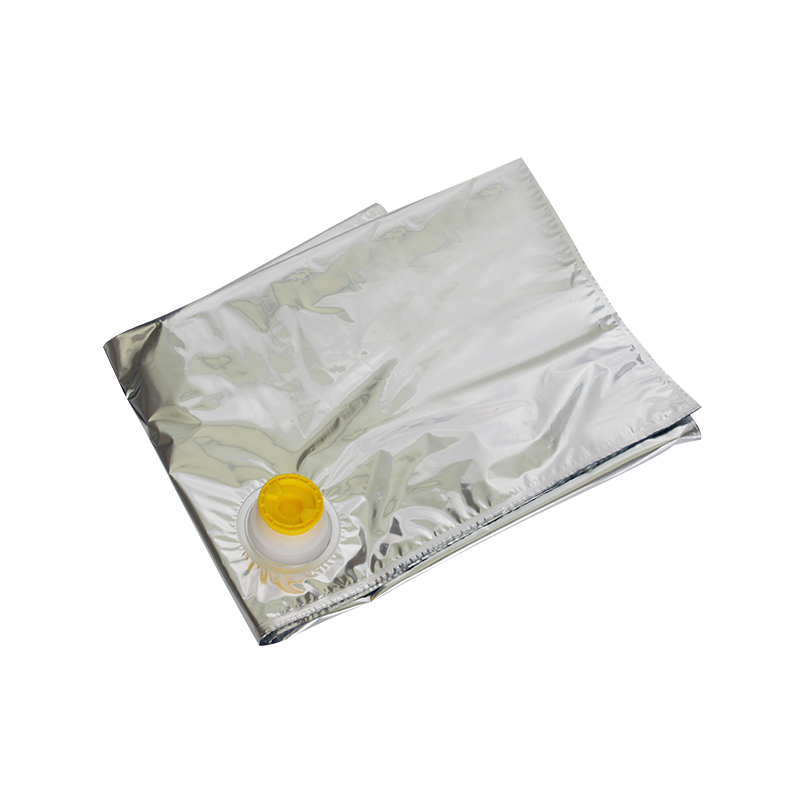
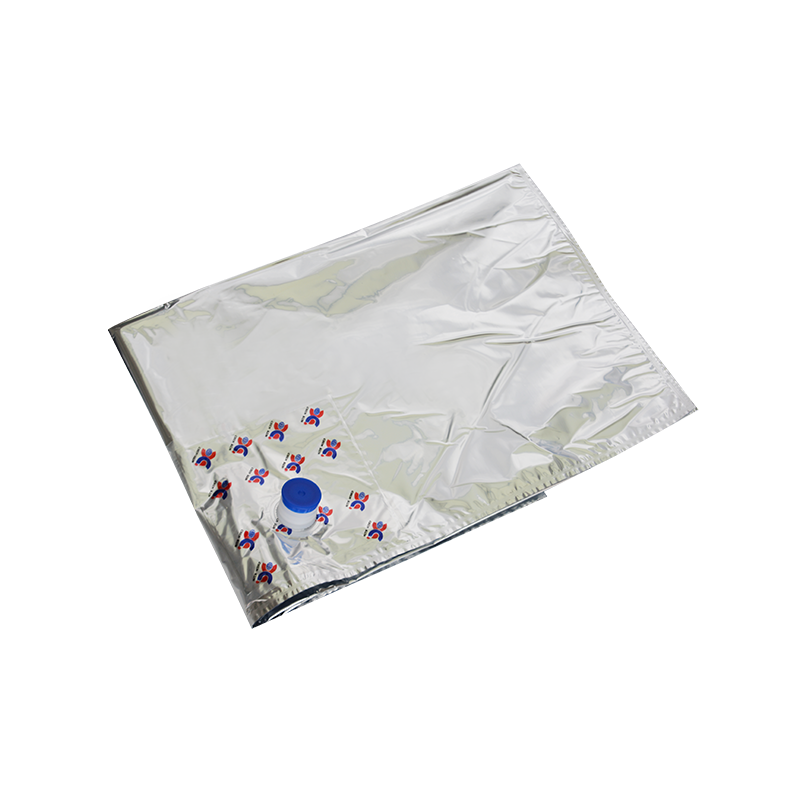
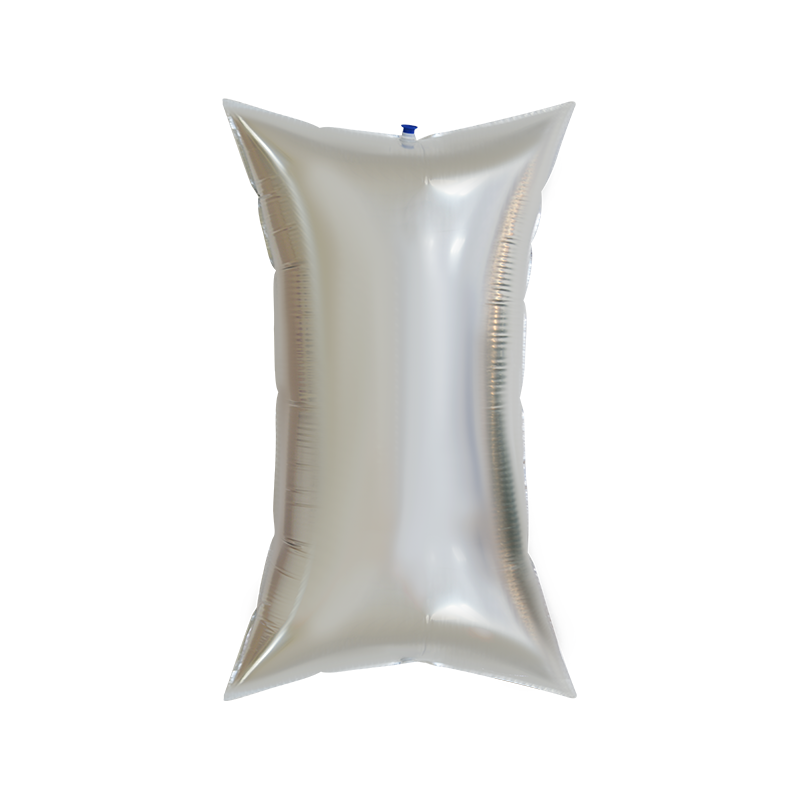
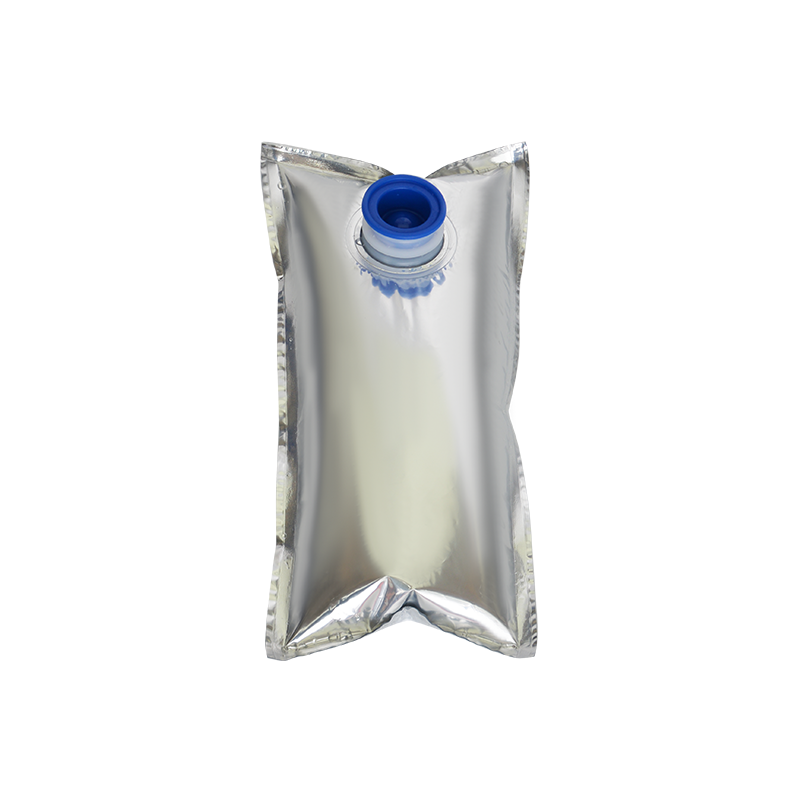
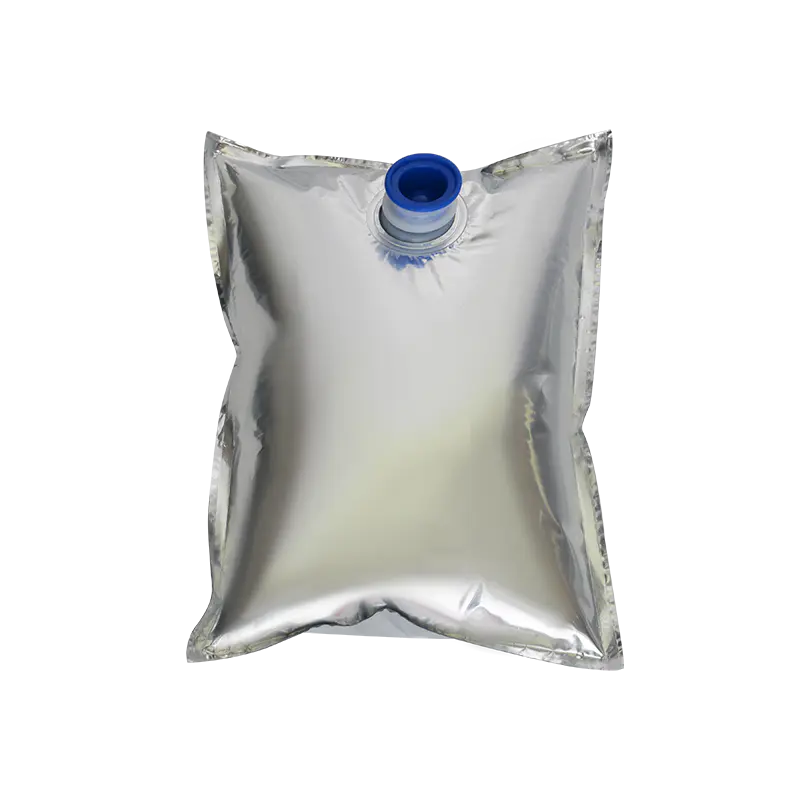
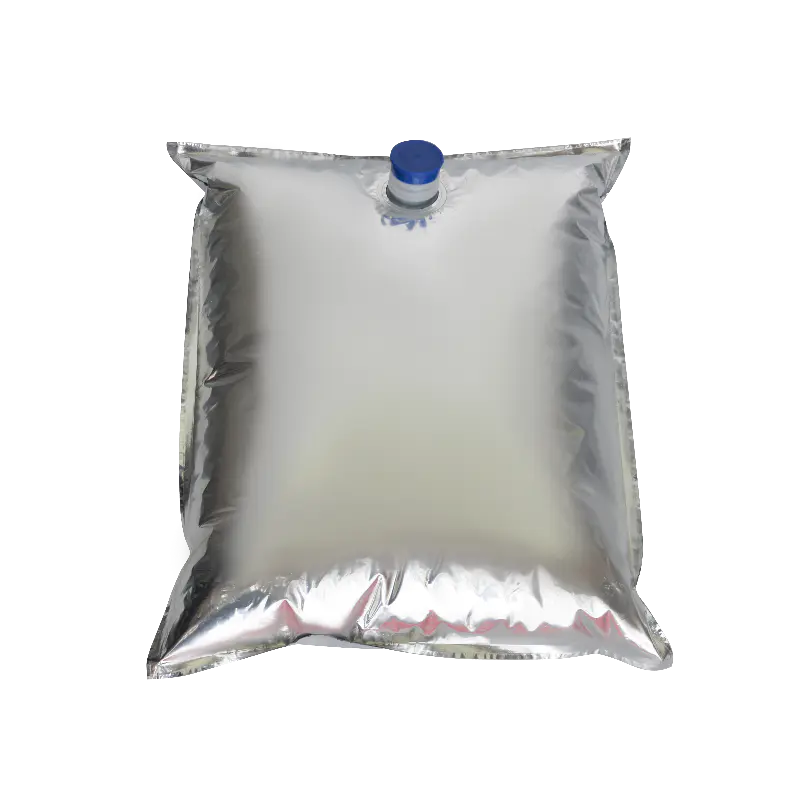
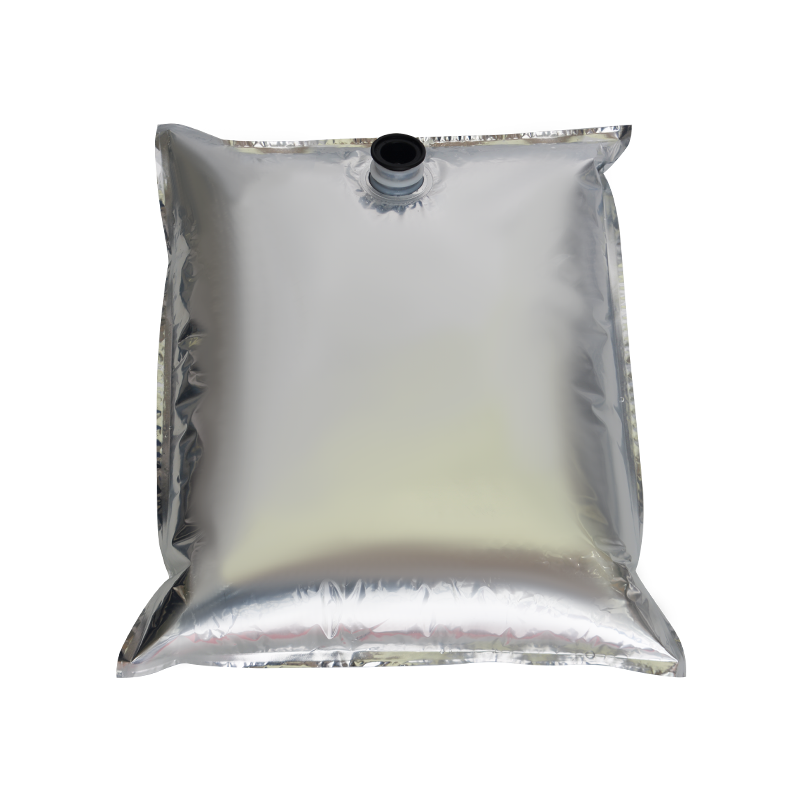
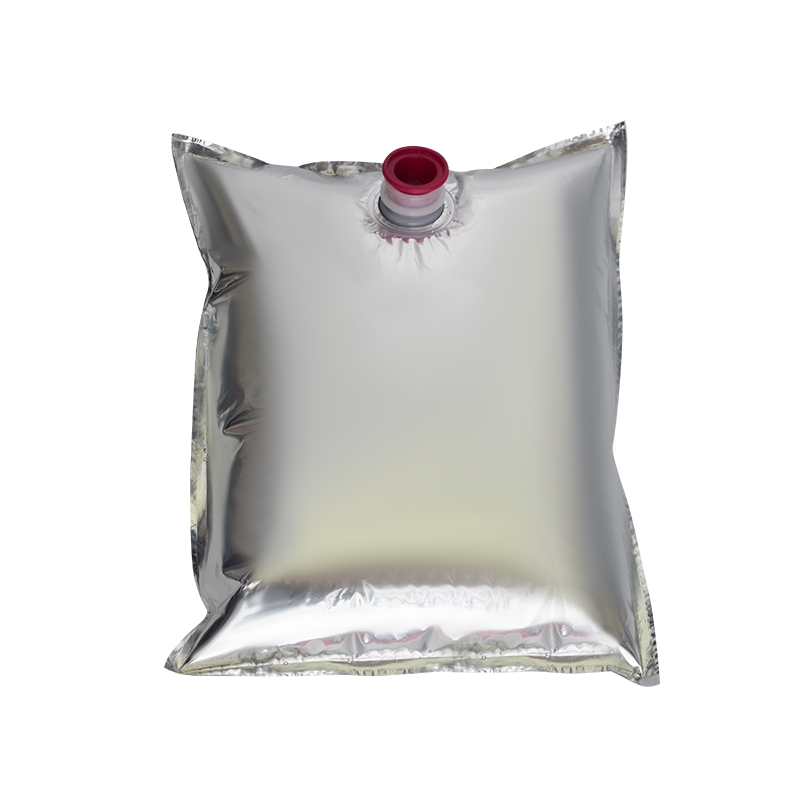
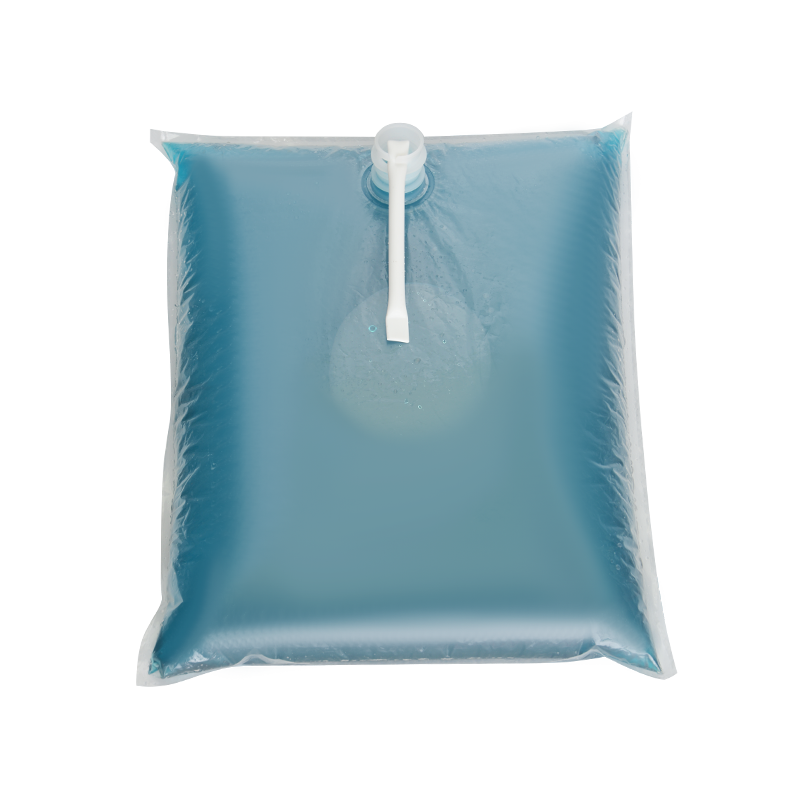
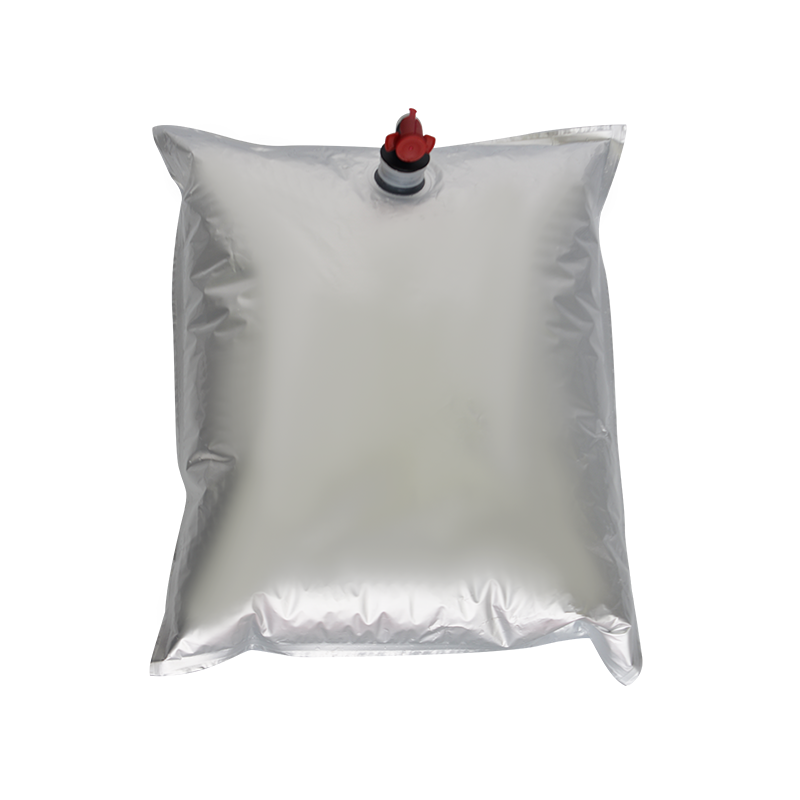
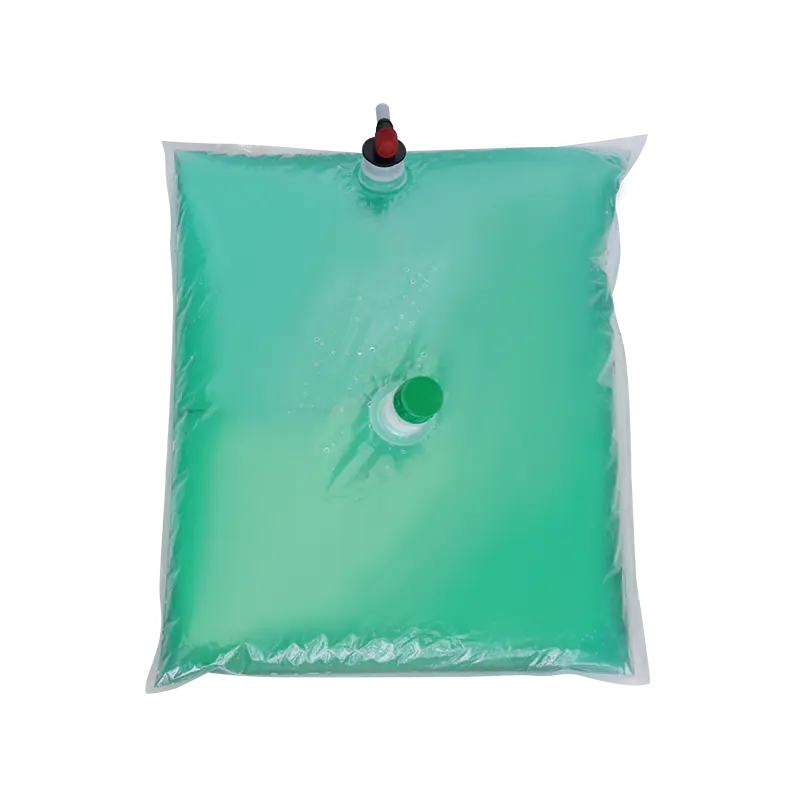
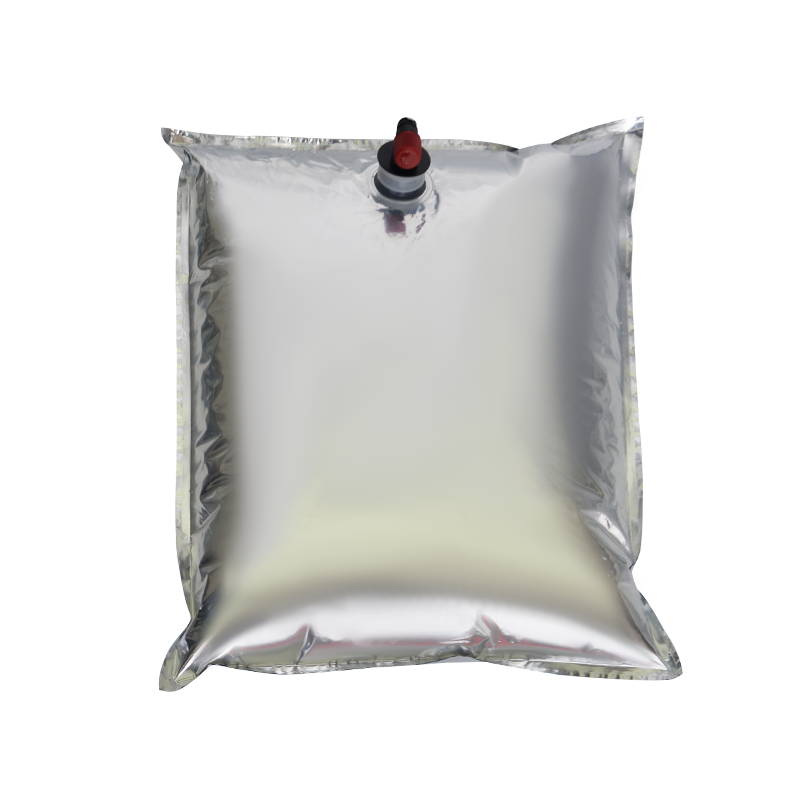


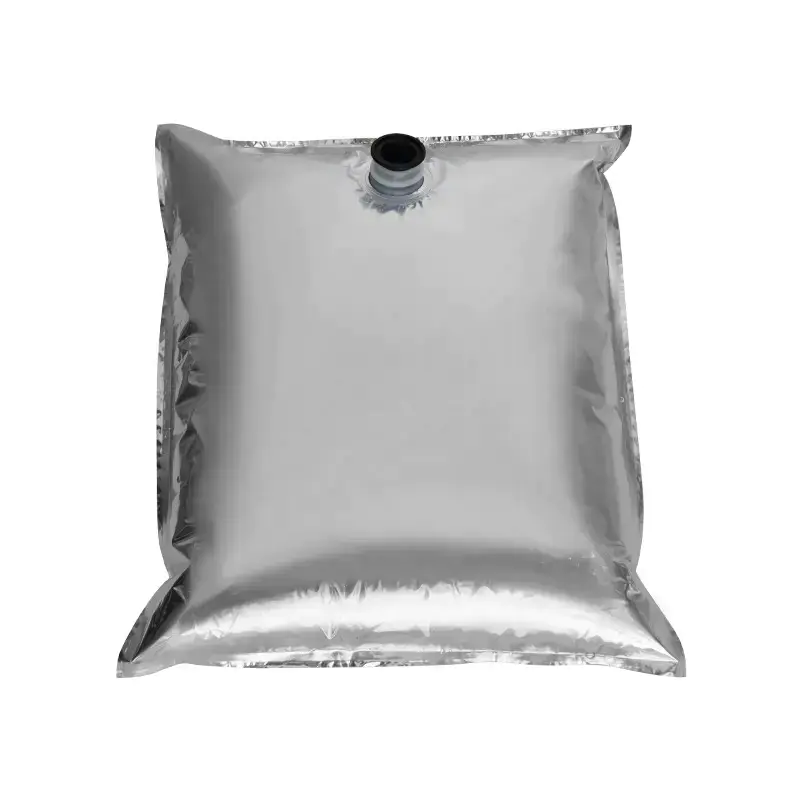
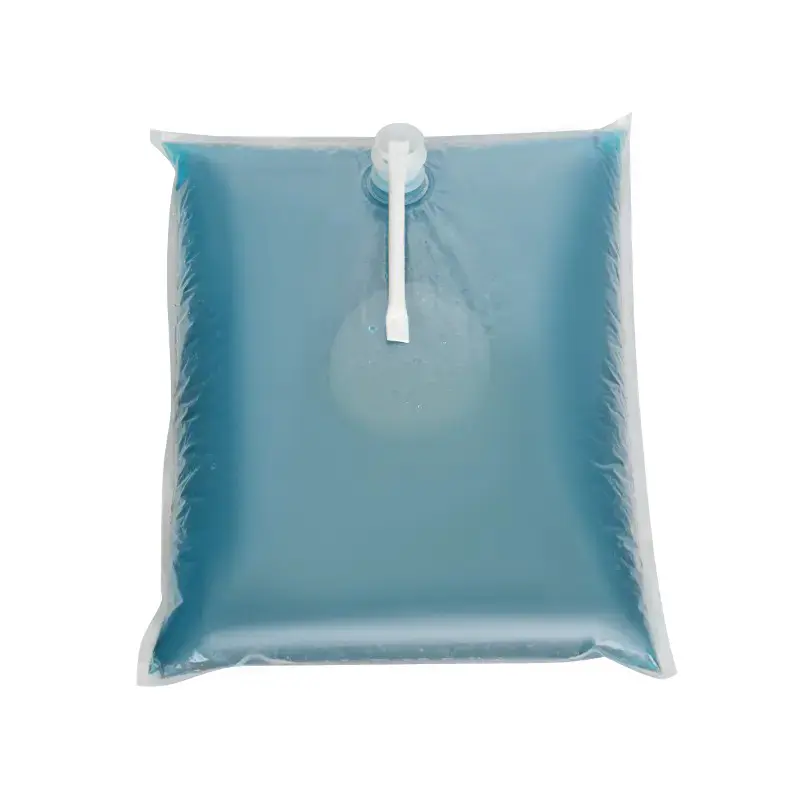


The aseptic bag-in-box system represents the pinnacle of modern liquid packaging technology, offering an unparalleled combination of product preservation, operational efficiency, and environmental sustainability. The primary conclusion is that this packaging method significantly extends the shelf life of liquid products without the need for preservatives or refrigeration, making it the superior choice for manufacturers and distributors worldwide. By sterilizing the product and the packaging separately and then combining them in a sterile environment, this system eliminates the bacteria that cause spoilage. This technology is not merely a trend but a fundamental shift in how industries approach the logistics of liquid distribution, ensuring that quality remains intact from the production line to the end consumer.
Understanding the Core Technology
To fully appreciate the value of this packaging, one must understand the science behind it. The process involves three distinct critical steps that ensure total sterility.
- Product sterilization: The liquid is heated to a high temperature for a very short time (Ultra-High Temperature treatment) to kill microorganisms.
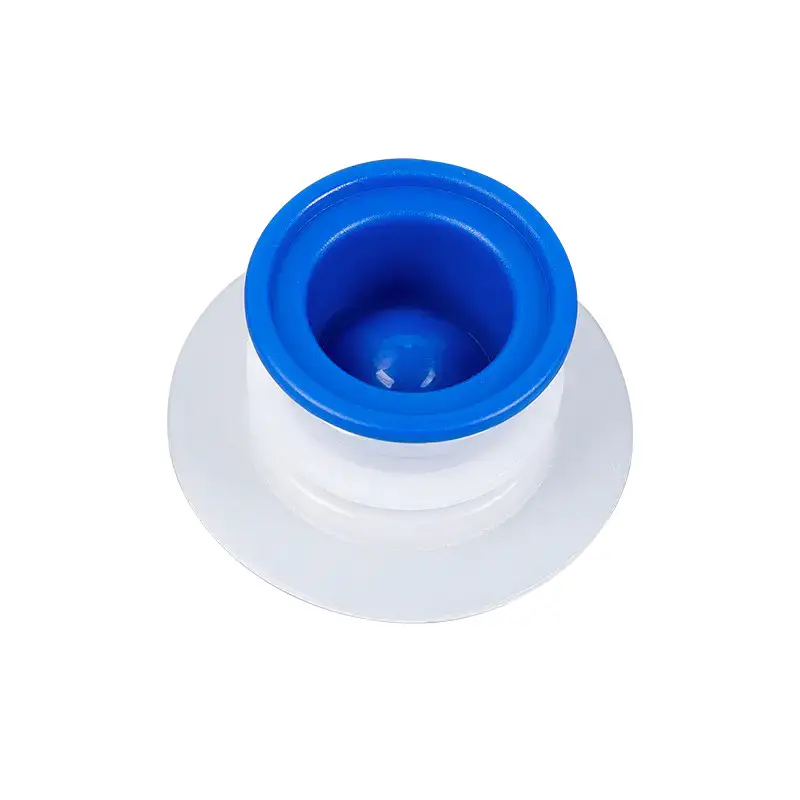
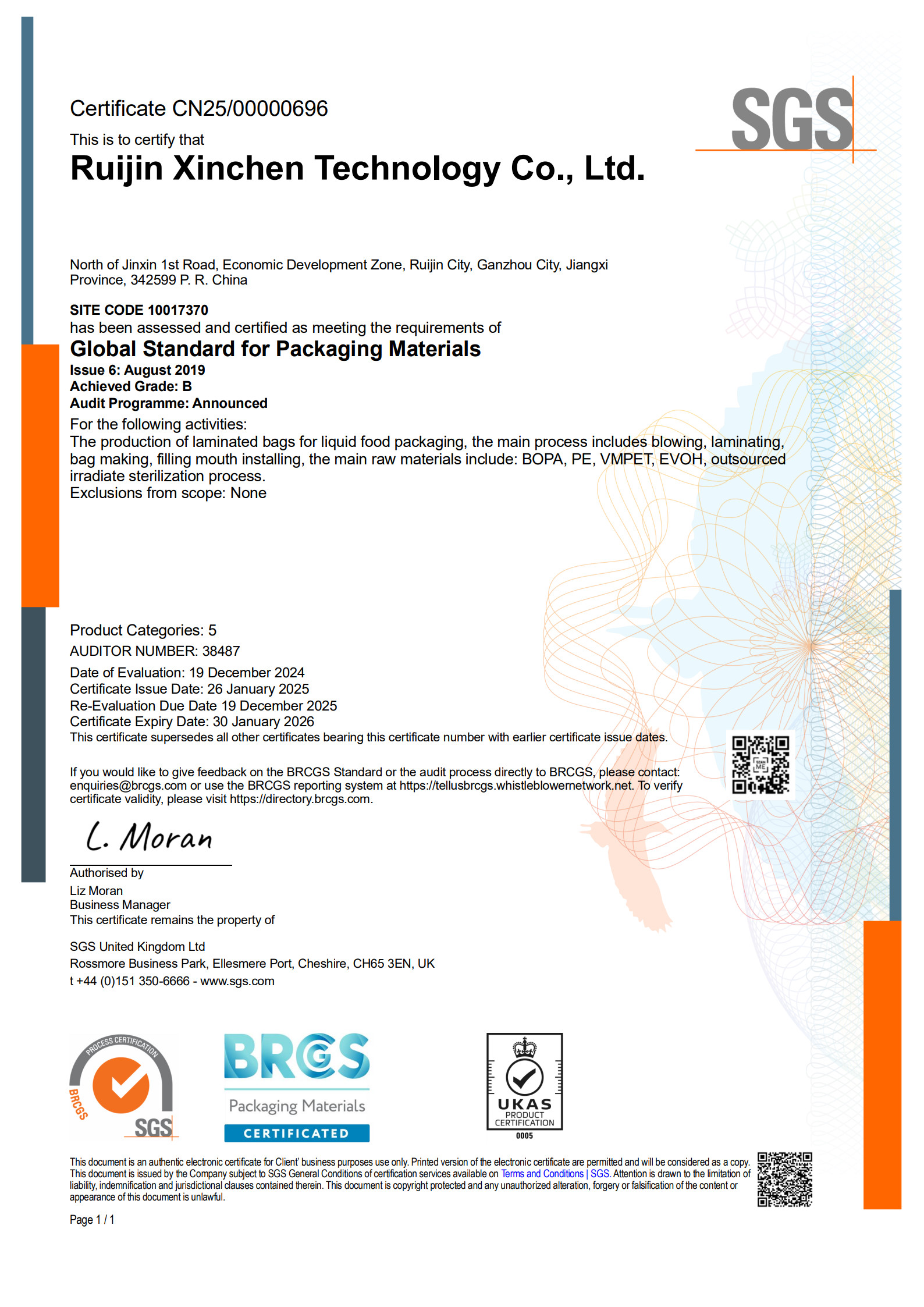
- Packaging sterilization: The bag and the fitment are sterilized using chemical baths (hydrogen peroxide) or radiation processes.
- Aseptic filling: The product is filled into the sterilized bag in a sterile chamber, preventing recontamination.
The bag itself is constructed from specialized layers, typically comprising polyethylene for strength and sealability, and an ethylene vinyl alcohol (EVOH) barrier layer that provides exceptional oxygen barrier properties. This multi-layer structure is crucial because it prevents the ingress of oxygen and the egress of flavor, maintaining the product's taste and nutritional value over long periods.
Superior Shelf Life and Preservation
The most significant benefit of the aseptic bag-in-box format is the dramatic extension of shelf life. While traditional hot-fill methods might preserve a product for a few months to a year, aseptic technology allows liquids to remain stable for much longer durations at ambient temperatures.
This longevity is achieved because the product is not exposed to high temperatures after being placed in the package. In traditional canning or hot-fill bottling, the container is heated with the product inside, which can sometimes "cook" the liquid, altering its flavor profile. With aseptic processing, the liquid retains a fresher, "just-made" taste. This capability allows for global distribution of products without the need for a costly and environmentally damaging cold chain, significantly reducing logistics costs and expanding market reach.
Preservation Without Additives
Because the sterilization process eliminates bacteria inside the package, manufacturers often do not need to add artificial preservatives to maintain freshness. This aligns perfectly with the growing consumer demand for clean-label products that have natural ingredients and minimal processing. The packaging acts as a passive yet powerful guardian of quality, ensuring that the product is exactly as intended when opened.
Cost Efficiency and Logistics
Beyond preservation, the economic advantages of using aseptic bag-in-box systems are substantial. The format is inherently designed to save money at various stages of the supply chain.
Optimized Storage and Transportation
Rectangular boxes are far more space-efficient than round bottles or cans. They stack perfectly on pallets with no gaps, utilizing virtually 100% of the available volume. This geometric efficiency translates to more product being shipped in fewer trucks and containers, drastically lowering freight costs and reducing the carbon footprint associated with transportation.
Furthermore, the outer box provides excellent protection against light damage, which is critical for products like wine and dairy that can degrade under UV exposure. The bag inside is collapsible, which means that as the product is dispensed, air does not enter the bag to replace the volume. This vacuum effect prevents oxidation and ensures that the product stays fresh even after being opened for weeks.
| Feature | Traditional Packaging | Aseptic Bag-in-Box |
|---|---|---|
| Cube Efficiency | ~60% | ~90%+ |
| Product Waste | Higher (due to headspace) | Minimal (collapsible bag) |
| Recycling | Complex (separation needed) | Simple (separate components) |
Environmental Sustainability
Sustainability is no longer optional; it is a necessity. The aseptic bag-in-box format is widely recognized as one of the most environmentally responsible packaging solutions available today. The environmental benefits stem primarily from the ratio of packaging to product and the materials used.
Reduced Material Usage
Compared to rigid plastic containers, glass bottles, or metal cans, the bag-in-box uses significantly less material to package the same volume of liquid. The outer box is made of corrugated cardboard, a renewable and highly recyclable resource. The inner bag is made primarily of polyethylene, which uses less energy to produce and transport than glass. Because the packaging is lightweight, it requires less energy to ship, further reducing greenhouse gas emissions throughout the logistics chain.
Waste Reduction
The collapsible nature of the bag means that consumers can dispense nearly 100% of the product, leaving virtually no residue in the container. In rigid containers, a significant amount of liquid is often wasted because it cannot be poured out completely. Furthermore, the components are easy to separate for recycling; the cardboard can go to paper recycling, and the spout and bag can often be processed via specialized plastic recycling streams, minimizing landfill contributions.
Diverse Industrial Applications
The versatility of aseptic bag-in-box packaging makes it suitable for a vast array of industries. It has moved beyond simple beverage storage to become the standard for various sensitive liquids.
- Food and Beverage: From juices and nectars to dairy products, plant-based milks, and liquid eggs, the technology preserves flavor and nutrition without refrigeration.
- Wine and Spirits: Wineries utilize this format extensively to preserve wine freshness for weeks after opening, catering to both commercial establishments and home consumers.
- Industrial Liquids: The system is ideal for transporting viscosity modifiers, lubricants, and cleaning agents where sterility and purity are required.
- Pharmaceuticals and Cosmetics: Ingredients that require strict aseptic conditions are often transported in bulk using this safe, contamination-free method.
This adaptability demonstrates that the technology is not a niche solution but a robust platform for any liquid that requires long-term preservation without compromise. The ability to service such a wide range of products confirms its status as a critical component of modern industrial infrastructure.

