
 English
 русский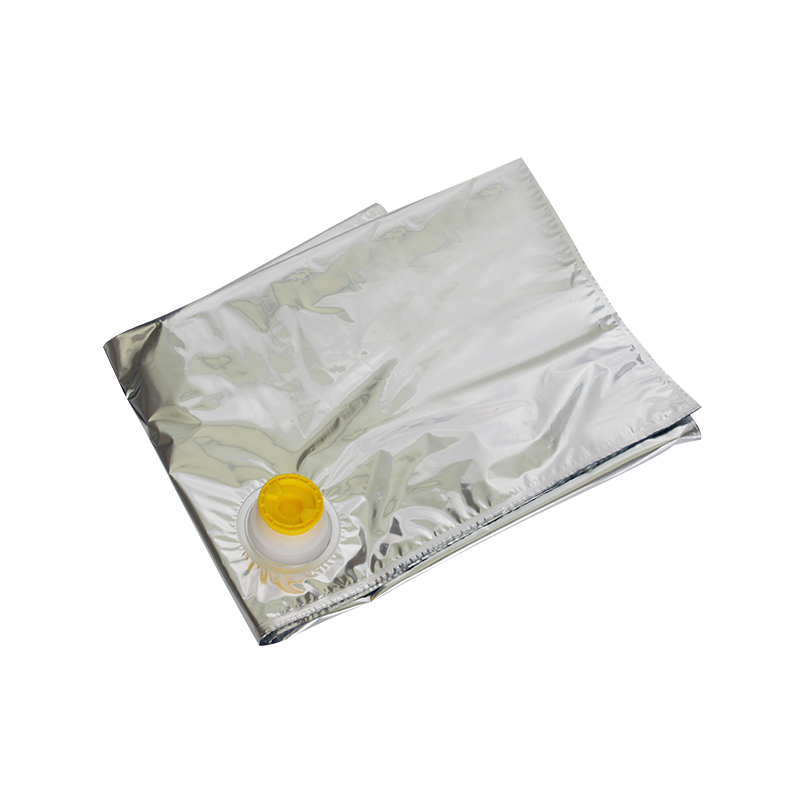
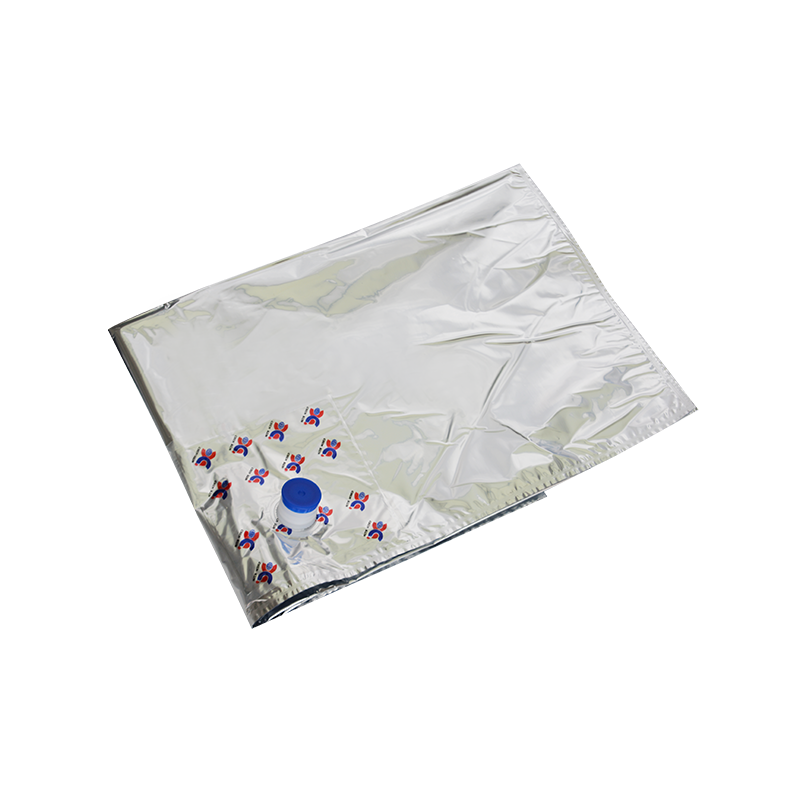
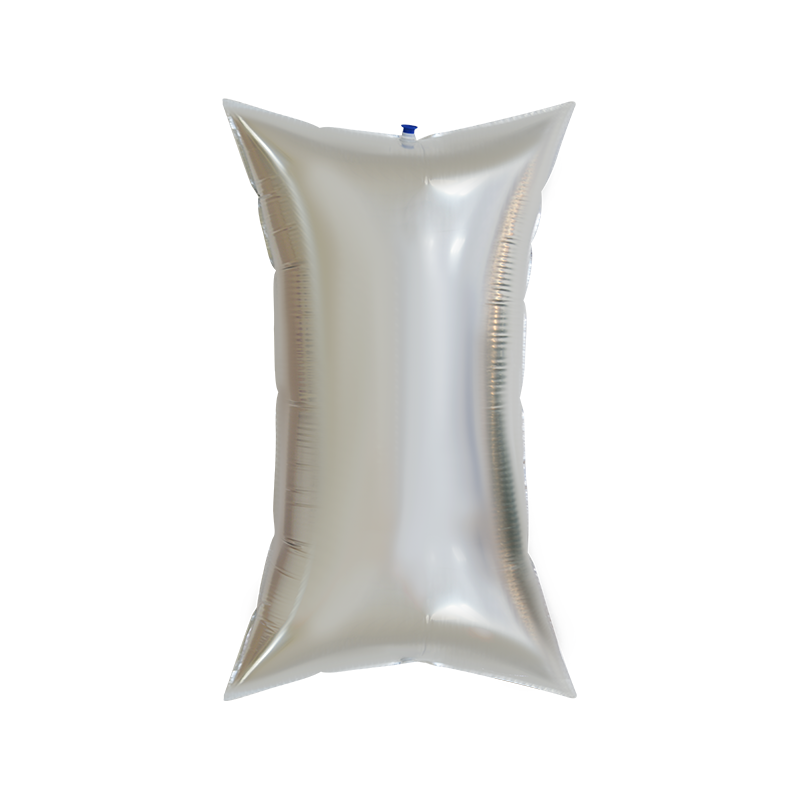
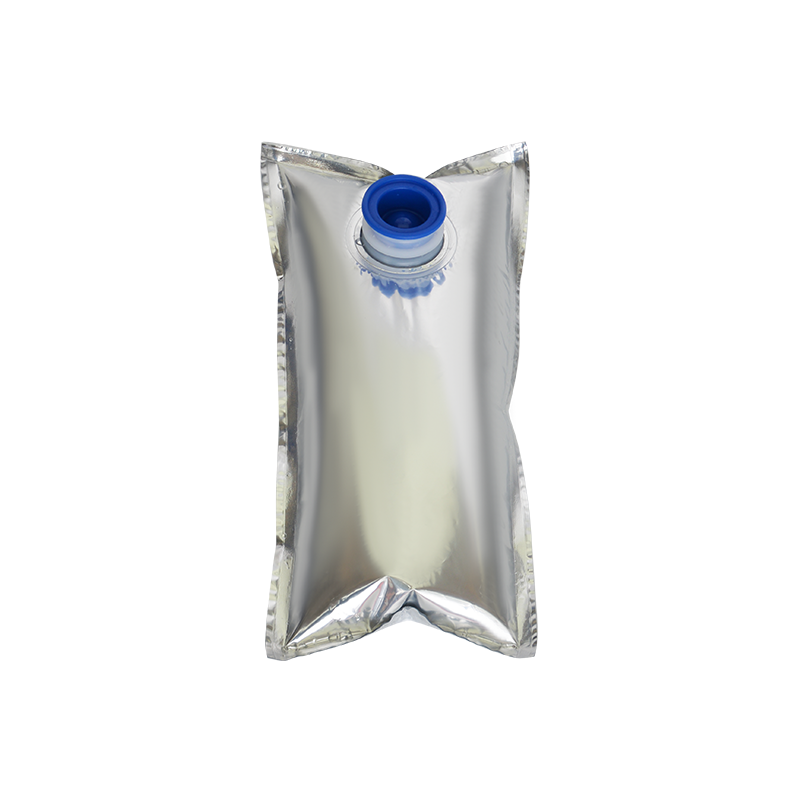
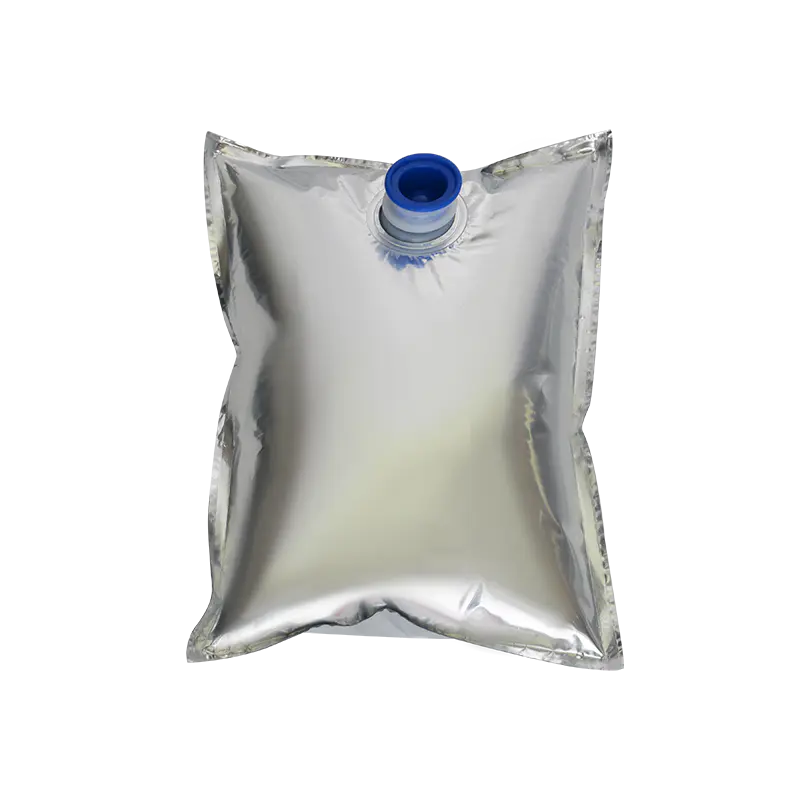
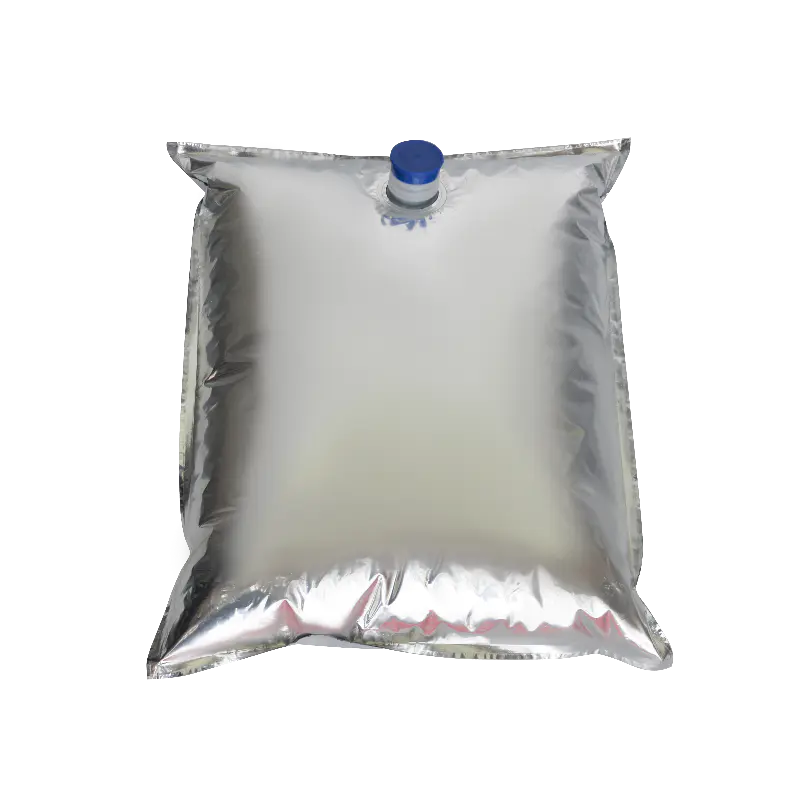
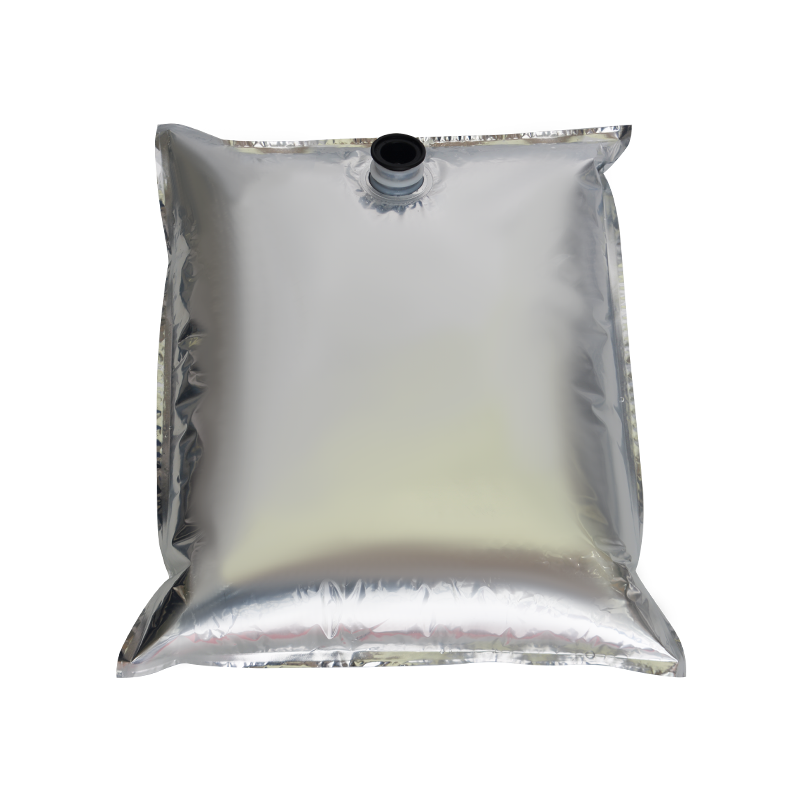
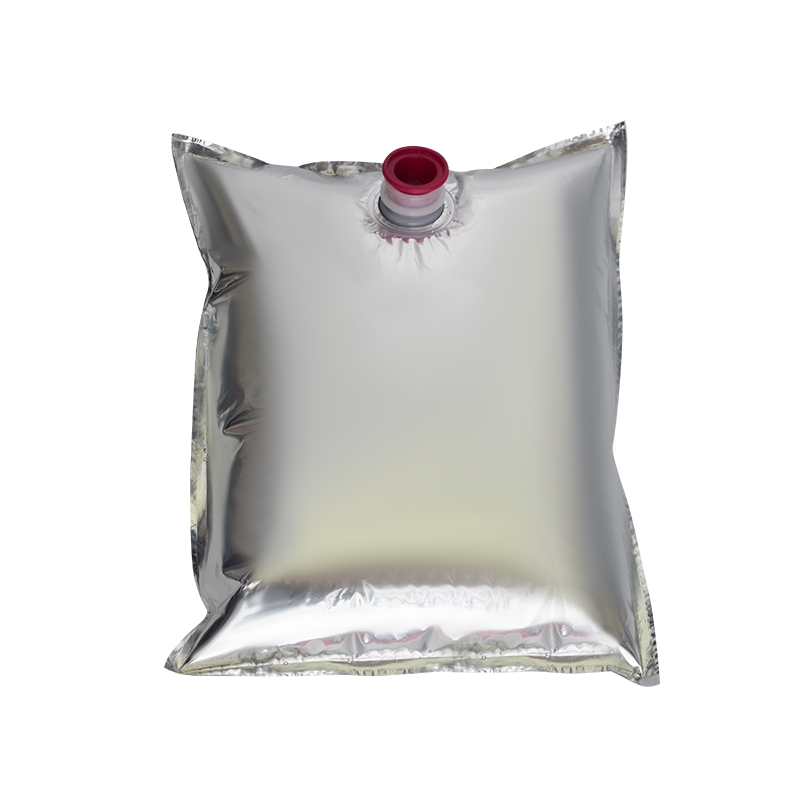
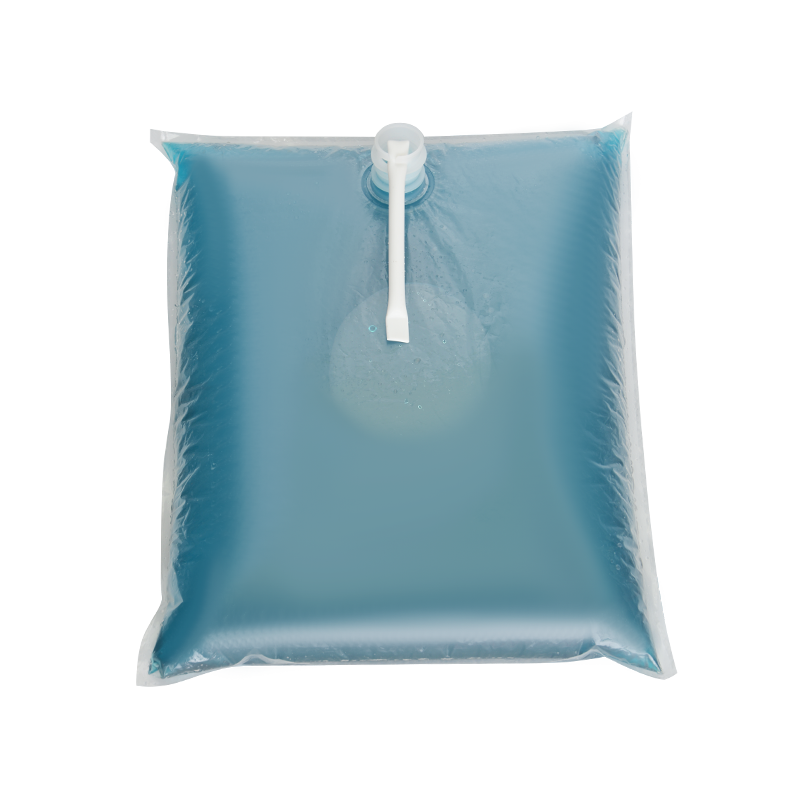
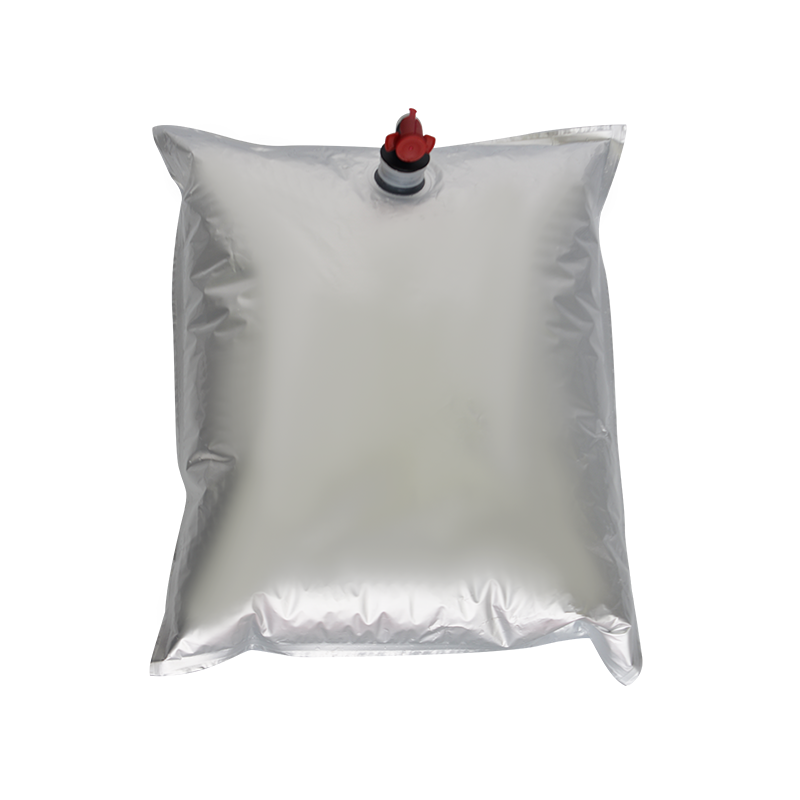
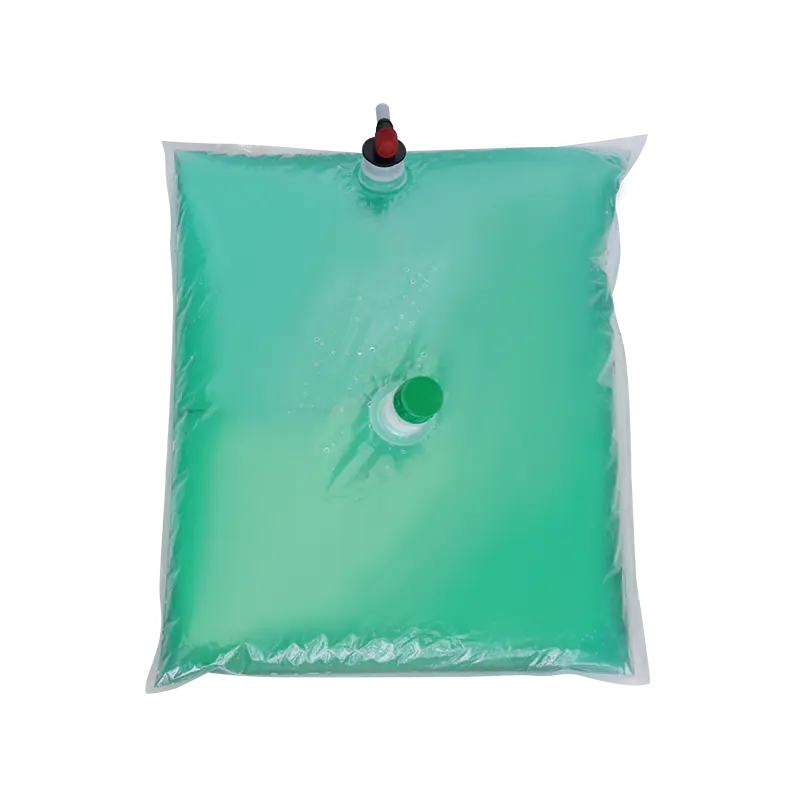
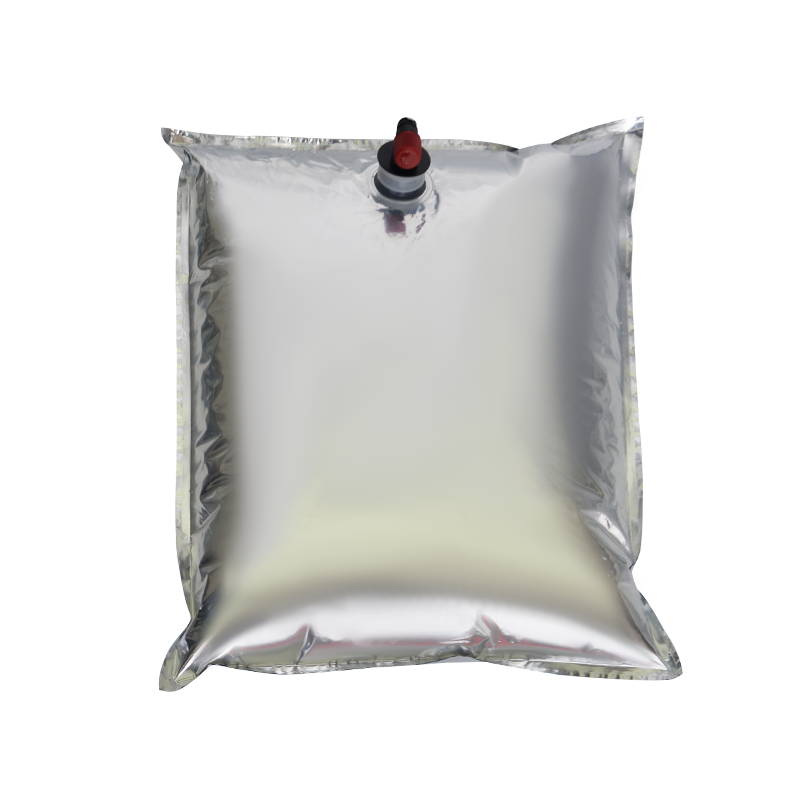


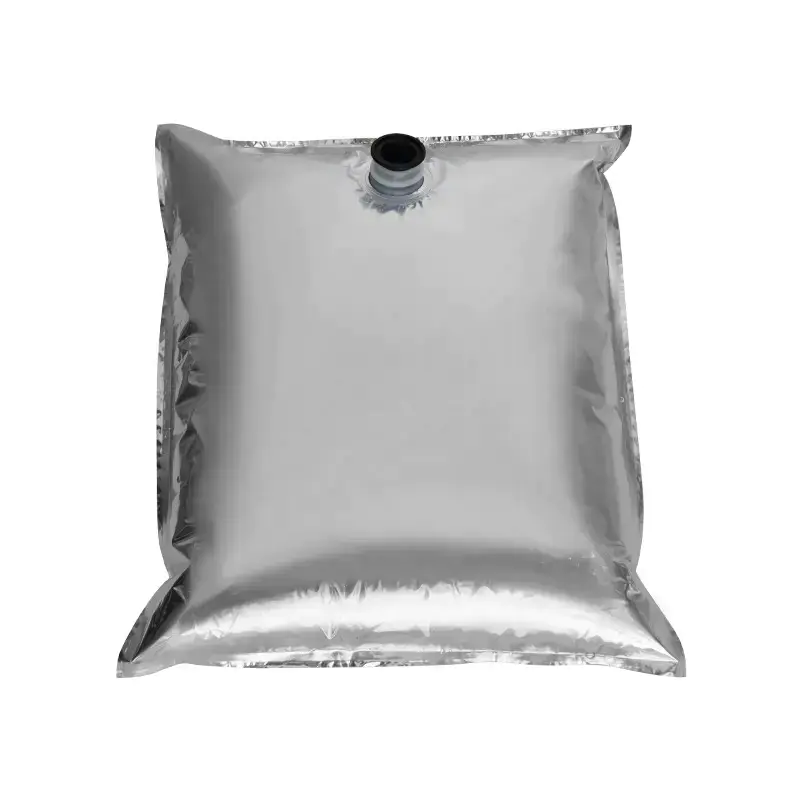
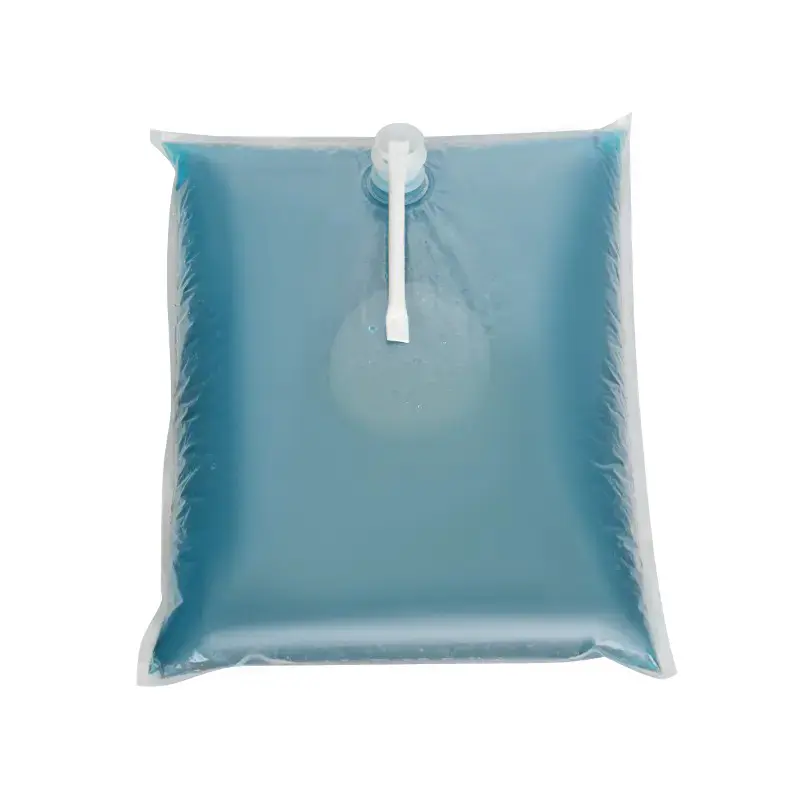
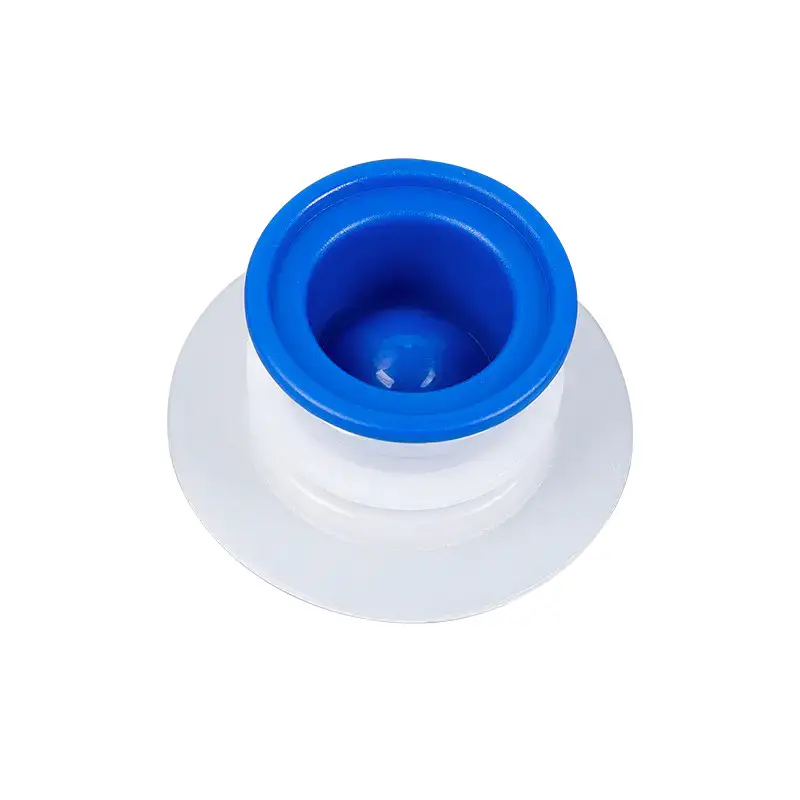


Flexible liquid packaging bags are the most cost-effective and widely used soft packaging solution for liquid products, featuring excellent sealing, portability, and adaptability. They replace traditional rigid containers effectively and meet diverse liquid storage and transportation needs across industries.
Compared with glass bottles, metal cans, and hard plastic barrels, this type of packaging bag reduces material usage by over 60% and lowers transportation costs significantly, making it the preferred choice for modern liquid product packaging.
Main Materials of Flexible Liquid Packaging Bags
The performance of flexible liquid packaging bags depends entirely on composite materials, which are designed to resist leakage, oxidation, and external damage. Common materials are matched according to liquid characteristics.
Food-Grade Composite Films
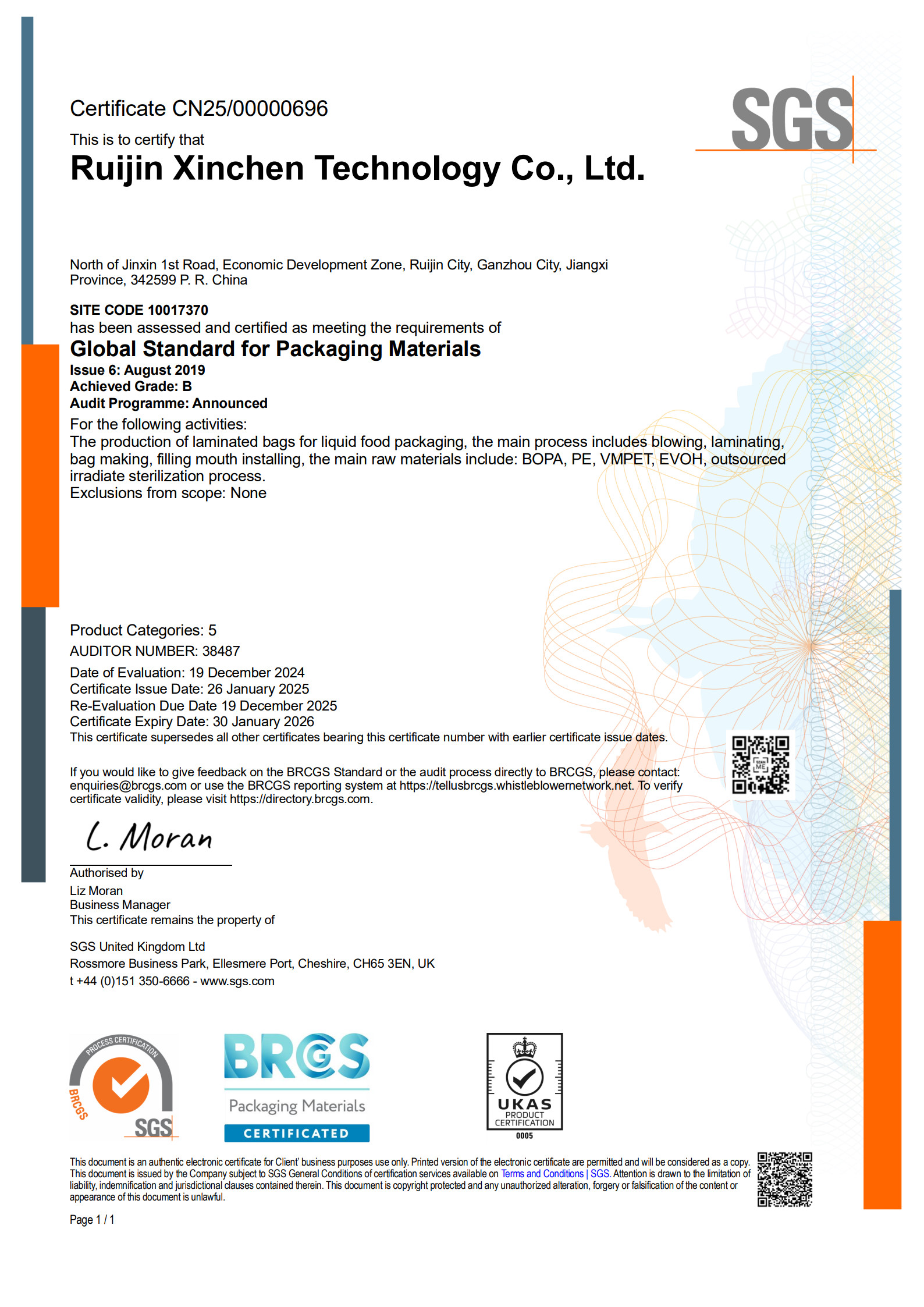
Used for edible liquids such as beverages, dairy products, and edible oil, these materials comply with safety standards, isolate light and air, and extend the shelf life of liquid products by more than double that of ordinary open packaging.
Corrosion-Resistant Functional Films
Suitable for daily chemical liquids, industrial fluids, and acidic/alkaline products, these films prevent material corrosion and ensure stable packaging performance during long-term storage.
High-Barrier Multi-Layer Composites
The core material of high-performance flexible liquid packaging bags, with a multi-layer lamination structure that enhances pressure resistance and drop resistance, reduces the breakage rate to below 0.1% during logistics and transportation.
Key Performance Advantages
Flexible liquid packaging bags stand out in the market due to their unique performance advantages, which solve multiple pain points of traditional liquid packaging.
- Ultra-lightweight design reduces the overall weight of packaging by 70% or more compared to rigid containers
- Complete tight sealing structure, effectively preventing liquid leakage and secondary pollution
- Foldable and stackable, saving more than 50% storage space before filling
- Customizable in shape and size, adapting to small, medium, and large-capacity liquid packaging needs
- Low production cost and short processing cycle, suitable for mass production and large-scale application
Main Application Fields
Flexible liquid packaging bags have a wide range of applications, covering almost all industries that need to store and transport liquid products, with stable performance in various scenarios.
Food and Beverage Industry
The largest application field includes fruit juice, milk, drinking water, edible oil, condiments, and alcoholic beverages. The food-grade materials ensure safety and hygiene, and the portable design meets consumer demand for on-the-go use.
Daily Chemical and Personal Care
Widely used in shower gel, shampoo, hand sanitizer, detergent, and fabric softener packaging. The spout design of the bags enables quantitative use, reducing liquid waste and improving user experience.
Industrial and Agricultural Liquids
Applied to pesticides, fertilizers, industrial additives, lubricants, and other liquids. The corrosion-resistant and high-strength characteristics protect liquid products from deterioration and avoid environmental pollution caused by leakage.
Medical and Health Liquids
Used for disinfectants, oral liquids, and external care solutions, with sterile production technology to meet the strict hygiene requirements of the medical industry.
Common Structural Types of Flexible Liquid Packaging Bags
Different structural designs are formulated for different use scenarios, filling methods, and user habits, which enhance the practicality of the packaging bags.
| Structural Type | Core Features | Applicable Liquids |
|---|---|---|
| Spout Pouch | Quantitative pouring, reusable sealing | Daily chemicals, beverages, and condiments |
| Stand-up Pouch | Stable placement, large capacity | Edible oil, detergent, industrial liquids |
| Flat Pouch | Low cost, easy storage, and transportation | Disposable liquids, small-packaging products |
| Retort Pouch | High temperature resistance, long shelf life | Sterilized food, medical liquids |
Eco-Friendly and Sustainable Development
In the context of global environmental protection, flexible liquid packaging bags are moving towards green and sustainable development, becoming an environmentally friendly alternative to traditional packaging.
Most flexible liquid packaging bags use recyclable composite materials, and the lightweight design reduces resource consumption. The production process generates less waste and carbon emissions, which is more in line with environmental protection standards.
Biodegradable flexible liquid packaging bags have been gradually promoted, which can be naturally degraded after use, reducing the pressure on plastic pollution and realizing the sustainable development of liquid packaging.
Selection Criteria for Flexible Liquid Packaging Bags
To choose the right flexible liquid packaging bag, you need to combine the characteristics of the liquid and use scenarios, following practical selection criteria.
- Determine the material according to the liquid properties: food liquids use food-grade films, corrosive liquids use corrosion-resistant materials
- Select the structure based on capacity and usage: small capacity uses flat pouches, large capacity uses stand-up pouches, frequent use uses spout pouches
- Consider barrier requirements: light-proof and oxygen-proof materials are selected for liquids sensitive to light and air
- Match transportation conditions: high-strength composite bags are preferred for long-distance transportation to reduce damage
- Prioritize environmentally friendly materials to meet market and policy requirements for sustainable packaging

