
 English
 русский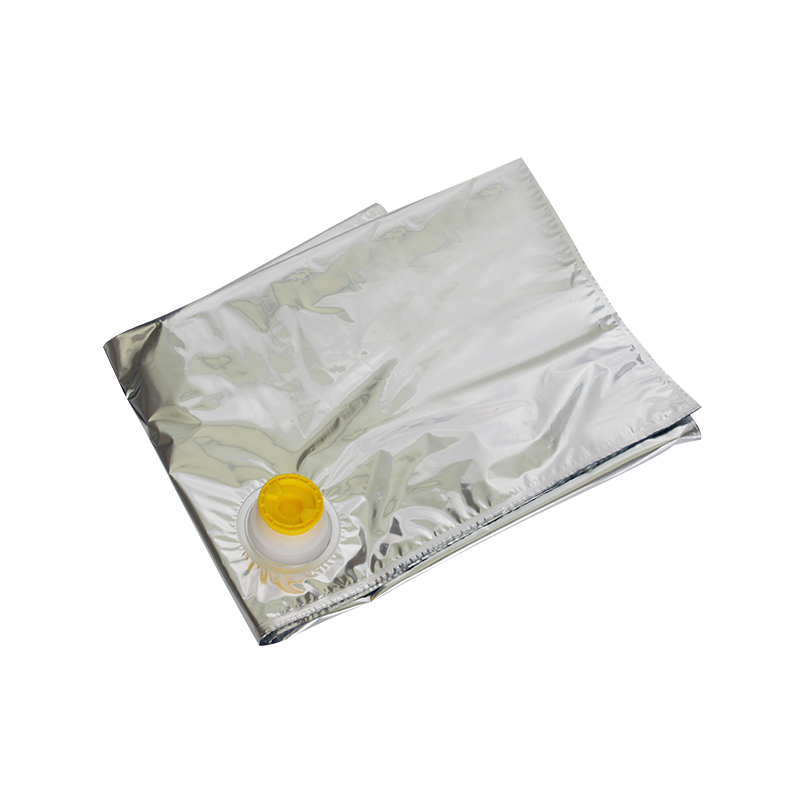
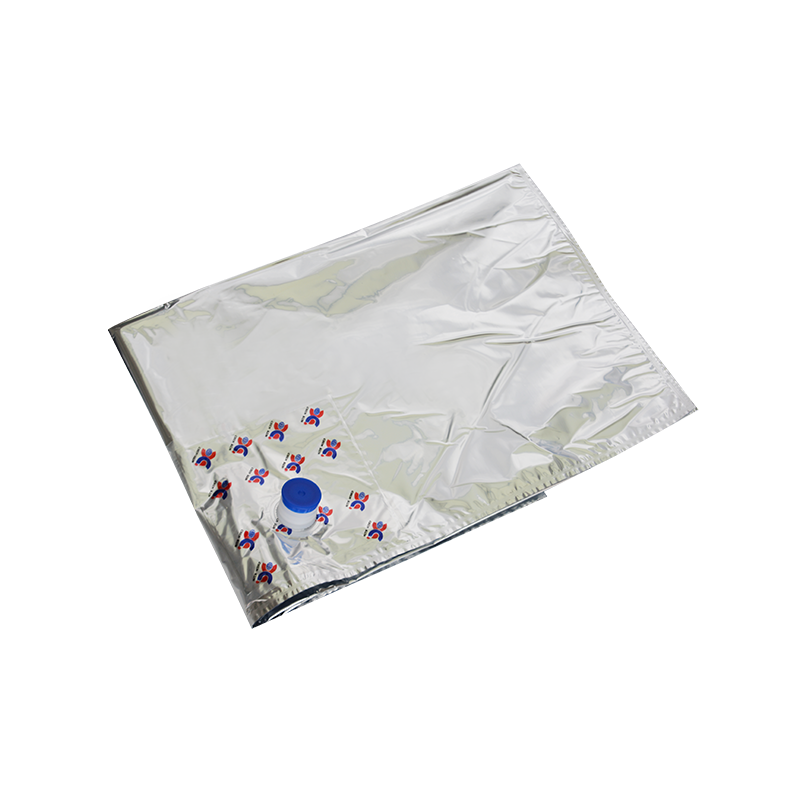
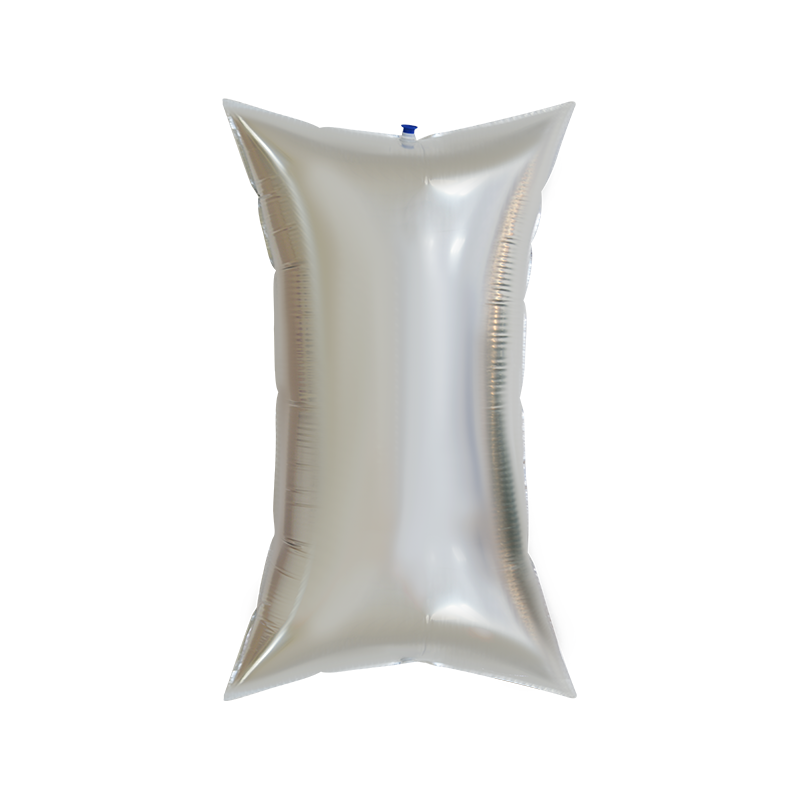
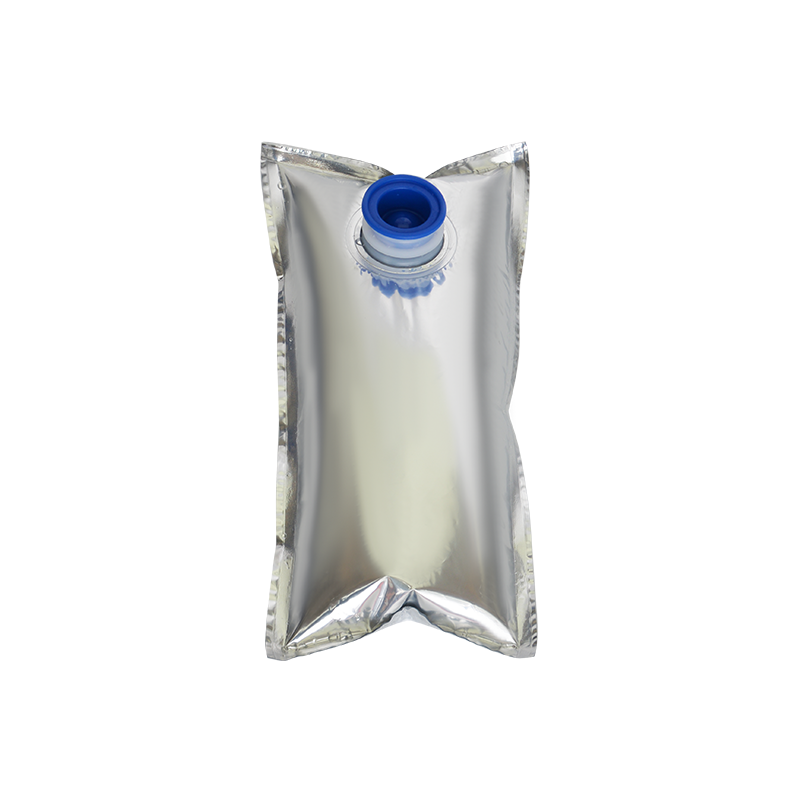
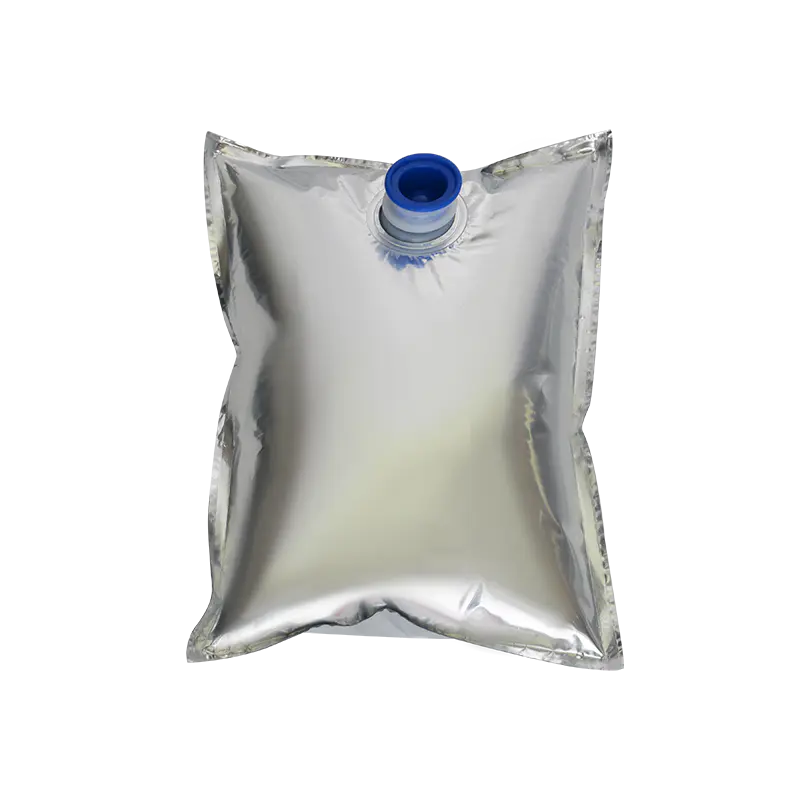
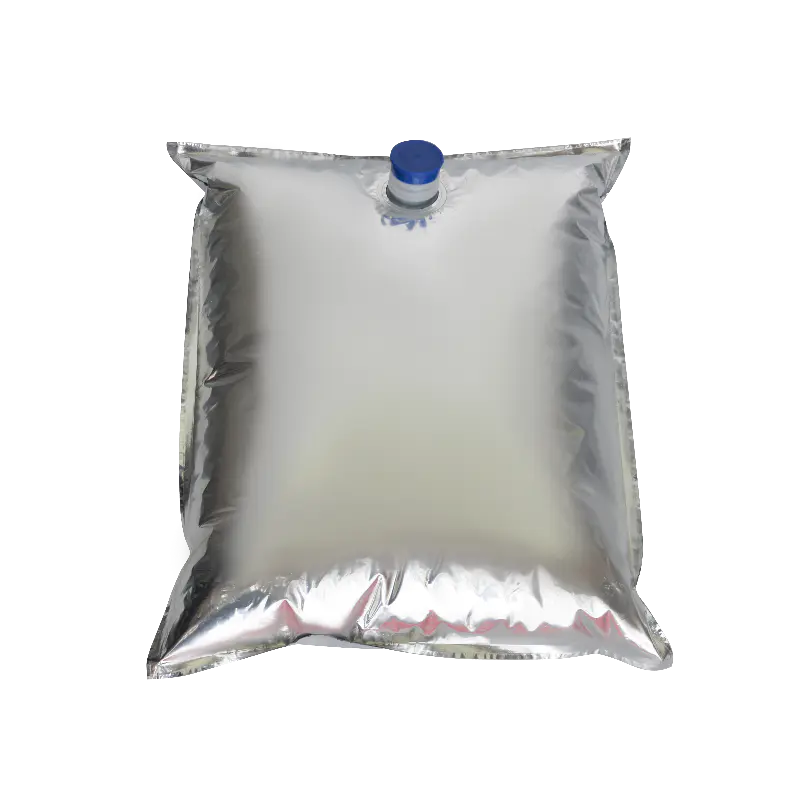
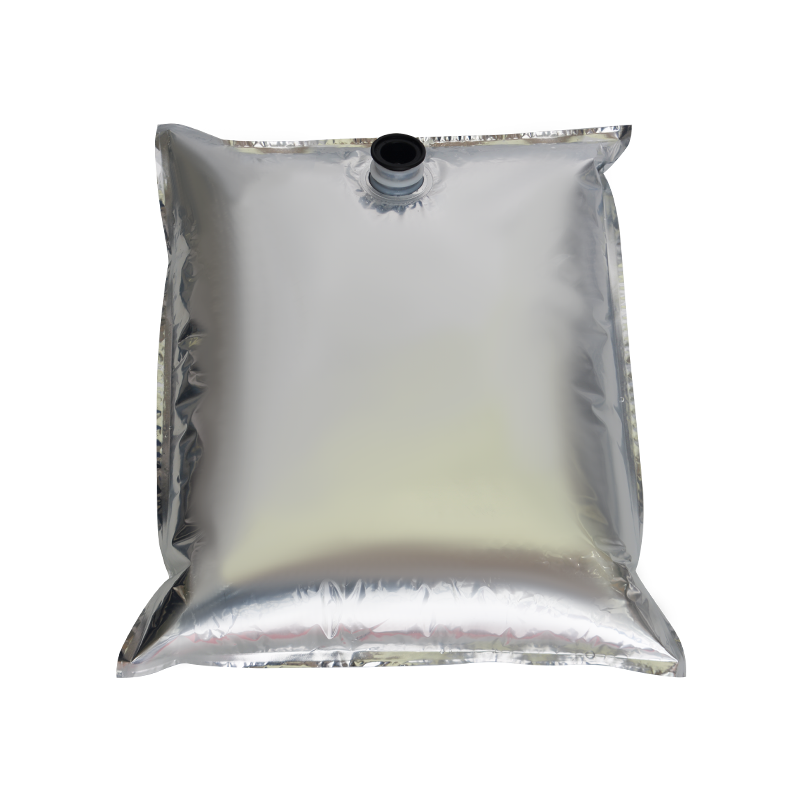
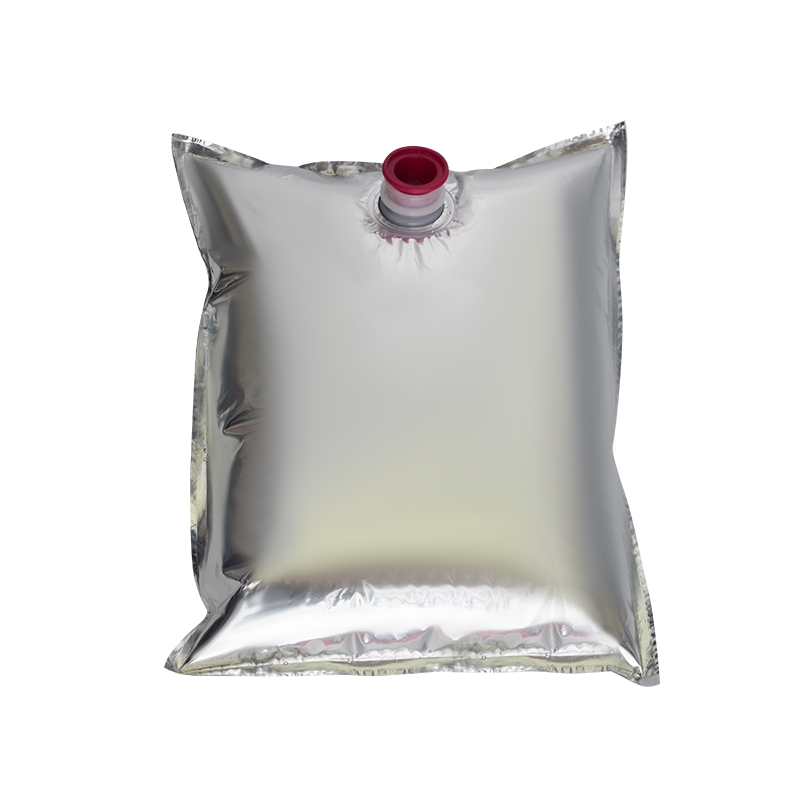
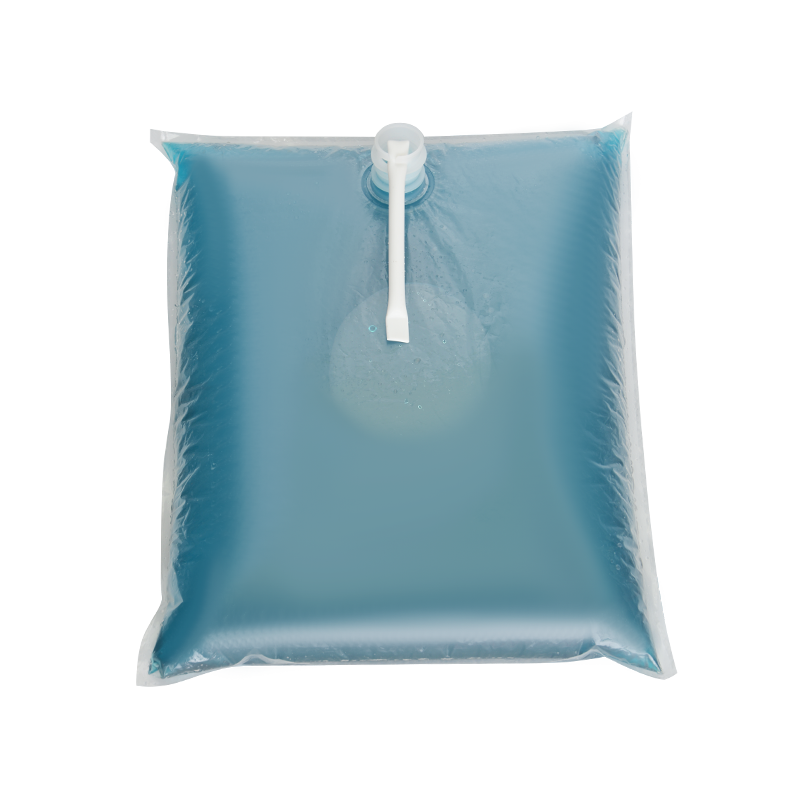
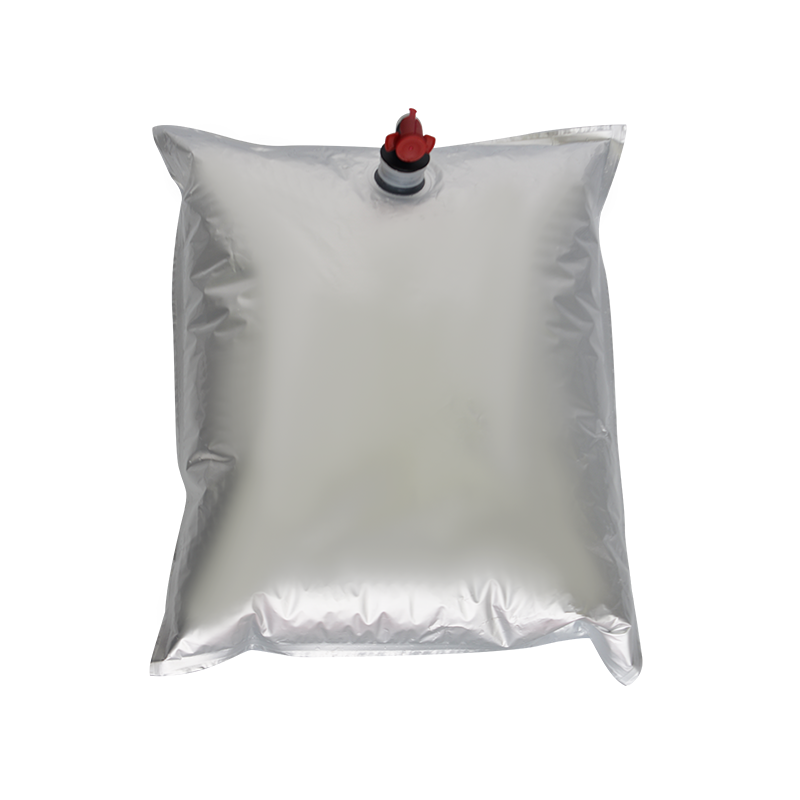
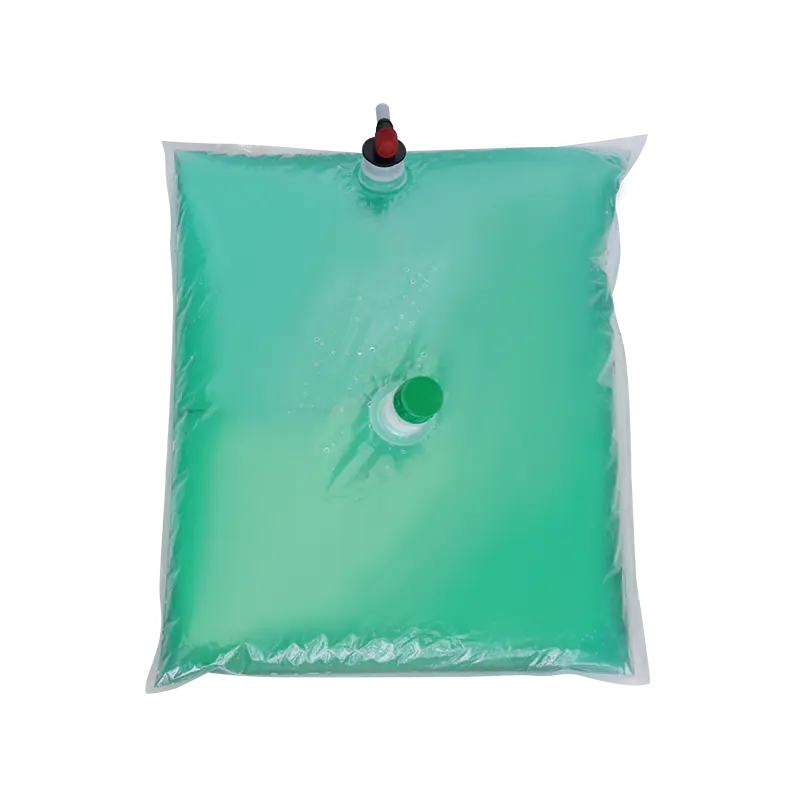
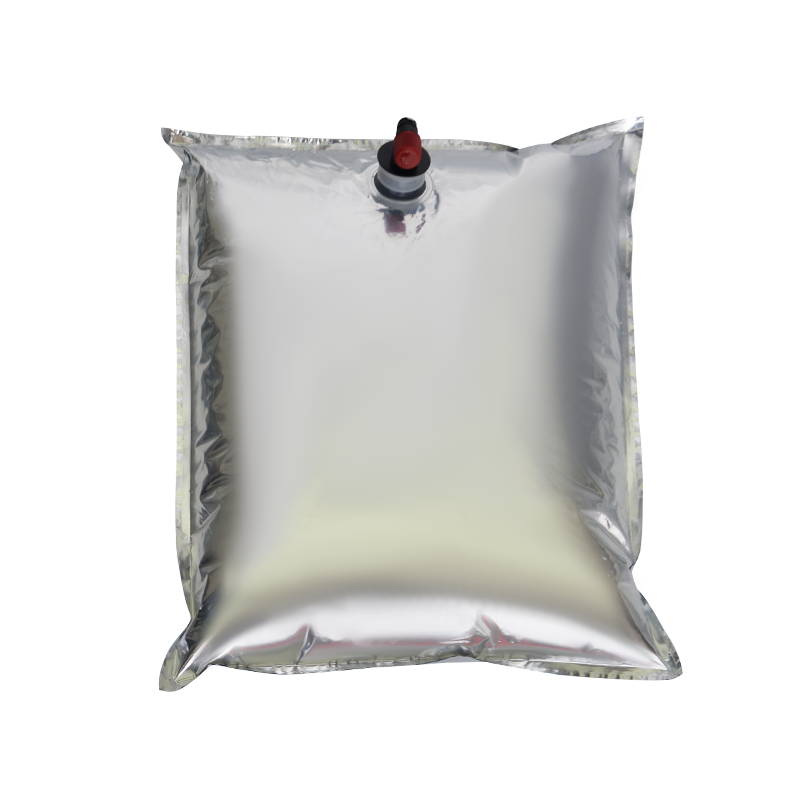


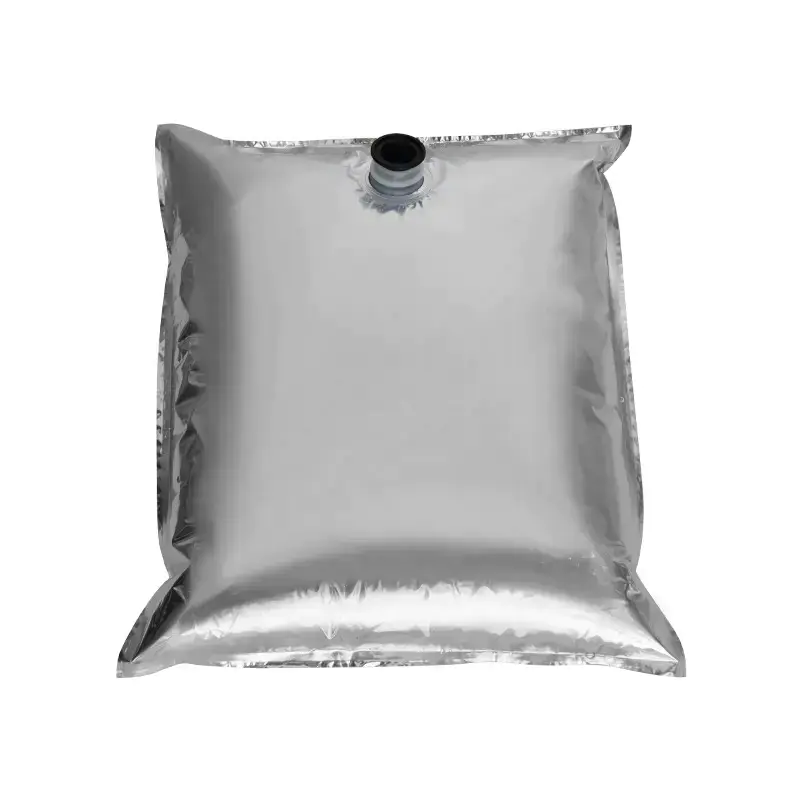
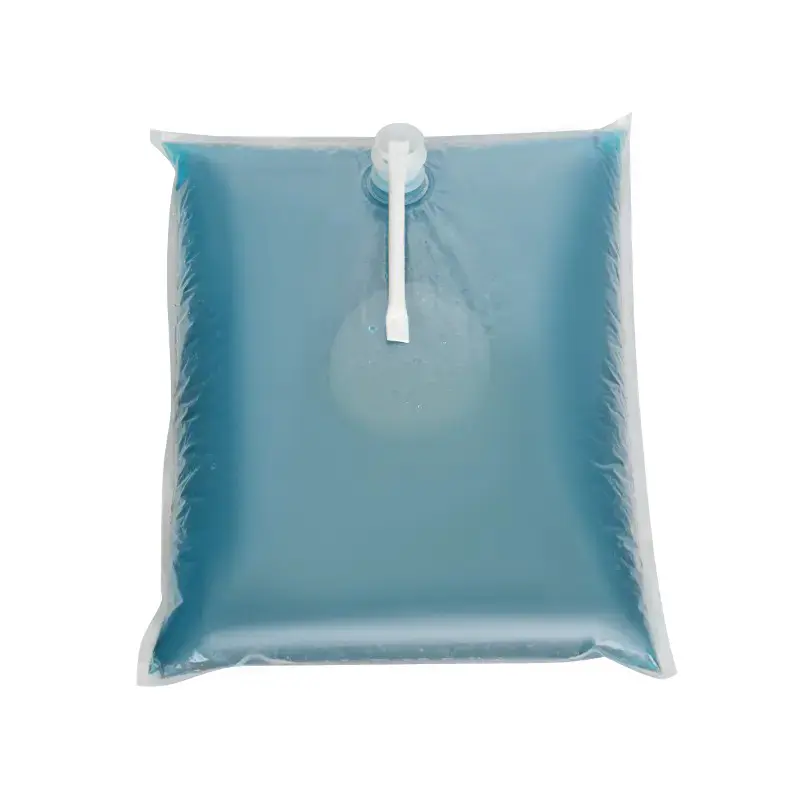
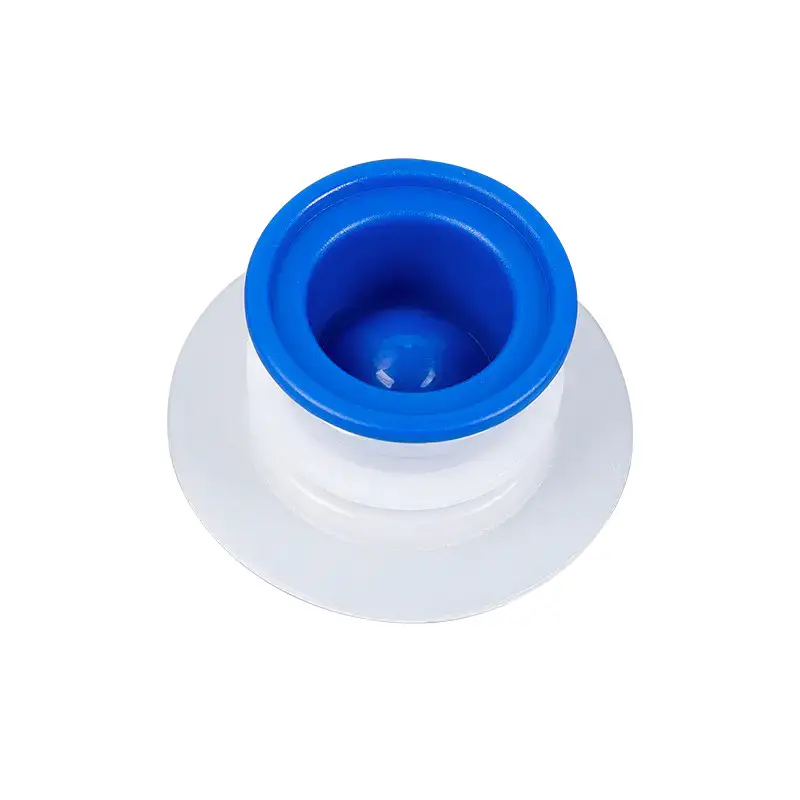


Aseptic filling is the process by which a commercially sterile liquid product is transferred into a pre-sterilized container under conditions that prevent recontamination, producing a sealed package that can be stored at ambient temperature without refrigeration or preservatives for an extended shelf life. It is the enabling technology behind long-life liquid food packaging — from single-serve juice cartons to 220-liter industrial aseptic drums — and understanding how the process works is essential for food manufacturers evaluating aseptic packaging, and for buyers purchasing aseptic bags and bag-in-box packaging from suppliers.
The Core Principle: Sterilize Everything Separately
The defining principle of aseptic filling is that sterility is achieved by sterilizing the product and the packaging separately, then bringing them together under conditions that maintain sterility throughout the transfer and sealing process. This is different from conventional in-pack sterilization (retort processing), where the product is placed in the container first and then the entire sealed package is heat-sterilized together.
Separating product sterilization from packaging sterilization allows each step to be optimized independently: the product can be sterilized with the precise heat treatment that achieves commercial sterility with minimum quality impact, and the packaging can be sterilized using methods appropriate to the packaging material that may not be compatible with heat-sensitive products.
Step 1: Product Sterilization by UHT Processing
The liquid product is sterilized using Ultra-High Temperature (UHT) processing — heating the product to 135–150°C for 2 to 15 seconds in a continuous flow heat exchanger, then cooling it rapidly to near-ambient temperature (typically below 30°C) before it reaches the filling machine.
The brief, intense heat treatment of UHT processing achieves commercial sterility — the destruction of all microorganisms that could cause spoilage or illness under ambient storage conditions — based on the principle that at very high temperatures, microbial kill occurs almost instantaneously, while chemical degradation reactions (browning, vitamin loss, flavor change) require longer exposure times to cause significant damage. The ratio of microbial kill to product quality damage is much more favorable at 140°C for 4 seconds than at 115°C for 20 minutes.
Two main types of heat exchangers are used for UHT processing:
- Indirect heat exchangers (plate or tubular): The product flows on one side of a heat transfer surface (stainless steel plates or tubes) and the heating medium (hot water or steam) flows on the other side. The product never contacts the heating medium directly. Suitable for most liquid products with a viscosity low enough to flow through the exchanger without fouling.
- Direct heating (steam injection or steam infusion): Steam is injected directly into the product stream (injection) or the product is poured into a steam atmosphere (infusion). Direct heating achieves extremely rapid temperature rise — reaching target temperature in fractions of a second — which minimizes heat damage to the product. After the hold period, the product is flash-cooled in a vacuum chamber. Better product quality for heat-sensitive products at a higher equipment cost.
After UHT heating and cooling, the sterilized product is held in a sterilized balance tank under sterile conditions (sterile air or nitrogen overpressure) until it is ready for transfer to the filling machine. The entire product contact pathway from the UHT heater to the filling machine must be pre-sterilized and maintained under sterile conditions throughout the filling run.
Step 2: Packaging Sterilization
Aseptic bags and bag-in-box inner bags are typically sterilized by one of two methods before filling:
Gamma Ray Irradiation
Gamma irradiation is the standard sterilization method for aseptic bags manufactured for large-format (3L to 220L) BIB applications. The sealed, uninflated bags are exposed to gamma radiation from a cobalt-60 source at a validated dose (typically 25 to 50 kGy) that achieves a sterility assurance level (SAL) of 10⁻⁶ — meaning a probability of less than one in one million of any viable microorganism surviving the treatment. Gamma sterilization penetrates the entire bag, including valve components and film layers, and does not leave any chemical residue.
Gamma-sterilized aseptic bags are packaged in protective outer bags and delivered to the filling facility, with their sterility maintained until the sealed outer packaging is opened at the point of use. This approach allows the bag manufacturer to take full responsibility for the sterilized bag supply, and allows the filling facility to use aseptic bags without in-house sterilization capability.
Hydrogen Peroxide (H₂O₂) Treatment
In continuous aseptic filling lines for small-format packaging (pouches, cartons, small sachets), the packaging material is sterilized in-line using hydrogen peroxide — either as a bath, spray, or vapor — followed by hot air drying to remove H₂O₂ residues before the package is filled. H₂O₂ is an effective oxidizing biocide at concentrations of 15–35%, and the subsequent drying step removes residuals to the very low levels permitted in food contact applications. This approach allows the packaging sterilization to be integrated into the continuous filling line, but requires the filling machine to include the sterilization module.
Step 3: Filling in a Sterile Environment
The sterilized product and the sterilized packaging are brought together in an aseptic filling machine — equipment designed to maintain a sterile (or microbiologically controlled) environment at the critical points where the sterile product contacts the sterile packaging before sealing.
For bag-in-box aseptic bags filled by gamma-sterilized bag systems, the filling process works as follows:
- The gamma-sterilized bag is placed in the filling machine, with the valve aligned to the filling needle
- The filling needle is inserted through the valve membrane under sterile conditions (the valve design maintains sterility of the bag interior until the needle penetrates)
- Product flows from the sterilized product tank through the sterilized filling needle into the bag at a controlled fill rate
- The bag is filled to the specified weight or volume
- The filling needle is withdrawn, and the valve self-seals, maintaining the sterile barrier
- The filled bag is removed from the filling station — it is now a commercially sterile, sealed package containing the aseptically processed product
The critical sterility control point in this process is the needle insertion and withdrawal — the brief moment when the bag interior is connected to the filling line. The design of the valve and needle system, the sterilization of the filling needle and product pathway, and the environmental conditions at the fill point all must meet the sterility requirements for the process to produce commercially sterile filled bags consistently.
Step 4: Sealing and Packaging
Once filled, the aseptic bag is placed into its outer box (for BIB formats), the outer box is sealed, and the finished package moves to labeling and palletizing. The outer cardboard box provides structural protection for the inner bag during handling and distribution, serves as the primary labeling surface, and (for opaque box constructions) provides light barrier protection for light-sensitive products.
For the 220-liter drum format (aseptic bags for plastic, metal, or polypropylene drums), the filled aseptic bag is placed inside the drum, the drum lid is sealed, and the assembly is typically palletized for bulk distribution to food manufacturing facilities.
Why Aseptic Bag Quality Directly Affects Filling Success
The performance of the aseptic filling process depends on the quality of the aseptic bag as much as on the filling equipment. The bag must deliver:
- Consistent seal integrity: All seams must withstand the hydraulic pressure of the filled liquid without leaking. A single seal defect in a batch of filled bags creates product loss, contamination risk, and potential recall exposure. Seal strength and integrity testing of each production lot is a quality gate that reputable aseptic bag manufacturers perform before releasing bags for filling use.
- Valve performance: The valve must accept the filling needle cleanly, allow product to flow at the specified rate, and reseal reliably after needle withdrawal. Valve dimensional consistency is critical — out-of-tolerance valves cause filling line stoppages and increase the risk of sterility compromise at the fill point.
- Confirmed sterility: For gamma-sterilized bags, sterility certification (certificate of sterility or bioburden test data confirming achieved dose) must accompany each production lot. Bags without confirmed sterility documentation should not be used in aseptic filling applications.
- Barrier performance: The film construction must deliver the OTR and light barrier specified for the product's shelf life requirement. Buyers should request OTR data for the specific film construction, not rely on generic barrier claims.
Frequently Asked Questions
What is the difference between hot-fill and aseptic fill?
Hot-fill is a simpler preservation method where the liquid product is heated to a pasteurization temperature (typically 85–95°C for acidic products) and filled hot into the container. The heat of the product sterilizes the container interior, and the container is sealed immediately after filling. The package then cools, creating a slight vacuum inside. Hot-fill is suitable for high-acid products (fruit juices, tomato-based products with a pH below 4.6) where the acidity limits pathogen risk and the hot-fill temperature achieves adequate pasteurization. Aseptic filling achieves commercial sterility through UHT processing at higher temperatures for shorter times and maintains sterility through a separate packaging sterilization step — suitable for both high-acid and low-acid products, and produces better flavor quality for heat-sensitive products than hot-fill.
Can any liquid food product be aseptically packaged?
Most pumpable liquid and semi-liquid food products can be aseptically processed and filled. The main limitations are: products with large solid particulates that cannot flow through a heat exchanger (though high-particulate aseptic systems exist for some applications); products that gel or significantly change viscosity at UHT temperatures in ways that prevent filling; and products that are so heat-sensitive that even brief UHT exposure causes unacceptable quality change. The vast majority of liquid food products — juices, purees, dairy, edible oils, sauces, condiments, liquid eggs, wine — can be successfully aseptically packaged using appropriate UHT equipment and aseptic bag specifications.
What cleanliness standard is required for an aseptic filling facility?
Aseptic filling facilities are designed with controlled environment zones around the filling equipment to minimize airborne microbial contamination. The highest-risk zone — the area immediately surrounding the bag-filling point — is typically maintained at cleanroom Class C or better (ISO Class 7 or cleaner), with HEPA-filtered positive pressure air supply and controlled personnel access and gowning protocols. The specific environmental standard depends on the product risk class, the filling system design, and applicable regulatory requirements for the product type. Regular environmental monitoring — surface swabs and air settle plates for microbial contamination — is a standard quality management requirement for aseptic filling operations.
How is aseptic filling validated?
Aseptic filling process validation involves demonstrating that the complete system — UHT sterilization, packaging sterilization, filling equipment, and aseptic environment — consistently produces commercially sterile filled packages. Validation typically involves media fill trials (filling the bag with a microbiological growth medium instead of product, then incubating to detect any contamination that entered during filling), UHT process lethality calculations (F₀ values confirming adequate heat treatment), and environmental monitoring data across the validation production runs. Regulatory requirements for aseptic process validation vary by product type and market — low-acid aseptically processed foods in the US are regulated under FDA 21 CFR Part 113 (thermally processed low-acid foods) with specific validation requirements.
Aseptic Bags for Industrial and Food Service Filling from Ruijin Xinchen
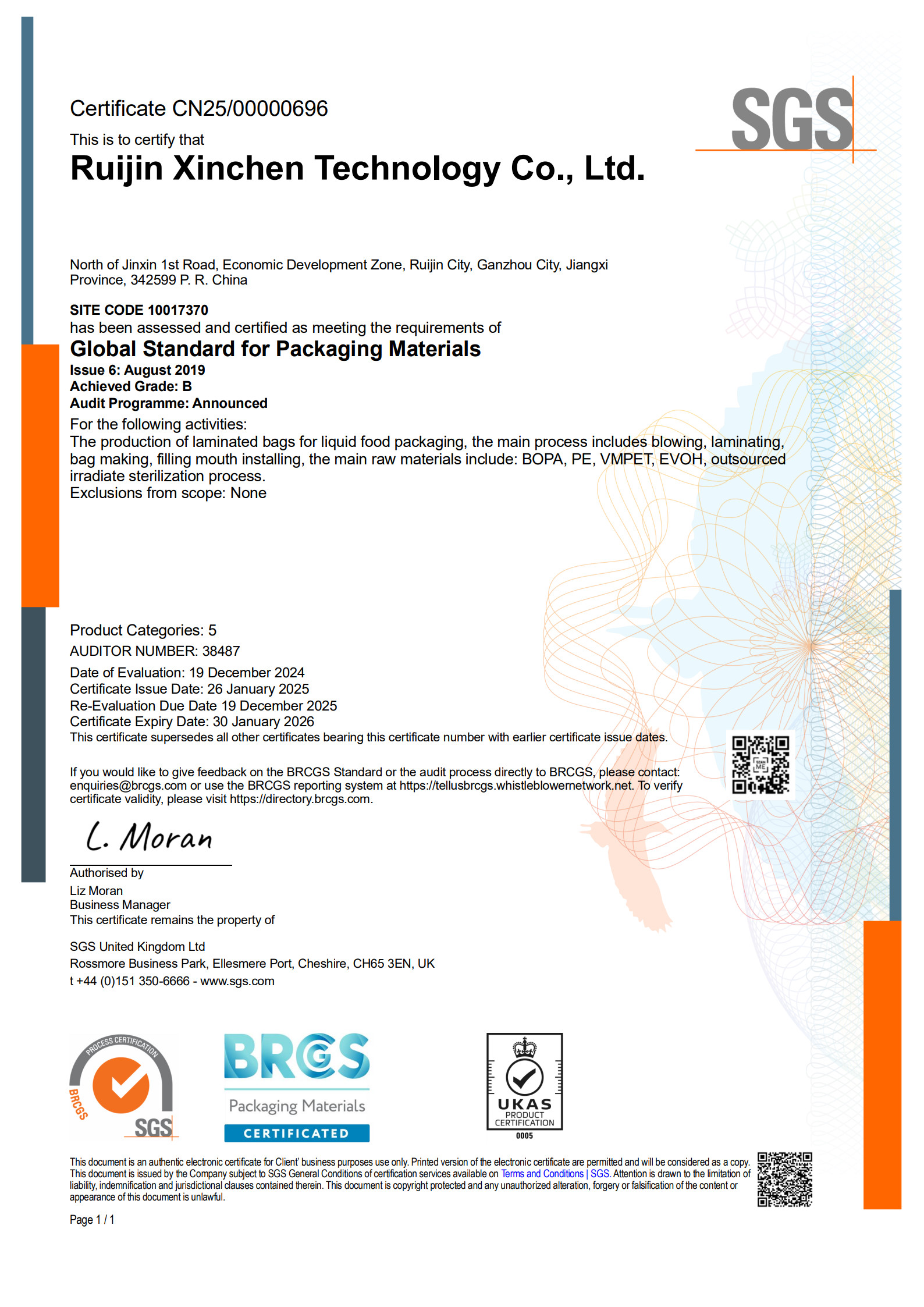
Ruijin Xinchen Technology Co., Ltd. manufactures gamma-sterilized aseptic bags and bag-in-box packaging for aseptic filling applications across juice, dairy, wine, edible oil, condiment, and industrial liquid categories. Bags are produced in a QS-certified facility with C-class cleanroom film blowing and manufacturing environments, ensuring the production hygiene standards required for aseptic bag supply. Gamma sterilization with certification documentation. Barrier options from standard PE through high-barrier EVOH composite and ultra-high-barrier aluminum foil laminate. Capacity range 1L to 220L.
Contact us to discuss your aseptic filling application, request sterility certification documentation, and obtain film barrier specifications and pricing.
Related Products: Aseptic Bags | Bag-in-Box | Valves & Spout Caps

