
 English
 русский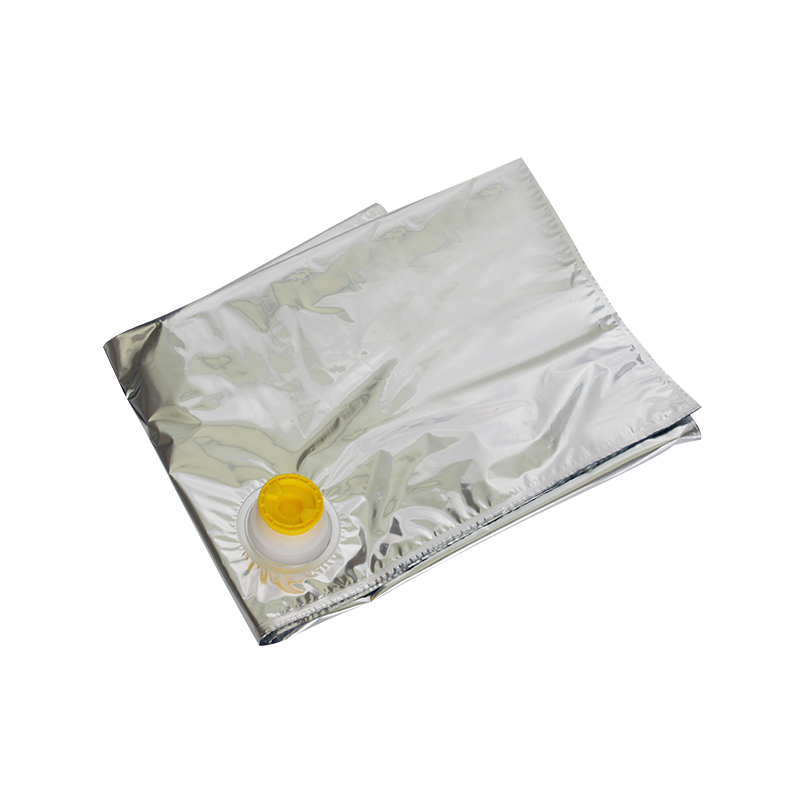
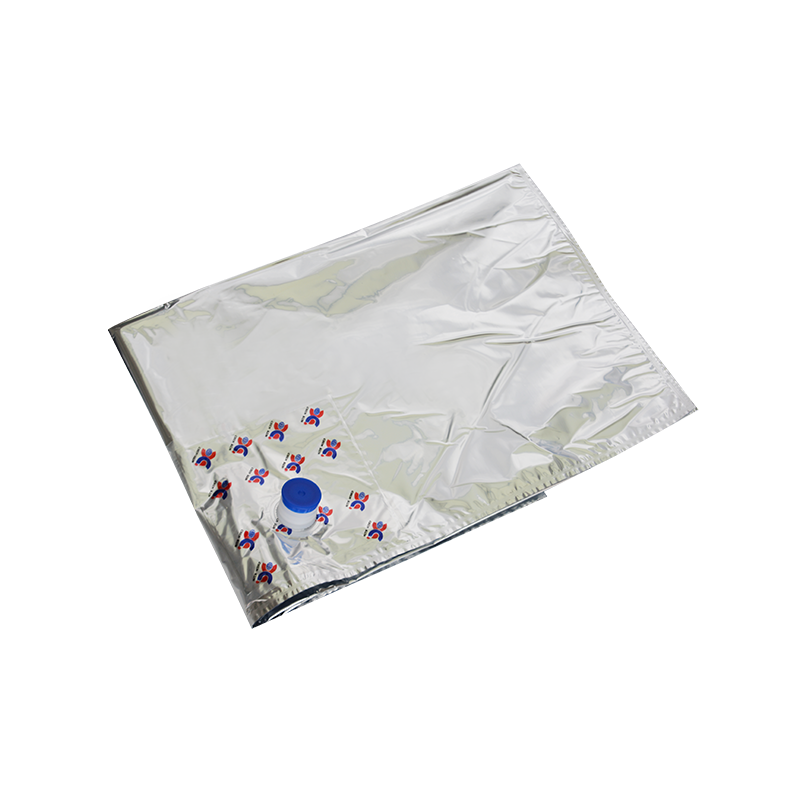
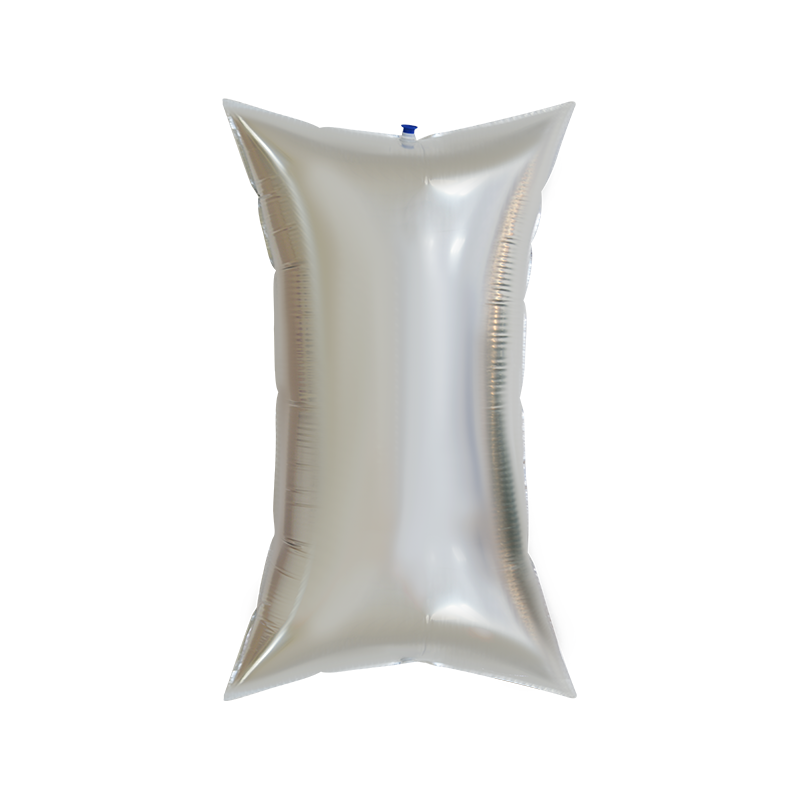
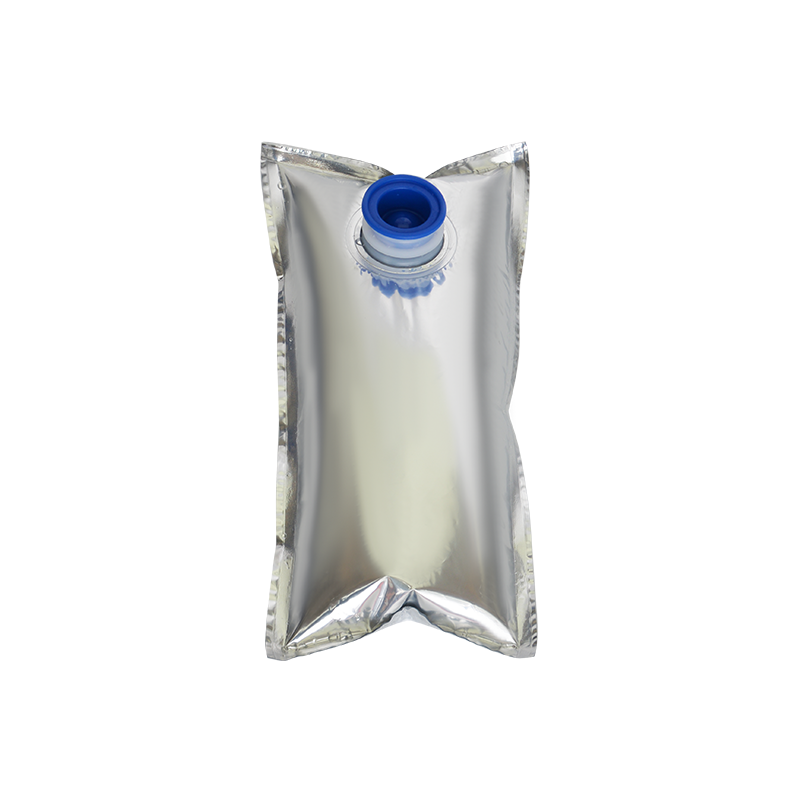
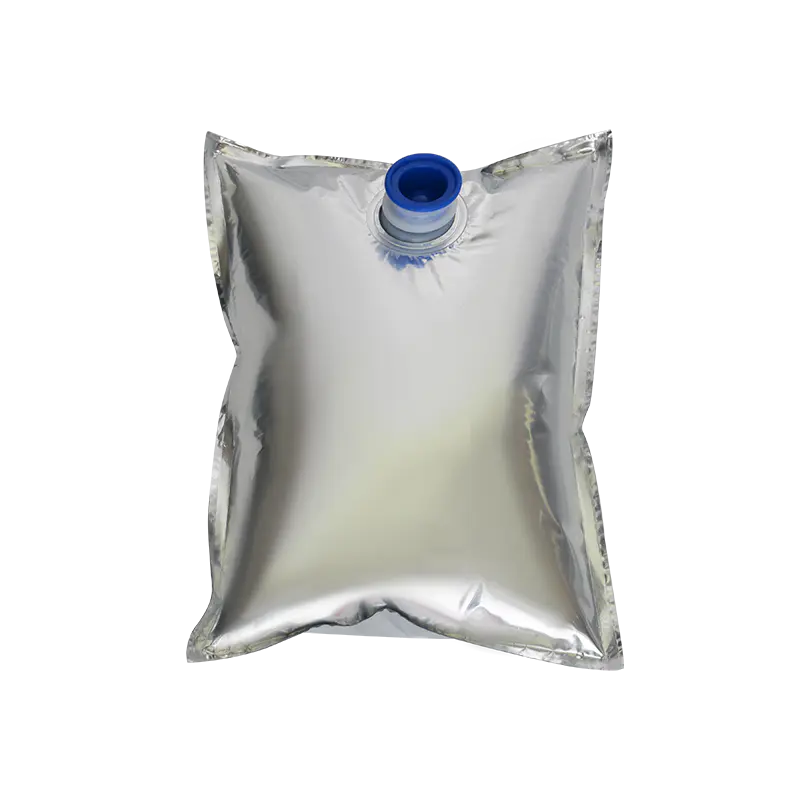
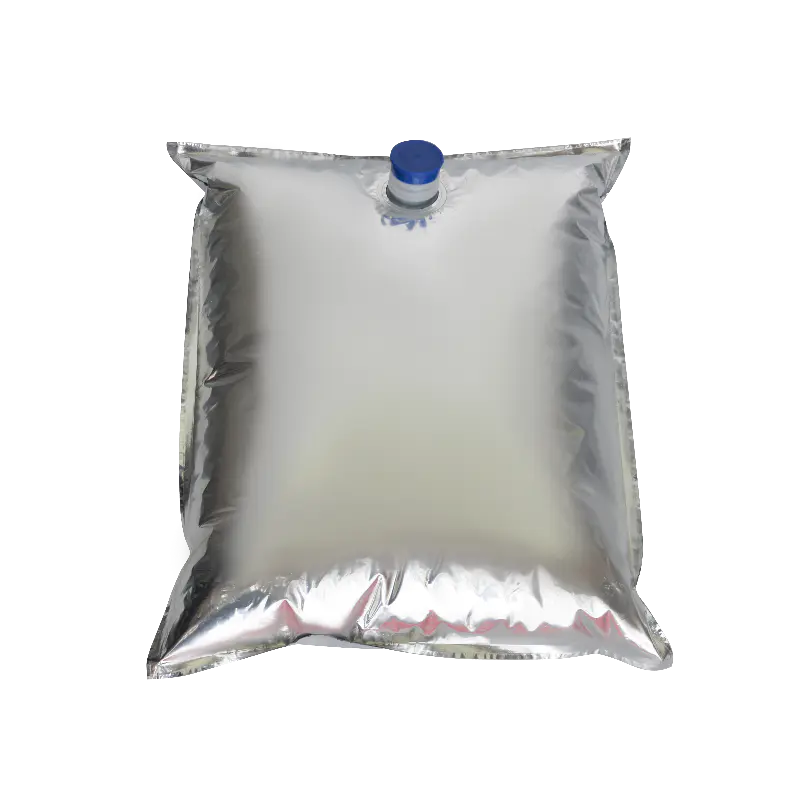
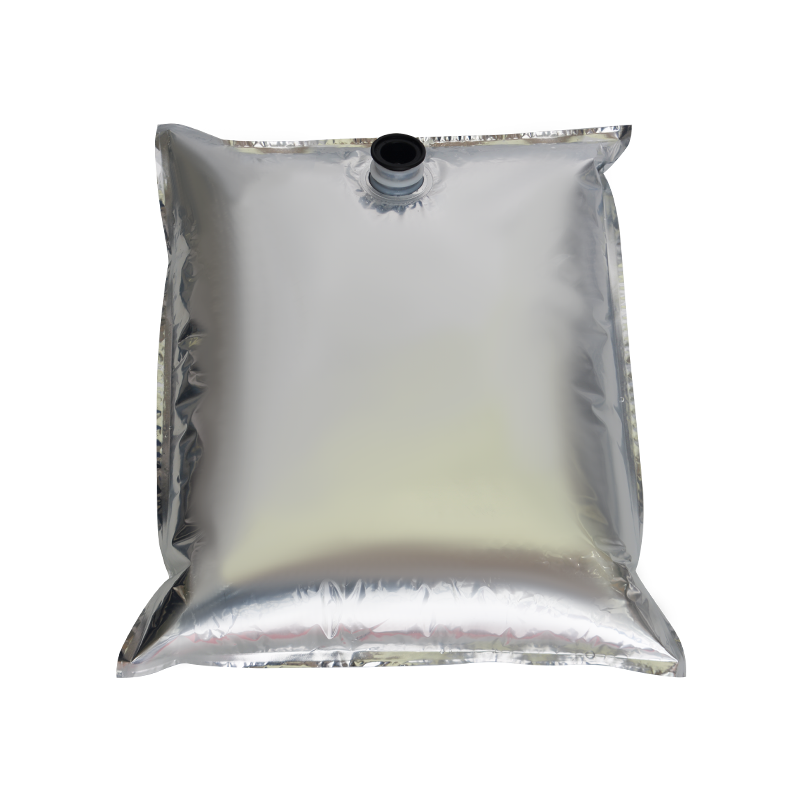
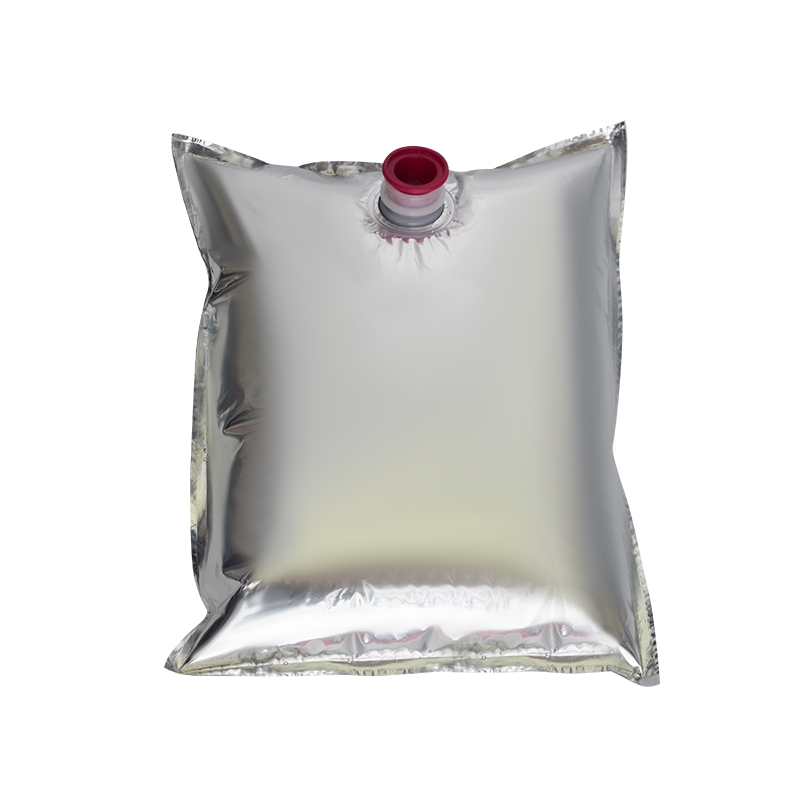
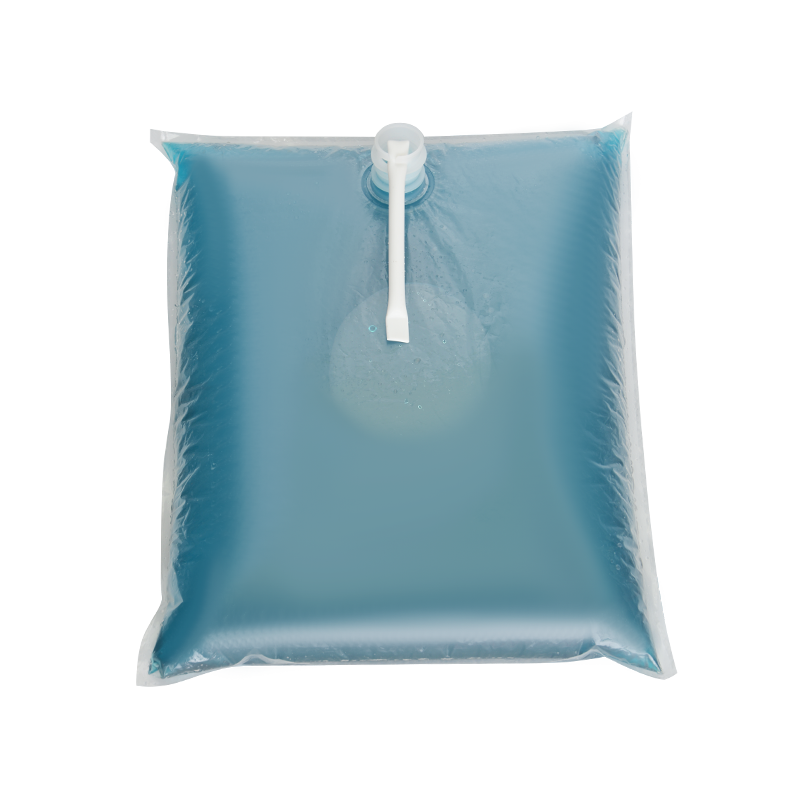
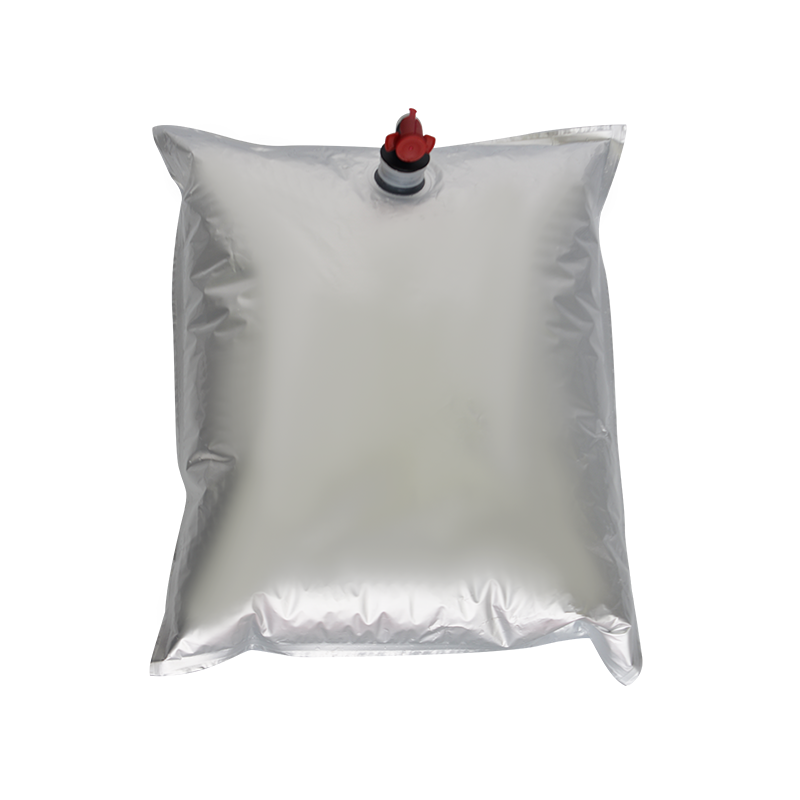
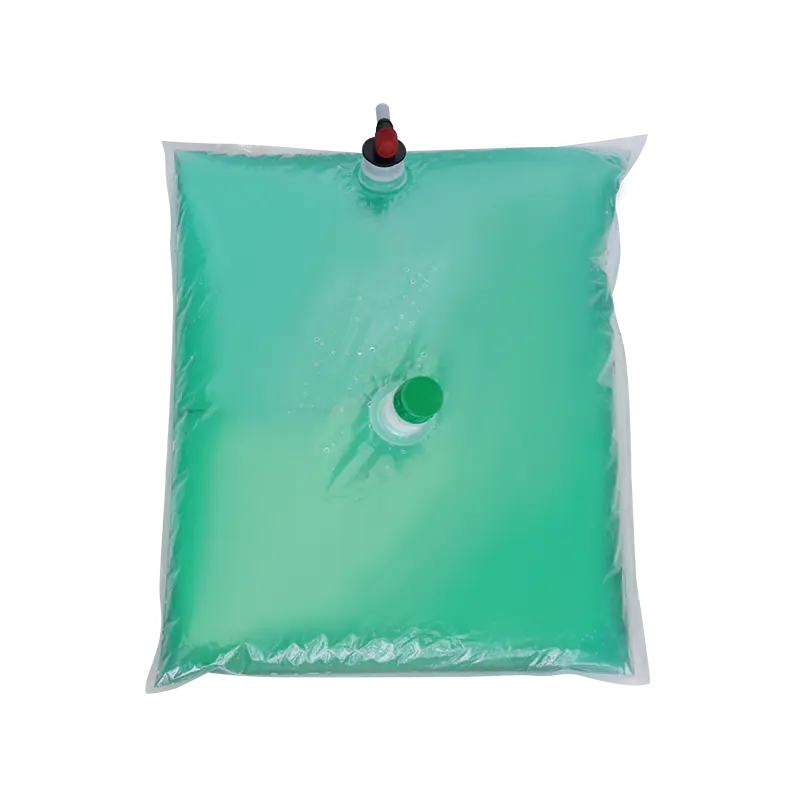
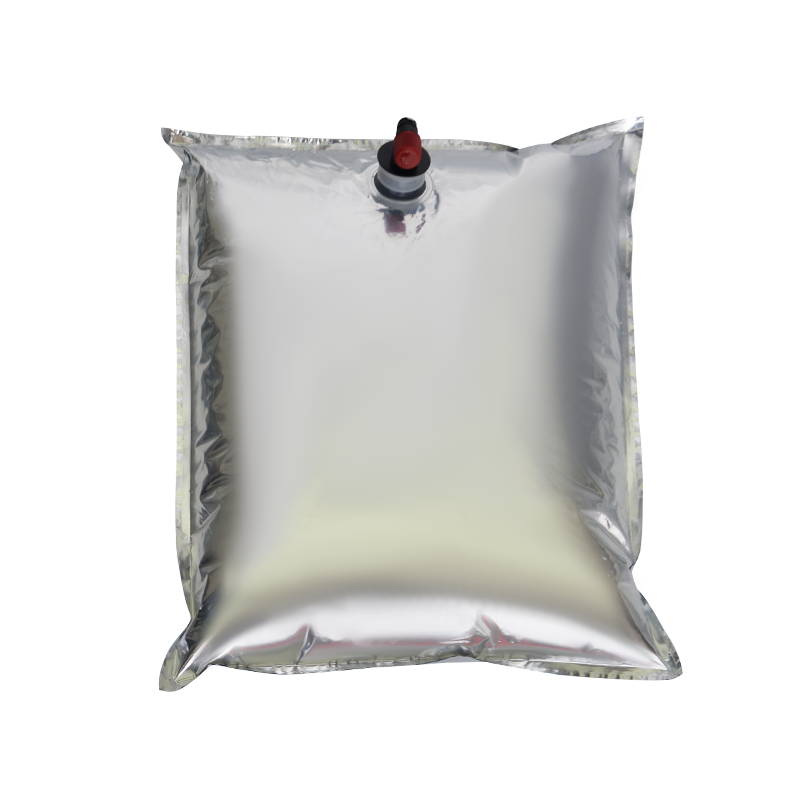


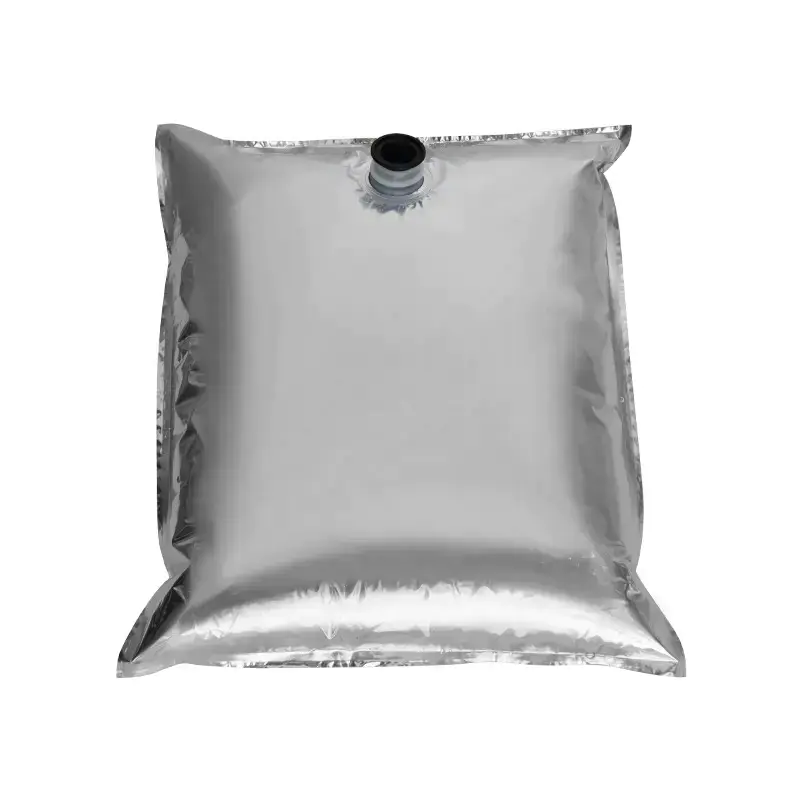
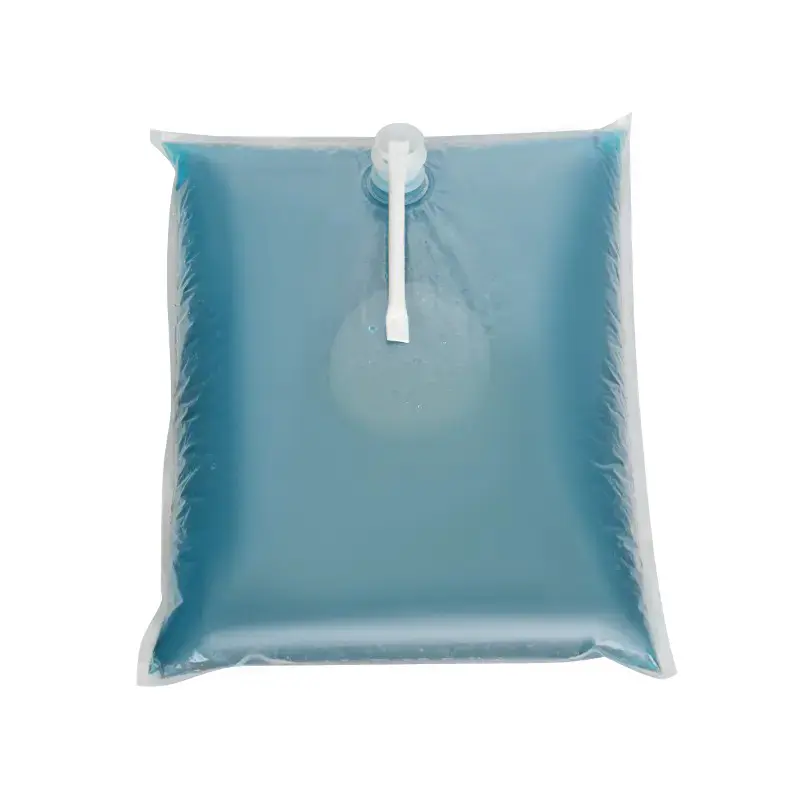


EVOH — ethylene vinyl alcohol copolymer — is one of the most important barrier materials in modern flexible food packaging. It is not typically used as a standalone film but as a functional barrier layer within a multilayer film structure, where its exceptional ability to block oxygen transmission determines the shelf life performance of packaging for oxygen-sensitive food products. Understanding what EVOH does, how it works, and where its limitations lie is useful for food producers, packaging buyers, and anyone specifying aseptic bags or bag-in-box packaging for liquid products.
What Is EVOH?
EVOH is a thermoplastic polymer produced by the saponification (chemical conversion) of ethylene-vinyl acetate copolymer. The resulting material combines an ethylene component that provides processability and moisture resistance with a vinyl alcohol component that provides the exceptional oxygen barrier properties. The ratio of ethylene to vinyl alcohol in the copolymer — expressed as ethylene mole percentage — affects the balance between oxygen barrier performance and moisture sensitivity: lower ethylene content gives better oxygen barrier but higher moisture sensitivity; higher ethylene content reduces moisture sensitivity while slightly reducing barrier performance.
Commercial EVOH grades used in food packaging typically have ethylene content of 27 to 44 mole percent, with the specific grade selected based on the processing requirements and the balance of barrier and moisture resistance needed for the application.
Why EVOH's Oxygen Barrier Performance Matters
Oxygen is the primary cause of quality deterioration in most packaged liquid food products. In fruit juices and concentrates, oxygen reacts with ascorbic acid (vitamin C), anthocyanins (color pigments), and volatile aroma compounds — causing browning, vitamin loss, and flavor degradation. In wine, oxygen drives oxidation of phenolic compounds and volatile esters, causing the loss of fresh fruit character and development of off-flavors. In edible oils, oxygen triggers lipid oxidation — rancidity. In dairy products, oxygen contributes to off-flavor development and vitamin degradation.
The rate at which oxygen reaches the product in a sealed package is measured by the Oxygen Transmission Rate (OTR) of the packaging material — the amount of oxygen that passes through a defined area of the material per day under standardized conditions. Lower OTR means better oxygen barrier performance and longer product shelf life.
EVOH's oxygen barrier performance is dramatically better than standard packaging polymers:
| Material | OTR (cc/m²/day at 23°C, 0% RH) | Relative Barrier Level |
|---|---|---|
| LDPE (standard PE film) | ~7,000 – 11,000 | Poor barrier |
| PET | ~50 – 100 | Moderate barrier |
| Nylon (PA6) | ~30 – 60 | Moderate barrier |
| EVOH (32 mol% ethylene) | ~0.1 – 0.5 | Excellent barrier (in dry conditions) |
| Aluminum foil (9 micron) | ~0.001 – 0.01 | Ultra-high barrier (approaching zero) |
EVOH at dry conditions provides oxygen barrier performance approximately 100 to 10,000 times better than standard PE film. This means that packaging incorporating an EVOH layer can maintain an oxygen-depleted environment inside the sealed package for months, protecting the product from oxidative deterioration throughout the intended shelf life.
EVOH's Critical Limitation: Moisture Sensitivity
EVOH's outstanding oxygen barrier performance at dry conditions decreases significantly as humidity increases. The vinyl alcohol groups in EVOH that provide barrier performance are hydrophilic — they absorb water from the surrounding environment. As the EVOH layer absorbs moisture, its crystalline structure is disrupted, and oxygen permeability increases. At high relative humidity (80–100% RH), EVOH's oxygen barrier performance can decrease by a factor of 10 to 100 compared to dry conditions, depending on the specific grade.
This moisture sensitivity is why EVOH is rarely used as a surface layer in food packaging. It must be positioned as a middle layer in a multilayer film construction, protected on both sides by moisture-resistant polymer layers. The outer and inner layers of PE, PP, or PET act as moisture barriers that shield the EVOH from environmental humidity and from moisture in the product itself, maintaining the EVOH layer in a low-humidity state where its oxygen barrier performance is maximized.
A typical multilayer film structure incorporating EVOH for aseptic food packaging is: PE/adhesive / EVOH / adhesive / PE. The PE layers provide moisture protection for the EVOH middle layer, heat-sealability (inner PE), and structural integrity. The EVOH provides the oxygen barrier. Adhesive tie layers bond the incompatible PE and EVOH layers together with sufficient interlayer adhesion to prevent delamination during processing and use.
EVOH vs Aluminum Foil in Aseptic Bag Construction
For aseptic bags and bag-in-box packaging, the choice between EVOH-containing multilayer film and aluminum foil laminate involves a trade-off between barrier performance, transparency, and cost:
Aluminum Foil Laminate
Aluminum foil at 9 microns thickness provides essentially zero OTR and zero light transmission — the highest available barrier performance. It is impervious to both oxygen and light, making it the standard for the most demanding shelf life applications: juice concentrates, tomato products, and other highly oxygen-sensitive food products requiring 12 to 24-month ambient shelf life. The drawback is that aluminum foil makes the bag opaque (the product cannot be seen through the packaging), adds weight and material cost compared to film-only constructions, and creates recycling challenges.
Metallized PET (Aluminum-Plated PET)
Metallized PET uses a very thin aluminum layer (approximately 0.02–0.05 microns) vapor-deposited onto a PET film surface. It provides high barrier performance significantly better than standard PE or PET, though not approaching the near-zero OTR of thick aluminum foil. Metallized PET is lighter, more cost-effective, and more flexible than foil laminate, making it suitable for high-barrier aseptic bags where absolute zero OTR is not required. It is opaque (the aluminum layer blocks light) but provides a good barrier for a broad range of food packaging applications.
EVOH Composite Film
EVOH in a multilayer PE/EVOH/PE or PET/EVOH/PE structure provides excellent oxygen barrier at lower material cost than aluminum-based constructions, and — crucially — maintains the transparency of the film if outer layers are clear. For applications where product visibility is valued (consumer-facing packaging where transparency is a selling point, certain juice and beverage applications), EVOH composite films allow a clear or translucent package with high oxygen barrier performance. The trade-off is that EVOH provides no light barrier — light-sensitive products still require an opaque outer layer or secondary packaging for light protection.
Combined Metallized EVOH Composite
The highest-performance film constructions for aseptic bags combine metallized PET or EVOH with additional barrier layers — providing both oxygen barrier and light barrier in a structure lighter than solid foil laminate. These are the "ultra-high barrier" constructions used for products with the most demanding shelf life requirements and where the absolute zero OTR of thick foil is not achievable with film alternatives. Ruijin Xinchen's high-barrier and ultra-high-barrier aseptic bags use these combined material constructions.
EVOH in Aseptic Bags: Application Examples
EVOH-based multilayer films are used across the range of liquid food products packaged in aseptic bags:
- Fruit juice and vegetable juice concentrates: Vitamin C and anthocyanin protection requires high oxygen barrier. EVOH composite or aluminum foil laminate bags maintain juice concentrate quality for 12+ months at ambient temperature.
- Wine packaging (BIB format): High-barrier EVOH or metallized PET bags for bag-in-box wine maintain wine freshness both pre-opening (protecting from warehouse oxidation) and post-opening (limiting permeation-driven oxidation during the 4 to 6 week dispensing period).
- Dairy products (UHT processed): Aseptic bags for UHT milk, cream, and liquid dairy products use EVOH composite films that provide an oxygen barrier without the opacity of foil, allowing product visibility in some consumer-facing formats.
- Edible oil: Oil oxidation (rancidity) is driven by oxygen and accelerated by light. High-barrier aseptic bags for edible oil use opaque structures — metallized PET/EVOH composites or aluminum foil laminates — that address both oxygen and light transmission.
- Herbal extracts and food additives: High-value liquid ingredients requiring long ambient shelf life without cold chain use ultra-high-barrier aseptic bags where the cost premium of the barrier film is justified by the product value and shelf life requirement.
Frequently Asked Questions
Is EVOH food safe?
EVOH is approved for food contact applications in all major regulatory markets. In the US, EVOH is listed under FDA 21 CFR 177.1360 as an indirect food additive for use in food-contact articles. In the EU, EVOH is included in the positive list of monomers under Regulation (EU) 10/2011 on plastic materials and articles intended to contact food. EVOH produces minimal migration into food — the polymer is highly stable under normal food contact conditions — and presents no food safety concerns when used within the parameters specified in applicable food contact regulations.
Can EVOH film be recycled?
Multilayer films containing EVOH are generally not recyclable through standard single-material plastic recycling streams because the different polymer layers cannot be easily separated. This is a recognized limitation of multilayer barrier films and an active area of development in the packaging industry. Mono-material barrier films — achieving adequate oxygen barrier performance from a single compatible polymer family (all-PE or all-PP structures incorporating modified barrier layers) — are being developed as recyclable alternatives to EVOH multilayer films, though they do not yet match EVOH's barrier performance for demanding applications. For high-value food products where EVOH barrier performance is required to prevent spoilage, the environmental balance of preventing food waste (which has a much higher environmental impact than the packaging itself) typically favors EVOH barrier film over lower-barrier recyclable alternatives that allow product spoilage.
What is the difference between EVOH and PVDC (Saran) as oxygen barriers?
Both EVOH and PVDC (polyvinylidene chloride) are high-performance oxygen barrier materials used in food packaging. EVOH provides better oxygen barrier performance than PVDC at dry conditions, is more environmentally acceptable (PVDC contains chlorine and creates regulatory challenges for incineration disposal), and is generally preferred for new packaging developments. PVDC has lower moisture sensitivity than EVOH — its barrier performance is more stable at elevated humidity — which gives it an advantage in high-humidity applications. In practice, EVOH with appropriate moisture-protecting PE outer layers has largely replaced PVDC in aseptic food packaging applications.
Does the thickness of the EVOH layer affect barrier performance?
Yes. EVOH layer thickness in a multilayer film structure directly affects OTR — thicker EVOH layers provide better oxygen barrier. However, above a certain thickness threshold (typically 3 to 5 microns in a coextruded structure), the incremental barrier improvement per additional micron of EVOH decreases, and other factors — film processing consistency, adhesive layer quality, total film thickness — become more significant. Most coextruded food packaging films use EVOH layers of 3 to 8 microns as part of the total film thickness in the range of 70 to 200 microns. The EVOH content represents 2 to 10% of total film thickness but is responsible for the majority of the oxygen barrier performance.
High-Barrier Aseptic Bags with EVOH from Ruijin Xinchen
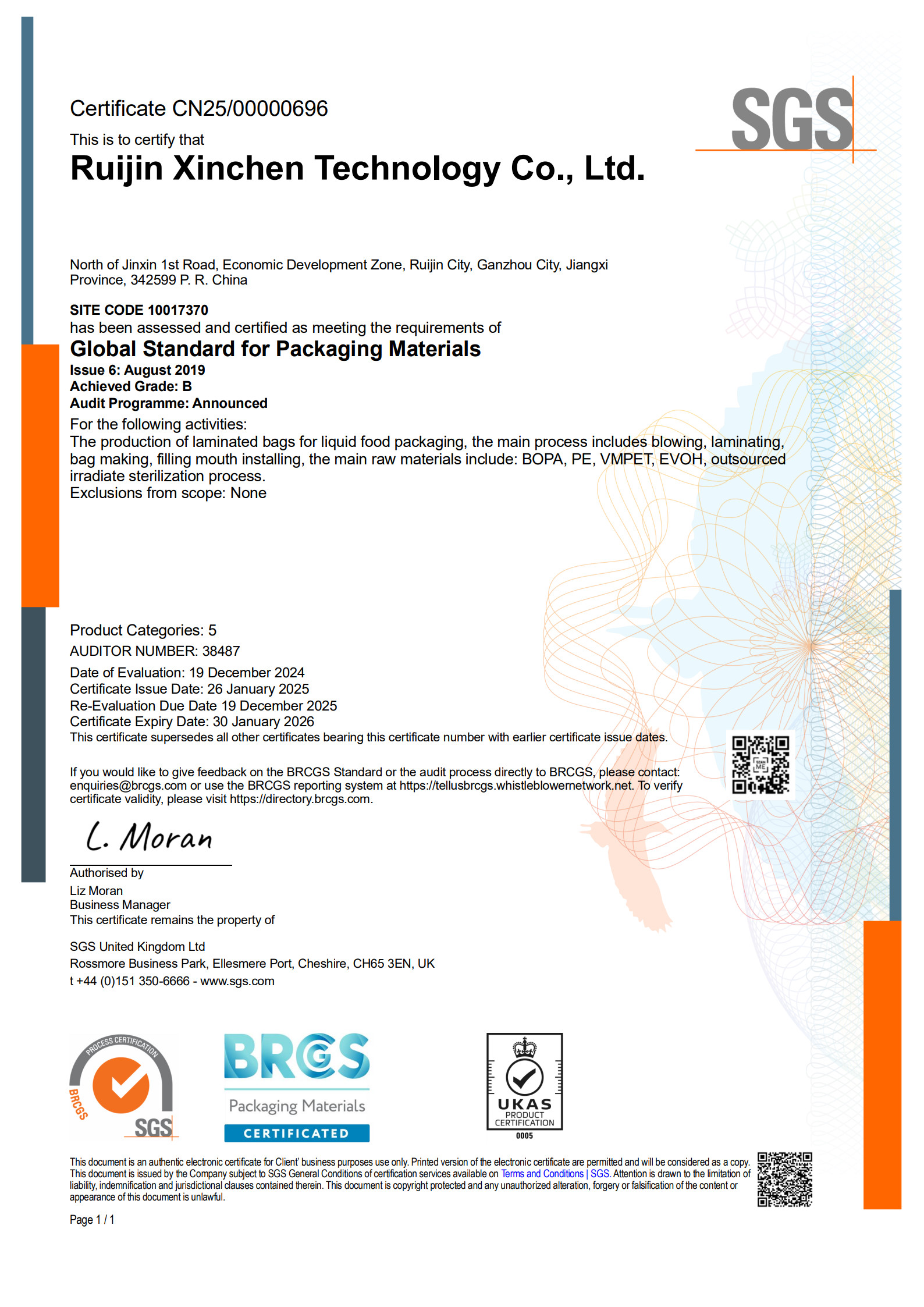
Ruijin Xinchen Technology Co., Ltd. manufactures aseptic bags and bag-in-box packaging using standard barrier, high barrier, and ultra-high barrier film constructions incorporating metallized PET, EVOH composite, pure aluminum foil laminate, and PE film combinations. One-step production line covering valve molding, film blowing, laminating, and bag-making in a QS-certified, National High-Tech Enterprise facility in Ruijin, Jiangxi, China. Capacity range 1L to 220L for food, beverage, dairy, edible oil, and specialty liquid applications.
Contact us to discuss barrier specification requirements for your product, request film OTR data, and obtain samples and pricing.
Related Products: Aseptic Bags | Bag-in-Box (High Barrier, Aluminum-Plated EVOH Composite) | Valves & Spout Caps

