
 English
 русский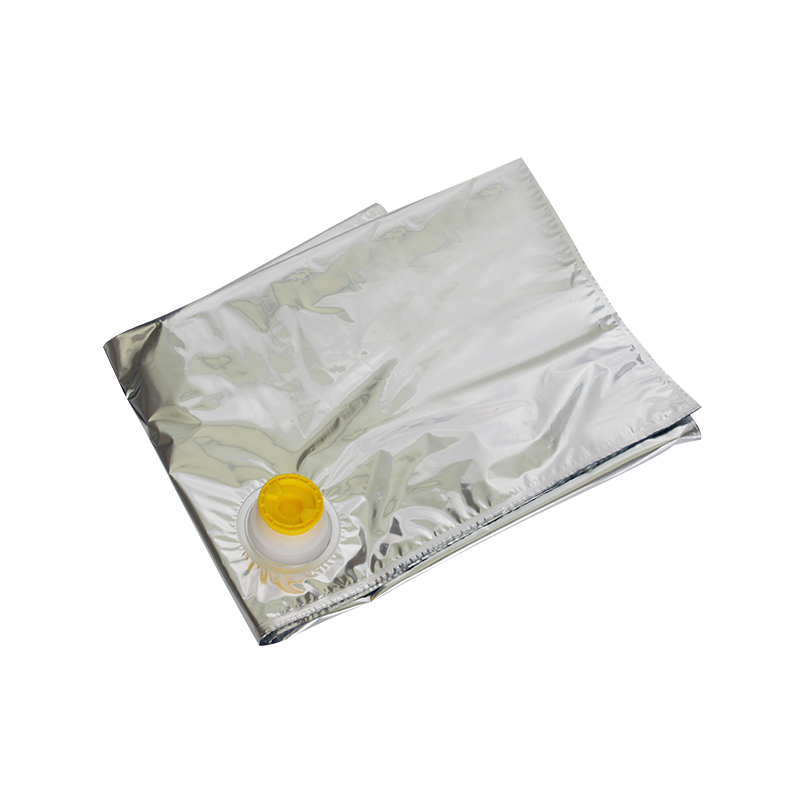
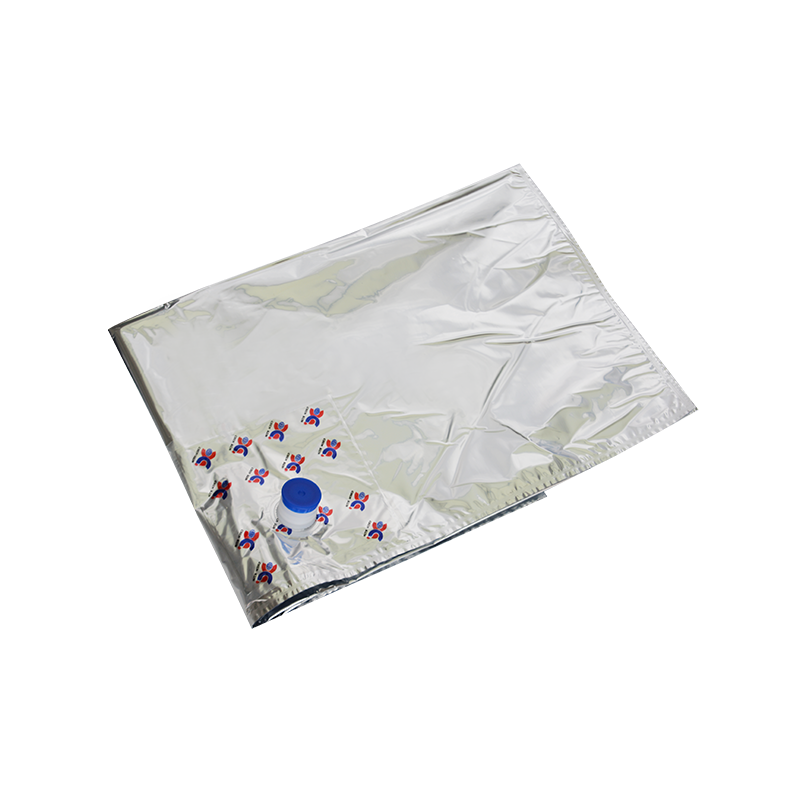
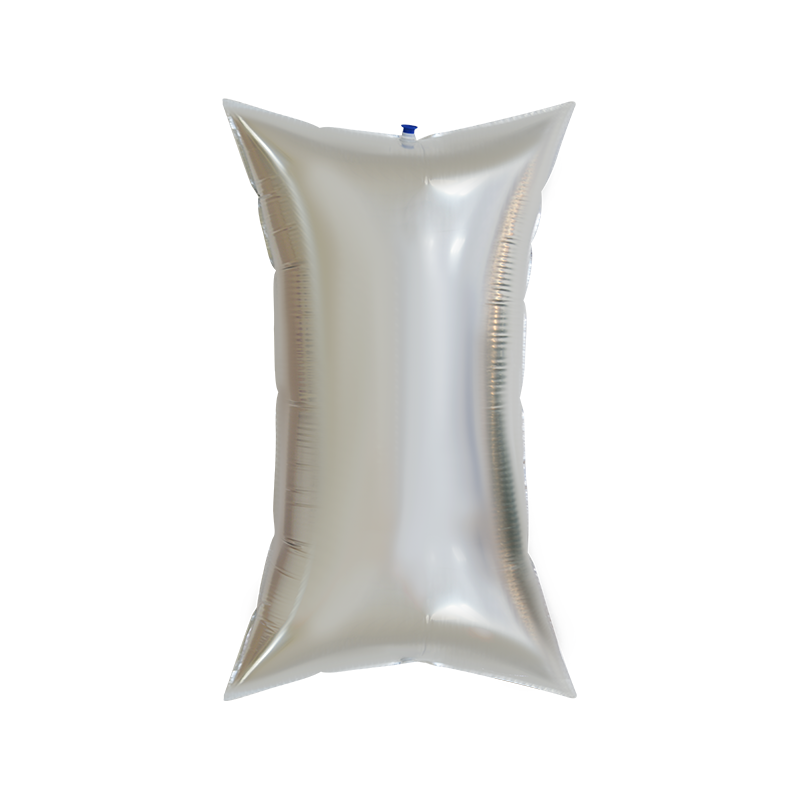
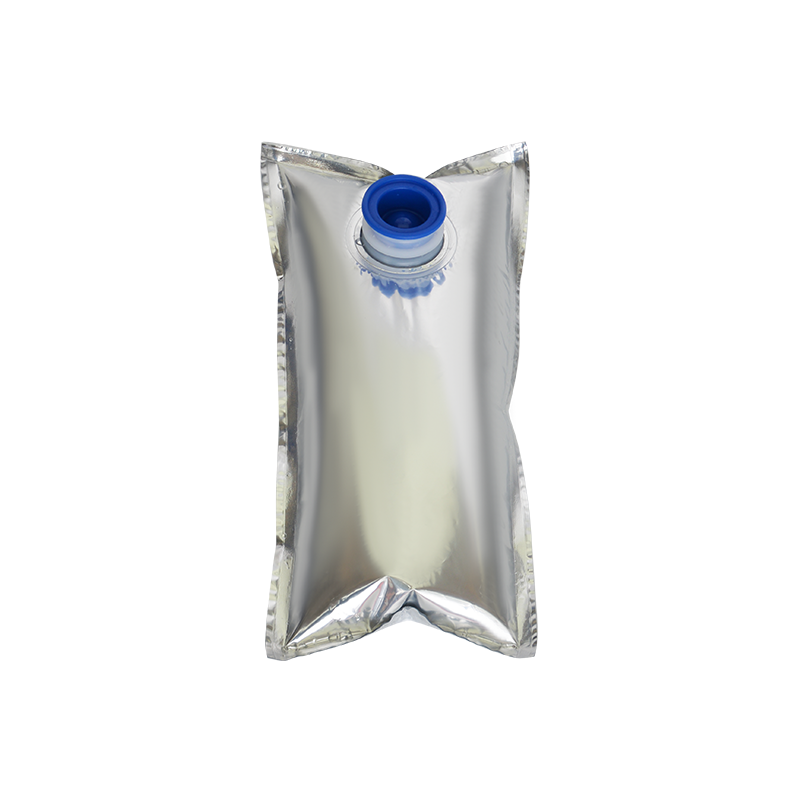
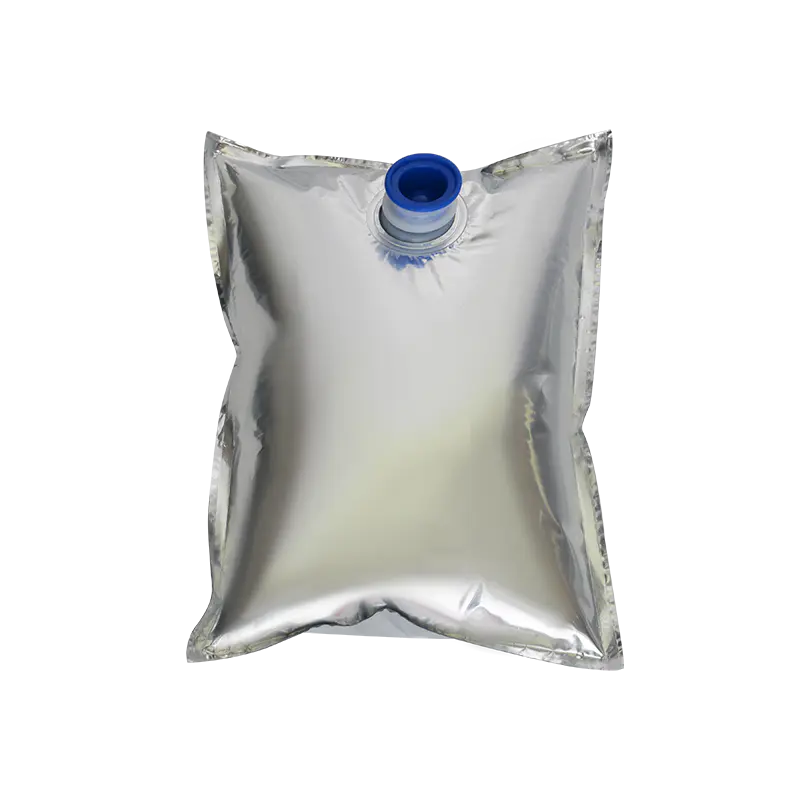
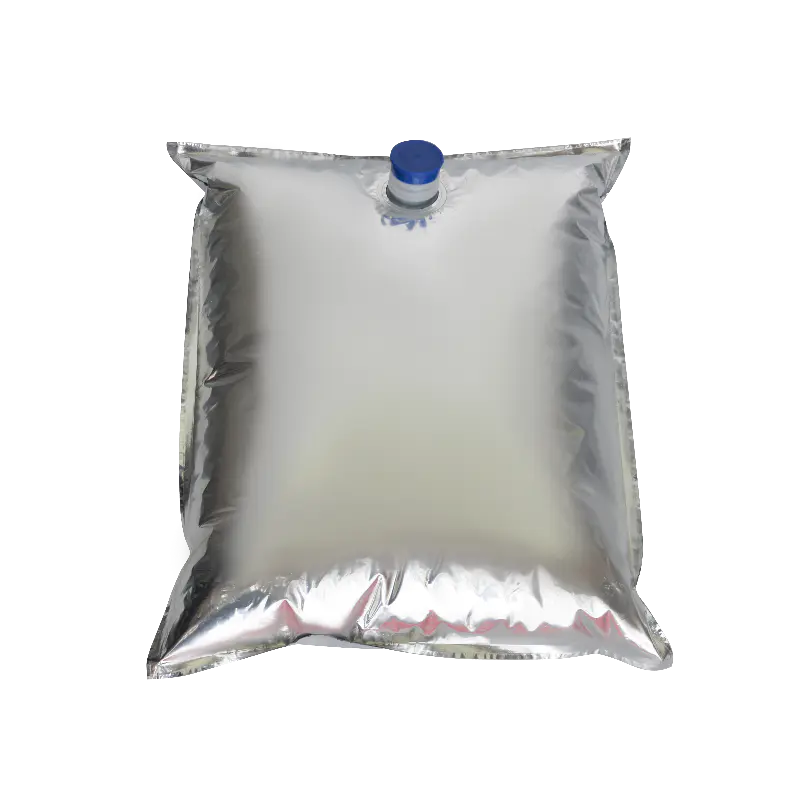
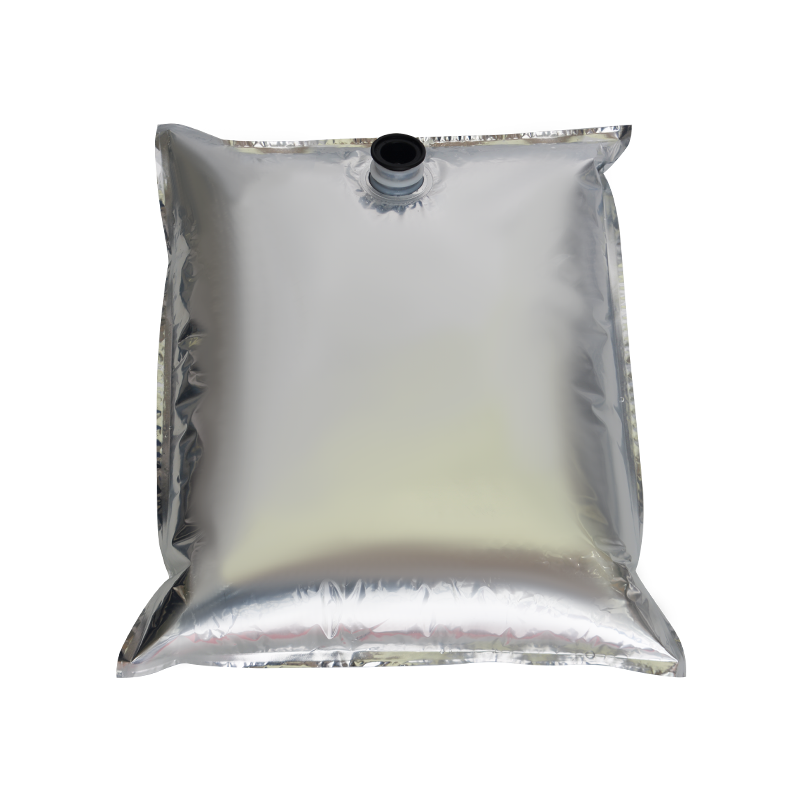
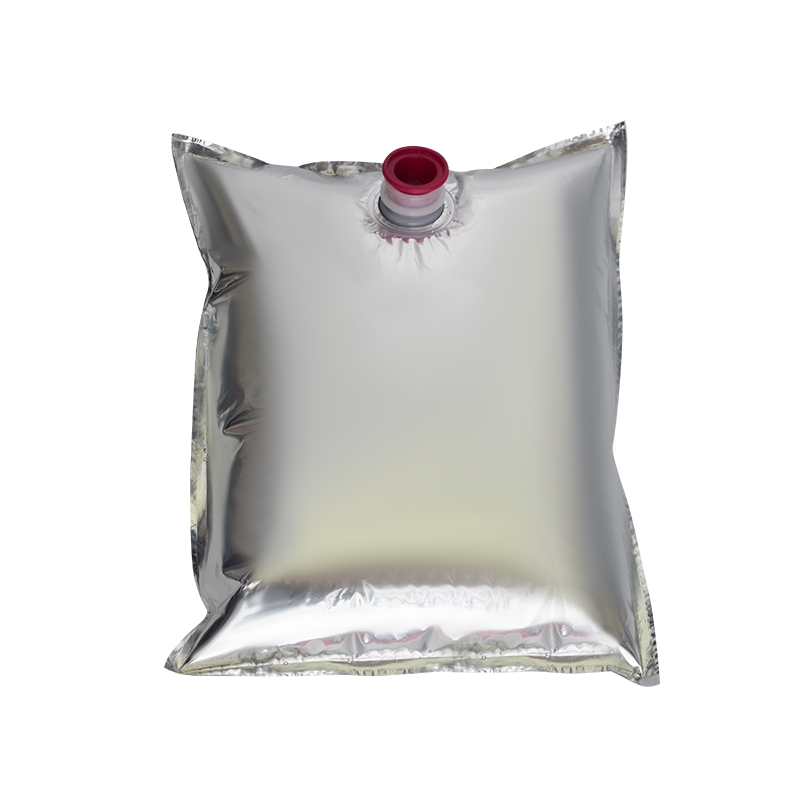
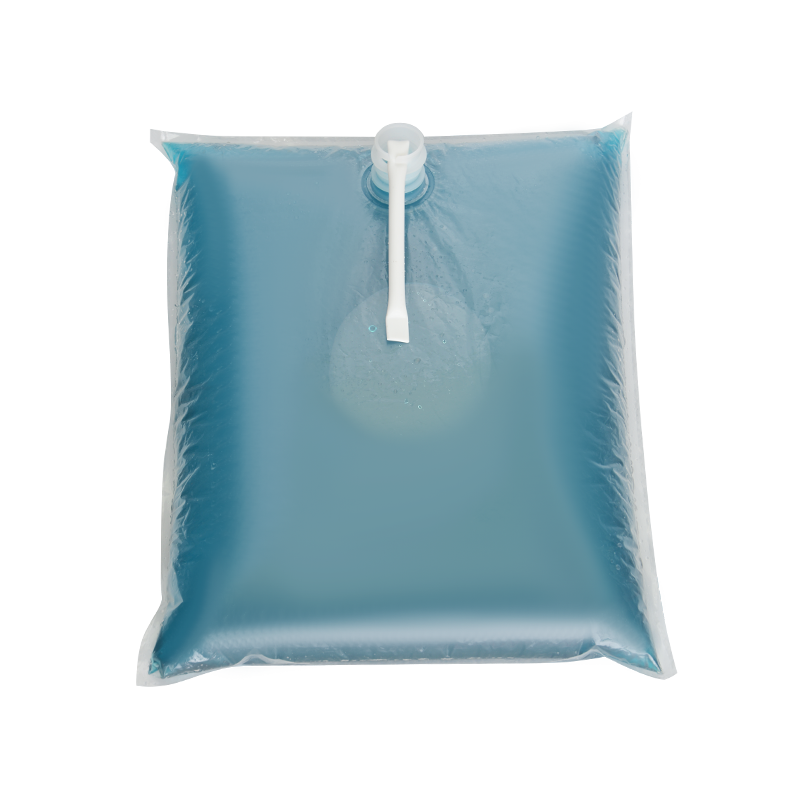
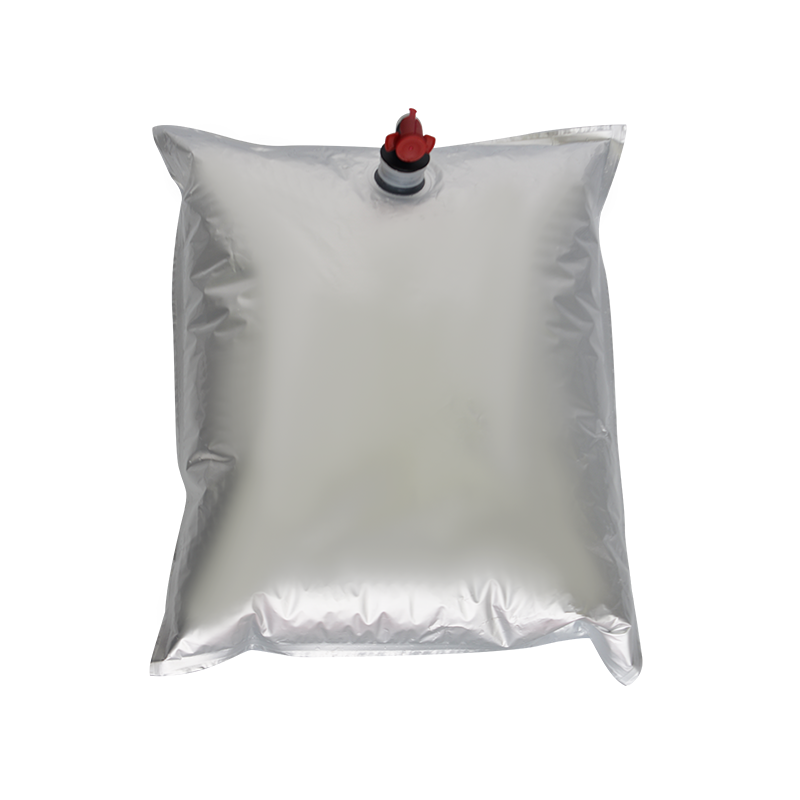
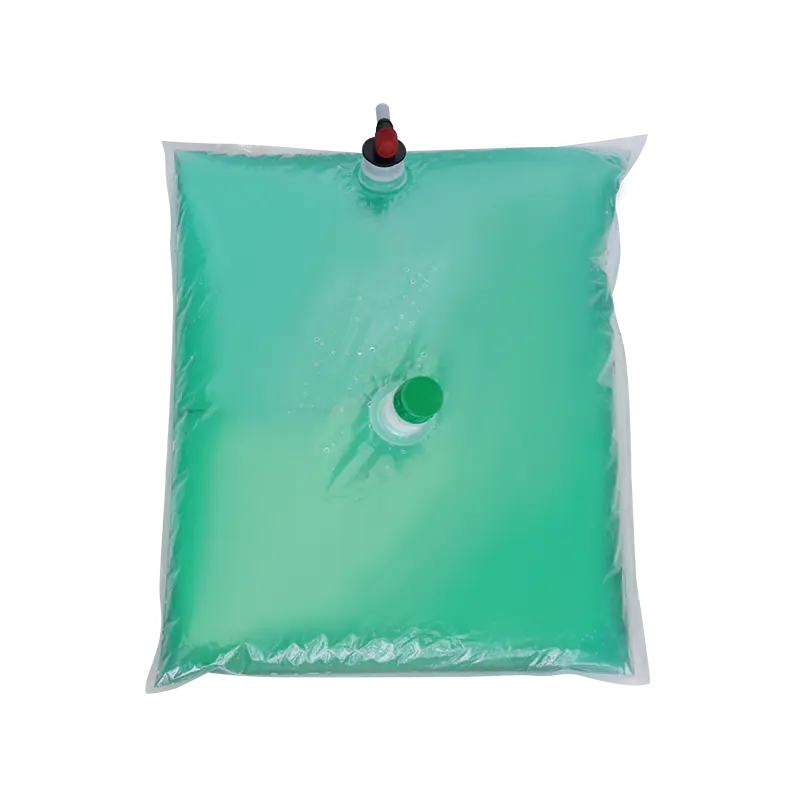
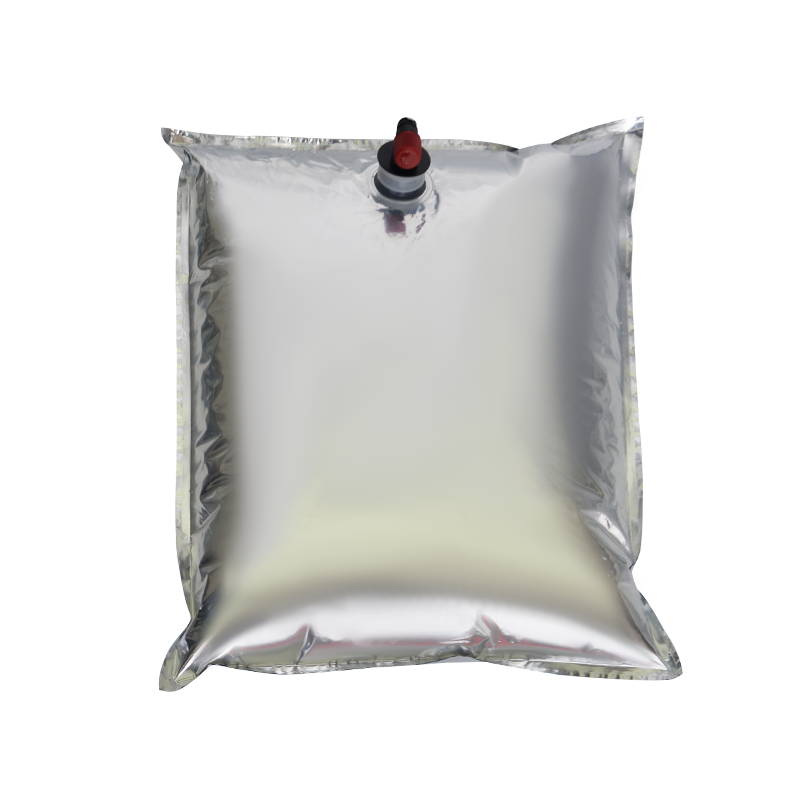


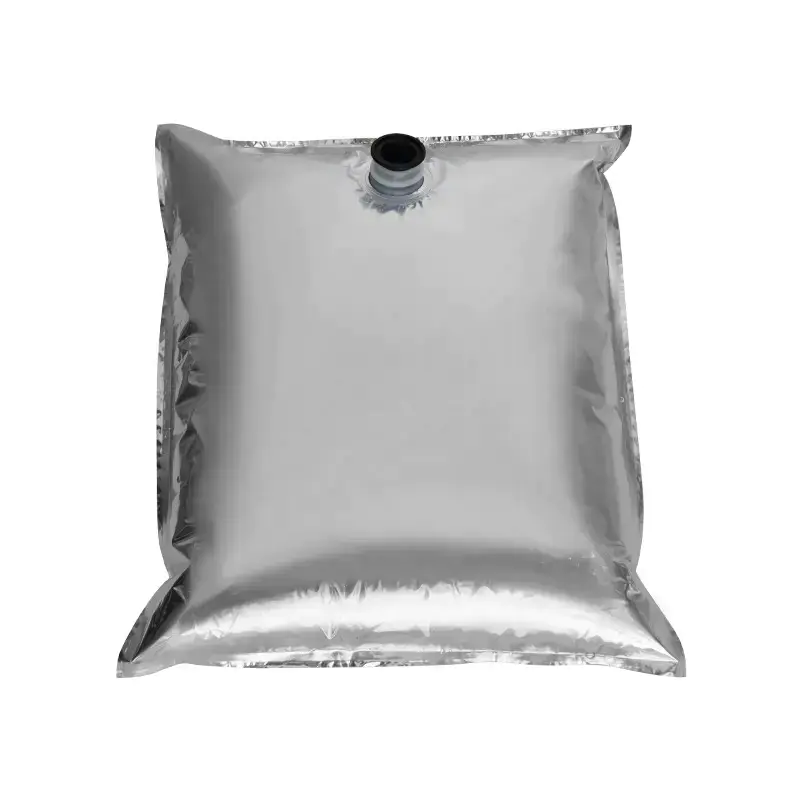
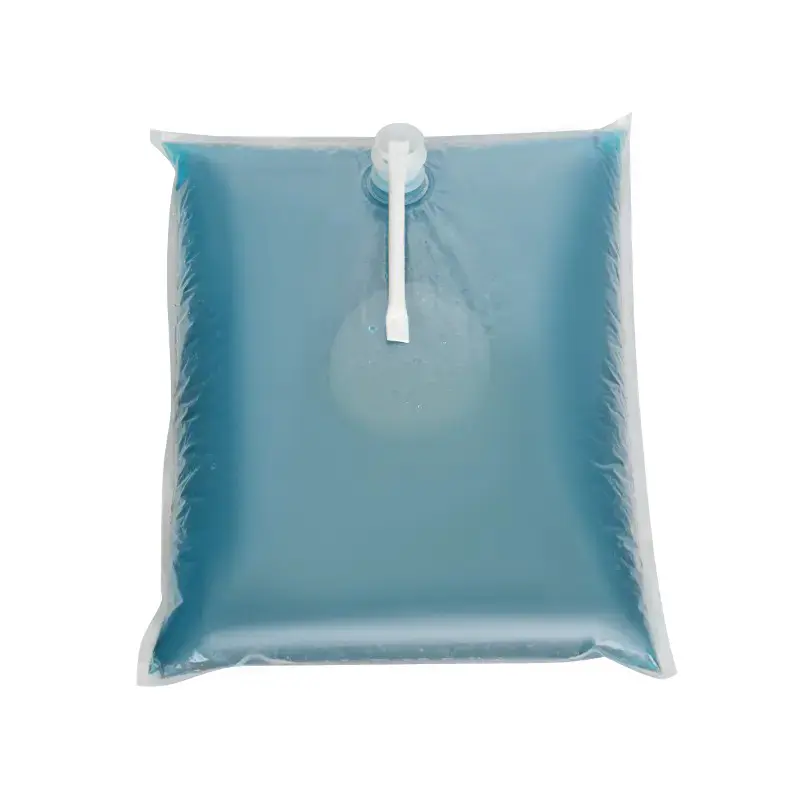
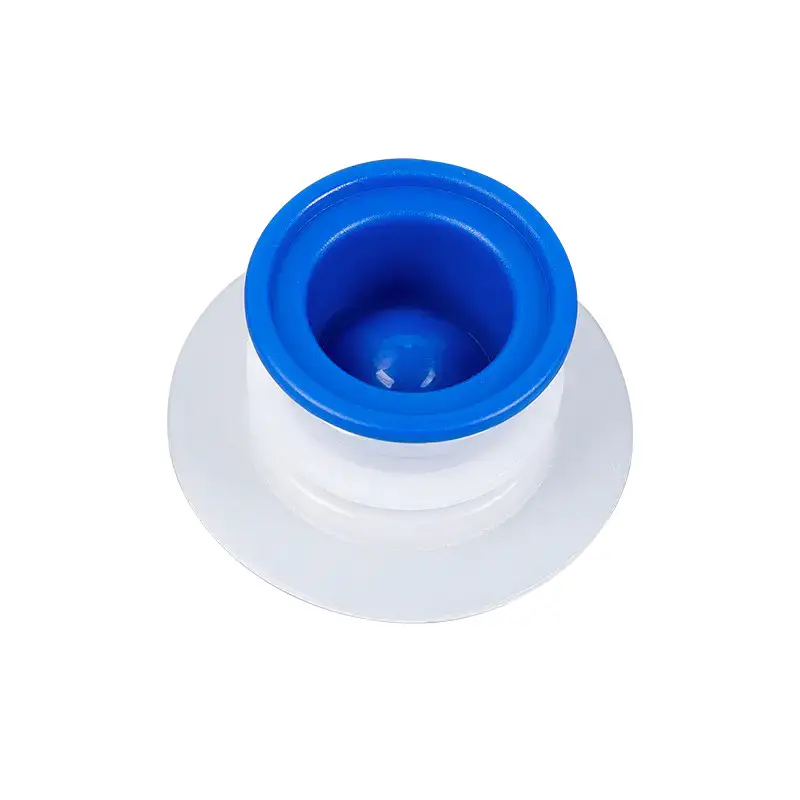


High-quality bag-in-box manufacturers are defined by four core strengths: professional material selection systems, complete production lines, strict quality inspection standards, and customized service capabilities. These manufacturers can produce safe, durable, and leak-proof bag-in-box packaging that meets international food-grade and industrial standards, and they can adapt products to the storage, transportation, and usage needs of different liquids. Choosing a manufacturer with these core strengths directly determines the product quality, cost efficiency, and market competitiveness of bag-in-box packaging.
For buyers and cooperative enterprises, the most practical judgment standard is: excellent bag-in-box manufacturers have stable production capacity, pass authoritative third-party certifications, and can provide targeted solutions instead of standardized products only. This conclusion is supported by global packaging industry data and practical application cases, and it is the core basis for selecting cooperative manufacturers.
Core Production Capabilities of Professional Bag-In-Box Manufacturers
Complete Production Line Equipment
Top bag-in-box manufacturers are equipped with fully automated production lines covering the entire process from film processing to finished product assembly. The production line usually includes multi-layer co-extrusion film blowing machines, high-precision printing equipment, automatic bag making machines, valve assembly machines, and leak-proof testing machines. Automated production lines can reduce manual errors by more than 90%, ensuring the consistency and stability of each batch of products.
In addition to basic production equipment, mature manufacturers are equipped with clean production workshops. For food-grade bag-in-box products, the workshop meets the dust-free and sterile standards, which effectively avoids contamination during the production process and meets the strict requirements of food, beverage, and edible oil industries.
Customized Production Capacity
Customization is a key indicator to measure the strength of bag-in-box manufacturers. Professional manufacturers can customize products in multiple dimensions according to customer needs, including capacity, material thickness, valve type, printing pattern, and bag structure. More than 80% of high-quality cooperative enterprises prefer manufacturers with strong customization capabilities, because personalized packaging can better match product characteristics and brand image.
- Capacity customization: ranging from small 1L retail packages to large 1000L industrial storage bags
- Valve customization: including screw valves, push-pull valves, aseptic valves, and vacuum valves
- Structure customization: single-layer, multi-layer, with handle, with hanging hole, and anti-static structure
Material Standards Adopted by Bag-In-Box Manufacturers
Food-Grade Safe Materials
All regular bag-in-box manufacturers use non-toxic, odorless, and BPA-free food-grade composite materials as the core raw materials. The most commonly used materials are polyethylene (PE), nylon (PA), and ethylene-vinyl alcohol copolymer (EVOH). These materials have excellent barrier properties, which can block oxygen, light, and moisture, extending the shelf life of liquid products by 2-3 times compared with traditional packaging.
For food and beverage applications, manufacturers must use materials that meet FDA, EU food contact standards, and national safety certifications. These materials do not react with acidic, alcoholic, or oily liquids, ensuring the safety and original taste of the contents.
Industrial-Grade Durable Materials
For industrial liquids such as detergents, lubricants, and chemical reagents, bag-in-box manufacturers use thicker, corrosion-resistant composite materials. These materials have high tensile strength and puncture resistance, the damage rate during long-distance transportation is less than 0.1%, which is far lower than that of ordinary plastic packaging.
The material selection of professional manufacturers is based on the characteristics of the filled liquid, which can balance safety, durability, and cost, avoiding material waste or insufficient performance.
Quality Control System of Formal Bag-In-Box Manufacturers
Quality control runs through the entire production process of bag-in-box manufacturers, which is the core guarantee of product qualification rate. The qualified rate of finished products produced by manufacturers with complete quality control systems is higher than 99.5%, which can fully meet the needs of large-scale commercial use.
Raw Material Inspection
Before production, manufacturers conduct strict testing on incoming materials, including material composition, safety indicators, tensile strength, and barrier performance. Only raw materials that pass all tests can enter the production link, eliminating quality risks from the source.
Production Process Monitoring
Automated production lines are equipped with real-time monitoring systems to track parameters such as sealing temperature, bag size, and valve installation accuracy. Workers conduct regular sampling inspections during production to ensure that each process meets the standard.
Finished Product Testing
The final finished products need to go through multiple tests: air pressure leak test, drop test, vibration test, and sealing test. Only products that pass all tests will be packaged and delivered, ensuring that no defective products flow to the market.
Application Fields Served by Bag-In-Box Manufacturers
Bag-in-box packaging has a wide range of applications, and professional manufacturers can provide suitable solutions for multiple industries. The following table shows the main application fields and product characteristics provided by manufacturers:
| Application Field | Material Type | Core Advantages |
|---|---|---|
| Food & Beverage | Food-grade PE/EVOH | Oxygen barrier, long shelf life |
| Edible Oil & Syrup | Oil-resistant composite film | Leak-proof, easy to pour |
| Daily Chemicals | Corrosion-resistant material | Chemical stability |
| Industrial Liquids | High-strength composite | Puncture resistance, durable |
With the expansion of market demand, bag-in-box manufacturers are continuously expanding their application fields, and their products are gradually used in pharmaceutical liquids, agricultural fluids, and other emerging industries, showing strong market adaptability.
Key Factors for Choosing Reliable Bag-In-Box Manufacturers
Authoritative Production Certifications
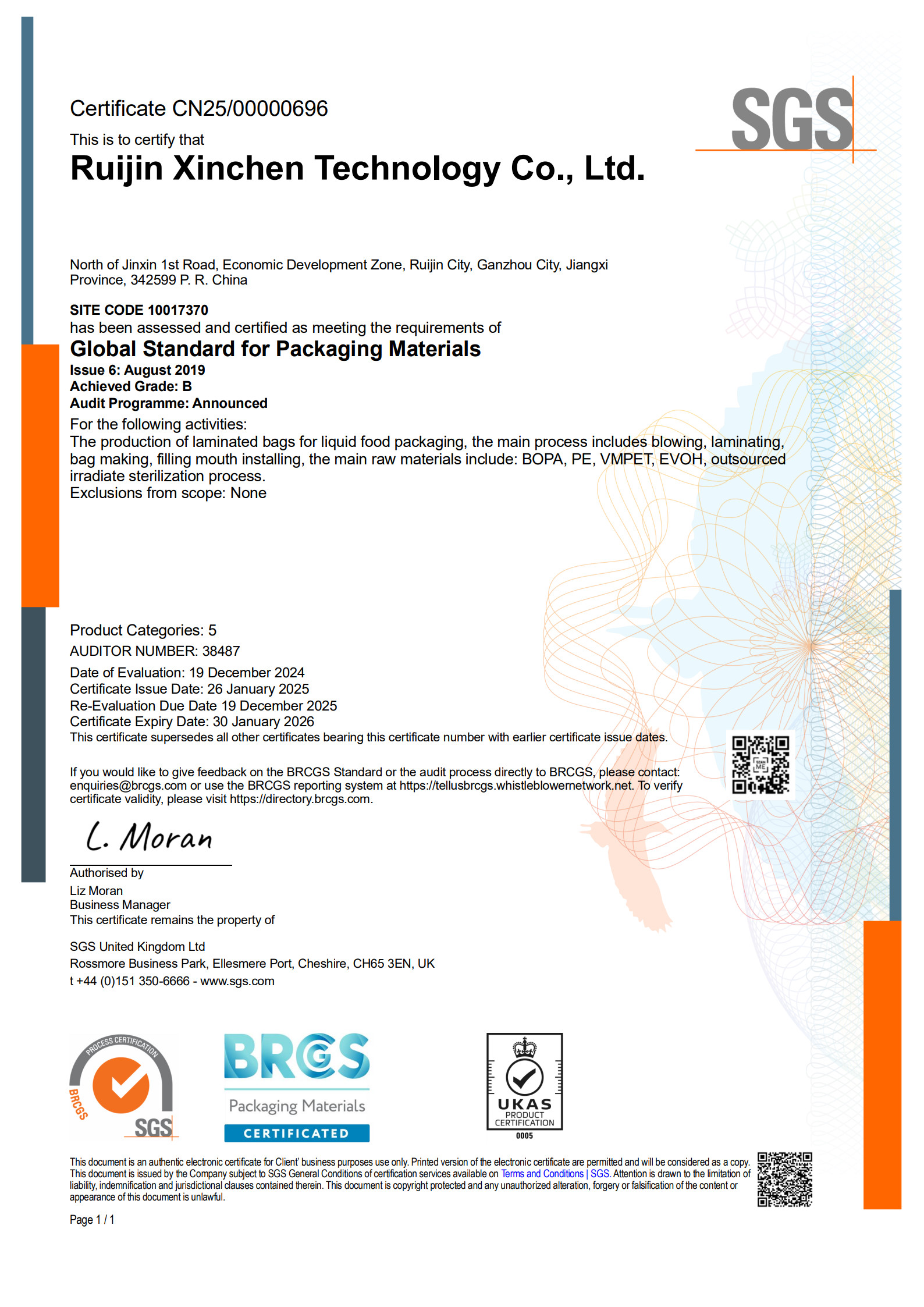
The first factor to check is whether the manufacturer has necessary certifications, including food safety certification, quality management system certification, and environmental protection certification. Certified manufacturers have a 95% higher product safety guarantee than uncertified ones, which is the most basic selection criterion.
Production and Delivery Capacity
For enterprise-level cooperation, the production capacity and delivery cycle of manufacturers are crucial. Reliable manufacturers have stable daily output and can guarantee on-time delivery even during peak seasons. They can also adjust production plans flexibly to meet urgent order needs.
After-Sales and Technical Support
High-quality manufacturers provide complete after-sales service, including product usage guidance, quality problem solutions, and after-sales compensation. They also have professional technical teams to provide packaging design and material selection suggestions, helping customers optimize costs and improve product performance.
Cost-Effectiveness
Cost-effectiveness does not mean the lowest price, but the best quality and service under a reasonable price. Excellent bag-in-box manufacturers can balance production costs and product quality, providing long-term stable and cost-effective packaging solutions, which is more valuable than short-term low-price cooperation.
Development Trends of Bag-In-Box Manufacturers
In recent years, the global bag-in-box packaging market has grown steadily, and manufacturers are constantly developing in the direction of intelligence, environmental protection, and high performance. The demand for eco-friendly bag-in-box products will increase by more than 30% in the next five years, which has become the main development direction of the industry.
Environmentally Friendly and Recyclable Materials
Leading manufacturers are actively developing fully recyclable and biodegradable composite materials to replace traditional non-recyclable materials. These eco-friendly materials can reduce plastic pollution while maintaining product performance, meeting the global environmental protection requirements and the sustainable development needs of enterprises.
Intelligent Production and Digital Management
More and more manufacturers adopt digital management systems to realize real-time monitoring of production, inventory, and quality. Intelligent production lines can reduce labor costs and improve production efficiency, while digital management makes the production process more transparent and controllable, enhancing the stability of product quality.
Multi-Functional Product Innovation
Manufacturers are continuously innovating product functions, such as adding self-sealing valves, anti-counterfeiting labels, easy-tear structures, and thermal insulation layers. These innovative designs improve the convenience and practicability of bag-in-box packaging, expanding its application scenarios and market potential.
Summary of Bag-In-Box Manufacturers’ Core Value
In summary, professional bag-in-box manufacturers are important partners in the liquid packaging industry, and their core value lies in providing safe, reliable, customized, and cost-effective bag-in-box packaging solutions for various industries. Their production capacity, material standards, quality control, and service capabilities directly determine the application effect of bag-in-box products.
For any enterprise in need of bag-in-box packaging, selecting a manufacturer with complete qualifications, strong strength, and advanced technology is a long-term investment. With the continuous development of the industry, high-quality bag-in-box manufacturers will continue to promote the upgrading of liquid packaging, bringing more efficient and environmentally friendly choices for global production and life.

