
 English
 русский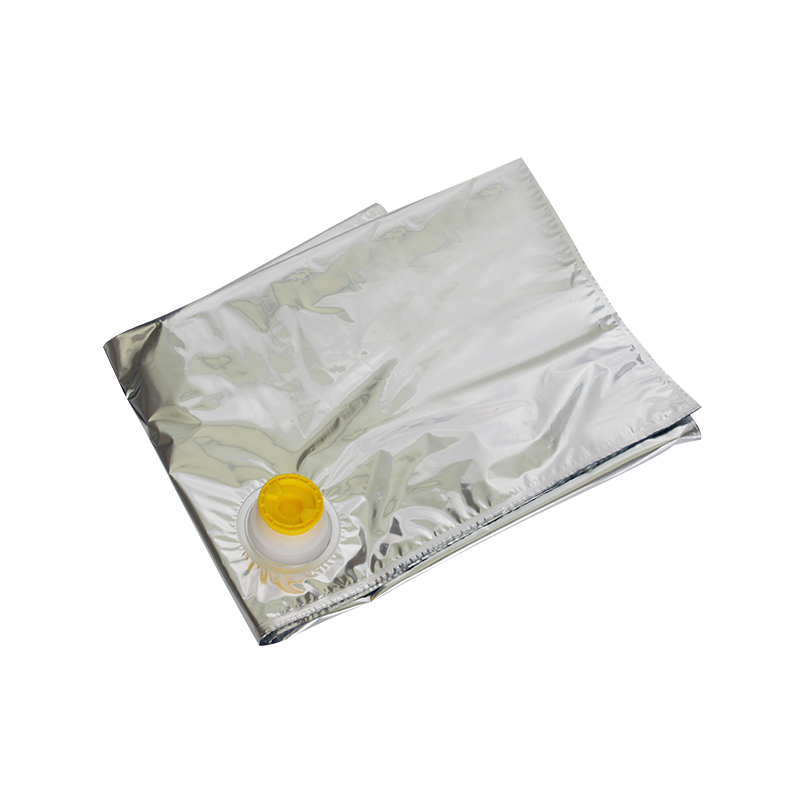
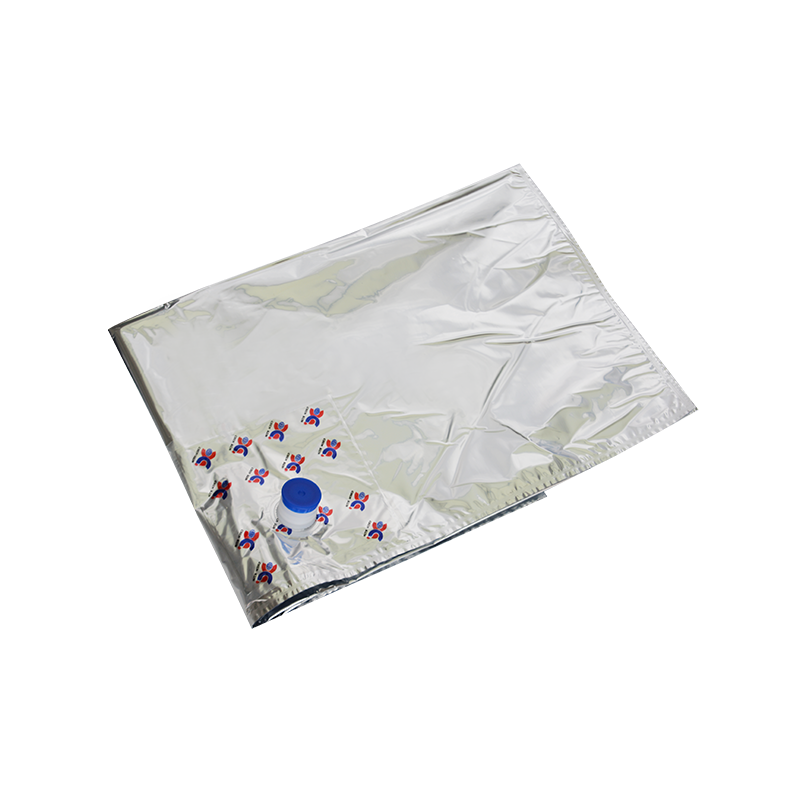
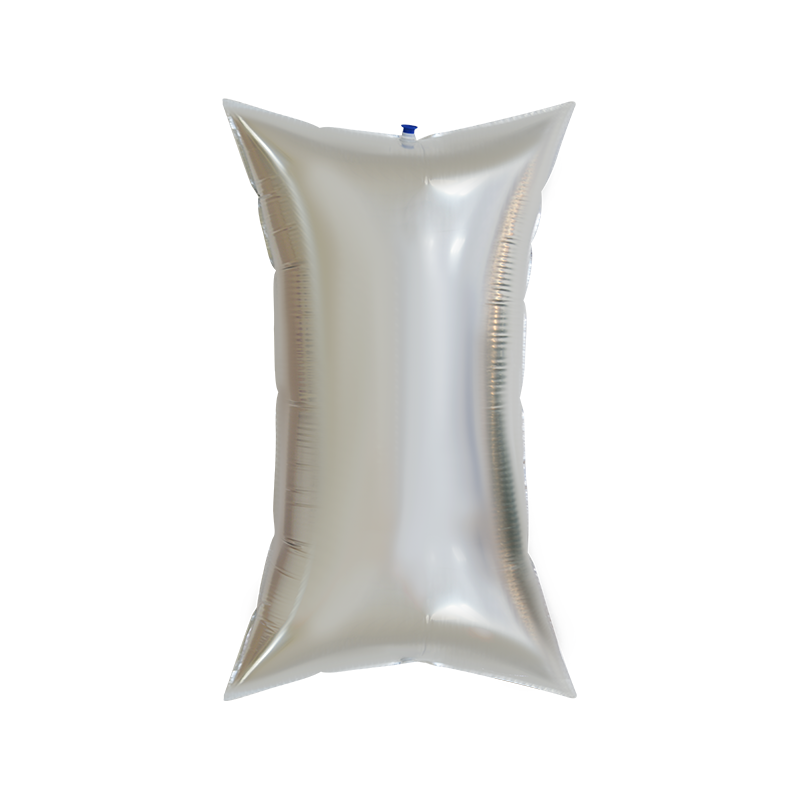
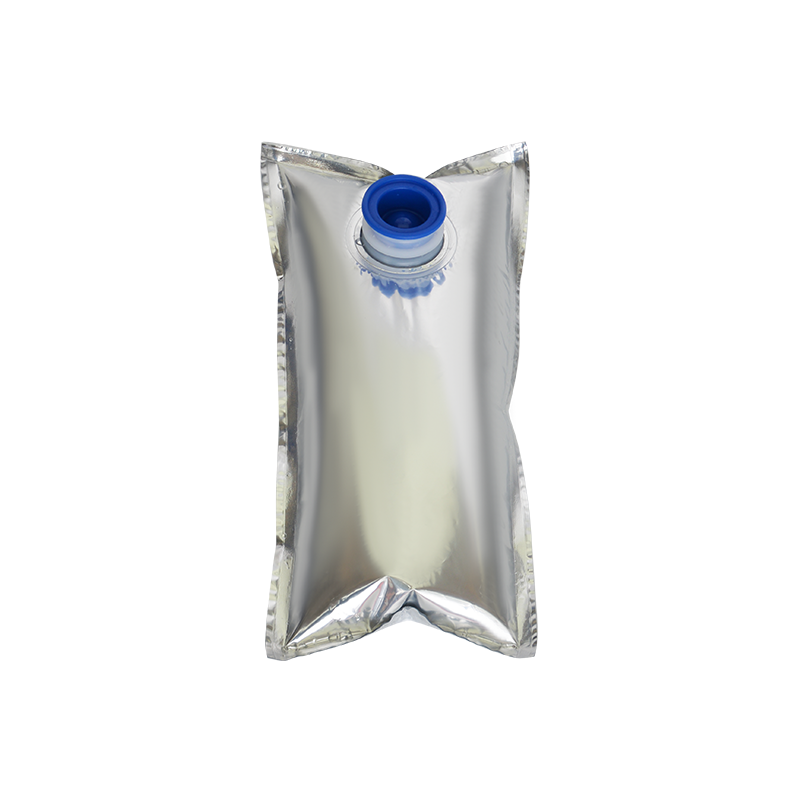
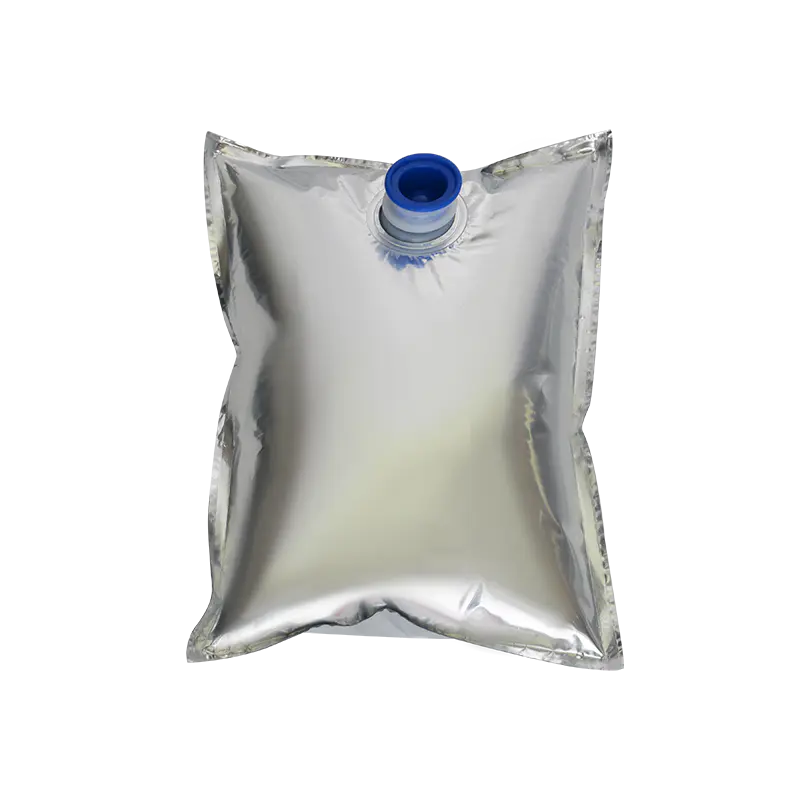
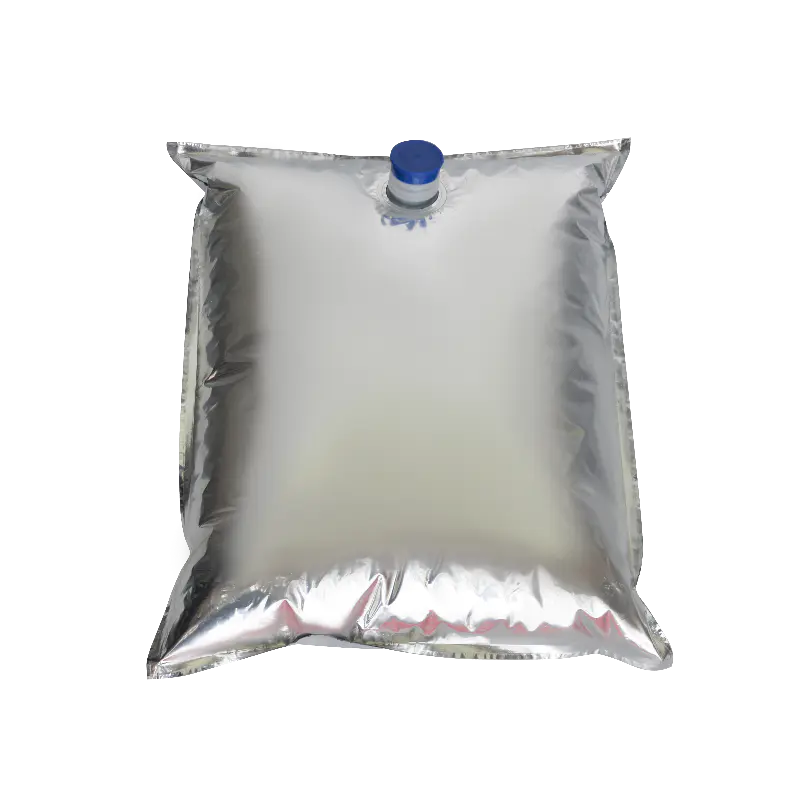
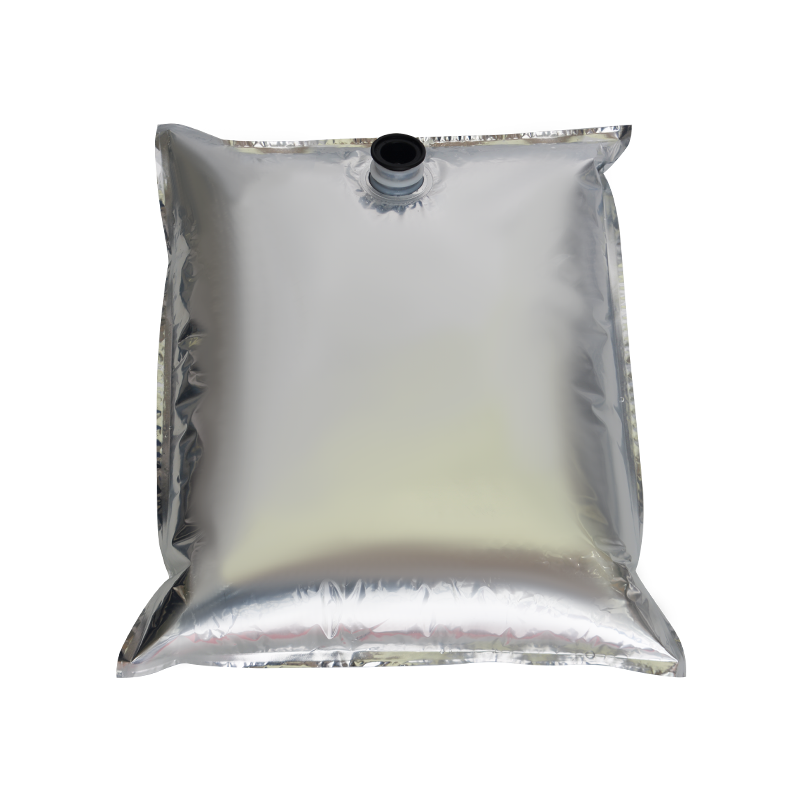
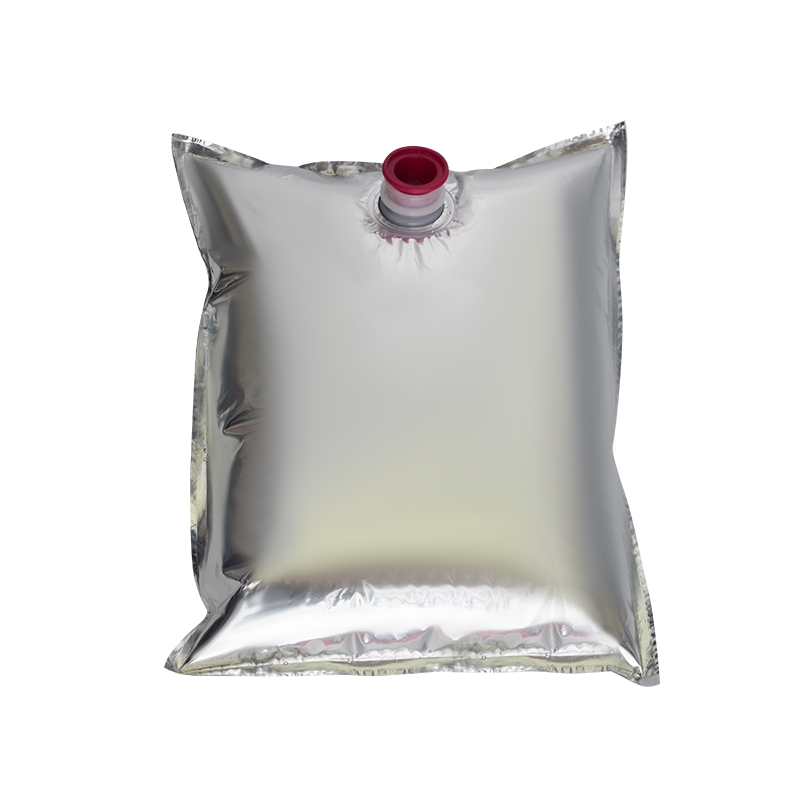
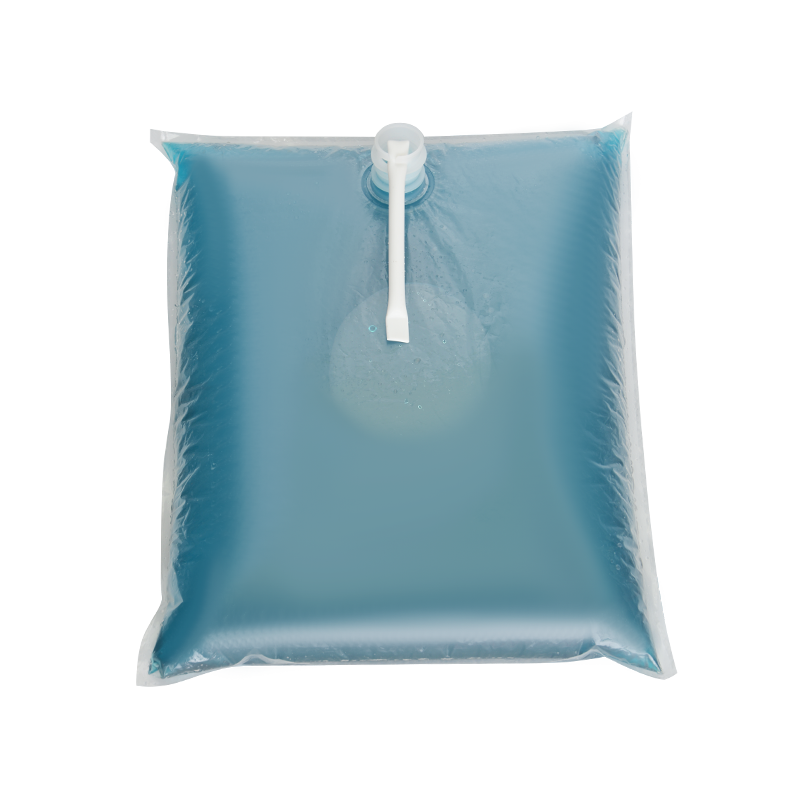
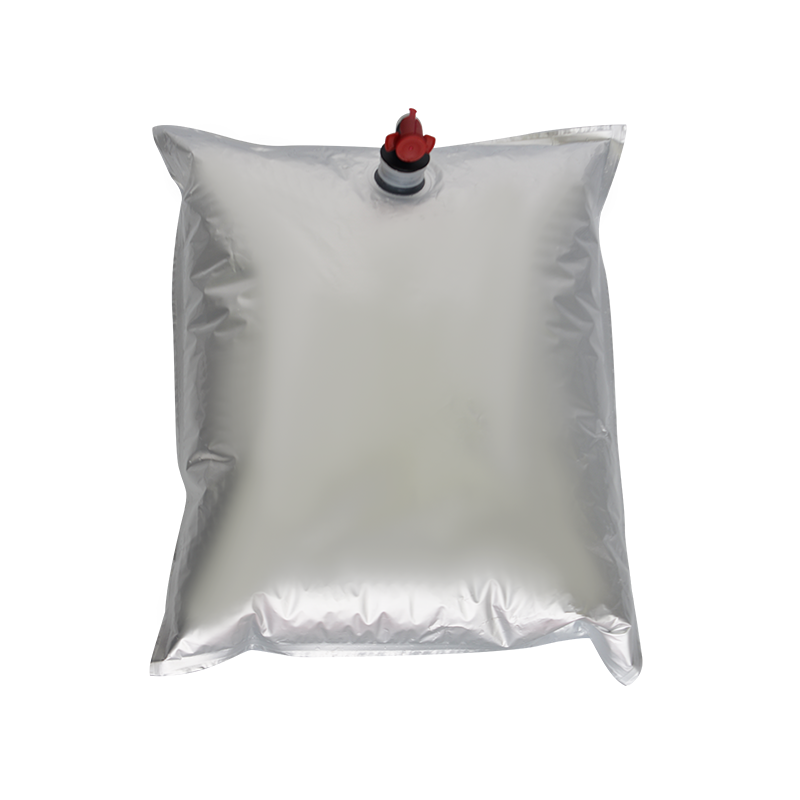
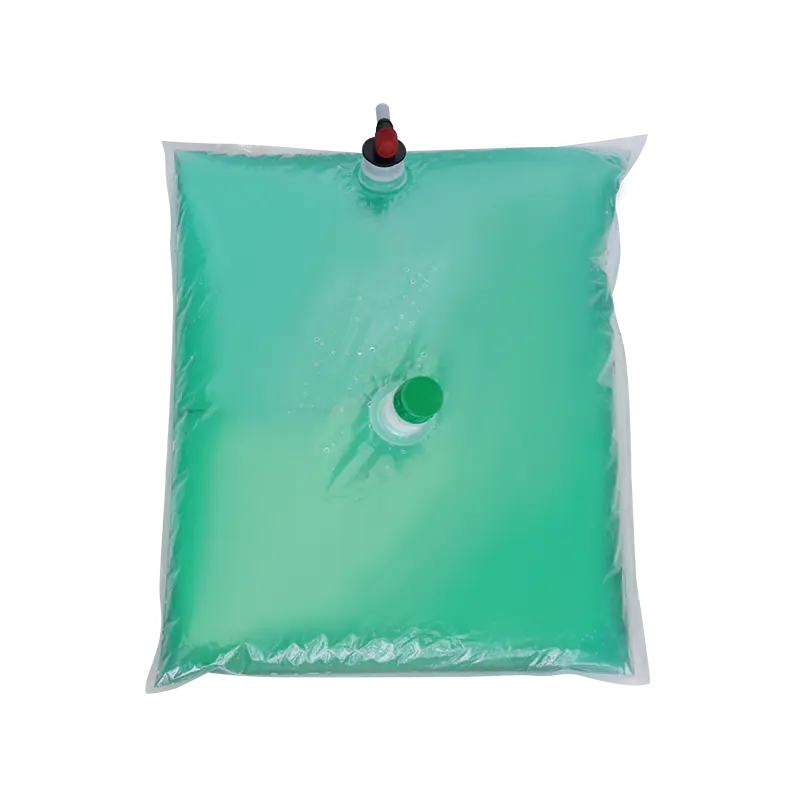
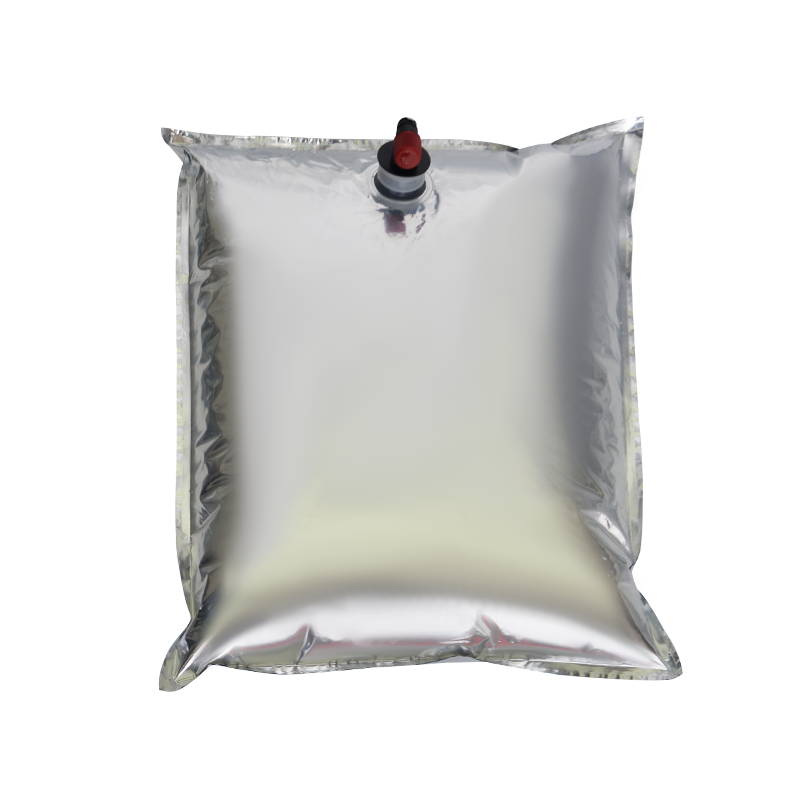


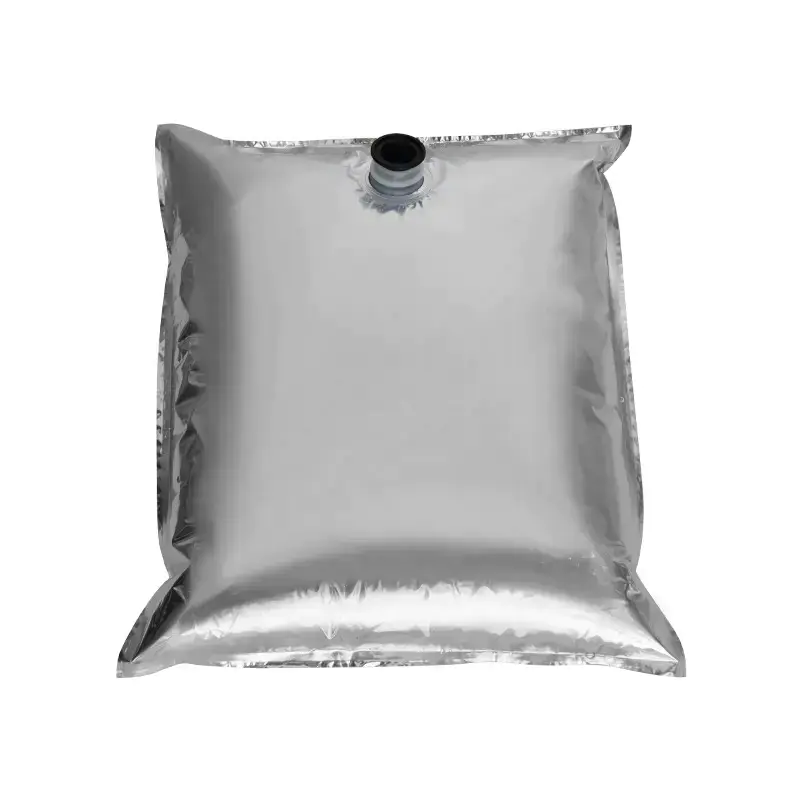
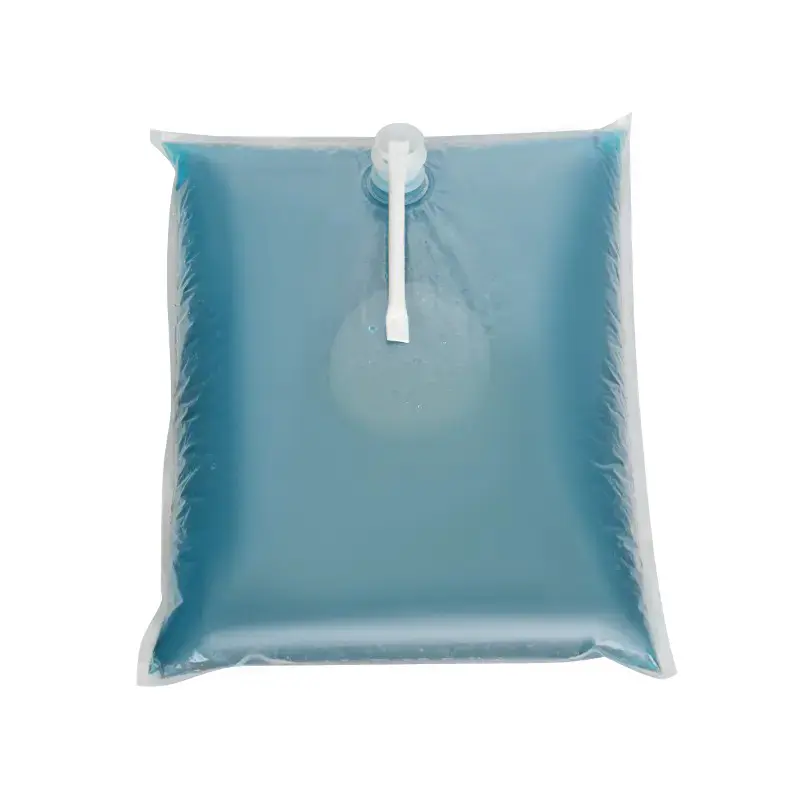
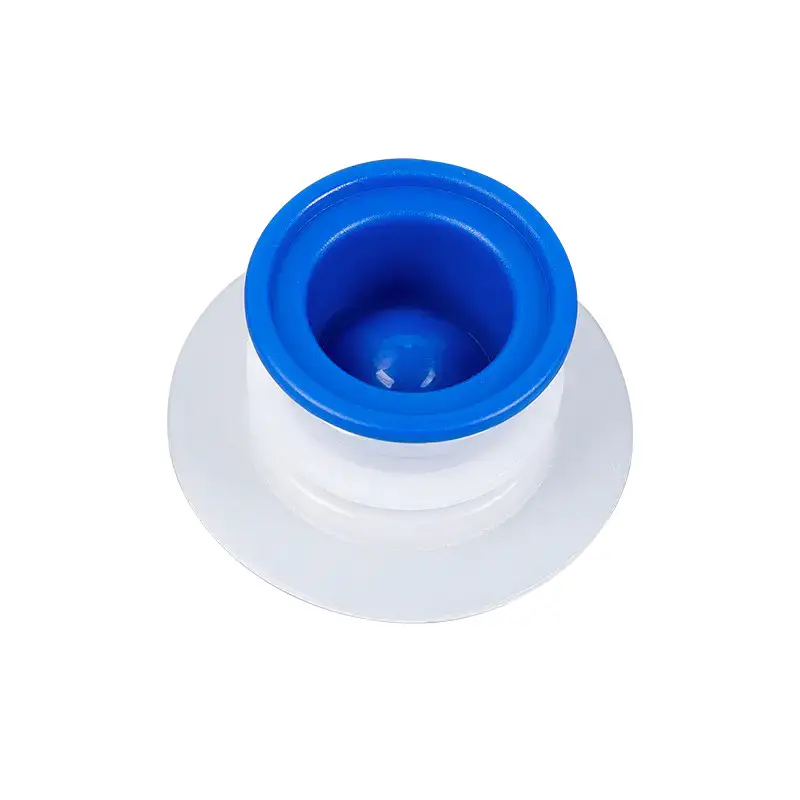


Transparent bag-in-box packaging combines the structural stability of outer boxes and the sealing safety of inner flexible bags, with a transparent design that enables direct visual inspection of contents. It outperforms traditional packaging in safety, practicality, and cost control, making it the first choice for liquid, semi-fluid, and small-particle solid packaging in food, daily chemicals, industrial, and agricultural fields. 90% of commercial users choose this packaging for long-distance transportation and long-term storage due to its excellent leakproofness, light weight, and space utilization rate.
Unlike rigid plastic buckets, glass bottles, and metal cans, transparent bag-in-box reduces breakage risk to almost zero, cuts logistics costs by a large margin, and keeps contents fresh and uncontaminated. The transparent structure allows users to check residue, color, and state without opening the package, greatly improving operational efficiency and user experience. This is not a niche packaging form but a mature, widely applicable solution that solves multiple pain points of traditional packaging.
In practical applications, transparent bag-in-box adapts to diverse scenarios: from edible oil, fruit juice, and dairy products to detergent, lubricating oil, and agricultural additives. It meets strict hygiene standards for food contact and complies with industrial packaging strength requirements. With customizable sizes and capacities, it fits small-batch retail and large-capacity commercial use equally well, delivering stable performance in high-temperature, low-temperature, and normal-temperature environments.
Structural Composition and Core Advantages of Transparent Bag-In-Box
Dual-Layer Protective Structure Design
The complete transparent bag-in-box consists of two core components: a high-strength outer carton and a food-grade or industrial-grade transparent inner bag. The outer box is made of corrugated or solid cardboard, providing compression and collision resistance for stacking and transportation. The inner bag uses multi-layer co-extruded transparent film, with excellent barrier properties against oxygen, moisture, and light, effectively extending the shelf life of contents.
Most transparent inner bags are equipped with built-in sealing valves or dispensing taps, which allow quantitative discharge without opening the entire package. This design prevents secondary pollution and ensures that the remaining contents stay fresh. The transparent material of the inner bag is non-toxic, odorless, and free of bisphenol A and harmful plasticizers, fully meeting global safety standards for direct contact with food and daily chemicals.
Unmatched Core Performance Advantages
- High transparency: Full visual inspection of contents, no need to open the package for verification
- Zero leakage rate: Sealed welding process eliminates liquid leakage during transportation
- Lightweight and portable: 50%-70% lighter than rigid packaging, reducing logistics labor intensity
- Space-efficient: Foldable inner bag reduces empty package storage space by over 80%
- Recyclable: Most materials are environmentally friendly and meet global waste reduction requirements
These advantages make transparent bag-in-box superior to traditional packaging in all aspects. For example, in long-distance liquid food transportation, rigid containers face high breakage risks, while transparent bag-in-box maintains integrity even under severe extrusion and vibration. The transparent design also helps merchants and consumers quickly identify product quality, avoiding disputes caused by unknown internal conditions.
Comparison of Transparent Bag-In-Box and Traditional Packaging
| Packaging Type | Leakproofness | Transparency Observation | Logistics Cost | Storage Space |
|---|---|---|---|---|
| Transparent Bag-In-Box | Excellent | Support | Low | Small |
| Plastic Bucket | Good | Partial Support | High | Large |
| Glass Bottle | Medium | Support | Very High | Large |
| Metal Can | Good | Not Support | High | Large |
Wide Application Scenarios of Transparent Bag-In-Box
Food and Beverage Industry Applications
The food industry is the largest user of transparent bag-in-box packaging, especially for liquid and semi-fluid products. Edible oil, fruit juice, wine, dairy products, jam, and condiments all rely on this packaging to ensure safety and freshness. The transparent inner bag allows consumers to check the color and clarity of food directly, enhancing product credibility and purchase intention.
For commercial catering and food processing, a large-capacity transparent bag-in-box replaces small bottled products, reducing packaging waste and replacement frequency. The shelf life of food packaged in transparent bag-in-box can be extended by 2-3 times compared to ordinary open packaging, thanks to the high-barrier film and one-way discharge design that isolates air and bacteria.
In frozen food transportation, transparent bag-in-box maintains flexibility at low temperatures without cracking, perfectly adapting to cold chain logistics. It also withstands normal temperature and high-temperature storage, making it suitable for canned fruits, syrup, and other foods that require stable environmental adaptability.
Daily Chemical and Personal Care Applications
Daily chemical products such as detergents, hand soap, shampoo, shower gel, and fabric softener widely use transparent bag-in-box as refill packaging. This design matches bottled products for secondary use, reducing plastic consumption and meeting environmental protection requirements. The transparent appearance allows users to clearly see the remaining liquid, arranging purchases in advance.
Hotel, beauty salon, and cleaning service industries prefer large-capacity transparent bag-in-box, which lowers usage costs and improves work efficiency. The built-in tap design enables continuous liquid discharge without splashing, keeping the use environment clean and reducing product waste.
Industrial and Agricultural Applications
In industrial production, transparent bag-in-box packages lubricating oil, cutting fluid, adhesive, paint, and other liquid raw materials. Its high-strength structure prevents leakage during factory handling and transportation, and transparency allows workers to check liquid volume and state quickly, avoiding equipment idling due to insufficient raw materials.
Agricultural applications include fertilizers, pesticides, veterinary drugs, and feed additives. The sealed transparent bag isolates volatile substances, protecting operators from harmful chemicals, while enabling clear observation of dosage to ensure precise use. This packaging is resistant to corrosion and compression, adapting to complex storage and transportation environments in rural areas.
Emergency and Outdoor Storage Applications
Transparent bag-in-box is ideal for emergency water, emergency food, and outdoor supplies. It is lightweight, foldable, and easy to carry, with strong impact resistance not possessed by rigid containers. In disaster relief, large-capacity transparent bag-in-box transports drinking water and liquid food safely, and transparency allows quick verification of contents without opening.
For outdoor camping, hiking, and self-driving trips, small and medium-sized transparent bag-in-box stores drinking water, condiments, and detergents. It saves backpack space, prevents leakage, and allows users to check remaining supplies at any time, making outdoor activities more convenient and secure.
Material Characteristics and Safety Standards of Transparent Bag-In-Box
High-Quality Transparent Film Materials
The inner bag of the transparent bag-in-box uses multi-layer co-extruded flexible film, usually composed of 3-5 layers of functional materials. The surface layer provides wear and corrosion resistance, the middle layer enhances barrier properties against oxygen and moisture, and the inner layer ensures hygiene and non-toxicity for direct contact with the content. This composite structure delivers both transparency and comprehensive performance.
High-quality transparent films have high light transmittance, no fogging, and no impurities, ensuring clear observation of contents. They also have excellent tensile and tear strength, able to withstand 3-5 times their own weight of pressure without breaking, greatly reducing damage risks during use and transportation.
Strict Safety and Hygiene Certification
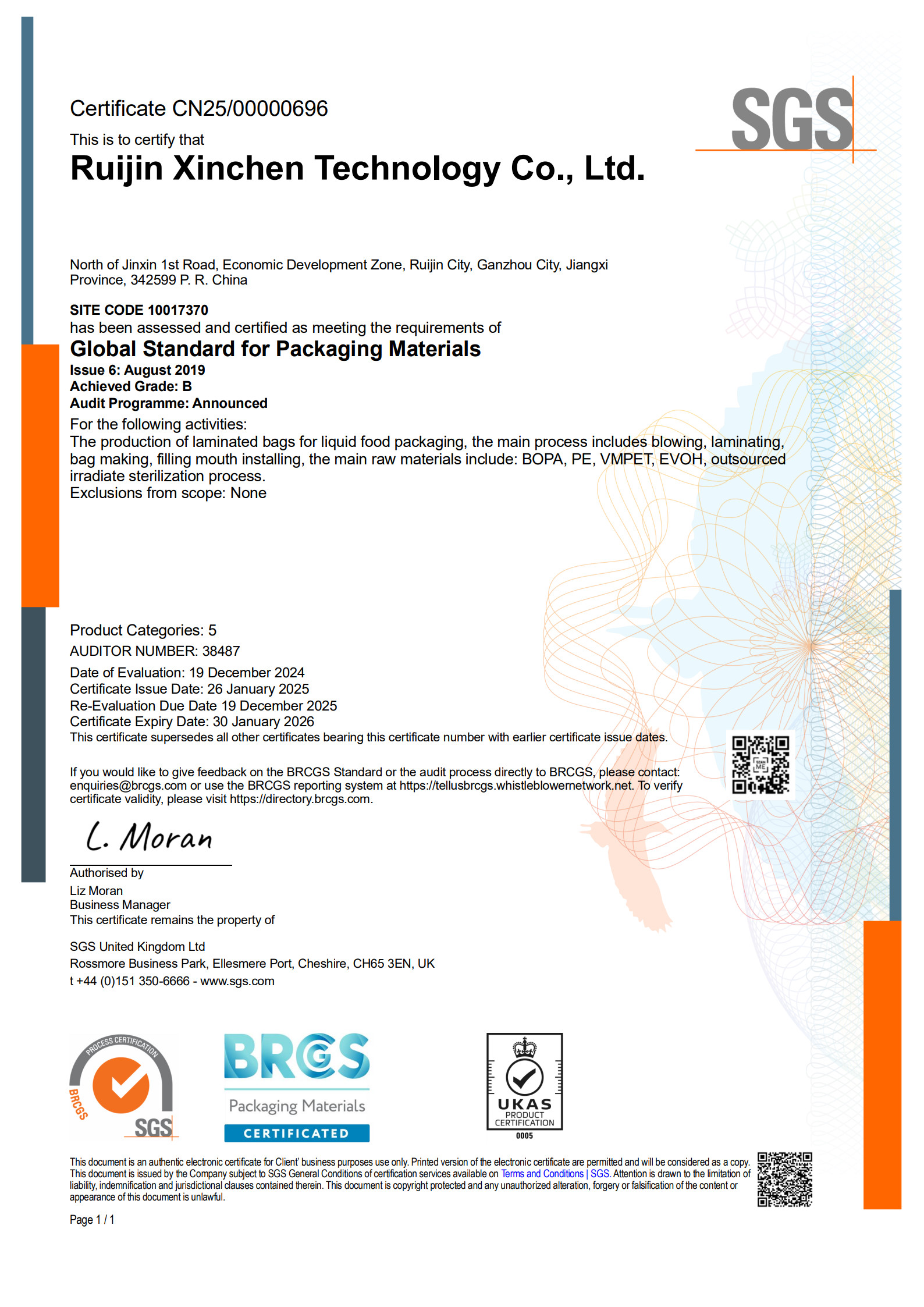
Food-grade transparent bag-in-box must pass international safety certifications, including food contact material testing, no bisphenol A, no harmful plasticizers, and no heavy metal precipitation. These certifications ensure safe direct contact with edible liquids, dairy products, and beverages without affecting taste or quality.
Industrial-grade transparent bag-in-box meets chemical corrosion resistance and volatile substance isolation standards, preventing material dissolution and leakage that endanger the environment and human health. All materials comply with global environmental directives, supporting recycling and reducing environmental pollution.
Stability Under Different Environmental Conditions
Transparent bag-in-box maintains stable performance in temperatures ranging from low-temperature freezing to high-temperature exposure. The film does not deform, become brittle, or release harmful substances at extreme temperatures, adapting to outdoor storage, cold chain transportation, and high-temperature workshop environments.
It also has good light resistance, slowing down content oxidation and deterioration caused by light exposure. Combined with the outer box's light-shielding protection, it provides double safety for light-sensitive products such as edible oil, wine, and chemicals.
Practical Usage Guidelines for Transparent Bag-In-Box
Correct Installation and Use Steps
- Open the outer carton and take out the folded transparent inner bag, then place it flat inside the box
- Extend the discharge valve/tap of the inner bag to the reserved opening of the carton and fix it stably
- Check the sealing of the inner bag and the tightness of the valve to ensure no gaps
- Slowly open the valve for discharge, and close it immediately after use to maintain internal sealing
- When stacking, place lighter packages on top and heavy ones below to avoid extrusion damage
Daily Maintenance and Storage Tips
Store transparent bag-in-box in a cool, dry, ventilated environment, away from direct sunlight, high temperatures, and sharp objects to prevent film aging and puncture. Regularly check the packaging appearance for damage, valve looseness, or content leakage, especially for long-term stored products.
After use, clean and sort the packaging for recycling. Do not throw it away randomly to reduce environmental burden. For food-grade used packaging, avoid secondary use for holding non-food items to prevent cross-contamination.
Common Problem Solutions
Discharge blockage: Caused by foreign matter or sediment; clean the valve with warm water or replace the valve core without opening the entire inner bag.
Minor liquid leakage: Usually from loose valve connections; tighten the interface or replace the sealing gasket immediately to avoid leakage worsening.
Inner bag deformation: Caused by excessive external pressure; adjust the stacking method and reduce extrusion to restore normal use.
Transparency reduction: Caused by surface dirt; wipe with a soft cloth to restore clarity without affecting internal observation.
Economic and Environmental Benefits of Transparent Bag-In-Box
Significant Cost Reduction for Commercial Users
Transparent bag-in-box reduces comprehensive costs for enterprises from multiple links. Raw material costs are lower than those of rigid plastic, glass, and metal packaging due to less material usage. Logistics costs drop sharply thanks to lightweight design—transport volume can be increased by 40%-60% under the same weight condition, greatly cutting fuel and transportation expenses.
Storage costs are reduced as empty inner bags are foldable, requiring 80% less space than rigid containers. Labor costs decrease with easy handling and installation, and low breakage rates cut loss costs. For large-scale production and sales enterprises, annual cost savings from using this packaging are very substantial.
Outstanding Environmental Protection and Sustainable Value
Most materials of transparent bag-in-box are recyclable, reducing plastic waste and paper waste compared to traditional packaging. The single-use design with a high utilization rate reduces resource waste, and the refillable mode matches bottled products, lowering overall plastic consumption in the daily chemical industry.
The production process has low energy consumption and emissions, complying with global carbon neutrality and green development goals. As environmental policies become stricter, transparent bag-in-box will become the mainstream sustainable packaging choice for more industries.
Long-Term Value for Consumers and Society
Consumers benefit from affordable prices, safe and reliable products, and convenient use. The transparent design enhances consumption transparency and protects consumer rights. For society, popularizing this packaging reduces waste accumulation, eases environmental pressure, and promotes the development of a circular economy.
With rising health and environmental awareness, transparent bag-in-box will gain wider recognition and application, bringing long-term economic and environmental value to families, enterprises, and society.
Development Trend and Future Outlook of Transparent Bag-In-Box
Technological Innovation and Performance Upgrade
Future transparent bag-in-box will develop towards higher barrier properties, stronger durability, and smarter functions. New composite materials will further improve oxygen and moisture isolation, extending the shelf life. Thinner and lighter films with enhanced strength will reduce material usage while ensuring safety.
Smart technologies like built-in indicators will be integrated to monitor content freshness, temperature, and validity in real time. The transparent design will combine with smart functions to create a new generation of intelligent packaging, improving user experience and product added value.
Expansion of Application Fields
Currently applied in food, daily chemicals, industry, and agriculture, the transparent bag-in-box will expand to medicine, cosmetics, electronics, and other fields. Medical liquids, skin care products, and electronic sealing liquids will adopt this packaging for its safety, sealing, and transparency advantages.
Customized services will be more comprehensive, with personalized sizes, capacities, valve types, and transparent film performances to meet diversified industry needs. Small-batch customized packaging will serve small and medium-sized enterprises, promoting full popularization.
Mainstream Position in Green Packaging
Global green packaging trends will make transparent bag-in-box a core choice instead of a supplementary option. Its environmental protection, economy, and practicality align with low-carbon development goals. Governments and enterprises will increase promotion, gradually replacing high-pollution, high-consumption traditional packaging.
In the next 5-10 years, transparent bag-in-box will become one of the most widely used flexible packaging forms globally, driving the transformation and upgrading of the entire packaging industry and creating a more environmentally friendly, safe, and efficient packaging ecosystem.

